About Adonara Channel
Adonara Channel stands as one of Alor's most iconic dive sites, celebrated for its dynamic currents and exceptionally rich biodiversity. Located within the Alor archipelago in Indonesia's Lesser Sunda Islands, this channel acts as a nutrient superhighway, drawing an astonishing array of marine species to its pristine reefs. The underwater topography here is characterized by dramatic walls, slopes, and pinnacles, all adorned with healthy hard and soft corals in vivid hues. Depths can plunge significantly, offering both shallow, colorful gardens and deeper sections where pelagic life thrives, yet plenty of fish can also be found in shallow water. The constant flow of water through the channel ensures a consistent supply of nutrients, contributing to the site's flourishing ecosystem and maintaining excellent coral health with minimal human impact. Diving Adonara Channel often involves exhilarating drift dives, propelled by the very currents that sustain its vibrant ecosystem. Divers can anticipate encounters with both macro critters tucked into the reef and larger pelagic species cruising the blue. The site promises a thrilling and colorful dive experience, showcasing the unique blend of critter diversity and big fish action that defines Alor's underwater world. Despite its exceptional quality, Alor remains relatively off the main tourist path, ensuring that Adonara Channel offers a truly pristine and uncrowded dive adventure. Liveaboards are the preferred way to access this and other remote sites, maximizing your time in the water and providing a comprehensive exploration of the region.
Highlights
Dynamic drift divingPristine coral wallsRich pelagic encountersVibrant reef ecosystemUncrowded dive experienceDiverse marine life
Season calendar
Best months to dive here
Jan
Feb
Mar
Apr
May
Jun
Jul
Aug
Sep
Oct
Nov
Dec
Excellent
Good
Dive site facts: Adonara Channel
- Depth
- 5–40 m+
- Typical dive
- 15–30 m, 45–60 min
- Current
- Moderate to strong
- Visibility
- 15–40 m
- Water temperature
- 25–29°C
- Entry
- Tender / negative entry often required
- Level
- Advanced Open Water, current experience essential
- Dive type
- Drift, wall, pelagic, reef
- Night dive
- Not typical for this site
- Region / port
- Alor, East Nusa Tenggara
- Coordinates
- -8.23, 124.2
Conditions & Currents
Adonara Channel is defined by its sometimes strong and unpredictable currents, making it a challenging but rewarding dive. Divers should expect the possibility of vigorous drift diving conditions and be prepared for negative entries when currents are particularly intense. A dive guide with extensive local knowledge is essential to navigate these dynamic waters safely, as currents can change direction and strength rapidly. Thermoclines can occasionally be encountered at depth, with water temperatures potentially dropping to 22°C. Due to these strong currents, a current hook is a recommended piece of equipment, and experience with current diving is highly beneficial for a safe and enjoyable experience.
Marine life & sighting chances
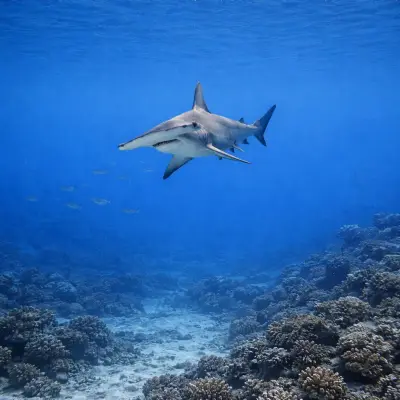
Hammerhead shark
October-July · occasional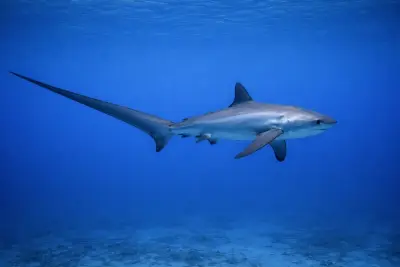
Thresher shark
occasional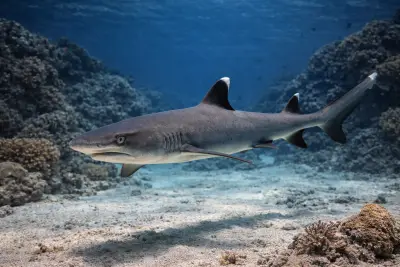
White-tip reef shark
occasional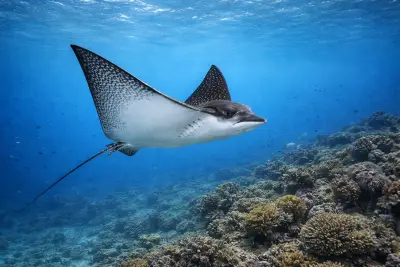
Eagle ray
occasional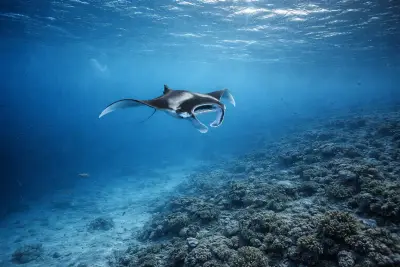
Manta ray
Seasonal · occasional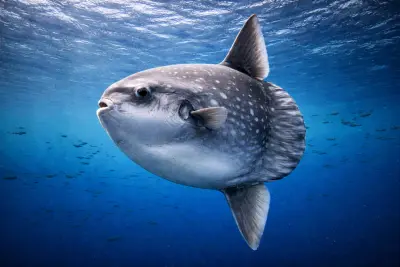
Mola mola
rare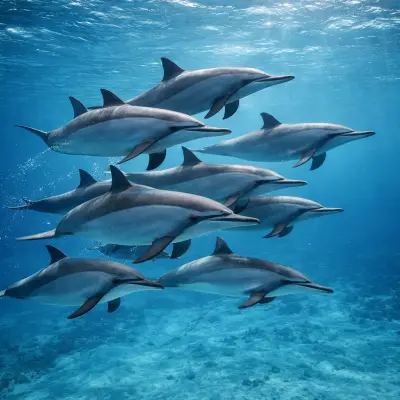
Dolphin
common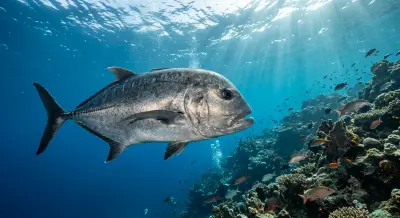
Giant trevally
occasional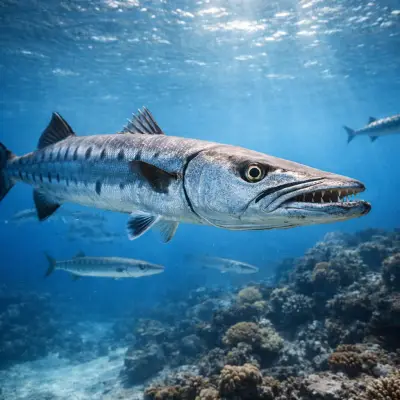
Barracuda
occasional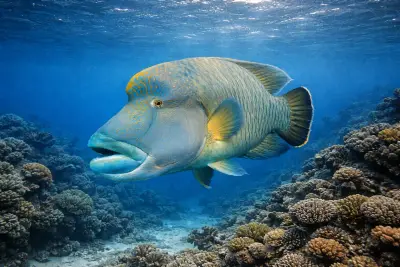
Napoleon wrasse
occasional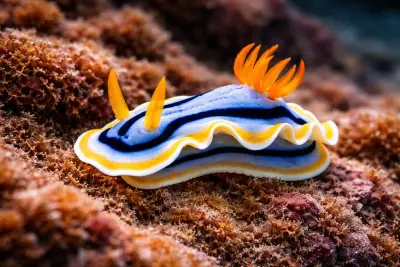
Nudibranch
common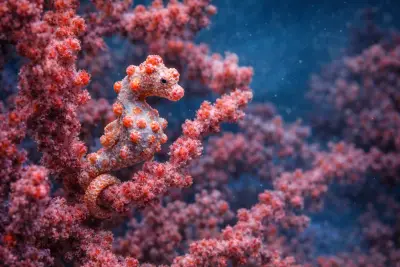
Pygmy seahorse
occasionalDive profile & how the dive runs
A dive at Adonara Channel typically begins with a negative entry from a tender, especially if currents are strong, allowing divers to quickly descend and avoid being swept away. The dive often unfolds as a drift along a vibrant wall, with divers riding the current to observe schooling fish and pelagic species. The dive guide will lead the group, utilizing the current to explore the reef's features, pointing out both macro life nestled in crevices and larger marine animals in the blue. Depths commonly range from 15 to 30 meters, though the site can extend deeper, offering opportunities for advanced divers. Turnaround is usually determined by air consumption or reaching a designated point down-current, after which the group will begin a slow ascent. The safety stop is conducted in the blue while still drifting, with the tender tracking the divers and performing a pickup at the surface, which is often signaled by an SMB.
Underwater photography
Adonara Channel offers excellent opportunities for wide-angle photography, capturing the dramatic walls, expansive coral formations, and potential encounters with large pelagics like sharks and rays. A wide-angle lens is ideal for showcasing the vastness of the reef and schooling fish in the nutrient-rich currents. For macro enthusiasts, while the channel is known for its larger life, patient searching along the wall can reveal smaller critters; a macro lens can capture the intricate details of nudibranchs or hidden pipefish. Due to the prevalent currents, maintaining excellent buoyancy is crucial to avoid contact with the reef and to steady your shots. Consider using strobes to bring out the true colors of the vibrant corals and marine life, especially at depth. Be mindful of current direction and position yourself strategically to anticipate marine life movement, particularly for pelagic subjects.
Combine with nearby dive sites
- Clown Valley
A black sand muck dive famous for macro life.
- Kal's Dream
A pristine coral wall known for pelagics and hammerhead sightings.
- The Arch
A natural underwater arch adorned with soft corals and resident fish.
- Beang Abang
A black sand slope ideal for night dives and rare critter spotting.
- Mahi Point
A shallow reef for macro photography with pygmy seahorses and ghost pipefish.
Getting there & logistics
Access to Alor, including Adonara Channel, typically involves flying into Kupang (KOE) in West Timor, followed by a domestic flight to Alor's Mali Airport (ARD) near Kalabahi. Liveaboards are the most common and recommended way to dive this remote area, departing from Kalabahi. Trips often span 7 to 10 nights, allowing comprehensive exploration of Alor's diverse dive sites, including both current-swept channels and calmer muck dives. While there are no specific marine park fees mentioned for Adonara Channel itself, general diving permits may be required for the region. Liveaboard itineraries efficiently combine Adonara Channel with other Alor highlights, minimizing surface travel and maximizing underwater time.
Safety & environment
Diving in Adonara Channel requires adherence to strict safety protocols due to potentially strong and unpredictable currents. Divers must pay close attention to dive briefings, especially regarding entry procedures, current direction, and buddy separation plans. It is crucial to maintain excellent buoyancy control and to have experience with drift diving. The nearest recompression chamber is located in Bali, which is a significant distance away, making evacuation a complex and time-consuming process. Therefore, comprehensive dive insurance covering emergency medical treatment and evacuation is not merely recommended, but absolutely essential for all divers. Always dive with a reputable operator and an experienced local guide who understands the channel's dynamic conditions.
Who it suits — and who it doesn't
Suited for
- Advanced Open Water divers
- Experienced drift divers
- Underwater photographers (wide-angle and macro)
- Divers seeking pelagic encounters
- Those who appreciate pristine, uncrowded reefs
Less suited for
- Novice or inexperienced divers
- Divers uncomfortable with strong currents
- Those without current diving experience
- Individuals prone to seasickness in choppy waters
- Divers without comprehensive dive insurance
FAQ
Adonara Channel FAQ
What kind of currents can I expect at Adonara Channel?
Adonara Channel is known for its moderate to strong, and sometimes unpredictable, currents. These currents are what make it an exciting drift dive and contribute to the rich marine life. Divers should be comfortable with dynamic water conditions and potentially negative entries.
Is Adonara Channel suitable for beginner divers?
No, Adonara Channel is generally not suitable for beginner divers. The strong currents and potential for challenging conditions require an Advanced Open Water certification and prior experience with drift diving. It's best suited for experienced divers comfortable with dynamic environments.
What marine life can I expect to see here?
Adonara Channel boasts a diverse array of marine life. You can anticipate encounters with schooling barracuda, trevally, and fusiliers. Occasional sightings of hammerhead, thresher, and white-tip reef sharks, as well as eagle rays and even manta rays, are possible. Macro life like nudibranchs and pygmy seahorses can also be found in calmer sections.
How is visibility typically at Adonara Channel?
Visibility at Adonara Channel is generally excellent, often ranging from 15 to 40 meters, especially during the dry season. The clear waters allow for stunning views of the vibrant coral reefs and distant pelagic action. Even during the shoulder months, visibility remains good.
Do I need special equipment for diving Adonara Channel?
While standard dive gear is sufficient, a current hook is highly recommended for Adonara Channel due to the strong currents, allowing you to safely observe the reef. Nitrox is also beneficial for repetitive deep dives often encountered on liveaboard itineraries in Alor, extending bottom time safely. A 3mm or 5mm wetsuit is usually adequate for the water temperatures.
How do I get to Adonara Channel?
Adonara Channel is best accessed via liveaboard trips that explore the Alor archipelago. The typical route involves flying to Kupang (KOE) and then taking a connecting flight to Alor's Mali Airport (ARD). Liveaboards usually depart from Kalabahi and offer comprehensive itineraries covering Adonara Channel and other premier dive sites.
Why dive Adonara Channel from a liveaboard?
Adonara Channel is one of Alor's signature dive sites. A liveaboard sleeps you on the water and puts you in the water for three to four guided dives per day, including dawn and night dives that day-boat operators rarely offer. You skip the daily commute back to port and reach quieter, less-crowded sites in the same region on a single trip.
Below are the liveaboards that include Adonara Channel on their Alor itineraries.
Liveaboards diving Adonara Channel
These liveaboards may visit Adonara Channel on selected itineraries — the exact dive sites depend on departure, weather and conditions.
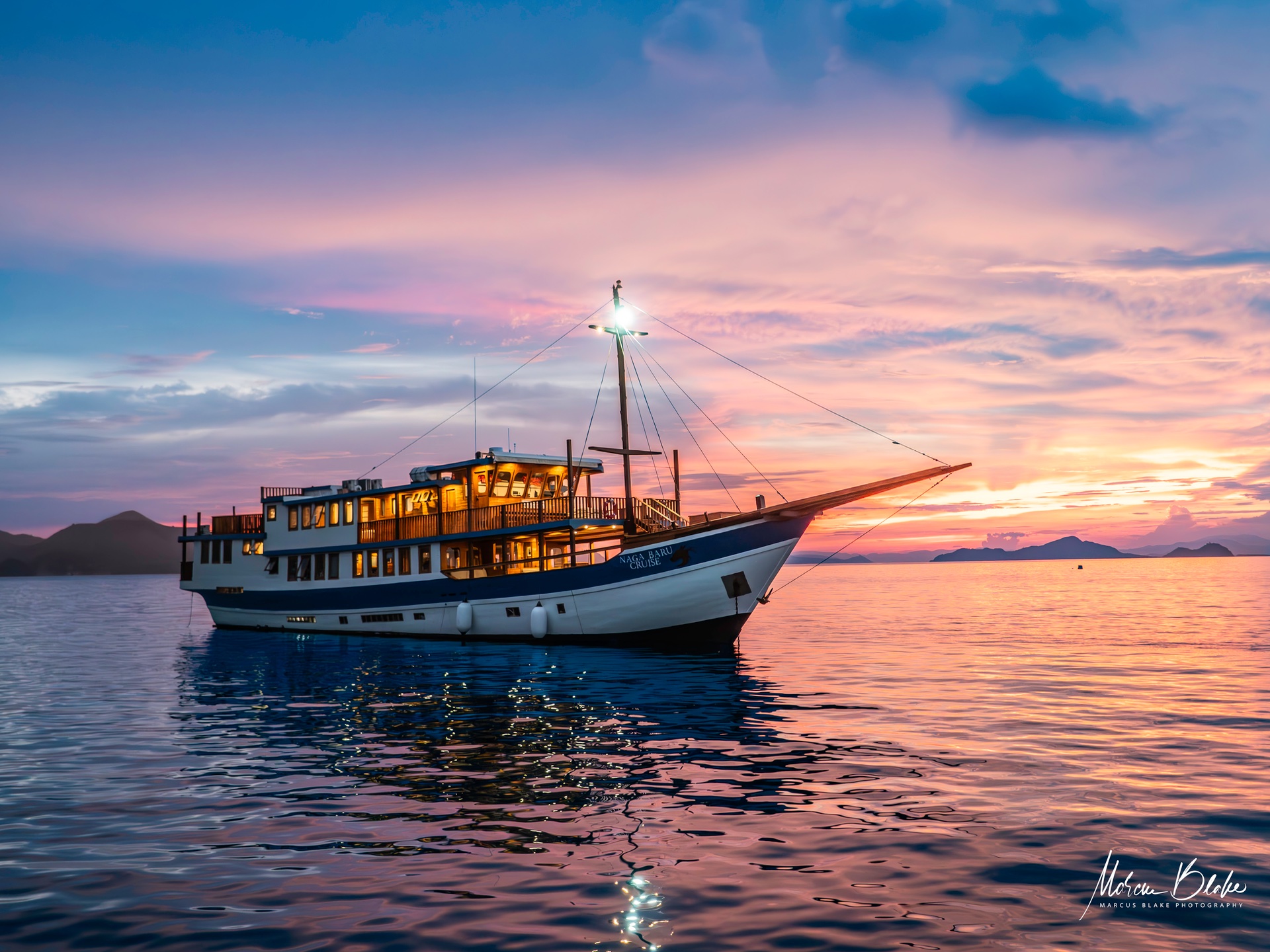
Naga Biru
Indonesia
12 guests40 m
$274/day
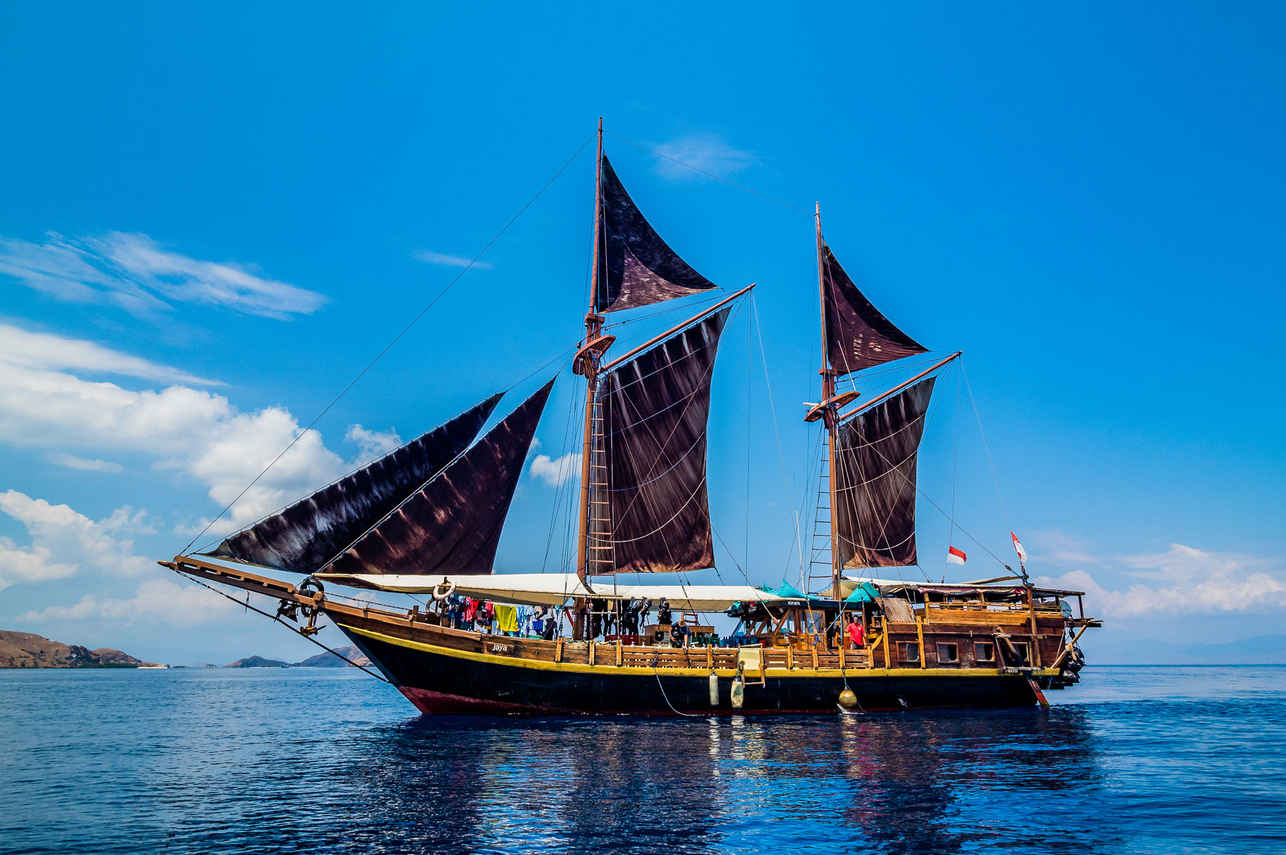
Jaya
Indonesia
14 guests23 m
$280/day
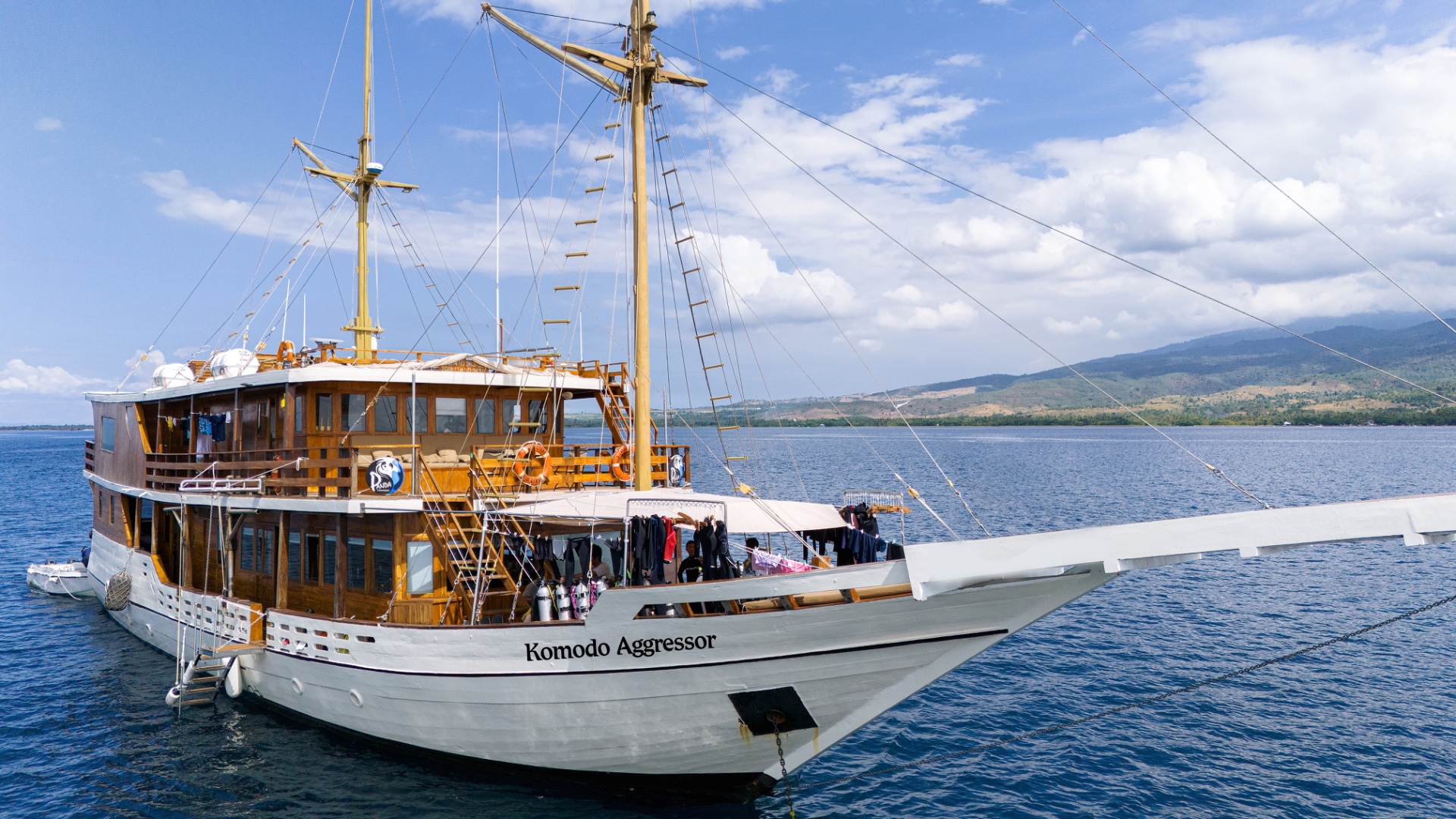
Komodo Aggressor
Komodo, Indonesia
16 guests29 m
$312/day
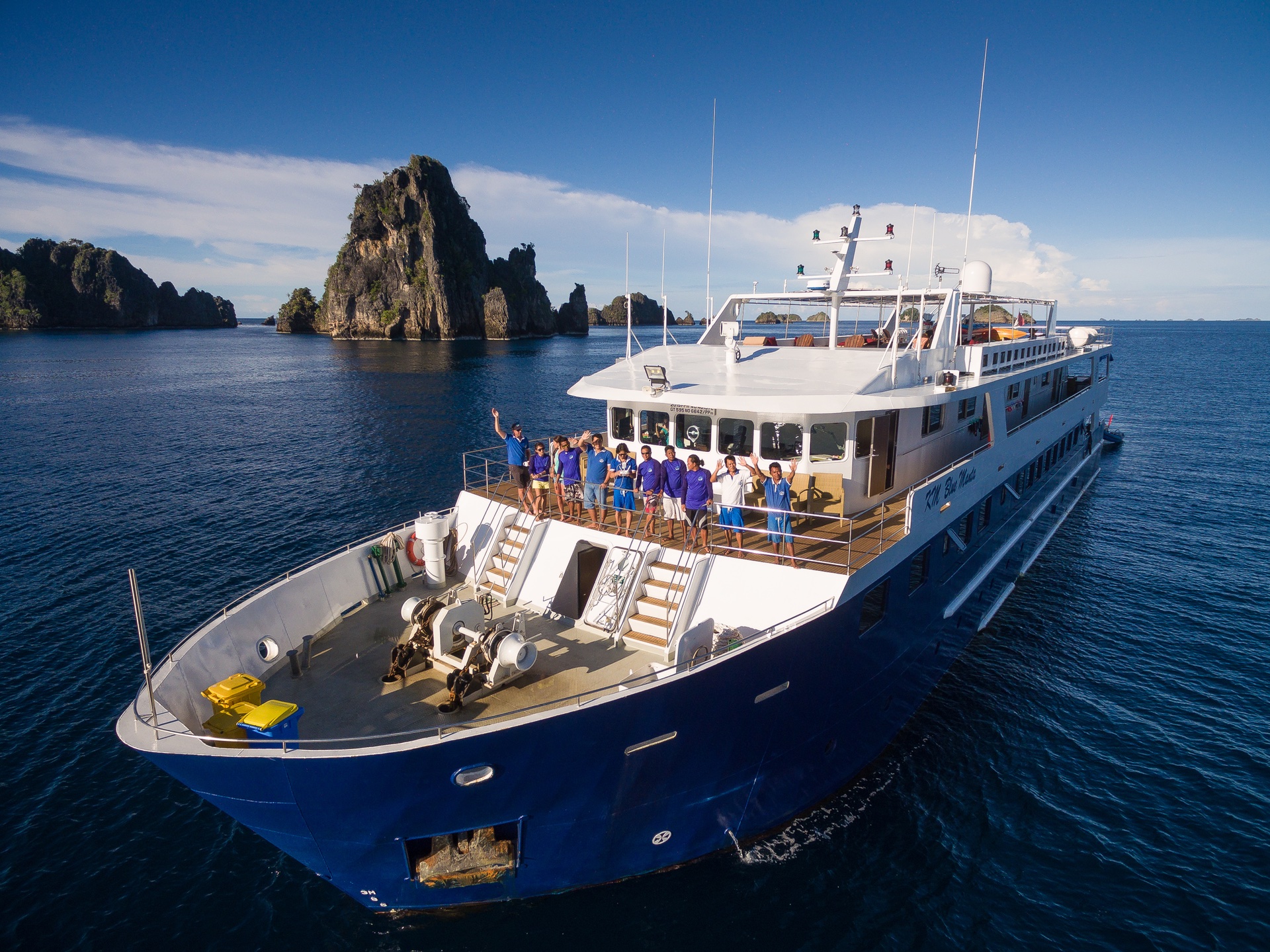
Blue Manta
Indonesia
20 guests45 m
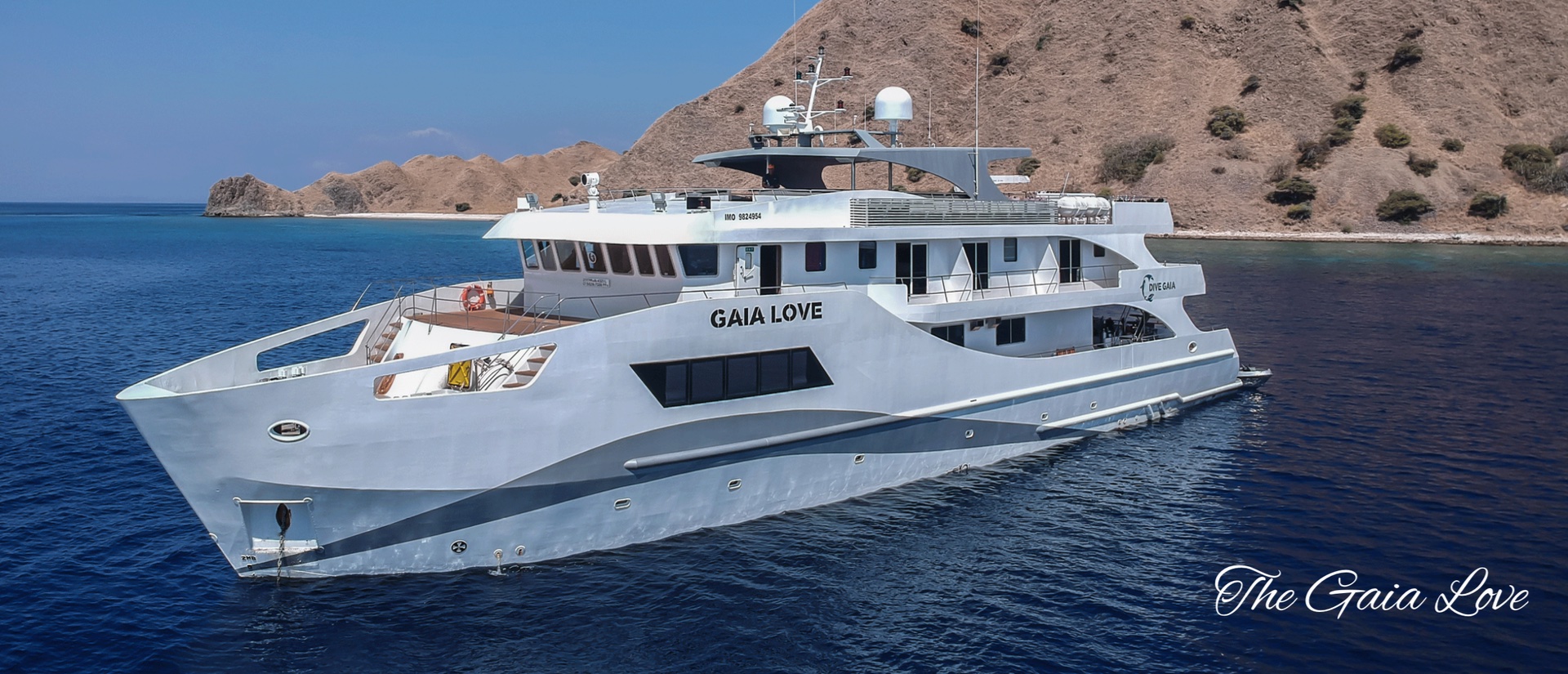
Gaia Love
Alor
20 guests
$554/day
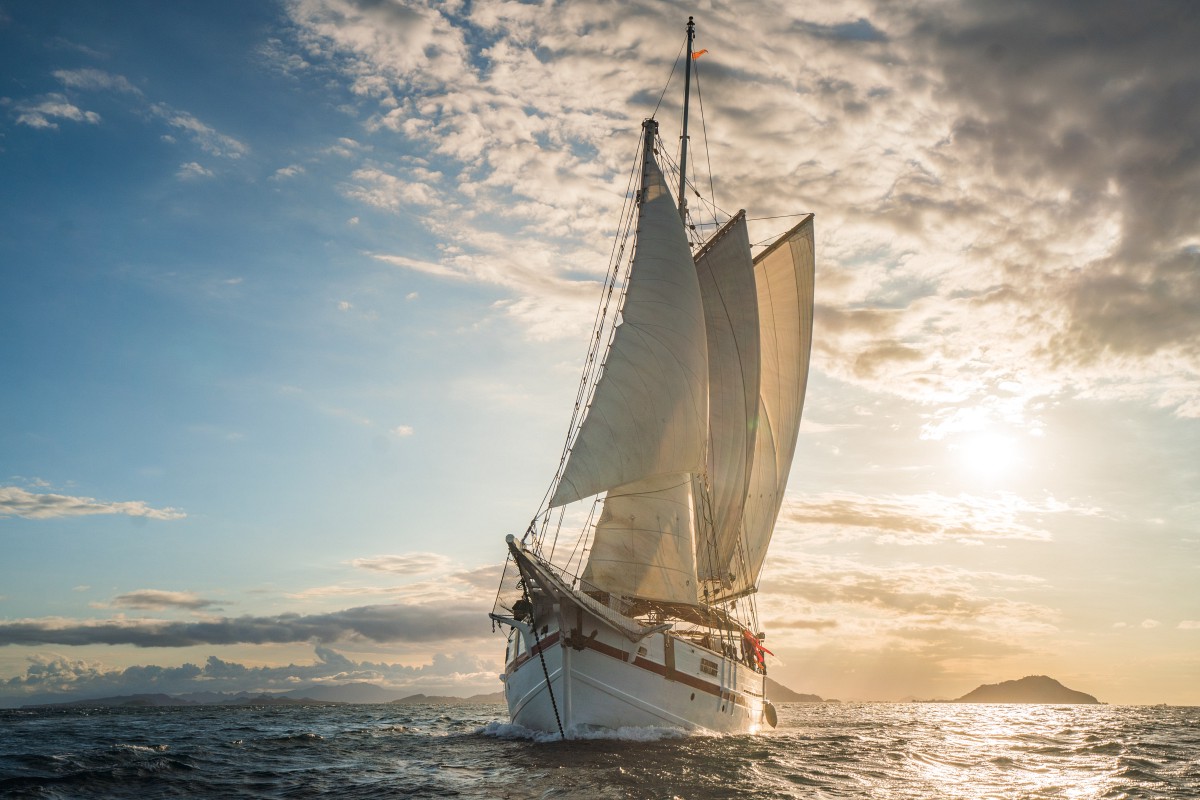
Emperor Raja Laut
Raja Ampat, Indonesia
12 guests31 m
$413/day
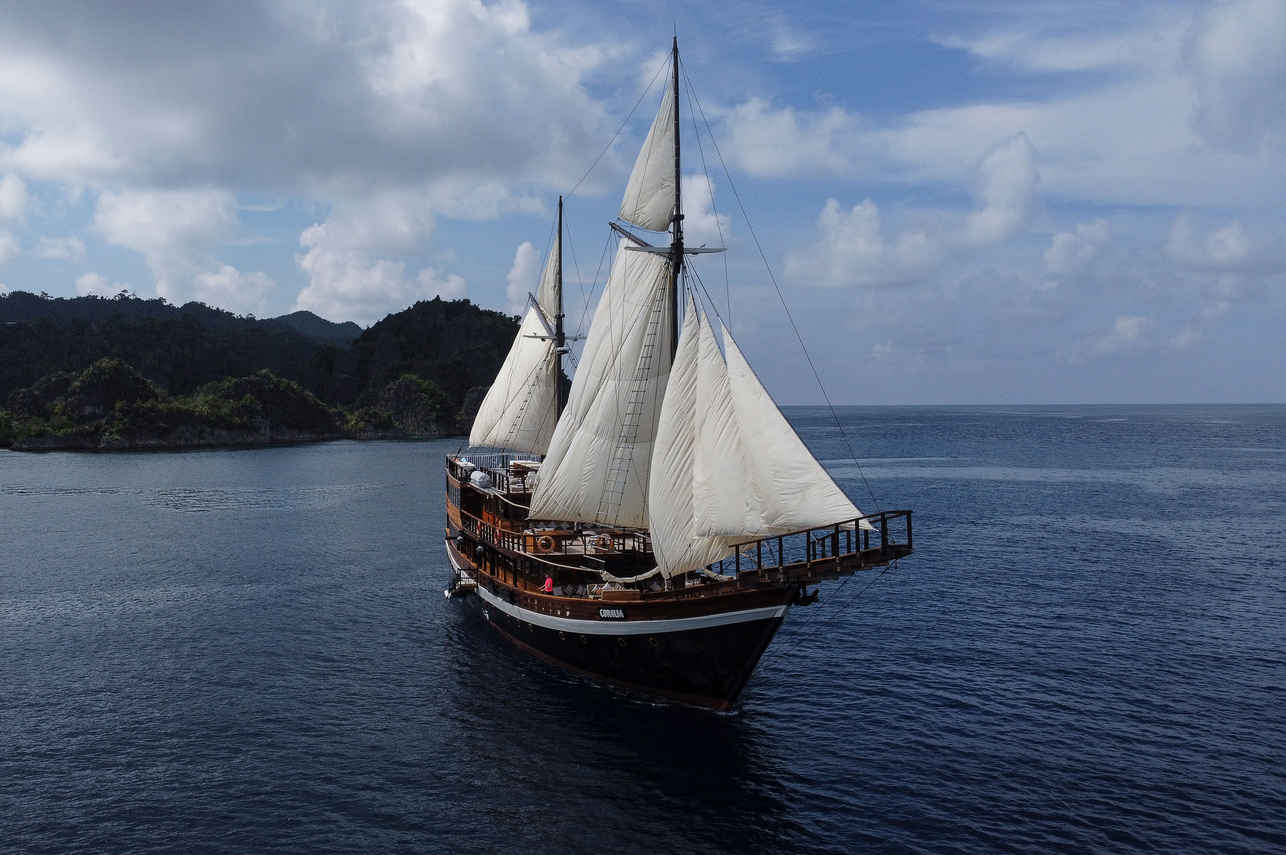
Coralia
Indonesia
16 guests48 m
$563/day
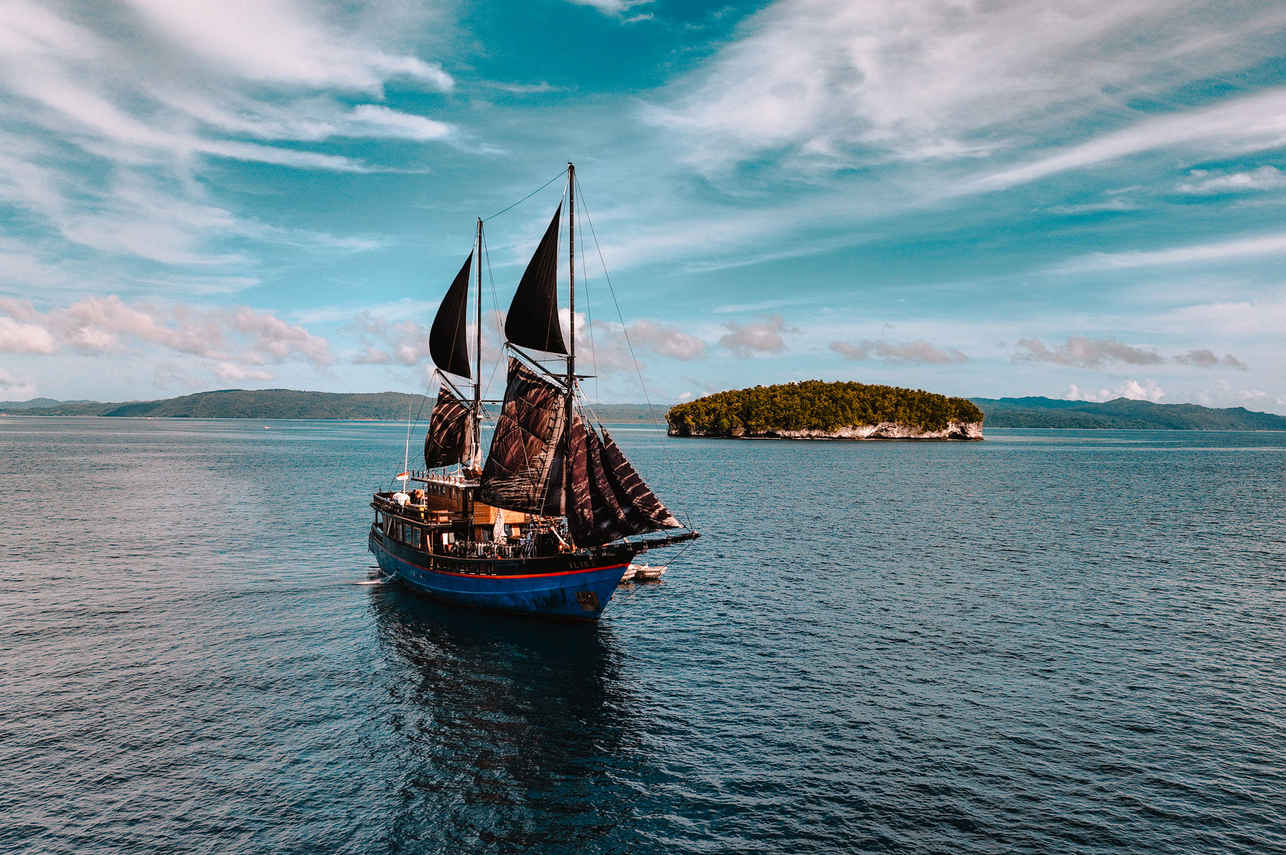
Ilike
Indonesia
16 guests40 m
$298/day
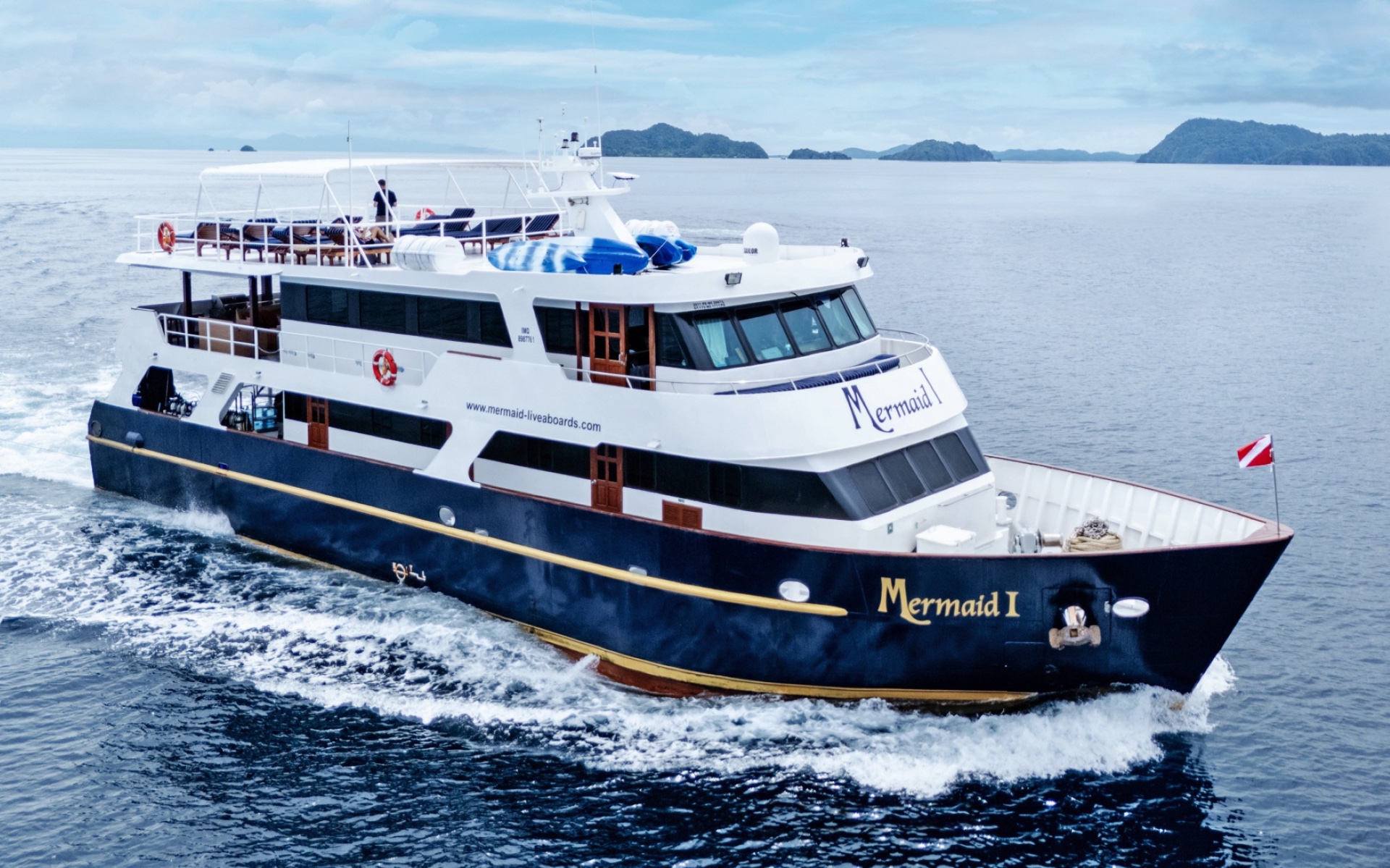
Mermaid I
Alor
15 guests28 m
$372/day
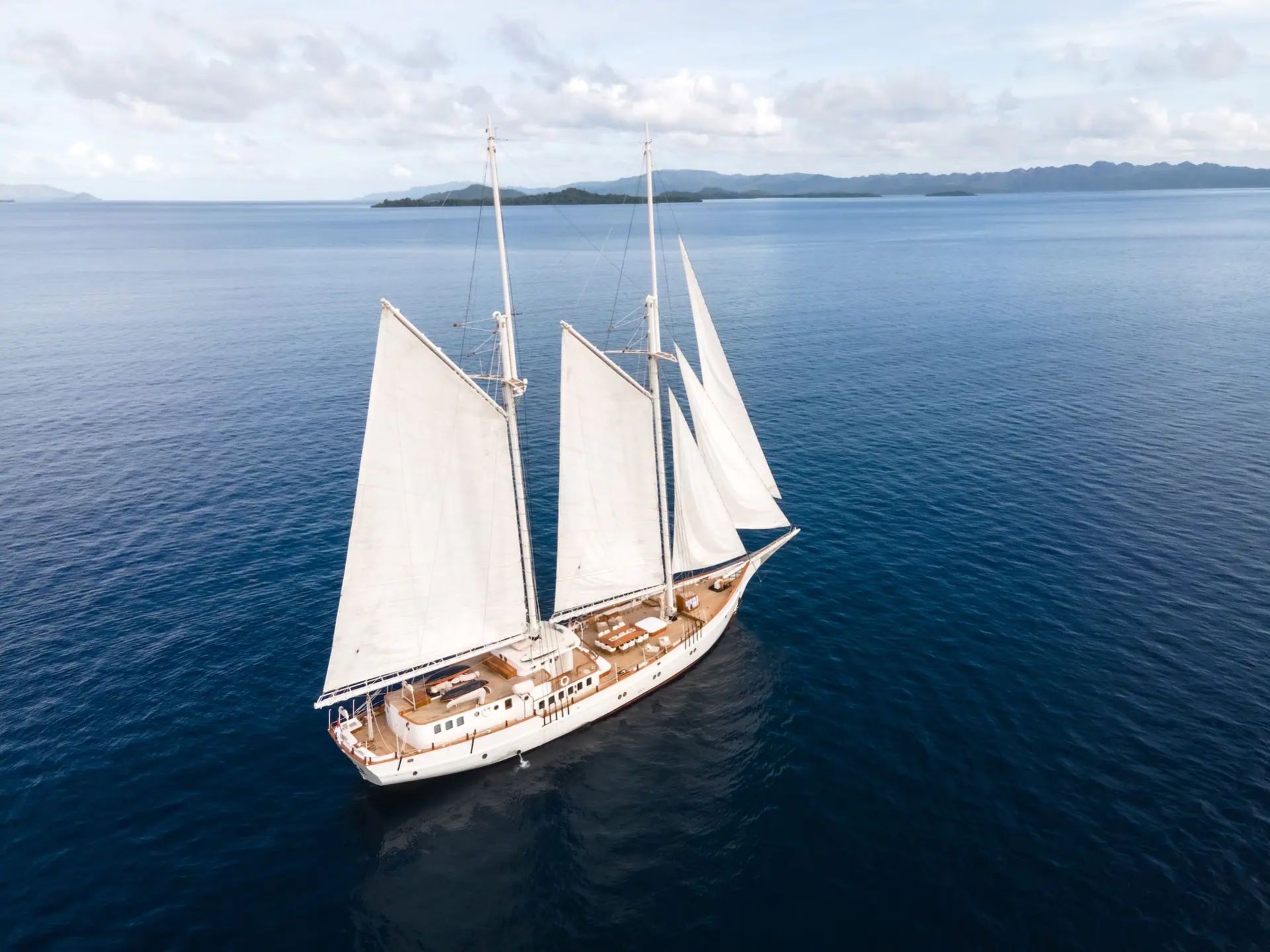
Mutiara Laut
Indonesia
14 guests46 m
$741/day
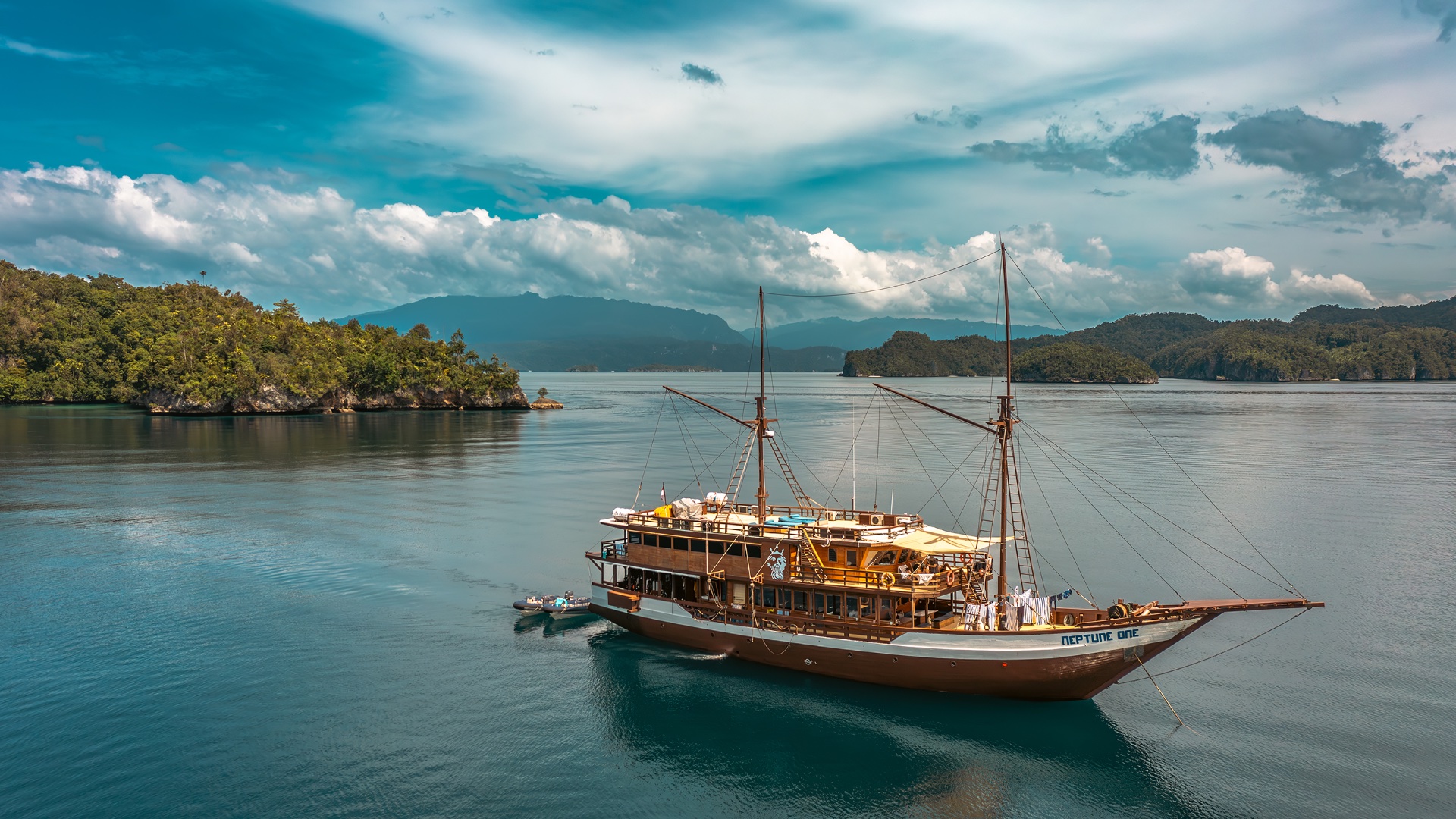
Neptune One
Indonesia
16 guests38 m
$332/day
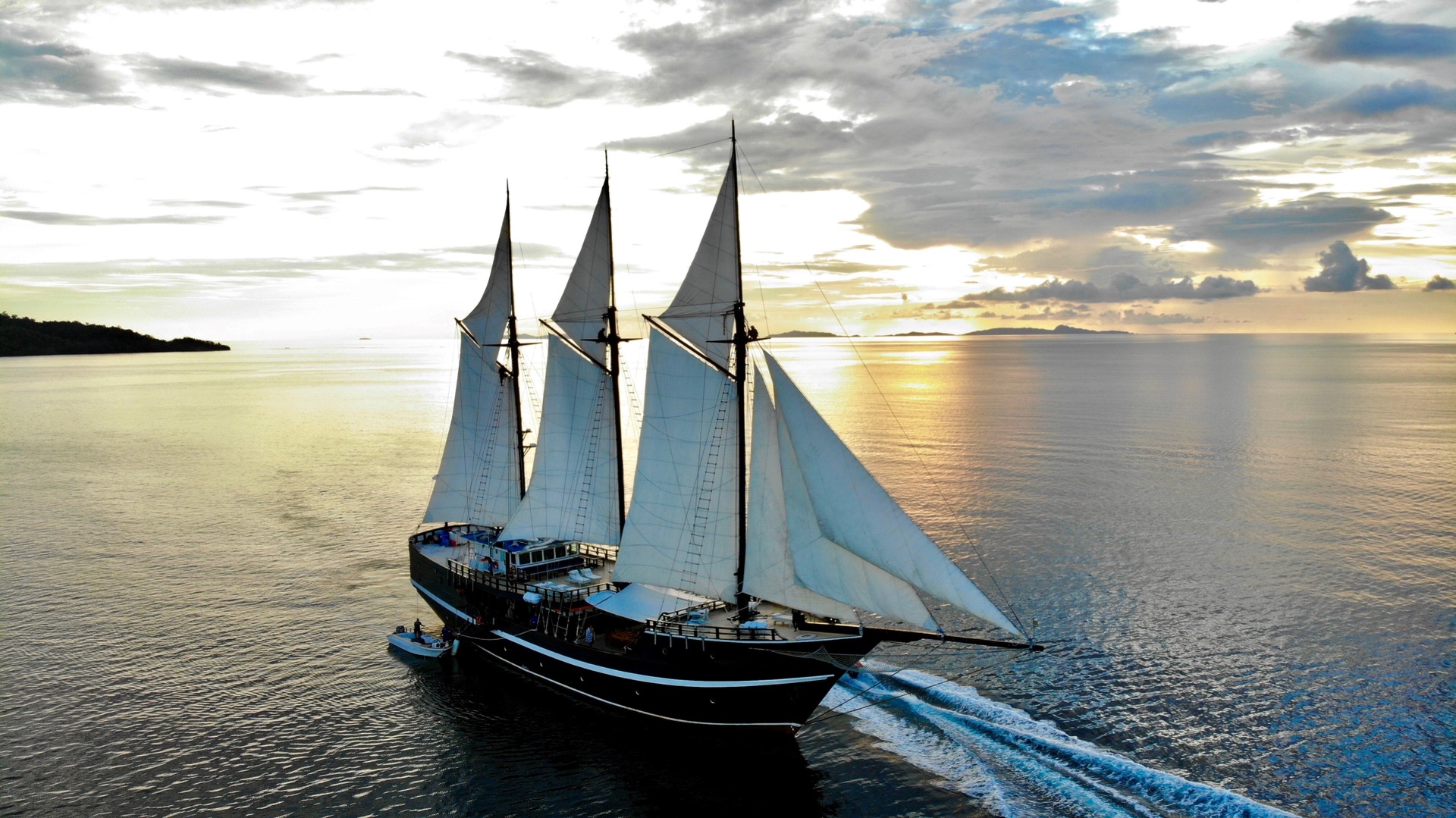
Dewi Nusantara
Indonesia
18 guests57 m
$493/day
Dive sites similar to Adonara Channel
Same character, same waters — six more sites divers love for the exact same reasons.Compare seasons, access and liveaboard routes — then pick the site that fits your trip best.
© Esri — Maxar, Earthstar, GIS
Andy’s Bus Stop
Alor
Andy's Bus Stop is an exceptional wall dive located in the southern part of Alor, renowned for its stunning and dense coral coverage.
- Suitable for
- Intermediate
- Current
- Moderate
- Access
- Liveaboard only
- Depth
- 8–30 m
- Theme
- Reef / Drift
© Esri — Maxar, Earthstar, GIS
Clown Valley
Alor
Clown Valley, also known as Anemone City or Anemone Valley, is a renowned dive site near Pura Island in Alor, famous for its extraordinary concentration of anemones.
- Suitable for
- Beginner
- Current
- Strong
- Access
- Liveaboard or dayboat
- Depth
- 5–25 m
- Theme
- Muck diving / Reef
© Esri — Maxar, Earthstar, GIS
Coconut Point
Alor
Coconut Point is a renowned dive site located in Alor, celebrated for its exceptional water clarity and vibrant marine ecosystems.
- Suitable for
- Beginner
- Current
- Strong
- Access
- Liveaboard or dayboat
- Depth
- 5–25 m
- Theme
- Drift / Reef
© Esri — Maxar, Earthstar, GIS
Crocodile Rock
Alor
Crocodile Rock is a captivating dive site situated within the Alor Archipelago, a remote Indonesian region celebrated for its untouched marine ecosystems.
- Suitable for
- Advanced
- Current
- Strong
- Access
- Liveaboard or dayboat
- Depth
- 6–28 m
- Theme
- Drift / Wall
© Esri — Maxar, Earthstar, GIS
Goa Wolang
Alor
Goa Wolang, also known as Wolang Cave, is a distinctive dive site located in South Alor, renowned for its intriguing topography and diverse marine life.
- Suitable for
- Advanced
- Current
- Strong
- Access
- Dayboat
- Depth
- 5–30 m
- Theme
- Cavern / Wall