About Chain Wall
Chain Wall is a notable dive site located within the Lighthouse Reef Atoll, one of Belize's three oceanic atolls situated offshore from the mainland. This site is celebrated for its spectacular wall diving, a hallmark of the classic Caribbean reef experience found in Belize. The topography features dramatic drop-offs that plunge into deeper waters, adorned with a variety of hard and soft corals. The shallower reef tops, typically found at 6-12 meters (20-40 feet), eventually give way to deeper wall sections reaching 24-30 meters (80-100 feet). This depth range allows for exploration of both vibrant reef ecosystems and the more profound wall environments. Marine life at Chain Wall is rich and varied throughout the year, encompassing both resident reef inhabitants and larger pelagic species. Divers frequently encounter a range of sharks, including Caribbean reef sharks and nurse sharks, along with large groupers and schooling fish. Turtles are also common, often swimming close to divers, while tarpon can be observed, particularly during night dives. Diving here typically involves relaxed profiles with minimal current, making it accessible for a wide range of divers. Visibility is consistently excellent, often ranging from 24-30 meters (80-100 feet), and water temperatures are comfortably warm, ensuring an enjoyable underwater experience amidst healthy coral formations.
Highlights
Vibrant wall divingCaribbean reef sharksHealthy corals and spongesSchooling reef fishLighthouse Reef AtollExcellent visibility
Season calendar
Best months to dive here
Jan
Feb
Mar
Apr
May
Jun
Jul
Aug
Sep
Oct
Nov
Dec
Excellent
Good
Dive site facts: Chain Wall
- Depth
- 6–30+ m
- Typical dive
- 12–25 m, 50–60 min
- Current
- Mild
- Visibility
- 24–30 m
- Water temperature
- 28–29°C
- Entry
- Liveaboard / Tender boat
- Level
- All levels, Open Water Diver recommended
- Dive type
- Wall, reef, drift
- Night dive
- Possible
- Region / port
- Lighthouse Reef Atoll, Belize
- Coordinates
- 17.2687° N, 87.7915° W
Conditions & Currents
Currents at Chain Wall are generally minimal, allowing for relaxed Caribbean-style wall diving where divers can take their time exploring the reef. This contrasts with more intense drift diving experiences found elsewhere in the Caribbean. Visibility is consistently excellent, often ranging from 24 to 30 meters (80 to 100 feet), providing clear views of the extensive coral formations and marine life. Water temperatures remain warm throughout the year, usually between 28-29°C (82-83°F), contributing to comfortable dive conditions. These stable conditions mean that the site is well-suited for a wide range of diver experience levels, allowing for extended bottom times and photography opportunities without significant environmental challenges.
Marine life & sighting chances
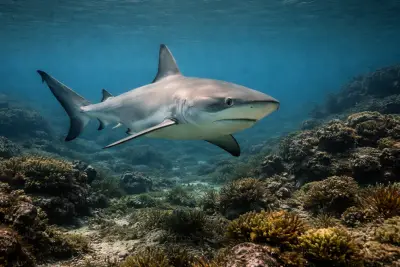
Caribbean reef shark
common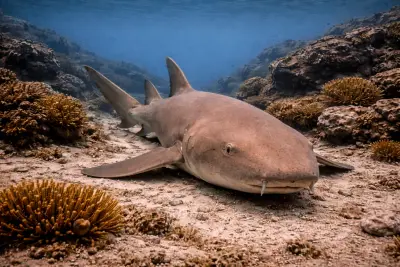
Nurse shark
common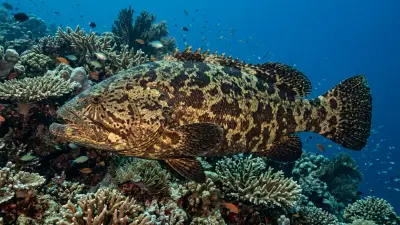
Grouper
common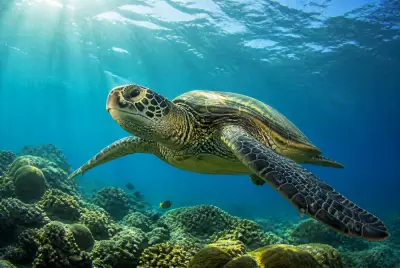
Sea turtle
common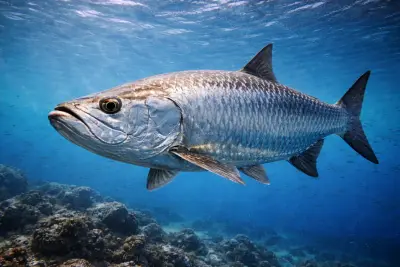
Tarpon
occasional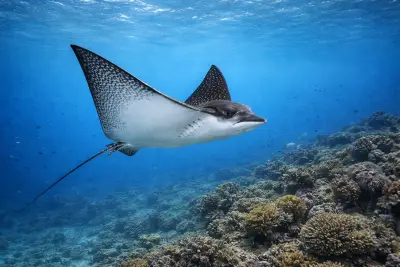
Eagle ray
occasional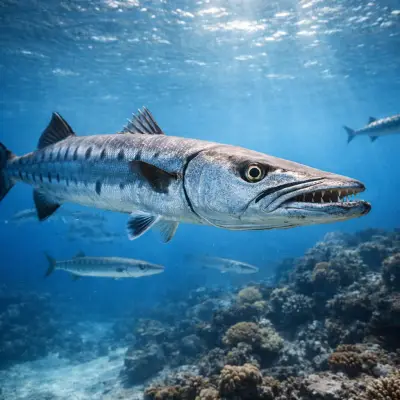
Barracuda
common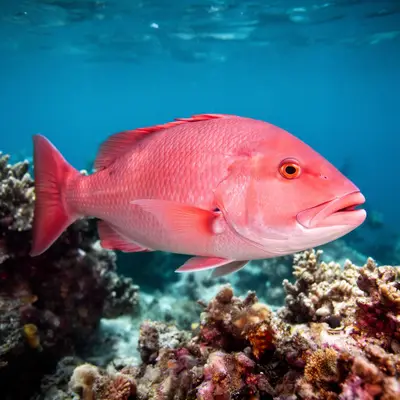
Snapper
common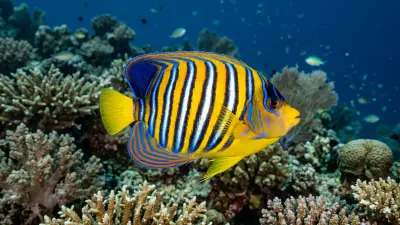
Angelfish
common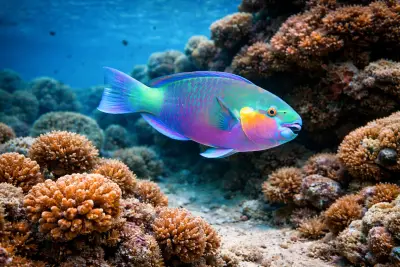
Parrotfish
common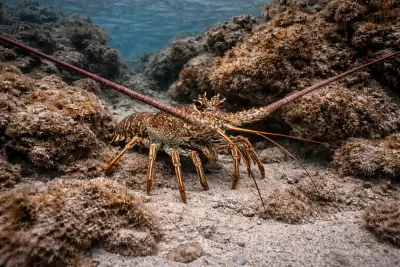
Slipper lobster
occasional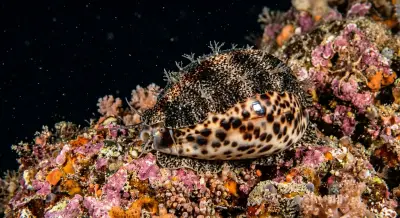
Flamingo tongue cowrie
common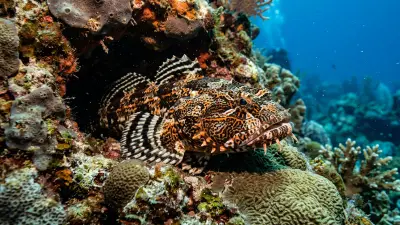
Toadfish
common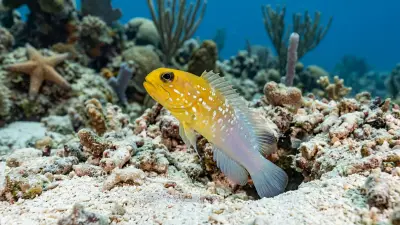
Jawfish
commonDive profile & how the dive runs
Diving at Chain Wall typically involves a boat entry directly over the reef, often as a gentle descent. The dive begins on the shallower reef top, usually between 6 to 12 meters (20-40 feet), which transitions smoothly into a dramatic wall drop-off. Divers often follow the contours of the wall, descending to depths around 24-30 meters (80-100 feet) to observe the extensive sponge and coral growth, and watch for passing pelagics like Caribbean reef sharks. The route generally involves swimming along the wall, maintaining neutral buoyancy to protect the delicate ecosystem. As the dive progresses, a gradual ascent is made back to the shallower reef top for the latter part of the dive, allowing for a longer overall bottom time. The safety stop is typically conducted in the clear, calm waters over the shallower reef, often around 5 meters (15 feet), offering additional opportunities to observe reef fish before surfacing and boarding the tender boat.
Underwater photography
Chain Wall provides excellent opportunities for both wide-angle and macro photography due to its diverse topography and marine life. For capturing the expansive wall, dramatic drop-offs, and larger subjects like reef sharks or schooling fish, a wide-angle lens is highly recommended. To highlight the vibrant colors of the corals and sponges, external strobes are essential, positioned to avoid backscatter in the clear water. For macro subjects such as flamingo tongue cowries, jawfish, or smaller invertebrates nestled in the reef, a macro lens will yield impressive detail. Divers should practice excellent buoyancy control to avoid damaging the healthy corals and to maintain stable shots, particularly when photographing shy subjects. Be mindful of not disturbing marine life; allow subjects like turtles or groupers to approach you naturally for the best encounters.
Combine with nearby dive sites
- Half Moon Caye Wall
A well-known wall dive with abundant marine life including sharks and turtles.
- Tarpon Cave
Known for its unique cave formations and resident tarpon.
- Long Caye Wall
Offers similar impressive aquatic life to Half Moon Caye, often with fewer crowds.
- Great Blue Hole
Iconic sinkhole known for its unique geological formations and stalactites.
Getting there & logistics
Diving at Chain Wall is primarily facilitated by liveaboard trips operating from various departure points in Belize. The nearest major international airport is Philip S. W. Goldson International Airport (BZE) near Belize City. From Belize City, divers board liveaboards, typically for week-long itineraries, which then travel to the offshore atolls including Lighthouse Reef. These trips generally combine dives at Chain Wall with other premier sites in Lighthouse Atoll, such as Half Moon Caye Wall, Tarpon Caves, and the Great Blue Hole. Park fees may be included in liveaboard packages, as Chain Wall is part of the protected Belize Barrier Reef Reserve System. The remote location means day trips are less common, making liveaboards the most practical way to experience this site and its neighbors.
Safety & environment
Diving in Belize's remote atolls, including Chain Wall, necessitates preparedness for potential emergencies. The nearest recompression chamber is located in San Pedro, Ambergris Caye, requiring potentially lengthy evacuation by boat or air, depending on sea conditions and availability. Divers Alert Network (DAN) insurance or equivalent comprehensive dive insurance is strongly advised to cover medical evacuation and treatment costs, which can be substantial. Site-specific hazards are minimal due to mild currents, but always maintain situational awareness, especially on wall dives where depth management is crucial. Adhere strictly to dive plan limits, carry a surface marker buoy, and ensure your dive computer is functional. Always dive with a buddy and follow the instructions of your experienced dive guide, particularly regarding maintaining safe distances from marine life.
Who it suits — and who it doesn't
Suited for
- Open Water certified divers comfortable with boat entries
- Divers seeking vibrant wall and reef ecosystems
- Underwater photographers looking for diverse subjects
- Liveaboard enthusiasts
- Divers interested in shark encounters
Less suited for
- Beginners without open water certification
- Divers expecting strong currents and drift diving
- Those who prefer shore dives
- Travelers sensitive to boat motion on longer transits
FAQ
Chain Wall FAQ
What kind of marine life can I expect at Chain Wall?
At Chain Wall, you can expect a rich variety of marine life typical of Belize's atolls. Frequent sightings include Caribbean reef sharks, nurse sharks, and various types of groupers. The reef is also home to schooling fish like snapper, angelfish, and parrotfish, as well as sea turtles, barracuda, and occasional eagle rays.
Is Chain Wall suitable for beginner divers?
Yes, Chain Wall is generally suitable for Open Water certified divers. The currents are typically mild, and the water is warm with excellent visibility. Dive profiles usually allow for exploration of both shallower reef areas and the wall, making it a comfortable and rewarding experience for a range of skill levels.
How deep is Chain Wall and what are the typical dive depths?
Chain Wall features a reef that starts around 6 meters (20 feet) and drops off into a dramatic wall. Typical dive depths for recreational divers exploring the wall and reef average between 12 to 25 meters (40-80 feet), though the wall extends much deeper. Most dives focus on the upper sections to maximize bottom time and coral viewing.
What are the water conditions like at Chain Wall?
Water conditions at Chain Wall are consistently favorable throughout the year. Temperatures generally range from 28-29°C (82-83°F), making for comfortable diving without thick wetsuits. Visibility is often excellent, typically between 24 to 30 meters (80 to 100 feet), and currents are usually mild, providing calm dive experiences.
How do I get to Chain Wall for diving?
Chain Wall is located in the remote Lighthouse Reef Atoll, so it is primarily accessed via liveaboard dive boats. These liveaboards typically depart from Belize City and offer multi-day itineraries that include Chain Wall along with other renowned dive sites in the atoll, such as Half Moon Caye Wall and the Great Blue Hole.
Why dive Chain Wall from a liveaboard?
Chain Wall is one of Belize's signature dive sites. A liveaboard sleeps you on the water and puts you in the water for three to four guided dives per day, including dawn and night dives that day-boat operators rarely offer. You skip the daily commute back to port and reach quieter, less-crowded sites in the same region on a single trip.
Below are the liveaboards that include Chain Wall on their Belize itineraries.
Liveaboards diving Chain Wall
These liveaboards may visit Chain Wall on selected itineraries — the exact dive sites depend on departure, weather and conditions.
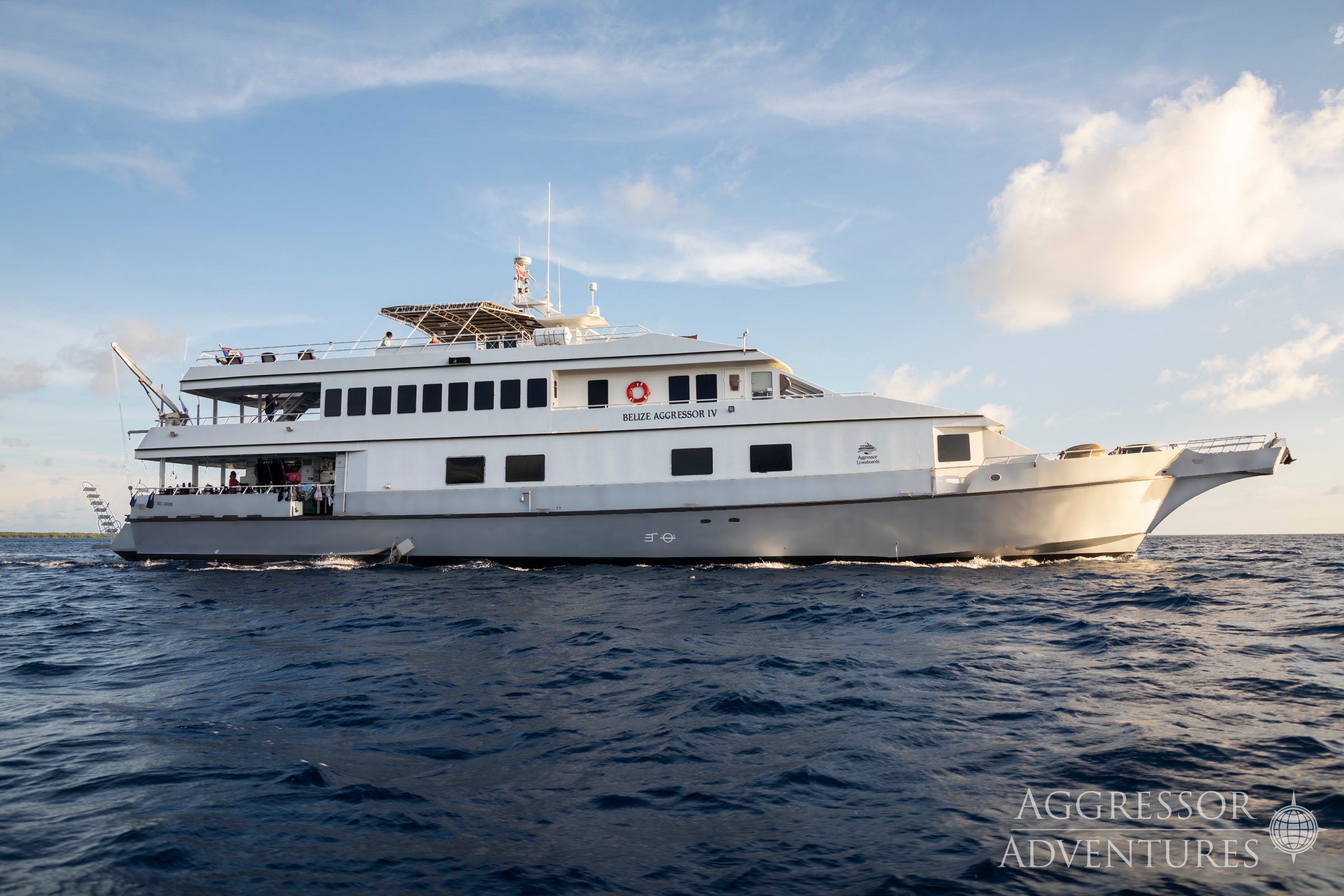
Belize Aggressor IV
Belize
20 guests42.1 m
$356/day
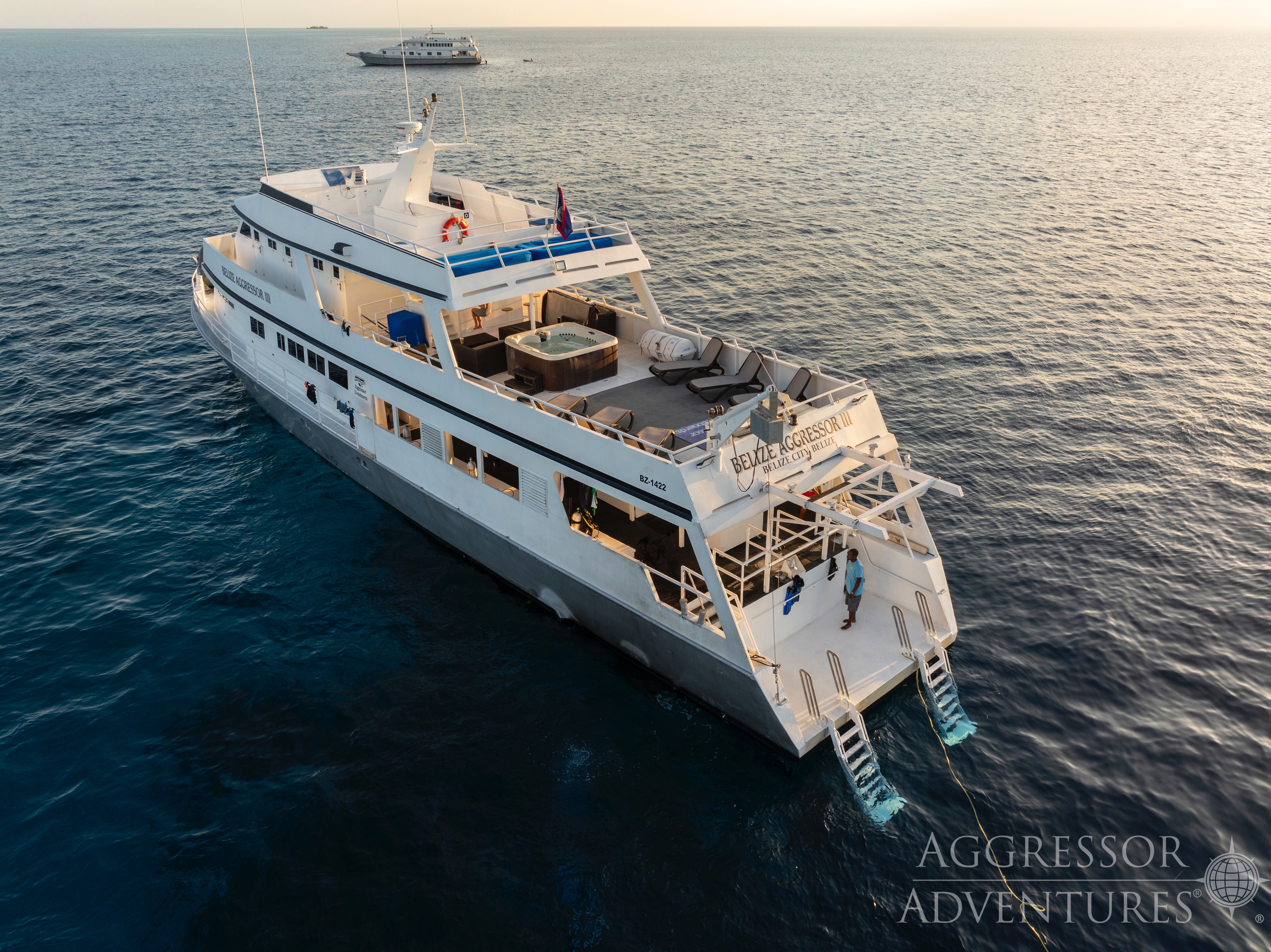
Belize Aggressor III
Belize
18 guests33.5 m
$336/day
Dive sites similar to Chain Wall
Same character, same waters — six more sites divers love for the exact same reasons.Compare seasons, access and liveaboard routes — then pick the site that fits your trip best.
© Esri — Maxar, Earthstar, GIS
Carrie Bow Caye Reef
Belize
Carrie Bow Caye is a small sand caye positioned directly on the Belize Barrier Reef, hosting a continuous coral reef monitoring program by the Smithsonian Institution since 1972.…
- Suitable for
- Intermediate
- Current
- Moderate
- Access
- Liveaboard or dayboat
- Depth
- 4–30 m
- Theme
- Reef / Wall
© Esri — Maxar, Earthstar, GIS
Ambergris Caye
Belize
Ambergris Caye, the largest and most popular of Belize's offshore cayes, offers unparalleled diving along 40 kilometers of the Belize Barrier Reef, situated less than a mile offshore.
- Suitable for
- Intermediate
- Current
- Mild
- Access
- Dayboat
- Depth
- 15–60 m
- Theme
- Reef / Wall
© Esri — Maxar, Earthstar, GIS
Long Caye Ridge
Belize
Long Caye Ridge is a highly-rated dive site situated within Belize's Lighthouse Reef Atoll, an area renowned for its pristine conditions due to its distance from the mainland.
- Suitable for
- Intermediate
- Current
- No current
- Access
- Liveaboard only
- Depth
- 21–21 m
- Theme
- Reef
© Esri — Maxar, Earthstar, GIS
Silver Caves
Belize
Silver Caves offers a distinctive diving experience within the Lighthouse Reef Atoll, one of Belize's healthiest reef systems.
- Suitable for
- Advanced
- Current
- Mild
- Access
- Liveaboard only
- Depth
- 18–28 m
- Theme
- Reef / Cave & cavern
© Esri — Maxar, Earthstar, GIS
Sayonara Wreck
Belize
The Sayonara Wreck offers an engaging intermediate dive experience southwest of the Turneffe Islands in Belize.
- Suitable for
- Intermediate
- Current
- Moderate
- Access
- Liveaboard only
- Depth
- 12–18 m
- Theme
- Wreck / Reef