About Cayo Trabuco
Cayo Trabuco is nestled within Cuba's Canarreos Archipelago, a protected marine region celebrated for its pristine coral reefs and diverse aquatic species. This area, similar to Jardines de la Reina, stands out as a prime Cuban diving destination, best reached by liveaboard. Strict limits on visitors ensure a thriving environment where marine animals exhibit little fear, allowing for close encounters with both large pelagics and numerous reef inhabitants. The underwater landscape around Cayo Trabuco features healthy coral formations, dramatic drop-offs, and potentially unexplored caves. The reef's untouched condition is a hallmark of Cuban waters, demonstrating minimal damage or pollution, and showcasing a rich array of marine life against a backdrop of exceptional visibility, typically ranging from 30 to 40 meters. This marine ecosystem supports over 50 coral species and more than 200 sponge species. Divers will encounter various hard and soft corals, including pillar, staghorn, elkhorn, and spectacular gorgonians, alongside barrel and tube sponges. The area teems with a wide assortment of fish, crustaceans like spiny lobsters and coral shrimp, and other invertebrates. Diving at Cayo Trabuco caters to all experience levels, from novices to advanced divers, thanks to its varied dive sites. Liveaboard expeditions to this region usually span about a week, providing ample time to explore multiple locations and fully immerse in the rich biodiversity that makes this Cuban site truly unique.
Highlights
Unspoiled Caribbean reefsHealthy coral gardensAbundant marine lifeProtected marine environmentVibrant fish populationsSecluded dive experience
Season calendar
Best months to dive here
Jan
Feb
Mar
Apr
May
Jun
Jul
Aug
Sep
Oct
Nov
Dec
Excellent
Good
Dive site facts: Cayo Trabuco
- Depth
- 5–30 m
- Typical dive
- 10–30 m, 50–60 min
- Current
- Mild
- Visibility
- 30–40 m
- Water temperature
- 24–30°C
- Entry
- Tender / Live drop
- Level
- All levels
- Dive type
- Reef, wall, coral garden
- Night dive
- Possible
- Region / port
- Canarreos Archipelago, Cuba
- Coordinates
- 21.6667° N, 81.3333° W
Conditions & Currents
Currents at Cayo Trabuco are typically described as mild, a common characteristic within the protected Canarreos Archipelago, where conditions are generally favorable for diving. However, divers should always anticipate the possibility of mild to moderate currents, particularly near reef channels or points, as these can fluctuate with tidal movements. Visibility is consistently excellent, often between 30 and 40 meters, aiding in current assessment and overall situational awareness. Water temperatures remain comfortably warm throughout the year, ranging from 24°C to 30°C, meaning thermoclines are not typically a concern. Entry to the water is almost exclusively from a tender boat, usually via a live drop, which requires divers to be ready for an immediate descent. Divers should consult with local guides for the most current conditions and plan their air consumption accordingly, especiall
Marine life & sighting chances
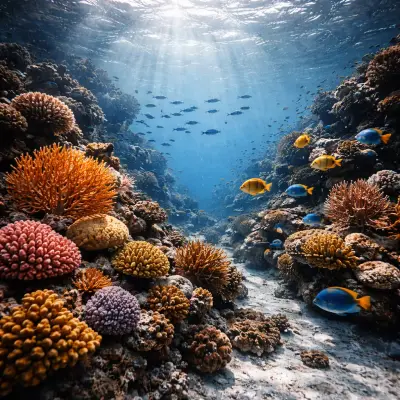
Pillar Coral
commonStaghorn Coral
commonElkhorn Coral
common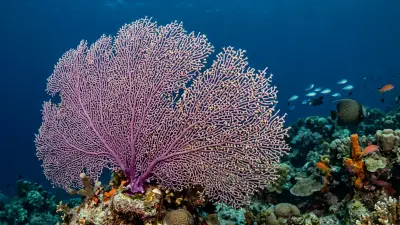
Gorgonians
common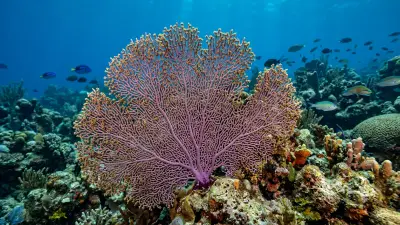
Sea Fans
common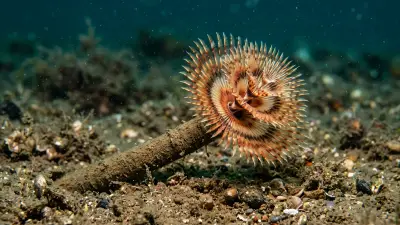
Plume Worms
common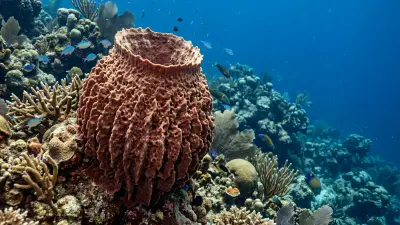
Barrel Sponges
common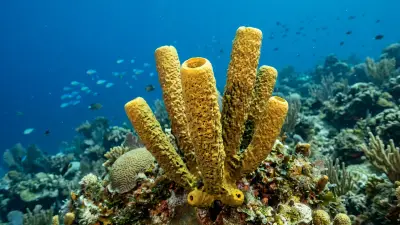
Tube Sponges
common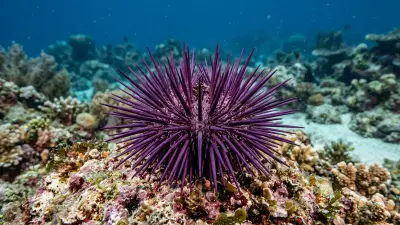
Sea Urchins
common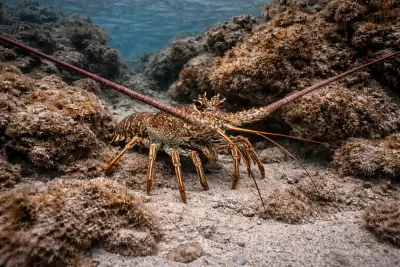
Spiny Lobsters
commonCoral Shrimp
common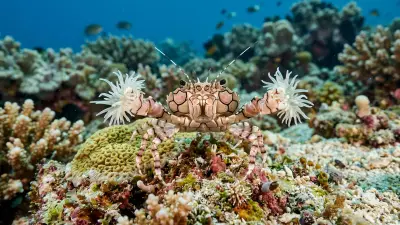
Crabs
common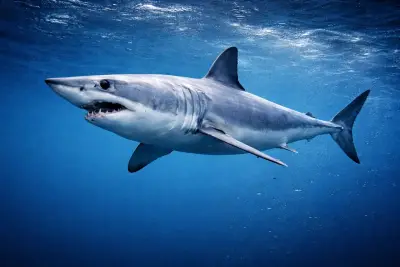
Sharks
occasional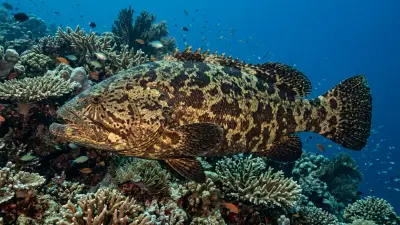
Groupers
commonDive profile & how the dive runs
A typical dive at Cayo Trabuco commences with a tender boat transfer to the chosen site, followed by a live back-roll entry directly into the water. Divers then generally navigate along a gentle slope or wall, initially exploring the vibrant coral gardens at shallower depths, often around 10 to 15 meters. The dive then gradually progresses to deeper reef sections, which may extend to 25 or 30 meters. The route often involves a drift along the reef with any present current, offering an immersive experience for observing diverse corals and schooling fish. Turnaround points are determined by individual air consumption and no-decompression limits. The ascent is performed gradually, typically culminating in a safety stop at 5 meters for at least three minutes, allowing divers a final opportunity to appreciate the surrounding marine environment near the surface.
Underwater photography
Cayo Trabuco's excellent visibility, often 30-40 meters, and healthy coral formations provide ideal conditions for wide-angle photography, capturing expansive reef scenes and impressive drop-offs. A dome port is highly recommended to maximize the field of view underwater. For capturing the vibrant colors of corals and schooling fish, external strobes are beneficial, ensuring proper lighting and color rendition, especially in deeper sections or on overcast days. Macro lenses can also yield excellent results when focusing on the numerous smaller inhabitants, such as coral shrimp, crabs, and plume worms, particularly when exploring the intricate details of barrel and tube sponges. Divers should practice good buoyancy control to avoid damaging the pristine corals and to maintain stable shots.
Combine with nearby dive sites
Getting there & logistics
Access to Cayo Trabuco, located within Cuba's remote Canarreos Archipelago, is primarily via liveaboard vessels. Travelers typically fly into international airports such as Havana (HAV) or other major Cuban cities, then arrange transfers to the departure port, which is often not specified in general information but is usually a port serving the archipelago. Liveaboard trips to this region commonly last about a week, providing extensive opportunities to explore multiple dive sites across the archipelago. Given the protected status of the marine environment, all visitors operate under strict regulations. There is no mention of specific permits or fees for diving Cayo Trabuco itself, but liveaboard packages typically incorporate all necessary access and dive permits. The site is usually combined with other prime diving locations within the Canarreos Archipelago on a single itinerary.
Safety & environment
While no specific recompression chamber location is provided for Cayo Trabuco, it is crucial for divers to understand that medical facilities in remote areas of Cuba, including the Canarreos Archipelago, may be limited. Emergency evacuation would likely involve transport to a larger Cuban city or, in severe cases, international medical evacuation, which can be complex and time-consuming. Therefore, comprehensive dive insurance covering emergency medical treatment, recompression therapy, and medical evacuation is absolutely essential. Site-specific hazards are generally low due to mild currents and excellent visibility, but divers should still adhere to standard safety protocols, including proper depth and no-decompression limit planning. Always dive with a reputable operator and follow the instructions of dive guides, who are familiar with local conditions and protocols.
Who it suits — and who it doesn't
Suited for
- Divers seeking pristine, untouched reefs
- Photographers looking for clear water and vibrant corals
- Divers interested in diverse macro and reef life
- Those who prefer liveaboard diving experiences
- Divers of all experience levels
Less suited for
- Divers seeking shore-based diving
- Those looking for highly predictable strong current dives
- Budget-conscious travelers (due to liveaboard focus)
- Divers reliant on immediate advanced medical care
FAQ
Cayo Trabuco FAQ
What kind of marine life can I expect to see at Cayo Trabuco?
Cayo Trabuco boasts a rich diversity of marine life, including over 50 species of coral and 200 species of sponges. You can commonly spot pillar, staghorn, elkhorn, and gorgonian corals, alongside barrel and tube sponges. The site is also home to a variety of fish, spiny lobsters, coral shrimp, crabs, groupers, and occasionally sharks.
What are the typical diving conditions like at Cayo Trabuco?
Diving conditions at Cayo Trabuco are generally excellent, characterized by mild currents and exceptional visibility, typically ranging from 30 to 40 meters. Water temperatures are consistently warm, between 24°C and 30°C, throughout the year. The site offers a mix of reef and wall dives with healthy coral gardens.
Is Cayo Trabuco suitable for all diving levels?
Yes, Cayo Trabuco is considered suitable for divers of all levels, from beginners to experienced individuals. The variety of dive sites allows for different skill sets to be accommodated, with options for exploring shallower coral gardens and deeper reef sections.
How is Cayo Trabuco typically accessed for diving?
Cayo Trabuco is primarily accessed via liveaboard trips within the Canarreos Archipelago. Divers are usually transferred from the main vessel to the dive site by tender boat, where they perform a live back-roll entry into the water. These liveaboard excursions commonly last about a week.
When is the best time of year to dive Cayo Trabuco?
The best time to dive Cayo Trabuco is during the dry season, from November to May, which offers the calmest seas and highest visibility of 30-40 meters. While diving is possible year-round, June to October is the shoulder season with occasional rain, and August to September has a higher risk of hurricanes, potentially affecting conditions.
Why dive Cayo Trabuco from a liveaboard?
Cayo Trabuco is one of Cuba's signature dive sites. A liveaboard sleeps you on the water and puts you in the water for three to four guided dives per day, including dawn and night dives that day-boat operators rarely offer. You skip the daily commute back to port and reach quieter, less-crowded sites in the same region on a single trip.
Below are the liveaboards that include Cayo Trabuco on their Cuba itineraries.
Liveaboards diving Cayo Trabuco
These liveaboards may visit Cayo Trabuco on selected itineraries — the exact dive sites depend on departure, weather and conditions.
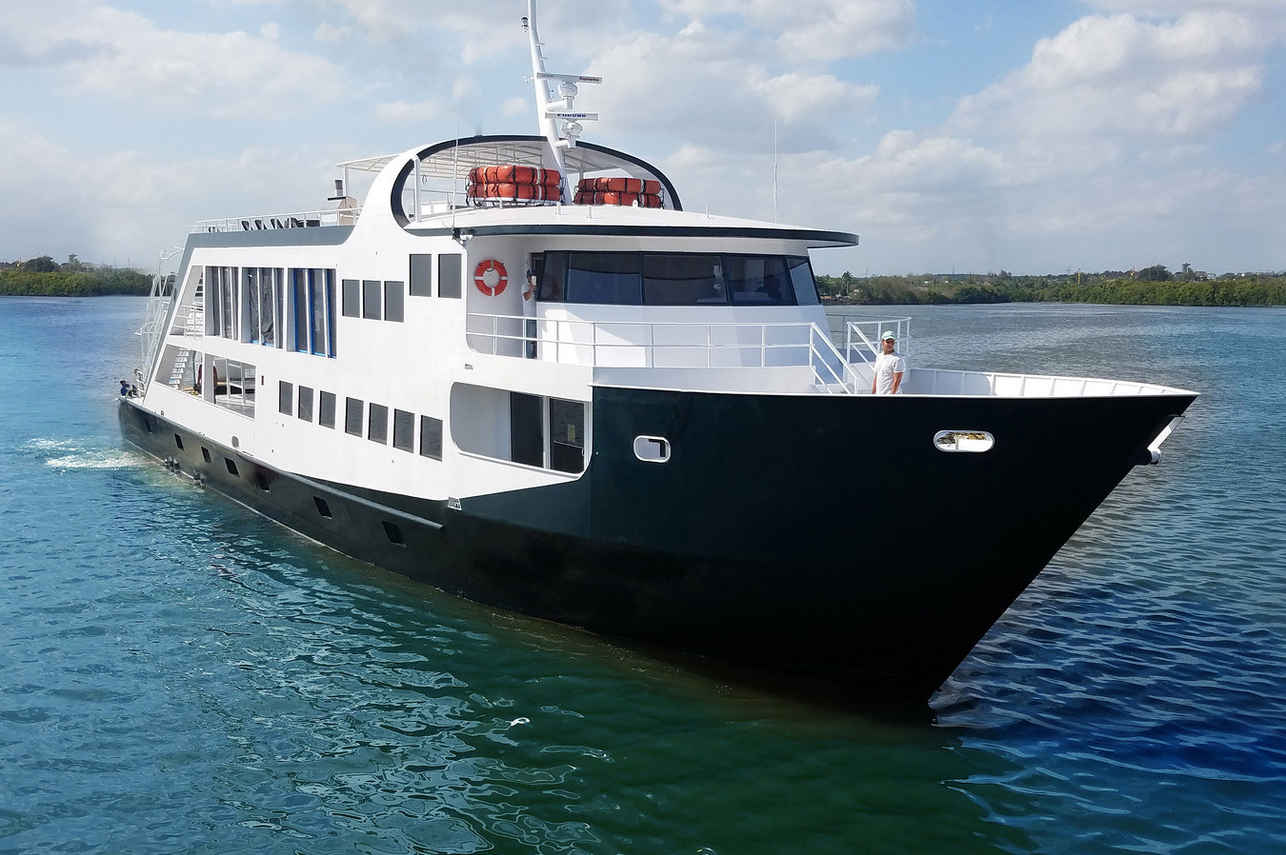
Jardines Avalon Fleet
Cuba
20 guests35.05 m
$494/day
Dive sites similar to Cayo Trabuco
Same character, same waters — six more sites divers love for the exact same reasons.Compare seasons, access and liveaboard routes — then pick the site that fits your trip best.
© Esri — Maxar, Earthstar, GIS
El Almirante
Cuba
El Almirante is an advanced dive site located off the shores of Maria la Gorda, on Cuba's Guanahacabibes Peninsula.
- Suitable for
- Advanced
- Current
- Moderate
- Access
- Dayboat
- Depth
- 27–30 m
- Theme
- Wall / Reef
La Patana is a prominent dive site within the protected marine park of Jardines de la Reina, a vast archipelago stretching 150 kilometers off Cuba's southern coast.
- Suitable for
- Intermediate
- Current
- Mild
- Access
- Liveaboard only
- Depth
- 15–30 m
- Theme
- Reef / Wall
© Esri — Maxar, Earthstar, GIS
Arrecife Somero
Cuba
Arrecife Somero, located near Key Sigua within the UNESCO-recognized Zapata Swamp biosphere reserve, presents a unique reef crest forming a horseshoe shape.
- Suitable for
- Beginner
- Current
- Mild
- Access
- Liveaboard only
- Depth
- 2–5 m
- Theme
- Reef
© Esri — Maxar, Earthstar, GIS
Puente Escondido
Cuba
Puente Escondido is a notable dive site nestled within the Jardines de la Reina marine park, an expansive and highly protected area off Cuba's southern coast.
- Suitable for
- Beginner
- Current
- Mild
- Access
- Liveaboard only
- Depth
- ≤ 18 m
- Theme
- Reef
La Corona is a captivating dive site situated within the expansive 35-kilometer barrier reef off Playa Santa Lucía in Cuba's Camagüey province.
- Suitable for
- Beginner
- Current
- Mild
- Access
- Dayboat
- Depth
- 5–40 m
- Theme
- Reef / Wall
© Esri — Maxar, Earthstar, GIS
Cueva del Negro
Cuba
Cueva del Negro is a notable dive site located near Cayo Largo, an island off Cuba's southern coast, known for its extensive underwater features.
- Suitable for
- Intermediate
- Current
- No current
- Access
- Liveaboard or dayboat
- Depth
- 8–8 m
- Theme
- Reef