About Cayo Rosario
Cayo Rosario is situated within Cuba's Canarreos Archipelago, a protected marine environment known for its unspoiled coral reefs and diverse aquatic species. This region, alongside Jardines de la Reina, represents one of Cuba's premier diving destinations, best accessed via liveaboard. The area benefits from strict visitor limits, fostering an environment where marine animals show little fear of humans, allowing for intimate encounters with large pelagics and reef inhabitants alike. Underwater topography around Cayo Rosario is characterized by healthy coral formations, impressive drop-offs, and potentially hidden caves. The pristine condition of the reef is a hallmark of Cuban waters, with minimal coral destruction or pollution, showcasing a rich tapestry of marine life against clear backdrops. The average visibility typically ranges from 30 to 40 meters, revealing vibrant ecosystems. The marine environment supports a significant diversity of life, including more than 50 species of coral and 200 species of sponge. Divers can expect to see various hard and soft corals such as pillar, staghorn, elkhorn, and spectacular gorgonians, alongside barrel and tube sponges. The area is home to an array of fish, crustaceans like spiny lobsters and coral shrimp, and other invertebrates. Diving at Cayo Rosario is accessible to a wide range of skill levels, from beginners to experienced divers, due to the variety of sites. Liveaboard trips to this region typically last about a week, providing ample opportunity to explore multiple dive spots and fully experience the abundant marine biodiversity that makes this Cuban destination exceptional.
Highlights
Unspoiled Caribbean reefsHealthy coral gardensAbundant marine lifeProtected marine environmentVibrant fish populationsSecluded dive experience
Season calendar
Best months to dive here
Jan
Feb
Mar
Apr
May
Jun
Jul
Aug
Sep
Oct
Nov
Dec
Excellent
Dive site facts: Cayo Rosario
- Depth
- 5–30 m
- Current
- Mild
- Visibility
- 30–40 m
- Water temperature
- 24–30°C
- Entry
- Tender / Live drop
- Level
- All levels
- Dive type
- Reef, wall, coral garden
- Night dive
- Possible
- Region / port
- Canarreos Archipelago, Cuba
- Coordinates
- 21.6500° N, 81.0167° W
Conditions & Currents
Information specifically detailing currents at Cayo Rosario is not provided in the sources. However, as part of the Canarreos Archipelago, a protected marine environment, it can be inferred that conditions are generally favorable for diving. Many Cuban dive sites are noted for their calm and clear waters. Divers should nonetheless always be prepared for potential mild to moderate currents, especially near reef channels or points, which can vary with tides. Entry is typically by tender boat, followed by a live drop to commence the dive. Visibility in Cuban waters is often excellent, frequently reaching 30 to 40 meters, which assists in current assessment. Water temperatures remain consistently warm, averaging 24°C to 30°C throughout the year, reducing concerns about thermoclines. Divers should consult local guides for the most current conditions and plan their gas consumption accordingly,
Marine life & sighting chances

Pillar Coral
commonStaghorn Coral
commonElkhorn Coral
common
Gorgonians
common
Sea Fans
common
Plume Worms
common
Barrel Sponges
common
Tube Sponges
common
Sea Urchins
common
Spiny Lobsters
commonCoral Shrimp
common
Crabs
common
Sharks
occasional
Groupers
commonDive profile & how the dive runs
A typical dive at Cayo Rosario will begin with a tender boat transfer to the dive site, followed by a live back-roll entry directly onto the reef. Divers generally follow a gentle slope or wall, exploring the healthy coral gardens at shallower depths, perhaps around 10-15 meters, before gradually descending to deeper reef sections that may reach 25-30 meters. The route often involves a drift along the reef with any prevailing current, allowing for observation of diverse corals and schooling fish. Turnaround points are typically based on air consumption and no-decompression limits. The ascent is gradual, often concluding with a safety stop at 5 meters for at least three minutes, allowing divers to enjoy the vibrant fish life in the shallows before surfacing for boat retrieval.
Underwater photography
Cayo Rosario's healthy reefs and clear waters offer excellent opportunities for wide-angle photography, capturing the expansive coral formations and overall seascape. A fisheye or wide-angle lens is ideal for showcasing the vibrant hard and soft corals, as well as any passing pelagic species like sharks or large schools of fish. For macro enthusiasts, the diverse sponges and smaller reef inhabitants, such as coral shrimp and crabs, provide ample subjects; a macro lens combined with strong strobes will highlight their intricate details and colors. Good buoyancy control is paramount to avoid disturbing the pristine corals and to maintain clear shots. Natural light can be effective in shallower areas due to the excellent visibility, but strobes are recommended for color correction at depth and to capture the true hues of the marine life. Patience and observation are key to capturing the natural behavior of the resident creatures without causing stress.
Combine with nearby dive sites
- Canarreos Reef
Part of the same protected marine environment
- Cayo Sigua
Cayo Sigua is a remarkable dive site found near Key Sigua, nestled within Cuba's rich marine ecosystems.
- Cayo Guano Del Este
Cayo Guano Del Este, a secluded cay in Cuba, offers a unique and well-preserved diving experience in the Caribbean.
- Cayo Trabuco
Cayo Trabuco is nestled within Cuba's Canarreos Archipelago, a protected marine region celebrated for its pristine coral reefs and diverse…
- Punta Perdiz
Punta Perdiz is a classic shore diving location situated in Cuba's Bay of Pigs, known for its clear Caribbean waters and direct beach…
Getting there & logistics
Cayo Rosario is situated within the Canarreos Archipelago, a protected marine area in Cuba. Access to this somewhat remote site is primarily via liveaboard vessels, which are the recommended way to explore this region comprehensively. Trips typically depart from ports like Cienfuegos or Jucaro. These liveaboard excursions generally last about a week, allowing divers to visit multiple sites within the archipelago, including Cayo Rosario, Jardines de la Reina, and other pristine reefs. For international travelers, the main entry point into Cuba would be Havana's José Martí International Airport (HAV), followed by domestic travel or direct transfer to the liveaboard departure port. While specific permit fees for Cayo Rosario are not detailed, diving in protected marine parks usually involves park fees, which are often included in liveaboard packages. It is advisable not to schedule flights within 24 hours of the last dive to adhere to safety recommendations.
Safety & environment
While diving in Cuba, including Cayo Rosario, centers generally adhere to NAUI safety standards, and instructors are certified by SSI, ACUC, or CMAS. The nearest recompression chamber would likely be in Havana or another major city, which implies that immediate medical evacuation for severe diving incidents can be complex and time-consuming. Therefore, comprehensive dive insurance that covers medical emergencies, recompression treatment, and emergency evacuation is strongly recommended for all divers. Site-specific hazards at Cayo Rosario are generally low given its protected status and potentially calm conditions; however, divers should always monitor their air consumption, depth, and bottom time diligently. Respect for marine life, maintaining proper buoyancy to avoid coral contact, and following dive guide instructions are crucial for both diver safety and environmental preservation.
Who it suits — and who it doesn't
Suited for
- Experienced divers seeking pristine reefs
- Underwater photographers (macro and wide-angle)
- Divers interested in diverse coral ecosystems
- Those who prefer less crowded dive sites
- Liveaboard enthusiasts
Less suited for
- Divers seeking strong currents or pelagic-heavy sites only
- Those looking for shore-based diving options
- Budget-conscious travelers (liveaboards can be costly)
- Divers unwilling to travel to remote locations
FAQ
Cayo Rosario FAQ
What kind of marine life can I expect to see at Cayo Rosario?
Cayo Rosario boasts a rich diversity of marine life, characteristic of Cuba's healthy reefs. You can expect to encounter various hard and soft corals, including impressive pillar, staghorn, elkhorn, and gorgonian formations. The area is home to numerous reef fish species, sea urchins, spiny lobsters, coral shrimp, and crabs. Occasionally, divers might also spot larger pelagics such as sharks and groupers, making each dive a vibrant experience.
Is Cayo Rosario suitable for beginner divers?
Yes, Cayo Rosario is suitable for divers of all experience levels. While specific depths can vary, the site generally offers a range of conditions from shallow, sheltered coral gardens ideal for novices to deeper reef sections and walls for more advanced divers. Local dive guides are experienced in accommodating different skill sets, ensuring a safe and enjoyable dive for everyone, though good buoyancy control is always beneficial.
How do I get to Cayo Rosario?
Access to Cayo Rosario is predominantly through liveaboard diving trips that operate in Cuba's Canarreos Archipelago. These trips typically depart from major ports like Cienfuegos or Jucaro. International travelers usually fly into Havana, then arrange for domestic transfers to their liveaboard's departure point. This ensures you can comfortably reach this somewhat remote and pristine dive destination.
What are the typical water conditions at Cayo Rosario?
Cayo Rosario generally offers excellent diving conditions year-round. Water temperatures are consistently warm, ranging from 24°C to 30°C (76°F to 86°F), eliminating the need for thick wetsuits. Visibility is often outstanding, frequently reaching 30 to 40 meters (100 to 130 feet), providing clear views of the vibrant marine ecosystems. Currents are generally mild, contributing to a relaxed diving experience, though local conditions can vary.
Is Cayo Rosario part of a protected marine area?
Yes, Cayo Rosario is located within the Canarreos Archipelago, which is recognized as a protected marine environment in Cuba. This designation contributes significantly to the preservation of its healthy coral reefs and abundant marine life. The area's protected status ensures that human impact is minimized, helping to maintain its pristine condition for divers to enjoy.
Why dive Cayo Rosario from a liveaboard?
Cayo Rosario is one of Cuba's signature dive sites. A liveaboard sleeps you on the water and puts you in the water for three to four guided dives per day, including dawn and night dives that day-boat operators rarely offer. You skip the daily commute back to port and reach quieter, less-crowded sites in the same region on a single trip.
Below are the liveaboards that include Cayo Rosario on their Cuba itineraries.
Liveaboards diving Cayo Rosario
These liveaboards may visit Cayo Rosario on selected itineraries — the exact dive sites depend on departure, weather and conditions.
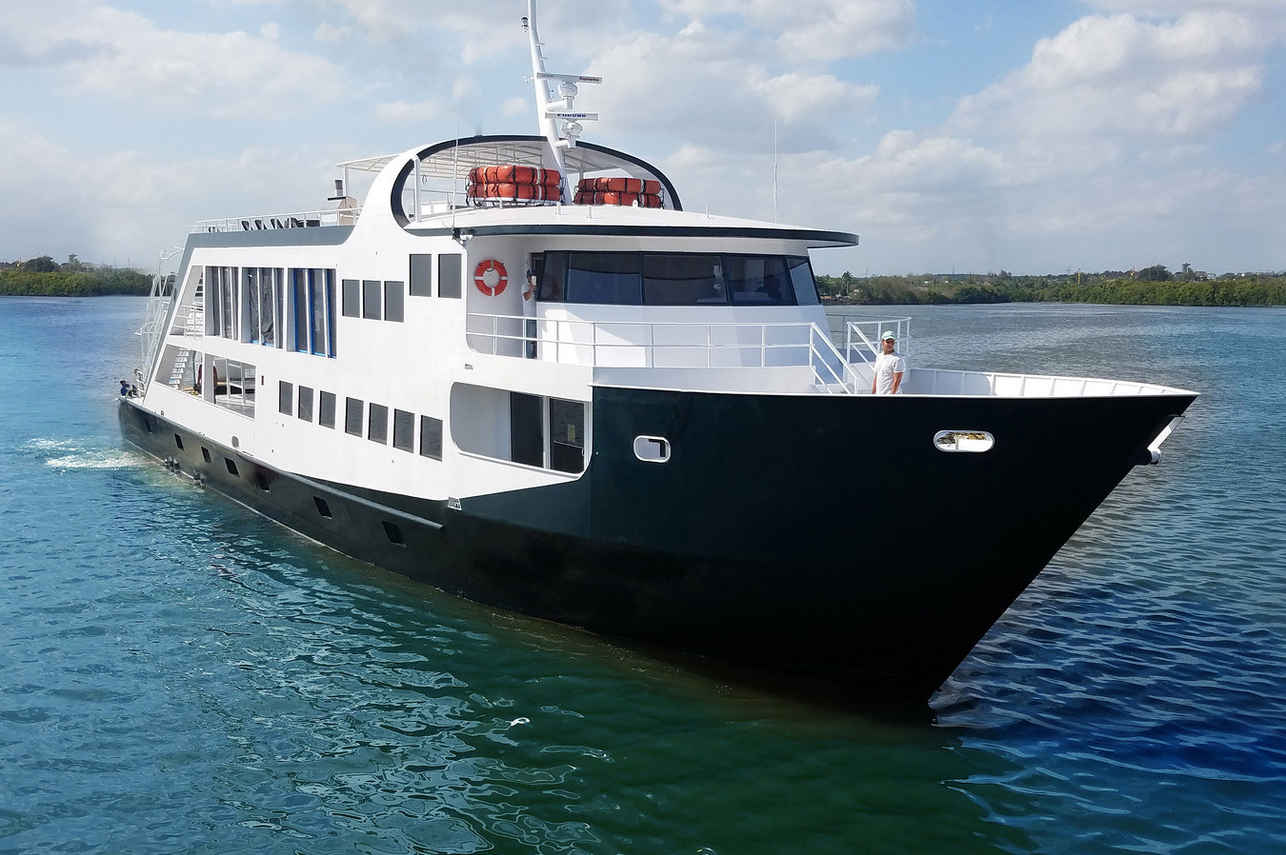
Jardines Avalon Fleet
Cuba
20 guests35.05 m
$494/day
Dive sites similar to Cayo Rosario
Same character, same waters — six more sites divers love for the exact same reasons.Compare seasons, access and liveaboard routes — then pick the site that fits your trip best.
© Esri — Maxar, Earthstar, GIS
Silver Caves
Belize
Silver Caves offers a distinctive diving experience within the Lighthouse Reef Atoll, one of Belize's healthiest reef systems.
- Suitable for
- Advanced
- Current
- Mild
- Access
- Liveaboard only
- Depth
- 18–28 m
- Theme
- Reef / Cave & cavern
Cozumel's western coast features a dramatic reef shelf that plunges thousands of feet into the ocean.
- Suitable for
- Intermediate
- Current
- Mild
- Access
- Liveaboard or dayboat
- Depth
- 15–27 m
- Theme
- Reef
© Esri — Maxar, Earthstar, GIS
North Wall
Cayman Islands
The North Wall of Grand Cayman stands as one of the most celebrated and visually striking dive regions, stretching along the island's northern coastline.
- Suitable for
- Advanced
- Current
- Mild
- Access
- Liveaboard or dayboat
- Depth
- 50–100 m
- Theme
- Reef
© Esri — Maxar, Earthstar, GIS
Lighthouse Reef
Cayman Islands
Lighthouse Reef, situated near the West End dock of Cayman Brac, provides a distinctive shallow reef diving experience.
- Suitable for
- Beginner
- Current
- Strong
- Access
- Shore / dayboat
- Depth
- 10–25 m
- Theme
- Reef
© Esri — Maxar, Earthstar, GIS
Long Caye Ridge
Belize
Long Caye Ridge is a highly-rated dive site situated within Belize's Lighthouse Reef Atoll, an area renowned for its pristine conditions due to its distance from the mainland.
- Suitable for
- Intermediate
- Current
- No current
- Access
- Liveaboard only
- Depth
- 21–21 m
- Theme
- Reef
Roatán, part of the Bay Islands of Honduras, offers a diverse underwater landscape situated along the Mesoamerican Barrier Reef System, which is the second largest barrier reef globally.
- Suitable for
- Intermediate
- Current
- Moderate
- Access
- Liveaboard or dayboat
- Depth
- 9–40 m
- Theme
- Reef