About Cabo Pulmo National Park
Cabo Pulmo National Park, located on the East Cape of Baja California Sur, stands as a global beacon of marine conservation. Once severely overfished, the local community's dedicated efforts to protect its waters led to its establishment as a National Park in 1995 and later a UNESCO World Heritage Site. Today, the park boasts an astounding increase in marine biomass, offering divers an unparalleled underwater spectacle. The park's diverse topography includes shallow coral gardens, intricate reef bars, deeper pinnacles, and a significant underwater canyon. Depths range from accessible 6-meter reefs to advanced sites reaching 30 meters or more. These varied environments support an incredible array of life, from vibrant macro species hidden within corals to large pelagic predators. Divers regularly witness massive aggregations of schooling fish, particularly the iconic 'Jack Fish Tornado,' and natural encounters with bull sharks at cleaning stations. Seasonal visitors include humpback whales during winter months and various ray species. The dive experience is intimate, with strict regulations limiting boat sizes and diver numbers, ensuring a low-impact and sustainable exploration. Conditions are generally calm, especially in shallower areas, making it suitable for a range of certification levels. Drift diving is common due to mild currents, and the focus on conservation means a strict no-touch policy is enforced. This unique combination of thriving marine life, conservation success, and accessible diving makes Cabo Pulmo a world-class destination.
Highlights
Jack Fish TornadoBull shark encountersThriving coral reefsHigh marine biomassConservation success storyUnique underwater topographyNatural cleaning stationsPelagic marine life
Season calendar
Best months to dive here
Jan
Feb
Mar
Apr
May
Jun
Jul
Aug
Sep
Oct
Nov
Dec
Excellent
Good
Dive site facts: Cabo Pulmo National Park
- Depth
- 6–30 m+
- Current
- Mild to moderate
- Visibility
- 5–30 m+
- Water temperature
- 18–28°C
- Entry
- Boat
- Level
- Open Water to Advanced
- Dive type
- Reef, wreck, pelagic
- Region / port
- Baja California Sur, Mexico
- Coordinates
- 23.4267, -109.4167
Conditions & Currents
Cabo Pulmo generally experiences mild to moderate currents, making drift diving a common practice across many sites. While currents are present year-round, they are typically manageable and contribute to the rich nutrient flow that supports the abundant marine life. Deeper sites and offshore locations, such as Los Morros, El Bajo, and El Cien, can encounter stronger currents and surge, requiring good buoyancy control and advanced certification. Visibility tends to be highest and waters warmest between late August and December, sometimes reaching up to 30 meters. However, cooler months, particularly April and May, can see visibility reduced to 5-10 meters due to nutrient-rich upwellings, which in turn attract a different array of marine life. Entry and exit strategies are typically boat-based, with small, controlled groups, often limited to six divers per vessel, ensuring a low-impact app
Marine life & sighting chances

Bigeye Jack
Year-round, best Sep-Dec · common
Bull Shark
Dec-May · common
Mobula Ray
Nov-Jan, Apr-Jul · common
Humpback Whale
Jan-Apr · occasional
California Sea Lion
Nov-Jul · occasional
Green Sea Turtle
common
Dogtooth Snapper
common
Grouper
common
Giant Moray Eel
common
White-tip Reef Shark
occasional
Black-tip Reef Shark
occasional
Nurse Shark
occasional
Wrasse
common
Parrotfish
commonDive profile & how the dive runs
A typical dive in Cabo Pulmo begins with a short boat ride from shore, often less than 10 minutes, due to the park's compact nature. For sites like El Vencedor, you'll descend onto the scattered remains of the cargo ship at approximately 14 meters, exploring the wreck and its surrounding sandy seabed for resident bull sharks and schooling fish. At sites known for the Jack Fish Tornado, such as El Bajo, the descent might lead directly into the swirling column of jacks, often encountered between 9 and 18 meters. Dive routes are generally drift-based, following the natural contours of the reef or rocky bars. Depth progression varies by site, with some reefs offering shallow exploration for Open Water divers while others like El Cien and Esperanza cater to advanced divers with depths up to 30 meters and beyond. Safety stops are typically performed in the shallower reef areas, often surrounded by diverse reef fish, before ascending to the surface for boat pickup.
Underwater photography
Cabo Pulmo offers exceptional opportunities for both wide-angle and macro photography. For the iconic Jack Fish Tornado and bull sharks, a wide-angle lens is essential to capture the scale and dynamic movement. Be prepared for varying light conditions as the jack tornado can block out the sun, requiring appropriate strobes or video lights for effective illumination and color rendition. When photographing the bull sharks, maintain a respectful distance and a calm demeanor; these are natural encounters, not baited dives. For macro enthusiasts, sites like El Cantil provide ample subjects, including nudibranchs, garden eels, and various reef fish. Strong buoyancy control is paramount across all sites to avoid contact with the fragile coral and sand, adhering strictly to the park's no-touch policy. Given the potential for currents, a stable camera setup and practiced technique are beneficial.
Combine with nearby dive sites
- Cabo Pulmo - El Vencedor Wreck
A primary site within the park, famous for bull sharks and schooling snappers.
- Gordo Banks
An offshore seamount known for large pelagics including hammerhead sharks.
- Los Islotes
Although in La Paz, it's a popular add-on for sea lion encounters in Baja California Sur.
- El Bajo Seamount
Not the one in Cabo Pulmo, but another seamount in the region offering similar pelagic encounters.
Getting there & logistics
Access to Cabo Pulmo typically involves flying into Los Cabos International Airport (SJD), which serves as the main gateway to Baja California Sur. From SJD, a rental car is the most common mode of transport for the 90-minute to 2-hour drive north to Cabo Pulmo, though the final stretch into the village is unpaved. Alternatively, some operators in Cabo San Lucas or San Jose del Cabo offer day trips, which can involve a long travel day. Cabo Pulmo itself is a remote village with limited infrastructure, including scarce Wi-Fi and ATMs, so planning to bring cash and essentials is advisable. Dive operations are strictly controlled within the National Park, with a mandatory conservation bracelet required for all water activities and a daily lottery system determining which sites can be visited. Boats are limited to a maximum of six divers plus a guide, emphasizing low-impact tourism. Trips often focus solely on Cabo Pulmo's diverse sites, though longer itineraries in Baja California Sur might combine it with other regional highlights.
Safety & environment
Diving in Cabo Pulmo is conducted under strict National Park regulations, emphasizing conservation and diver safety. All operators are certified for the park and dives are led by mandatory official park guides. Divers must adhere to a strict no-touch policy to protect the fragile marine ecosystem. The nearest recompression chamber is located in Cabo San Lucas, approximately a 2-hour drive away, making comprehensive dive insurance with emergency evacuation coverage highly recommended. Site-specific hazards primarily involve occasional currents, particularly at deeper, offshore sites, requiring good buoyancy control and an appropriate certification level. Given the remote nature of the area and limited medical facilities, being prepared for potential emergencies and diving within personal limits are crucial. It's advisable to carry any necessary medications and communicate health concerns to your dive operator.
Who it suits — and who it doesn't
Suited for
- Intermediate to advanced divers comfortable with currents
- Wildlife photographers seeking large schools of fish and sharks
- Divers passionate about marine conservation
- Travelers seeking an off-the-beaten-path, eco-tourism experience
- Divers looking for natural, unbaited shark encounters
Less suited for
- New divers uncomfortable with potential currents or deeper sites
- Divers expecting luxury resorts and extensive nightlife
- Those who prefer large dive boats with many divers
- Individuals who require constant cellular or internet access
- Divers who disregard marine park rules and no-touch policies
FAQ
Cabo Pulmo National Park FAQ
What makes Cabo Pulmo unique for diving?
Cabo Pulmo is renowned as a monumental conservation success story, showcasing an incredible recovery of marine life. Its unique status as a National Park and UNESCO World Heritage Site has allowed for an exponential increase in marine biomass, offering unparalleled encounters with massive schools of fish and resident bull sharks in a healthy, thriving ecosystem.
Can I see bull sharks in Cabo Pulmo?
Yes, Cabo Pulmo is one of the most reliable places to experience natural encounters with bull sharks, particularly at sites like El Vencedor. These encounters are unbaited and typically occur between December and May when cooler waters attract these powerful predators to cleaning stations. Divers often observe them gracefully patrolling the seabed.
What is the 'Jack Fish Tornado'?
The 'Jack Fish Tornado' refers to a spectacular phenomenon where thousands of Bigeye Jacks congregate to reproduce, forming a dense, swirling column of fish. This awe-inspiring sight can be so massive it blocks out the sun and is a highlight for many divers visiting Cabo Pulmo, especially from September to December.
Is Cabo Pulmo suitable for beginner divers?
While Cabo Pulmo offers a range of sites, some are suitable for Open Water divers, particularly the shallower coral gardens. However, many of the park's signature experiences, such as deeper sites or those with stronger currents, are best suited for intermediate to advanced divers. Good buoyancy control and comfort in mild currents are beneficial for all.
How are dive sites chosen in Cabo Pulmo?
Due to strict park regulations aimed at sustainability, dive sites in Cabo Pulmo cannot be chosen in advance by divers. Instead, a daily lottery system is implemented to distribute divers among the various sites, ensuring minimal impact on the ecosystem. All dives are conducted with a mandatory official park guide.
What is the water temperature and visibility like?
Water temperatures in Cabo Pulmo range from a cooler 18°C in winter to a warm 28°C in late summer. Visibility is generally excellent, often exceeding 20-30 meters from late August through December. However, during the cooler months of April and May, nutrient-rich upwellings can reduce visibility to 5-10 meters, though these conditions often bring unique marine life.
How do I get to Cabo Pulmo?
Most visitors fly into Los Cabos International Airport (SJD) and rent a car for the approximately 90-minute to 2-hour drive north to Cabo Pulmo. The final section of road into the village is unpaved. Some tour operators from Cabo San Lucas or San Jose del Cabo also offer day trips, but be prepared for a longer travel day.
Why dive Cabo Pulmo National Park from a liveaboard?
Cabo Pulmo National Park is one of Mexico's signature dive sites. A liveaboard sleeps you on the water and puts you in the water for three to four guided dives per day, including dawn and night dives that day-boat operators rarely offer. You skip the daily commute back to port and reach quieter, less-crowded sites in the same region on a single trip.
Below are the liveaboards that include Cabo Pulmo National Park on their Mexico itineraries.
Liveaboards diving Cabo Pulmo National Park
These liveaboards may visit Cabo Pulmo National Park on selected itineraries — the exact dive sites depend on departure, weather and conditions.
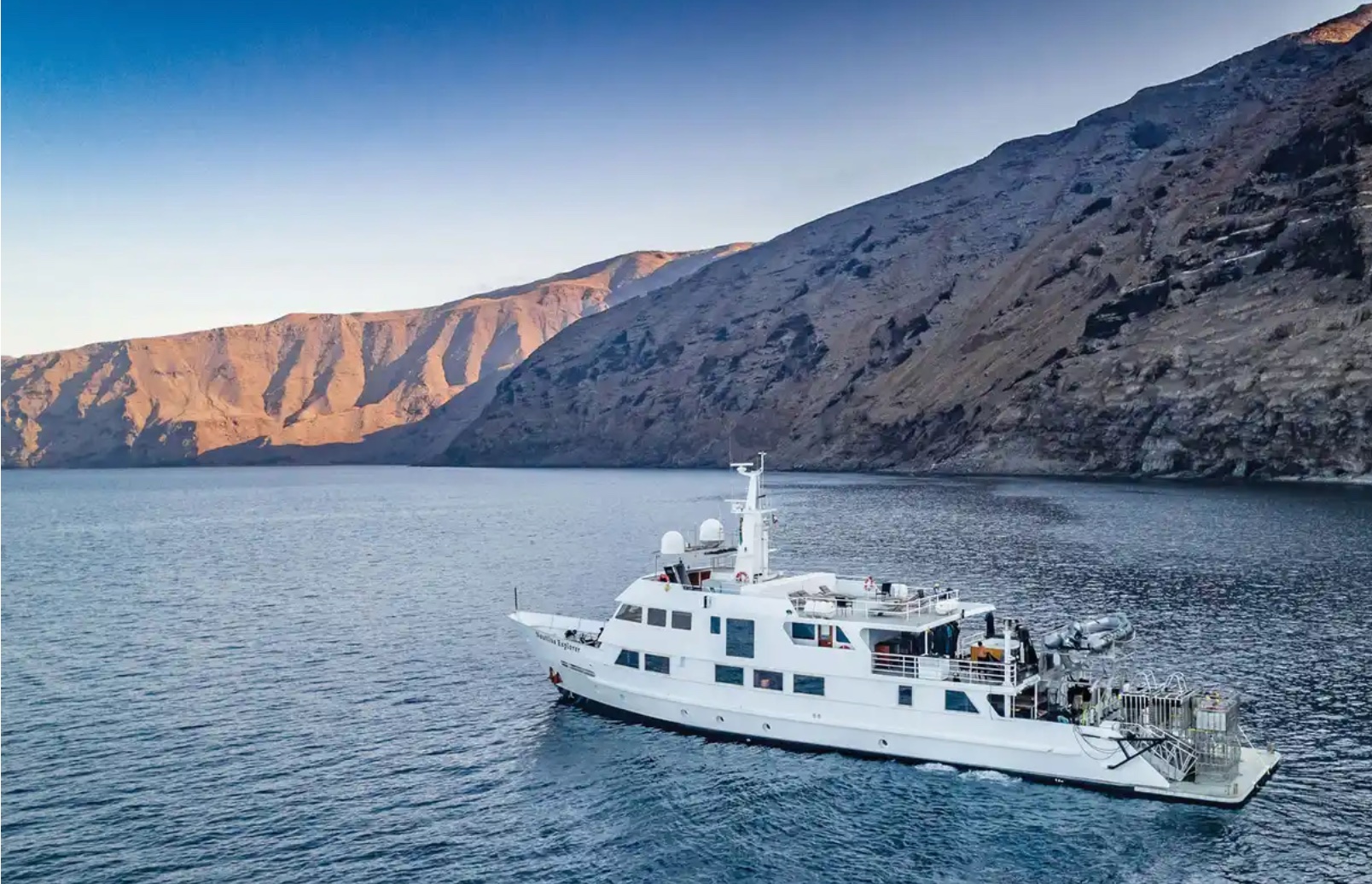
Nautilus Explorer
Mexico
25 guests44.8 m
$230/day
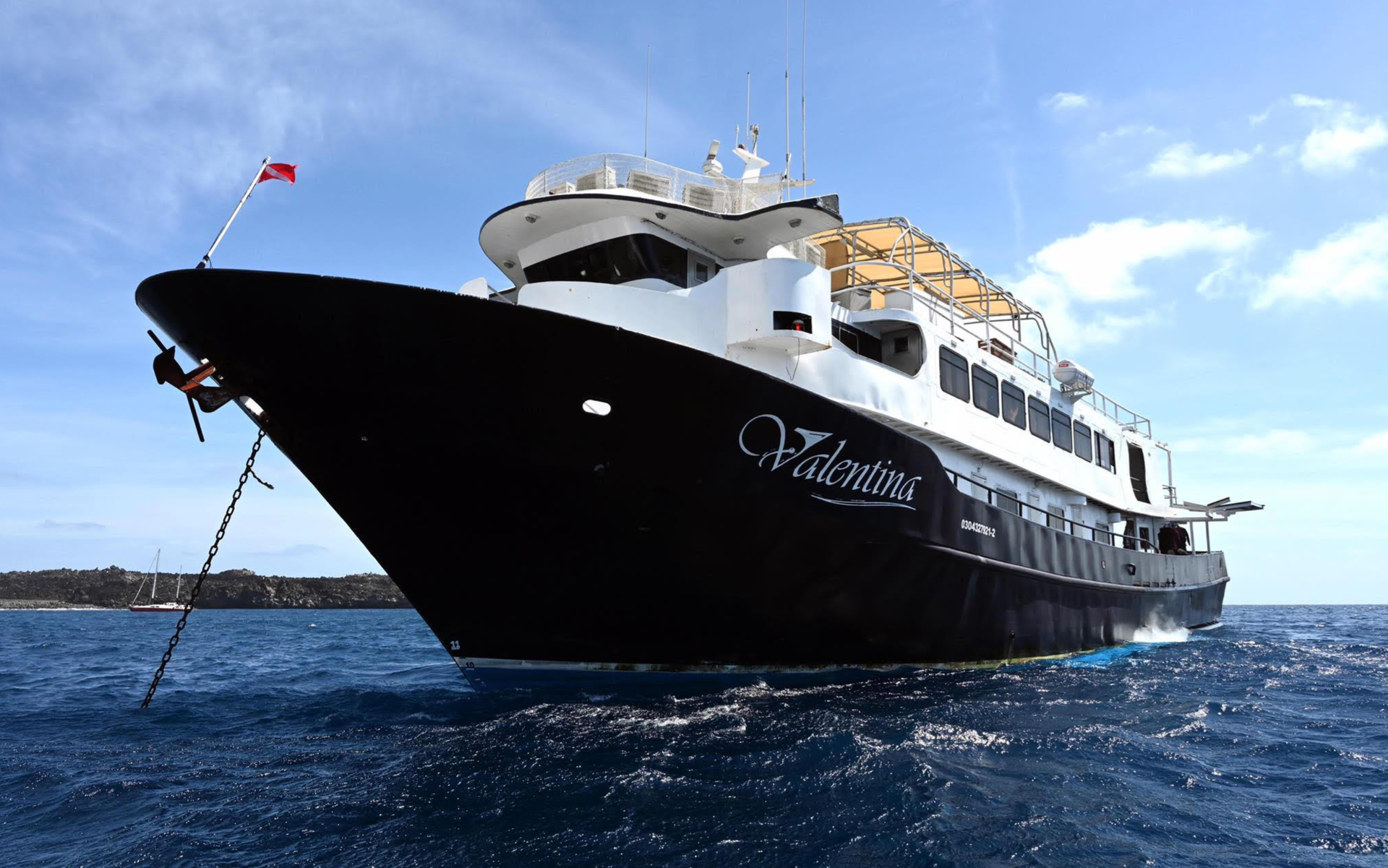
Valentina
Mexico
20 guests38.1 m
$430/day
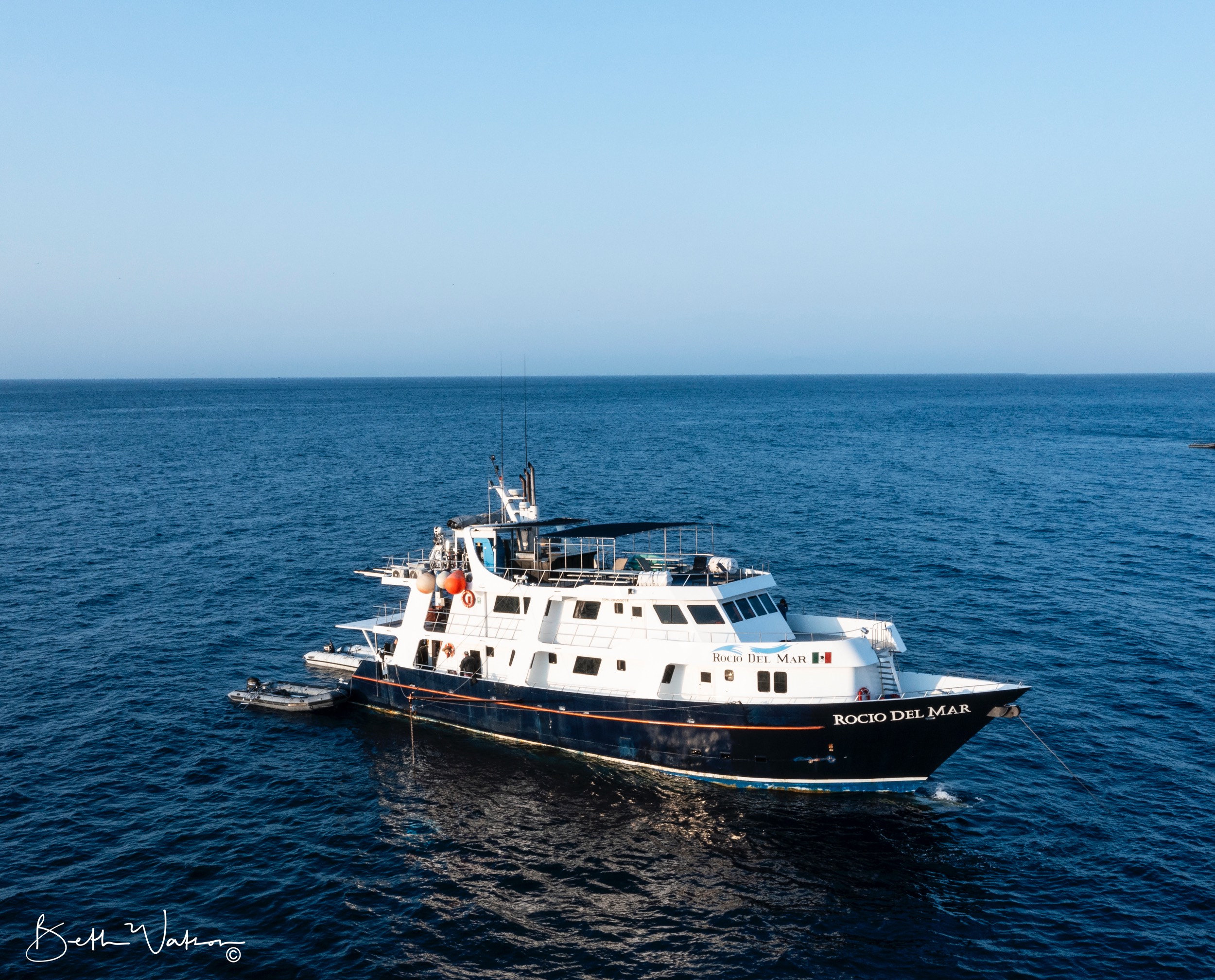
Rocio del Mar
Mexico
20 guests33.5 m
$392/day
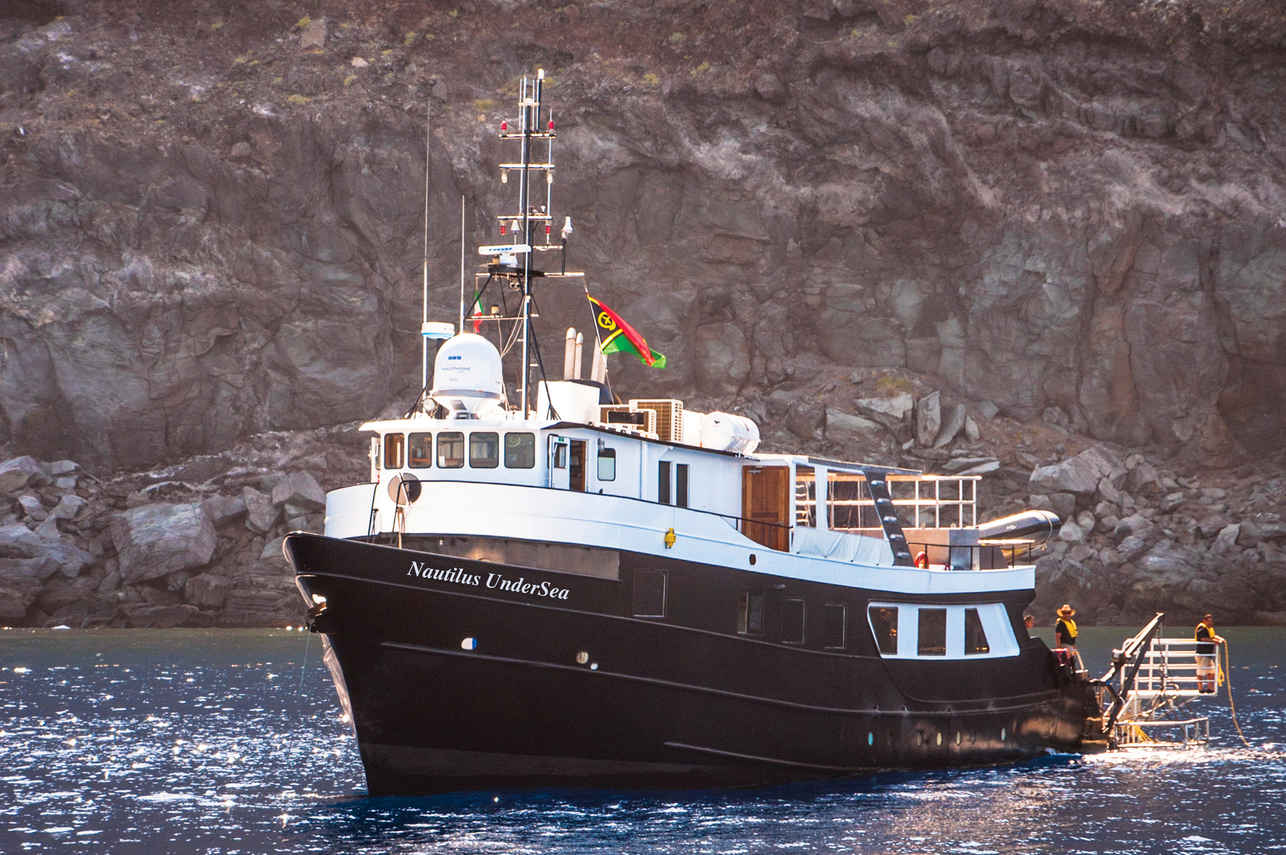
Nautilus Under Sea
Mexico
19 guests32 m
$261/day
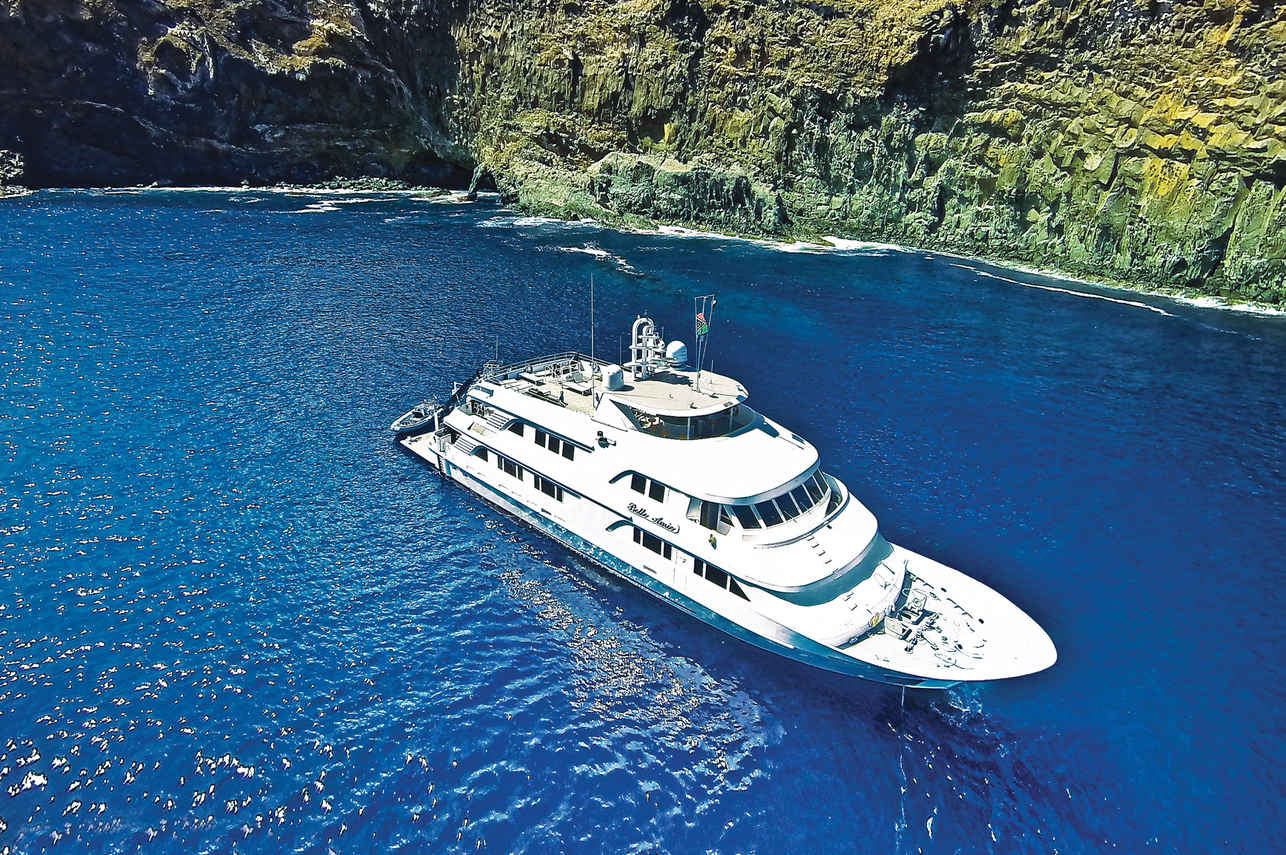
Nautilus Belle Amie
Mexico
32 guests44.8 m
$323/day
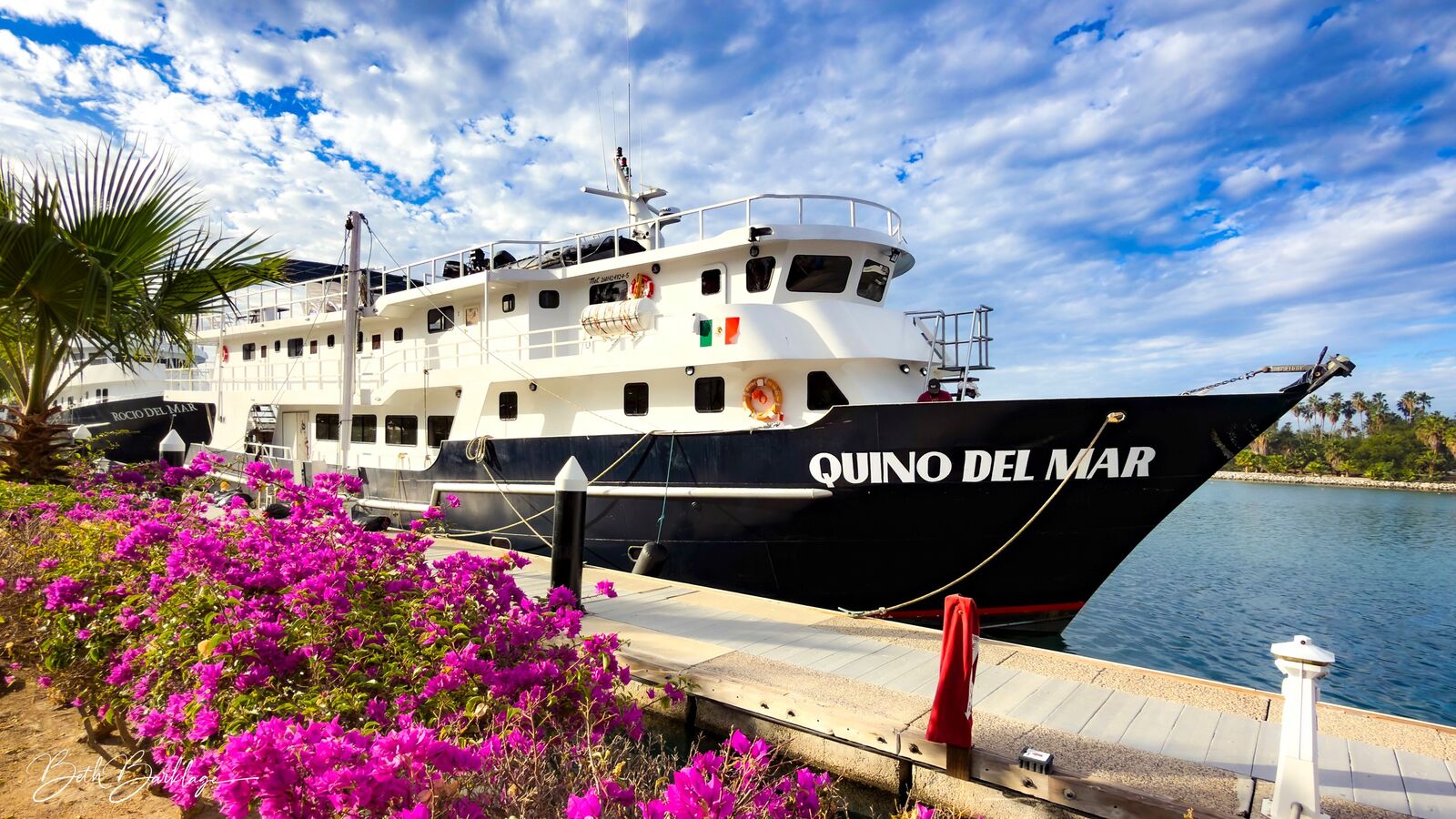
Quino del Mar
Mexico
20 guests36 m
$392/day
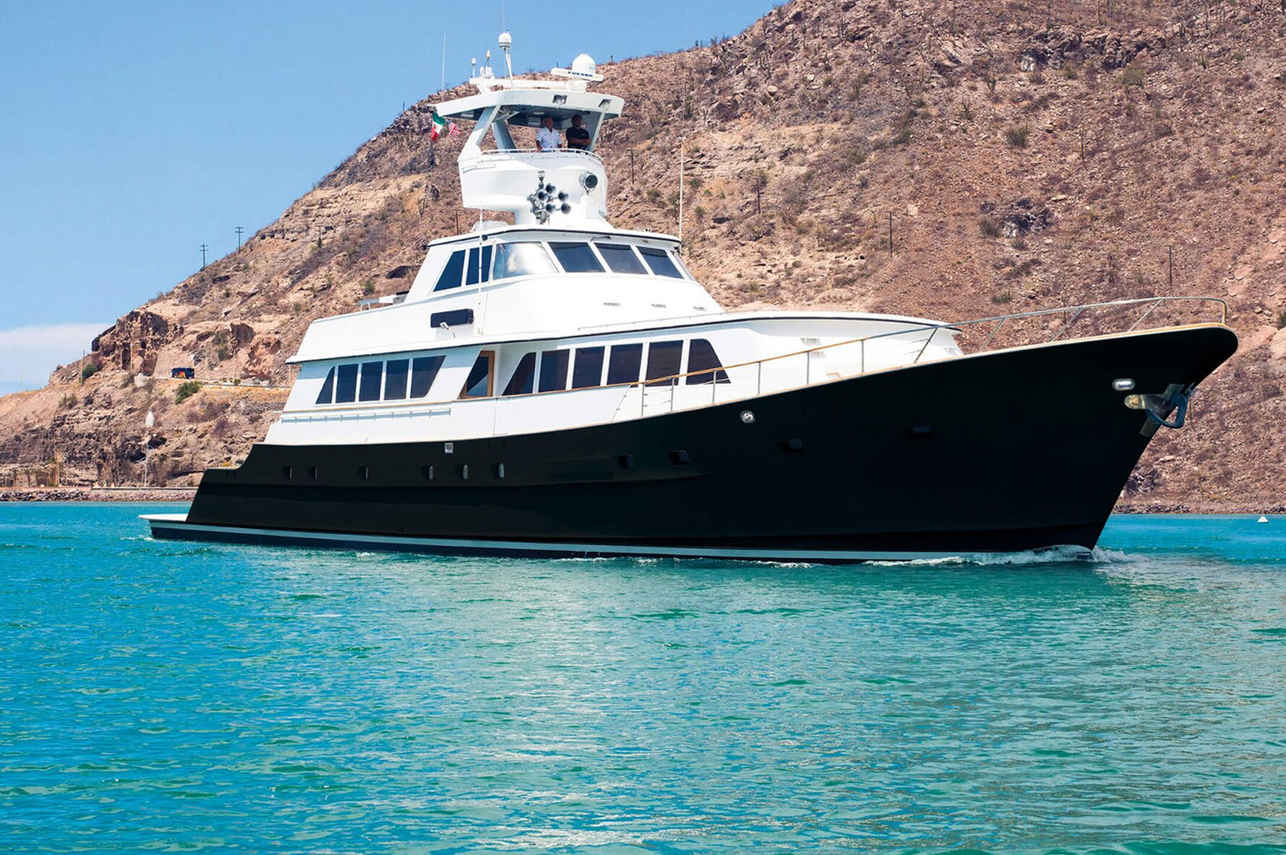
Nautilus Gallant Lady
Mexico
12 guests35.36 m
$332/day
Dive sites similar to Cabo Pulmo National Park
Same character, same waters — six more sites divers love for the exact same reasons.Compare seasons, access and liveaboard routes — then pick the site that fits your trip best.
© Esri — Maxar, Earthstar, GIS
Isla Montserrat
Mexico
Isla Montserrat is one of the five major islands within the Bahía de Loreto National Park, offering a diverse range of diving opportunities.
- Suitable for
- Intermediate
- Current
- Mild
- Access
- Liveaboard only
- Depth
- —
- Theme
- Reef / Wall
© Esri — Maxar, Earthstar, GIS
Moc-Che Shallow
Mexico
Moc-Che Shallow is a vibrant reef dive situated directly off Playa del Carmen in Mexico, forming part of the Mesoamerican Barrier Reef.
- Suitable for
- Beginner
- Current
- Moderate
- Access
- Liveaboard or dayboat
- Depth
- 7–14 m
- Theme
- Drift
© Esri — Maxar, Earthstar, GIS
The Ramparts of Coronados Island, located in Mexican waters just over 17-20 miles south of San Diego, offers an exhilarating wall dive experience characterized by spectacular granite cliffs and rich marine biodiversity.
- Suitable for
- Intermediate
- Current
- Mild
- Access
- Liveaboard only
- Depth
- 5–30 m
- Theme
- Wall / Reef
© Esri — Maxar, Earthstar, GIS
San Benedicto Island, part of Mexico's Revillagigedo Archipelago, is a prime destination for divers seeking thrilling encounters with marine megafauna.
- Suitable for
- Advanced
- Current
- Strong
- Access
- Liveaboard only
- Depth
- 5–49 m
- Theme
- Drift
© Esri — Maxar, Earthstar, GIS
Palo Blanco
Mexico
Palo Blanco is recognized as a 'can't miss' dive site situated off Isla del Carmen, the largest island within the Bahía de Loreto National Park in Baja California Sur, Mexico.
- Suitable for
- Intermediate
- Current
- Mild
- Access
- Liveaboard only
- Depth
- —
- Theme
- Reef / Drift
© Esri — Maxar, Earthstar, GIS
Tortugas Reef
Mexico
Tortugas Reef, meaning 'Turtles' in Spanish, is a highly popular coral reef situated minutes from the marina in Playa del Carmen.
- Suitable for
- Intermediate
- Current
- Moderate
- Access
- Liveaboard or dayboat
- Depth
- 15–40 m
- Theme
- Drift