About Emerald Bay
Emerald Bay in Lake Tahoe, contrary to tropical associations, offers a distinct cold-water diving experience. This aptly named bay features green water, giving the initial impression of a warmer climate, though the water temperature is significantly colder than tropical seas. Divers exploring this site will encounter unique subsurface features, primarily sunken cabins and trees. These submerged structures create a visual narrative of a long-lost logger's settlement that has been reclaimed by the lake. The topography primarily consists of these sunken terrestrial elements, forming an intriguing landscape. The visible structures of cabins and trees provide an unusual environment for exploration, differing greatly from typical coral reefs or rock formations. The site offers a glimpse into historical human activity merged with the natural underwater environment. Marine life at Emerald Bay is adapted to cold freshwater conditions. The focus here is not on coral or tropical fish but rather the unique ambiance created by the submerged forest and structures. The primary draw is the historical and geological aspect of the dive, rather than abundant marine species. This site is ideal for divers seeking a different kind of underwater adventure, focusing on unique geological and historical formations rather than vibrant ecosystems. The dive involves navigating around the cabins and trees, requiring comfort in cold water and an appreciation for distinct underwater scenery.
Highlights
Artificial reef structuresCalm, clear waterBlack volcanic sand contrastMacro photography heavenAbundant marine lifeEasy shore entry
Season calendar
Best months to dive here
Jan
Feb
Mar
Apr
May
Jun
Jul
Aug
Sep
Oct
Nov
Dec
Excellent
Good
Dive site facts: Emerald Bay
- Depth
- 10–25 m
- Typical dive
- 10–15 m, 60+ min
- Current
- Mild
- Visibility
- 10–30 m
- Water temperature
- 27–30 °C
- Entry
- Shore
- Level
- Beginner to Advanced
- Dive type
- Reef, artificial reef, macro
- Night dive
- Possible
- Region / port
- Tulamben, Bali
- Coordinates
- -8.2702, 115.5898
Conditions & Currents
Emerald Bay is situated in a sheltered bay, typically experiencing minimal to no current, which makes it exceptionally calm for divers. The water surface is generally tranquil, providing an aquarium-like experience. Entry from the beach involves navigating black stones, and it is advised to put on fins once in thigh-deep water, especially during smaller surf. Visibility commonly ranges from 10 to 30 meters, occasionally dropping after heavy rainfall. Early morning dives often offer the calmest conditions and best visibility. The absence of strong currents allows for relaxed dives, suitable for all experience levels, and extends bottom time considerably.
Marine life & sighting chances

Nudibranchs
common
Frogfish
occasional
Ghost pipefish
occasional
Pygmy seahorses
Seasonal · occasional
Ribbon eels
common
Moray eels
common
Clownfish
common
Shrimps
common
Cuttlefish
occasional
Octopus
occasional
Leaf scorpionfish
occasional
Blacktip reef sharks
occasionalDive profile & how the dive runs
Entry is from the black sand beach, best done by waiting for smaller surf sets and donning fins once in thigh-deep water. The dive typically begins with a gradual descent over the shallow reef, which extends to an average depth of 10 meters. Divers can explore the artificial structures and anemone gardens in this area, maximizing bottom time due to the shallow profile. The site gently slopes down to a maximum depth of approximately 25 meters, allowing for varied depth progression. A common route involves a pass over the shallow reef, sometimes followed by a quick swim towards the nearby USAT Liberty wreck, or exploring deeper parts of the bay. The turnaround point is flexible, often guided by air consumption or bottom time limits. Safety stops are usually conducted in the calm, shallow waters closer to shore, around 5 meters, where divers can continue to observe abundant macro life.
Underwater photography
Emerald Bay is a macro photography paradise, especially on the long-standing artificial structures and amidst the dense soft corals. Patience and good buoyancy are essential to approach shy subjects without disturbing them or damaging the reef. For macro subjects like nudibranchs, frogfish, ghost pipefish, shrimps, and pygmy seahorses, a macro lens (e.g., 60mm or 100/105mm) is highly recommended. External strobes are crucial to bring out the vibrant colors against the black sand and penetrate shadows. Snoots can be effective for isolating small critters. For wide-angle shots, the artificial structures like the airplane and statues, along with the black volcanic sand backdrop, offer unique compositions. Early morning light often provides the best conditions for both ambient light and strobe photography, enhancing visibility and reducing backscatter. Focus on slow, methodical searching to spot cryptic species.
Combine with nearby dive sites
- USAT Liberty Wreck
A historic wreck dive accessible for all levels, teeming with marine life.
- Tulamben Wall
Also known as The Drop Off, a steep volcanic wall rich in corals and larger fish.
- Boga Wreck
An artificial reef with unique features like a VW car and Buddha statues, for more advanced divers.
- Batu Kelebit
A boat-accessible site near Tulamben Wall known for its rich marine life in deeper waters.
Getting there & logistics
Emerald Bay is part of the Tulamben dive region, accessible from Bali's Ngurah Rai International Airport (DPS) in Denpasar, followed by a two to three-hour car transfer to Tulamben. Day trips typically involve two shore dives and sometimes an optional third, often combining Emerald Bay with nearby sites like the USAT Liberty wreck. Most dive operators in Tulamben offer porter assistance for carrying gear from the shore entry point. Dive packages usually include transfers, guide services, full equipment, tanks (air or Nitrox), lunch, and marine park fees. Trips from Sanur can also be arranged, taking around two to three hours for transport. The site's easy shore access makes logistics straightforward for both individual divers and groups.
Safety & environment
While Emerald Bay offers calm conditions, divers should always carry appropriate insurance that covers scuba diving and potential medical emergencies. The nearest recompression chamber is located in Denpasar, necessitating a significant evacuation time in case of a serious incident. Divers should ensure their equipment is well-maintained and exercise good buoyancy control to avoid contact with the fragile reef and artificial structures. Adhere to dive plan briefings, particularly regarding entry and exit procedures on the black sand beach, and always dive within your certification limits. Monitor air consumption carefully to ensure sufficient reserves for the duration of the dive and a proper safety stop. It is advisable to dive with a reputable local guide who is familiar with the site.
Who it suits — and who it doesn't
Suited for
- Beginner divers looking for easy conditions
- Macro photographers seeking diverse subjects
- Divers desiring long bottom times
- Those interested in artificial reef exploration
- Divers who prefer shore entries
Less suited for
- Divers seeking strong currents or challenging drift dives
- Those exclusively interested in large pelagic encounters
- Individuals sensitive to black sand on entry/exit
- Divers who prefer boat dives exclusively
FAQ
Emerald Bay FAQ
What makes Emerald Bay (Coral Garden) unique?
Emerald Bay is distinct due to its blend of natural reef and artificial structures, including small airplanes and statues, all thriving with marine life. The black volcanic sand bottom creates a dramatic contrast with the vibrant corals, offering a unique aesthetic for divers and photographers. Its calm, clear waters and easy shore entry also set it apart as a highly accessible and enjoyable dive site.
What kind of marine life can I expect to see at Emerald Bay?
You can anticipate a rich variety of macro life, making it a paradise for critter spotting. Common sightings include numerous nudibranchs, various types of shrimps, and clownfish in anemone gardens. You might also spot ribbon eels, moray eels, cuttlefish, and octopus. Occasionally, patient divers can find frogfish, ghost pipefish, leaf scorpionfish, and even seasonal pygmy seahorses on sea fans, as well as blacktip reef sharks patrolling the shallows.
Is Emerald Bay suitable for beginner divers?
Yes, Emerald Bay is highly suitable for beginner divers. Its sheltered location ensures minimal currents and calm surface conditions, making for a relaxed diving experience. The average depth of around 10 meters allows for extended bottom times, and the easy shore entry further enhances its accessibility for those new to diving or looking to build confidence.
What are the typical dive conditions at Emerald Bay?
Dive conditions at Emerald Bay are generally excellent. Visibility commonly ranges from 10 to 30 meters, and water temperatures are warm, typically between 27°C and 30°C. Currents are usually mild or absent, providing comfortable diving. While the site is accessible year-round, conditions are best during the dry season from May to October, with early morning dives offering the calmest water and best light.
Can I do a night dive at Emerald Bay?
Yes, night dives are possible and highly recommended at Emerald Bay. The artificial structures and rich reef provide ample hiding spots for nocturnal creatures. Many macro species become more active at night, offering a different perspective and unique photographic opportunities compared to day dives.
Why dive Emerald Bay from a liveaboard?
Emerald Bay is one of Bali's signature dive sites. A liveaboard sleeps you on the water and puts you in the water for three to four guided dives per day, including dawn and night dives that day-boat operators rarely offer. You skip the daily commute back to port and reach quieter, less-crowded sites in the same region on a single trip.
Below are the liveaboards that include Emerald Bay on their Bali itineraries.
Liveaboards diving Emerald Bay
These liveaboards may visit Emerald Bay on selected itineraries — the exact dive sites depend on departure, weather and conditions.
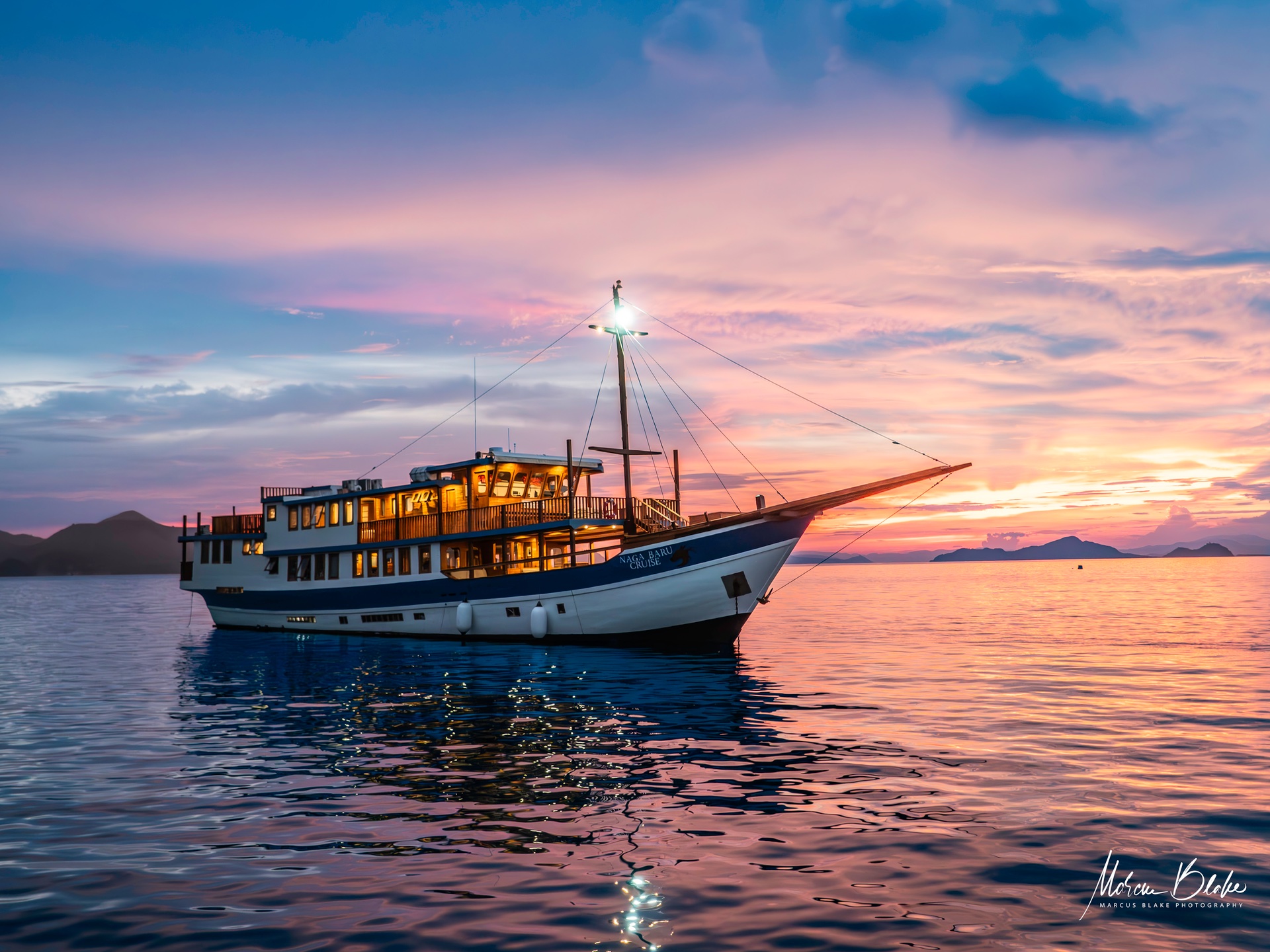
Naga Biru
Indonesia
12 guests40 m
$274/day
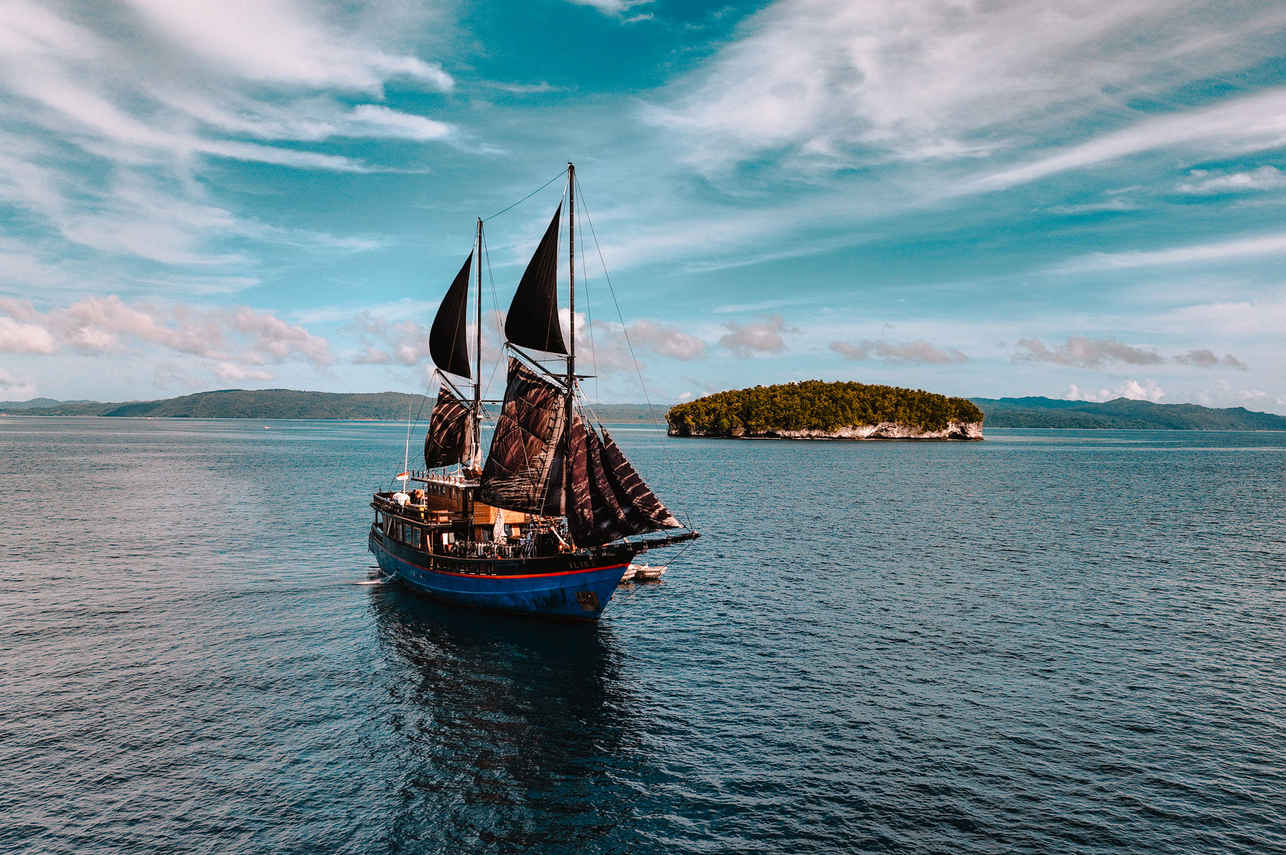
Ilike
Indonesia
16 guests40 m
$298/day
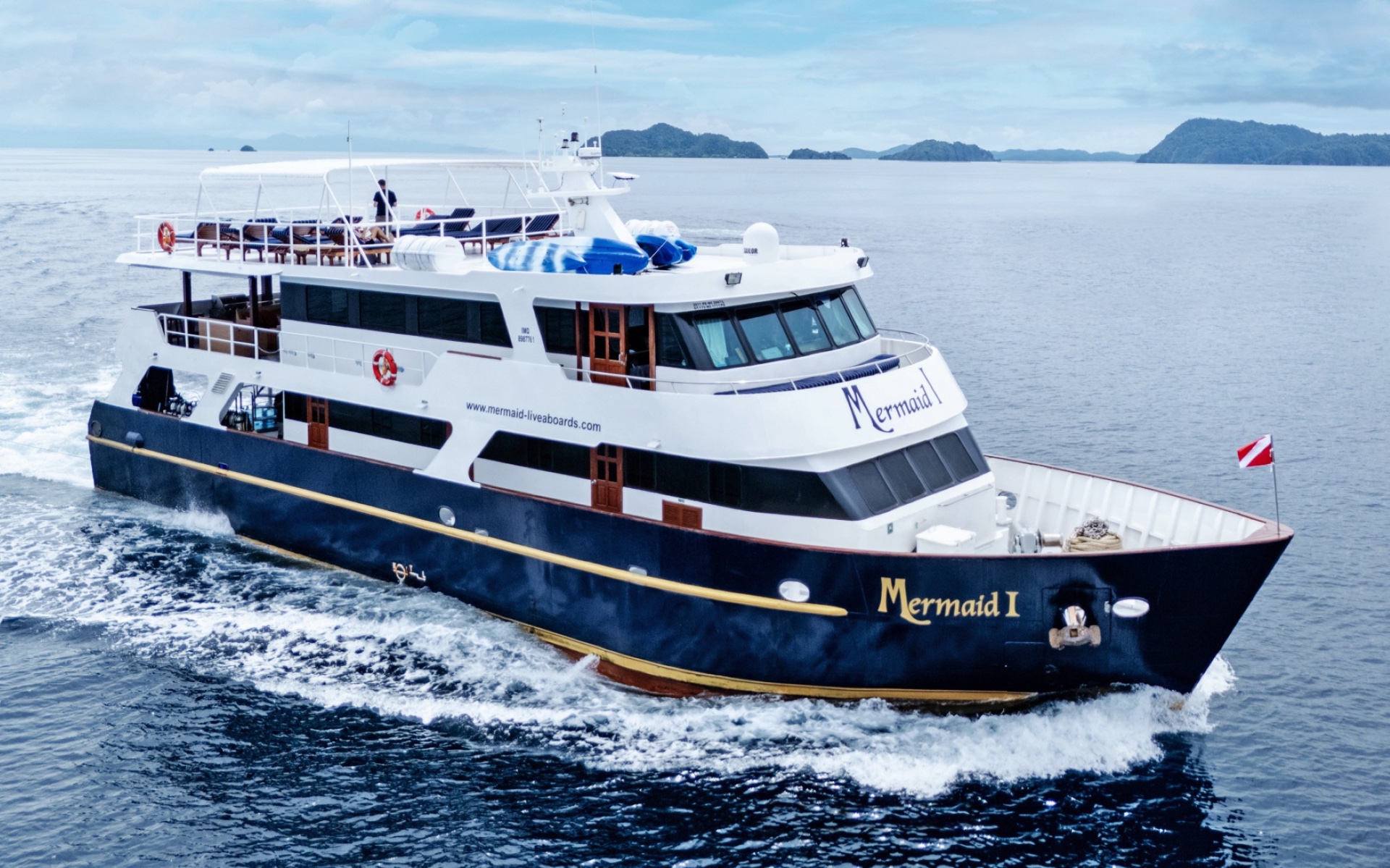
Mermaid I
Alor
15 guests28 m
$372/day
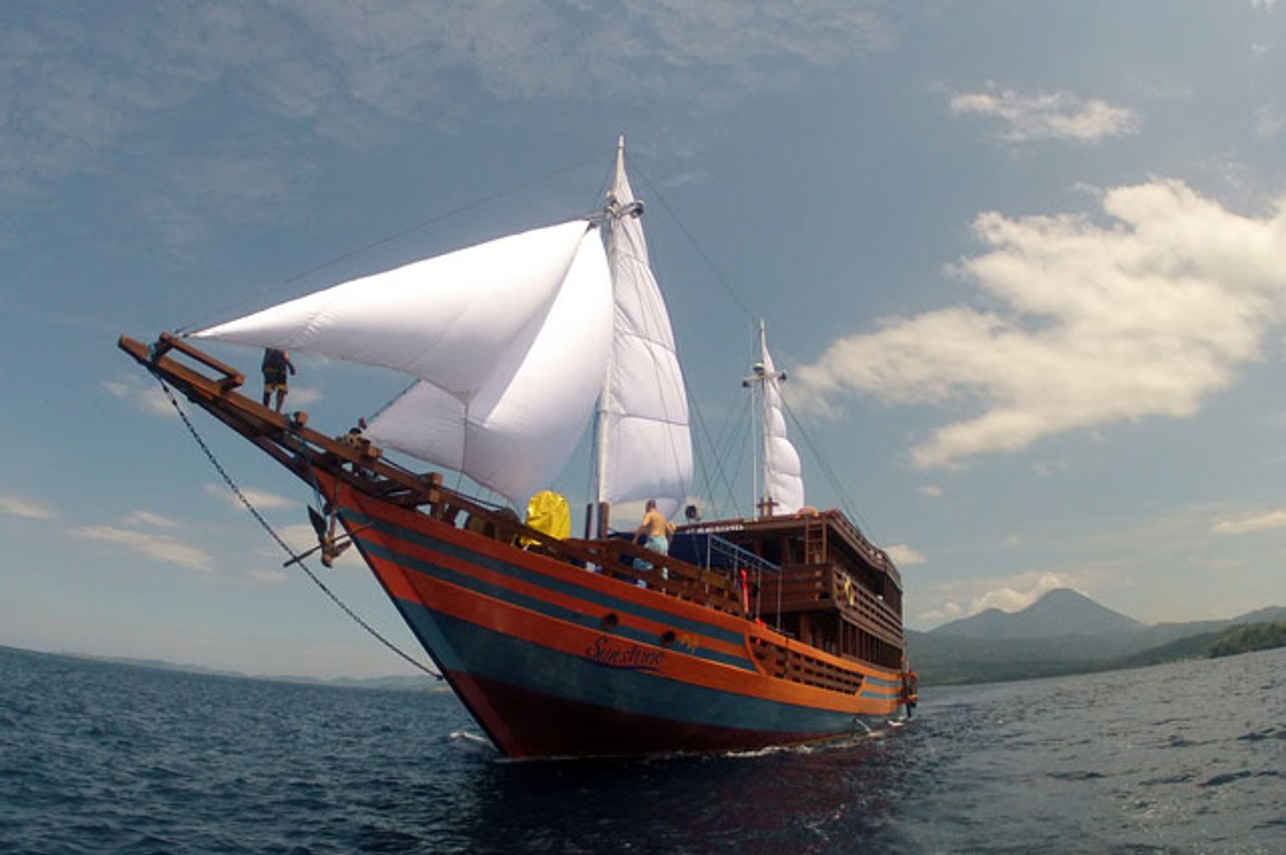
Sunshine Liveaboard
Indonesia
10 guests31 m
$192/day
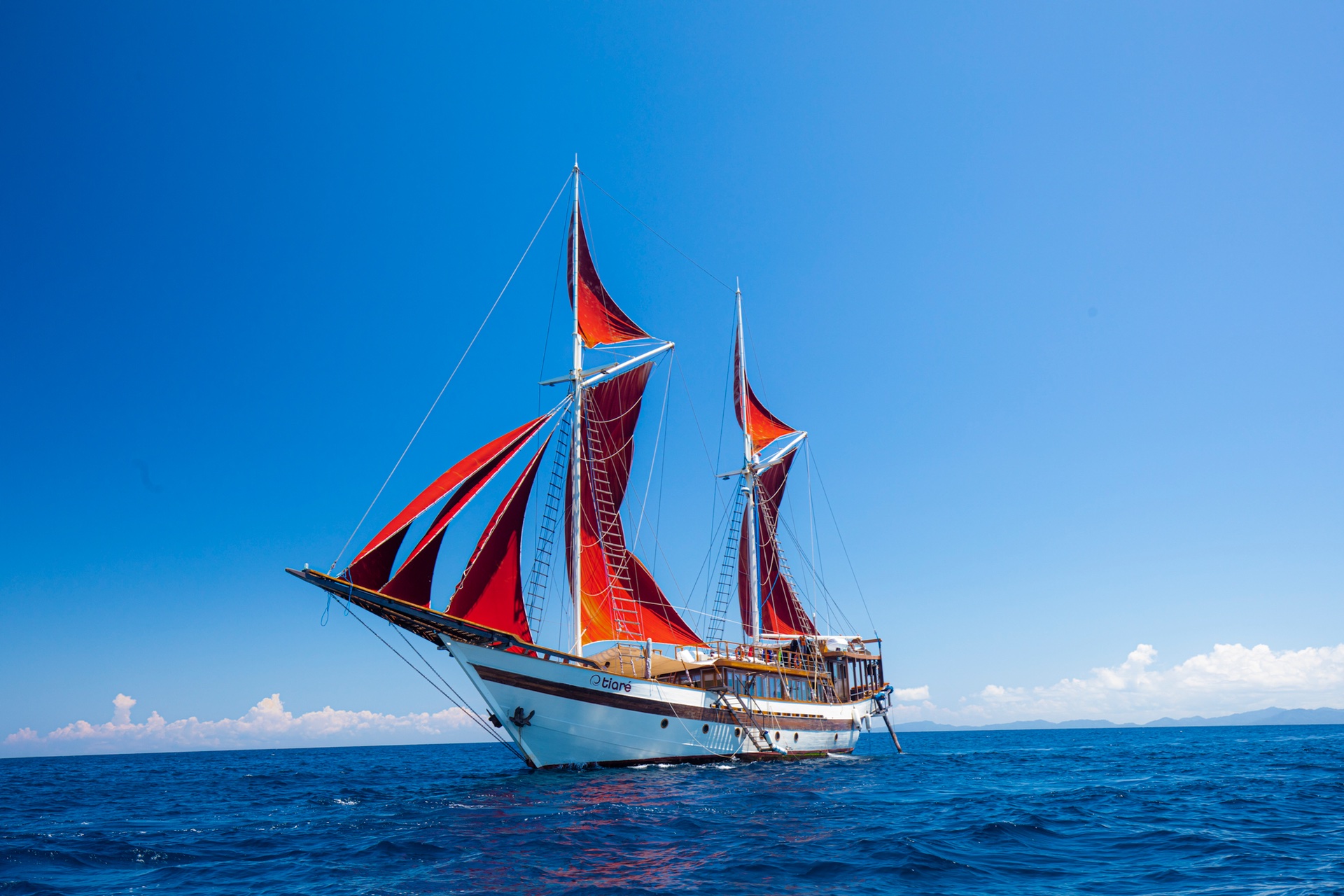
Tiare Cruise
Indonesia
12 guests36.5 m
$473/day
Dive sites similar to Emerald Bay
Same character, same waters — six more sites divers love for the exact same reasons.Compare seasons, access and liveaboard routes — then pick the site that fits your trip best.
Lipah Bay is situated on Bali's northeast coast within the Amed area, nestled against the dramatic backdrop of Gunung Agung.
- Suitable for
- Beginner
- Current
- Mild
- Access
- Liveaboard or dayboat
- Depth
- 5–30 m
- Theme
- Reef / Drift
Puri Jati, often referred to as PJ, is located on Bali's north coast near Lovina, on the outskirts of Seririt village.
- Suitable for
- Intermediate
- Current
- No current
- Access
- Shore / dayboat
- Depth
- 6–12 m
- Theme
- Reef
© Esri — Maxar, Earthstar, GIS
Japanese Wreck
Bali
The Japanese Wreck is a compelling dive site located in Banyuning Bay, just off the beach in Amed, Bali.
- Suitable for
- Beginner
- Current
- Moderate
- Access
- Shore / dayboat
- Depth
- 6–12 m
- Theme
- Wreck / Reef
© Esri — Maxar, Earthstar, GIS
Dream Wall
Bali
Dream Wall is one of Menjangan Island's premier dive sites, located within the protected West Bali National Park marine area.
- Suitable for
- Beginner
- Current
- Mild
- Access
- Dayboat
- Depth
- 10–60 m
- Theme
- Wall / Reef
Pura Ped, located on the northern coast of Nusa Penida, is a celebrated dive site known for its extensive and healthy reef system.
- Suitable for
- Intermediate
- Current
- Strong
- Access
- Liveaboard or dayboat
- Depth
- 5–30 m
- Theme
- Drift / Reef
© Esri — Maxar, Earthstar, GIS
Biaha Reef
Bali
Situated near Candidasa, Biaha Reef is a captivating dive site characterized by its dramatic underwater landscapes and the potential for exhilarating encounters with large pelagic marine life.
- Suitable for
- Intermediate
- Current
- Moderate
- Access
- Liveaboard or dayboat
- Depth
- 10–35 m
- Theme
- Reef