About The Passage
The Passage is a truly unique dive site in Raja Ampat, formed by a natural saltwater river flowing between the islands of Gam and Waigeo. This distinctive channel is renowned for its breathtaking above-water scenery, with towering limestone cliffs extending below the surface to create a dramatic underwater landscape. Diving here offers an unusual experience, as you drift through what feels like an extension of a terrestrial river, encountering both freshwater and saltwater marine life. The topography below the surface features shallow reefs, intricate caves, and intriguing caverns carved into the cliff sides. The floor of The Passage is characterized by sandy patches, lush soft coral growth, and impressive sea fans. While the site can be dived in calm conditions, the true adventure unfolds with the current, transforming the dive into a dynamic drift through this extraordinary environment. This constant flow of water brings nutrients, supporting a diverse ecosystem. Marine life here is a fascinating mix, adapted to the unique conditions. You'll find a wide array of macro critters, including numerous nudibranchs and various shrimp species, particularly in the sandy areas and within the protective mangrove roots. The soft corals and sea fans are vibrant, and with a keen eye, divers can spot rarer finds like ornate ghost pipefish and pygmy seahorses. While larger pelagics are less common here, the site excels in its unique topography and rich, smaller-scale biodiversity. Access to The Passage is typically via liveaboard, often as part of a broader Raja Ampat itinerary. The site is best experienced during the off-season or specific tidal conditions when currents can be either gentle enough for exploration or strong enough for an exhilarating drift. Diving here requires good buoyancy control, especially when navigating close to the walls and exploring the numerous crevices and overhangs.
Highlights
Natural saltwater riverTowering limestone cliffsCaverns and swim-throughsMangrove roots habitatDrift diving experienceUnique macro lifeVibrant nudibranchsSpectacular sea fans
Season calendar
Best months to dive here
Jan
Feb
Mar
Apr
May
Jun
Jul
Aug
Sep
Oct
Nov
Dec
Excellent
Good
Dive site facts: The Passage
- Depth
- 3–18 m
- Current
- Mild to very strong
- Water temperature
- 27–28°C
- Entry
- Tender
- Level
- Intermediate to Advanced
- Dive type
- Drift, macro, caverns
- Region / port
- Raja Ampat, Indonesia
- Coordinates
- -0.42087, 130.56545
Conditions & Currents
Currents at The Passage are a defining feature, and can range from mild to very strong, reaching several knots. The site is a natural saltwater river between two islands, and the flow of water creates an exhilarating drift dive experience when the currents are robust. Dives are often planned to coincide with specific tidal states to optimize either exploration of caverns and swim-throughs in lighter currents, or a thrilling ride during stronger flows. Divers must be prepared for dynamic conditions and possess good buoyancy control. Negotiating entry and exit points in varying currents requires careful planning and coordination with the dive tender. Visibility can fluctuate depending on the current strength and recent rainfall, but the nutrient-rich water, regardless of clarity, supports abundant marine life.
Marine life & sighting chances
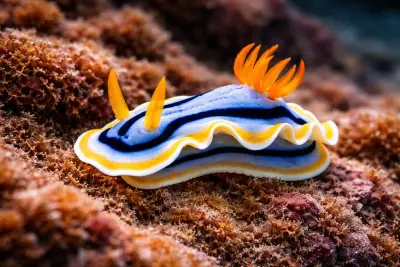
Nudibranchs
common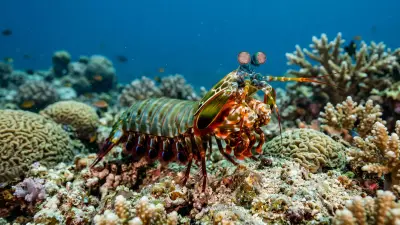
Shrimp species
common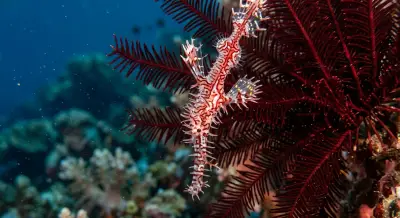
Ornate ghost pipefish
occasional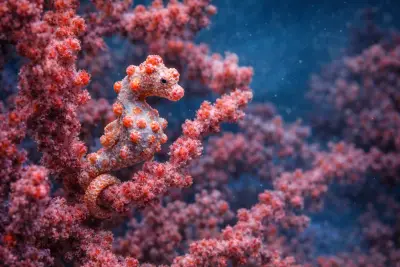
Pygmy seahorses
occasional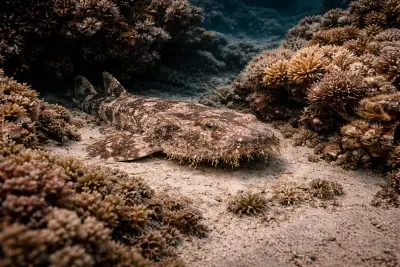
Wobbegong sharks
occasional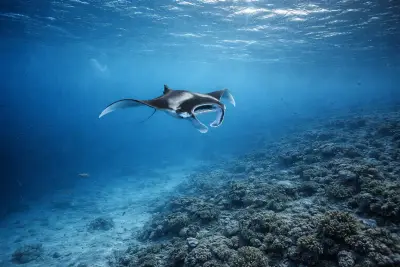
Manta rays
December-April · rare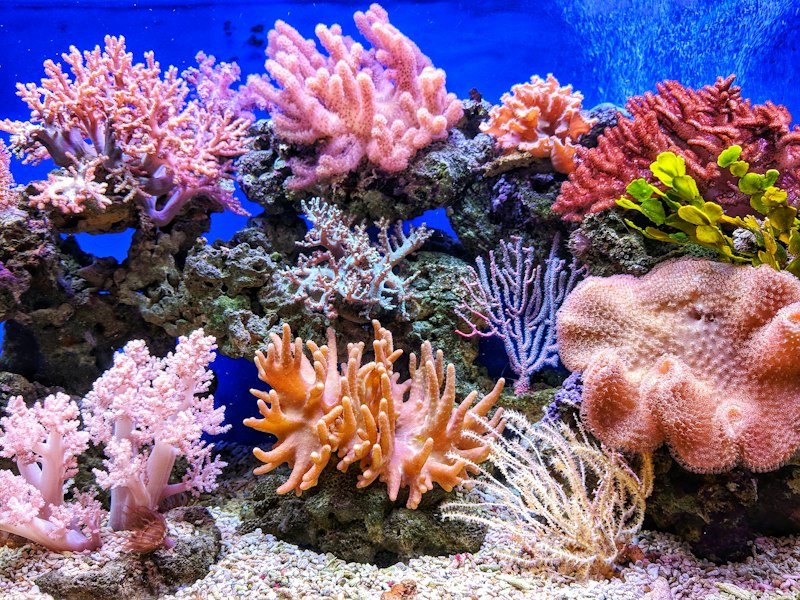
Soft coral
common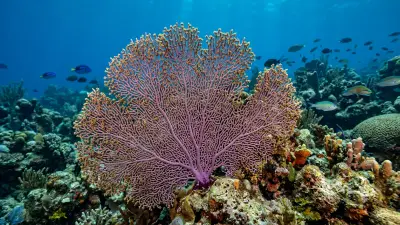
Sea fans
common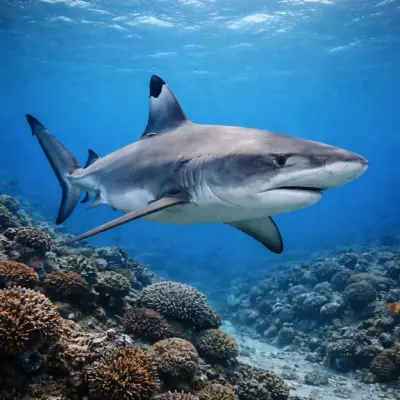
Reef sharks
rareDive profile & how the dive runs
Your dive at The Passage typically begins with a tender drop, often involving a negative entry to get quickly below the surface and into the current. The exact entry point depends on current conditions and the desired drift path. You'll descend to explore the varying depths along the natural channel, following the current as it guides you past sheer rock walls, intricate soft coral gardens, and impressive sea fans. The route often involves navigating through caves and swim-throughs when currents permit. Keep an eye out for macro life hidden within the cracks and crevices of the limestone and the sandy patches. The dive progresses along the channel, with the turning point determined by the length of the passage and your air consumption. The safety stop typically occurs near the end of the drift, often in a calmer area or against a section of the wall, before surfacing to meet the waiting tender.
Underwater photography
The Passage offers unique opportunities for both wide-angle and macro photography. For wide-angle shots, a fisheye or wide-angle lens is ideal to capture the dramatic underwater topography, including the towering cliffs, extensive sea fans, and lush soft corals. The interplay of light filtering through the water into the caves and caverns can create stunning atmospheric shots. For macro enthusiasts, there's an abundance of subjects, from nudibranchs and various shrimp species to the elusive ornate ghost pipefish and pygmy seahorses. A macro lens will be essential for these smaller critters. Good buoyancy control is paramount to avoid disturbing the delicate coral and stirring up sediment in the sandy areas. External strobes are highly recommended to bring out the vibrant colors of the soft corals and to properly light macro subjects in darker recesses.
Combine with nearby dive sites
Getting there & logistics
Diving The Passage is typically part of a liveaboard itinerary exploring Raja Ampat. The primary international gateway for Raja Ampat is Sorong (SOQ) in West Papua, Indonesia. Travelers usually fly into Sorong via connecting flights from major Indonesian hubs like Jakarta (CGK) or Makassar (UPG), or directly from certain international destinations. From Sorong, liveaboards depart for multi-day trips, ranging from one to two weeks, exploring the archipelago's diverse dive sites including The Passage. A Raja Ampat Marine Park Entry Permit (approximately USD $100) is required for all divers, valid for one calendar year. This site is commonly combined with other iconic Raja Ampat locations like Misool and Dampier Strait to offer a comprehensive diving experience.
Safety & environment
For diving in Raja Ampat, including The Passage, comprehensive dive insurance covering emergency medical care and evacuation is strongly recommended, as medical facilities are extremely limited and evacuation to a major city like Jakarta or Singapore would be necessary for serious incidents. The nearest recompression chamber is located in Makassar, a considerable distance away. Divers should maintain excellent buoyancy control, especially given the potentially strong and unpredictable currents at The Passage, and avoid contact with the fragile coral and rock formations. Always follow your dive guide's instructions regarding entry, exit, and dive plan. While generally safe, the remote nature of Raja Ampat means self-reliance and preparedness are key.
Who it suits — and who it doesn't
Suited for
- Advanced divers comfortable with currents
- Macro photography enthusiasts
- Divers seeking unique topographies
- Liveaboard guests exploring Raja Ampat
- Divers interested in diverse critter life
Less suited for
- Beginner divers without current experience
- Divers prone to seasickness
- Those uninterested in macro subjects
- Divers expecting large pelagic encounters
- Individuals with limited buoyancy control
FAQ
The Passage FAQ
What makes The Passage a unique dive site?
The Passage is unique because it's a natural saltwater river flowing between two islands, Gam and Waigeo. It features dramatic above-water cliffs that extend underwater, creating a riverine diving experience. Divers can explore caves, caverns, and swim-throughs while drifting through a fascinating ecosystem that combines both marine and almost freshwater-like characteristics.
What kind of marine life can I expect to see at The Passage?
The Passage is renowned for its diverse macro life, including numerous species of nudibranchs and various shrimp. You can also spot fascinating creatures like ornate ghost pipefish and pygmy seahorses hidden among the vibrant soft corals and sea fans. While large pelagic species are rare, the rich smaller-scale biodiversity and unique topography make for an exceptional dive.
Are the currents strong at The Passage?
Yes, currents at The Passage can range from mild to very strong, sometimes reaching several knots. The dive is often a drift, where the current guides you through the channel. Dive operators typically plan dives according to tidal conditions to optimize the experience, allowing for exploration in lighter currents or an exhilarating drift when the flow is robust.
Is The Passage suitable for all levels of divers?
The Passage is generally recommended for intermediate to advanced divers due to the potential for strong currents and the need for excellent buoyancy control. While it can be dived in milder conditions, experience with drift diving and navigating dynamic underwater environments is highly beneficial to fully enjoy and safely explore this unique site.
When is the best time to dive The Passage?
While Raja Ampat offers year-round diving, The Passage is often highlighted as being best experienced during the region's off-season, which falls between May and September. During this period, specific tidal patterns can create optimal conditions for exploring its unique features. However, it can be dived at other times depending on daily tidal predictions and dive operator schedules.
Why dive The Passage from a liveaboard?
The Passage is one of Indonesia's signature dive sites. A liveaboard sleeps you on the water and puts you in the water for three to four guided dives per day, including dawn and night dives that day-boat operators rarely offer. You skip the daily commute back to port and reach quieter, less-crowded sites in the same region on a single trip.
Below are the liveaboards that include The Passage on their Indonesia itineraries.
Liveaboards diving The Passage
These liveaboards may visit The Passage on selected itineraries — the exact dive sites depend on departure, weather and conditions.
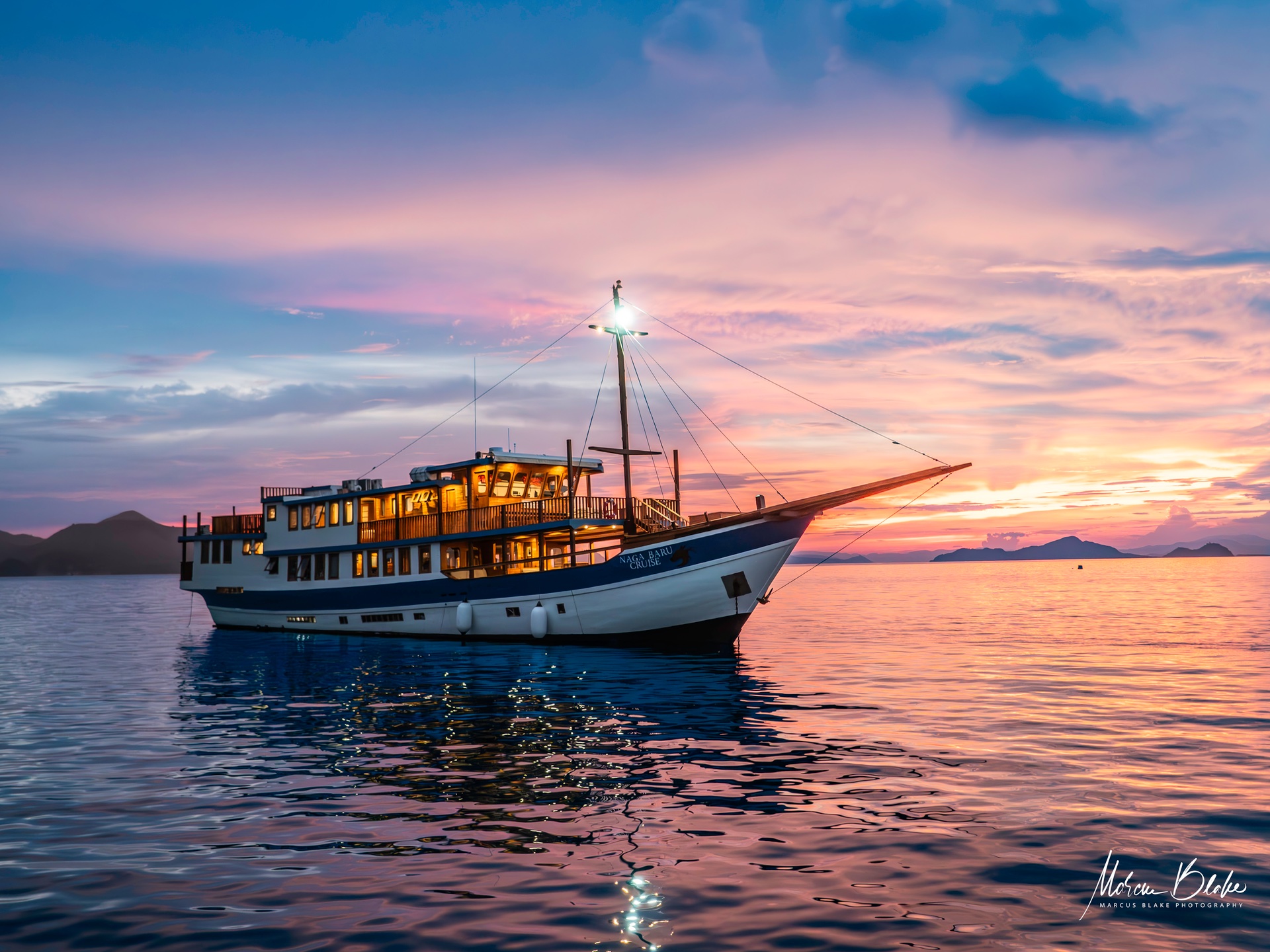
Naga Biru
Indonesia
12 guests40 m
$274/day
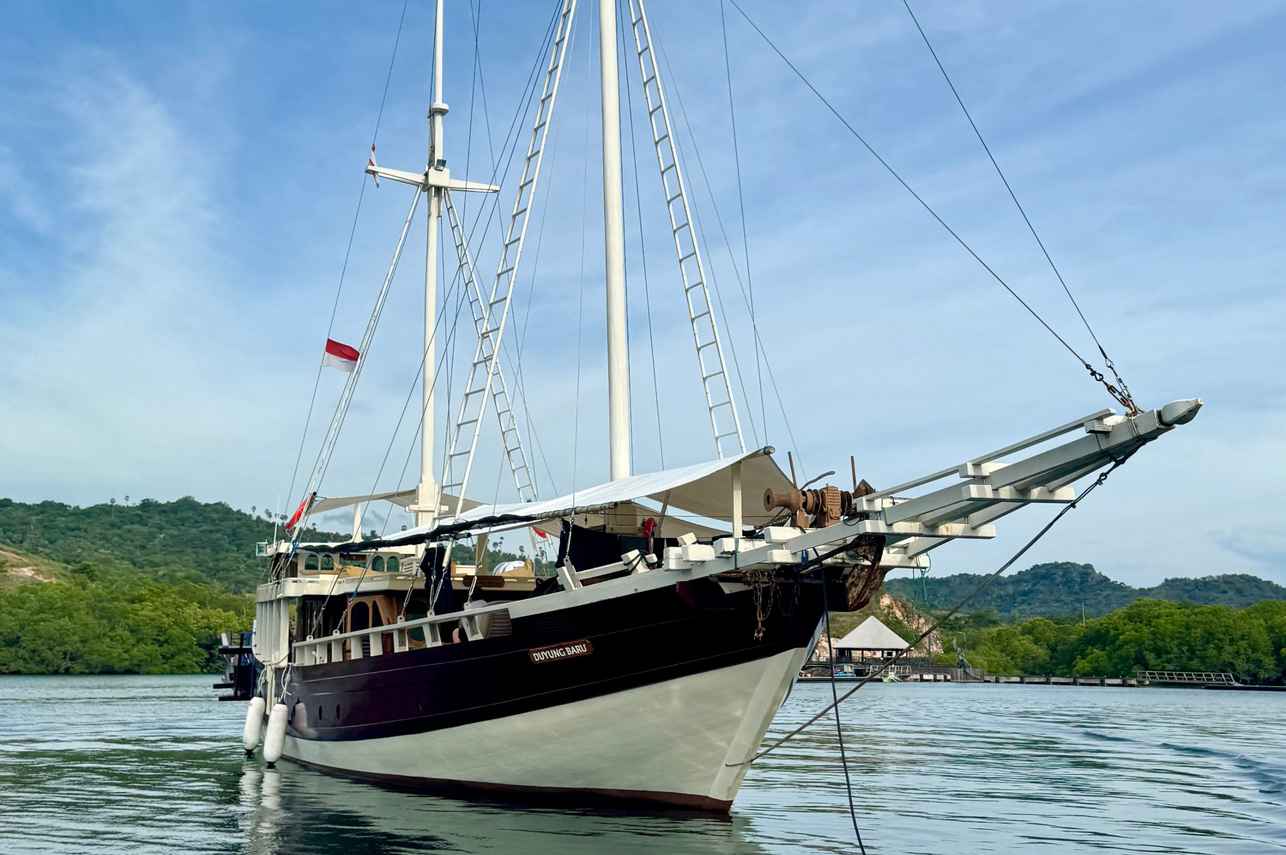
Ecopro Duyung Baru
Indonesia
6 guests27 m
$361/day
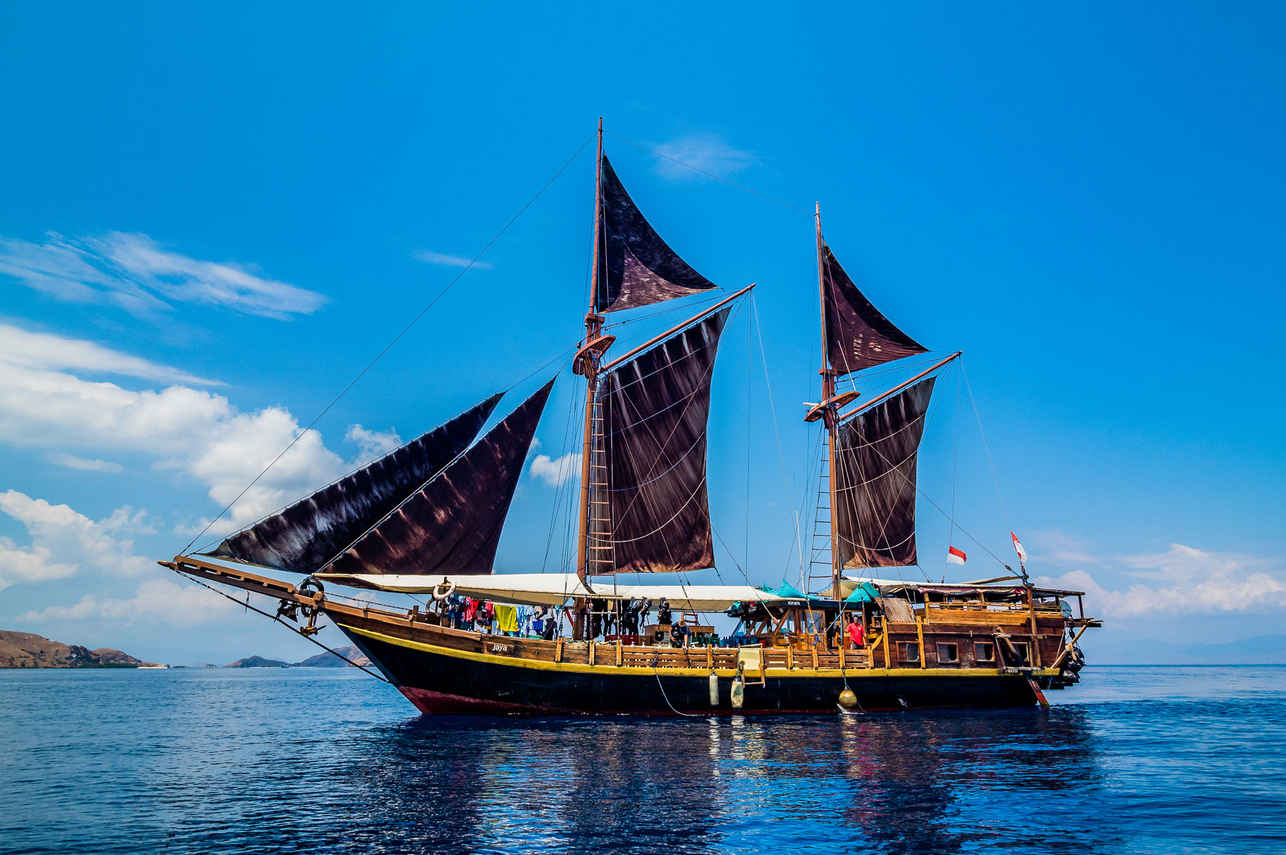
Jaya
Indonesia
14 guests23 m
$280/day
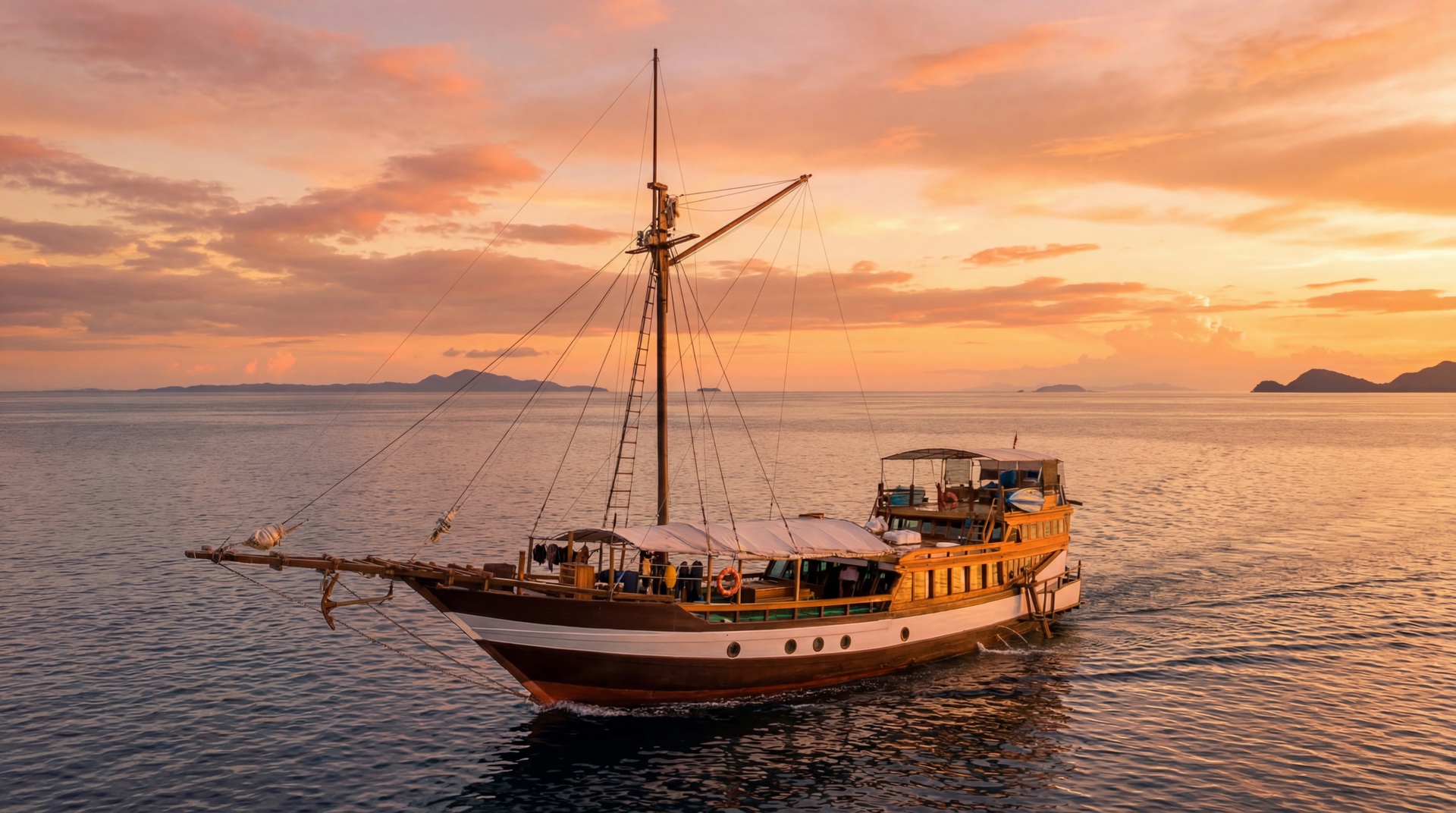
Wellenreng
Indonesia
9 guests25 m
$427/day
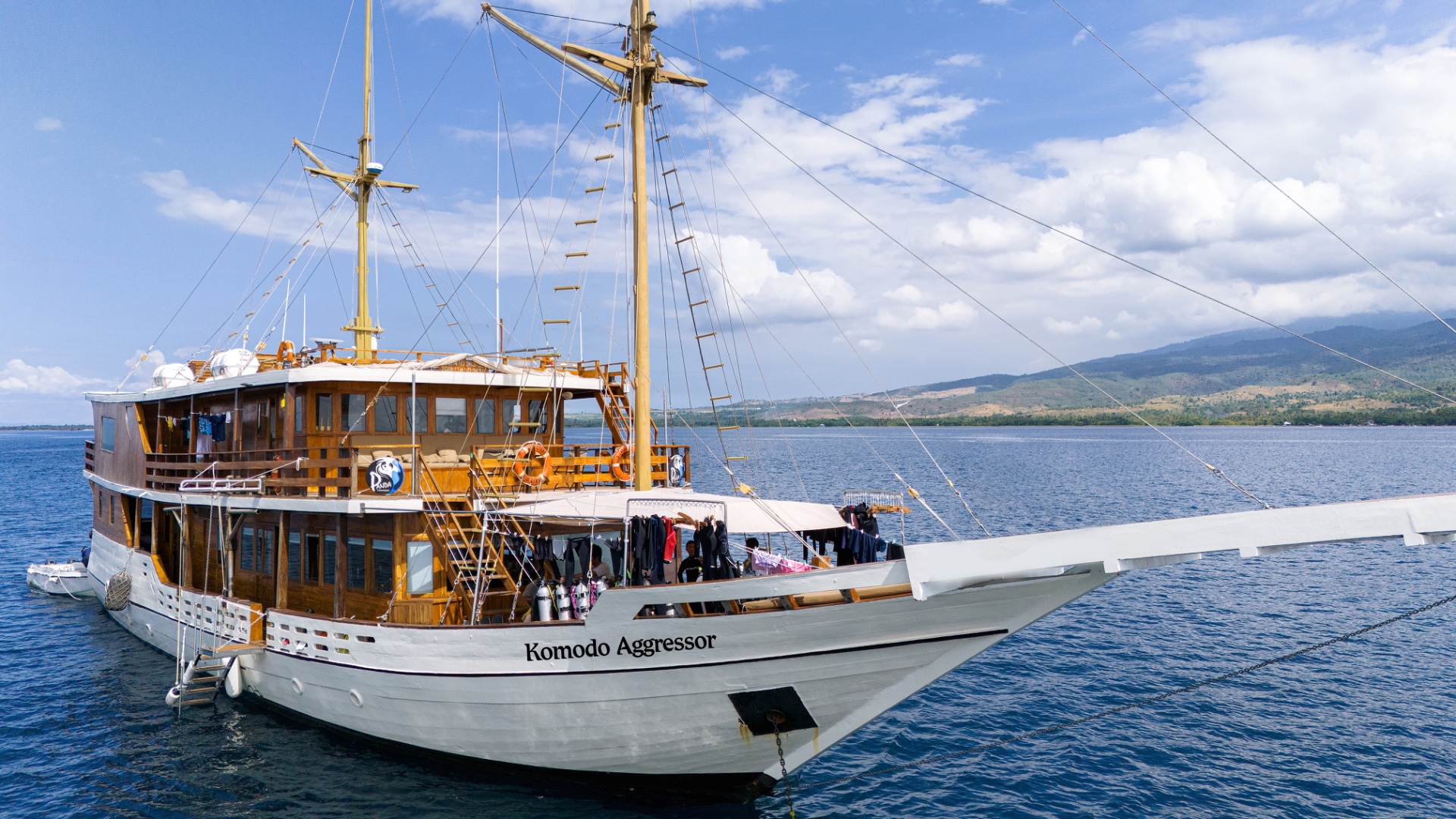
Komodo Aggressor
Komodo, Indonesia
16 guests29 m
$312/day
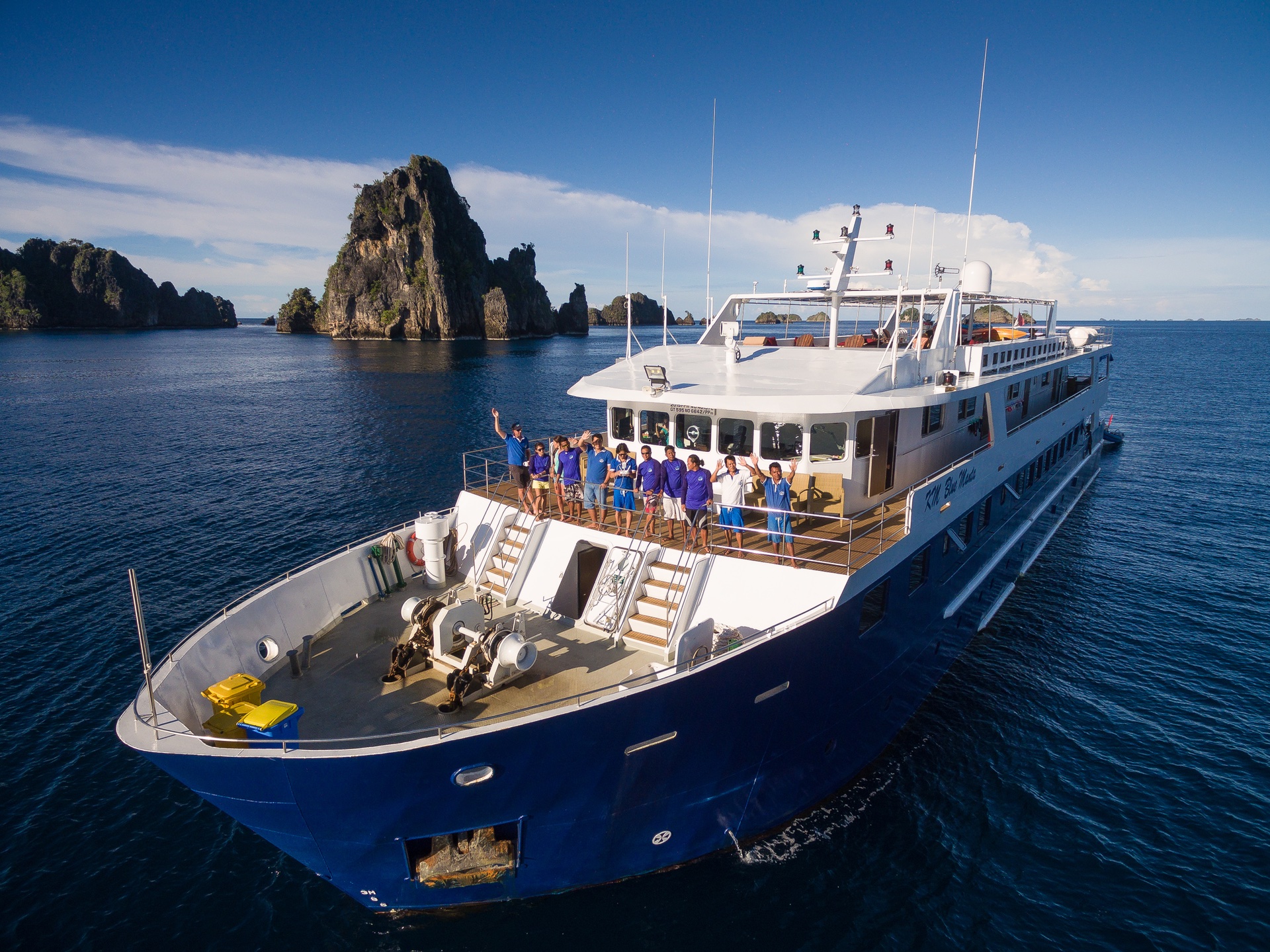
Blue Manta
Indonesia
20 guests45 m
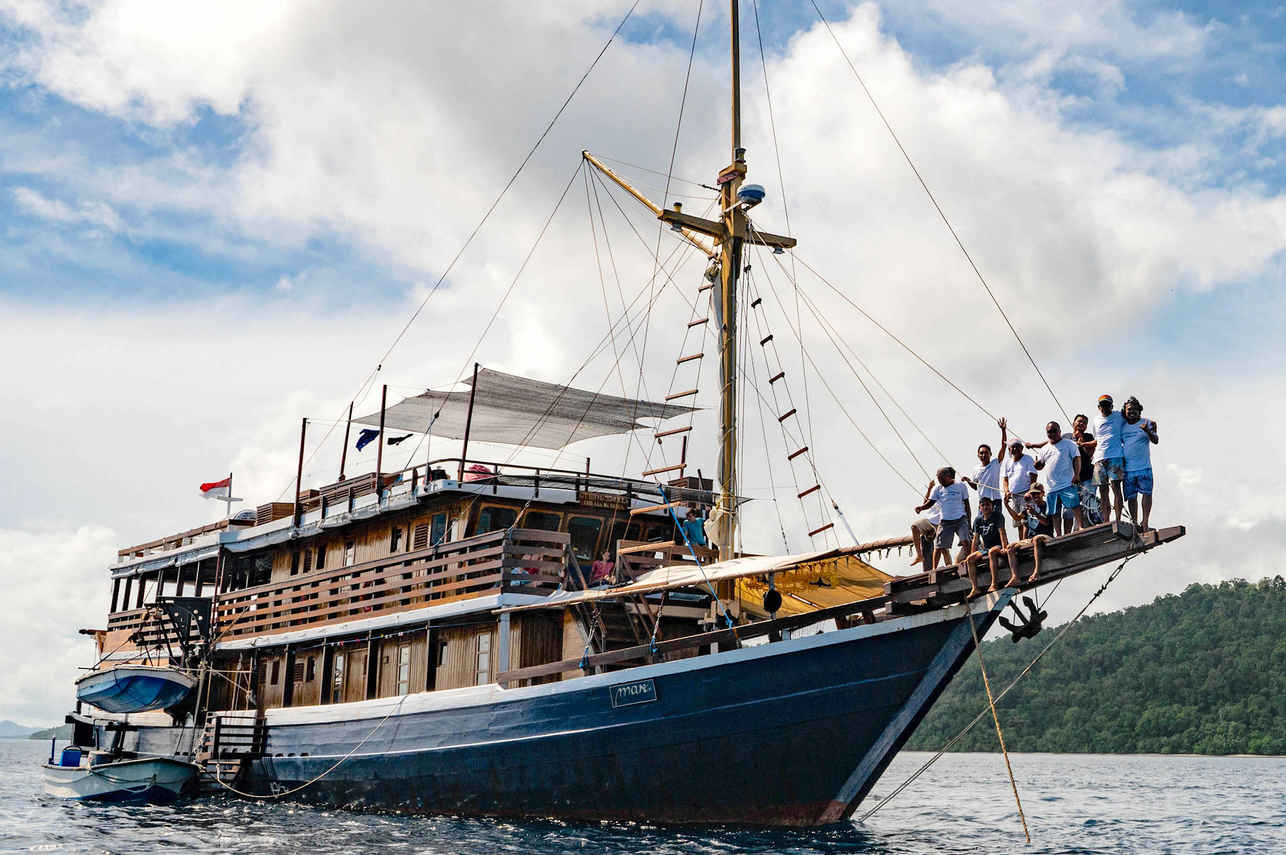
Mari
Indonesia
14 guests32.2 m
$328/day
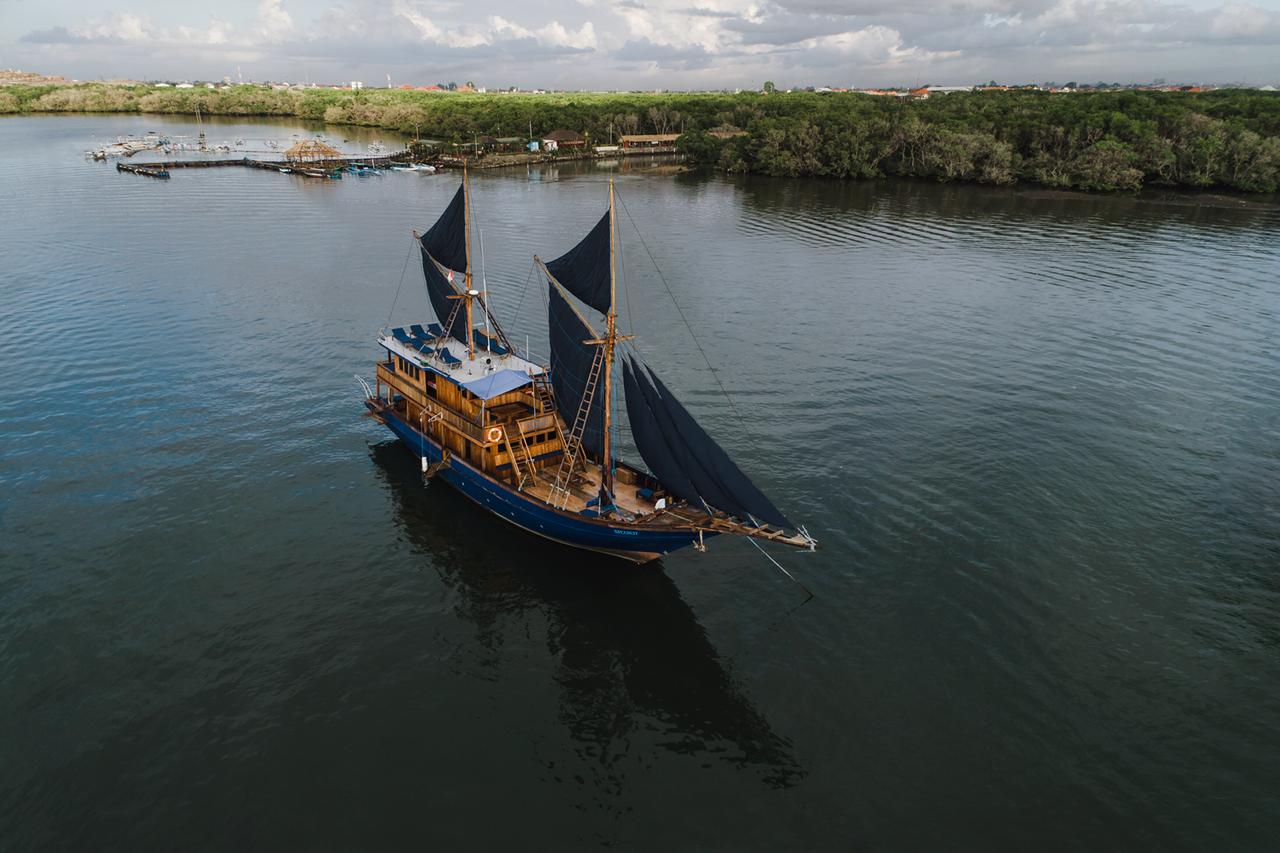
Situju7
Komodo, Indonesia
10 guests32.7 m
$362/day
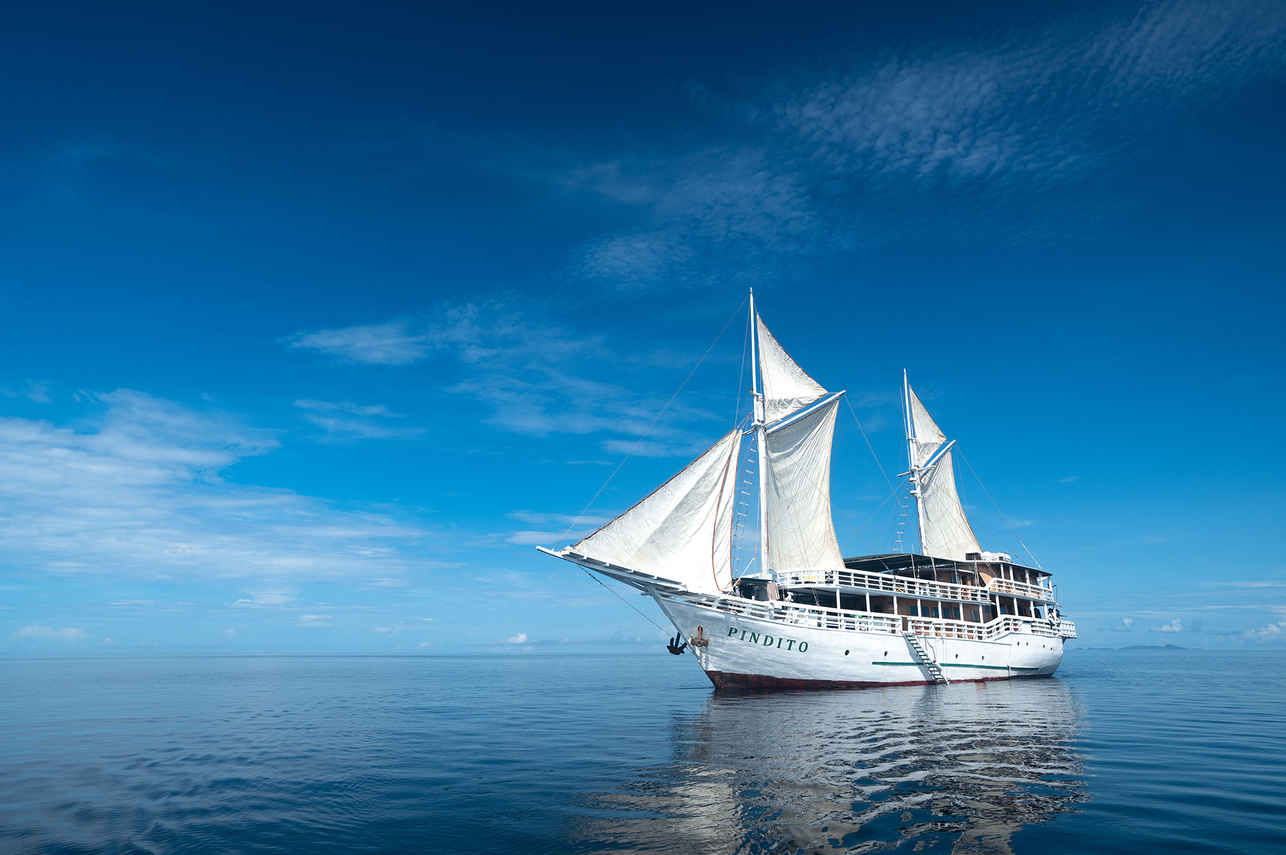
Pindito
Indonesia
16 guests37.79 m
$533/day
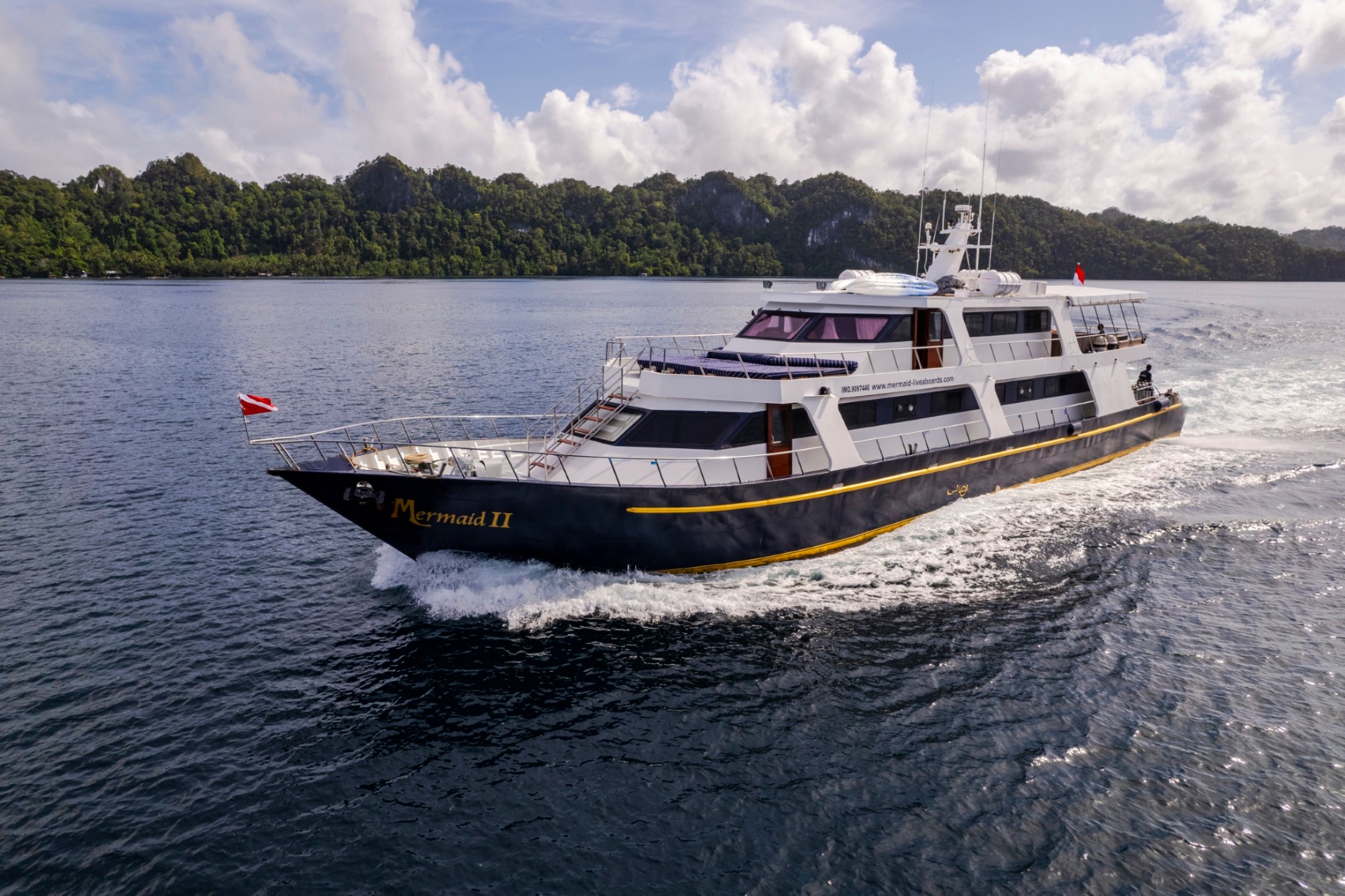
Mermaid II
Komodo, Indonesia
18 guests
$355/day
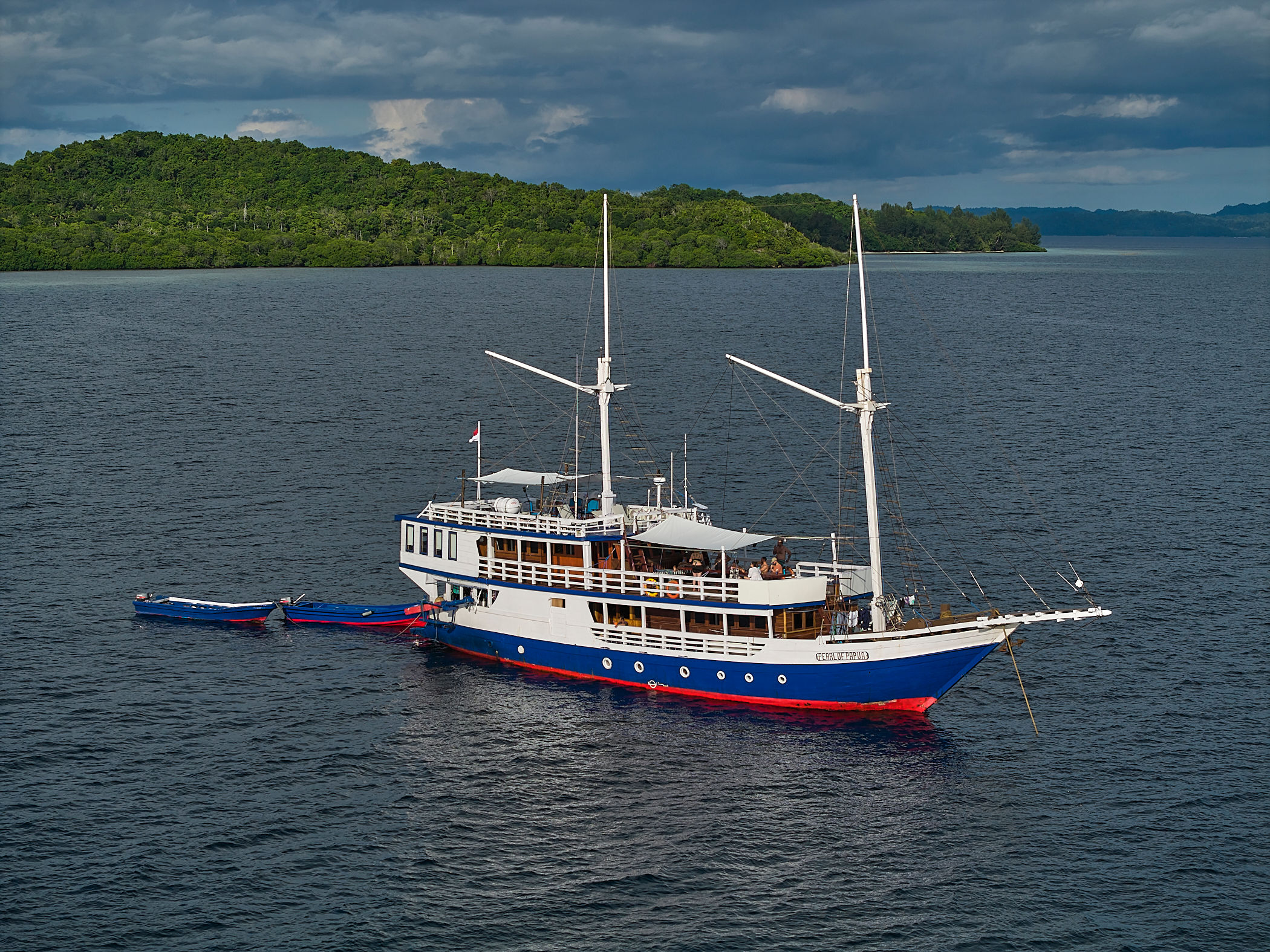
Pearl of Papua
Raja Ampat, Indonesia
14 guests30 m
$303/day
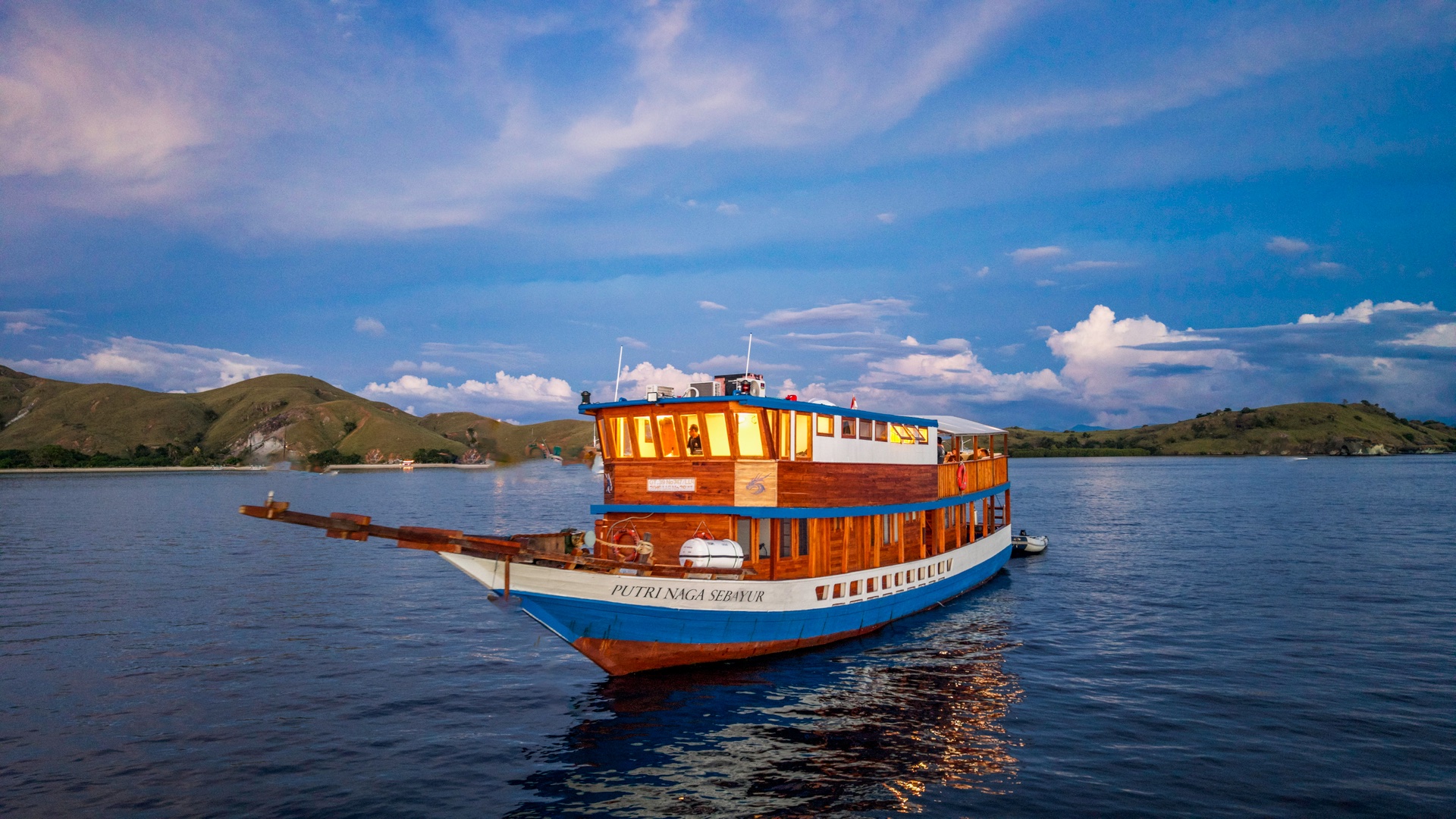
Putri Naga
Komodo, Indonesia
6 guests25 m
$223/day
Dive sites similar to The Passage
Same character, same waters — six more sites divers love for the exact same reasons.Compare seasons, access and liveaboard routes — then pick the site that fits your trip best.
© Esri — Maxar, Earthstar, GIS
Adonara Wall
Indonesia
Adonara is an Indonesian island dive site, renowned for its vibrant underwater topography characterized by submerged seamounts.
- Suitable for
- Intermediate
- Current
- Strong
- Access
- Liveaboard or dayboat
- Depth
- 5–35 m
- Theme
- Seamount / Wall
© Esri — Maxar, Earthstar, GIS
Shark Close
Indonesia
Shark Close is an exhilarating dive site in the Indonesian portion of Borneo, renowned for its strong currents and abundant marine life.
- Suitable for
- Advanced
- Current
- Strong
- Access
- Liveaboard or dayboat
- Depth
- 5–25 m
- Theme
- Channel / Drift
Wakatobi, an acronym for the islands of Wangi-Wangi, Kaledupa, Tomia, and Binongko, lies in Southeast Sulawesi, Indonesia, at the heart of the Coral Triangle.
- Suitable for
- Beginner
- Current
- No current
- Access
- Liveaboard only
- Depth
- 5–30 m
- Theme
- Wall / Reef
© Esri — Maxar, Earthstar, GIS
Raymond’s Point
Indonesia
Raymond's Point is a distinguished dive site located south of Mike's Point within the Bunaken National Marine Park, renowned for its dramatic vertical wall.
- Suitable for
- Advanced
- Current
- Strong
- Access
- Dayboat
- Depth
- 5–35 m
- Theme
- Reef / Wall
© Esri — Maxar, Earthstar, GIS
Manado Tua
Indonesia
Manado Tua, or 'Old Manado,' is one of five islands that form the Bunaken Marine Park, a celebrated marine protected area in North Sulawesi, Indonesia.
- Suitable for
- Intermediate
- Current
- Moderate
- Access
- Dayboat
- Depth
- 5–80 m
- Theme
- Wall / Drift
© Esri — Maxar, Earthstar, GIS
Kakaban Jellyfish Lake
Indonesia
Kakaban Jellyfish Lake is a unique marine lake located on Kakaban Island, part of the Derawan Archipelago in East Kalimantan, Indonesia.
- Suitable for
- Advanced
- Current
- Strong
- Access
- Dayboat
- Depth
- 5–30 m
- Theme
- Wall / Drift