About Arta Beach Reef
Arta Beach Reef, situated in Djibouti, presents a unique diving experience where the Red Sea meets the Indian Ocean. This often-overlooked destination boasts remarkably healthy reefs and a rich diversity of marine species, offering a tranquil alternative to more crowded Red Sea locations. The area is particularly famous for its seasonal aggregations of whale sharks, which are frequently encountered in the nutrient-rich waters. The topography features flourishing coral gardens that support a wide array of reef fish. While depths can vary, the reef is accessible to various skill levels, providing opportunities for both casual exploration and more in-depth dives. The waters here are generally warm and clear, contributing to excellent visibility for observing the vibrant ecosystem. Marine life at Arta Beach Reef is prolific, with numerous reef fish species and regular sightings of larger pelagics such as manta rays and various sharks. The peak season from October to February is especially rewarding for divers hoping to swim alongside juvenile whale sharks. This period benefits from massive plankton blooms, attracting these gentle giants to the coastal waters. Diving at Arta Beach Reef typically involves boat excursions from nearby ports, often integrated into liveaboard itineraries exploring the wider Djibouti region. The undisturbed nature of the dive sites allows for peaceful exploration of the stunning underwater landscapes, with fewer tourist crowds compared to other popular Red Sea destinations.
Highlights
Juvenile whale shark encountersHealthy coral gardensRich reef fish diversityUncrowded dive sitesSnorkeling with whale sharksWarm, clear waters
Season calendar
Best months to dive here
Jan
Feb
Mar
Apr
May
Jun
Jul
Aug
Sep
Oct
Nov
Dec
Excellent
Good
Dive site facts: Arta Beach Reef
- Depth
- 5–30 m
- Typical dive
- 15–25 m, 45–60 min
- Current
- Mild to moderate, potentially strong in specific areas
- Visibility
- 10–35 m+
- Water temperature
- 24–33°C
- Entry
- Tender / Liveaboard
- Level
- Open Water Diver, current experience beneficial
- Dive type
- Reef, pelagic, snorkeling
- Night dive
- Possible
- Region / port
- Gulf of Tadjoura / Arta
- Coordinates
- 11.74, 42.87
Conditions & Currents
Currents at Arta Beach Reef can vary, influenced by the confluence of the Red Sea and Gulf of Aden. While many sites are suitable for Open Water divers, some areas in the broader region can experience stronger flows, particularly due to tidal shifts. Divers should be prepared for potential drift dives, and liveaboard crews often organize groups based on experience levels. Visibility is generally excellent, often exceeding 15 meters, but may be reduced during plankton blooms which attract whale sharks. Thermoclines are infrequent, with consistently warm water temperatures, but it is always advisable to consult with local guides for real-time conditions.
Marine life & sighting chances

Whale Shark
October–February · common
Manta Ray
October–February · occasional
Grey Reef Shark
occasional
Nurse Shark
occasional
Dolphin
common
Pilot Whale
occasional
Snapper
common
Jack
common
Barracuda
common
Stingray
common
Groupers
common
Reef Fish (various)
commonDive profile & how the dive runs
A typical dive at Arta Beach Reef begins with a tender drop-off directly onto the reef. Divers descend to approximately 10-15 meters to explore the vibrant coral gardens that define the site. The route often follows the contours of the reef, gradually deepening to around 20-25 meters to observe a wider array of marine life, including larger schools of fish and potential pelagic encounters. During whale shark season, careful attention is paid to surface activity for possible interactions. The dive typically involves a slow ascent, allowing for extended bottom time, before a safety stop is conducted at 5 meters, often in shallower, protected sections of the reef, before surfacing near the tender for pickup.
Underwater photography
Arta Beach Reef offers excellent opportunities for both wide-angle and macro photography, especially during the whale shark season. For wide-angle shots, a fisheye or wide-angle lens is essential to capture the grandeur of whale sharks, large schools of fish, and the expansive coral landscapes. Be prepared for varying light conditions if whale sharks are at the surface, which might require adjusting ISO or using strobes for fill light. For macro enthusiasts, the healthy corals host a variety of smaller reef creatures, making a 60mm or 100mm macro lens suitable. Maintaining excellent buoyancy is crucial to avoid damaging the pristine corals and to position yourself respectfully around marine life. When photographing whale sharks, avoid using flash and keep a respectful distance.
Combine with nearby dive sites
- Les Sept Frères (Seven Brothers Islands)
Known for strong currents, deep dives, and pelagic encounters, often combined with Arta in liveaboard itineraries.
- Gulf of Tadjoura – Whale Shark Area
Famous for high concentrations of whale sharks, especially juveniles, during the feeding season.
- Le Goubet (Ghoubbet al-Kharab)
A nursery for juvenile whale sharks and home to a unique tectonic fissure.
- Moucha Island Reef
Part of Djibouti's first marine protected area, offering healthy reefs and diverse marine life.
- Arta Plage Drop-off
A deeper dive site offering walls and potential for larger pelagics near Arta.
Getting there & logistics
Access to Djibouti typically involves flying into Djibouti-Ambouli International Airport (JIB). Most diving excursions to Arta Beach Reef are part of multi-day liveaboard trips, which depart from the port of Djibouti. These liveaboards often include the Gulf of Tadjoura and the Seven Brothers Islands in their itineraries, providing a comprehensive exploration of the region's diverse dive sites. Trip lengths generally range from 7 to 10 days. An e-Visa is required for most visitors, obtained prior to arrival, with the physical copy issued at the airport. National park fees may apply as Arta is within a protected area.
Safety & environment
Safety is paramount when diving in Djibouti. Divers are required by law to carry a dive light, a reflector, and an SMB. The orange SMB is for signaling and safety stop, while a yellow parachute is strictly for emergencies. Medical oxygen, AED, and first aid equipment are standard on liveaboards. The nearest recompression chamber is located in Djibouti City, approximately an hour's boat ride from Arta. Evacuation in a serious medical emergency would typically be to Djibouti City, then potentially to a regional medical hub. Comprehensive dive insurance, covering emergency medical care and evacuation, is highly recommended. Divers should be proficient in buoyancy control to protect the fragile coral reefs and maintain a respectful distance from all marine life.
Who it suits — and who it doesn't
Suited for
- Pelagic enthusiasts
- Underwater photographers
- Divers seeking uncrowded sites
- Snorkelers during whale shark season
- Intermediate divers with current experience
Less suited for
- Absolute beginner divers (some sites)
- Divers expecting opulent infrastructure
- Those uninterested in large marine life
- Divers who prefer land-based resorts exclusively
FAQ
Arta Beach Reef FAQ
When is the best time to see whale sharks at Arta Beach Reef?
The prime whale shark season at Arta Beach Reef and the wider Gulf of Tadjoura is typically from October to February. During these months, nutrient-rich waters attract a significant number of juvenile whale sharks, making encounters common for both divers and snorkelers.
What kind of visibility can I expect when diving Arta Beach Reef?
Visibility at Arta Beach Reef is generally excellent, often ranging from 10 to over 35 meters. However, during the peak whale shark season, plankton blooms, which are the primary food source for these gentle giants, can occasionally reduce visibility in localized areas.
Is Arta Beach Reef suitable for beginner divers?
While many parts of Arta Beach Reef offer gentle conditions suitable for Open Water divers, some areas in Djibouti might experience moderate currents. It is advisable for beginners to have some comfort with current diving or to stick to guided dives in calmer sections. Liveaboards often cater to different skill levels with dedicated dive guides.
What unique marine life can I expect beyond whale sharks?
Beyond the famed whale sharks, Arta Beach Reef boasts a rich diversity of marine life. Divers frequently encounter manta rays, grey reef sharks, nurse sharks, and various schooling fish like jacks, snappers, and barracuda. Dolphins and pilot whales are also occasionally sighted, adding to the pelagic thrill.
How do I typically access Arta Beach Reef for diving?
Arta Beach Reef is primarily accessed via liveaboard vessels departing from Djibouti City. These trips offer the convenience of reaching multiple dive sites, including Arta and other areas in the Gulf of Tadjoura and the Seven Brothers Islands, as part of a comprehensive itinerary. Land-based day trips to Arta are also possible for snorkeling and shore access.
Why dive Arta Beach Reef from a liveaboard?
Arta Beach Reef is one of Djibouti's signature dive sites. A liveaboard sleeps you on the water and puts you in the water for three to four guided dives per day, including dawn and night dives that day-boat operators rarely offer. You skip the daily commute back to port and reach quieter, less-crowded sites in the same region on a single trip.
Below are the liveaboards that include Arta Beach Reef on their Djibouti itineraries.
Liveaboards diving Arta Beach Reef
These liveaboards may visit Arta Beach Reef on selected itineraries — the exact dive sites depend on departure, weather and conditions.
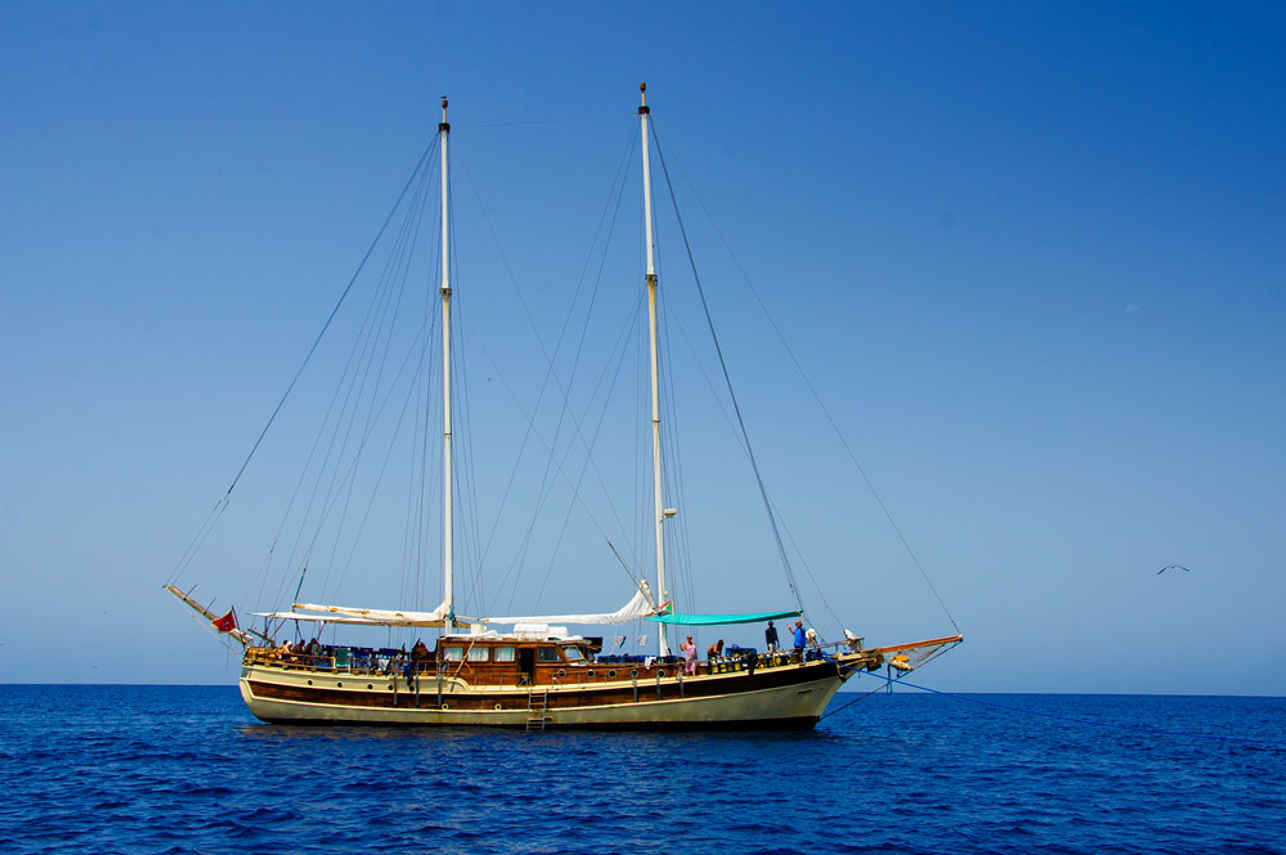
Elegante
Djibouti
14 guests25 m
$209/day
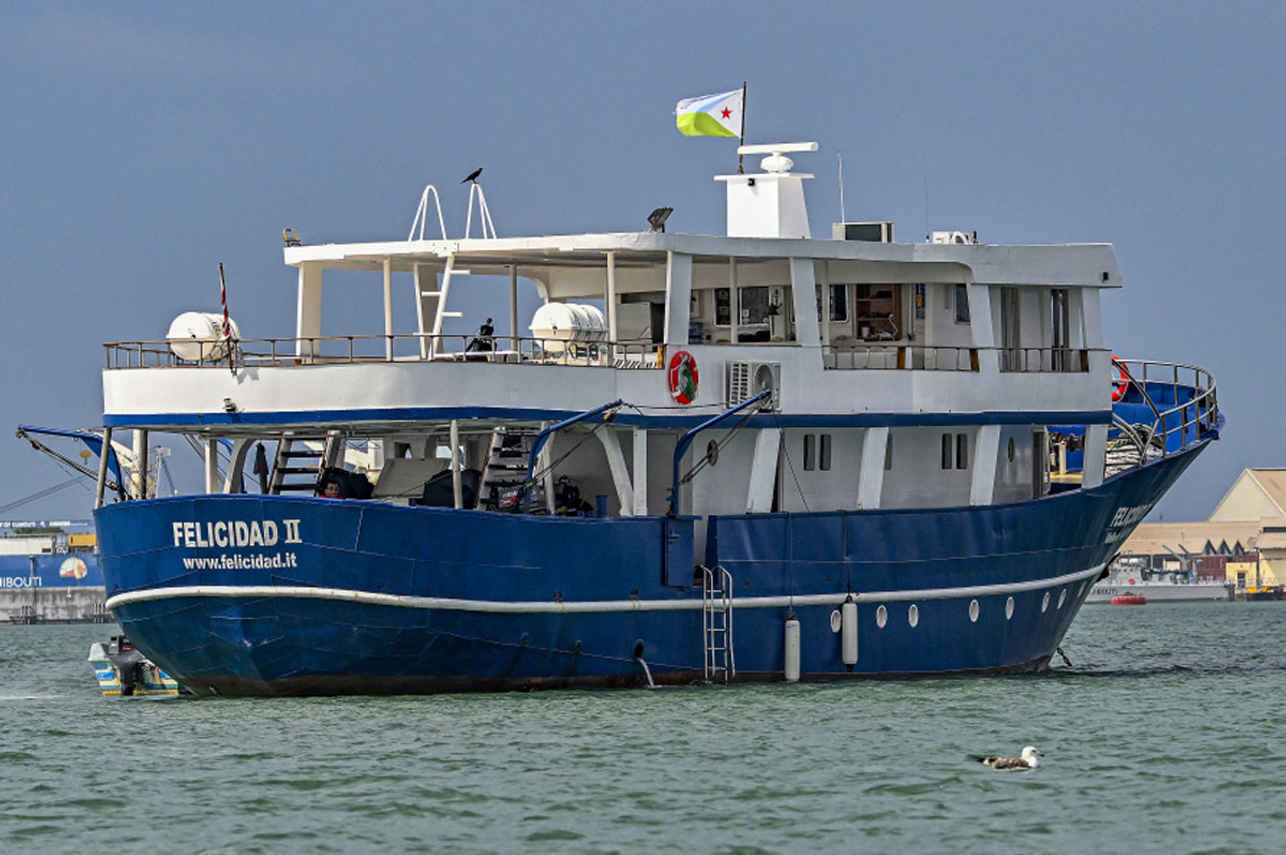
Felicidad II
Djibouti
18 guests30 m
$210/day
Dive sites similar to Arta Beach Reef
Same character, same waters — six more sites divers love for the exact same reasons.Compare seasons, access and liveaboard routes — then pick the site that fits your trip best.
© Esri — Maxar, Earthstar, GIS
Ghoubbet al Kharab
Djibouti
Ghoubbet al Kharab, also known as the Devil’s Goblet, is a deep bay connected to the Gulf of Tadjourah and the open ocean in Djibouti.
- Suitable for
- Advanced
- Current
- Strong
- Access
- Liveaboard only
- Depth
- 5–200 m
- Theme
- Drift / Reef
© Esri — Maxar, Earthstar, GIS
Moucha wrecks
Djibouti
The Moucha wrecks, including the notable Orchard Reefer and Le Fon, offer a distinctive dive experience within Djibouti's Gulf of Tadjoura, contrasting with the region's prevalent coral reefs.
- Suitable for
- Advanced
- Current
- Moderate
- Access
- Liveaboard or dayboat
- Depth
- 5–50 m
- Theme
- Wreck / Reef
Cathedral in Djibouti is primarily recognized as a world-class shark diving destination, distinct from the Philippines' Pescador Cathedral.
- Suitable for
- Intermediate
- Current
- Strong
- Access
- Liveaboard or dayboat
- Depth
- 12–30 m
- Theme
- Cave & cavern / Reef
© Esri — Maxar, Earthstar, GIS
Sable Blanc Reef
Djibouti
Sable Blanc Reef is a vibrant coral ecosystem located in Djibouti, nestled where the Red Sea meets the Gulf of Aden.
- Suitable for
- Intermediate
- Current
- Strong
- Access
- Shore / dayboat
- Depth
- 5–30 m
- Theme
- Drift / Reef
© Esri — Maxar, Earthstar, GIS
Cape Rouge
Djibouti
Cape Rouge is a notable dive site in Djibouti, known for its pristine underwater environment where the Red Sea meets the Indian Ocean.
- Suitable for
- Advanced
- Current
- Mild
- Access
- Liveaboard or dayboat
- Depth
- 15–40 m
- Theme
- Reef
© Esri — Maxar, Earthstar, GIS
La Vierge Rouge
Djibouti
La Vierge Rouge is situated in Djibouti, a unique diving destination where the Red Sea converges with the Indian Ocean.
- Suitable for
- Intermediate
- Current
- Moderate
- Access
- Liveaboard only
- Depth
- 15–40 m
- Theme
- Reef