About Cathedral
Cathedral in Djibouti is primarily recognized as a world-class shark diving destination, distinct from the Philippines' Pescador Cathedral. The site name refers to a large marine cavern or deep area where multiple shark species frequently aggregate. Located in the pristine waters off the coast of Djibouti, close to the entrance of the Red Sea and Gulf of Aden, it offers exceptional marine biodiversity, benefitting from volcanic earth that fosters healthy and vibrant coral ecosystems. The topography typically includes dramatic drop-offs and features that attract large pelagic species. Divers here can expect encounters with a wide array of sharks, including grey, nurse, and occasional tiger and blue sharks. Beyond sharks, mantas and pilot whales are commonly sighted. The Red Sea and Indian Ocean currents converge here, contributing to rich nutrient upwellings that support a thriving food chain, attracting these large marine animals. The deep reef structure and cavernous aspects provide shelter and hunting grounds, making it a dynamic environment. While specific details on current strength at "Cathedral" are limited, many dive sites in Djibouti, especially those frequented by pelagics, can experience varied conditions. Djibouti generally offers crystal-clear waters and an undisturbed diving experience due to fewer tourists than some other Red Sea destinations. The presence of juvenile whale sharks in nearby Goubet Al Kharab suggests rich waters characteristic of the region, emphasizing healthy and diverse marine life that also benefits Cathedral.
Highlights
World-class shark encountersGrey, nurse, tiger, and blue sharksManta ray and pilot whale sightingsVibrant coral ecosystemsDeep reef structuresPristine, clear waters
Season calendar
Best months to dive here
Jan
Feb
Mar
Apr
May
Jun
Jul
Aug
Sep
Oct
Nov
Dec
Excellent
Good
Dive site facts: Cathedral
- Depth
- 5–65 m
- Typical dive
- 15–30 m, 50–60 min
- Current
- Mild to moderate, potentially strong drifts
- Visibility
- 20–50 m
- Water temperature
- 24–33°C
- Entry
- Liveaboard tender / negative entry recommended
- Level
- Intermediate to advanced
- Dive type
- Wall, cavern, reef, drift
- Night dive
- Possible
- Region / port
- Gulf of Tadjoura, Djibouti
- Coordinates
- 11.61, 43.21
Conditions & Currents
Currents at Cathedral are generally manageable, but like many sites in the Gulf of Tadjoura, they can vary, particularly with tidal shifts. Divers should be prepared for potentially fast-paced drifts, especially in deeper sections or around pronounced features. Entry techniques often involve negative buoyancy to quickly descend below the surface current. Visibility at Cathedral is typically excellent, ranging from 20 to 50 meters, and remains largely unaffected by currents. Water temperatures stay warm, between 24-33°C, so thermoclines are not a common concern. Divers should consult with their dive guides for real-time current assessments, as local conditions can influence the dive plan and entry/exit points.
Marine life & sighting chances

Reef Fish (various species)
Year-round · common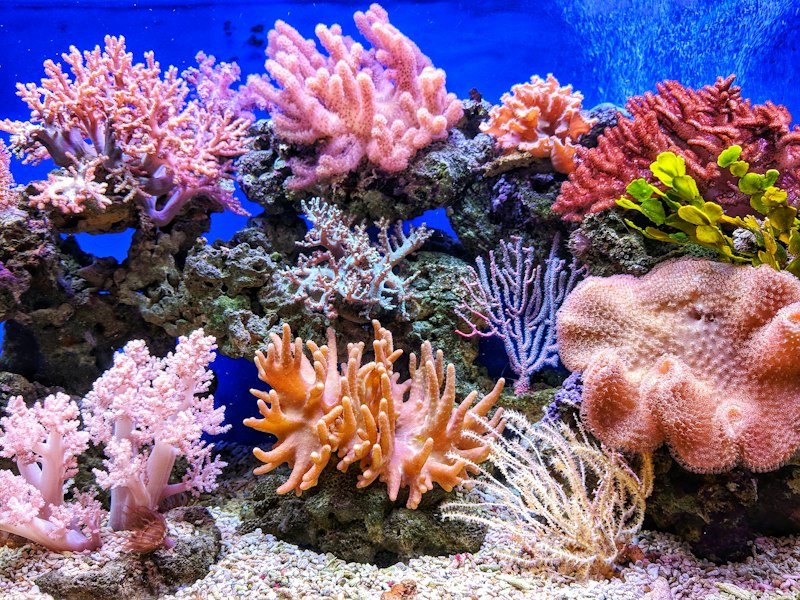
Soft Corals
Year-round · common
Sponges
Year-round · common
Whale Shark
Oct-Feb · occasional
Manta Ray
Oct-Feb · occasional
Grey Shark
Year-round · occasional
Nurse Shark
Year-round · occasional
Pilot Whale
Year-round · rare
Dolphin
Year-round · occasionalDive profile & how the dive runs
Your dive at Cathedral often begins with a negative entry from the liveaboard tender, allowing for a swift descent to approximately 28 meters where the main chamber opens up. From here, you can explore the vast, naturally lit interior, admiring the schooling reef fish. The dive typically proceeds with an ascent through the prominent vertical swim-through, or 'chimney,' which rises to around 16 meters depth, offering stunning views of the surface. After exploring the upper sections and adjacent reef walls, the dive gradually shallows out to around 5-10 meters for your safety stop, before signalling for pickup.
Underwater photography
Cathedral offers fantastic opportunities for both wide-angle and macro photography. For capturing the grand scale of the sunlit chamber and vertical swim-throughs, a wide-angle lens is essential to encompass the expansive features and the dramatic light effects. External strobes are recommended to bring out the vibrant colours of the corals and reef fish, especially in deeper sections or less illuminated areas. Pay close attention to buoyancy control within the chamber and swim-throughs to avoid disturbing the delicate environment. Consider subjects like schools of reef fish silhouetted against the light or individual inhabitants nestled within the coral structures. Good lighting technique will help highlight the unique topography of this site.
Combine with nearby dive sites
- Gulf of Tadjoura – Whale Shark Area
Famous for seasonal whale shark encounters, often combined with Cathedral dives.
- Les Sept Frères (Seven Brothers Islands)
A chain of volcanic islands known for strong currents and diverse marine life.
- Le Goubet (Ghoubbet al-Kharab)
Known as the Devil's Cauldron, a nursery for juvenile whale sharks and manta rays.
- Moucha Island Reef
Part of a group of islands offering diverse sites, including crystal clear waters and wrecks.
Getting there & logistics
Diving Cathedral is primarily done via liveaboard trips departing from Djibouti City. International flights typically arrive at Djibouti-Ambouli International Airport (JIB). Liveaboard itineraries usually last eight days and seven nights, often combining dives at Cathedral with other renowned sites such as the Seven Brothers Islands, the Gulf of Tadjoura (known for whale sharks), and Ghoubbet al-Kharab. There are generally no specific dive site fees for Cathedral beyond the liveaboard package, which includes all necessary permits and logistics for accessing these remote and pristine locations.
Safety & environment
While diving in Djibouti, including at Cathedral, is generally safe, it's crucial to be aware of the nearest recompression chamber located in Djibouti City. Comprehensive dive insurance, including coverage for medical emergencies and evacuation, is highly recommended. Specific hazards at Cathedral include varying currents, particularly near the deeper sections and swim-throughs, requiring good buoyancy control and current diving experience. Always dive with a reputable operator, follow your dive guide's instructions, and adhere to responsible diving practices to protect the pristine environment. Be mindful of boat traffic when surfacing, especially if drift diving is involved.
Who it suits — and who it doesn't
Suited for
- Experienced divers comfortable with varying depths
- Divers seeking unique underwater topography and caverns
- Underwater photographers capturing wide-angle scenes
- Marine life enthusiasts interested in reef fish and potential pelagics
- Liveaboard guests looking for pristine, less-crowded sites
Less suited for
- Beginner divers without deep or cavern diving experience
- Divers uncomfortable with potential currents
- Those preferring extensive macro-only dives
- Divers seeking shore-based diving access
FAQ
Cathedral FAQ
What is unique about Cathedral as a dive site?
Cathedral is unique for its dramatic vertical swim-through and a vast, naturally lit underwater chamber. Sunlight filters into this cavern, creating an awe-inspiring 'cathedral' effect, making it a spectacular site for both its geological formations and the marine life that congregates within its illuminated spaces.
What kind of marine life can I expect to see at Cathedral?
You can expect to see abundant reef fish schooling within the chamber and along the walls, thriving soft corals, and various sponges. While Cathedral itself is known for its resident reef life, the broader Djibouti region, especially during certain seasons, offers opportunities to encounter larger pelagics like whale sharks and manta rays.
How deep is the Cathedral dive site?
The Cathedral dive site offers a considerable depth range, from 5 meters down to 65 meters. This allows for diverse dive profiles, with the main chamber typically found around 28 meters and a prominent chimney feature extending up to about 16 meters from the surface.
Are there strong currents at Cathedral?
Currents at Cathedral can vary from mild to moderate, with the potential for stronger drifts, especially in certain sections and during tidal shifts. It is recommended for divers to have some experience with current diving and to always follow the guidance of their dive master to ensure a safe and enjoyable dive.
Is Cathedral suitable for underwater photography?
Yes, Cathedral is highly suitable for underwater photography, particularly for wide-angle shots. The dramatic light shafts, expansive chamber, and schooling fish offer excellent subjects. Divers should use wide-angle lenses to capture the scale and consider external strobes to enhance color and detail in varying light conditions.
Why dive Cathedral from a liveaboard?
Cathedral is one of Djibouti's signature dive sites. A liveaboard sleeps you on the water and puts you in the water for three to four guided dives per day, including dawn and night dives that day-boat operators rarely offer. You skip the daily commute back to port and reach quieter, less-crowded sites in the same region on a single trip.
Below are the liveaboards that include Cathedral on their Djibouti itineraries.
Liveaboards diving Cathedral
These liveaboards may visit Cathedral on selected itineraries — the exact dive sites depend on departure, weather and conditions.
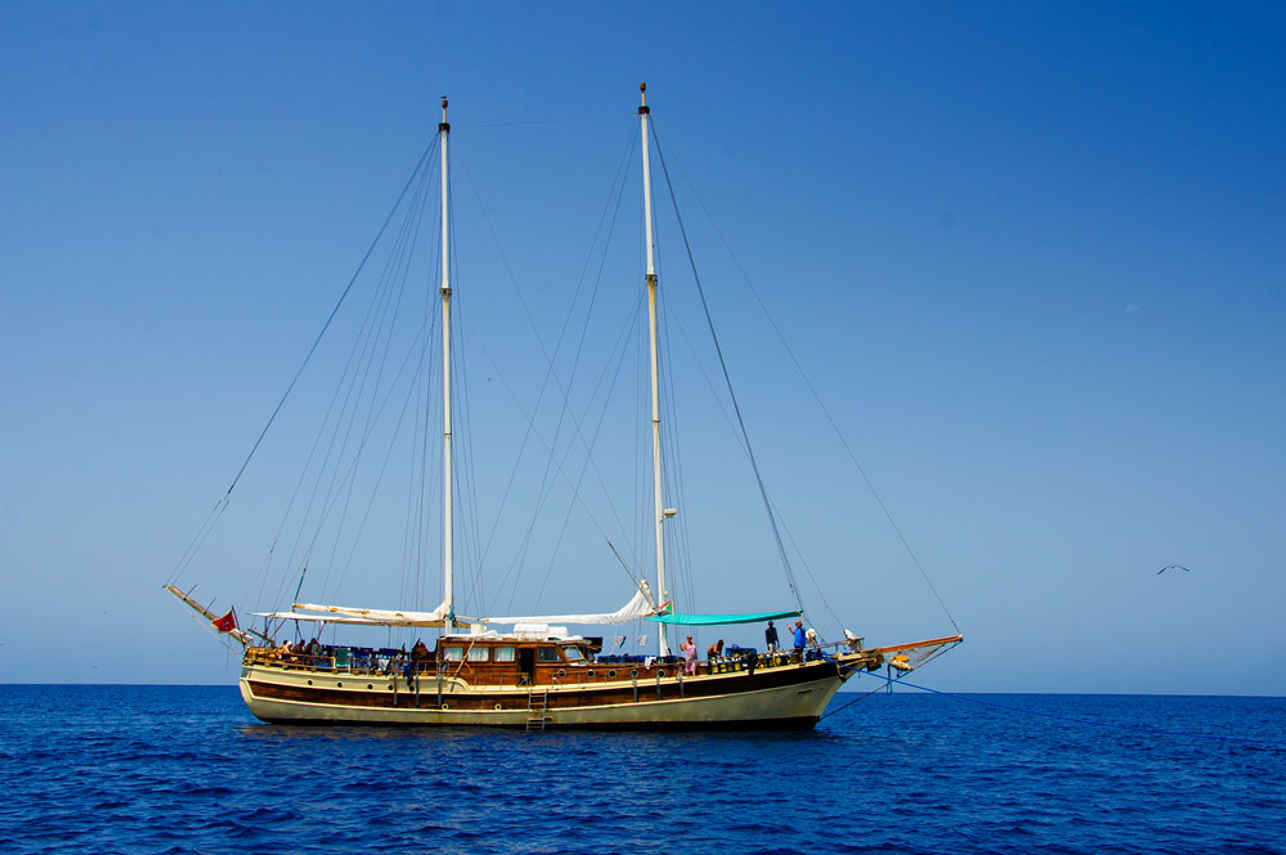
Elegante
Djibouti
14 guests25 m
$205/day
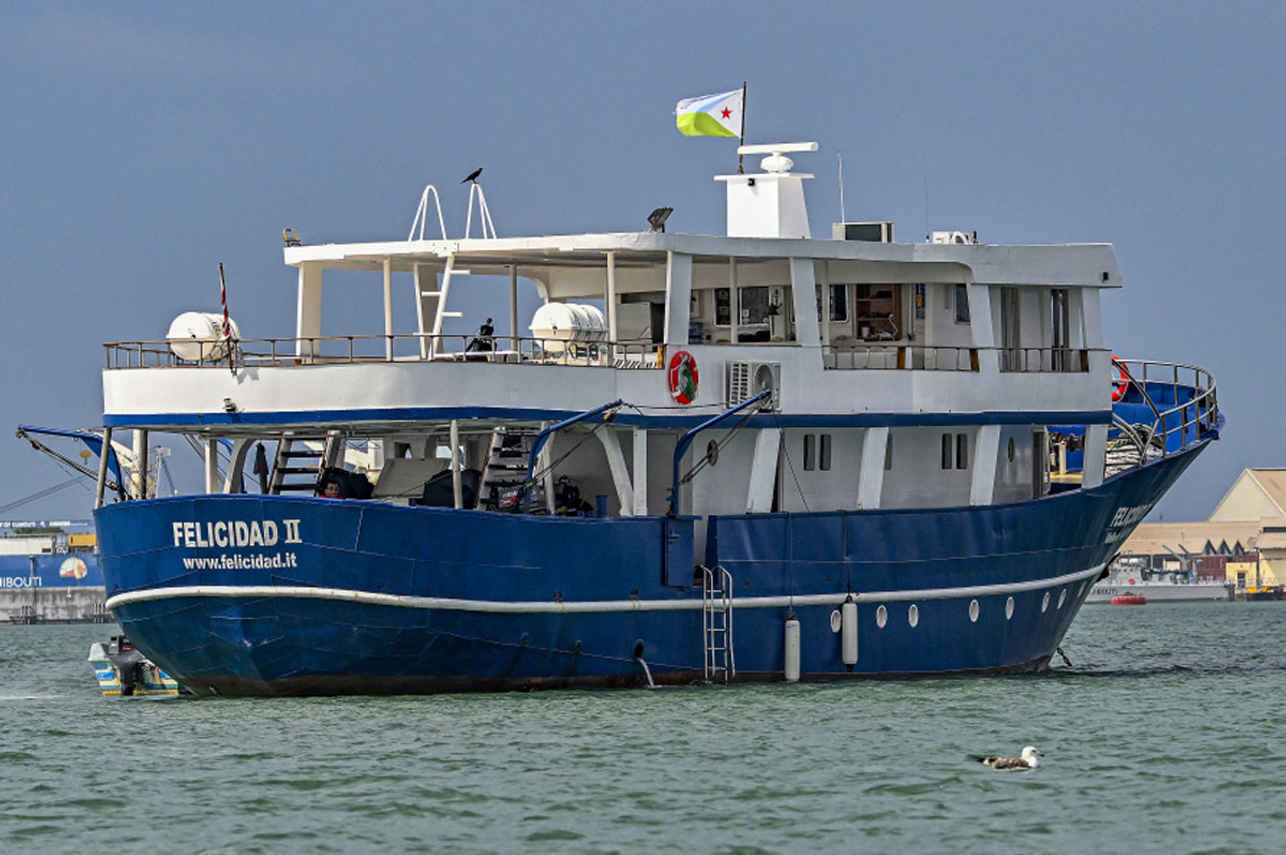
Felicidad II
Djibouti
18 guests30 m
$184/day
Dive sites similar to Cathedral
Same character, same waters — six more sites divers love for the exact same reasons.Compare seasons, access and liveaboard routes — then pick the site that fits your trip best.
© Esri — Maxar, Earthstar, GIS
Carless Reef
Egypt
Carless Reef is a renowned advanced dive site near Hurghada, notable for its two prominent coral pinnacles that rise from a sandy bottom at 30 meters.
- Suitable for
- Advanced
- Current
- Strong
- Access
- Dayboat
- Depth
- 15–40 m
- Theme
- Reef / Drift
© Esri — Maxar, Earthstar, GIS
Cape Rouge
Djibouti
Cape Rouge is a notable dive site in Djibouti, known for its pristine underwater environment where the Red Sea meets the Indian Ocean.
- Suitable for
- Advanced
- Current
- Mild
- Access
- Liveaboard or dayboat
- Depth
- 15–40 m
- Theme
- Reef
© Esri — Maxar, Earthstar, GIS
Farasan Islands
Saudi Arabia
The Farasan Islands, situated in the southern Red Sea off the coast of Jazan, represent Saudi Arabia's premier destination for biodiverse diving.
- Suitable for
- Advanced
- Current
- Strong
- Access
- Liveaboard only
- Depth
- 10–40 m
- Theme
- Wall / Reef
© Esri — Maxar, Earthstar, GIS
Gota Soraya
Egypt
Gota Soraya stands out as one of the Red Sea's premier wall dives, located in the southern region near the Sudanese border.
- Suitable for
- Advanced
- Current
- Moderate
- Access
- Liveaboard only
- Depth
- ≤ 20 m
- Theme
- Wall
© Esri — Maxar, Earthstar, GIS
Umm Kharalim
Egypt
Umm Kharalim, also known as St. John's Caves, is a distinctive dive site nestled within the remote St. John's reef system in the southern Red Sea, close to Egypt's border with Sudan.
- Suitable for
- Advanced
- Current
- Strong
- Access
- Liveaboard only
- Depth
- 3–15 m
- Theme
- Cave & cavern
© Esri — Maxar, Earthstar, GIS
Marsa Abu Dabab
Egypt
Marsa Abu Dabab is a distinctive, horseshoe-shaped bay located on Egypt's southern Red Sea coast, approximately 35 kilometers north of Marsa Alam town.
- Suitable for
- Beginner
- Current
- Moderate
- Access
- Shore / dayboat
- Depth
- 2–20 m
- Theme
- Reef