About Arta Plage Drop-off
Arta Plage Drop-off is a prominent dive site in Djibouti, known for its dramatic underwater wall that plunges into the depths. Situated where the Red Sea meets the Gulf of Aden, the site benefits from a unique marine ecosystem, making it a hotspot for diverse species and robust coral growth. This area is characterized by its significant drop-off, which provides varied depth ranges suitable for different diving experiences. The topography features vibrant coral gardens at shallower depths transitioning to deep walls adorned with a rich array of hard and soft corals. The nutrient-dense waters, driven by currents, support an impressive biomass, attracting a wide spectrum of marine inhabitants. Divers can expect to see numerous reef fish, various shark species, and rays that frequent the area. While diving is possible year-round, the cooler months from October to February offer optimal conditions with excellent visibility and comfortable water temperatures. These conditions enhance the experience of exploring the intricate coral structures and observing the active marine life. The site is an excellent example of Djibouti's commitment to marine conservation, falling within one of the country's protected areas. Diving here typically involves drift techniques, allowing divers to effortlessly glide along the wall and observe the dynamic underwater environment. The combination of healthy corals, diverse fish populations, and the potential for larger pelagic encounters makes Arta Plage Drop-off a captivating experience for divers seeking an 'off-the-beaten-path' adventure in the Horn of Africa.
Highlights
Dramatic underwater drop-offVibrant coral gardensReef sharks and raysSchooling pelagic fishNutrient-rich currentsDiverse hard and soft corals
Season calendar
Best months to dive here
Jan
Feb
Mar
Apr
May
Jun
Jul
Aug
Sep
Oct
Nov
Dec
Excellent
Good
Dive site facts: Arta Plage Drop-off
- Depth
- 5–30 m+
- Current
- Mild to strong
- Visibility
- 10–40 m
- Water temperature
- 24–29°C
- Entry
- Tender / Negative entry often required
- Level
- Intermediate to Advanced, drift experience helpful
- Dive type
- Wall, drift, coral reef
- Night dive
- Possible
- Region / port
- Gulf of Tadjoura, Djibouti
- Coordinates
- 11.735, 42.88
Conditions & Currents
Currents at Arta Plage Drop-off can range from mild to strong, influenced by the confluence of the Red Sea and Gulf of Aden waters. This site is frequently experienced as a drift dive, meaning divers are carried along the wall by the current. Surface currents can sometimes be stronger than those at depth, necessitating a negative buoyancy entry for swift descent and to avoid being carried away from the dive site. Divers must pay close attention to the dive briefing regarding current direction, especially since parallel currents at different depths or unexpected changes can occur. Maintaining good buoyancy and streamlining equipment are crucial to conserve air and navigate the current efficiently. The boat will typically follow the divers and pick them up at the end of the dive.
Marine life & sighting chances

Grey reef shark
occasional
Nurse shark
occasional
Stingray
occasional
Barracuda
common
Grouper
common
Jack
common
Snapper
common
Pilot whale
rare
Manta ray
occasional
Dolphin
occasional
Hawksbill turtle
occasionalDive profile & how the dive runs
Diving at Arta Plage Drop-off typically begins with a tender drop-off directly onto the site, often requiring a negative buoyancy entry to quickly descend past stronger surface currents. The dive then proceeds as a drift along the impressive wall, keeping the reef either to your left or right as directed by the dive guide. Divers usually start shallower, around 10-15 meters, exploring the upper coral gardens, before gradually descending to deeper sections of the wall, reaching depths of 25-30 meters or more to observe larger pelagic life. The route follows the natural contours of the drop-off, allowing currents to carry you along without much effort. Turn points are flexible, determined by air consumption and current conditions, with the safety stop conducted in shallower, calmer waters near the end of the drift, typically at 5 meters for 3 minutes, before surfacing where the dive boat will be waiting for pickup.
Underwater photography
Arta Plage Drop-off offers diverse photographic opportunities, from wide-angle shots of the dramatic wall and schooling fish to macro subjects hidden within the corals. For capturing the expansive coral gardens and the sheer drop-off, a wide-angle lens is ideal. When focusing on the abundant reef fish, sharks, or rays, a standard port and dome are suitable. Given the potential for strong currents, maintaining excellent buoyancy control is crucial to avoid contact with the fragile corals and to compose stable shots. External strobes are highly recommended to bring out the true colors of the corals and marine life, especially at deeper sections of the wall. Be mindful of fellow divers during drift dives, ensuring you don't impede their movement or create an obstacle in the current.
Combine with nearby dive sites
- Les Sept Frères (Seven Brothers Islands)
Known for pristine soft corals, deep drop-offs, and abundant pelagic life.
- Gulf of Tadjoura – Whale Shark Area
Famous for seasonal whale shark encounters, particularly juveniles.
- Moucha Island Reef
Part of a marine protected area with diverse reef ecosystems.
- The Aquarium
A sheltered site with abundant reef fish, ideal for observing diverse marine species.
Getting there & logistics
Access to Arta Plage Drop-off typically involves flying into Djibouti's Ambouli International Airport (JIB). From there, divers usually transfer to the Port of Djibouti to board liveaboards, which are the primary way to access this and other remote dive sites. Liveaboard trips in Djibouti generally range from 7 to 10 days, combining sites in the Gulf of Tadjoura with destinations like the Seven Brothers Islands. Permits are usually handled by the liveaboard operator, and park fees may apply as Arta Plage is part of a marine protected area. The itinerary often includes early morning dives at sites like Arta Plage Drop-off to maximize encounters with active marine life and take advantage of calmer conditions.
Safety & environment
Safety at Arta Plage Drop-off is paramount, especially due to the strong currents that can sometimes be encountered. All divers should have appropriate drift diving experience or consider a specialty course, and be proficient in negative buoyancy entries. Maintaining good communication with your dive guide and buddy is essential, as is staying streamlined to conserve energy and air. Divers should carry an SMB (Surface Marker Buoy) for quick deployment in case of surfacing away from the boat. The nearest recompression chamber is located in Djibouti City, approximately 50-70 km away, underscoring the importance of adequate dive insurance that covers emergency medical evacuation and treatment. Always ensure your equipment is in excellent condition and adhere strictly to the dive plan provided by your guide.
Who it suits — and who it doesn't
Suited for
- Experienced open water divers comfortable with currents
- Advanced Open Water divers
- Divers seeking pelagic encounters and large schools of fish
- Underwater photographers targeting wide-angle opportunities
- Divers who enjoy drift diving
Less suited for
- Novice divers without current experience
- Divers prone to seasickness in choppy conditions
- Divers unwilling to perform negative buoyancy entries
- Those preferring stationary, calm dives
FAQ
Arta Plage Drop-off FAQ
What kind of marine life can I expect at Arta Plage Drop-off?
At Arta Plage Drop-off, you can expect a rich variety of marine life thanks to the nutrient-rich currents. Divers frequently encounter schooling barracuda, jacks, and snappers, alongside various reef sharks like grey reef sharks and nurse sharks. Rays and occasional pilot whales also make appearances, making for exciting encounters.
Are the currents strong at Arta Plage Drop-off?
Yes, currents at Arta Plage Drop-off can range from mild to strong, making it a dynamic drift dive site. Divers should be comfortable with current diving techniques, including negative buoyancy entries, and be prepared to move with the flow. Your dive guide will provide a detailed briefing on current conditions and expected direction.
What is the best time of year to dive Arta Plage Drop-off?
The best time to dive Arta Plage Drop-off is typically from October to February. During these months, the water temperature is comfortably between 24-28°C, and visibility is generally at its peak, offering optimal conditions for exploring the site's rich marine life and coral formations.
Is Arta Plage Drop-off suitable for beginner divers?
Arta Plage Drop-off is generally recommended for intermediate to advanced divers due to the potential for strong currents and the nature of drift diving. Novice divers without prior experience in currents may find the conditions challenging. It is advisable to gain more experience in milder conditions before attempting this site.
How do I get to Arta Plage Drop-off?
Arta Plage Drop-off is primarily accessed via liveaboard trips departing from the Port of Djibouti. Divers usually fly into Djibouti's Ambouli International Airport (JIB) and then transfer to their liveaboard. These trips often combine Arta Plage with other prominent dive sites in the Gulf of Tadjoura and the Seven Brothers Islands.
Why dive Arta Plage Drop-off from a liveaboard?
Arta Plage Drop-off is one of Djibouti's signature dive sites. A liveaboard sleeps you on the water and puts you in the water for three to four guided dives per day, including dawn and night dives that day-boat operators rarely offer. You skip the daily commute back to port and reach quieter, less-crowded sites in the same region on a single trip.
Below are the liveaboards that include Arta Plage Drop-off on their Djibouti itineraries.
Liveaboards diving Arta Plage Drop-off
These liveaboards may visit Arta Plage Drop-off on selected itineraries — the exact dive sites depend on departure, weather and conditions.
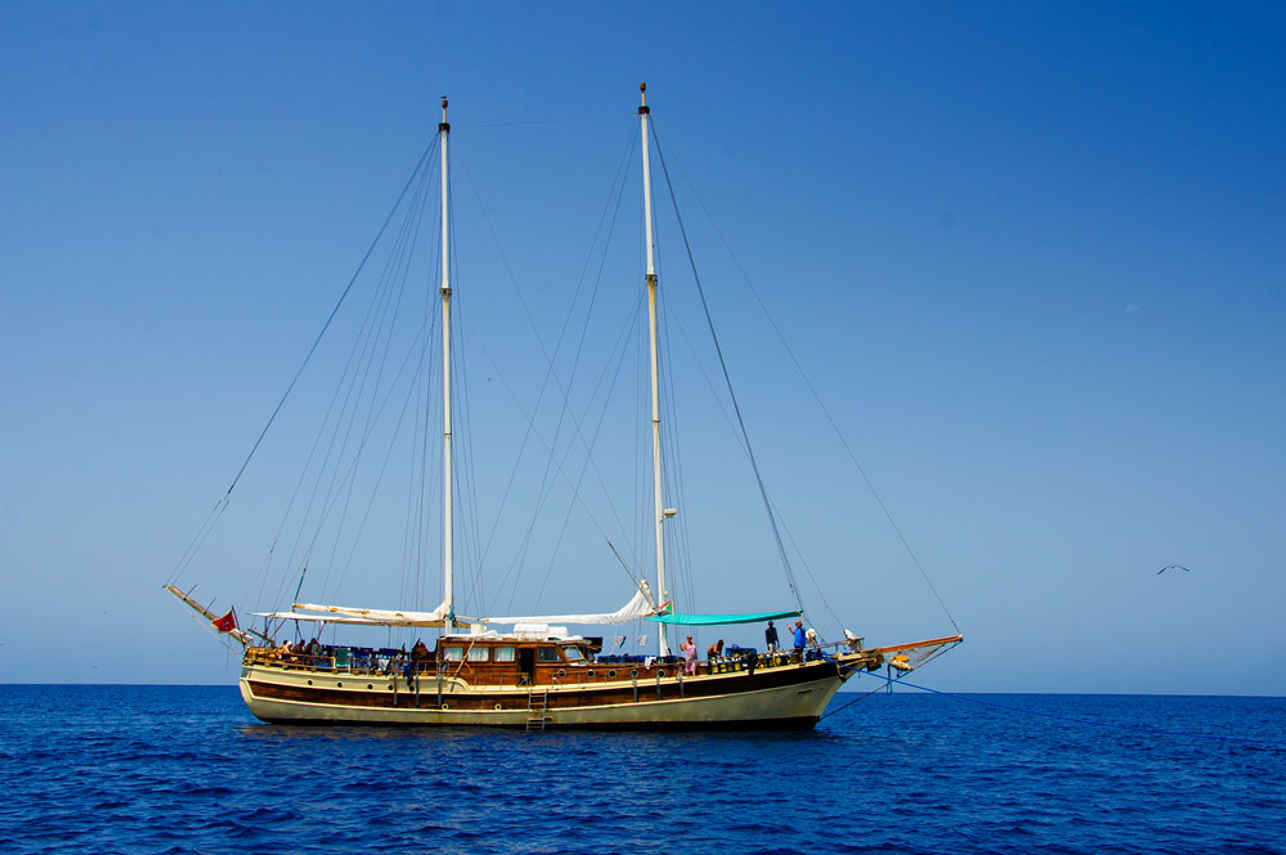
Elegante
Djibouti
14 guests25 m
$207/day
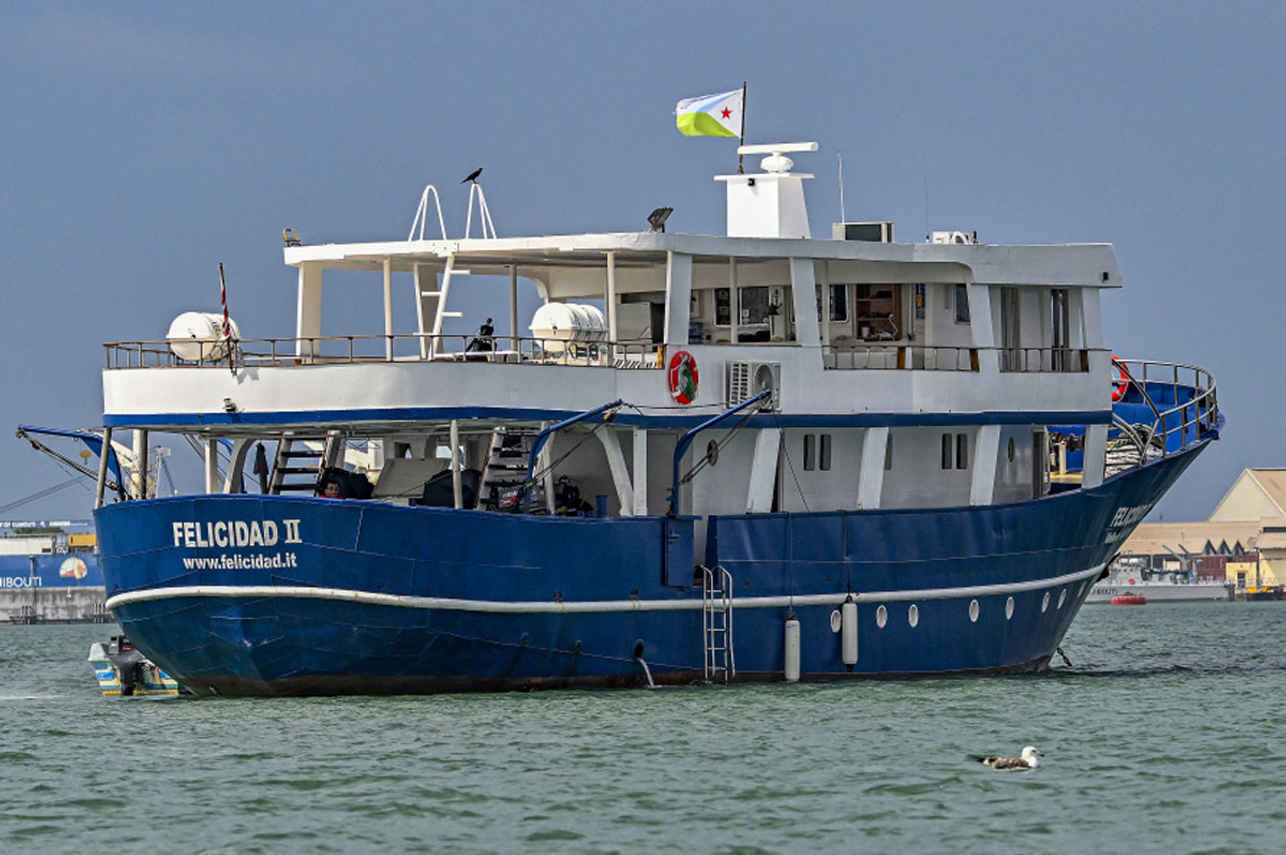
Felicidad II
Djibouti
18 guests30 m
$186/day
Dive sites similar to Arta Plage Drop-off
Same character, same waters — six more sites divers love for the exact same reasons.Compare seasons, access and liveaboard routes — then pick the site that fits your trip best.
© Esri — Maxar, Earthstar, GIS
Carless Reef
Egypt
Carless Reef is a renowned advanced dive site near Hurghada, notable for its two prominent coral pinnacles that rise from a sandy bottom at 30 meters.
- Suitable for
- Advanced
- Current
- Strong
- Access
- Dayboat
- Depth
- 15–40 m
- Theme
- Reef / Drift
© Esri — Maxar, Earthstar, GIS
Cape Rouge
Djibouti
Cape Rouge is a notable dive site in Djibouti, known for its pristine underwater environment where the Red Sea meets the Indian Ocean.
- Suitable for
- Advanced
- Current
- Mild
- Access
- Liveaboard or dayboat
- Depth
- 15–40 m
- Theme
- Reef
© Esri — Maxar, Earthstar, GIS
Farasan Islands
Saudi Arabia
The Farasan Islands, situated in the southern Red Sea off the coast of Jazan, represent Saudi Arabia's premier destination for biodiverse diving.
- Suitable for
- Advanced
- Current
- Strong
- Access
- Liveaboard only
- Depth
- 10–40 m
- Theme
- Wall / Reef
© Esri — Maxar, Earthstar, GIS
Gota Soraya
Egypt
Gota Soraya stands out as one of the Red Sea's premier wall dives, located in the southern region near the Sudanese border.
- Suitable for
- Advanced
- Current
- Moderate
- Access
- Liveaboard only
- Depth
- ≤ 20 m
- Theme
- Wall
© Esri — Maxar, Earthstar, GIS
Umm Kharalim
Egypt
Umm Kharalim, also known as St. John's Caves, is a distinctive dive site nestled within the remote St. John's reef system in the southern Red Sea, close to Egypt's border with Sudan.
- Suitable for
- Advanced
- Current
- Strong
- Access
- Liveaboard only
- Depth
- 3–15 m
- Theme
- Cave & cavern
© Esri — Maxar, Earthstar, GIS
Marsa Abu Dabab
Egypt
Marsa Abu Dabab is a distinctive, horseshoe-shaped bay located on Egypt's southern Red Sea coast, approximately 35 kilometers north of Marsa Alam town.
- Suitable for
- Beginner
- Current
- Moderate
- Access
- Shore / dayboat
- Depth
- 2–20 m
- Theme
- Reef