About P-39 Airacobra Wreck
The P-39 Airacobra Wreck offers a unique connection to the Pacific War, providing a poignant and historically significant dive experience in the Solomon Islands. This American fighter aircraft, shot down during the New Georgia campaign in 1943, rests upright on a sandy bottom, appearing as though it made an emergency landing rather than a crash. Its impressive state of preservation makes it a highlight for wreck enthusiasts. Located near Munda, between the fringing reef and Rendova Island, the wreck sits at an accessible depth of 28 meters. The P-39 was an innovative aircraft, with its engine positioned behind the pilot, driving the propeller via a long shaft. This particular airframe is largely intact, with its propeller, wings, and cockpit clearly discernible, making for an engaging exploration. Over the decades, marine life has transformed this military relic into a thriving artificial reef. Soft corals and sponges now colonize its structure, creating a vibrant ecosystem. Schools of fusiliers often swirl around the wreckage, and a resident giant moray eel has made the engine cowling its home, adding to the site's allure. This blending of history and nature makes the P-39 Airacobra a compelling subject for both historical reflection and underwater photography. The dive is generally straightforward, with mild currents and excellent visibility, making it suitable for a range of divers. Its shallow depth allows for extended bottom times and thorough exploration of its details, offering a distinctive experience that combines historical interest with rich marine biodiversity.
Highlights
Intact WWII P-39 Airacobra fighterUpright position on sandy bottomVisible propeller, wings, cockpitSoft coral and sponge colonizationResident giant moray eelHistorical significance
Season calendar
Best months to dive here
Jan
Feb
Mar
Apr
May
Jun
Jul
Aug
Sep
Oct
Nov
Dec
Excellent
Good
Dive site facts: P-39 Airacobra Wreck
- Depth
- 27-28 m
- Current
- Mild
- Visibility
- Excellent, 20-30 m+
- Water temperature
- 28-30°C (80-86°F)
- Entry
- Tender boat
- Level
- Open Water Diver
- Dive type
- Wreck, historical, reef
- Region / port
- Western Province / Munda
- Coordinates
- -8.1, 156.85
Conditions & Currents
The P-39 Airacobra Wreck generally experiences very mild currents, making for an easy and relaxed dive experience. Dive operators plan excursions to minimize any swimming against currents, enhancing diver comfort. Visibility at the site is typically excellent year-round, though it can vary without a clear seasonal pattern. Water temperatures remain consistently warm, ranging from 28-30°C (80-86°F), allowing for comfortable dives. Entry and exit are typically managed via tender boats, which are easy to use and well-suited for divers with varying mobility.
Marine life & sighting chances
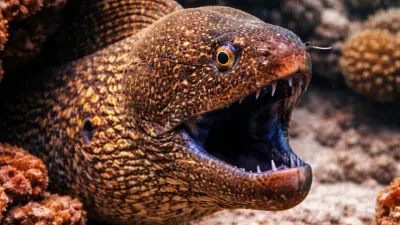
Giant Moray Eel
Year-round · common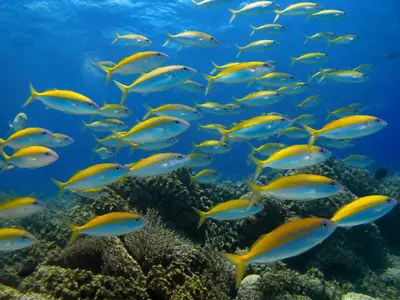
Fusiliers
Year-round · common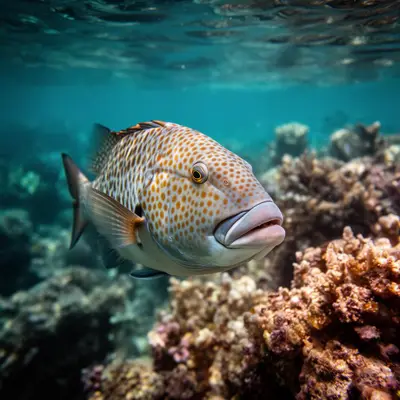
Gold-spotted Sweetlips
Year-round · occasional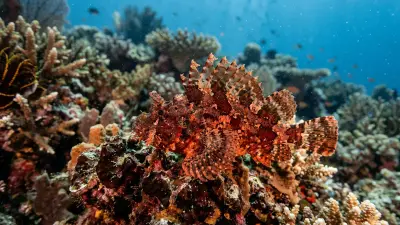
Leaf Scorpionfish
Year-round · occasional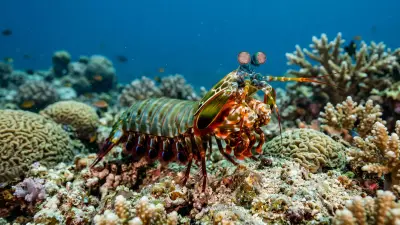
Shrimp (bug-eyed)
Year-round · common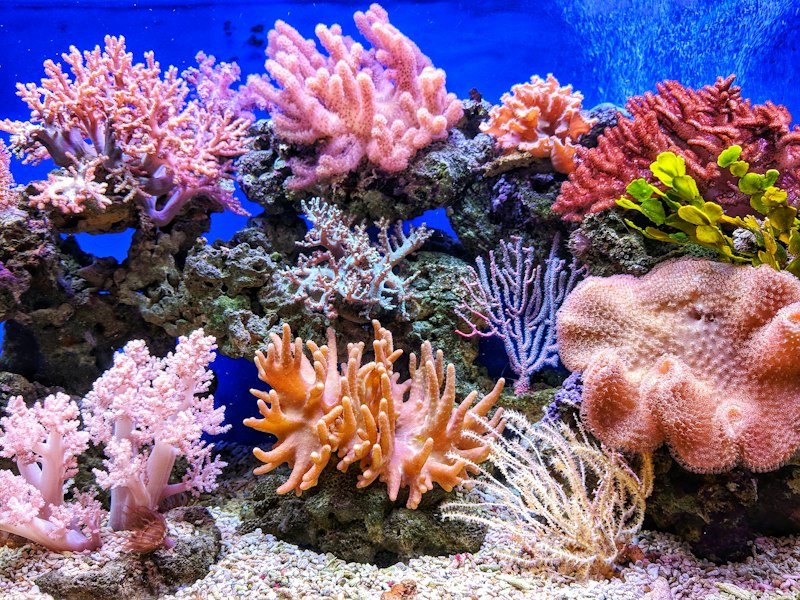
Soft Corals
Year-round · common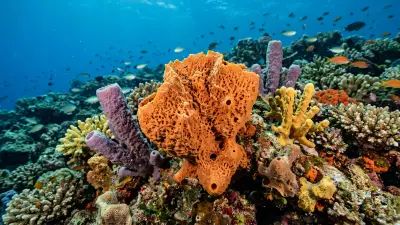
Sponges
Year-round · commonDive profile & how the dive runs
The dive to the P-39 Airacobra Wreck typically begins with a tender boat ride from the main dive vessel. Upon arrival, divers perform a descent directly to the wreck, which rests upright on a sandy bottom at 28 meters. The dive usually starts at the tail section, allowing for a comprehensive exploration of the remarkably intact fuselage. Divers then proceed towards the cockpit area, observing the well-preserved wings and propeller. Pay close attention to details like the engine cowling where a giant moray eel often resides, and the interior where bug-eyed shrimp can be found. The route generally involves circling the plane, appreciating the soft coral growth and schooling fusiliers, before making a slow ascent along the adjacent reef slope or sandy area for a multi-level profile. The safety stop is typically conducted at 5 meters, either free-floating above the wreck or alongside the tender.
Underwater photography
The P-39 Airacobra Wreck offers excellent opportunities for both wide-angle and macro photography due to its intact structure and resident marine life. For wide-angle shots, a fisheye or wide rectilinear lens will capture the full scope of the aircraft and its upright position on the sandy seabed. Ensure good lighting with strobes to bring out the vibrant colors of the soft corals and sponges colonizing the wreck, especially the cockpit and wing sections. For macro subjects, focus on the giant moray eel in the engine cowling, bug-eyed shrimp inside the fuselage, and the occasional leaf scorpionfish or gold-spotted sweetlips on the wings. Buoyancy control is paramount to avoid stirring up the sandy bottom, which can significantly reduce visibility. Since the plane sits on a flat sandy bottom with generally mild currents, you have ample time for careful composition. Consider visiting the dive shop in Munda beforehand to view models of the aircraft, which can help visualize potential shots.
Combine with nearby dive sites
- Munda - Shark Point
Munda’s Shark Point, located in the Solomon Islands' Western Province, is a renowned dive site offering thrilling encounters with large…
- Toa Maru
The Toa Maru is a prominent Japanese transport ship sunk during WWII off Gizo in the Solomon Islands' Western Province.
- Mary Island
Mary Island, often referred to as Mary's Island, is a celebrated dive destination in the Solomon Islands, renowned for its pristine marine…
- Gatokae - Kavalapu
Gatokae - Kavalapu is a prime dive site situated off Gatokae Island within the Solomon Islands' Western Province.
Getting there & logistics
Access to the P-39 Airacobra Wreck typically begins with arrival at Munda Airport (MUA) on New Georgia Island. Flights to Munda usually originate from Honiara (Henderson Field, HIR) via Solomon Airlines, a journey of approximately one hour. Alternatively, direct flights from Brisbane (BNE) have been available, though schedules vary. From Munda, dive operators, often associated with local hotels like Agnes Gateway, will arrange transfers to the dive boats. Most liveaboard itineraries that include the P-39 Wreck will depart from Honiara. Day trips from Munda are also common. While specific permit fees for this site are not widely noted, general park fees or conservation charges may apply as part of a dive package. Trips exploring the Western Province often combine Munda's wrecks with sites around Marovo Lagoon or further afield.
Safety & environment
Diving in the Solomon Islands, including the P-39 Airacobra Wreck, requires diligent safety planning due to the remote nature of the region. The nearest recompression chamber is approximately 1,500 miles away in Townsville, Australia. In a dive emergency, an evacuation would involve a helicopter transfer to Honiara, followed by a KingAir turboprop aircraft equipped with a small recompression chamber for the multi-hour flight to Townsville. Divers are strongly advised to carry comprehensive dive accident insurance that covers medical evacuation and hyperbaric treatment. On-site hazards are minimal for the P-39 due to mild currents and shallow depth, but standard wreck diving precautions, such as maintaining good buoyancy and avoiding penetration without proper training, are always recommended. Always dive with a reputable operator and follow your dive guide's instructions.
Who it suits — and who it doesn't
Suited for
- WWII history enthusiasts
- Wreck photography
- Open Water certified divers
- Divers seeking mild conditions
- Liveaboard guests exploring Western Province
Less suited for
- Strictly macro photographers (without also appreciating the wreck)
- Technical wreck penetration divers (without prior arrangement)
- Divers uncomfortable with deep sand environments
- Those uninterested in historical sites
FAQ
P-39 Airacobra Wreck FAQ
What kind of aircraft is the P-39 Airacobra?
The P-39 Airacobra is an American fighter aircraft that was in service during World War II. It featured an innovative design with its engine mounted behind the pilot, driving the propeller via a long shaft, which was quite unusual for its time.
How deep is the P-39 Airacobra Wreck?
The P-39 Airacobra Wreck rests at a depth of 28 meters (approximately 92 feet) on a sandy bottom. This makes it accessible for Open Water certified divers and allows for good bottom time to explore the aircraft.
Is the P-39 Airacobra Wreck intact?
Yes, the P-39 Airacobra Wreck is remarkably intact, sitting upright as if it made a controlled landing on the seabed. Divers can clearly distinguish its propeller, wings, and cockpit, offering a comprehensive view of the aircraft's structure.
What marine life can be seen on the P-39 Airacobra Wreck?
The wreck is colonized by soft corals and sponges, attracting various marine species. Common sightings include schools of fusiliers swirling around the aircraft and a resident giant moray eel that often resides within the engine cowling. Occasionally, you might spot gold-spotted sweetlips and leaf scorpionfish.
What are the diving conditions like at the P-39 Airacobra Wreck?
Diving conditions at the P-39 Airacobra Wreck are generally very favorable. Currents are typically mild, and visibility is often excellent, ranging from 20-30 meters or more. Water temperatures are consistently warm, between 28-30°C (80-86°F) year-round.
Why dive P-39 Airacobra Wreck from a liveaboard?
P-39 Airacobra Wreck is one of Solomon Islands's signature dive sites. A liveaboard sleeps you on the water and puts you in the water for three to four guided dives per day, including dawn and night dives that day-boat operators rarely offer. You skip the daily commute back to port and reach quieter, less-crowded sites in the same region on a single trip.
Below are the liveaboards that include P-39 Airacobra Wreck on their Solomon Islands itineraries.
Liveaboards diving P-39 Airacobra Wreck
These liveaboards may visit P-39 Airacobra Wreck on selected itineraries — the exact dive sites depend on departure, weather and conditions.
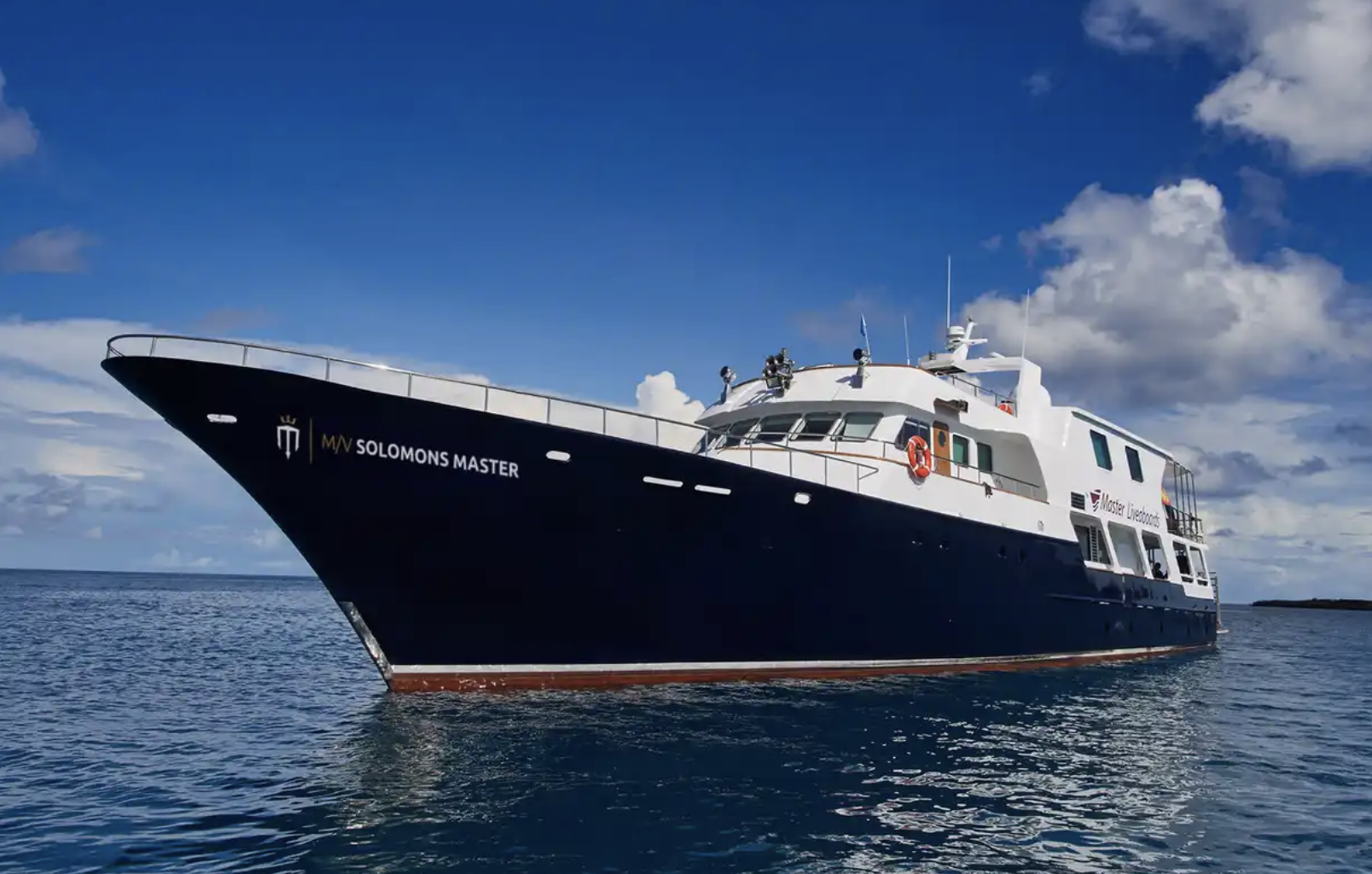
Solomons Master
Solomon Islands
16 guests
$401/day
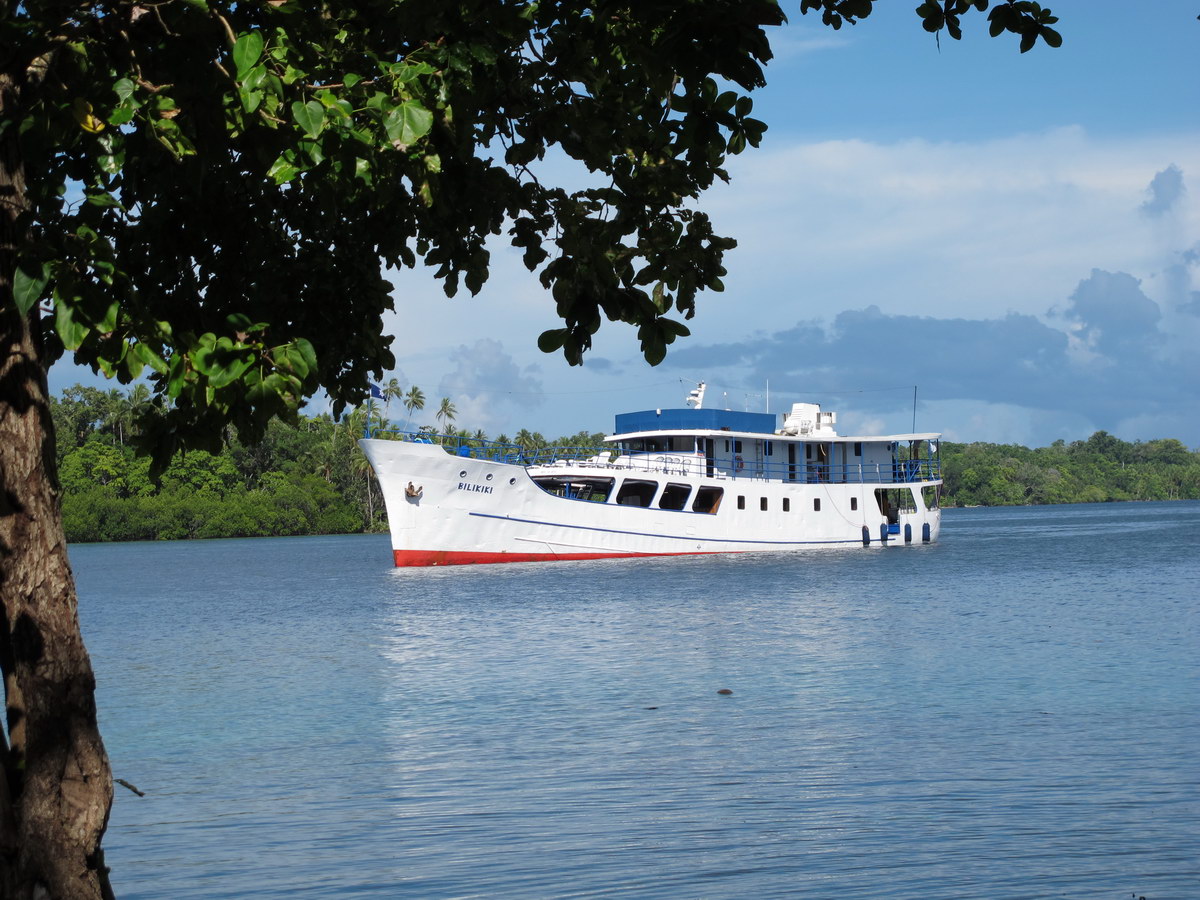
Emperor Bilikiki
Solomon Islands
20 guests38 m
$569/day
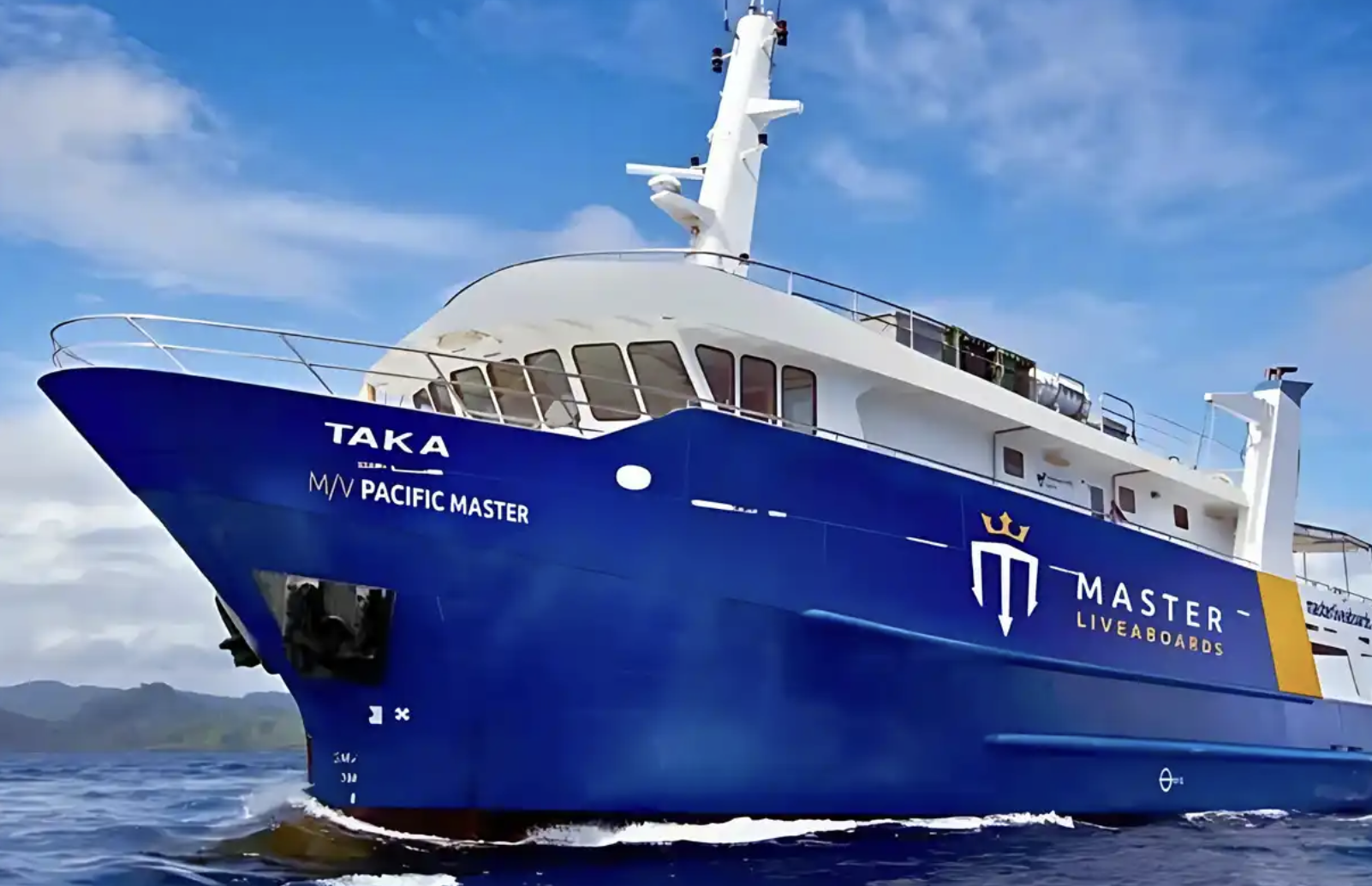
Pacific Master
Solomon Islands
20 guests30 m
$268/day
Dive sites similar to P-39 Airacobra Wreck
Same character, same waters — six more sites divers love for the exact same reasons.Compare seasons, access and liveaboard routes — then pick the site that fits your trip best.
© Esri — Maxar, Earthstar, GIS
Grumman Hellcat Wreck
Solomon Islands
The Grumman Hellcat Wreck offers a fascinating and easily accessible glimpse into World War II history beneath the waves of the Solomon Islands.
- Suitable for
- Beginner
- Current
- Mild
- Access
- Dayboat
- Depth
- 9–10 m
- Theme
- Wreck
© Esri — Maxar, Earthstar, GIS
Honiara - Iron Bottom Sound
Solomon Islands
Iron Bottom Sound, located between Guadalcanal, Tulagi, and the Florida Islands, is a legendary dive destination named for the vast amount of World War II wreckage that sank during the 1942-43 Guadalcanal Campaign.
- Suitable for
- Advanced
- Current
- Strong
- Access
- Shore / dayboat
- Depth
- 15–40 m
- Theme
- Wreck
© Esri — Maxar, Earthstar, GIS
Bonegi I & II
Solomon Islands
Bonegi I (Hirokawa Maru) and Bonegi II (Kinugawa Maru) are two Japanese transport ships resting off Guadalcanal's northwestern coast, approximately 12 kilometers west of Honiara.
- Suitable for
- Intermediate
- Current
- Mild
- Access
- Shore / dayboat
- Depth
- 3–55 m
- Theme
- Wreck
The Toa Maru is a prominent Japanese transport ship sunk during WWII off Gizo in the Solomon Islands' Western Province.
- Suitable for
- Advanced
- Current
- Mild
- Access
- Liveaboard only
- Depth
- 15–35 m
- Theme
- Wreck
© Esri — Maxar, Earthstar, GIS
White Beach WWII Dump Site
Solomon Islands
White Beach in the Solomon Islands offers a unique dive experience, serving as both a historical monument and a thriving artificial reef.
- Suitable for
- Beginner
- Current
- Mild
- Access
- Liveaboard only
- Depth
- 12–37 m
- Theme
- Wreck
© Esri — Maxar, Earthstar, GIS
White Beach
Solomon Islands
White Beach is located off Hanasivi Island, Russell Islands, Solomon Islands, and was an American military base during WWII where troops pushed equipment into the sea upon departure.
- Suitable for
- Intermediate
- Current
- Mild
- Access
- Liveaboard or dayboat
- Depth
- 5–29 m
- Theme
- Muck diving / Reef