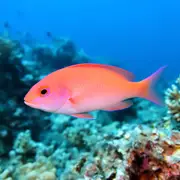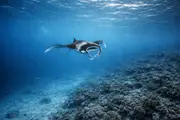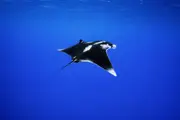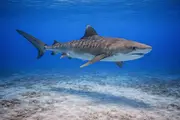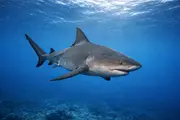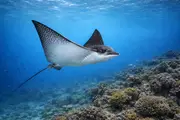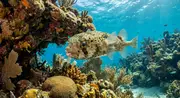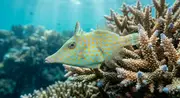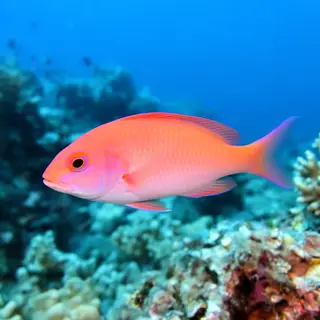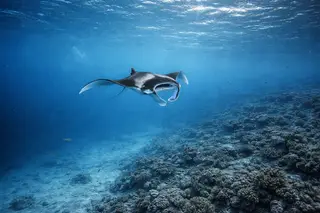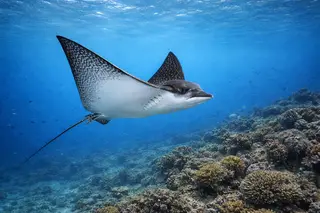
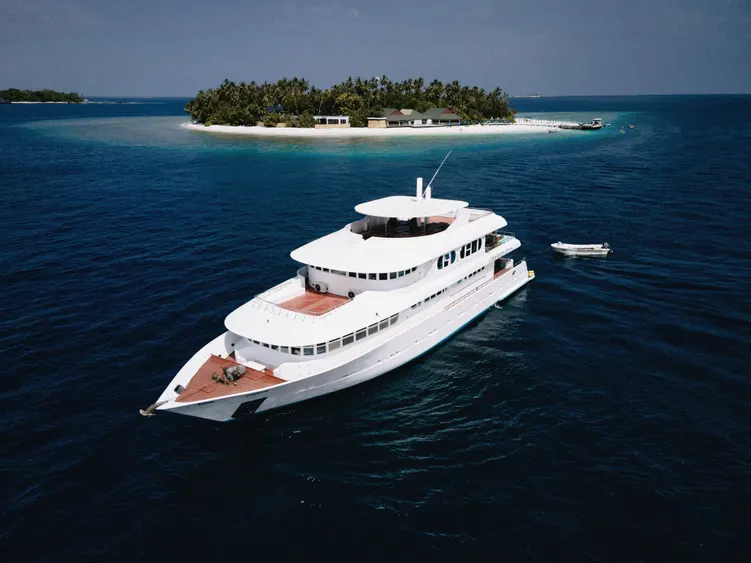
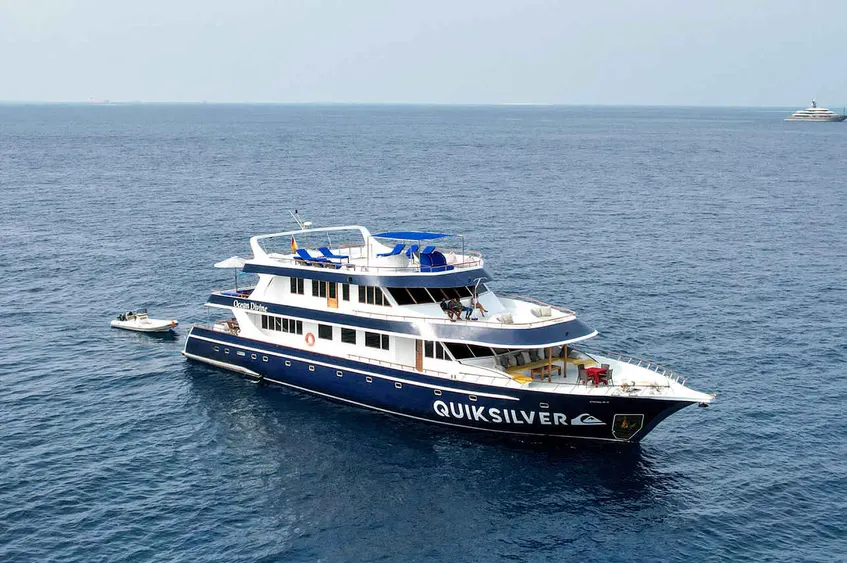
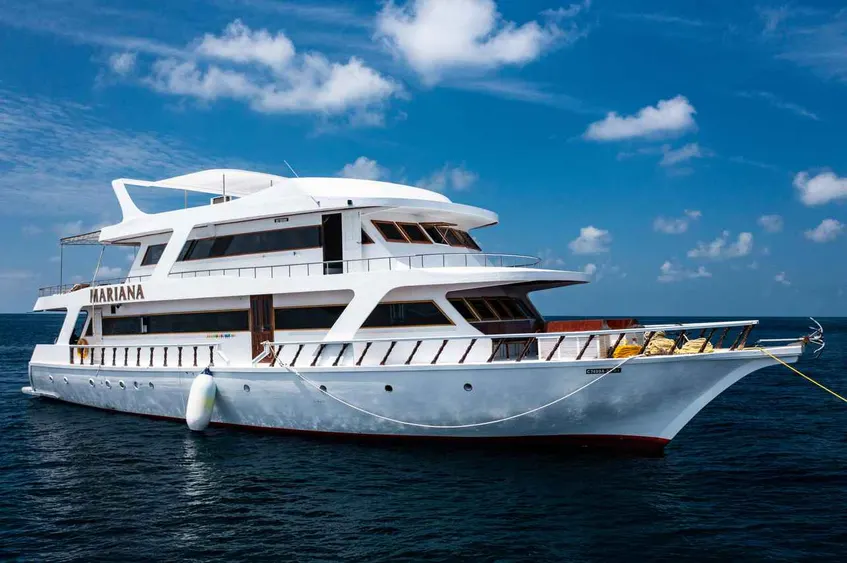
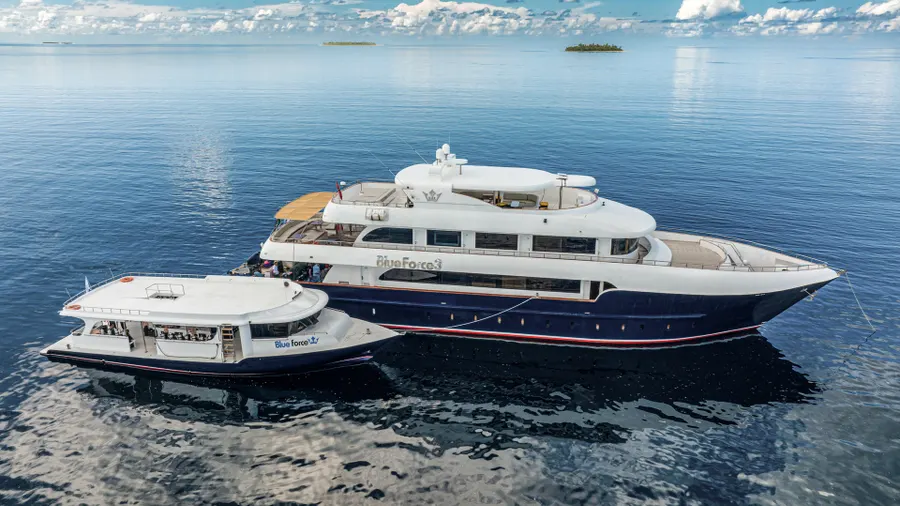
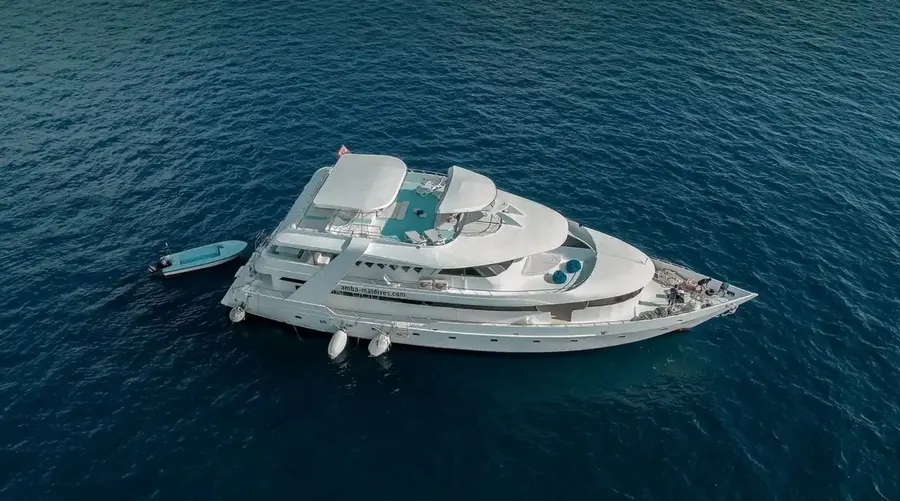
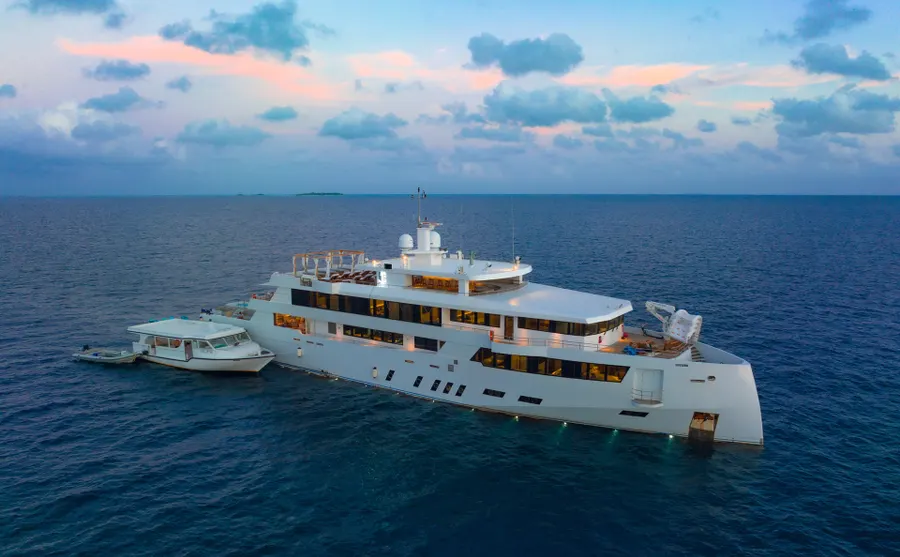
An archipelago built on submerged volcanic mountains, the Maldives offers a diving landscape unlike any other. Its atolls are defined by deep channels, or kandus, that funnel nutrient-rich water from the open Indian Ocean, creating a haven for pelagic life. This unique topography makes a Maldives liveaboard the definitive way to explore, allowing divers to follow seasonal marine migrations and access remote thilas (pinnacles) far from resort-based day boats. The experience is one of constant drift diving, using the currents to glide along vibrant reef walls and through channels patrolled by sharks, eagles rays, and massive schools of fish.
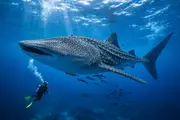
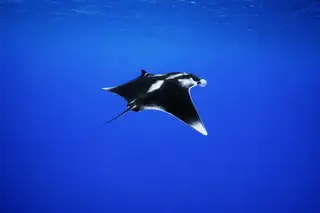
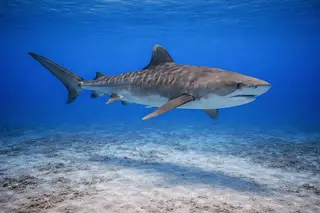
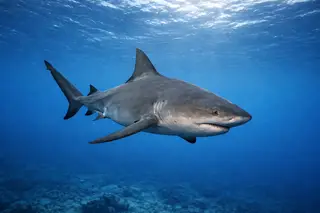
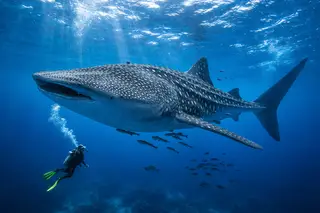
A classic central atoll itinerary focuses on North Malé, South Malé, and Ari Atoll, a route that showcases some of the best dive sites Maldives is known for. Here, divers can expect thrilling channel crossings and encounters with manta rays at dedicated cleaning stations. Ari Atoll is particularly famous for its year-round population of whale sharks. For the more intrepid, a southern itinerary to the remote atolls of Fuvahmulah and Huvadhoo offers a different kind of adventure. These deep, oceanic atolls are a magnet for large pelagics, providing advanced divers with consistent opportunities to dive with tiger sharks, hammerheads, and silky sharks in crystal-clear blue water.
The character of Maldives diving is dictated by two distinct monsoons. The dry northeast monsoon (Iruvai), from December to April, brings the calmest seas and exceptional visibility, especially on the eastern sides of the atolls. This is peak season for most liveaboards. Conversely, the southwest monsoon (Hulhangu), from May to November, brings more plankton, which reduces visibility slightly but attracts huge aggregations of filter feeders. This period offers prime encounters with manta rays and whale sharks on the western sides of the atolls, making it a spectacular time for those prioritising big animal encounters over perfect visibility.
Due to the prevalence of strong currents in the channels, a Maldives diving trip is best suited for intermediate to advanced divers who are comfortable with drift diving. A minimum of an Advanced Open Water certification with 50+ logged dives is recommended for most itineraries. The challenging conditions of the southern atolls, with their deep sites and open-ocean exposure, are strictly for experienced divers seeking high-adrenaline pelagic action. A Maldives liveaboard trip is the ultimate platform for serious divers wanting to immerse themselves fully in this dynamic and world-class marine ecosystem.