About White Beach WWII Dump Site
White Beach in the Solomon Islands offers a unique dive experience, serving as both a historical monument and a thriving artificial reef. After World War II, a vast collection of military vehicles, ammunition, and equipment was pushed into the sea, creating an extensive underwater dump site. Today, these submerged relics, including trucks, cranes, jeeps, tractors, and even 1940s Coca-Cola bottles, are largely intact and widely scattered across the seabed. This site combines historical exploration with vibrant marine biodiversity. The metal structures have become completely colonized by corals and other marine life, transforming into intricate habitats for a diverse array of species. Divers can observe how history and nature have intertwined, with soft corals growing on the war artifacts and countless macro creatures finding refuge among the wreckage. The dive typically involves exploring various sections of the dump, revealing different types of equipment and the marine life they host. The relatively shallow depth makes it accessible for a range of divers, allowing for extended bottom times to fully appreciate both the historical context and the ecological transformation of the site. It stands as a powerful reminder of the past, now repurposed by nature into a vibrant underwater ecosystem.
Highlights
WWII military dump siteUnderwater time capsuleTrucks, jeeps, cranes1940s Coca-Cola bottlesArtificial reef habitatAbundant macro lifeHistorical artifacts
Season calendar
Best months to dive here
Jan
Feb
Mar
Apr
May
Jun
Jul
Aug
Sep
Oct
Nov
Dec
Excellent
Dive site facts: White Beach WWII Dump Site
- Depth
- 12–37 m
- Current
- Mild
- Visibility
- Excellent
- Water temperature
- 28–30°C
- Entry
- Tender / boat
- Level
- Open Water Diver
- Dive type
- Wreck, historical, macro
- Night dive
- Possible
- Region / port
- Guadalcanal Province
- Coordinates
- 8.7273° S, 158.2384° E
Conditions & Currents
Diving conditions in the Solomon Islands are generally considered very easy, characterized by warm, calm waters and mild currents. White Beach itself features both a reef and the dump site, where currents are typically minimal, allowing divers to explore the scattered relics without significant drift. Visibility is usually excellent, contributing to clear views of the historical artifacts and marine life. Entry and exit are made simple by the use of tenders (tinnies) from liveaboards, which shuttle divers to and from the site, making it accessible even for those with mobility issues. The calm conditions within the islands ensure a comfortable dive experience.
Marine life & sighting chances
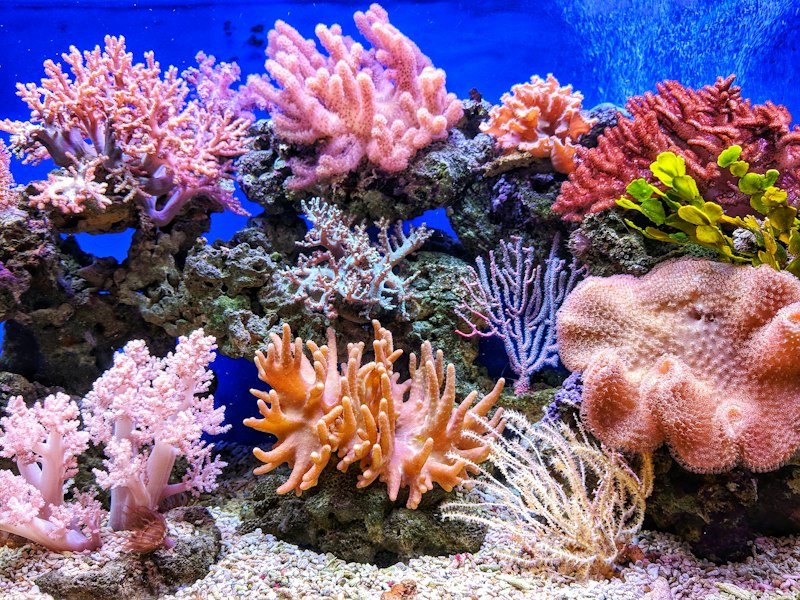
Soft corals
common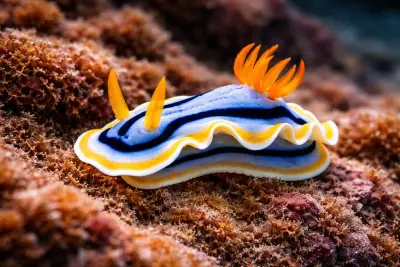
Nudibranchs
common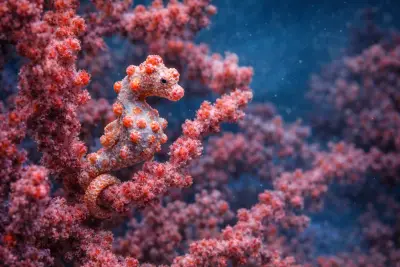
Pygmy seahorses
occasional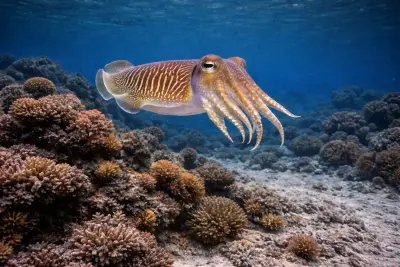
Cuttlefish
common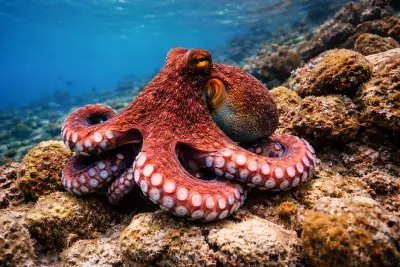
Octopus
occasional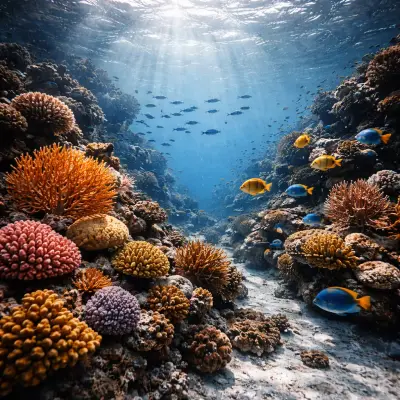
Coral hermit crabs
common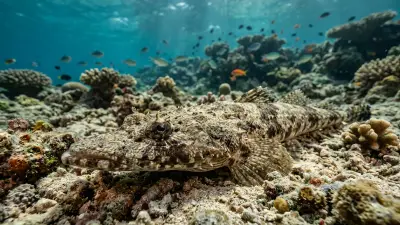
Crocodile fish
occasional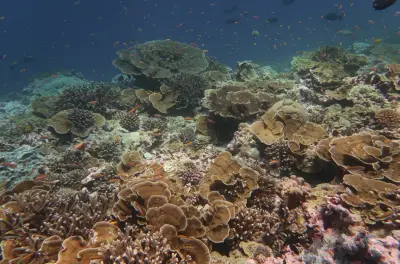
Reef fish
common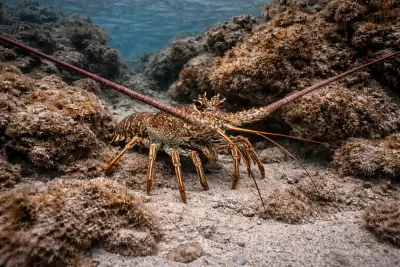
Squat lobsters
occasional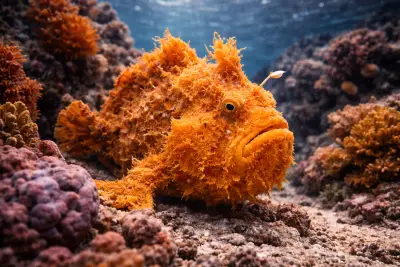
Frogfish
occasional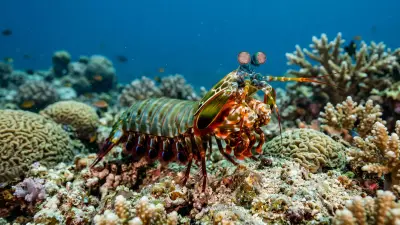
Mantis shrimp
occasionalDive profile & how the dive runs
Dives at White Beach typically begin from a tender, dropping onto the extensive dump site. Divers explore the scattered array of World War II military equipment, including trucks, jeeps, cranes, and ammunition, found across a depth range of 12 to 37 meters. The site offers a free-form exploration, allowing for ample time to investigate individual artifacts and the marine life that has colonized them. Many dives involve a progression over the sandy seabed, winding between larger wrecks and smaller debris fields. The dive concludes with a gradual ascent, often allowing for a safety stop over shallower parts of the dump or an adjacent reef section, ensuring decompression while observing additional marine details.
Underwater photography
White Beach offers excellent opportunities for both wide-angle and macro photography. For wide-angle shots, a fisheye or wide rectilinear lens is ideal to capture the scale of the submerged military vehicles and the overall panorama of the dump site. Ensure good strobe positioning to illuminate the dark structures and bring out the vibrant colors of the corals growing on them. For macro subjects, such as nudibranchs, pygmy seahorses, and other critters that inhabit the wreckage, a macro lens with a dedicated strobe is essential. Buoyancy control is paramount to avoid disturbing the silty bottom and to navigate safely around the historical artifacts without causing damage. Take care not to touch any historical items and maintain a respectful distance from the fragile ecosystem.
Combine with nearby dive sites
Getting there & logistics
Access to White Beach WWII Dump Site is primarily via liveaboard cruises, which are considered the most effective way to explore the scattered dive sites across the Solomon Islands. The main international gateway is Honiara, the capital city on Guadalcanal, reachable by flights from Brisbane, Australia, and Nadi, Fiji. Liveaboards typically embark from Honiara. Trip lengths vary, but commonly range from 7 to 14 days, providing multiple dives per day. While there are no specific park fees mentioned for this site, liveaboard costs cover all diving, accommodation, and meals. This site is frequently combined with other WWII wrecks around Guadalcanal and diverse reef dives in the Florida and Russell Islands, offering a comprehensive Solomon Islands diving experience.
Safety & environment
The nearest recompression chamber is located in Honiara, though evacuation to a more advanced medical facility in Australia or Fiji is typically required for serious diving accidents. Comprehensive dive insurance, covering emergency medical care and evacuation, is highly recommended. At White Beach, divers should exercise caution when exploring the wreck, being mindful of potential sharp edges or unstable structures, though the site is generally considered safe for recreational diving. Given the historical nature, respecting the artifacts by not touching or removing anything is crucial. Maintaining excellent buoyancy control is important to avoid disturbing sediment around the wreckage and to protect the marine life that has colonized the site.
Who it suits — and who it doesn't
Suited for
- History enthusiasts and wreck divers
- Underwater photographers seeking unique subjects
- Divers interested in artificial reefs
- Beginner and intermediate divers
- Macro life admirers
Less suited for
- Divers uninterested in historical sites
- Those seeking only pristine natural reefs
FAQ
White Beach WWII Dump Site FAQ
What kind of artifacts can be seen at White Beach WWII Dump Site?
At White Beach, you can explore a wide variety of World War II military equipment and vehicles. This includes large items like trucks, cranes, and jeeps, alongside smaller artifacts such as ammunition and even vintage 1940s Coca-Cola bottles. The site essentially serves as a vast underwater museum, showcasing the remnants of wartime activity.
Is White Beach suitable for all levels of divers?
Yes, White Beach is generally suitable for most certified divers, including Open Water Divers. The site's depth range allows for exploration by beginners, and the typically mild currents make for a relaxed dive. However, good buoyancy control is always beneficial to avoid disturbing the seabed and to safely navigate around the historical artifacts.
How do liveaboards typically incorporate White Beach into their itineraries?
Liveaboards often include White Beach as part of itineraries focusing on the historical sites around Guadalcanal, usually combined with other WWII wrecks. It provides a unique contrast to the natural reef dives found in other parts of the Solomon Islands, offering a well-rounded experience. Its accessibility makes it a common stop for liveaboard guests.
What kind of marine life inhabits the White Beach site?
The military dump at White Beach has transformed into a vibrant artificial reef, attracting a rich diversity of marine life. You can expect to see various soft corals growing on the metal structures, along with numerous macro creatures like nudibranchs, pygmy seahorses, cuttlefish, and octopus. The site is a fantastic spot for spotting small, intriguing reef inhabitants.
Are there any specific safety considerations when diving White Beach?
When diving White Beach, it's important to maintain excellent buoyancy to avoid stirring up sediment and to prevent accidental contact with historical artifacts. While the site is generally safe, always be aware of your surroundings for any potential sharp edges on the wreckage. As with all diving, having comprehensive dive insurance is advisable for any unforeseen incidents.
Why dive White Beach WWII Dump Site from a liveaboard?
White Beach WWII Dump Site is one of Solomon Islands's signature dive sites. A liveaboard sleeps you on the water and puts you in the water for three to four guided dives per day, including dawn and night dives that day-boat operators rarely offer. You skip the daily commute back to port and reach quieter, less-crowded sites in the same region on a single trip.
Below are the liveaboards that include White Beach WWII Dump Site on their Solomon Islands itineraries.
Liveaboards diving White Beach WWII Dump Site
These liveaboards may visit White Beach WWII Dump Site on selected itineraries — the exact dive sites depend on departure, weather and conditions.
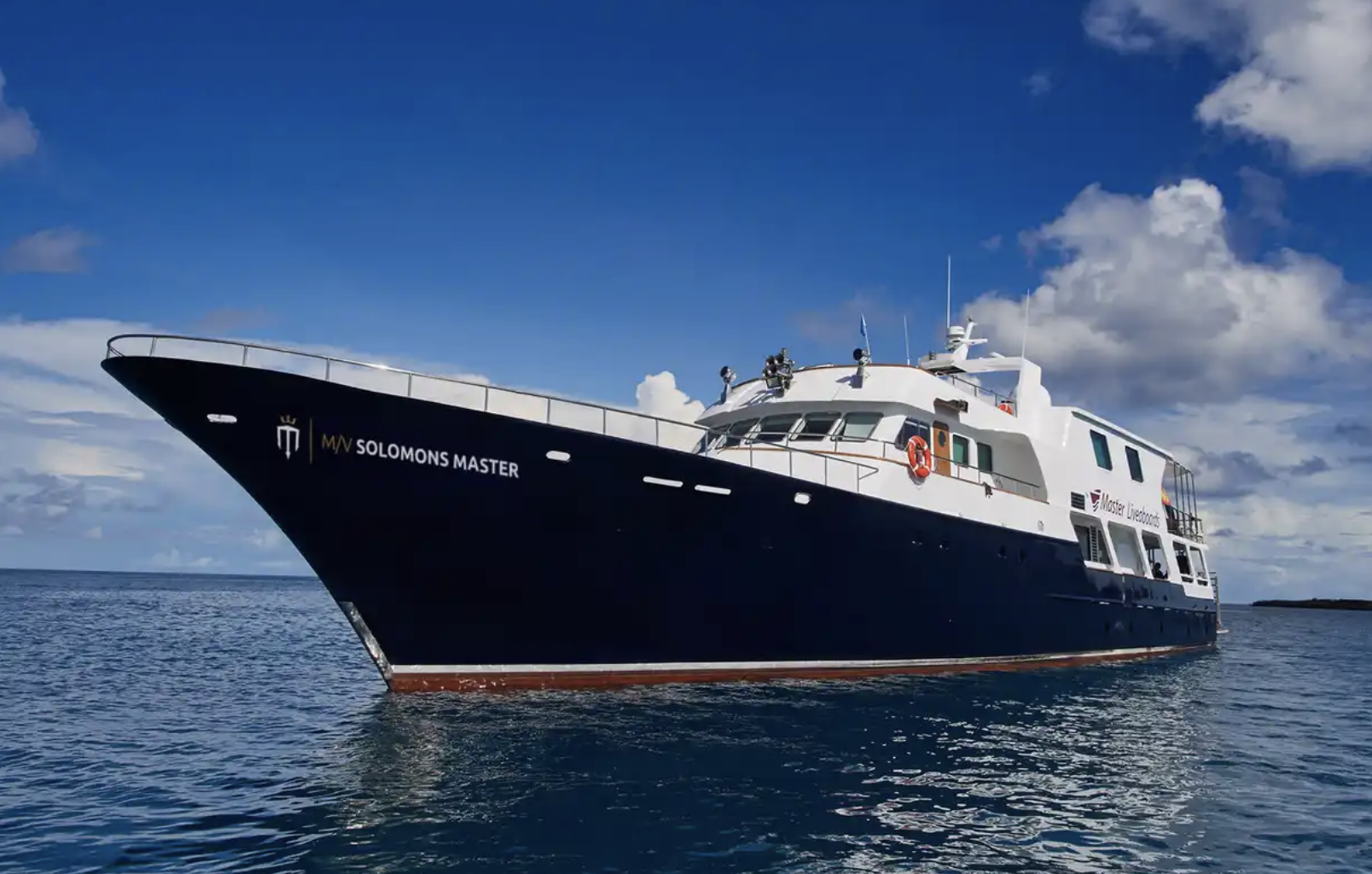
Solomons Master
Solomon Islands
16 guests
$401/day
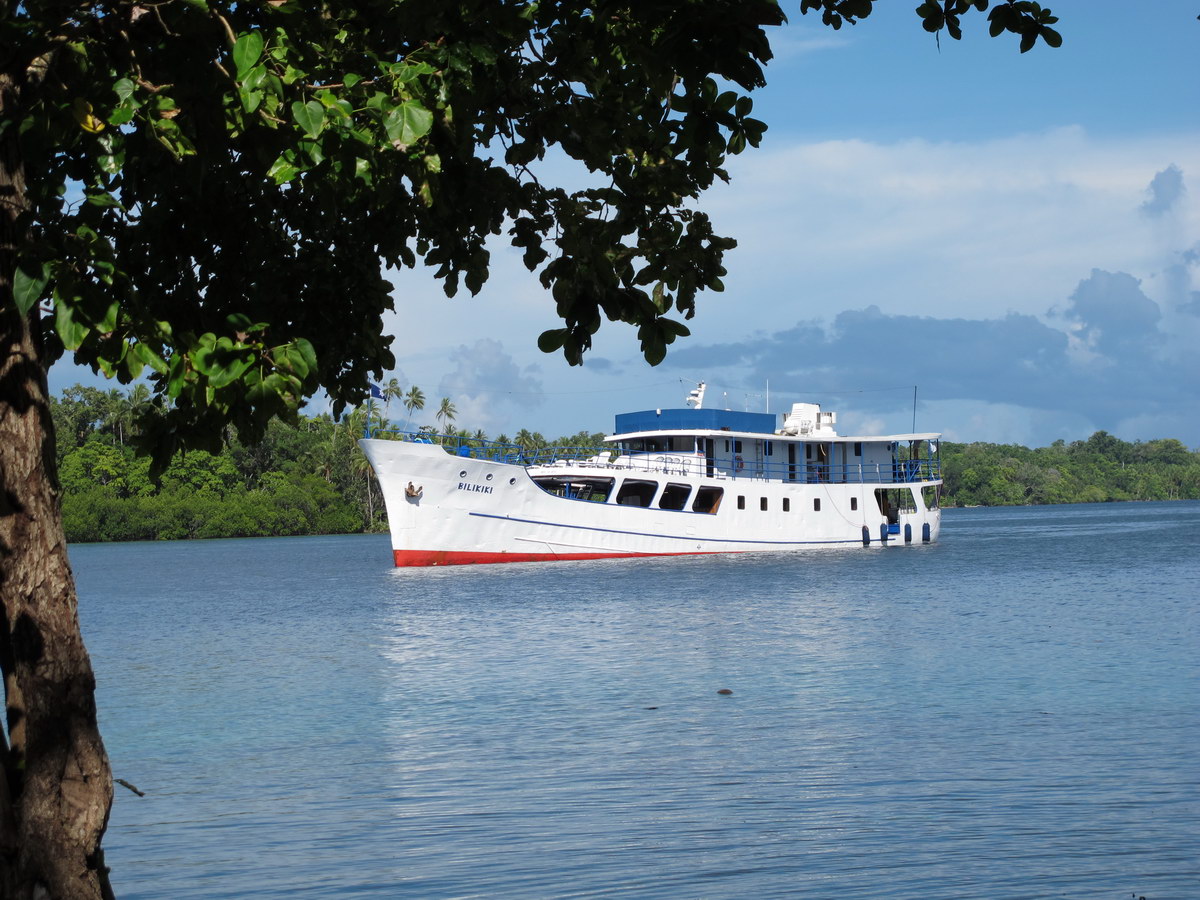
Emperor Bilikiki
Solomon Islands
20 guests38 m
$569/day
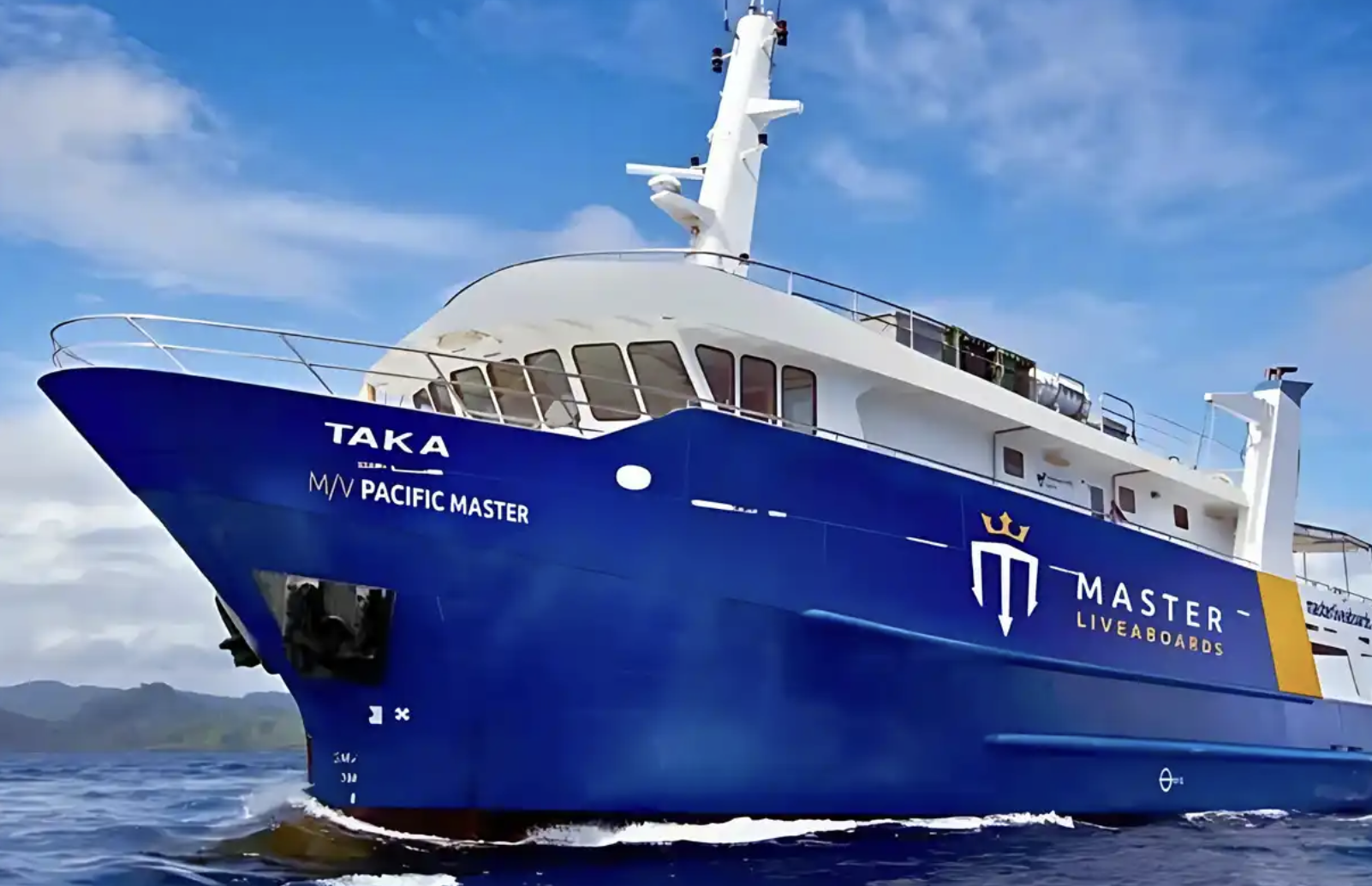
Pacific Master
Solomon Islands
20 guests30 m
$268/day
Dive sites similar to White Beach WWII Dump Site
Same character, same waters — six more sites divers love for the exact same reasons.Compare seasons, access and liveaboard routes — then pick the site that fits your trip best.
© Esri — Maxar, Earthstar, GIS
Grumman Hellcat Wreck
Solomon Islands
The Grumman Hellcat Wreck offers a fascinating and easily accessible glimpse into World War II history beneath the waves of the Solomon Islands.
- Suitable for
- Beginner
- Current
- Mild
- Access
- Dayboat
- Depth
- 9–10 m
- Theme
- Wreck
© Esri — Maxar, Earthstar, GIS
P-39 Airacobra Wreck
Solomon Islands
The P-39 Airacobra Wreck offers a unique connection to the Pacific War, providing a poignant and historically significant dive experience in the Solomon Islands.
- Suitable for
- Advanced
- Current
- Mild
- Access
- Liveaboard only
- Depth
- 20–30 m
- Theme
- Wreck
© Esri — Maxar, Earthstar, GIS
Bonegi I & II
Solomon Islands
Bonegi I (Hirokawa Maru) and Bonegi II (Kinugawa Maru) are two Japanese transport ships resting off Guadalcanal's northwestern coast, approximately 12 kilometers west of Honiara.
- Suitable for
- Intermediate
- Current
- Mild
- Access
- Shore / dayboat
- Depth
- 3–55 m
- Theme
- Wreck
© Esri — Maxar, Earthstar, GIS
Honiara - Iron Bottom Sound
Solomon Islands
Iron Bottom Sound, located between Guadalcanal, Tulagi, and the Florida Islands, is a legendary dive destination named for the vast amount of World War II wreckage that sank during the 1942-43 Guadalcanal Campaign.
- Suitable for
- Advanced
- Current
- Strong
- Access
- Shore / dayboat
- Depth
- 15–40 m
- Theme
- Wreck
The Toa Maru is a prominent Japanese transport ship sunk during WWII off Gizo in the Solomon Islands' Western Province.
- Suitable for
- Advanced
- Current
- Mild
- Access
- Liveaboard only
- Depth
- 15–35 m
- Theme
- Wreck
© Esri — Maxar, Earthstar, GIS
White Beach
Solomon Islands
White Beach is located off Hanasivi Island, Russell Islands, Solomon Islands, and was an American military base during WWII where troops pushed equipment into the sea upon departure.
- Suitable for
- Intermediate
- Current
- Mild
- Access
- Liveaboard or dayboat
- Depth
- 5–29 m
- Theme
- Muck diving / Reef