About Wreck Airbus A300 Plane
The Wreck Airbus A300 Plane is an artificial reef deliberately sunk off the coast of Kuşadası in Turkey's Aegean Sea. This former passenger aircraft, measuring 54 meters in length, was scuttled in 2016 to create a significant diving attraction and foster marine life in the region. It rests on the seabed at a depth of 25 meters. The aircraft's large fuselage and wings provide ample structure for exploration. Divers can navigate around the exterior, observing how marine life has begun to colonize the wreck. Its design allows for easy penetration into some areas, including cockpit swim-throughs, offering a distinctive wreck diving experience. While specific marine life data for this exact wreck is still developing, artificial reefs generally attract various Mediterranean species. The structures are expected to become home to reef fish, invertebrates, and potentially pelagic visitors over time. The surrounding Aegean waters are known for good visibility, which enhances the appreciation of the wreck's scale and detail. Access to the Airbus A300 is exclusively by boat from Kuşadası, making it a popular day trip for local dive operators. Its relatively shallow depth and intact structure make it accessible for a range of certified divers, promising a unique underwater adventure on one of the world's largest purpose-sunk aircraft.
Highlights
Purpose-sunk Airbus A300Artificial reef creationCockpit swim-throughs54-meter long aircraft25-meter depthKuşadası boat accessDeveloping marine habitat
Season calendar
Best months to dive here
Jan
Feb
Mar
Apr
May
Jun
Jul
Aug
Sep
Oct
Nov
Dec
Excellent
Good
Dive site facts: Wreck Airbus A300 Plane
- Depth
- 25 m
- Current
- No current
- Visibility
- 15 m
- Entry
- Boat
- Level
- Advanced
- Dive type
- Wreck, Artificial Reef
- Region / port
- Kuşadası, Turkey
- Coordinates
- 36.4760° N, 29.0747° E
Conditions & Currents
Currents around the Airbus A300 wreck are generally mild, contributing to a relaxed dive experience. However, divers should always be aware of the possibility of light currents, especially in open water environments. Entry is typically a simple boat entry, followed by a descent to the wreck at 25 meters. Visibility is often good in the Aegean Sea, but can vary, so maintaining situational awareness is key. Given the potential for boat traffic near dive sites off Kuşadası, careful planning for ascent and safety stops is advisable. While there are no strong thermoclines typically reported for this specific site, general Aegean conditions apply.
Marine life & sighting chances
Dive profile & how the dive runs
Dives on the Airbus A300 wreck typically begin with a boat entry, positioning divers directly above the site. A controlled descent leads straight to the plane, which rests at a depth of 25 meters. Divers usually circumnavigate the impressive 54-meter-long fuselage, exploring the exterior for developing marine life and structural details. The wings and tail section offer great photographic opportunities. For qualified divers, penetration into the cockpit area is often possible. The dive route focuses on exploring the entire wreck, managing bottom time and air consumption carefully at this depth. The turn point is determined by planned limits or air supply. The ascent is gradual, with a safety stop conducted either over the wreck or in the open water column, depending on conditions and boat positioning.
Underwater photography
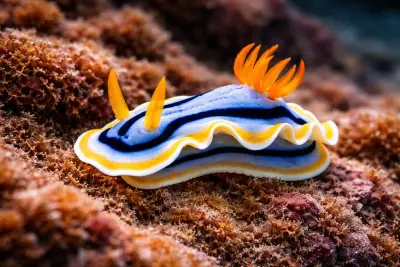
The Airbus A300 wreck provides excellent opportunities for both wide-angle and macro photography, depending on your focus. For capturing the immense scale of the 54-meter aircraft and its dramatic silhouette, a wide-angle lens is essential. External strobes or video lights are highly recommended to bring out the true colors of the wreck and any marine growth, especially at 25 meters. When focusing on the developing macro life, such as nudibranchs or small crustaceans colonizing the plane, a macro lens will yield detailed shots. Buoyancy control is paramount to avoid disturbing sediment or damaging fragile marine life on the wreck. Pay attention to ambient light, which can create striking effects when shooting from inside the plane or against the surface.
Combine with nearby dive sites
- Adabanko Reef
Adabanko Reef is an inviting dive site situated approximately two kilometers off the coast of Kuşadası in Turkey's Aegean Sea.
- Mustafa Reef
Mustafa Reef is a prominent Aegean dive site located off the coast of Kuşadası, Turkey, offering an engaging exploration of a reef with a…
- Adakule Cave
Adakule Cave is a notable boat-access dive site located near Kuşadası, Turkey, offering an engaging experience centered around two distinct…
Getting there & logistics
Access to the Airbus A300 wreck is exclusively via boat, with dive trips arranged through local operators in Kuşadası, Turkey. Kuşadası serves as the primary departure point for diving in this region. The nearest international airport is Izmir Adnan Menderes Airport (ADB), which is approximately an hour's drive from Kuşadası. Typical dive excursions to the Airbus A300 are day trips, often combined with other nearby sites like Adabanko Reef or Mustafa Reef, allowing divers to experience a variety of underwater environments in a single outing. No specific permits beyond standard diving certifications are usually required for this site.
Safety & environment
Diving the Airbus A300 wreck requires adherence to standard safety protocols for deep and wreck diving. The nearest recompression chamber would be in a major city like Izmir, approximately an hour's drive from Kuşadası, followed by the boat journey. Evacuation in a medical emergency typically involves boat transfer to shore and then road transport. Comprehensive dive insurance covering dive accidents, recompression treatment, and evacuation is mandatory. Divers should be mindful of controlled buoyancy to prevent disturbing the wreck or stirring up sediment, especially during any penetrations. While currents are generally mild, always confirm local conditions with your dive guide, and maintain adequate air management for the 25-meter depth.
Who it suits — and who it doesn't
Suited for
- Certified Advanced Open Water Divers
- Wreck diving enthusiasts
- Underwater photographers seeking unique subjects
- Divers interested in artificial reef development
- Experienced divers comfortable at 25m
Less suited for
- Entry-level Open Water Divers
- Divers with poor buoyancy control
- Those uncomfortable with enclosed spaces
- Divers who do not possess appropriate wreck training
FAQ
Wreck Airbus A300 Plane FAQ
What is the history of the Airbus A300 wreck?
The Airbus A300 was deliberately sunk in 2016 off the coast of Kuşadası to create an artificial reef and attract divers. It previously served as a passenger aircraft before being decommissioned. This intentional scuttling was part of a broader initiative in Turkey to boost dive tourism by creating unique underwater attractions.
What depth is the Airbus A300 wreck at?
The Airbus A300 wreck rests on the seabed at a depth of 25 meters. This depth makes it accessible for Advanced Open Water certified divers and provides ample bottom time for exploration without excessive decompression obligations, depending on dive planning.
Can I penetrate the Airbus A300 wreck?
Yes, some areas of the Airbus A300 wreck, particularly the cockpit, allow for swim-throughs and limited penetration. Divers should only attempt penetration if they have appropriate training and experience in wreck diving, or under the direct supervision of a qualified instructor, always prioritizing safety and respecting the wreck's integrity.
What marine life can be seen on the Airbus A300 wreck?
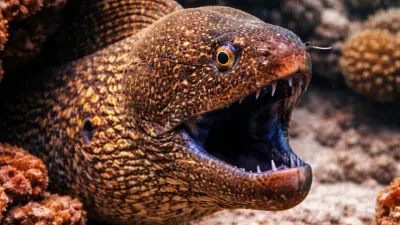
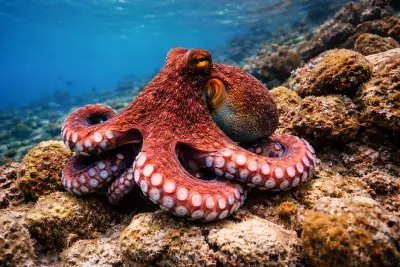
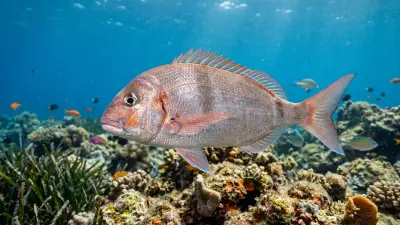
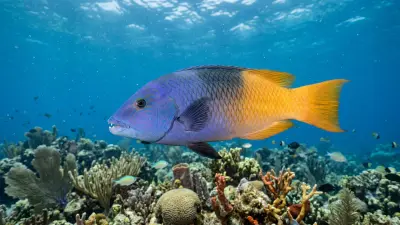
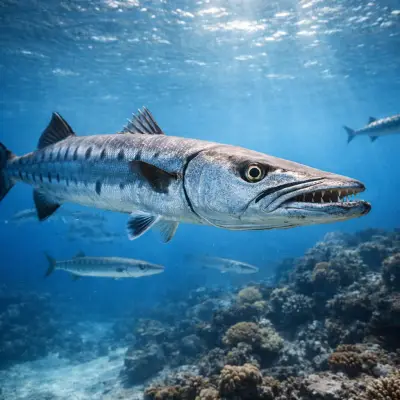
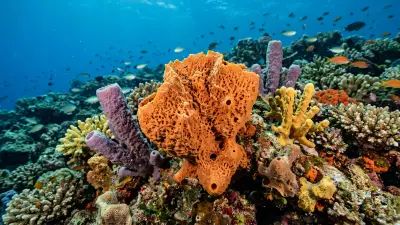
As an artificial reef, the Airbus A300 is gradually attracting Mediterranean marine life. Divers can expect to see various reef fish, moray eels, octopus, and nudibranchs colonizing the structure. Over time, the wreck will become a more established habitat, potentially drawing larger species as well.
How do I get to the Airbus A300 wreck?
The Airbus A300 wreck is accessed exclusively by boat from Kuşadası, Turkey. Local dive operators in Kuşadası arrange daily trips to the site. Kuşadası itself is easily reachable from Izmir Adnan Menderes Airport (ADB) by car or shuttle services.
Is the Airbus A300 wreck suitable for beginner divers?
The Airbus A300 wreck, at a depth of 25 meters and requiring some navigation around a large structure, is generally recommended for Advanced Open Water certified divers or those with equivalent experience. Its size and potential for mild currents mean that good buoyancy control and dive planning are essential.
Why dive Wreck Airbus A300 Plane from a liveaboard?
Wreck Airbus A300 Plane is one of Turkey's signature dive sites. A liveaboard sleeps you on the water and puts you in the water for three to four guided dives per day, including dawn and night dives that day-boat operators rarely offer. You skip the daily commute back to port and reach quieter, less-crowded sites in the same region on a single trip.
Below are the liveaboards that include Wreck Airbus A300 Plane on their Turkey itineraries.
Liveaboards diving Wreck Airbus A300 Plane
These liveaboards may visit Wreck Airbus A300 Plane on selected itineraries — the exact dive sites depend on departure, weather and conditions.
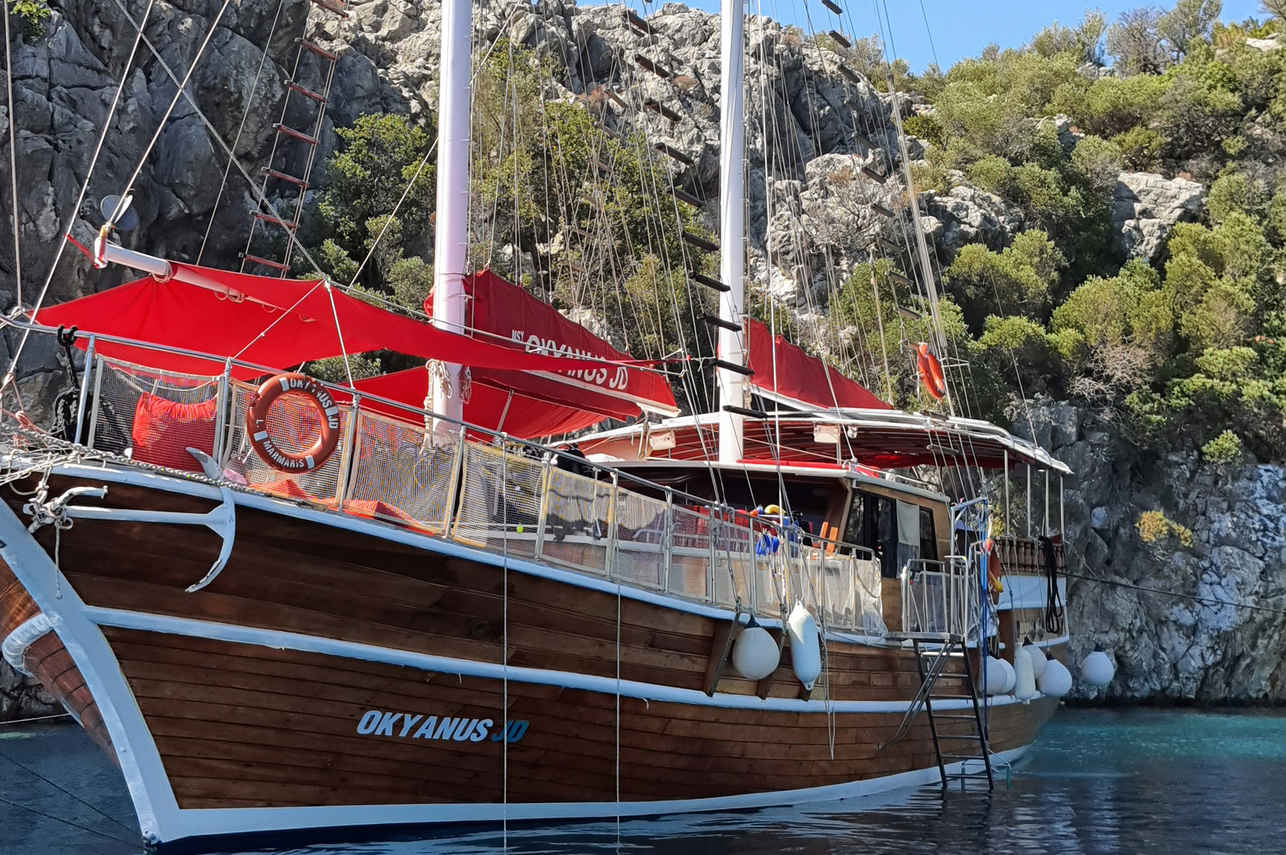
Okyanus JD
Turkey
12 guests24 m
$157/day
Dive sites similar to Wreck Airbus A300 Plane
Same character, same waters — six more sites divers love for the exact same reasons.Compare seasons, access and liveaboard routes — then pick the site that fits your trip best.
© Esri — Maxar, Earthstar, GIS
The SG-115 Turkish Navy Shipwreck is an advanced dive site located in the Aegean Sea, just a short boat ride from Bodrum's Black Island.
- Suitable for
- Intermediate
- Current
- Moderate
- Access
- Liveaboard or dayboat
- Depth
- 17–29 m
- Theme
- Wreck
© Esri — Maxar, Earthstar, GIS
Coast Guard Ship Wreck
Turkey
The Coast Guard Ship Wreck is an advanced dive site situated near Bodrum in the Aegean Sea.
- Suitable for
- Intermediate
- Current
- Moderate
- Access
- Liveaboard or dayboat
- Depth
- 3–29 m
- Theme
- Wreck
© Esri — Maxar, Earthstar, GIS
Airplane C-47 Dakota
Turkey
The Airplane C-47 Dakota is a significant wreck dive located off Turkey's coast, presenting a deliberately sunk Douglas C-47 military transport aircraft.
- Suitable for
- Advanced
- Current
- Mild
- Access
- Dayboat
- Depth
- 14–35 m
- Theme
- Wreck
© Esri — Maxar, Earthstar, GIS
Tank Wreck
Turkey
The Güvercin Ada / Tank Wreck dive site, located near Kaş, Turkey, combines a calm reef with a unique blend of sunken elements, including a sculpture and various wreck components.
- Suitable for
- Intermediate
- Current
- Moderate
- Access
- Liveaboard or dayboat
- Depth
- 21–21 m
- Theme
- Wreck
© Esri — Maxar, Earthstar, GIS
Coastguard Wreck
Turkey
The Coastguard Wreck is a Fethiye boat dive, featuring a retired coast guard ship scuttled to form an artificial reef alongside a natural reef structure.
- Suitable for
- Intermediate
- Current
- Moderate
- Access
- Liveaboard or dayboat
- Depth
- 27–30 m
- Theme
- Wreck
© Esri — Maxar, Earthstar, GIS
The Pınar-1 Turkish Navy Shipwreck is an artificial reef located near Bodrum, Turkey, specifically off the southeast side of Black Island.
- Suitable for
- Advanced
- Current
- Moderate
- Access
- Dayboat
- Depth
- 18–40 m
- Theme
- Wreck