About Tunnel Reef
Tunnel Reef is a distinctive dive site located off Las Terrenas in the Dominican Republic, characterized by its natural reef formations, small caverns, and tunnel systems that divers can explore. This site forms part of a long coral reef line, presenting a shallow approach that gradually deepens into a more profound reef section. The topography also includes a small wreck positioned near the descent line, adding an element of historical exploration to the natural beauty. Depths at Tunnel Reef range from approximately 12 to 13 meters (39 to 43 feet) according to some sources, while others describe a deeper profile of 24 to 28 meters, with a small wreck found on the bottom near the descent line. The site is known for its beautiful coral formations, which thrive in conditions that typically offer good visibility, often between 10 to 30 meters. Marine life at Tunnel Reef includes various reef fish, and divers frequently encounter nurse sharks. The complex structure of tunnels and caverns provides excellent habitat for a diverse array of species, ensuring a rich underwater experience. While specific seasonality for species is not detailed, the Dominican Republic's waters are generally vibrant year-round. Diving Tunnel Reef involves navigating through its unique tunnel systems and swim-throughs. The deeper reef profile and potential for occasional current swings mean that advanced divers who practice good buoyancy control and situational awareness will get the most out of this site. Calm mornings are often recommended for the easiest and most controlled dives, allowing for clear exploration of the reef and its features.
Highlights
Natural coral tunnelsSmall caverns and swim-throughsSmall wreck on the seabedNurse shark sightingsDiverse coral formationsVibrant reef fishClear Caribbean waters
Season calendar
Best months to dive here
Jan
Feb
Mar
Apr
May
Jun
Jul
Aug
Sep
Oct
Nov
Dec
Excellent
Dive site facts: Tunnel Reef
- Depth
- 12–28 m
- Current
- Low to occasional moderate
- Visibility
- 10–30 m
- Water temperature
- 24–28°C
- Entry
- Boat
- Level
- OWD, Advanced OWD recommended
- Dive type
- Reef, tunnel, swim-through, wreck
- Region / port
- Las Terrenas, Dominican Republic
- Coordinates
- 19.3390° N, 69.5804° W
Conditions & Currents
Tunnel Reef generally experiences low currents, contributing to a relaxed diving experience for open water divers. However, some sources indicate that occasional current swings can occur, particularly along the deeper reef profile. Divers should be prepared for potential moderate currents on certain days, which necessitates good buoyancy control and situational awareness, especially for those venturing deeper or through swim-throughs. Visibility is typically good, ranging from 10 to 30 meters, though local conditions can vary. Water temperatures remain warm throughout the year, usually between 24°C and 28°C.
Marine life & sighting chances
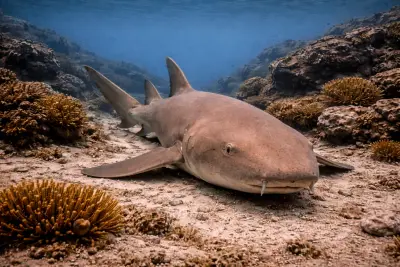
Nurse Shark
occasional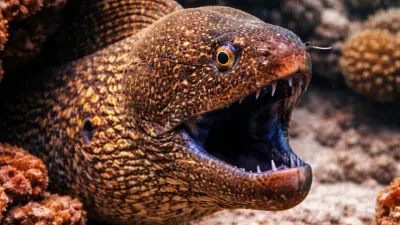
Moray Eel
common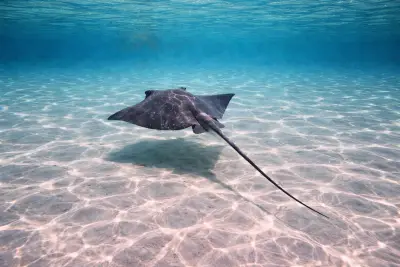
Stingray
occasional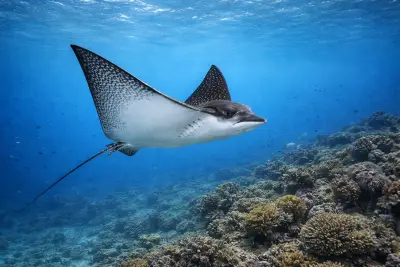
Eagle Ray
rareSergeantfish
common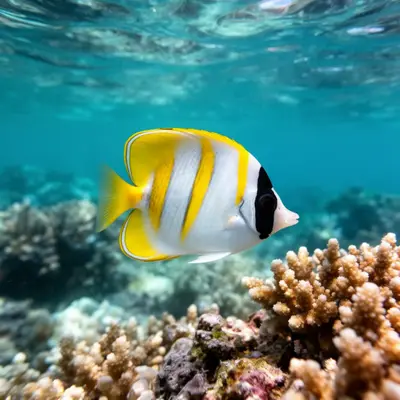
Butterflyfish
common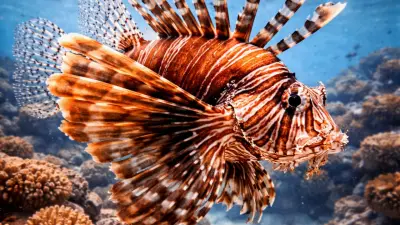
Lionfish
occasional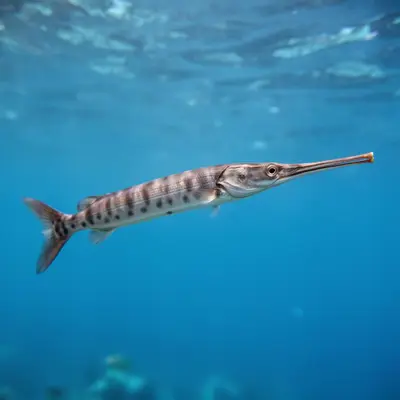
Trumpetfish
common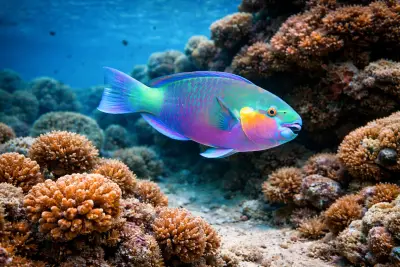
Parrotfish
common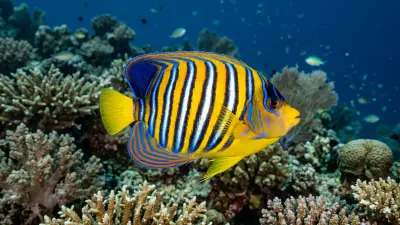
Angelfish
common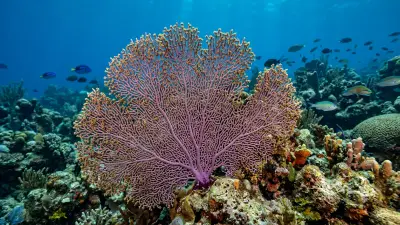
Sea fan
common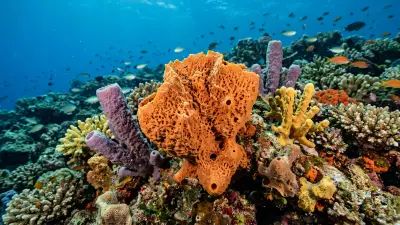
Sponge
commonDive profile & how the dive runs
Access to Tunnel Reef is typically by boat, arriving at a designated descent line that leads to the reef. The dive begins with a shallow approach, gradually progressing into deeper sections of the reef. Divers navigate through natural coral formations, exploring small caverns and tunnel systems that are characteristic of this site. A small wreck is also located on the seabed near the descent line, providing an additional point of interest. The route emphasizes exploring the intricate reef structure and its resident marine life. The maximum reported depth for the main reef line is 24 to 28 meters, while some sections are shallower at 12 to 13 meters. Safety stops are conducted at the end of the dive, typically at 5 meters, before ascending back to the surface for boat pickup.
Underwater photography
Tunnel Reef's natural coral tunnels and small caverns offer fantastic opportunities for both wide-angle and macro photography. For capturing the expansive reef lines and structural beauty, a wide-angle lens is ideal. Inside the tunnels and swim-throughs, a good external strobe or video light will be essential to illuminate subjects and bring out the vibrant colors of the corals and hidden marine life. Macro lenses will excel at documenting the smaller reef dwellers and detailed coral textures. Maintain excellent buoyancy control throughout the dive to avoid contact with the delicate coral formations, especially when navigating confined spaces. Look for nurse sharks, moray eels, and diverse reef fish against the backdrop of the reef's unique topography.
Combine with nearby dive sites
Getting there & logistics
Tunnel Reef is located near Las Terrenas, a town accessible from major airports in the Dominican Republic such as El Catey International Airport (AZS) or Punta Cana International Airport (PUJ), followed by a ground transfer. Dive shops in Las Terrenas provide boat access to the site. Trips to Tunnel Reef are typically day trips from local dive centers, often combined with other nearby sites depending on the itinerary. There are no special permits noted for diving at this site, but always confirm with your dive operator. Liveaboards are less common for this specific area, with resorts offering the primary base for local diving excursions.
Safety & environment
For diving at Tunnel Reef, especially given its deeper reef profile and potential current swings, divers should prioritize having comprehensive dive insurance that covers recompression treatment and emergency evacuation. The nearest recompression chamber and medical facilities would typically be in larger cities such as Santo Domingo, making evacuation a consideration in case of a serious incident. Divers should ensure their equipment is in excellent condition and maintain good buoyancy control to navigate the tunnels and avoid contact with the reef. Staying close to your buddy and following the dive guide's instructions are crucial, particularly when currents are present. Advanced certification is recommended due to the depth and potential conditions, ensuring divers have the experience for a controlled pace and good situational awareness.
Who it suits — and who it doesn't
Suited for
- Advanced Open Water divers
- Divers comfortable with currents
- Underwater photographers seeking unique topography
- Explorers of tunnels and swim-throughs
- Divers interested in reef ecology and nurse sharks
Less suited for
- First-time divers
- Divers uncomfortable with confined spaces
- Those without good buoyancy control
- Divers unwilling to dive with potential moderate currents
FAQ
Tunnel Reef FAQ
What kind of marine life can I expect to see at Tunnel Reef?
Tunnel Reef is home to a variety of marine species, including nurse sharks, moray eels, and stingrays. You'll also encounter numerous reef fish such as sergeantfish, butterflyfish, trumpetfish, parrotfish, and angelfish, thriving among the vibrant coral formations and sponges. Keep an eye out for occasional sightings of eagle rays.
What is the typical depth and visibility at Tunnel Reef?
The depth at Tunnel Reef varies, with shallower sections around 12-13 meters (39-43 feet) and a main reef line that extends to 24-28 meters. Visibility is generally good, often ranging from 10 to 30 meters (33-100 feet), providing clear views of the reef's intricate structures and marine inhabitants.
Are there strong currents at Tunnel Reef?
Tunnel Reef typically experiences low currents, making for a pleasant dive. However, occasional moderate current swings can occur, especially in deeper areas or during certain tidal conditions. Divers should be prepared for varying conditions and possess good buoyancy control and situational awareness.
Is Tunnel Reef suitable for beginners?
While the shallower sections might be manageable for Open Water Divers, the deeper reef profile and potential for occasional currents make Tunnel Reef more suitable for Advanced Open Water certified divers. Experience with currents and excellent buoyancy control are recommended to fully enjoy the site's unique features like tunnels and caverns.
What are the main features of the dive site?
The main features of Tunnel Reef include extensive natural coral formations with distinctive tunnel systems and small caverns that divers can swim through. There is also a small wreck located on the seabed near the descent line, offering an additional point of interest and a habitat for marine life. The site provides a combination of natural reef exploration and historical elements.
Why dive Tunnel Reef from a liveaboard?
Tunnel Reef is one of Dominican Republic's signature dive sites. A liveaboard sleeps you on the water and puts you in the water for three to four guided dives per day, including dawn and night dives that day-boat operators rarely offer. You skip the daily commute back to port and reach quieter, less-crowded sites in the same region on a single trip.
Below are the liveaboards that include Tunnel Reef on their Dominican Republic itineraries.
Liveaboards diving Tunnel Reef
These liveaboards may visit Tunnel Reef on selected itineraries — the exact dive sites depend on departure, weather and conditions.
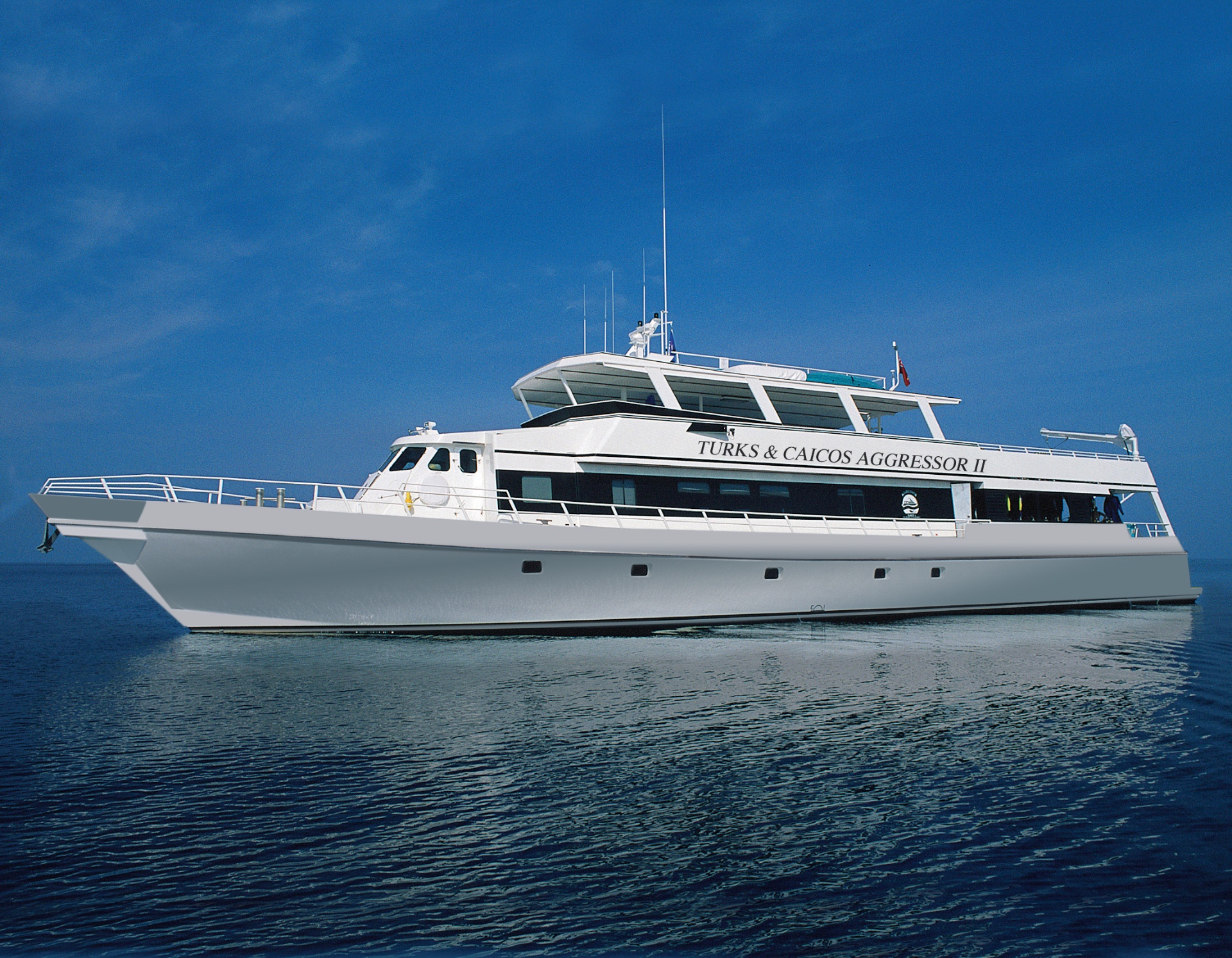
Turks & Caicos Aggressor II
Turks & Caicos
18 guests36.6 m
$287/day
Dive sites similar to Tunnel Reef
Same character, same waters — six more sites divers love for the exact same reasons.Compare seasons, access and liveaboard routes — then pick the site that fits your trip best.
© Esri — Maxar, Earthstar, GIS
Canal Saona
Dominican Republic
Saona Island Reef, located within Cotubanamá National Park off the southeastern coast of the Dominican Republic, is a well-regarded dive site known for its rich coral ecosystems and abundant marine species.
- Suitable for
- Intermediate
- Current
- Moderate
- Access
- Liveaboard or dayboat
- Depth
- 20–20 m
- Theme
- Reef
El Peñon is a highly-regarded dive site located within the protected Parque Nacional del Este, near Bayahibe in the Dominican Republic.
- Suitable for
- Beginner
- Current
- No current
- Access
- Dayboat
- Depth
- 7–28 m
- Theme
- Reef
El Limón is a notable shipwreck site located within the La Caleta Underwater National Park, close to Santo Domingo.
- Suitable for
- Advanced
- Current
- Mild
- Access
- Dayboat
- Depth
- 30–30 m
- Theme
- Wreck / Reef
© Esri — Maxar, Earthstar, GIS
Sosua Marine Reserve
Dominican Republic
The Sosua Marine Reserve offers a premier diving experience directly accessible from Playa Sosua on the north coast of the Dominican Republic.
- Suitable for
- Beginner
- Current
- Mild
- Access
- Dayboat
- Depth
- 5–18 m
- Theme
- Reef
The Dominican Republic presents a varied underwater landscape, suitable for divers of all levels, with its calm Caribbean seas off the south coast providing ideal conditions for…
- Suitable for
- Intermediate
- Current
- Moderate
- Access
- Liveaboard or dayboat
- Depth
- 5–26 m
- Theme
- Reef