About Cuevitas
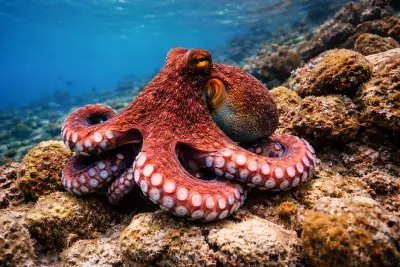
Cuevitas is a distinctive tunnel reef located off Playa Las Ballenas in the Dominican Republic, offering an accessible experience within an overhead environment. The site is characterized by small caves and swim-throughs where natural daylight remains visible at the exits, preventing a sense of being trapped. Its underwater landscape combines vibrant coral formations, stretches of white sand, and rocky walls, creating a playful and engaging dive rather than a technically demanding one. This makes it ideal for relaxed exploration and for divers who appreciate swim-through scenery. Dives at Cuevitas typically range from 7 to 16 meters in depth, placing it firmly in the shallow reef category. Divers with good air consumption can explore both sides of the passages, navigating through the various tunnels and rock structures. The reef's topography is well-suited for critter hunting, with reported sightings of diverse marine life within its passages and on the surrounding coral. The site is primarily accessed by boat, with entry usually from Las Terrenas. While the source does not specify seasonal marine life aggregations, the reef supports a healthy variety of species. The tunnels are considered an overhead environment, necessitating conservative orientation and gas planning, though visible exits mitigate some of the complexity. It is generally recommended for divers who enjoy reef exploration with the added element of swim-throughs and small caves.
Highlights
Small, navigable tunnelsAbundant fan and brain coralOctopus and lobster sightingsShallow reef explorationGood visibilitySwim-through passages
Season calendar
Best months to dive here
Jan
Feb
Mar
Apr
May
Jun
Jul
Aug
Sep
Oct
Nov
Dec
Excellent
Good
Dive site facts: Cuevitas
- Depth
- 9–14 m
- Typical dive
- 9–13 m, 45–53 min
- Current
- 1–3 knots, can be strong
- Visibility
- 10–25 m
- Water temperature
- 26–31 °C
- Entry
- Day boat
- Level
- Open Water Diver
- Dive type
- Reef, cavern, macro
- Region / port
- Bavaro, Dominican Republic
- Coordinates
- 19.1368° N, 69.4480° W
Conditions & Currents
Currents at Cuevitas are typically moderate, ranging from 1 to 3 knots, which requires divers to be mindful of their positioning. While the site is known for strong currents, conditions can vary, sometimes presenting strong surge. Divers should maintain good buoyancy control and be aware of potential drift, especially when navigating the tunnels. Entry is generally from a boat, and the dive profile often involves staying within the reef structure, which can offer some protection. Visibility is usually very good, ranging from 10 to 25 meters, providing clear views of the surroundings despite any current. The moderate depth allows for extended bottom times, but gas planning should account for any additional effort required by the currents. The region off Playa Las Ballenas generally experiences calm mornings, which are often preferred for easier navigation.
Marine life & sighting chances
Dive profile & how the dive runs
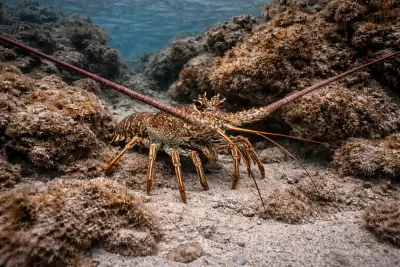
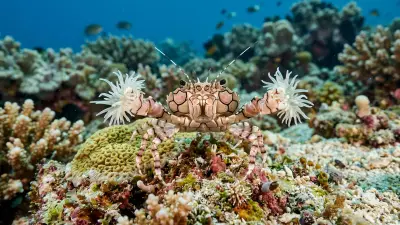
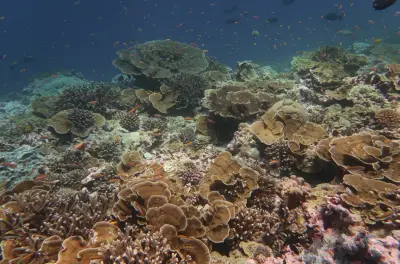
Dives at Cuevitas typically begin with a boat descent directly onto the reef, often near an entrance to one of the small tunnel systems. The primary route involves exploring these tunnels, which are shallow enough to always show the exit, minimizing disorientation. Divers will navigate through coral formations, including fan and brain corals, at depths ranging from 9 to 14 meters. The profile usually involves a gradual exploration of the various passages, allowing time to search for resident marine life like octopus, lobsters, and crabs within the crevices. The dive often allows for exploration of both sides of the tunnel if air consumption permits. The turn point is determined by air supply and no-decompression limits, typically after 45 to 53 minutes. Safety stops are conducted in the shallower sections of the reef, usually around 5 meters, before ascending to the surface for boat pickup.
Underwater photography
Cuevitas offers excellent opportunities for wide-angle photography, especially when capturing the tunnels and swim-throughs with their clear exits. A dome port is highly recommended to maximize the field of view within these confined spaces and against the open water beyond. For macro subjects like the common octopus, sea cicadas, and crabs found in the crevices, a macro lens or wet diopter will prove invaluable. Strobes are essential to bring out the vibrant colors of the fan and brain corals and to illuminate subjects hiding in shaded areas. Given the potential for moderate to strong currents, maintaining good buoyancy is crucial for stable shots and to avoid contact with the delicate coral structures. Patience and careful observation are key to spotting the camouflaged invertebrates that frequent this site.
Combine with nearby dive sites
- Canyons
The Canyon dive site, located near Sosúa on the north coast of the Dominican Republic, is renowned for its distinctive underwater…
- West Wall
West Wall is a highly accessible dive site located only a 30-second boat ride from shore in the Samaná region of the Dominican Republic…
- 3 Riff
While specific details for a dive site named "3 Riff" are not present in the provided sources, general diving conditions and…
- Coral Gardens
Coral Garden is a significant dive site in the Dominican Republic, featuring an impressive brain coral that has thrived for over 400 years…
- El Ferry
Getting there & logistics
Diving at Cuevitas is primarily facilitated by day boat operators, with two dive centers, Global Divers and Vip Divers, known to offer trips to the site. These operations are typically based in the Bávaro region of the Dominican Republic, near popular tourist destinations like Punta Cana. Divers generally fly into Punta Cana International Airport (PUJ), which is conveniently located for access to local dive resorts. Most dive trips are scheduled as single or double tank dives, often combined with other nearby sites. There are no specific permits or fees mentioned for diving Cuevitas itself, beyond the standard dive package costs. The ease of access from resorts, with boat trips generally taking 10 to 15 minutes to reach dive sites in the region, makes for efficient dive planning and reduces travel time to and from the site.
Safety & environment
The nearest recompression chamber is approximately 80 kilometers from the region, requiring prompt evacuation in case of a serious dive emergency. Dive insurance covering emergency medical treatment and evacuation is therefore highly recommended for all divers visiting Cuevitas. Site-specific hazards include potentially strong currents and surge, which can make tunnel navigation more challenging and demand good buoyancy control and situational awareness. Divers should always follow the dive guide's instructions, especially regarding entry and exit procedures and managing current. Maintaining adequate gas reserves is crucial, particularly when exploring the tunnel systems or if currents require more effort. While generally shallow, the advanced nature of some Caribbean reef dives suggests divers should have appropriate experience for current conditions. Always ensure your equipment is well-maintained and perform thorough buddy checks before each dive.
Who it suits — and who it doesn't
Suited for
- Open Water certified divers
- Divers comfortable with mild to strong currents
- Divers interested in exploring tunnels and swim-throughs
- Underwater photographers seeking unique topography
- Divers looking for abundant reef invertebrates
Less suited for
- Absolute beginner divers with no current experience
- Divers uncomfortable in enclosed spaces or tunnels
- Individuals seeking large pelagic encounters
- Divers who prefer purely calm, current-free environments
FAQ
Cuevitas FAQ
What is the typical depth at Cuevitas?
The typical depth at Cuevitas ranges between 9 and 14 meters (approximately 30 to 46 feet). The average depth is around 10 meters, making it an accessible dive for Open Water certified divers. This moderate depth allows for good bottom time and comfortable exploration of the site's features.
What kind of marine life can I expect to see at Cuevitas?
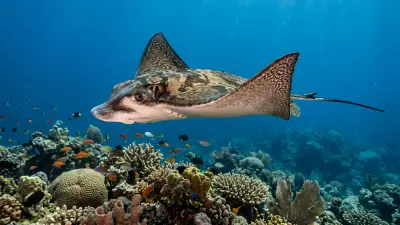
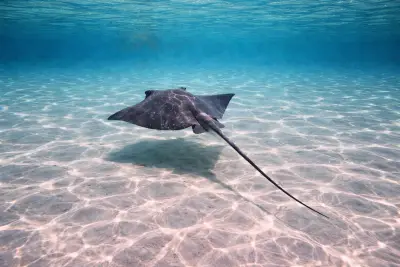
Cuevitas is home to various reef creatures, with common sightings including octopus, sea cicadas, lobsters, and giant crabs, often found hidden within the coral and rocky structures. Rays and stingrays are also occasionally spotted. The site features healthy coral formations, providing a rich environment for smaller reef fish and invertebrates.
Are there strong currents at Cuevitas?
Currents at Cuevitas can range from 1 to 3 knots and may sometimes be strong, with potential for surge. Divers should be prepared for varying conditions and possess good buoyancy control. Dive operators typically plan dives during calmer periods, often in the mornings, but awareness of potential current is important for a safe and enjoyable dive.
Is Cuevitas suitable for beginners?
While the average depth is suitable for Open Water divers, the presence of tunnels and potentially strong currents means it is better suited for divers who are comfortable with these conditions. It's a good site for certified divers looking to explore unique topography, but absolute beginners without any current experience might find it challenging.
What are the main features of the dive site's topography?
Cuevitas is primarily characterized by a succession of small, easily navigable tunnels and swim-throughs. The design of these tunnels allows divers to see the exit as they enter, providing a sense of security. The site also boasts healthy coral reefs, particularly fan and brain corals, creating an interesting and diverse underwater landscape for exploration.
Why dive Cuevitas from a liveaboard?
Cuevitas is one of Dominican Republic's signature dive sites. A liveaboard sleeps you on the water and puts you in the water for three to four guided dives per day, including dawn and night dives that day-boat operators rarely offer. You skip the daily commute back to port and reach quieter, less-crowded sites in the same region on a single trip.
Below are the liveaboards that include Cuevitas on their Dominican Republic itineraries.
Liveaboards diving Cuevitas
These liveaboards may visit Cuevitas on selected itineraries — the exact dive sites depend on departure, weather and conditions.
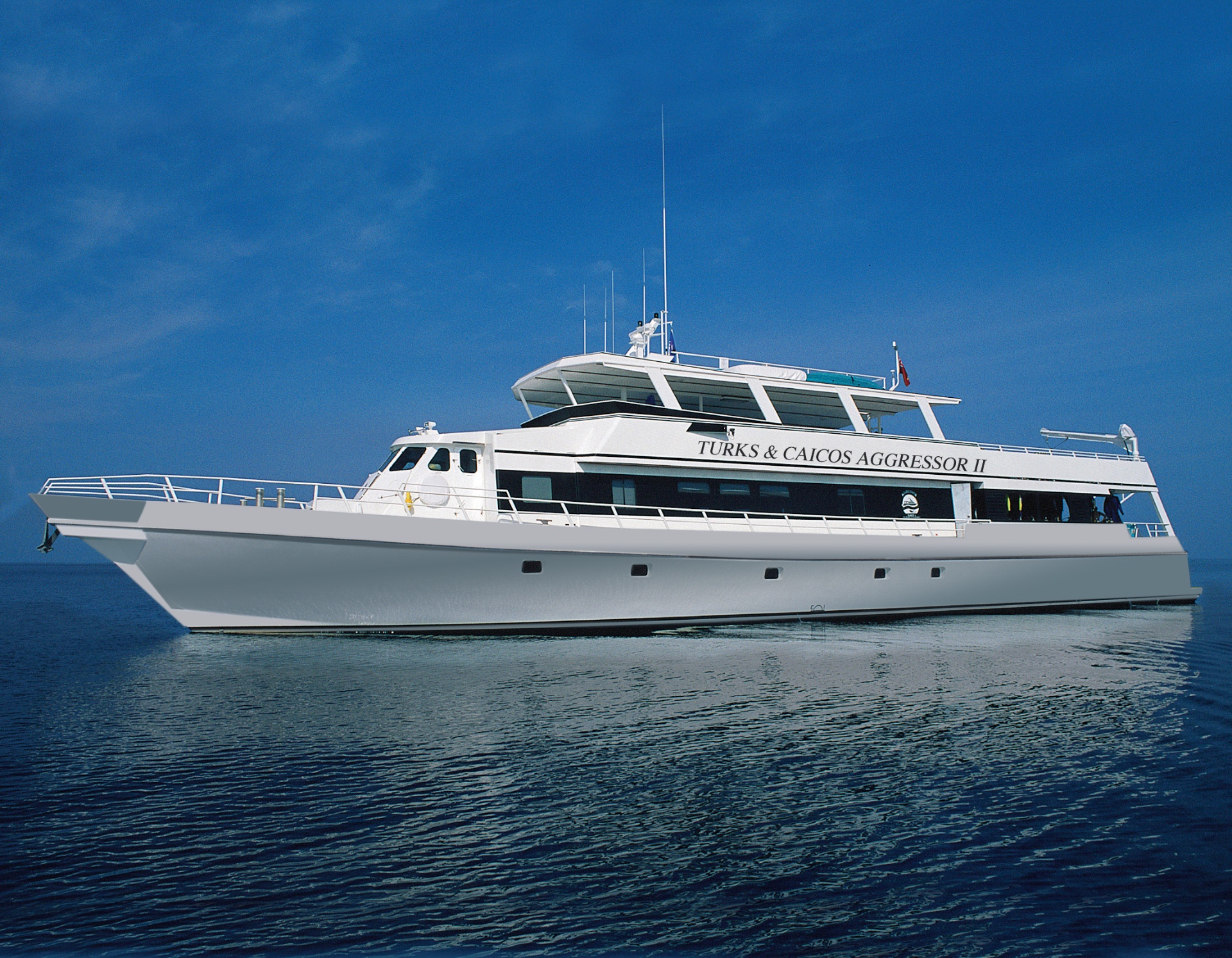
Turks & Caicos Aggressor II
Turks & Caicos
18 guests36.6 m
$287/day
Dive sites similar to Cuevitas
Same character, same waters — six more sites divers love for the exact same reasons.Compare seasons, access and liveaboard routes — then pick the site that fits your trip best.
© Esri — Maxar, Earthstar, GIS
Canal Saona
Dominican Republic
Saona Island Reef, located within Cotubanamá National Park off the southeastern coast of the Dominican Republic, is a well-regarded dive site known for its rich coral ecosystems and abundant marine species.
- Suitable for
- Intermediate
- Current
- Moderate
- Access
- Liveaboard or dayboat
- Depth
- 20–20 m
- Theme
- Reef
El Peñon is a highly-regarded dive site located within the protected Parque Nacional del Este, near Bayahibe in the Dominican Republic.
- Suitable for
- Beginner
- Current
- No current
- Access
- Dayboat
- Depth
- 7–28 m
- Theme
- Reef
The Polyxeni wreck is the remains of a Greek freighter, located within the Silver Bank, a designated marine mammal sanctuary approximately 70 to 85 miles north of the Dominican Republic's coast, near Puerto Plata.
- Suitable for
- Beginner
- Current
- No current
- Access
- Liveaboard only
- Depth
- ≤ 13 m
- Theme
- Reef
© Esri — Maxar, Earthstar, GIS
Coral Garden
Dominican Republic
Coral Garden is a significant dive site in the Dominican Republic, featuring an impressive brain coral that has thrived for over 400 years, establishing it as a natural monument.
- Suitable for
- Beginner
- Current
- Moderate
- Access
- Liveaboard or dayboat
- Depth
- 10–12 m
- Theme
- Reef
El Limón is a notable shipwreck site located within the La Caleta Underwater National Park, close to Santo Domingo.
- Suitable for
- Advanced
- Current
- Mild
- Access
- Dayboat
- Depth
- 30–30 m
- Theme
- Wreck / Reef
© Esri — Maxar, Earthstar, GIS
Sosua Marine Reserve
Dominican Republic
The Sosua Marine Reserve offers a premier diving experience directly accessible from Playa Sosua on the north coast of the Dominican Republic.
- Suitable for
- Beginner
- Current
- Mild
- Access
- Dayboat
- Depth
- 5–18 m
- Theme
- Reef