About The Sapona
The SS Sapona is an iconic dive site located just offshore of Bimini, Bahamas, resting in remarkably shallow water. This unique concrete-hulled cargo steamer, built in 1911, ran aground during a hurricane in 1926. Its subsequent history includes serving as a Prohibition-era rum running base and later as a target for military practice during World War II, leaving a fascinating, battle-scarred wreck to explore. Today, it stands as a dramatic landmark visible from the surface, inviting divers and snorkelers alike. The wreck is situated in approximately 4.5 to 5.5 meters (15-18 feet) of water, with much of its structure still intact above and below the waterline. Divers can navigate through broken hull sections and peer into old storage rooms. The shallow depth ensures ample natural light, illuminating the intricate details of the ship and the vibrant marine growth that now covers its surfaces. Over time, the Sapona has transformed into a thriving artificial reef, providing habitat for a variety of marine species. You will commonly encounter schools of French grunts and soldierfish hovering above the debris, while nurse sharks often seek refuge and rest beneath the wreck's stern. The site’s abundant marine life also includes creole wrasse, and occasionally, turtles. This accessible wreck dive is suitable for nearly all experience levels, from beginners to experienced photographers. Its clear, warm waters and proximity to shore make it a popular and rewarding destination, offering a blend of history and vibrant underwater ecosystems.
Highlights
Historic concrete hull wreckShallow, accessible depthProhibition-era historyWorld War II target practiceAbundant schools of fishResting nurse sharksVisible from surface
Season calendar
Best months to dive here
Jan
Feb
Mar
Apr
May
Jun
Jul
Aug
Sep
Oct
Nov
Dec
Excellent
Good
Dive site facts: The Sapona
- Depth
- 4.5–5.5 m (15–18 ft)
- Typical dive
- 4.5–5.5 m, 45-60 min
- Current
- Mild
- Visibility
- 24–30 m (80–100 ft)
- Water temperature
- 24–30°C (75–86°F)
- Entry
- Boat / Easy entry
- Level
- Beginner to advanced
- Dive type
- Wreck, reef, photography
- Region / port
- Bimini, Bahamas
- Coordinates
- 25.6513° N, 79.2936° W
Conditions & Currents
The Sapona typically experiences mild currents due to its shallow, somewhat protected location, making it suitable for divers of all levels. However, Bimini's location at the edge of the Great Bahama Bank near the Gulf Stream means that nearby deeper sites can encounter strong currents, which might occasionally influence surface conditions or drift around the wreck. Visibility at The Sapona is consistently excellent, often stretching 24 to 30 meters (80 to 100 feet) year-round, thanks to the clear waters. Entry and exit are generally straightforward, often directly from a boat. Divers should be aware that while the wreck is shallow, the exposed nature can sometimes lead to minor surface chop, but this rarely impacts the underwater experience.
Marine life & sighting chances
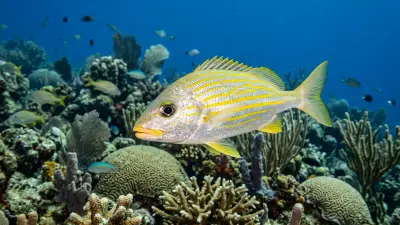
French Grunt
common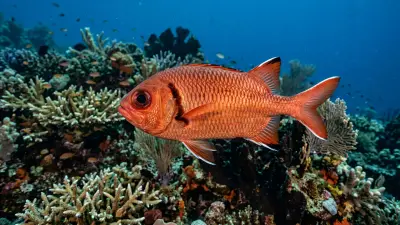
Soldierfish
common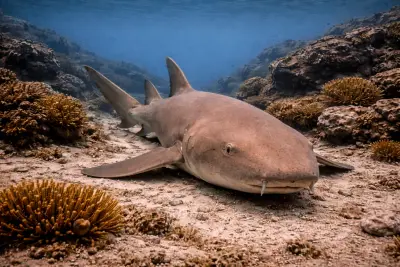
Nurse Shark
occasional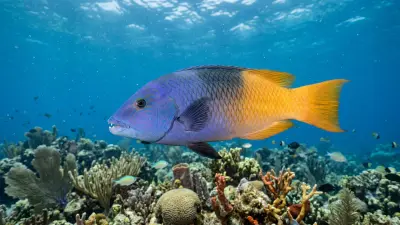
Creole Wrasse
common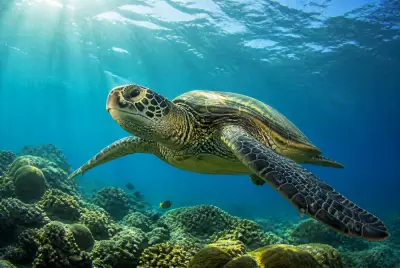
Sea Turtle
occasional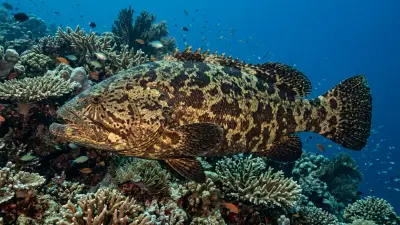
Grouper
occasional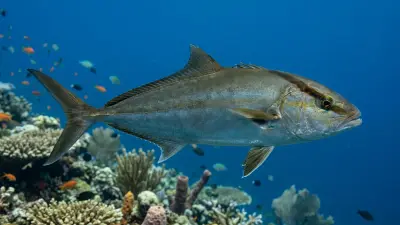
Jack
occasional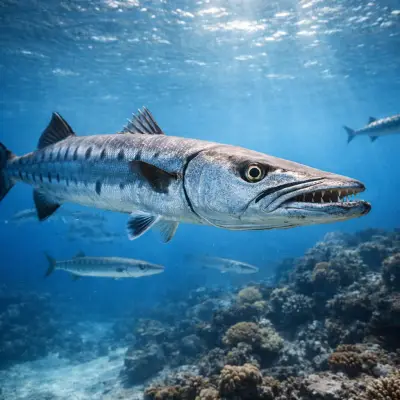
Barracuda
occasional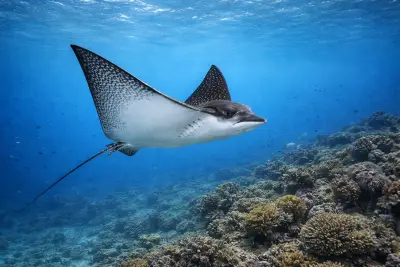
Dive profile & how the dive runs
Diving The Sapona typically begins with a short boat ride from Bimini. Upon arrival, divers make a giant stride entry directly onto the wreck in about 4.5 to 5.5 meters of water. The dive profile involves exploring the various sections of the exposed and submerged concrete hull. You can swim through broken compartments and observe the structural remnants used for rum running and target practice. The route often guides divers around the entire wreck, with ample time to observe the marine life congregating on and around the structure, particularly the schools of grunts and soldierfish. Nurse sharks are frequently found resting under the stern section of the wreck. Given the shallow depth, bottom time is generous, allowing for a leisurely exploration. The dive concludes with a direct ascent to the surface, as a safety stop can be easily performed anywhere on the wreck's shallow structure or near the surface, usually with the boat close by.
Underwater photography
The SS Sapona is an exceptional site for underwater photography, particularly due to its shallow depth and historical context. Wide-angle lenses are ideal for capturing the grandeur of the wreck, including its distinctive concrete hull and the surrounding schools of fish. With abundant natural light, even during overcast conditions, strobes can be used to bring out the vibrant colors of the marine growth and reef fish. For macro opportunities, look for smaller critters within the encrusted sections of the wreck. Photographers should maintain excellent buoyancy control to avoid contact with the fragile marine life and the wreck itself. The site's clear water and sunny conditions make it perfect for capturing both dramatic topside-underwater split shots and vivid reef scenes.
Combine with nearby dive sites
- Bimini Barge
A deeper wreck for advanced divers, typically 24-30 meters.
- Rainbow Reef
Shallow ledges in a protected marine sanctuary, ideal for beginners.
- Victory Reef
A sloping wall with overhangs and caverns, known for pelagic sightings.
- Tuna Alley
Part of Victory Reef, renowned for pelagic fish migration.
- The Nodules
A deep wall dive site with unique geological formations.
- The Bimini Road
A mysterious formation of rectangular limestone blocks in shallow water.
Getting there & logistics
Access to Bimini and The Sapona is typically via Miami, Florida, which is just 50 miles away. Travelers can fly into Lynden Pindling International Airport (NAS) in Nassau, then take a commuter plane or ferry to Bimini. Alternatively, flights to Bimini are available directly from some Florida airports. Liveaboards to Bimini often depart from Florida ports like Riviera Beach, offering week-long itineraries that combine wreck dives, reef explorations, and shark encounters. Day trips from Bimini resorts are also common for visiting The Sapona, as it's a short boat ride from local docks. Permits for diving The Sapona are generally handled by local dive operators and are included in dive trip costs; no specific individual permits are usually required.
Safety & environment
Diving The Sapona is generally considered safe due to its shallow depth and mild currents, making it suitable for all levels of certified divers. However, all divers should carry valid dive insurance. The nearest recompression chamber is located in Miami, Florida, approximately 50 miles away, emphasizing the importance of adherence to dive limits and good health. Evacuation for serious dive emergencies would require sea or air transport to Miami. Site-specific hazards include sharp edges on the decaying wreck, so maintain good buoyancy and avoid contact. Watch for fire coral, and be aware of potential boat traffic, though operators typically ensure a safe diving zone. Always dive with a reputable local guide who understands the site and its conditions.
Who it suits — and who it doesn't
Suited for
- Beginner divers seeking an accessible wreck
- Photographers looking for unique shallow wreck opportunities
- Snorkelers and freedivers
- History enthusiasts interested in Prohibition-era artifacts
- Families with mixed-experience divers
Less suited for
- Divers seeking challenging deep wreck penetration
- Those uninterested in historical sites
- Divers solely focused on pelagic encounters at depth
- Individuals prone to seasickness on short boat rides
FAQ
The Sapona FAQ
What is the history behind The Sapona wreck?
The SS Sapona was a concrete-hulled cargo ship built in 1911 that ran aground during a hurricane in 1926. After its stranding, it gained notoriety during the Prohibition era as a rum running base, strategically located to offload illicit alcohol. Later, during World War II, it was used by the U.S. Army Air Forces and U.S. Navy for target practice, contributing to its current broken state and intriguing appearance.
How deep is the SS Sapona wreck, and what is the visibility like?
The SS Sapona rests in remarkably shallow waters, typically between 4.5 to 5.5 meters (15-18 feet) deep. This shallow depth makes it highly accessible for divers and snorkelers alike. Visibility at the site is consistently excellent, often ranging from 24 to 30 meters (80 to 100 feet), providing clear views of the wreck and its abundant marine life.
What kind of marine life can I expect to see at The Sapona?
The Sapona has transformed into a vibrant artificial reef, attracting a variety of marine species. You can commonly spot large schools of French grunts and soldierfish congregating around the wreck. Nurse sharks are frequently observed resting under the sheltered sections of the stern. Occasional sightings include creole wrasse, various reef fish, and sea turtles.
Is The Sapona suitable for beginner divers and snorkelers?
Yes, The Sapona is an ideal site for both beginner divers and snorkelers due to its shallow depth, mild currents, and excellent visibility. Its accessible nature allows those with limited experience to comfortably explore a fascinating historical wreck and encounter marine life. It's also a popular spot for snorkeling right from the surface.
Are there any hazards to be aware of when diving The Sapona?
While generally safe, divers should be mindful of sharp edges and rusted metal on the decaying wreck, maintaining good buoyancy control to avoid contact. Fire coral is also present on some parts of the structure. Always follow your dive guide's instructions and ensure you have proper dive insurance, as the nearest recompression chamber is located off-island.
Why dive The Sapona from a liveaboard?
The Sapona is one of Bahamas's signature dive sites. A liveaboard sleeps you on the water and puts you in the water for three to four guided dives per day, including dawn and night dives that day-boat operators rarely offer. You skip the daily commute back to port and reach quieter, less-crowded sites in the same region on a single trip.
Below are the liveaboards that include The Sapona on their Bahamas itineraries.
Liveaboards diving The Sapona
These liveaboards may visit The Sapona on selected itineraries — the exact dive sites depend on departure, weather and conditions.
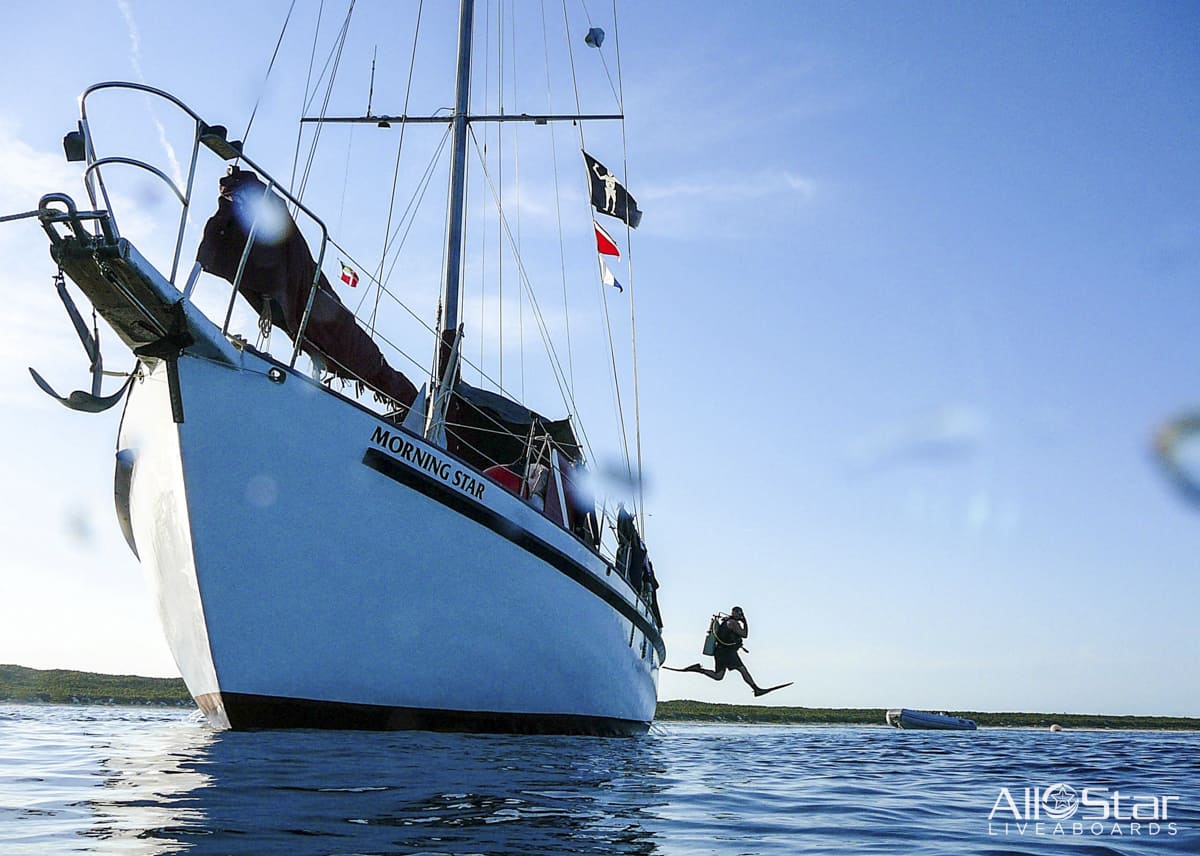
All Star Blackbeards Morning Star
Bahamas
24 guests19.81 m
$156/day
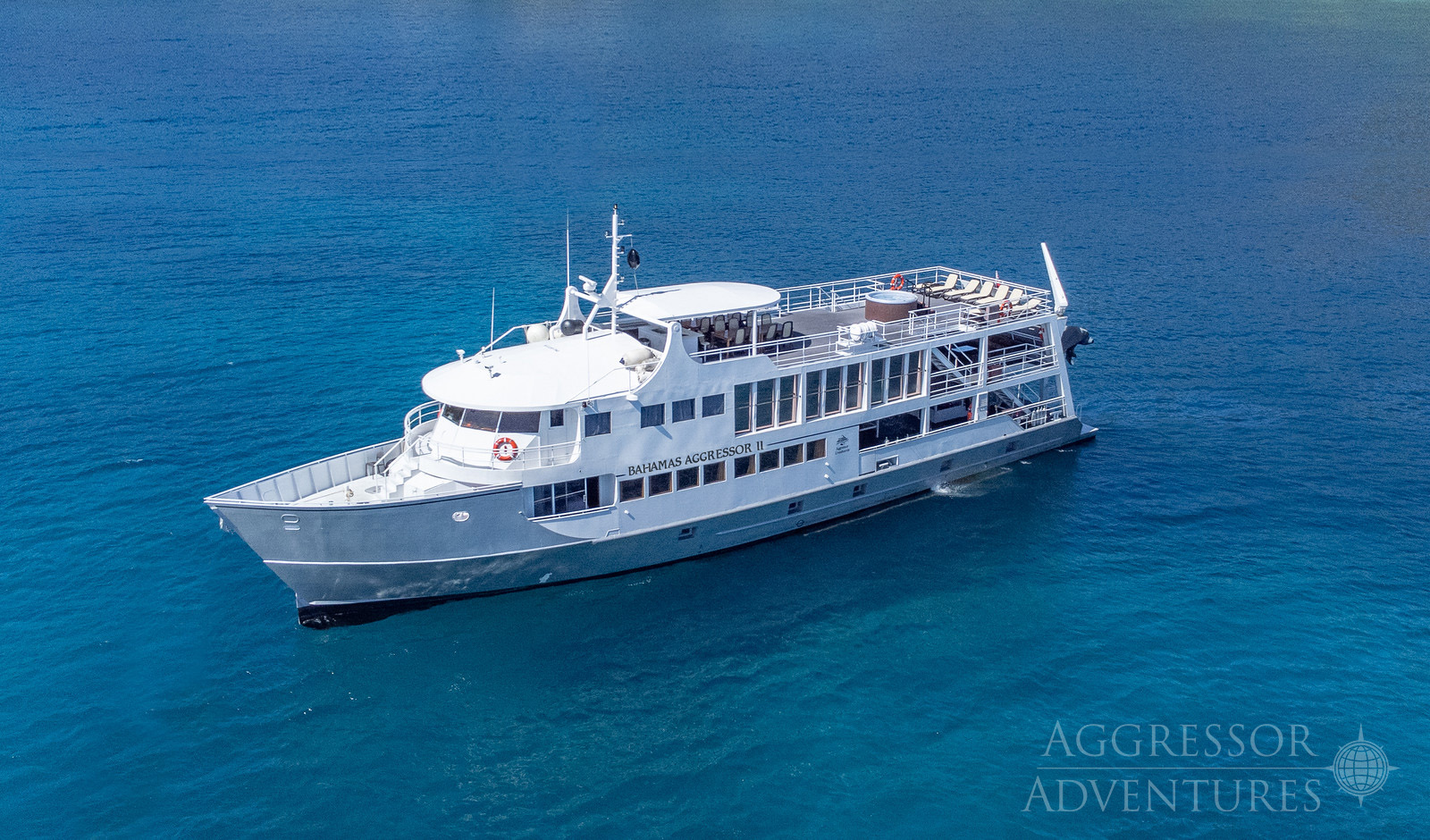
Bahamas Aggressor II
Bahamas
20 guests33.5 m
$328/day
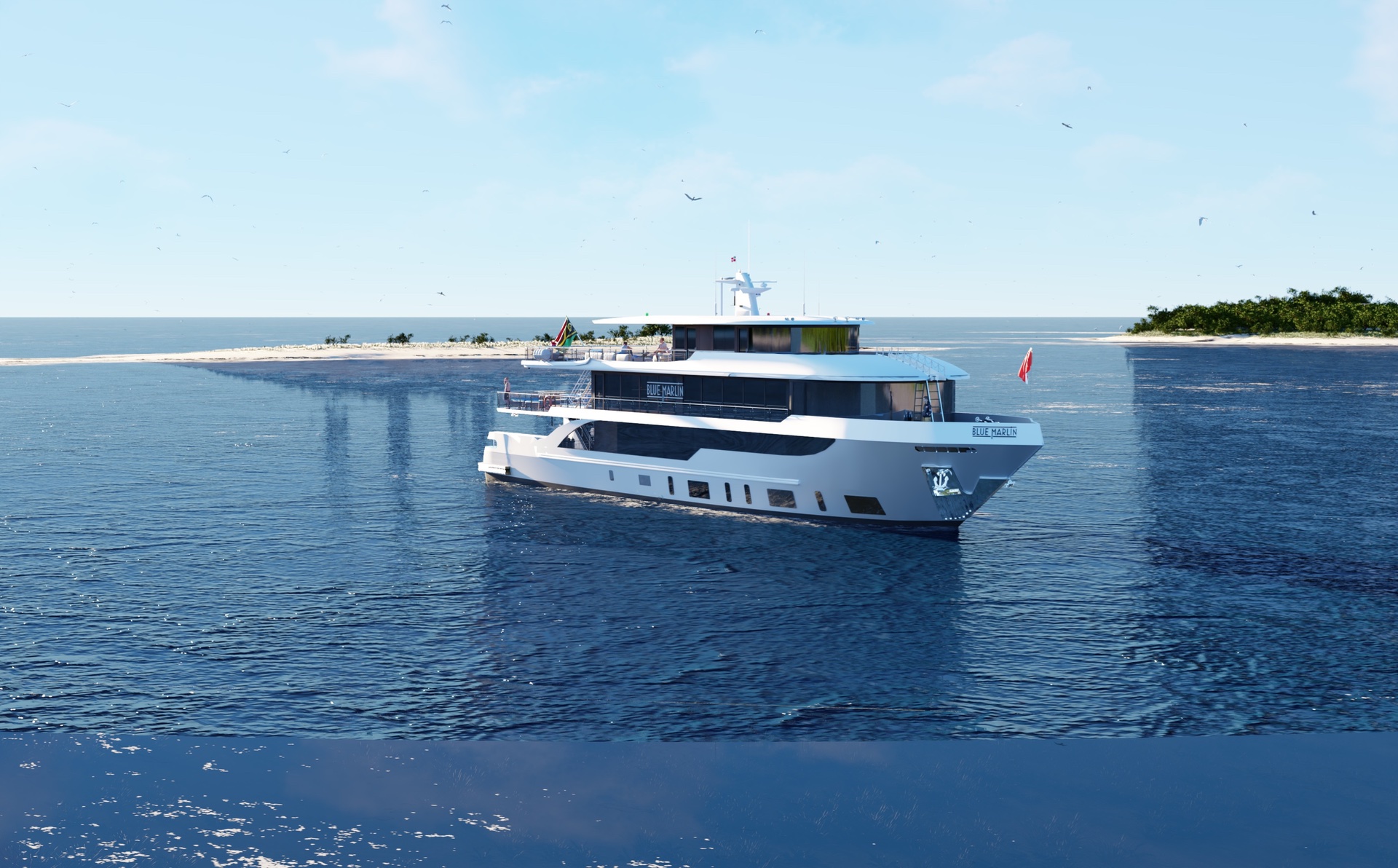
Blue Marlin
Bahamas
26 guests42 m
$318/day
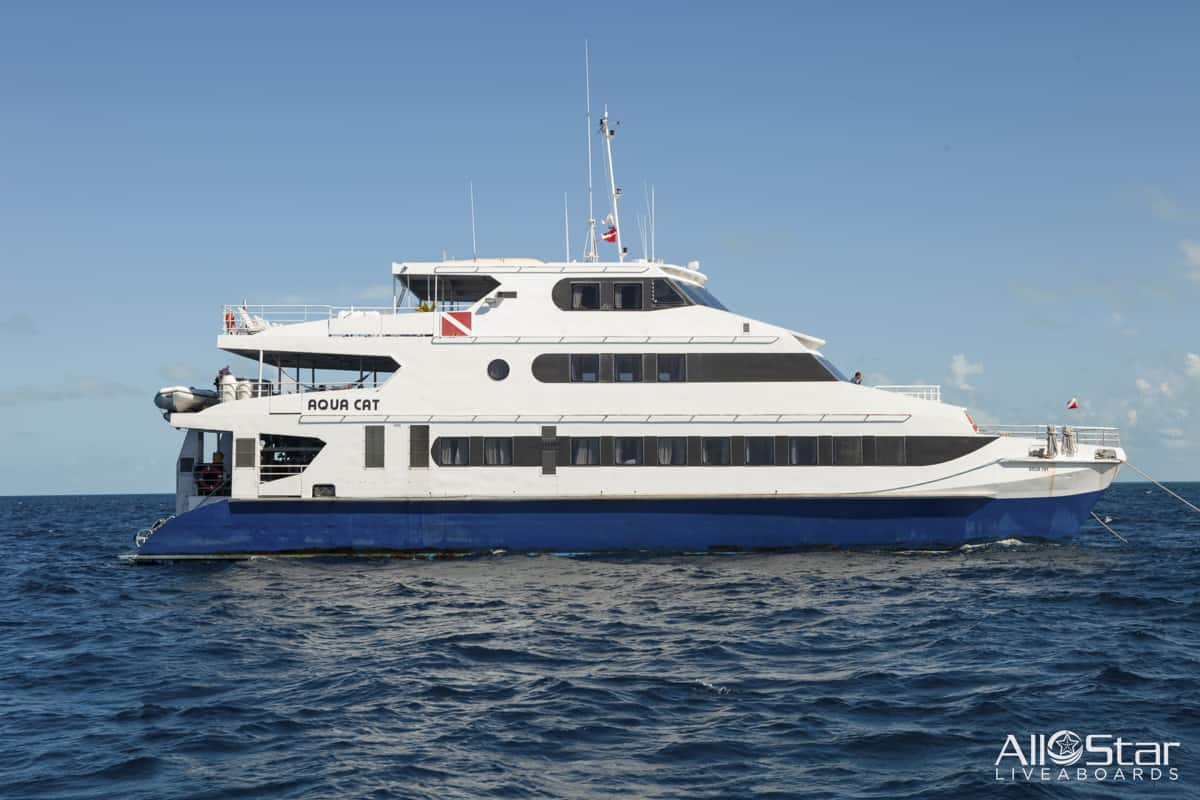
All Star Aqua Cat
Bahamas
30 guests31.09 m
$312/day
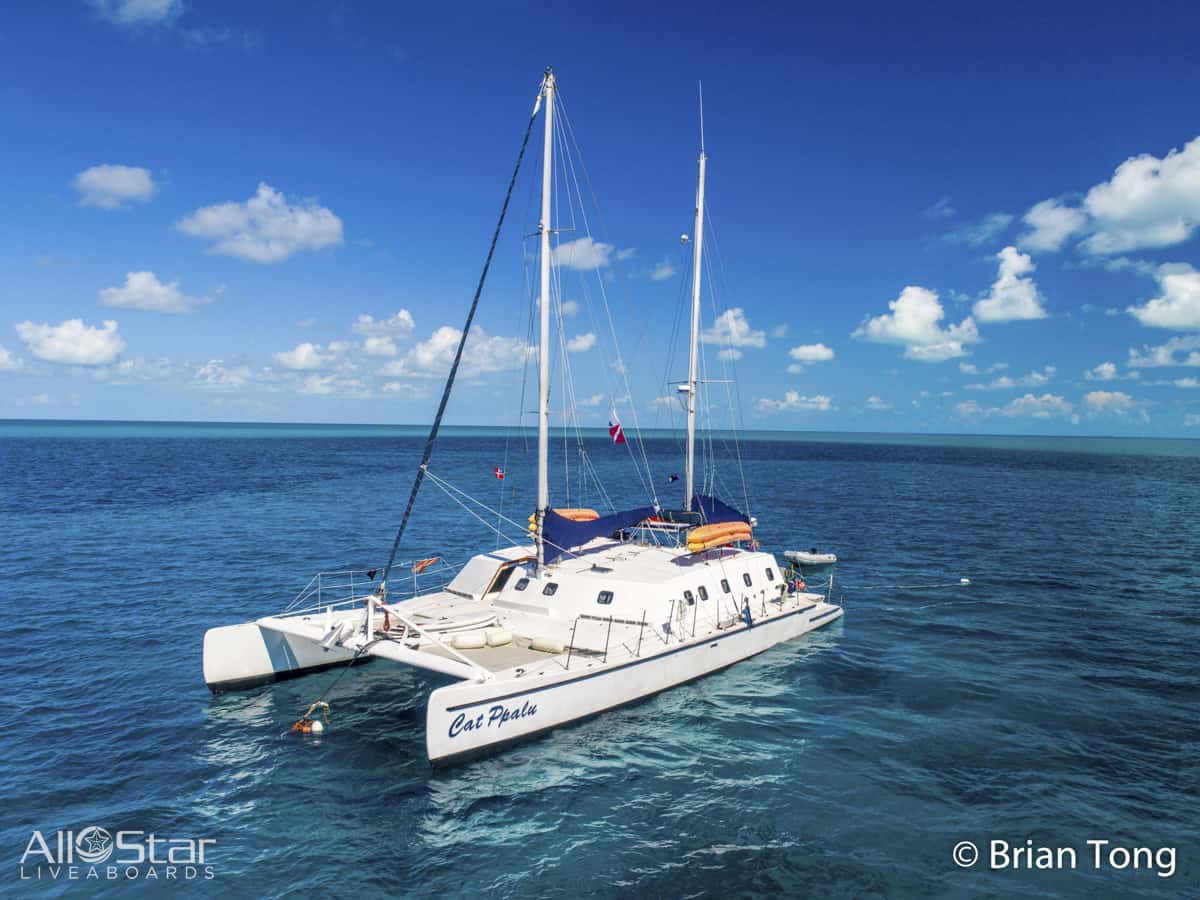
All Star Cat Ppalu
Bahamas
12 guests20 m
$237/day
Dive sites similar to The Sapona
Same character, same waters — six more sites divers love for the exact same reasons.Compare seasons, access and liveaboard routes — then pick the site that fits your trip best.
© Esri — Maxar, Earthstar, GIS
The Bimini Barge
Bahamas
The Bimini Barge is a prominent wreck dive located on the extreme northwestern edge of the Great Bahama Bank, just a short distance from the deep wall and the powerful Gulf Stream currents.
- Suitable for
- Intermediate
- Current
- Moderate
- Access
- Liveaboard or dayboat
- Depth
- 30–30 m
- Theme
- Wreck / Drift
© Esri — Maxar, Earthstar, GIS
Austin Smith Wreck
Bahamas
The Austin Smith Wreck, originally named HMBS Flamingo, was a 90-foot Bahamian Defense Force cutter that was decommissioned in 1995. Intended for use as an artificial reef, it…
- Suitable for
- Intermediate
- Current
- Moderate
- Access
- Liveaboard only
- Depth
- 18–18 m
- Theme
- Wreck / Reef
© Esri — Maxar, Earthstar, GIS
Twin Sister Wrecks
Bahamas
The Twin Sister Wrecks offer a compelling paired wreck dive experience off New Providence, presenting two small tanker hulls that rest at differing depths.
- Suitable for
- Intermediate
- Current
- Mild
- Access
- Dayboat
- Depth
- 13–30 m
- Theme
- Wreck
The Vanaheim is a captivating wreck dive located off North Eleuthera, an island chain celebrated for its diverse underwater landscapes.
- Suitable for
- Beginner
- Current
- Mild
- Access
- Dayboat
- Depth
- 8–10 m
- Theme
- Wreck / Reef
The Carnarvon is a prominent wreck site located on the infamous Devil's Backbone, a shallow, rocky reef stretching along the northern coast of Eleuthera.
- Suitable for
- Beginner
- Current
- Mild
- Access
- Dayboat
- Depth
- 7–8 m
- Theme
- Wreck / Reef
© Esri — Maxar, Earthstar, GIS
Cobia Cage
Bahamas
The Cobia Cage off Eleuthera in the Bahamas presents a truly unique underwater landscape.
- Suitable for
- Beginner
- Current
- No current
- Access
- Liveaboard only
- Depth
- 15–27 m
- Theme
- Wreck