About Spanish Anchor
The Spanish Anchor dive site, also known as The Anchor or Whiteface, is located off the west coast of West Caicos Island in the Turks and Caicos. Its name comes from an encrusted antique anchor, believed to be from a 17th-century Spanish galleon, which is a focal point of the dive. The site is characterized by dramatic vertical walls that plunge into the abyss, adorned with large barrel, rope, and tube sponges. Divers navigate past this historical artifact, often found in a gully around 80 to 85 feet deep, and can explore impressive coral gardens. The clear waters offer visibility often exceeding 100 feet, showcasing a diverse marine ecosystem. While the anchor itself is a highlight, the surrounding reef structures and the sheer wall are equally captivating. Marine life commonly observed includes reef sharks, hawksbill turtles, and various macro creatures such as frogfish, seahorses, and spotted drums. The site's proximity to deeper waters means occasional sightings of larger pelagic species. Dives here typically involve exploring the wall and shallower reef areas, offering a varied experience for divers of different skill levels. This site is part of the larger West Caicos diving region, known for its electrifying walls and abundant marine biodiversity. It is generally accessed via boat from Providenciales, often included in liveaboard itineraries that explore the uninhabited islands.
Highlights
17th-century Spanish anchorDramatic vertical wallsLarge barrel and tube spongesReef sharks and hawksbill turtlesMacro life, including seahorsesExceptional water clarityDeep gully exploration
Season calendar
Best months to dive here
Jan
Feb
Mar
Apr
May
Jun
Jul
Aug
Sep
Oct
Nov
Dec
Excellent
Good
Dive site facts: Spanish Anchor
- Depth
- 15–30 m (50–98 ft)
- Typical dive
- 15–21 m, 45–50 min
- Current
- Mild
- Visibility
- 15–30 m
- Water temperature
- 23–30 °C
- Entry
- Boat
- Level
- Intermediate
- Dive type
- Wall, historical, reef
- Night dive
- Possible
- Region / port
- West Caicos, Providenciales
- Coordinates
- 21.695, -72.48
Conditions & Currents
Spanish Anchor experiences mild currents, making it suitable for a wide range of divers. There is no significant surge reported at the site, which contributes to comfortable diving conditions. Visibility often exceeds 100 feet, providing expansive views of the wall and its inhabitants. Entry is typically by boat, with divers descending directly onto the reef. While thermoclines are not prominently mentioned, water temperatures can vary seasonally, with cooler temperatures in winter. Divers should always check local conditions as currents can occasionally pick up, especially along the wall, requiring appropriate finning techniques to conserve air and energy.
Marine life & sighting chances
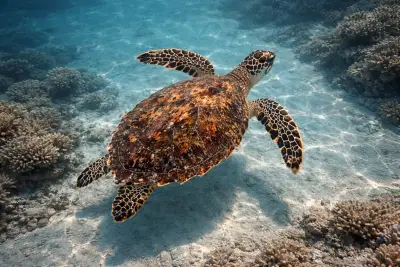
Hawksbill turtle
common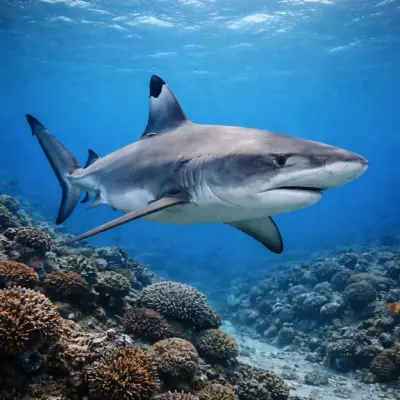
Reef shark
common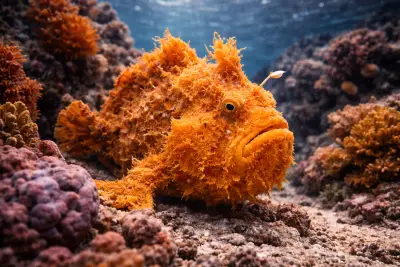
Frogfish
occasional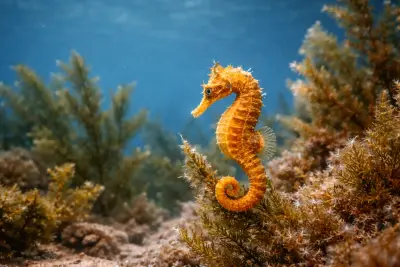
Seahorse
occasional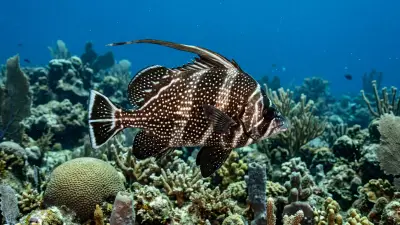
Spotted drum
occasional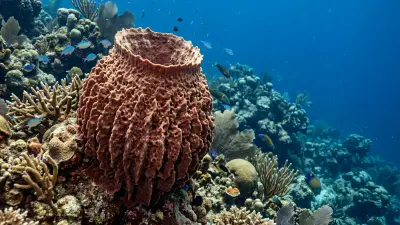
Barrel sponge
common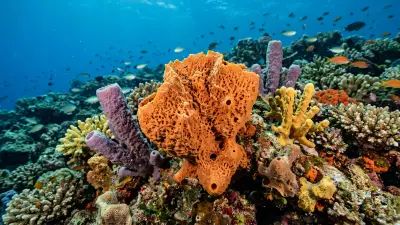
Rope sponge
common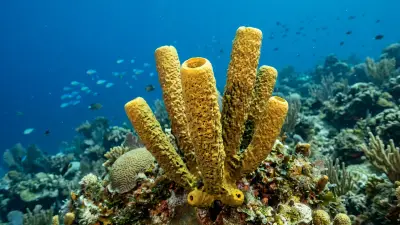
Tube sponge
common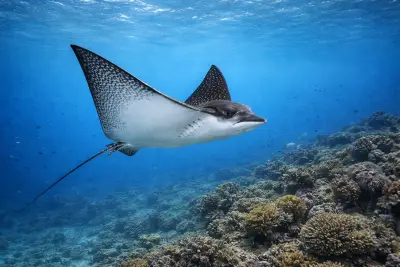
Eagle ray
occasional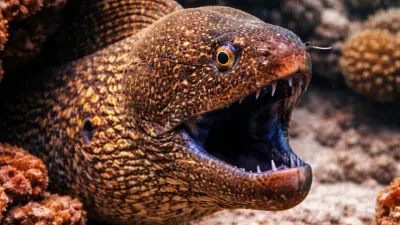
Moray eel
occasional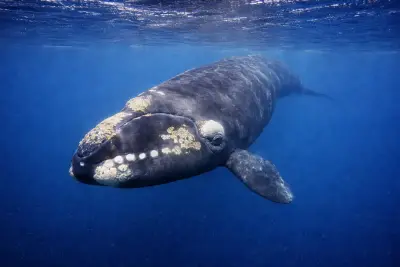
Southern ray
occasional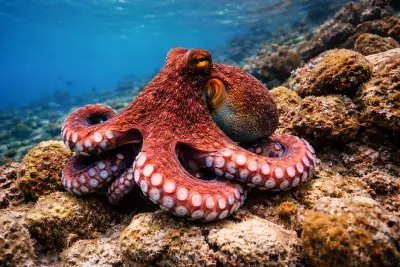
Octopus
occasionalDive profile & how the dive runs
Diving at Spanish Anchor typically begins with a boat entry, descending to approximately 50 feet where you find the reef leading towards the wall. The main attraction, the encrusted Spanish anchor, rests in a gully between 80 to 85 feet, often reached by navigating a swim-through. After exploring the anchor and its immediate surroundings, the dive usually follows the sheer vertical wall, which is adorned with vast sponges and coral formations. Divers can ascend gradually along the wall, observing macro life in the coral gardens and looking for reef sharks cruising along the reef top. The dive concludes with a safety stop at around 15 feet, often near the boat, before surfacing.
Underwater photography
Spanish Anchor offers excellent photographic opportunities for both wide-angle and macro enthusiasts. For wide-angle shots, focus on the dramatic vertical wall formations, the large barrel and tube sponges, and the impressive historical anchor. The exceptional visibility makes it ideal for capturing expansive underwater landscapes and pelagic encounters, so a fisheye or wide-angle lens is recommended. For macro photography, explore the coral gardens and crevices for elusive frogfish, seahorses, and spotted drums. Maintaining excellent buoyancy control is crucial, especially near the delicate wall corals and while framing macro subjects. External strobes are highly beneficial to bring out the vibrant colors of the sponges and corals, which can appear muted at depth.
Combine with nearby dive sites
- Magic Mushroom
Another West Caicos site, known for its distinctive rock formation and vibrant reef.
- The Amphitheatre
Located at Northwest Point, featuring a large bowl-shaped formation and diverse marine life.
- Thunderdome
A unique artificial reef at Northwest Point from a former TV game show set.
- Double D
Near French Cay, known for its twin pinnacles, strong currents, and pelagic activity.
- G Spot
A French Cay site with a distinct reef dip and abundant black corals, groupers, and sharks.
Getting there & logistics
Diving Spanish Anchor primarily involves liveaboard trips or day boats departing from Providenciales, which hosts the international airport (PLS). Flights typically arrive from major North American and European cities. From Provo, dive operations reach West Caicos, where Spanish Anchor is located. Trips often combine dives at Spanish Anchor with other sites around West Caicos and French Cay, offering multi-day itineraries. There are no specific permits required for diving this site, and boat entry is standard. Divers should ensure their dive insurance is up-to-date, especially for liveaboard excursions.
Safety & environment
Safety at Spanish Anchor, like all Turks and Caicos dive sites, prioritizes conservative diving practices. The nearest recompression chamber is located in Providenciales, highlighting the importance of avoiding decompression sickness by adhering to dive tables and computer limits. Emergency evacuation from West Caicos back to Providenciales would typically involve a boat transfer, followed by ground transport to medical facilities. Divers should ensure they have comprehensive dive insurance that covers medical emergencies and evacuation. Site-specific hazards are minimal due to mild currents, but maintaining situational awareness for other divers and boat traffic is important. Always dive with a reputable operator and follow your dive guide's instructions regarding entry, exit, and dive plan.
Who it suits — and who it doesn't
Suited for
- Divers interested in historical artifacts
- Underwater photographers seeking macro and wide-angle opportunities
- Intermediate divers comfortable with wall diving
- Divers looking for abundant sponge and coral formations
- Those who appreciate excellent visibility
Less suited for
- Absolute beginner divers with no open water experience
- Divers seeking exclusively pelagic encounters
- Individuals uncomfortable with depths beyond 20 meters
- Those who prefer shallow reef dives over wall dives
FAQ
Spanish Anchor FAQ
What makes the Spanish Anchor dive site unique?
The Spanish Anchor dive site is unique for its historical artifact: a centuries-old anchor, believed to be from a Spanish galleon, encrusted in coral. This adds a fascinating historical element to the natural beauty of the dramatic vertical wall and vibrant reef formations. It's a blend of history and marine biodiversity.
What kind of marine life can I expect to see at Spanish Anchor?
At Spanish Anchor, you can expect to encounter common reef sharks and hawksbill turtles, frequently seen cruising the wall. The reef also hosts a variety of macro life such as frogfish, seahorses, and spotted drums. Large barrel, rope, and tube sponges are abundant, providing habitat for many smaller reef fish.
What is the typical depth and visibility at Spanish Anchor?
The typical depth for diving at Spanish Anchor ranges from 15 to 30 meters, with the anchor itself often found between 24 to 26 meters. Visibility at this site is generally excellent, frequently exceeding 30 meters, offering clear views of the wall and its abundant marine life.
Is Spanish Anchor suitable for all diver levels?
Spanish Anchor is generally recommended for intermediate divers due to its wall diving characteristics and depths. While currents are usually mild, comfort with deeper profiles and managing buoyancy along a vertical wall is beneficial. It might not be ideal for absolute beginners who prefer very shallow and calm conditions.
How do I get to the Spanish Anchor dive site?
Access to Spanish Anchor is primarily via boat, either through day trips from Providenciales or as part of a liveaboard itinerary. Providenciales is the main hub with an international airport, and dive operators regularly schedule trips to the West Caicos region, where the site is located.
When is the best time of year to dive Spanish Anchor?
The best time to dive Spanish Anchor is typically from April to October. During these months, the water temperature is warmer, ranging from 26°C to 30°C, and surface conditions are generally calmer. However, diving is possible year-round, with cooler water temperatures in winter months.
Why dive Spanish Anchor from a liveaboard?
Spanish Anchor is one of Turks & Caicos's signature dive sites. A liveaboard sleeps you on the water and puts you in the water for three to four guided dives per day, including dawn and night dives that day-boat operators rarely offer. You skip the daily commute back to port and reach quieter, less-crowded sites in the same region on a single trip.
Below are the liveaboards that include Spanish Anchor on their Turks & Caicos itineraries.
Liveaboards diving Spanish Anchor
These liveaboards may visit Spanish Anchor on selected itineraries — the exact dive sites depend on departure, weather and conditions.
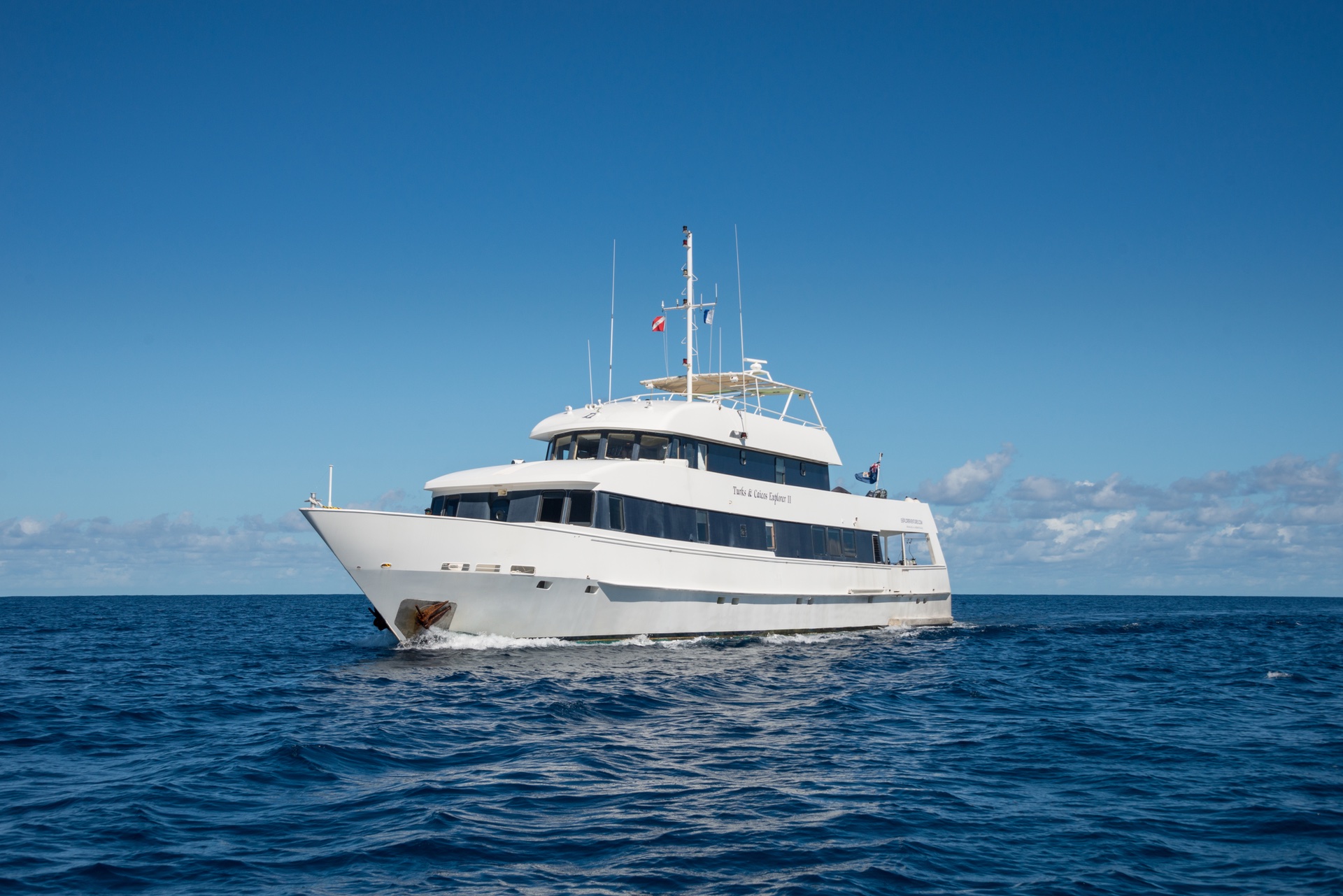
Turks and Caicos Explorer II
Turks & Caicos
20 guests
$287/day
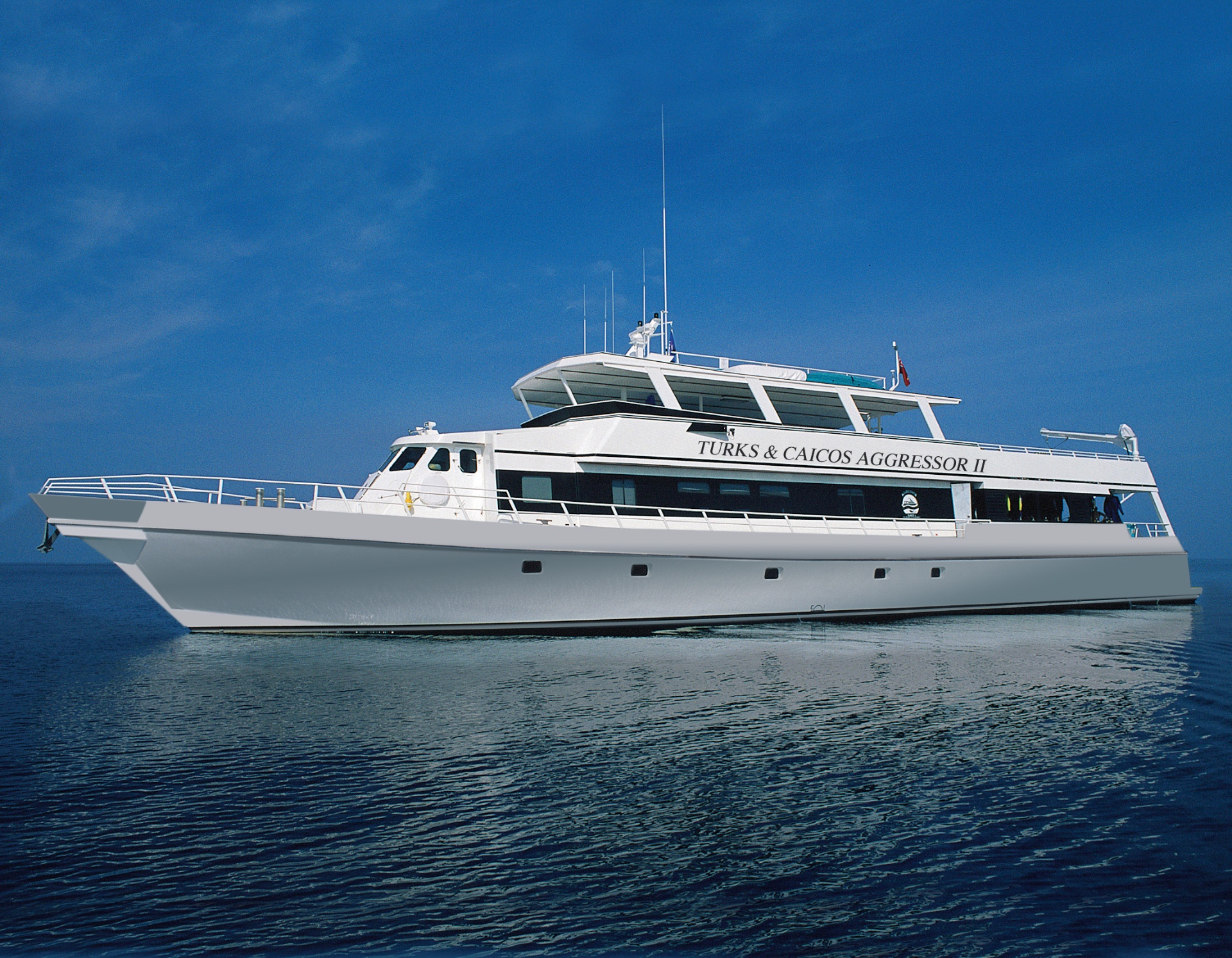
Turks & Caicos Aggressor II
Turks & Caicos
18 guests36.6 m
$287/day
Dive sites similar to Spanish Anchor
Same character, same waters — six more sites divers love for the exact same reasons.Compare seasons, access and liveaboard routes — then pick the site that fits your trip best.
© Esri — Maxar, Earthstar, GIS
Coral Gables
Turks & Caicos
Coral Gables is a popular dive site situated within Grace Bay, off Providenciales in the Turks & Caicos Islands.
- Suitable for
- Beginner
- Current
- Strong
- Access
- Liveaboard or dayboat
- Depth
- 10–25 m
- Theme
- Reef / Wall
© Esri — Maxar, Earthstar, GIS
Magic Mushroom
Turks & Caicos
Magic Mushroom is a captivating dive site situated off West Caicos, just north of the Yankee Town ruins.
- Suitable for
- Beginner
- Current
- Strong
- Access
- Shore / dayboat
- Depth
- 12–24 m
- Theme
- Wall
© Esri — Maxar, Earthstar, GIS
Thunderdome
Turks & Caicos
Thunderdome is an extraordinary dive site located at Northwest Point in Turks & Caicos, featuring a submerged metal dome structure with a fascinating origin story.
- Suitable for
- Beginner
- Current
- Mild
- Access
- Liveaboard or dayboat
- Depth
- 5–15 m
- Theme
- Wall
The Cathedral dive site is nestled in the Grace Bay area of Providenciales, Turks & Caicos, offering a convenient and iconic diving experience.
- Suitable for
- Intermediate
- Current
- Mild
- Access
- Liveaboard or dayboat
- Depth
- 9–40 m
- Theme
- Wall
© Esri — Maxar, Earthstar, GIS
Eagle Ray Pass
Turks & Caicos
Eagle Ray Pass is a notable dive site situated off Grace Bay in the Turks and Caicos Islands.
- Suitable for
- Intermediate
- Current
- Mild
- Access
- Liveaboard or dayboat
- Depth
- ≤ 30 m
- Theme
- Wall / Reef