About Tears of Allah
The `Tears of Allah` is a 92-foot tugboat meticulously sunk for the 1983 James Bond film "Never Say Never Again," starring Sean Connery. This intentional sinking transformed the vessel into an accessible and rewarding artificial reef off New Providence Island, making it a unique attraction for divers drawn to cinematic history beneath the waves. Its upright position on a fine white sand seafloor enhances the visual appeal, creating an atmospheric backdrop for exploration. The wreck's shallow depth, peaking at 45 feet, makes it suitable for various certification levels, while its generally calm environment is rarely affected by strong currents. A prominent feature is a gaping "torpedo" hole, offering an iconic photo opportunity. For appropriately qualified divers, limited penetration is possible to observe the impressive coral growth within. The `Tears of Allah` is now a thriving habitat supporting a diverse array of marine species, from shoals of colorful reef fish to barracuda and sea turtles. Just a two-minute swim away lies the framework of a Vulcan bomber mockup, also a former movie prop, further enriching the dive experience. Visibility consistently ranges from good to excellent, often between 50 and 130 feet, allowing snorkelers to even see the wrecks from the surface on clear days, showcasing the Bahamas' renowned underwater clarity.
Highlights
Famous James Bond movie wreck92-foot tugboat artificial reefAccessible shallow wreck diveGaping "torpedo" hole featureAdjacent Vulcan bomber wreckAbundant reef fish and turtlesExcellent wide-angle photographyConsistent clear visibility
Season calendar
Best months to dive here
Jan
Feb
Mar
Apr
May
Jun
Jul
Aug
Sep
Oct
Nov
Dec
Excellent
Good
Dive site facts: Tears of Allah
- Depth
- 14 m (45 ft) maximum
- Typical dive
- 9–14 m, 45–60 min
- Current
- Mild to none
- Visibility
- 15–40 m (50–130 ft)
- Water temperature
- 24–31°C (75–88°F)
- Entry
- Boat from New Providence
- Level
- Beginner to advanced
- Dive type
- Wreck, reef, photography
- Night dive
- Possible
- Region / port
- New Providence Island, Bahamas
- Coordinates
- 25.1007° N, 77.2600° W
Conditions & Currents
Currents at the `Tears of Allah` are typically rare and mild, contributing to its reputation as an uncomplicated wreck dive suitable for divers of all certification levels. The site’s location on a sandy seafloor means maintaining proper buoyancy and minimal finning is crucial to avoid stirring up fine sediment, which could temporarily reduce the otherwise crystal-clear visibility. The consistently clear waters, often between 15 to 40 meters, mean that visibility remains excellent even after storms, as tidal changes quickly sweep suspended sediments over the nearby Tongue-of-the-Ocean trench.
Marine life & sighting chances
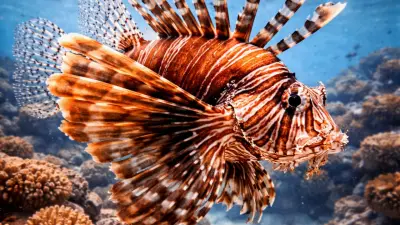
Lionfish
Year-round · common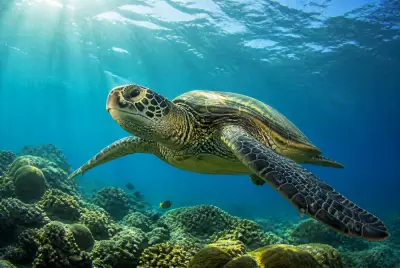
Sea turtle
Year-round · occasional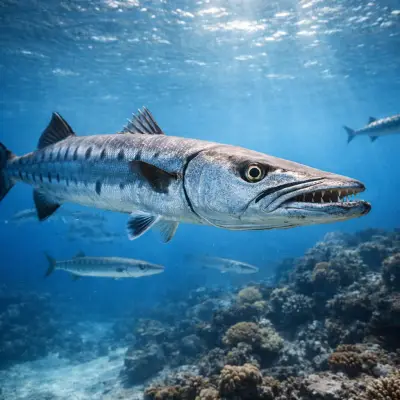
Barracuda
Year-round · common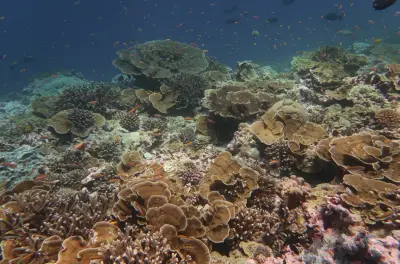
Reef fish (various)
Year-round · common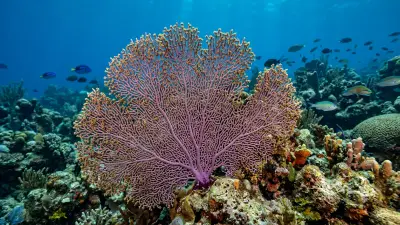
Sea fan
Year-round · common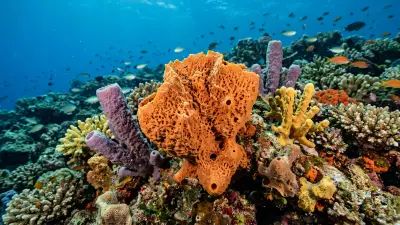
Sponge
Year-round · common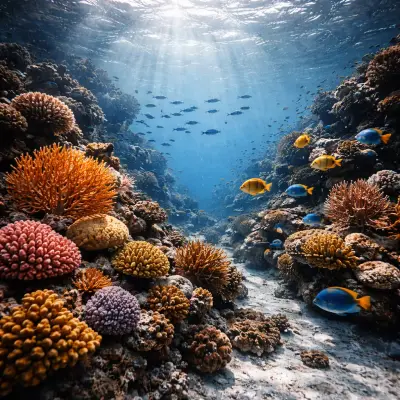
Fire coral
Year-round · common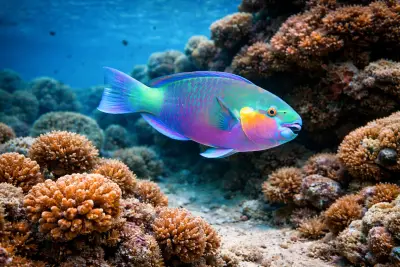
Parrotfish
Year-round · common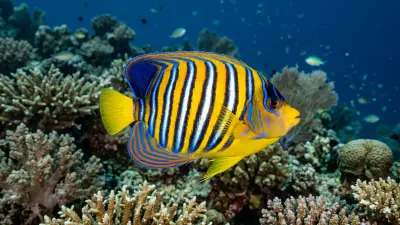
Angelfish
Year-round · common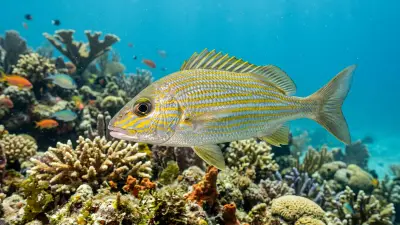
Grunt
Year-round · common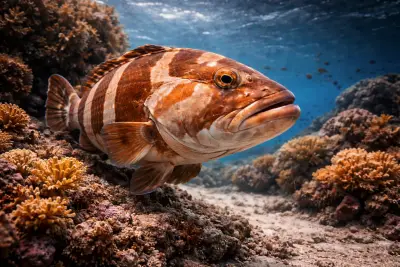
Nassau grouper
Year-round · occasional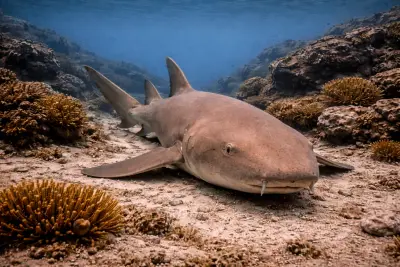
Nurse shark
Year-round · occasional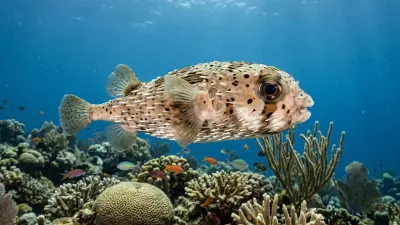
Porcupinefish
Year-round · occasionalDive profile & how the dive runs
Your dive at `Tears of Allah` typically begins with a short boat ride from New Providence, with direct entry onto the deeper of the two James Bond wrecks. Descending to the 92-foot tug, which sits upright on a sandy bottom at a maximum depth of 45 feet, you'll immediately encounter its cinematic history and developing marine life. The common route involves circumnavigating the tug, observing coral growth and resident fish, with a highlight being the distinctive "torpedo" hole in its side. From the bow of the `Tears of Allah`, a short two-minute swim leads to the adjacent Vulcan bomber mockup. After exploring the bomber's framework, which also hosts abundant marine life and corals, you will return towards the primary wreck. Due to the shallow depths, bottom times are generous, allowing for thorough exploration. Safety stops are conveniently conducted in the clear, shallow water above the wreck, providing extended viewing opportunities.
Underwater photography
The `Tears of Allah` offers exceptional opportunities for wide-angle photography, especially given its shallow depth and the consistent clarity of the water. A wide-angle or fisheye lens is ideal to capture the entire 92-foot tugboat, particularly showcasing its upright orientation and the famous "torpedo" hole. External strobes are recommended to bring out the vibrant colors of the corals and reef fish that have colonized the wreck, even with the ample natural light. When photographing inside the wreck or the bomber's framework, manage your buoyancy carefully to avoid disturbing the fine sand, which can quickly reduce visibility for both you and your fellow photographers. The adjacent Vulcan bomber mockup, with its intricate metal framework, also provides strong compositional elements for compelling images.
Combine with nearby dive sites
- Vulcan Bomber
Adjacent to Tears of Allah, a 2-minute swim away
- Bahama Mama
A 95-foot party boat wreck, now an artificial reef
- Southwest Reef
Expansive shallow reef with diverse corals and fish
- Porpoise Pens
Reef with high-profile coral heads and tropicals
- Schoolhouse
Shallow reef with friendly fish and surface-reaching coral heads
Getting there & logistics
Accessing `Tears of Allah` typically involves flying into Lynden Pindling International Airport (NAS) in Nassau, New Providence Island. From there, short boat rides, usually arranged by local dive operators like Stuart Cove's, transport divers to the site. The dive is commonly offered as part of daily boat trips departing from the southwest side of New Providence. Dive trips often combine the `Tears of Allah` with the nearby Vulcan bomber mockup, and sometimes other shallow reefs or wrecks in the area. No specific permits are generally required for diving this site beyond standard dive operator procedures. Liveaboard options focusing on New Providence are less common than day trips, but the island is a frequent stop for Bahamas liveaboards.
Safety & environment
For diving `Tears of Allah`, ensure you have adequate dive insurance, as the nearest recompression chamber is located in Nassau. While the site is shallow and currents are typically mild, practicing good buoyancy control is paramount to avoid stirring up the fine sandy bottom, which can impair visibility and impact the dive experience for others. Always dive with a reputable operator like Stuart Cove's, known for their professionalism and knowledge of local conditions. Emergency evacuation from New Providence is generally efficient due to its proximity to Nassau, but comprehensive medical and dive accident insurance is always a wise precaution when diving in the Bahamas.
Who it suits — and who it doesn't
Suited for
- Beginner divers seeking an easy wreck experience
- Underwater photographers due to excellent visibility and light
- Divers interested in movie history and artificial reefs
- Families with snorkelers who can also view the wrecks
- Divers seeking consistent warm water and calm conditions
Less suited for
- Technical divers looking for extreme depths
- Divers prioritizing strong currents or drift dives
- Those seeking pristine, untouched natural reefs only
- Divers uninterested in wreck exploration
- Individuals who struggle with buoyancy control over sand
FAQ
Tears of Allah FAQ
What is the `Tears of Allah`?
The `Tears of Allah` is a 92-foot tugboat that was intentionally sunk to serve as a prop for the 1983 James Bond film, "Never Say Never Again." Today, it functions as a vibrant artificial reef, attracting diverse marine life and offering a unique dive experience with a touch of Hollywood history.
How deep is the `Tears of Allah` wreck and who can dive it?
The `Tears of Allah` rests at a maximum depth of 45 feet (14 meters), making it an accessible dive for a wide range of divers. Its shallow nature means it's suitable for beginners, open water certified divers, and even snorkelers on clear days.
What marine life can I expect to see at `Tears of Allah`?
The wreck has become a haven for marine life, with common sightings including shoals of colorful reef fish, barracuda, and sea turtles. You can also observe various corals, sea fans, and sponges that have colonized the tugboat, creating a thriving ecosystem.
Can I penetrate the `Tears of Allah` wreck?
For divers with appropriate qualifications and experience, limited penetration into the `Tears of Allah` is possible. The wreck features a notable "torpedo" hole, which is a popular spot for underwater photography, but interior exploration should only be attempted by trained wreck divers.
Is the `Tears of Allah` part of a larger dive site complex?
Yes, the `Tears of Allah` is often explored in conjunction with the nearby Vulcan bomber mockup, another former James Bond movie prop. These two sites are known collectively as the "James Bond Wrecks" and provide a comprehensive cinematic-themed dive experience off New Providence Island.
Why dive Tears of Allah from a liveaboard?
Tears of Allah is one of Bahamas's signature dive sites. A liveaboard sleeps you on the water and puts you in the water for three to four guided dives per day, including dawn and night dives that day-boat operators rarely offer. You skip the daily commute back to port and reach quieter, less-crowded sites in the same region on a single trip.
Below are the liveaboards that include Tears of Allah on their Bahamas itineraries.
Liveaboards diving Tears of Allah
These liveaboards may visit Tears of Allah on selected itineraries — the exact dive sites depend on departure, weather and conditions.
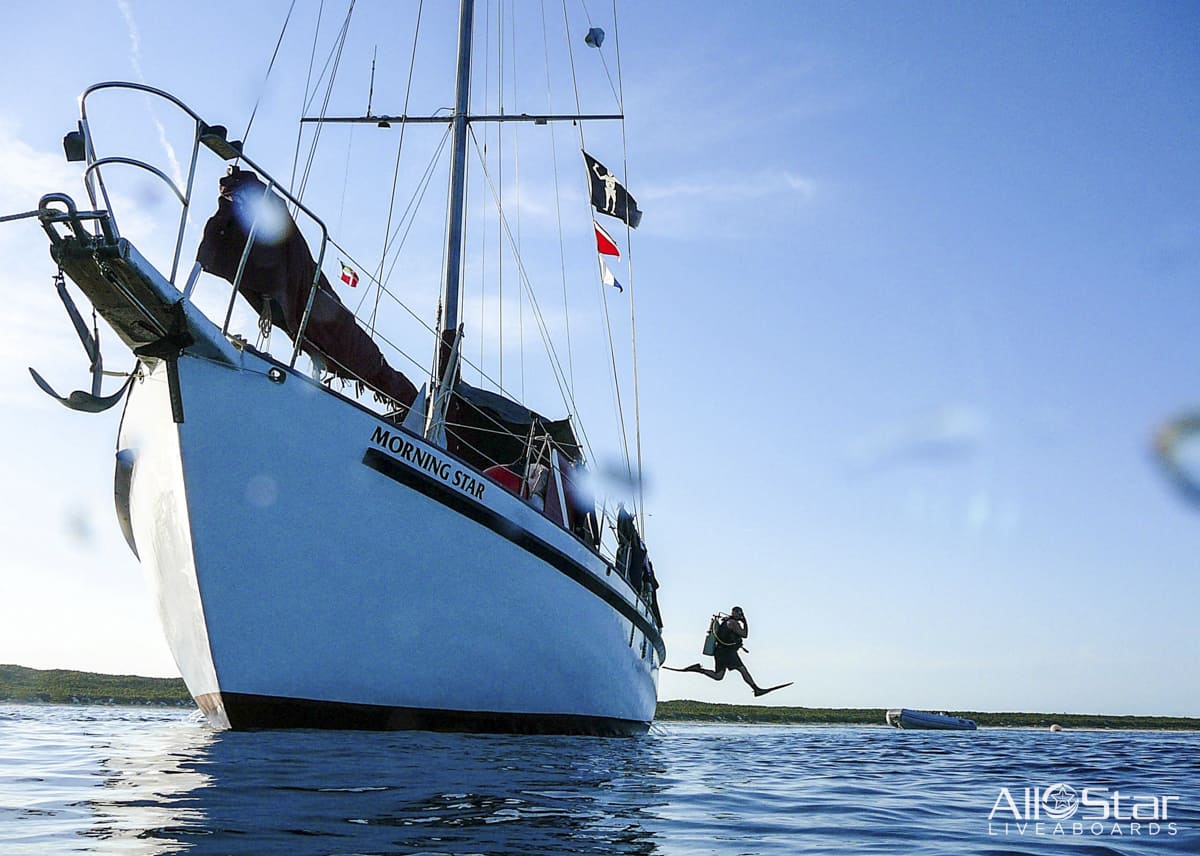
All Star Blackbeards Morning Star
Bahamas
24 guests19.81 m
$156/day
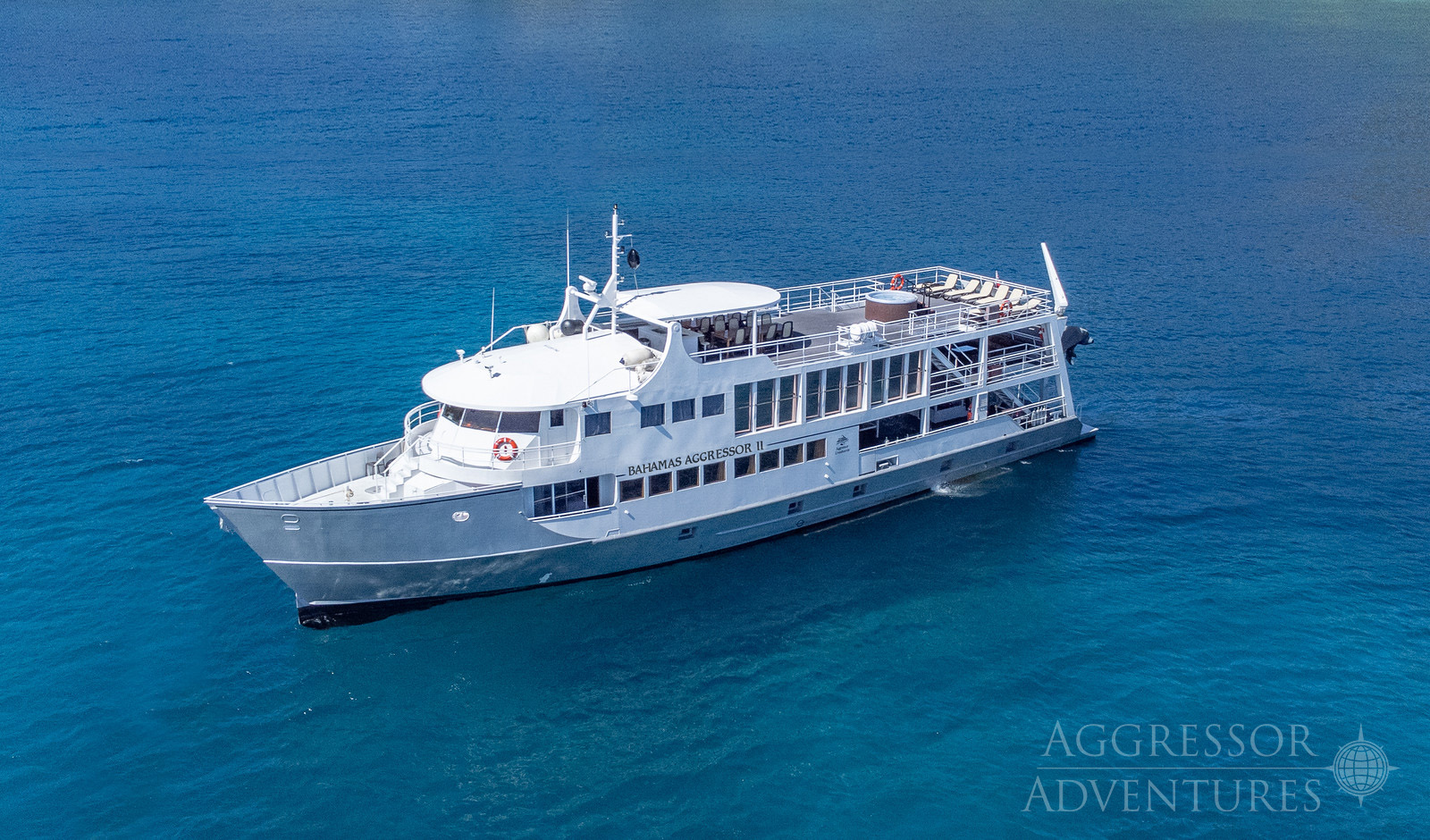
Bahamas Aggressor II
Bahamas
20 guests33.5 m
$328/day
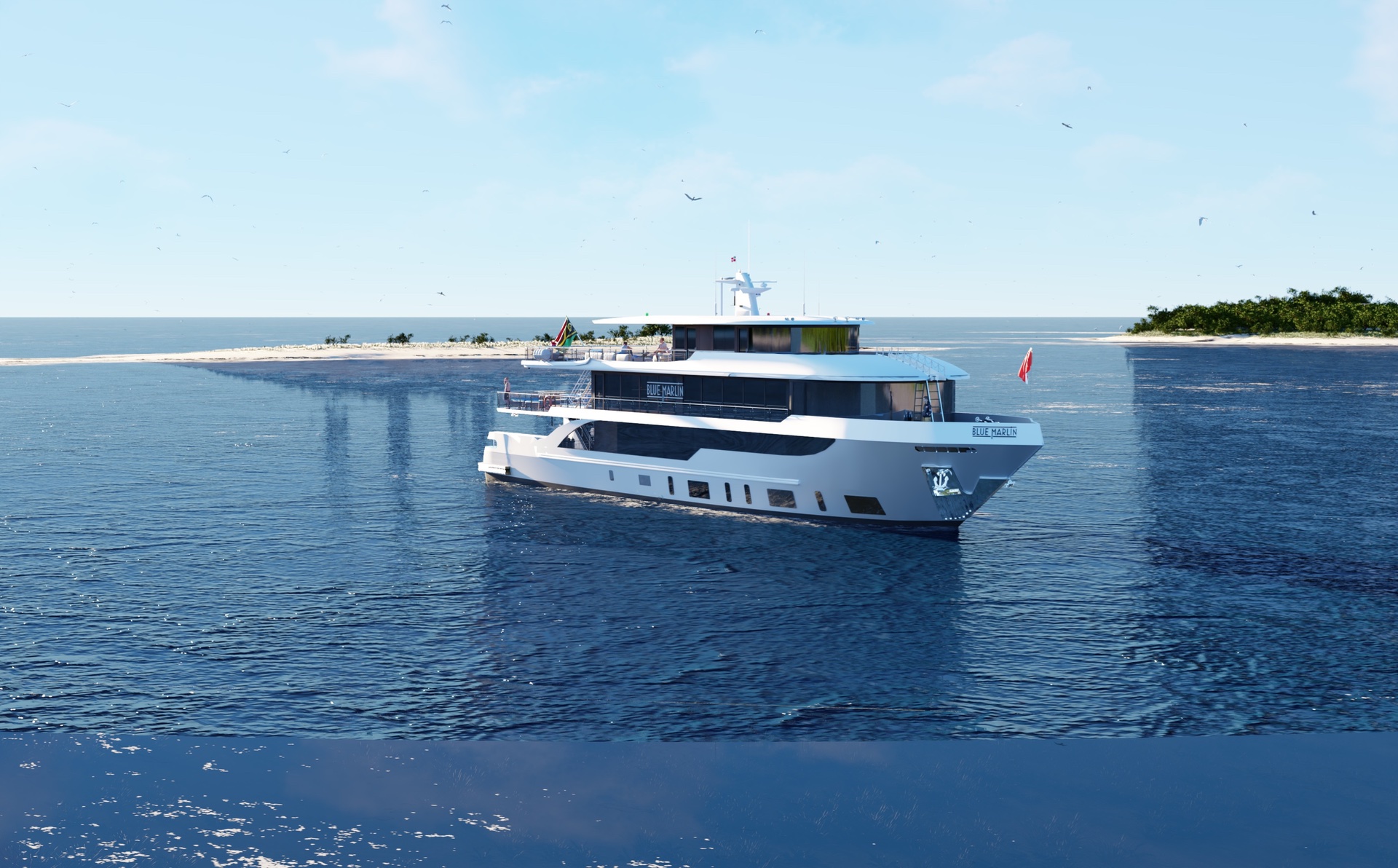
Blue Marlin
Bahamas
26 guests42 m
$318/day
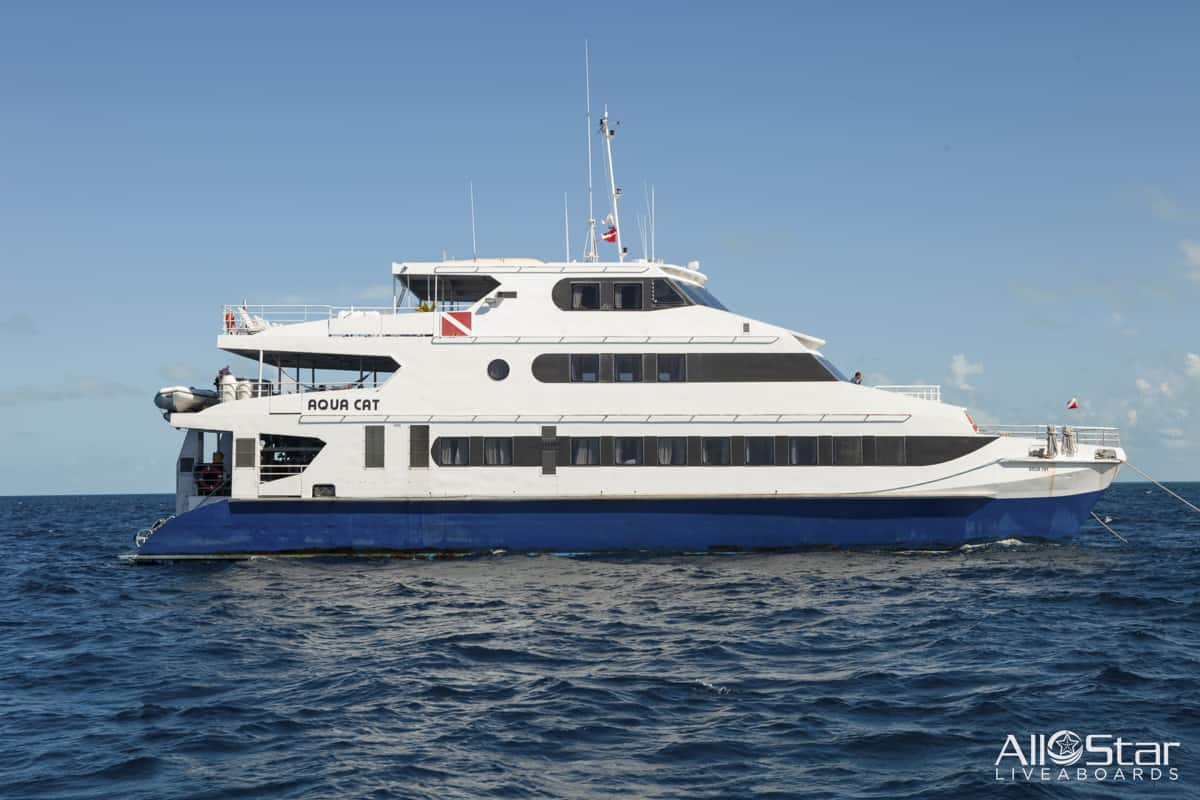
All Star Aqua Cat
Bahamas
30 guests31.09 m
$312/day
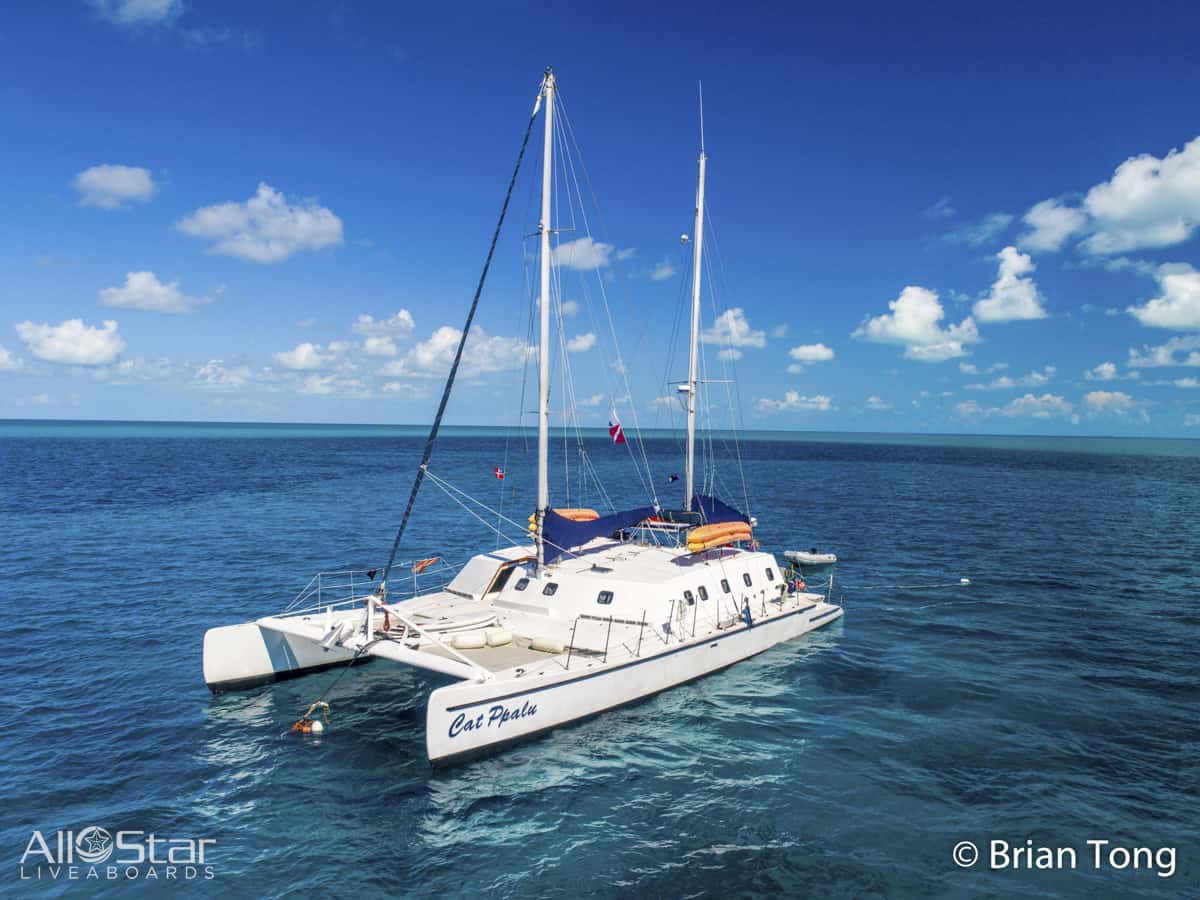
All Star Cat Ppalu
Bahamas
12 guests20 m
$237/day
Dive sites similar to Tears of Allah
Same character, same waters — six more sites divers love for the exact same reasons.Compare seasons, access and liveaboard routes — then pick the site that fits your trip best.
© Esri — Maxar, Earthstar, GIS
Cut Through City
Bahamas
Cut Through City is a standout dive site located off the coast of Eleuthera in the Bahamas, a region renowned for its diverse underwater topography.
- Suitable for
- Intermediate
- Current
- Mild
- Access
- Liveaboard only
- Depth
- 27–40 m
- Theme
- Wall / Reef
© Esri — Maxar, Earthstar, GIS
Metropolis
Bahamas
Metropolis is a standout dive site in the Bahamas, renowned for its consistent and diverse shark encounters, making it a thrilling destination for divers seeking pelagic action.
- Suitable for
- Intermediate
- Current
- Moderate
- Access
- Liveaboard only
- Depth
- ≤ 13 m
- Theme
- Reef
© Esri — Maxar, Earthstar, GIS
The Bimini Barge
Bahamas
The Bimini Barge is a prominent wreck dive located on the extreme northwestern edge of the Great Bahama Bank, just a short distance from the deep wall and the powerful Gulf Stream currents.
- Suitable for
- Intermediate
- Current
- Moderate
- Access
- Liveaboard or dayboat
- Depth
- 30–30 m
- Theme
- Wreck / Drift
© Esri — Maxar, Earthstar, GIS
Mt. Olympus
Bahamas
Mt. Olympus is a dynamic dive site in the Bahamas, regularly visited by liveaboards, known for its healthy marine ecosystem and varied underwater terrain.
- Suitable for
- Advanced
- Current
- Moderate
- Access
- Liveaboard only
- Depth
- ≤ 122 m
- Theme
- Reef / Drift
© Esri — Maxar, Earthstar, GIS
Ras Mohammed
Bahamas
Ras Mohammed National Park, situated approximately 20 kilometers south of Sharm El Sheikh, marks the southernmost tip of the Sinai Peninsula in Egypt.
- Suitable for
- Advanced
- Current
- No current
- Access
- Shore / dayboat
- Depth
- ≤ 100 m
- Theme
- Reef
© Esri — Maxar, Earthstar, GIS
Twin Sister Wrecks
Bahamas
The Twin Sister Wrecks offer a compelling paired wreck dive experience off New Providence, presenting two small tanker hulls that rest at differing depths.
- Suitable for
- Intermediate
- Current
- Mild
- Access
- Dayboat
- Depth
- 13–30 m
- Theme
- Wreck