About Sangeang Volcano
Sangeang Volcano, also known as Gunung Api, offers a unique dive experience northwest of Komodo Island, near Bima. As an active volcano, it presents dramatic underwater topography shaped by lava flows, featuring spectacular rock formations and distinctive black sands. The volcanic activity is evident through numerous vents on the seafloor, releasing constant streams of bubbles and creating areas where the sand and rocks are noticeably warm to the touch. This otherworldly environment supports a vibrant and diverse ecosystem. Hard, soft, and leather corals thrive, showcasing a rich palette of colors against the dark volcanic backdrop. The area is particularly renowned for its macro life, with an abundance of nudibranchs, pygmy seahorses, frogfish, and unique species like glowing flame file shells. While visibility is generally excellent, dense bubble streams can occasionally cause localized reductions. Sangeang is a highlight for muck diving enthusiasts due to its prolific critter population. Dive sites like Bubble Reef and Hot Rocks epitomize this volcanic underwater landscape, offering the surreal experience of diving amidst warm, bubbling sands. Lighthouse Reef and The Estuary provide more sheltered conditions with gentle currents, making Sangeang accessible for various dive skill levels. Divers should be prepared for unique conditions, including the possibility of warmer water in certain areas, and an unparalleled opportunity to witness ongoing geological processes firsthand.
Highlights
Volcanic ventsBlack sandUnique ecosystemSea snakes
Season calendar
Best months to dive here
Jan
Feb
Mar
Apr
May
Jun
Jul
Aug
Sep
Oct
Nov
Dec
Excellent
Dive site facts: Sangeang Volcano
- Depth
- 5–30 m
- Typical dive
- 12–25 m, 50–60 min
- Current
- Mild to moderate
- Visibility
- 15–30 m
- Water temperature
- 26–29 °C
- Entry
- Tender / liveaboard
- Level
- Intermediate
- Dive type
- Muck, macro, volcanic reef
- Night dive
- Possible, especially for macro
- Region / port
- Komodo National Park / Flores Sea
- Coordinates
- -8.1789, 119.0567
Conditions & Currents
Currents around Sangeang Volcano can vary, but generally, the northern sites of Komodo, where Sangeang is located, are known for stronger currents. These conditions often lead to exciting drift dives and abundant marine life encounters. Divers should expect to encounter mild to moderate currents, which are managed by experienced dive guides. Entry and exit strategies are typically tailored to the prevailing conditions to ensure diver safety and maximize the dive experience. Good buoyancy control is essential for navigating these waters effectively and safely.
Marine life & sighting chances

Nudibranch
common
Bargibant's pygmy seahorse
occasional
Tomeza shrimp
occasional
Xenocrab
occasional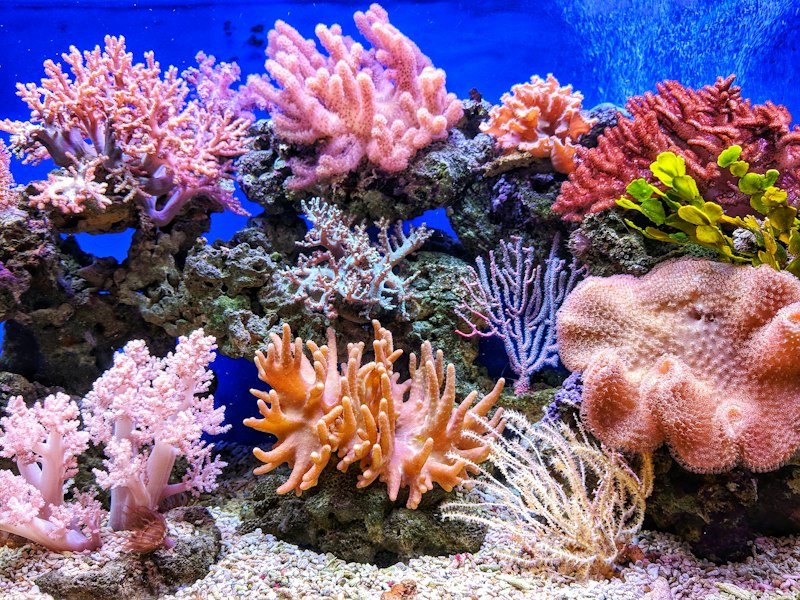
Soft coral
common
Whip coral
common
Frogfish
occasional
Ghost pipefish
occasional
Pygmy cuttlefish
occasionalDive profile & how the dive runs
A typical dive at Sangeang Volcano often begins with a tender drop close to the volcanic slopes. You will descend into the black sand environment, immediately noticing the unique volcanic gas bubbles emanating from the seabed, and the sulfur particles dusting the surroundings. The route usually follows the contours of the volcanic rock formations, which are adorned with vibrant soft corals and whip corals. Depths can vary, often staying in the 12-25 meter range to explore the macro life found amongst the corals and sand. The dive usually progresses to explore various overhangs and crevices, which are prime spots for nudibranchs, pygmy seahorses, and other small critters. The turnaround point is typically determined by air consumption or current, with the ascent initiated gradually along the slope. Your safety stop will take place in the shallower, calmer areas, allowing for a final look at the unique topography before surfacing.
Underwater photography
Sangeang Volcano is a macro photographer's dream, due to its abundant and unique small marine life against a stark black sand background. A macro lens (e.g., 60mm or 100/105mm) is highly recommended to capture the intricate details of nudibranchs, pygmy seahorses, and various shrimp species. Due to the dark volcanic sand, effective lighting is crucial; strobes will help bring out the vibrant colors of the subjects, making them pop against the black backdrop. Pay close attention to your buoyancy to avoid stirring up the fine volcanic sediment. Patience and a keen eye are essential here, as many subjects are small and well-camouflaged. Wide-angle shots can also be effective to capture the broader volcanic landscape and the unique bubble formations, but macro opportunities are truly outstanding.
Combine with nearby dive sites
- Batu Bolong
Batu Bolong, meaning "Hollow Rock" in Bahasa Indonesian, is a renowned dive site in Komodo National Park, situated in the central Lintah…
- Tatawa Besar
Tatawa Besar, meaning 'big laugh' in Bahasa Indonesian, is a picturesque dive site located in the central area of Komodo National Park…
- Manta Point (North)
Manta Point, also known as Karang Makassar, is a renowned dive site in the northern part of Komodo National Park.
- Crystal Rock
Crystal Rock is a renowned dive site in the northern reaches of Komodo National Park, celebrated for its exceptional visibility and the…
- Cauldron (Shotgun)
The Cauldron, also known as The Shotgun, stands as North Komodo's premier drift dive, celebrated for its dramatic underwater topography and…
- Castle Rock
Castle Rock, an iconic dive site within Komodo National Park, is celebrated as one of Indonesia's premier destinations for exhilarating…
Getting there & logistics
Access to Sangeang Volcano typically involves a liveaboard trip departing from Labuan Bajo, the main hub for Komodo National Park. Labuan Bajo (LBJ) has an airport with connections from major Indonesian cities like Denpasar (Bali) and Jakarta. Liveaboard itineraries visiting Sangeang often span 6 to 11 nights, combining the volcanic diving experience with other iconic sites in West Komodo, Gili Banta, and occasionally Nusa Kode. Park fees and permits for Komodo National Park are usually included in the liveaboard package. This site is commonly part of broader Komodo and East Sumbawa itineraries, offering a diverse range of diving conditions and marine life.
Safety & environment
While diving at Sangeang Volcano is a unique experience, safety is paramount. The nearest recompression chamber is in Denpasar, Bali, making emergency evacuations potentially lengthy and complex. Comprehensive dive insurance, covering medical emergencies and evacuation, is therefore non-negotiable. Dive operators monitor volcanic activity, and sites are only dived when deemed safe. Divers should adhere strictly to their guide's instructions, especially regarding currents and buoyancy, to avoid contact with the delicate volcanic seabed or any potentially warm areas. Always dive within your training and experience levels.
Who it suits — and who it doesn't
Suited for
- Macro photographers
- Divers seeking unique geological dive sites
- Experienced divers comfortable with moderate currents
- Those interested in volcanic underwater landscapes
- Liveaboard guests exploring Komodo and East Sumbawa
Less suited for
- Beginner divers without current experience
- Divers uncomfortable with active volcanic environments
- Those primarily seeking large pelagic encounters
- Divers with limited buoyancy control
- Day-trip divers from Labuan Bajo due to distance
FAQ
Sangeang Volcano FAQ
What makes Sangeang Volcano a unique dive site?
Sangeang Volcano offers a unique diving experience due to its active volcanic nature. Divers can observe volcanic gas bubbles emanating from the seabed and yellow sulfur particles on the black sand, creating an otherworldly landscape. This geological activity also supports a distinct ecosystem with vibrant soft corals and prolific macro life.
What kind of marine life can I expect to see at Sangeang Volcano?
The black sand and volcanic environment at Sangeang are perfect for macro critters. You can expect to find a wide variety of nudibranchs, pygmy seahorses like Bargibant's, Tomeza shrimp, and xenocrabs. The vibrant soft corals also host numerous smaller, colorful reef inhabitants, making it a paradise for observant divers and photographers.
Are there strong currents at Sangeang Volcano?
Sangeang Volcano is located in the northern part of Komodo, an area known for its currents. While currents can vary from mild to moderate, divers should be prepared for potential drift dives. Good buoyancy control and experience with currents are recommended to fully enjoy the site safely.
What is the typical visibility and water temperature?
Visibility at Sangeang Volcano typically ranges from 15 to 30 meters, offering clear views of the unique volcanic landscape and marine life. Water temperatures are generally warm, averaging between 26 and 29 degrees Celsius, which is comfortable for most divers. A 3mm wetsuit is usually sufficient.
Is Sangeang Volcano suitable for beginners?
Sangeang Volcano is generally more suited for intermediate to experienced divers, particularly those with good buoyancy control and some experience with currents. While the site is not excessively challenging, the unique environment and potential for currents mean that beginners might find it more demanding than other Komodo sites. It's best experienced as part of a liveaboard itinerary with experienced guides.
Why dive Sangeang Volcano from a liveaboard?
Sangeang Volcano is one of Komodo, Indonesia's signature dive sites. A liveaboard sleeps you on the water and puts you in the water for three to four guided dives per day, including dawn and night dives that day-boat operators rarely offer. You skip the daily commute back to port and reach quieter, less-crowded sites in the same region on a single trip.
Below are the liveaboards that include Sangeang Volcano on their Komodo, Indonesia itineraries.
Liveaboards diving Sangeang Volcano
These liveaboards may visit Sangeang Volcano on selected itineraries — the exact dive sites depend on departure, weather and conditions.
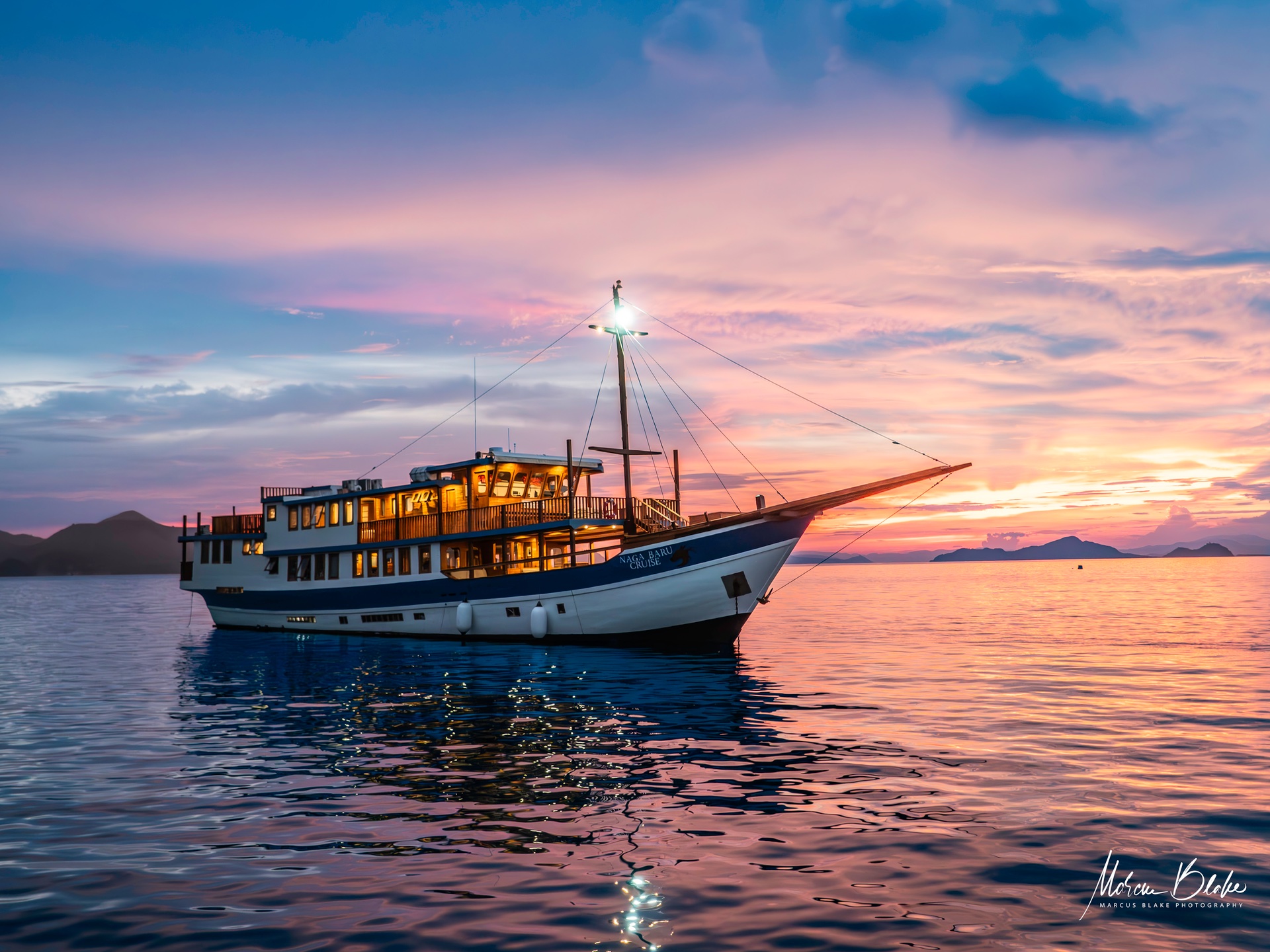
Naga Biru
Indonesia
12 guests40 m
$273/day
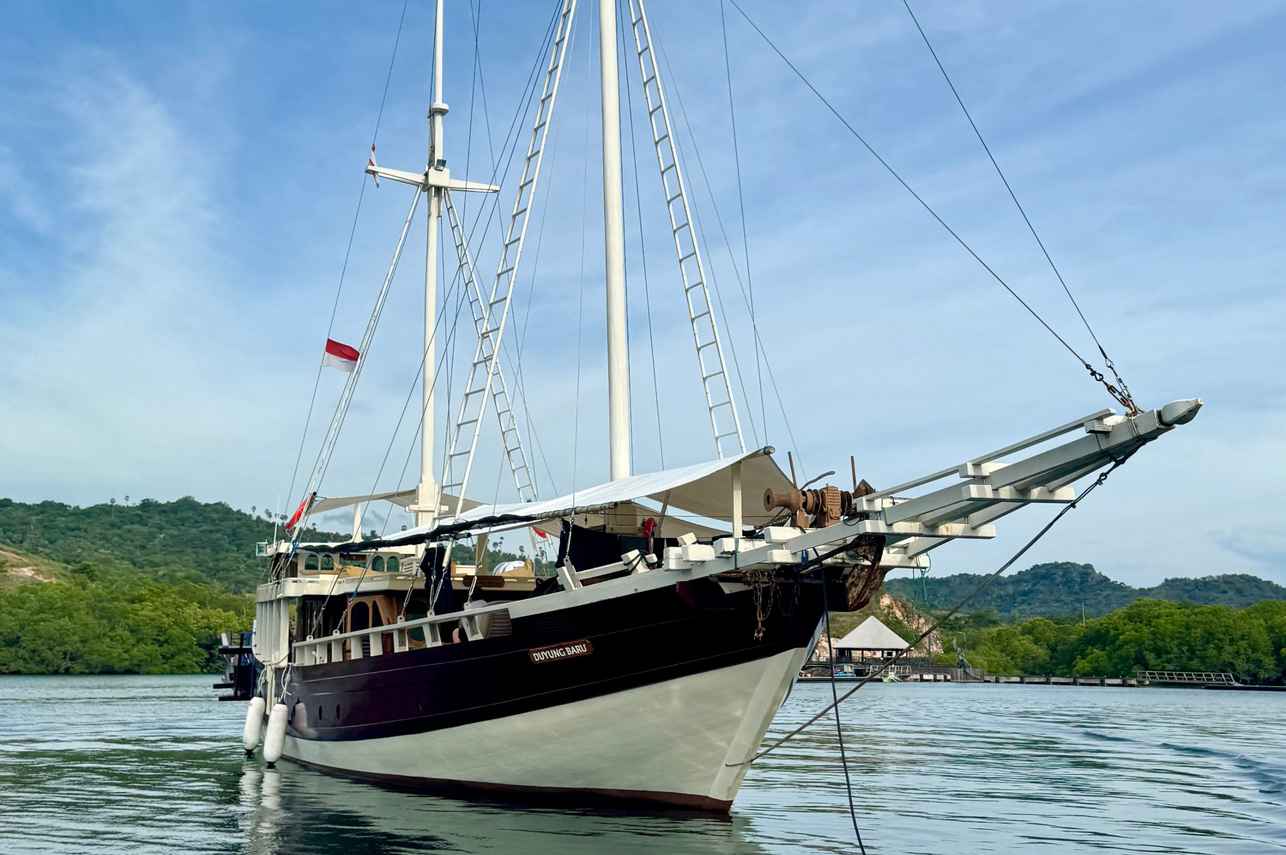
Ecopro Duyung Baru
Indonesia
6 guests27 m
$361/day
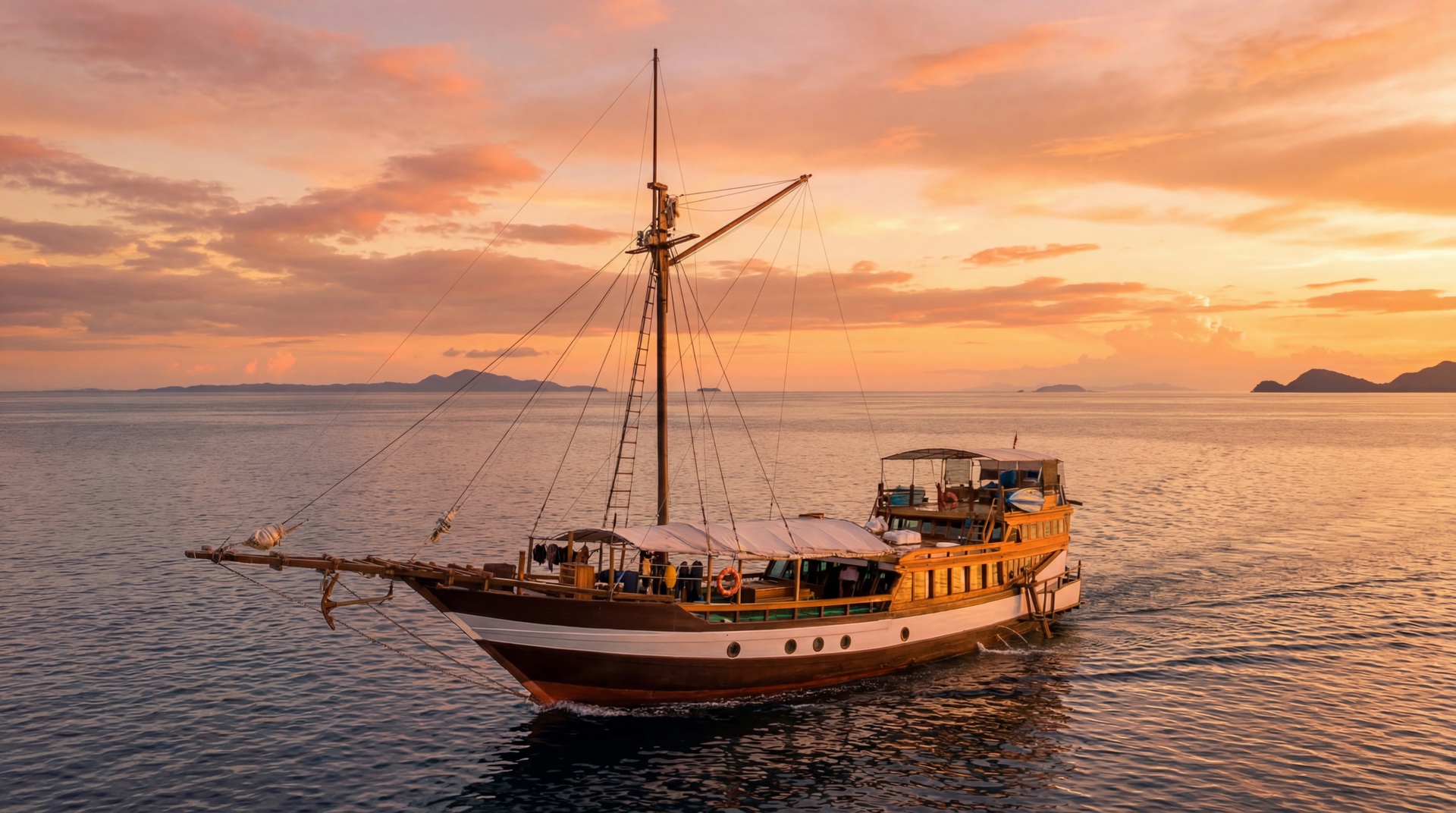
Wellenreng
Indonesia
9 guests25 m
$427/day
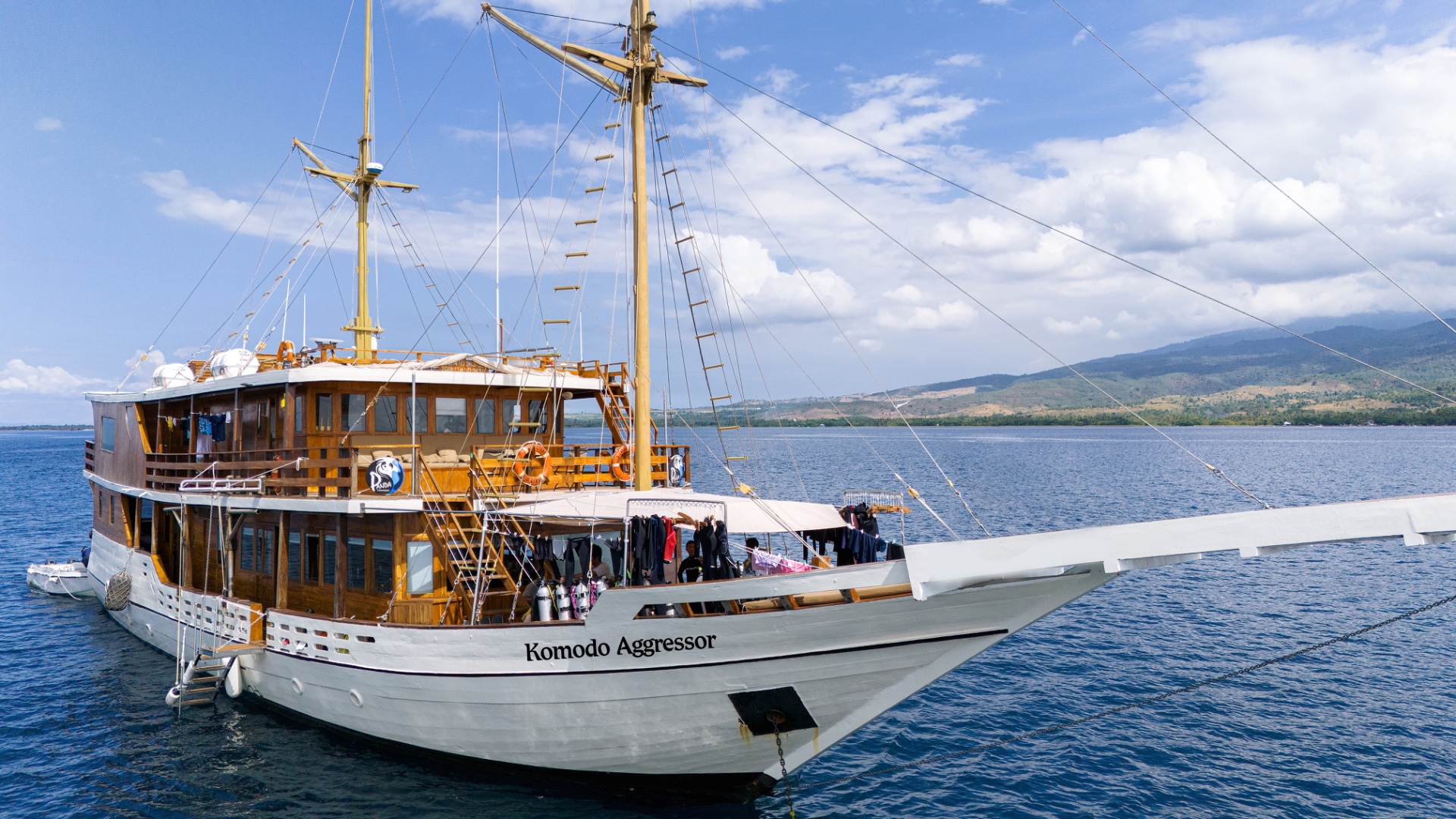
Komodo Aggressor
Komodo, Indonesia
16 guests29 m
$312/day
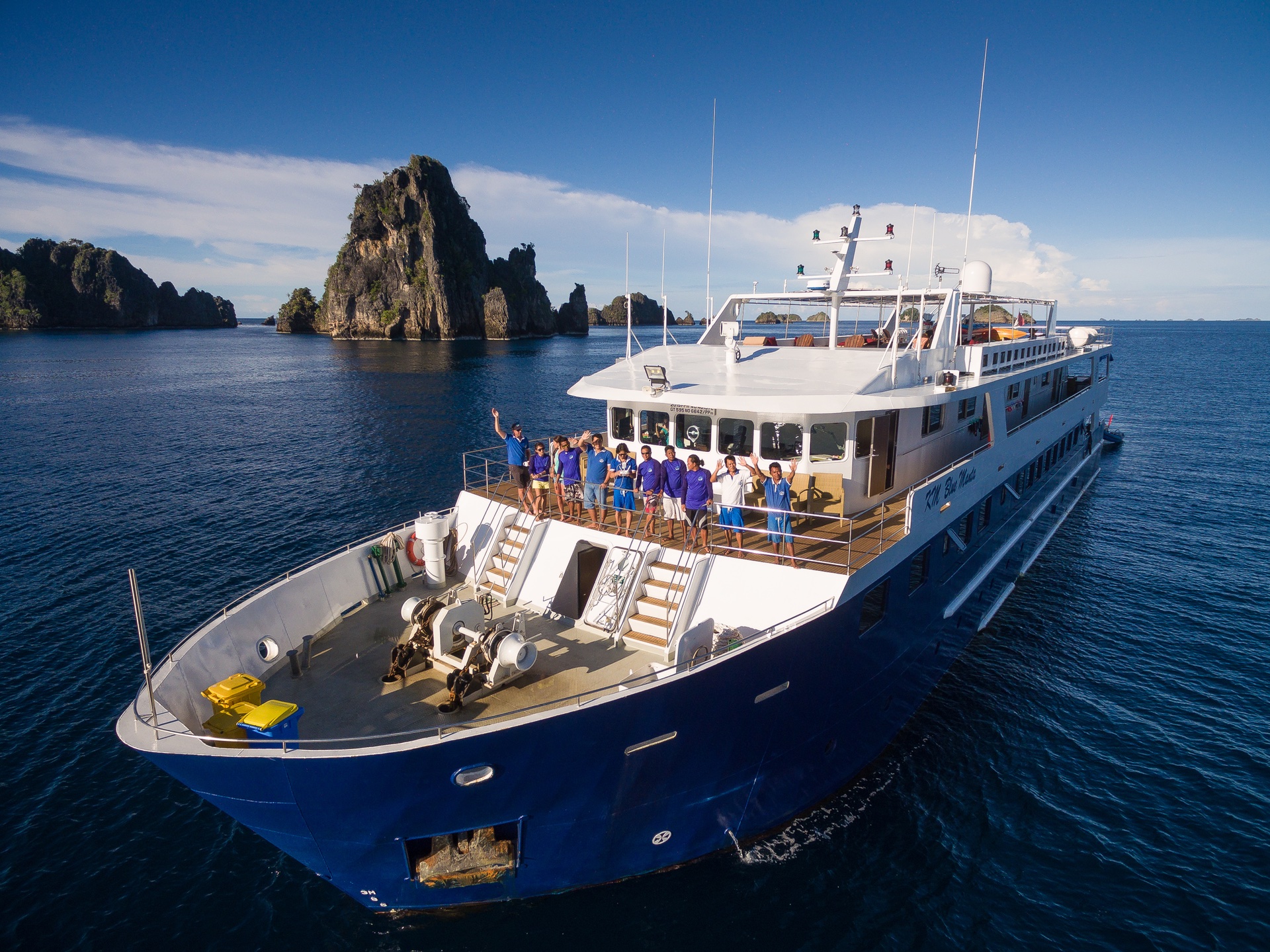
Blue Manta
Indonesia
20 guests45 m
$482/day
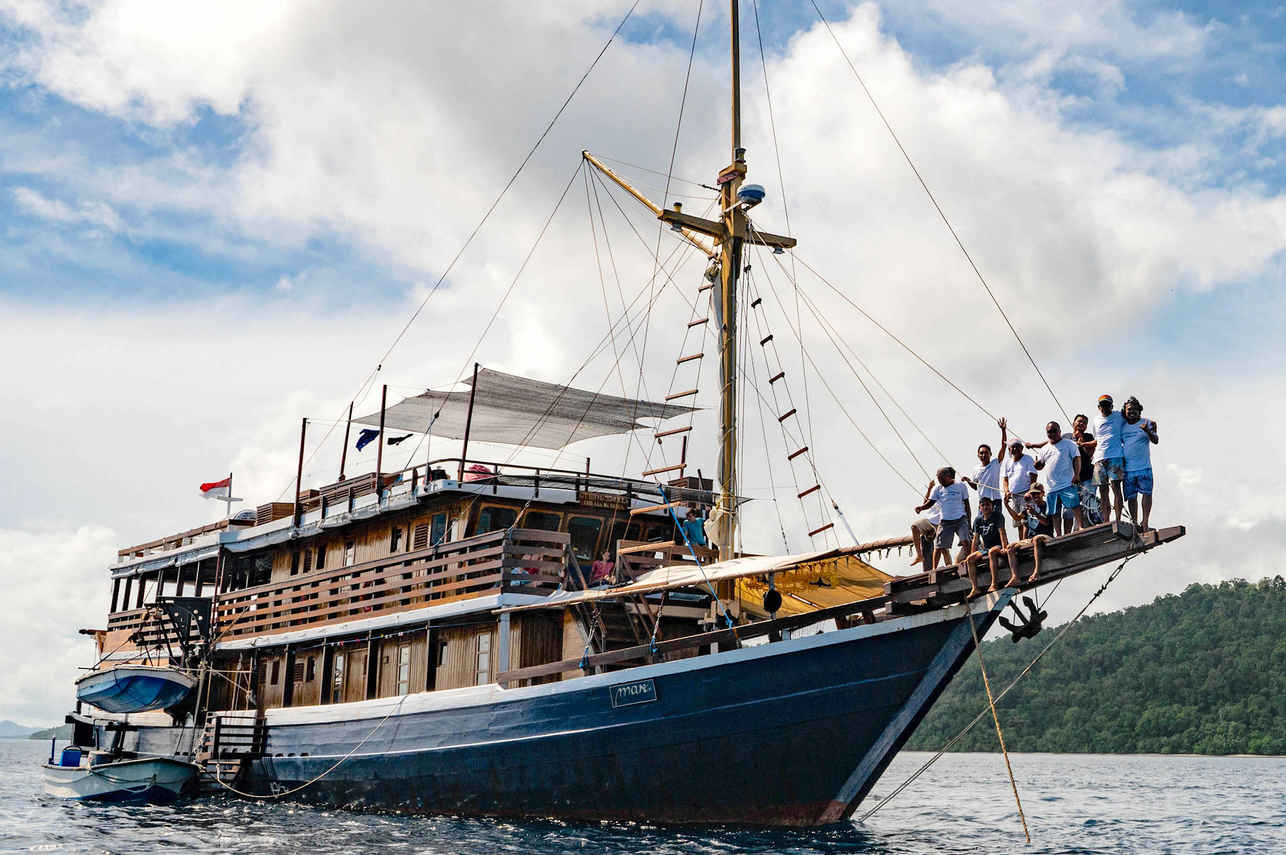
Mari
Indonesia
14 guests32.2 m
$328/day
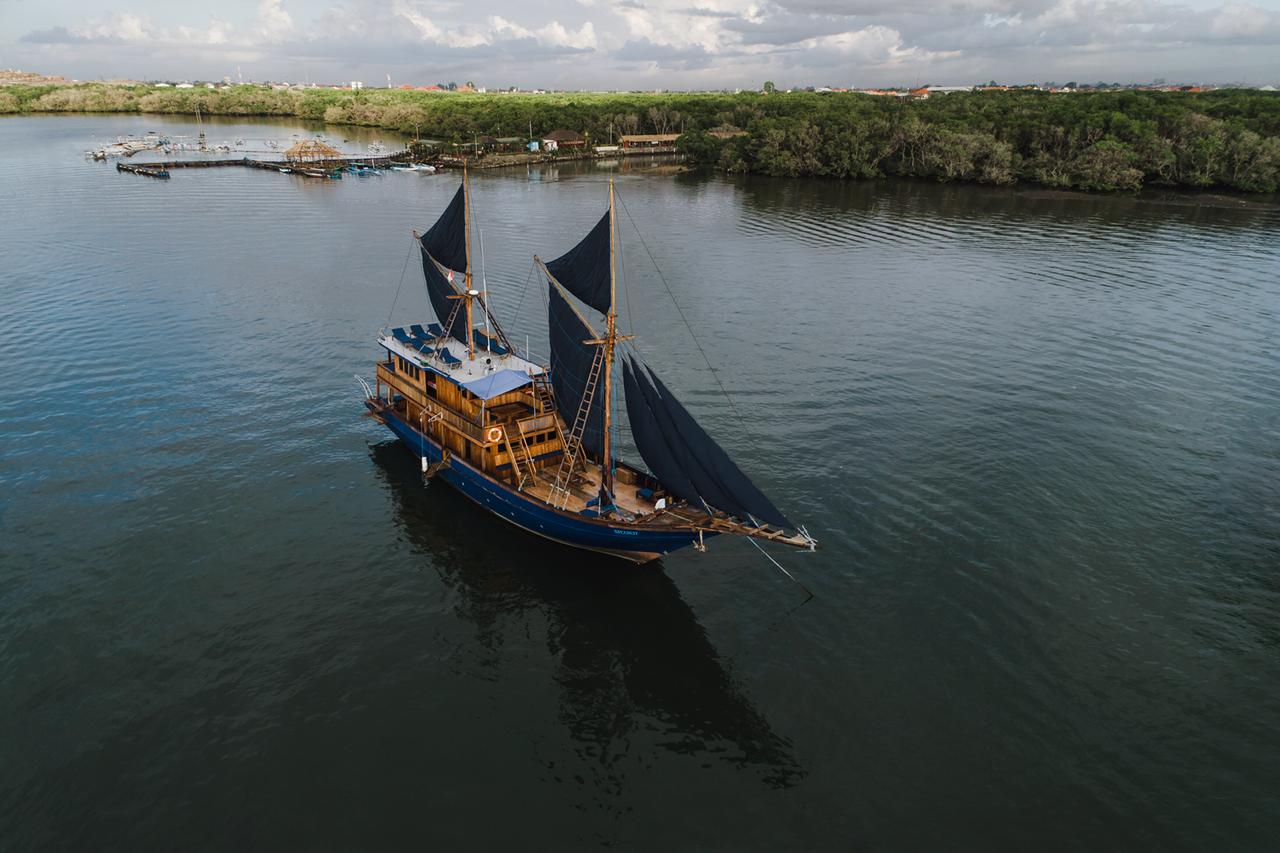
Situju7
Komodo, Indonesia
10 guests32.7 m
$362/day
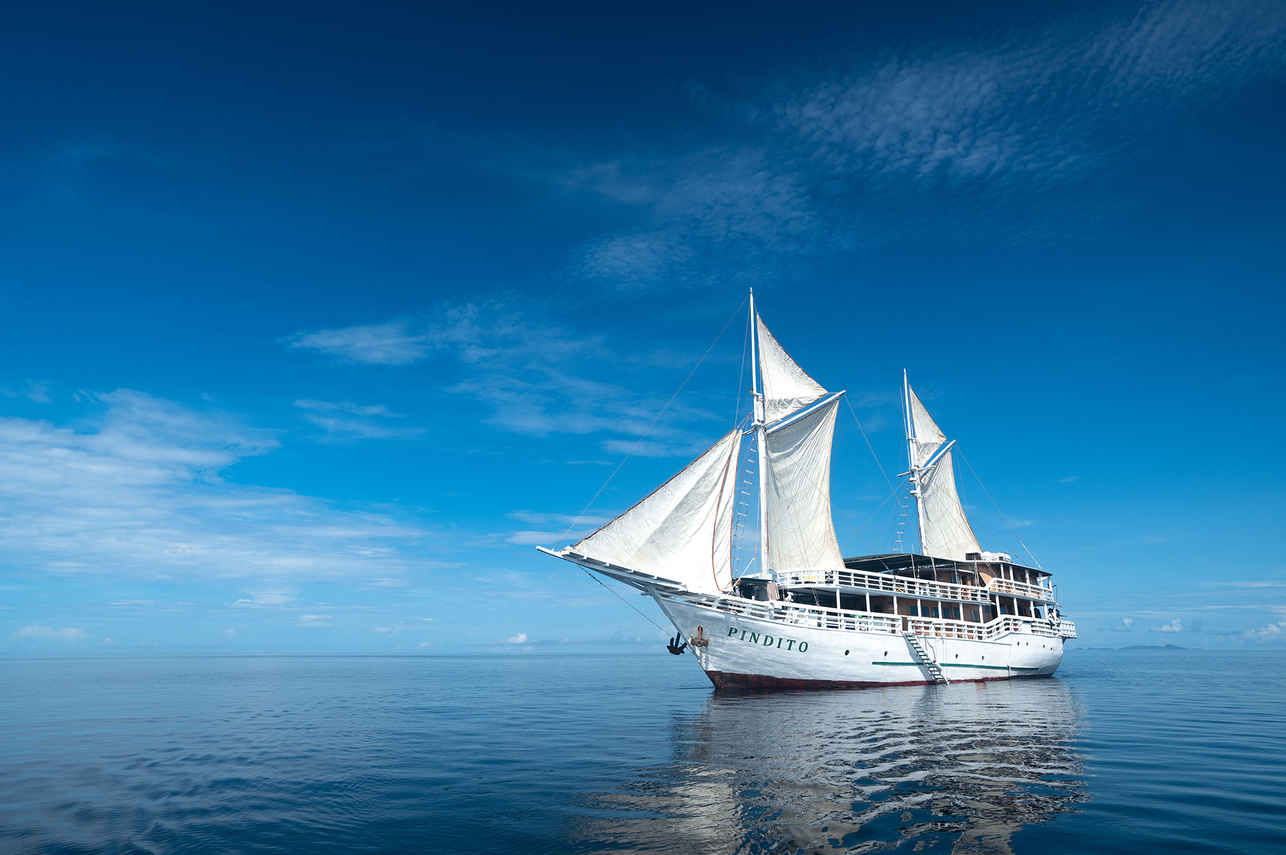
Pindito
Indonesia
16 guests37.79 m
$533/day
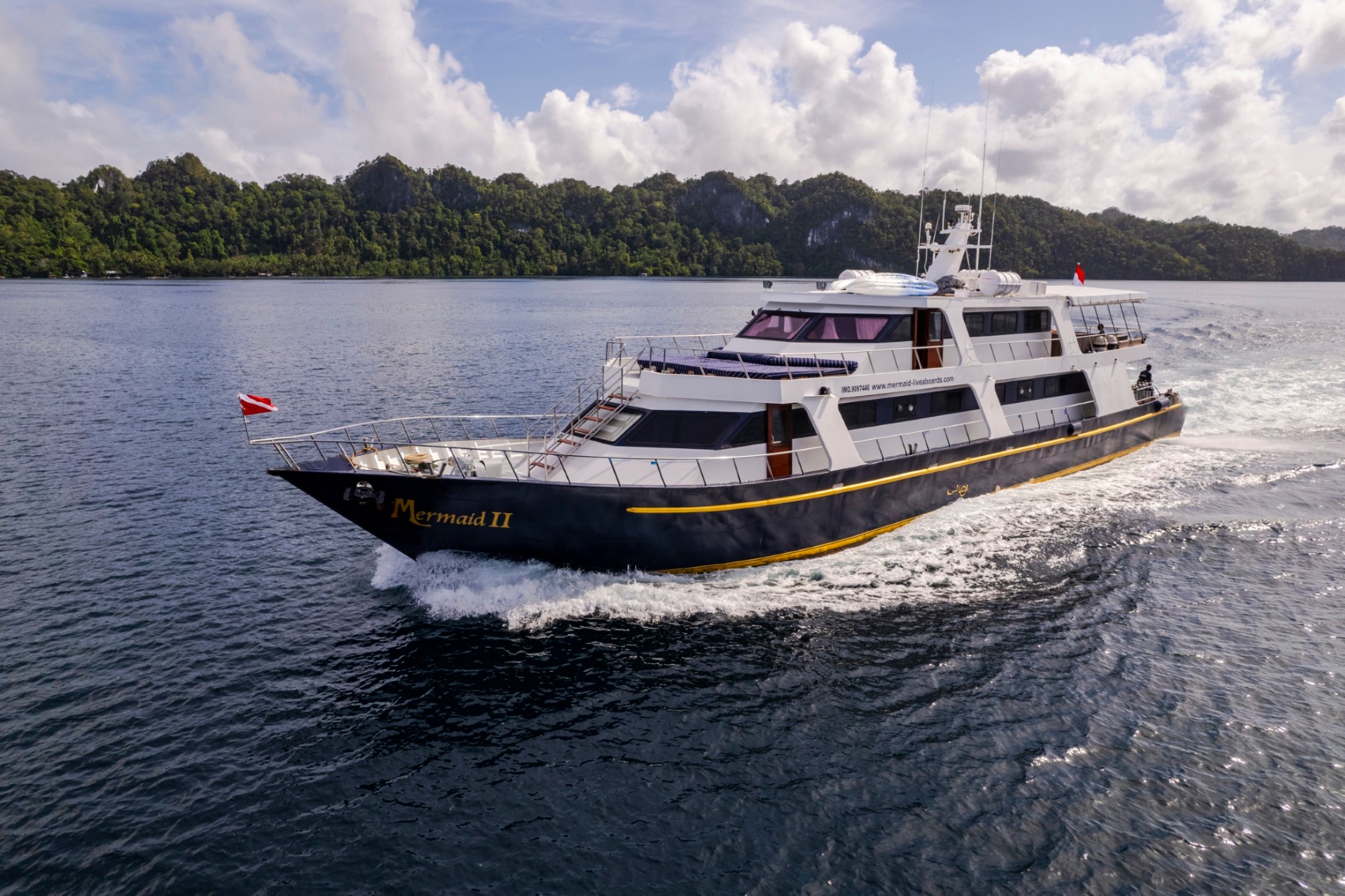
Mermaid II
Komodo, Indonesia
18 guests
$391/day
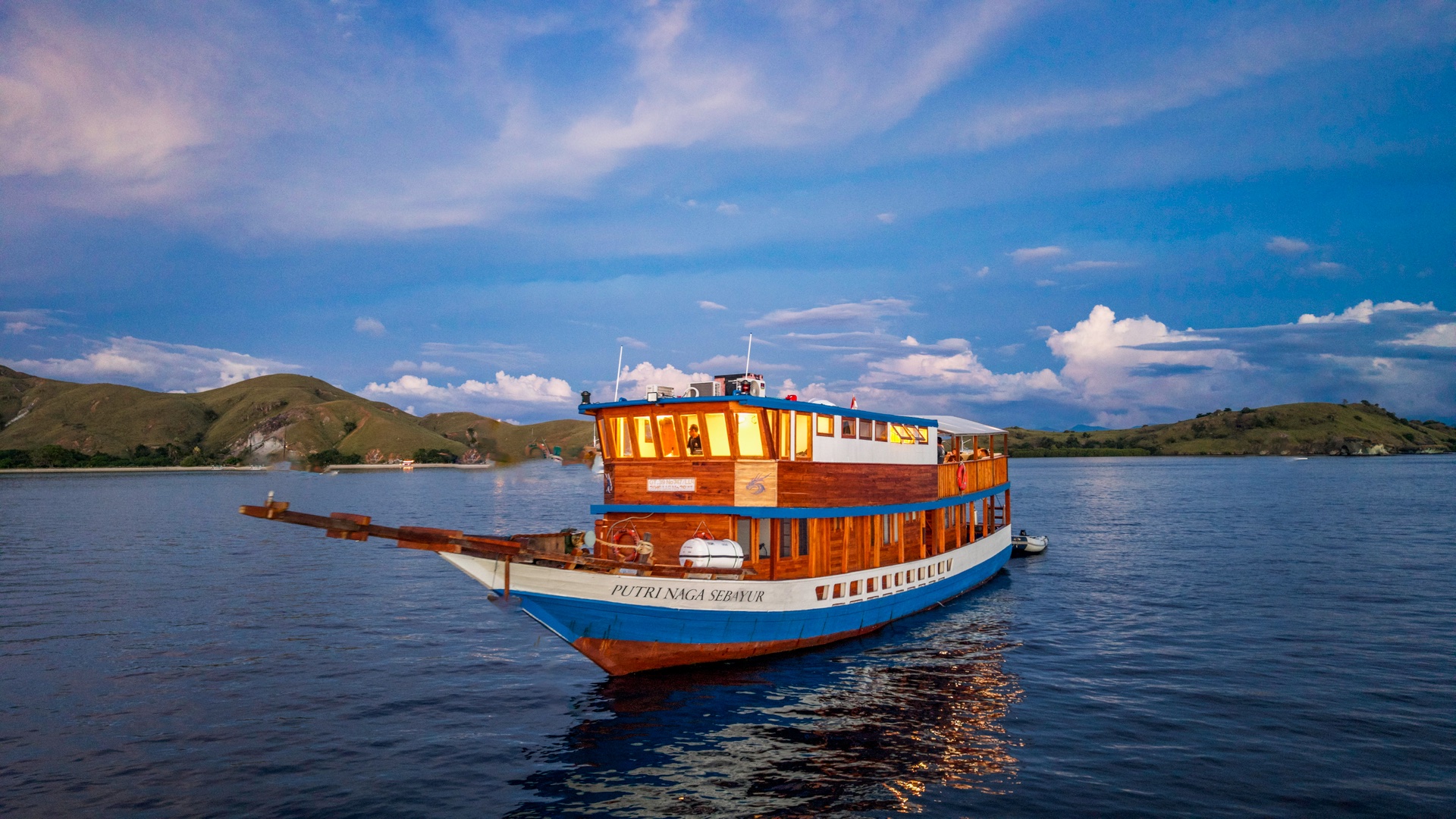
Putri Naga
Komodo, Indonesia
6 guests25 m
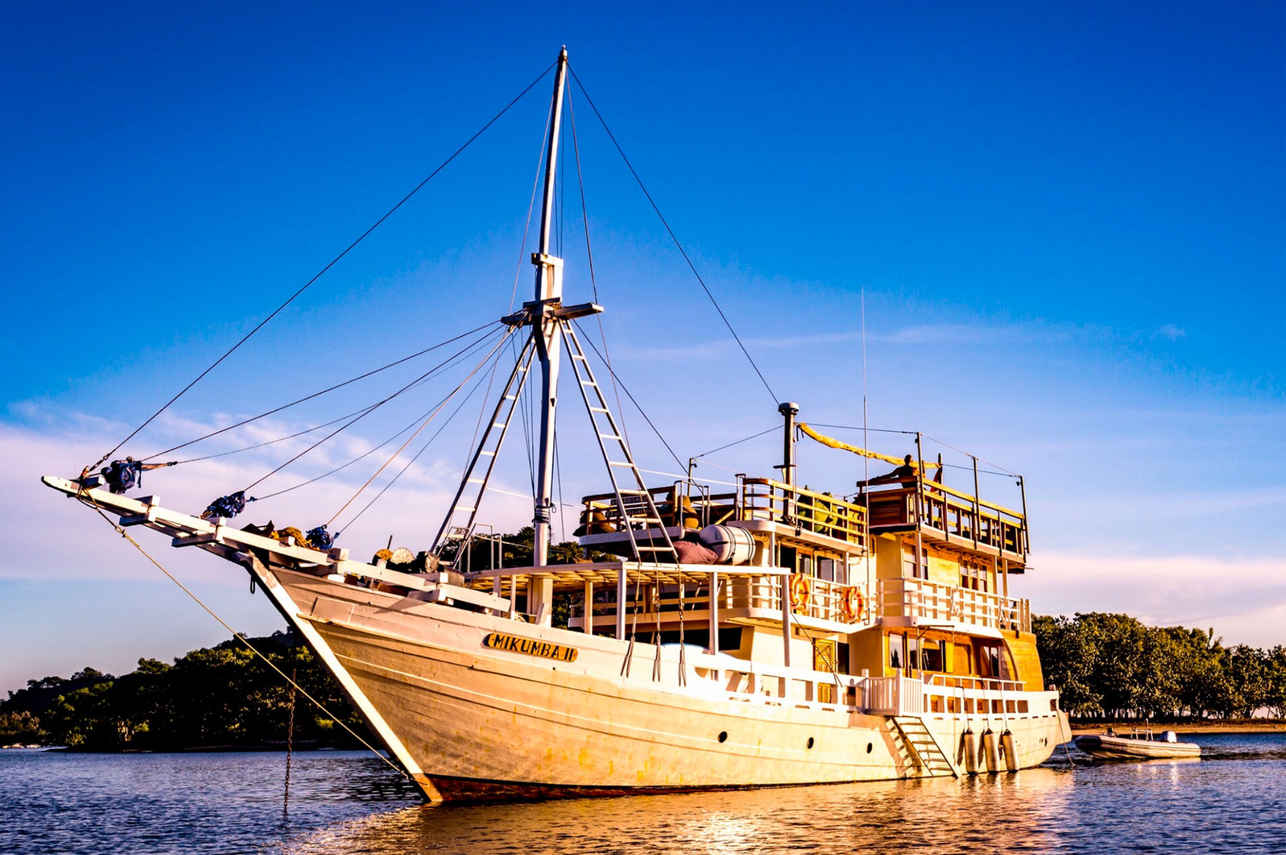
Mikumba Dua
Indonesia
10 guests30 m
$335/day
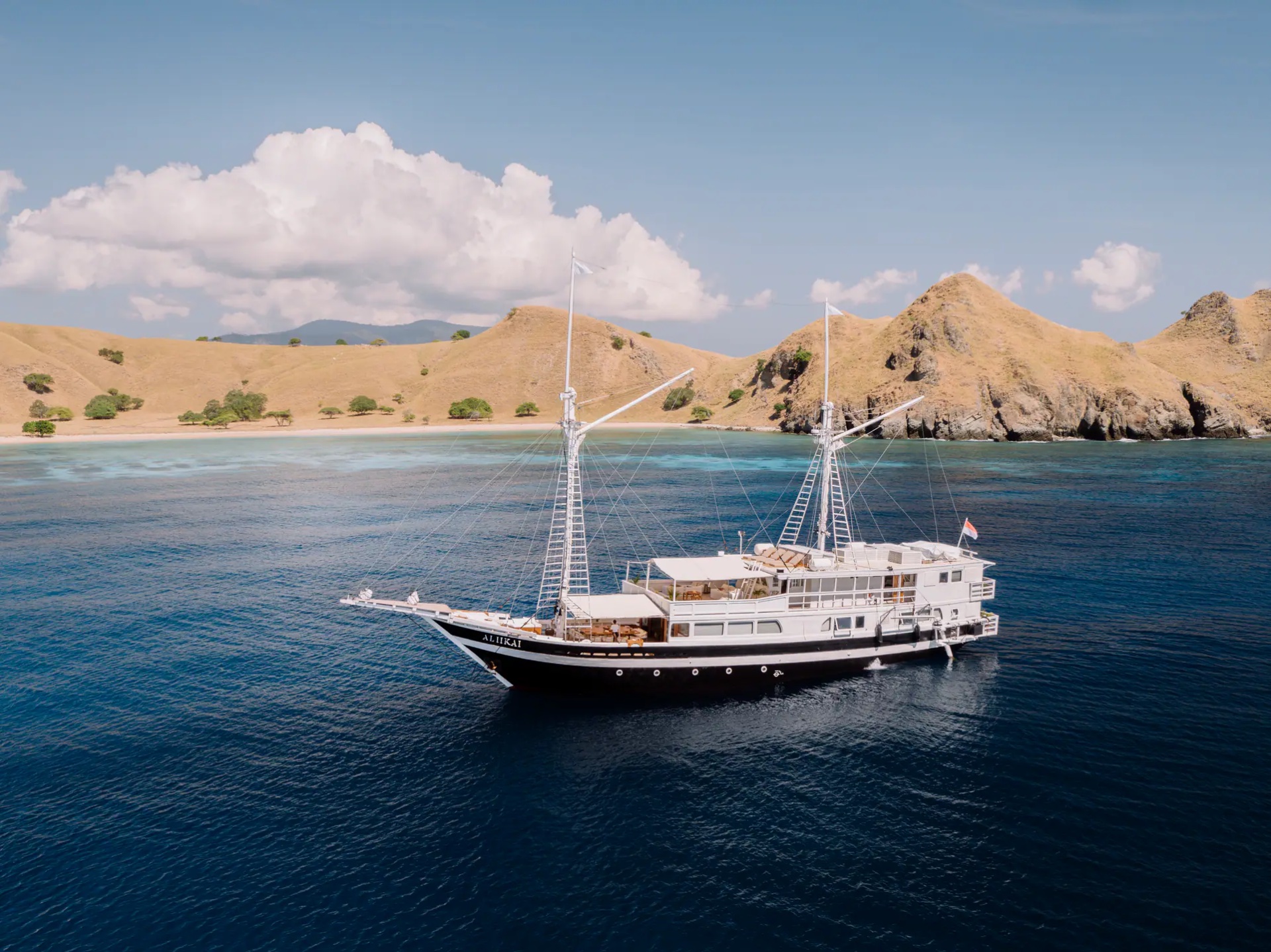
Aliikai Voyage
Indonesia
15 guests40 m
$658/day
Dive sites similar to Sangeang Volcano
Same character, same waters — six more sites divers love for the exact same reasons.Compare seasons, access and liveaboard routes — then pick the site that fits your trip best.
© Esri — Maxar, Earthstar, GIS
Siaba Kecil
Komodo, Indonesia
Siaba Kecil is a distinct dive site located in the central part of Komodo National Park, positioned in a channel where waters flow between the north and south.
- Suitable for
- Intermediate
- Current
- Strong
- Access
- Liveaboard only
- Depth
- 8–25 m
- Theme
- Drift / Reef
Gindang is nestled within the Central Komodo National Park, an area renowned for its ecological diversity and year-round accessibility.
- Suitable for
- Intermediate
- Current
- No current
- Access
- Liveaboard only
- Depth
- —
- Theme
- Reef
© Esri — Maxar, Earthstar, GIS
Tukoh-serikaya
Komodo, Indonesia
Tukoh-serikaya is a renowned dive site situated in the Komodo National Park, an area recognized globally for its significant biodiversity and challenging marine conditions.
- Suitable for
- Advanced
- Current
- Strong
- Access
- Liveaboard only
- Depth
- —
- Theme
- Reef
Toro Oi is a dynamic dive site situated in the Gili Banta area, found in the northern part of Komodo National Park.
- Suitable for
- Advanced
- Current
- Mild
- Access
- Liveaboard only
- Depth
- —
- Theme
- Reef
© Esri — Maxar, Earthstar, GIS
Toroletuhoh
Komodo, Indonesia
Komodo National Park, a UNESCO World Heritage Site in Indonesia, sits within the Coral Triangle, an area recognized for its exceptional marine biodiversity.
- Suitable for
- Advanced
- Current
- Strong
- Access
- Liveaboard only
- Depth
- —
- Theme
- Reef