About Tukoh-serikaya
Tukoh-serikaya is a renowned dive site situated in the Komodo National Park, an area recognized globally for its significant biodiversity and challenging marine conditions. This national park, established in 1980 and later declared a UNESCO World Heritage Site and Man and Biosphere Reserve in 1986, is critical for conserving the unique Komodo dragon and its diverse ecosystems, both terrestrial and marine. Located in the northwest region of the park, specifically off North Komodo island, Tukoh-serikaya is nestled among other notable dive sites like Wizards Hut and Toro Moncong. The park's location between the Flores Sea and the Savu Sea creates powerful and often unpredictable currents, making Komodo a destination for experienced divers seeking thrilling encounters with large pelagic species. While specific topographical details for Tukoh-serikaya are not provided, many Komodo dive sites feature pristine reefs that host a vibrant array of marine life. Dives in this region often involve navigating channels, pinnacles, or walls, adapting to the prevailing current conditions to explore the rich coral formations and diverse underwater landscapes. The general experience in Komodo's dive sites offers a wide range of encounters, from large sharks and manta rays to smaller, colorful nudibranchs and frogfishes. Komodo offers exceptional marine encounters throughout the year, with little seasonal variation affecting the tides directly due to its tropical climate. The park's biodiversity ensures consistent opportunities to observe diverse fish life and pelagic species. Dives at Tukoh-serikaya, like many sites in Komodo, are typically conducted during specific tidal conditions, often requiring flexible scheduling and strong guiding due to the dynamic currents. Given the strong currents, diving in Komodo, including at sites like Tukoh-serikaya, is generally recommended for advanced divers. Dive guides are crucial for planning and executing dives safely, often needing to adjust dive times or locations based on real-time current assessments.
Highlights
Healthy coral reefsAbundant fish lifeWhitetip reef sharksClouds of anthiasRocky reef structureSmall island dive
Season calendar
Best months to dive here
Jan
Feb
Mar
Apr
May
Jun
Jul
Aug
Sep
Oct
Nov
Dec
Good
Dive site facts: Tukoh-serikaya
- Current
- Strong to very strong
- Water temperature
- 25–29°C
- Entry
- Tender / negative entry often required
- Level
- Advanced, current experience essential
- Dive type
- Reef, drift, big animals
- Region / port
- Komodo National Park, Western Komodo
- Coordinates
- -8.5671, 119.6429
Conditions & Currents
Komodo National Park is famous for its powerful and unpredictable currents, which are a direct result of its geographical position between the Flores Sea and the Savu Sea. At Tukoh-serikaya, as with other challenging sites like Tanjung Rusa, diving is specifically recommended only during slack tide periods when the water movement is at its weakest. The timing of slack tide can be highly variable and sometimes non-existent, necessitating flexibility and constant monitoring by experienced dive guides. The currents generally flow from south to north during rising tides and from north to south during falling tides, with falling tides tending to be stronger. These conditions mean that accurate tide predictions are crucial, and divers must be prepared for potential changes in dive plans, including delayed starts or site changes. Entry and exit strategies are highly dependent on the current, often requiring negative entries or live boat pick-ups, and proficiency with reef hooks is advisable. Visibility can fluctuate with the strength of the currents, and thermoclines are not typically a dominant factor but localized temperature shifts can occur. Due to the significant current challenges, these dives are not suitable for beginners, and strong swimming skills, advanced certifications, and good gas planning are essential for safely navigating these dynamic waters.
Marine life & sighting chances

Whitetip reef shark
common
Anthias
common
Schools of reef fish
common
Groupers
occasional
Snappers
occasional
Napoleon wrasse
occasionalDive profile & how the dive runs
Diving at Tukoh-serikaya typically involves an entry near the eastern rocky reef, especially during slack tide to manage currents. The dive often proceeds along the lee side of the reef, allowing divers to explore the vibrant coral gardens and observe the abundant fish life, including resident whitetip reef sharks and clouds of anthias. Due to potentially strong and unpredictable currents, the dive plan must be flexible, with a local guide leading the route to find the most protected areas and best marine action. Depth progression can vary depending on the current, but generally follows the reef slope. Turn points are dictated by current conditions and air consumption, ensuring a safe return path. Safety stops are often conducted in more sheltered areas if available, or as a drift safety stop with an SMB deployed in stronger currents, with the dive boat closely tracking divers.
Underwater photography
Tukoh-serikaya offers excellent opportunities for wide-angle photography, capturing the expansive coral reefs, schooling anthias, and patrolling whitetip reef sharks. A fisheye or wide-angle lens is ideal for showcasing the overall health and density of the coral and fish life. For divers looking to capture pelagic action, a fast shutter speed is crucial, especially when currents are running. Maintaining neutral buoyancy is paramount due to potentially strong currents, allowing photographers to hold position without disturbing the reef. While the focus is often on the wider scene, a macro lens could reveal interesting small invertebrates hidden within the healthy corals, though this might be challenging in strong drift conditions. Using strobes will help bring out the true colors of the vibrant hard and soft corals.
Combine with nearby dive sites
- Tukoh-lehokgebah
Similar diving environment with good coral coverage and small fish and sharks.
- Banana Split
Known for sweetlips, groupers, sharks, and pelagic fish, with varied reef topography.
- Batu Saloka
Dramatic terrain with prolific fish life including Napoleon wrasse, groupers, and snappers.
- GPS Point
A seamount known for abundant fish life, including sharks and tuna, despite past damage.
Getting there & logistics
Access to Tukoh-serikaya typically starts from Labuan Bajo, the main port on Flores, which is served by domestic flights. Divers usually join liveaboard trips or day boats departing from Labuan Bajo to reach dive sites within Komodo National Park. The park entrance fee is Rp 150,000 on weekdays and Rp 225,000 on Sundays/public holidays. Additionally, there's a diving fee of Rp 25,000 per diver per day. Trips often combine northern Komodo sites like Tukoh-serikaya with central and sometimes southern sites, depending on the season and prevailing conditions. Typical liveaboard itineraries range from 3 to 7 nights, allowing comprehensive exploration of the park's diverse dive sites.
Safety & environment
Diving in Komodo National Park, including Tukoh-serikaya, is not recommended for beginners due to the prevalence of fierce and unpredictable currents, including downcurrents and eddies. All divers must be experienced in current diving and maintain excellent buoyancy control. It is mandatory to dive with a qualified local dive operator who understands the daily conditions. Carrying a safety sausage (SMB) is essential in case of being swept away from the reef, as surface support may need to locate you in open water. Dive computers and adequate gas planning are also crucial. The nearest recompression chamber is located in Bali, necessitating robust dive insurance that covers emergency evacuation and medical treatment. Always follow your dive guide's instructions, as they possess invaluable local knowledge regarding current patterns and safe dive profiles.
Who it suits — and who it doesn't
Suited for
- Experienced divers comfortable with strong currents
- Photographers seeking wide-angle reef and shark action
- Divers looking for vibrant coral ecosystems
- Those interested in pelagic encounters and reef sharks
- Divers preferring dynamic, action-packed dives
Less suited for
- Beginner divers or those without current experience
- Divers uncomfortable with drift diving
- Individuals with poor buoyancy control
- Divers seeking very calm and sheltered conditions
- Anyone without appropriate dive insurance for remote locations
FAQ
Tukoh-serikaya FAQ
What marine life can I expect to see at Tukoh-serikaya?
Tukoh-serikaya is known for its abundant fish life, including large schools of anthias that create a colorful spectacle. You can frequently spot whitetip reef sharks patrolling the area. Other occasional sightings include various groupers, snappers, and Napoleon wrasse, all thriving within the healthy coral reef system.
How strong are the currents at Tukoh-serikaya?
Currents at Tukoh-serikaya can be strong to very strong, as the site is quite exposed. It's common to encounter unpredictable conditions, including downcurrents and eddies. Diving is often best attempted during slack tide, or by utilizing the lee side of the reef for shelter. This site is definitely for experienced divers who are comfortable with challenging conditions.
Is Tukoh-serikaya suitable for beginner divers?
No, Tukoh-serikaya is not suitable for beginner divers. Due to the potentially very strong and unpredictable currents, it requires an advanced level of diving experience, particularly comfort and proficiency in current diving. Divers should have excellent buoyancy control and be prepared for dynamic underwater conditions.
What are the water temperatures at this dive site?
Water temperatures at Tukoh-serikaya, located in the northern part of Komodo National Park, typically range from 25°C to 29°C. While generally warm, it's always advisable to check current conditions as upwellings can sometimes cause localized temperature drops, though this is less common in the north compared to the south.
How do I get to Tukoh-serikaya?
Tukoh-serikaya is reached via liveaboard or day boat trips operating out of Labuan Bajo, Flores. Labuan Bajo is accessible by domestic flights. The site is part of the Komodo National Park, so park entrance and diving fees apply. It is often combined with other northern Komodo dive sites in multi-day itineraries.
Why dive Tukoh-serikaya from a liveaboard?
Tukoh-serikaya is one of Komodo, Indonesia's signature dive sites. A liveaboard sleeps you on the water and puts you in the water for three to four guided dives per day, including dawn and night dives that day-boat operators rarely offer. You skip the daily commute back to port and reach quieter, less-crowded sites in the same region on a single trip.
Below are the liveaboards that include Tukoh-serikaya on their Komodo, Indonesia itineraries.
Liveaboards diving Tukoh-serikaya
These liveaboards may visit Tukoh-serikaya on selected itineraries — the exact dive sites depend on departure, weather and conditions.
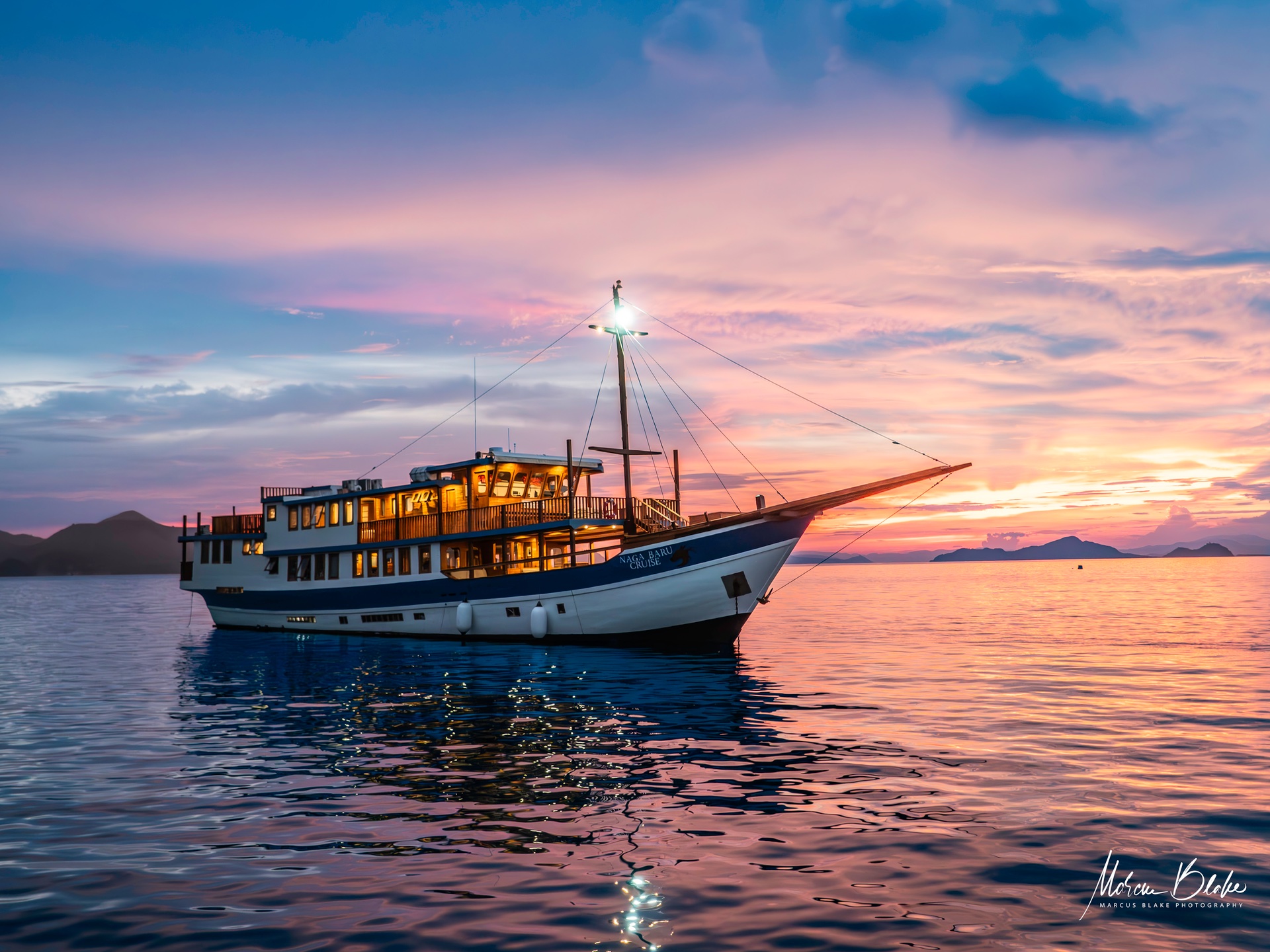
Naga Biru
Indonesia
12 guests40 m
$273/day
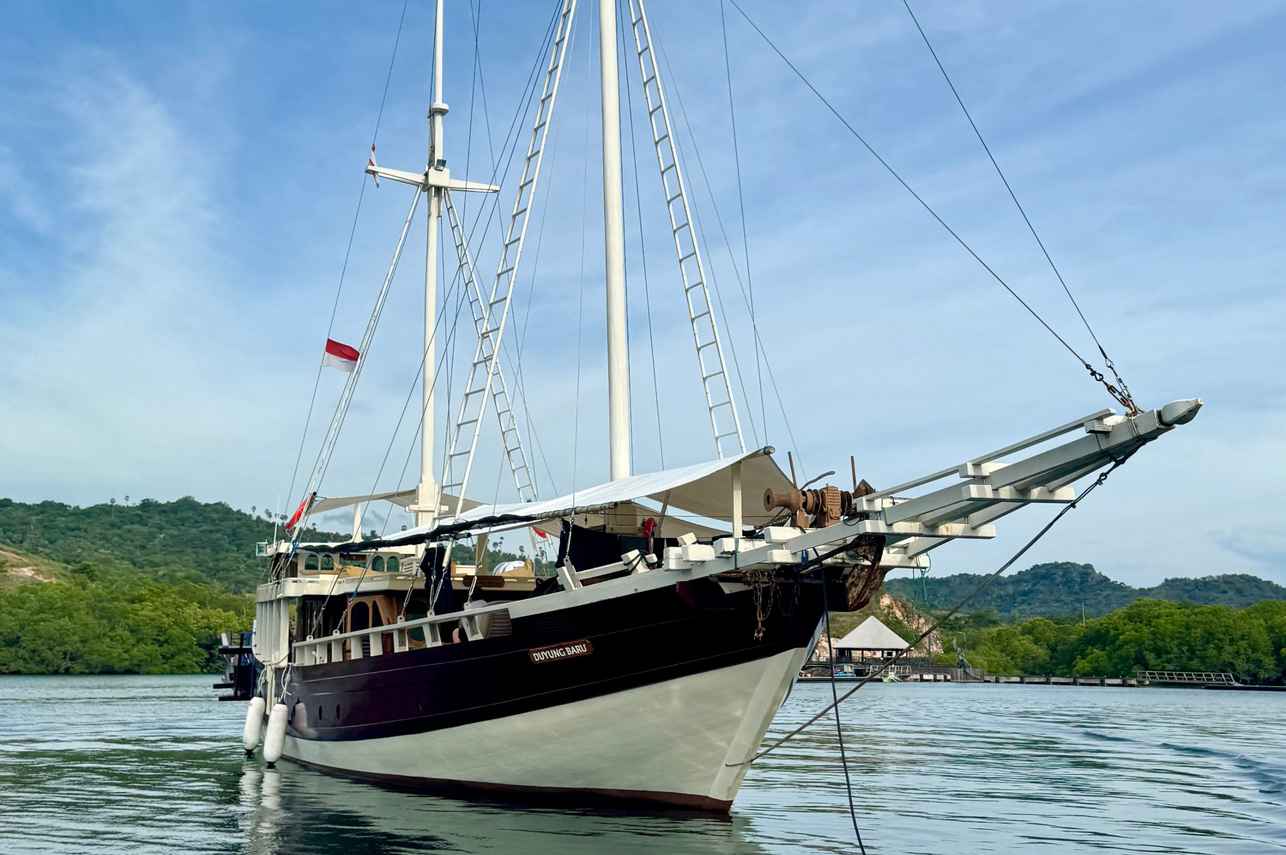
Ecopro Duyung Baru
Indonesia
6 guests27 m
$361/day
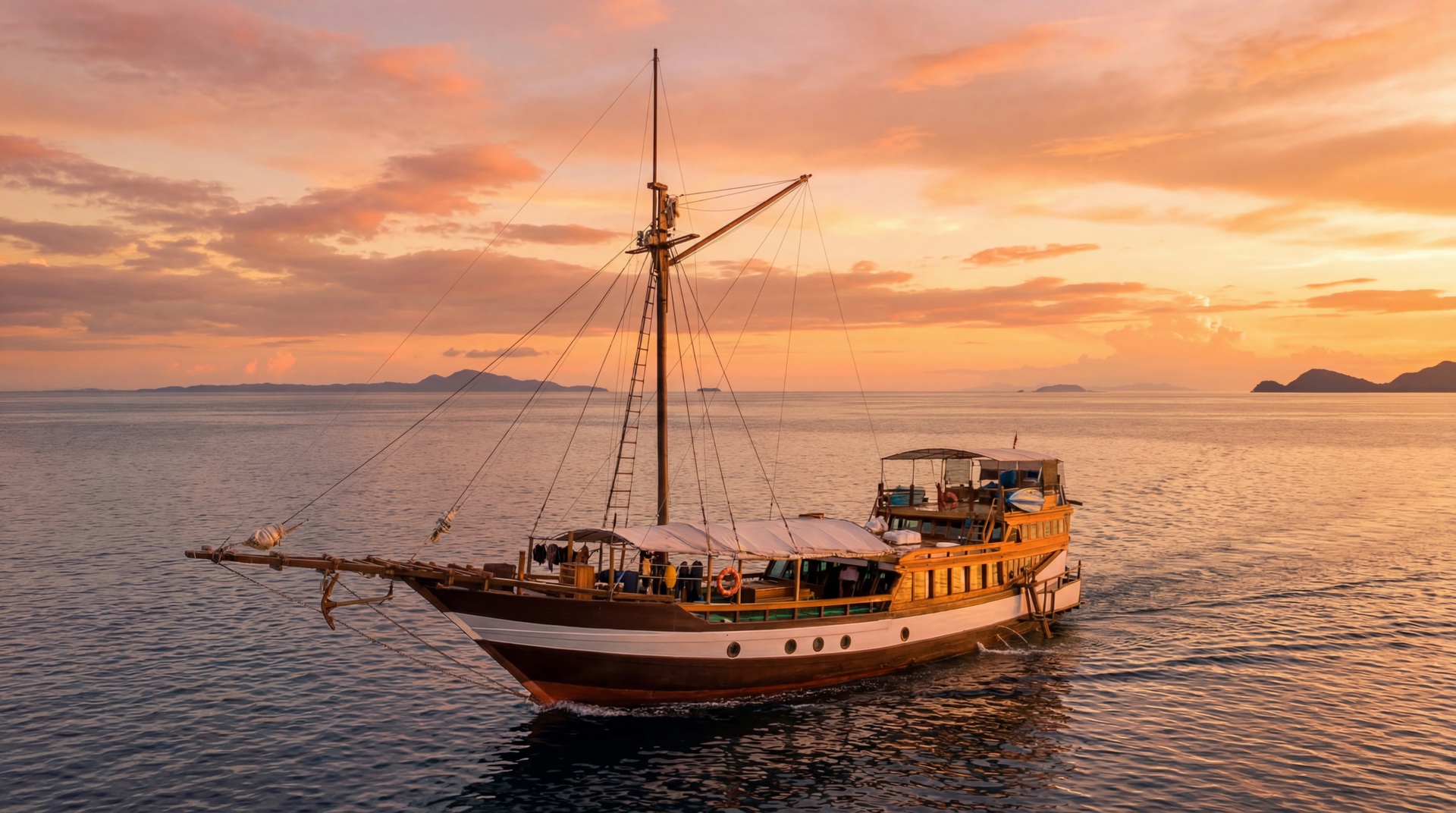
Wellenreng
Indonesia
9 guests25 m
$427/day
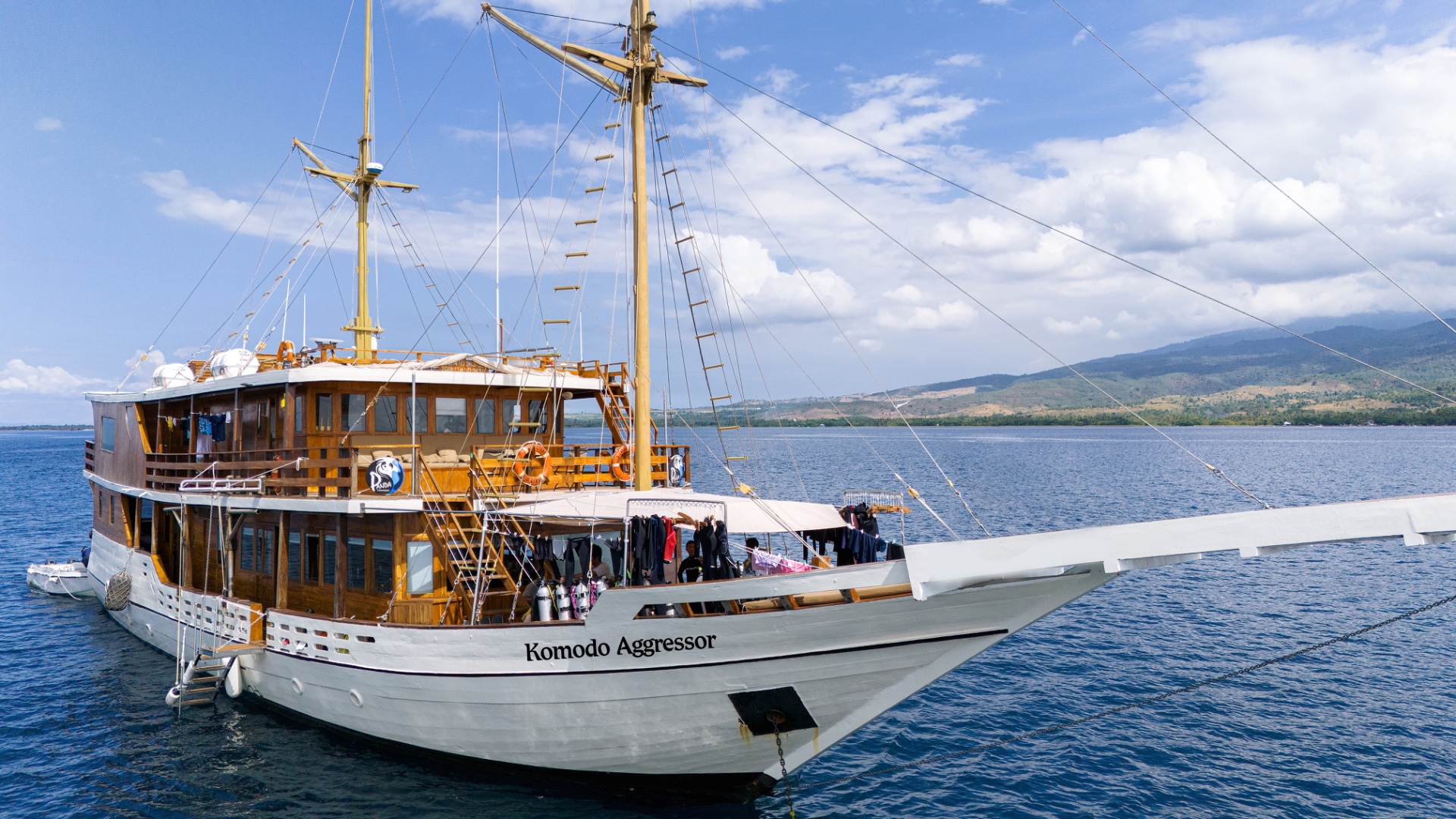
Komodo Aggressor
Komodo, Indonesia
16 guests29 m
$312/day
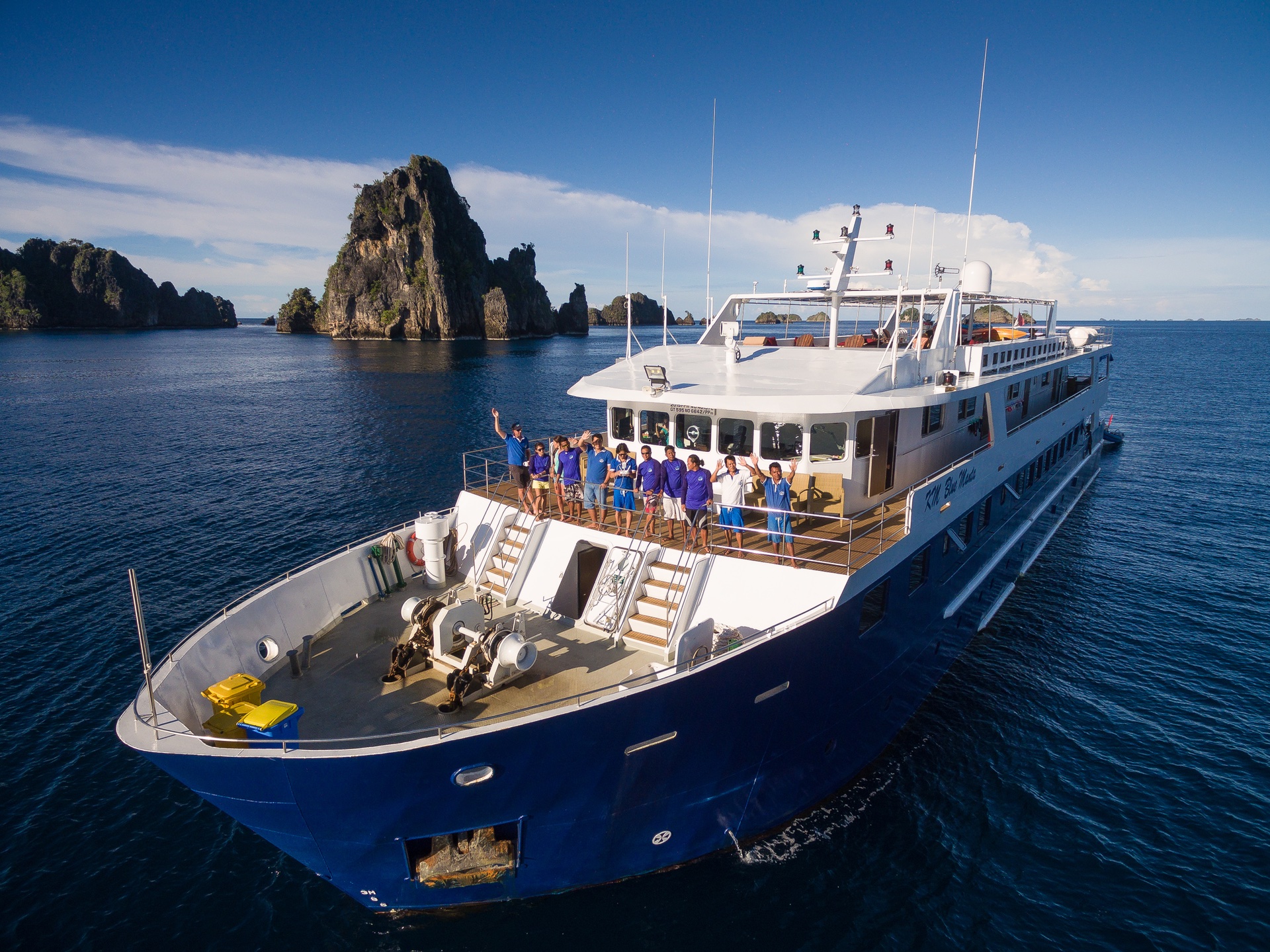
Blue Manta
Indonesia
20 guests45 m
$482/day
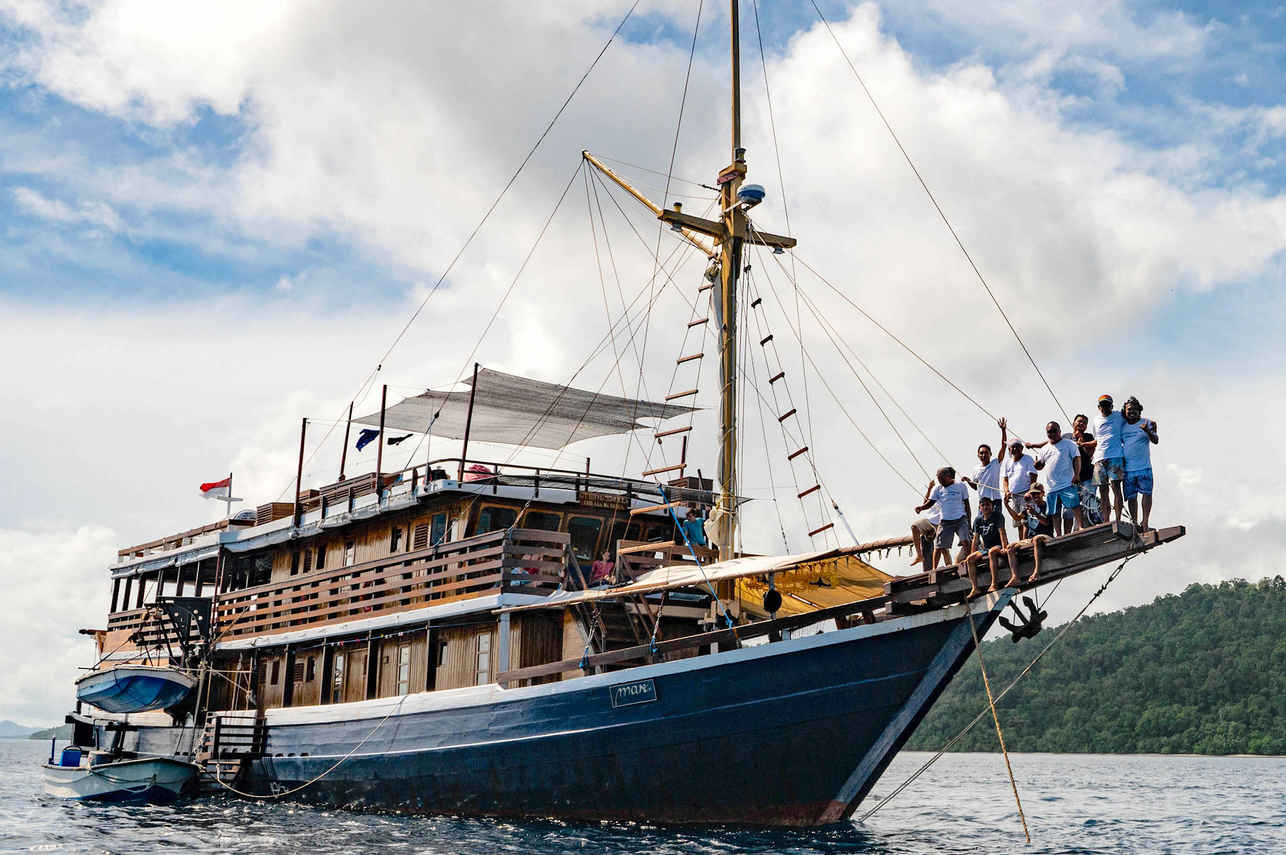
Mari
Indonesia
14 guests32.2 m
$328/day
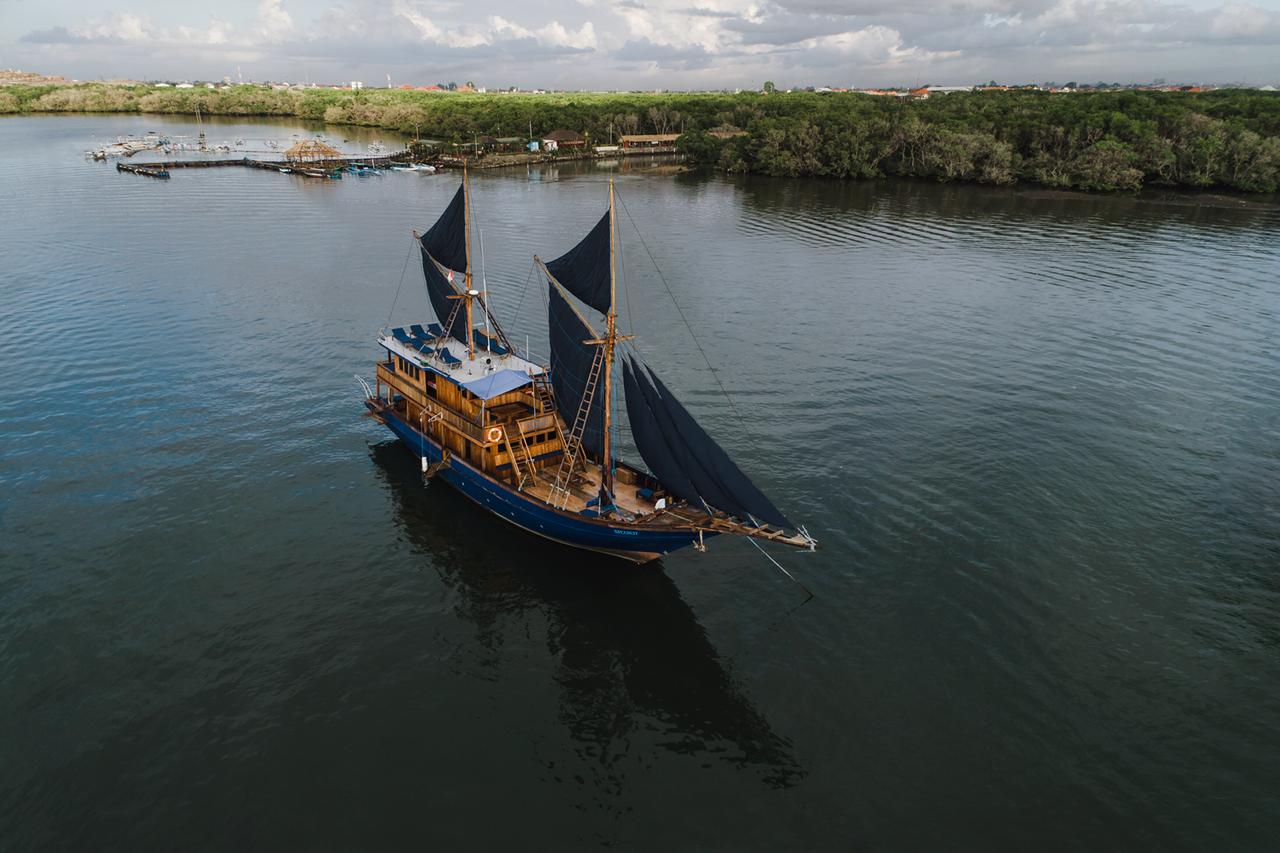
Situju7
Komodo, Indonesia
10 guests32.7 m
$362/day
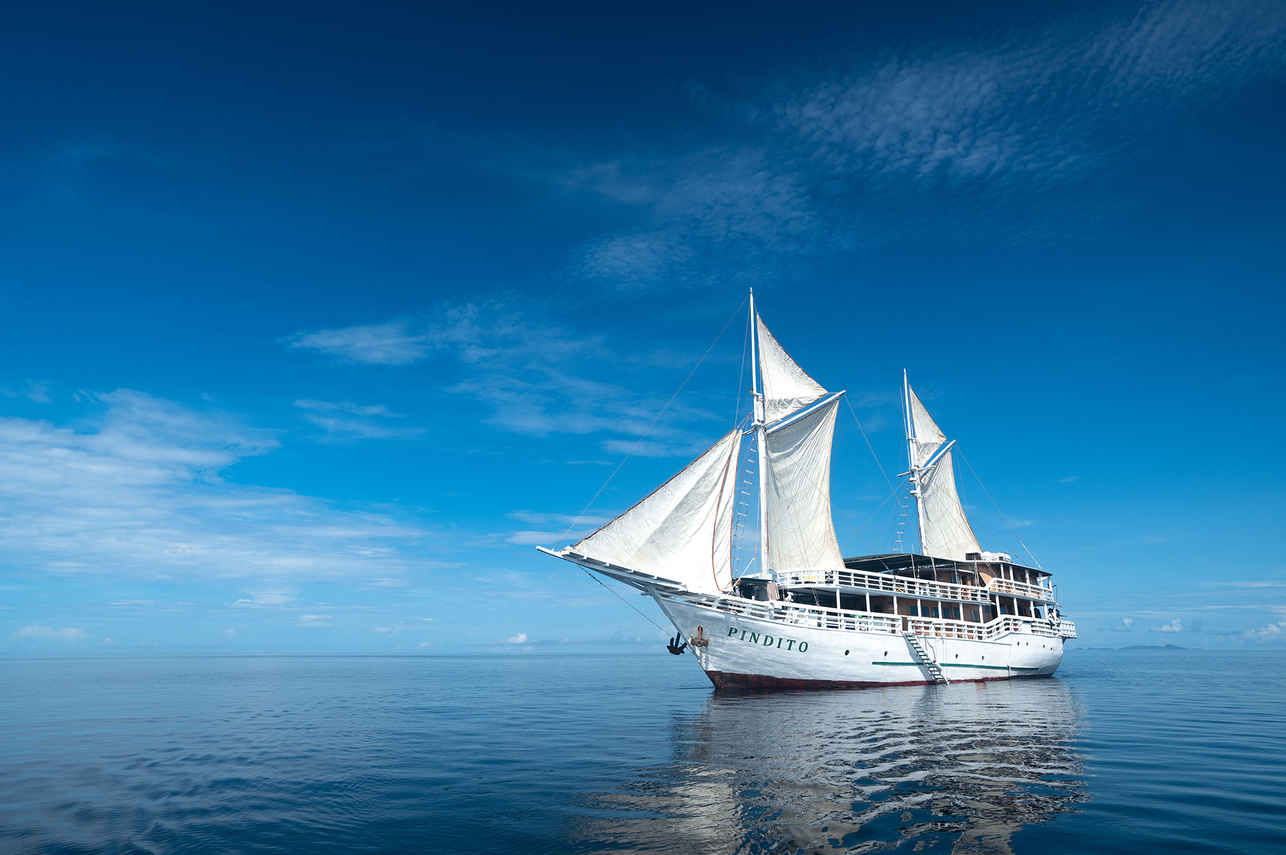
Pindito
Indonesia
16 guests37.79 m
$533/day
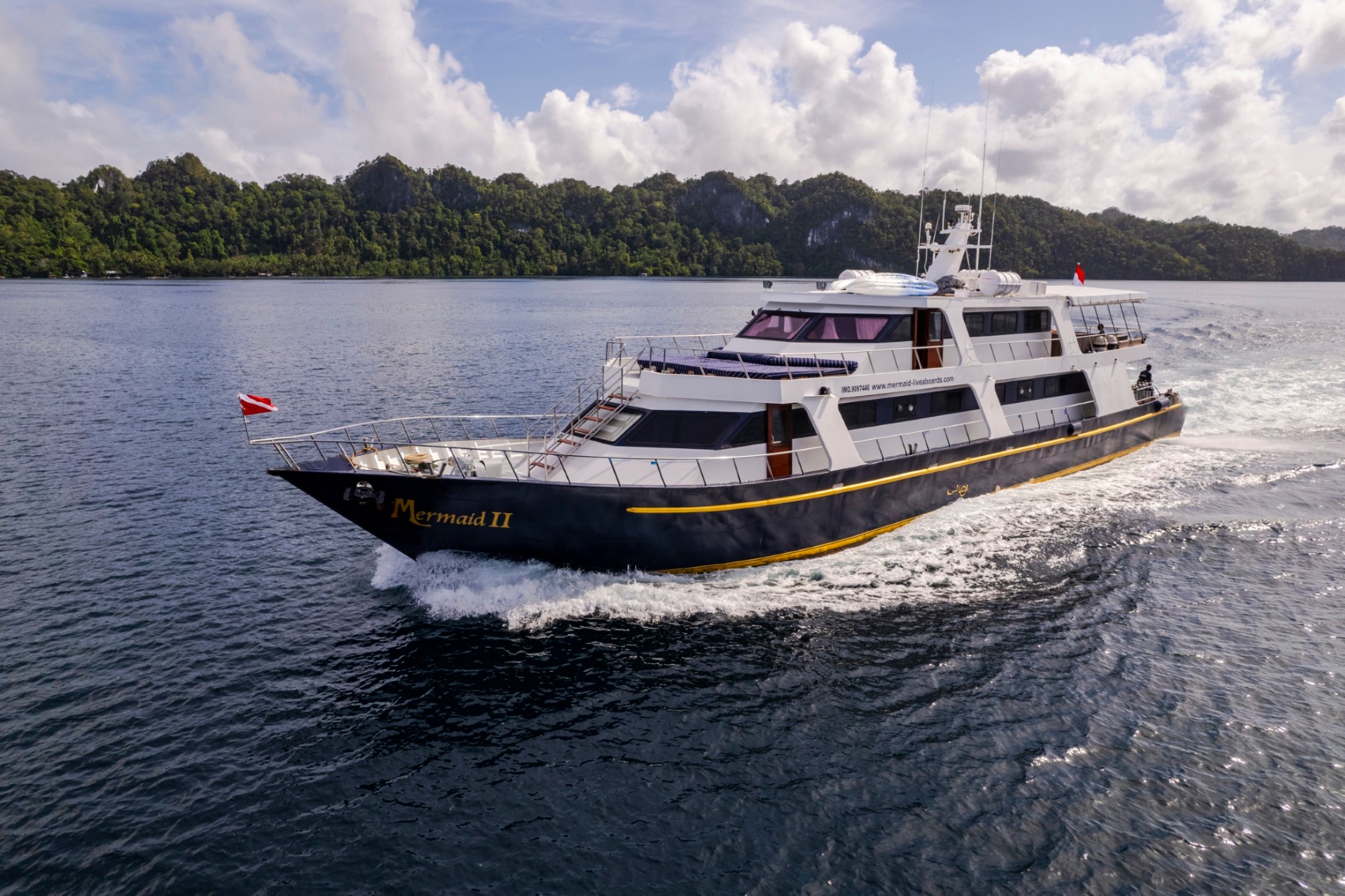
Mermaid II
Komodo, Indonesia
18 guests
$391/day
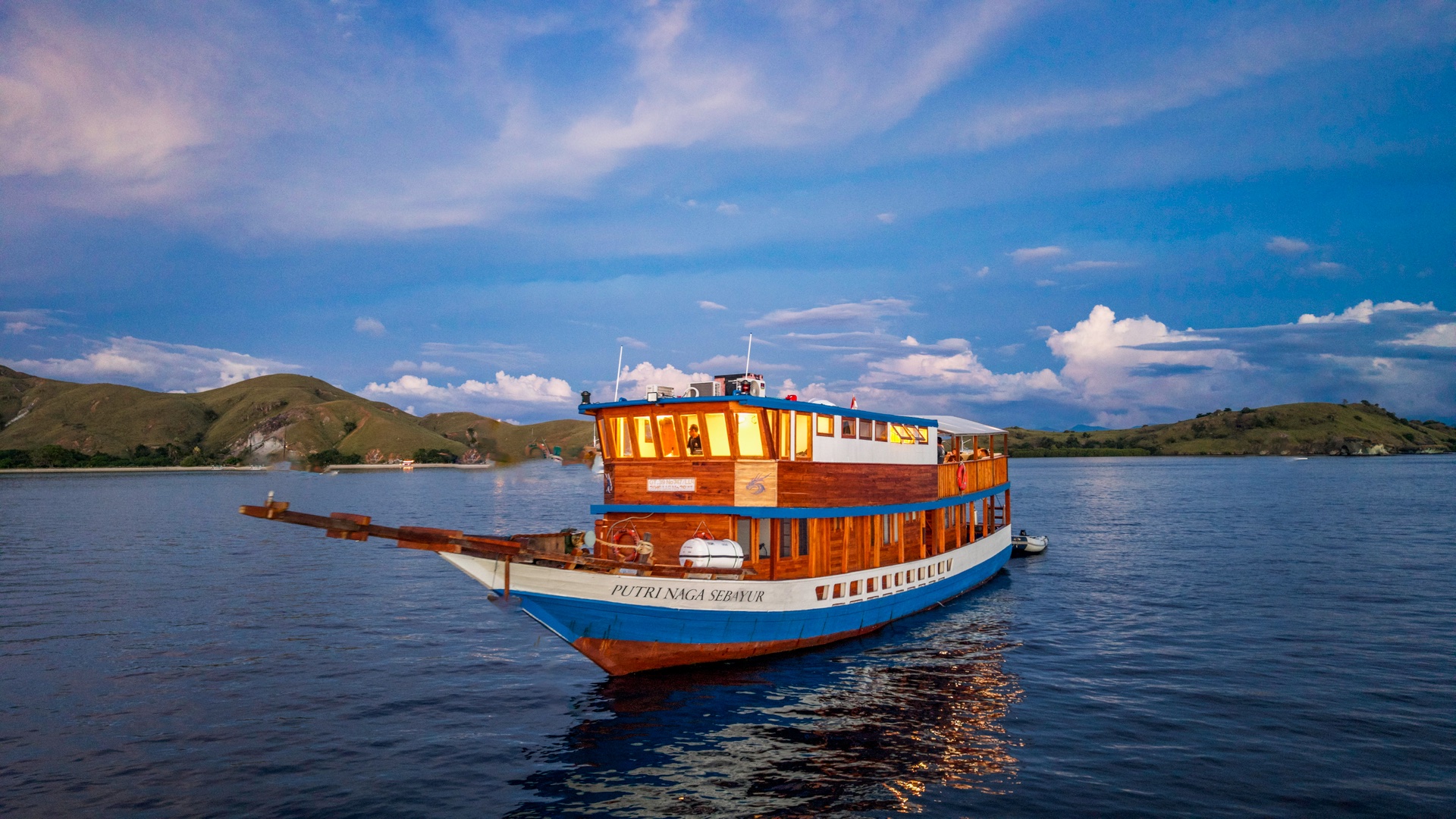
Putri Naga
Komodo, Indonesia
6 guests25 m
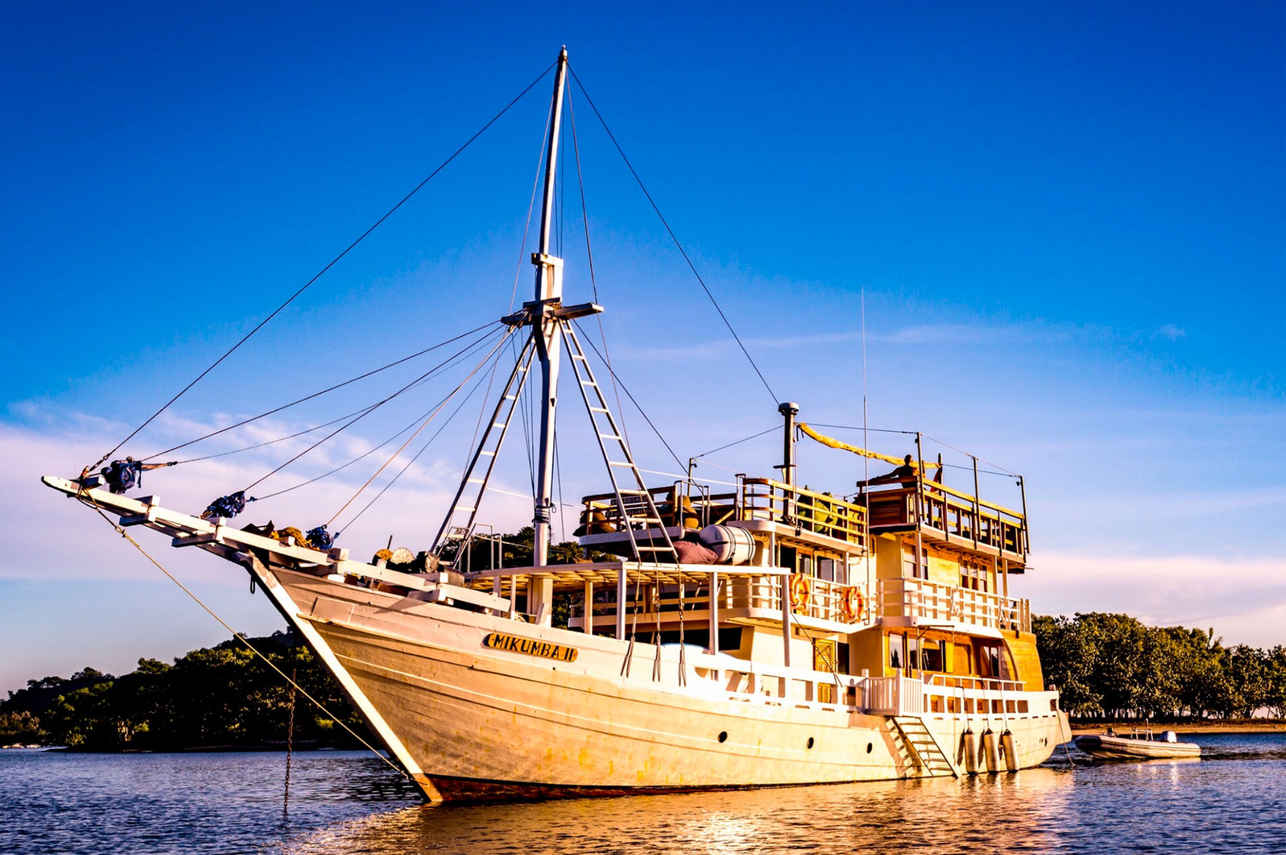
Mikumba Dua
Indonesia
10 guests30 m
$335/day
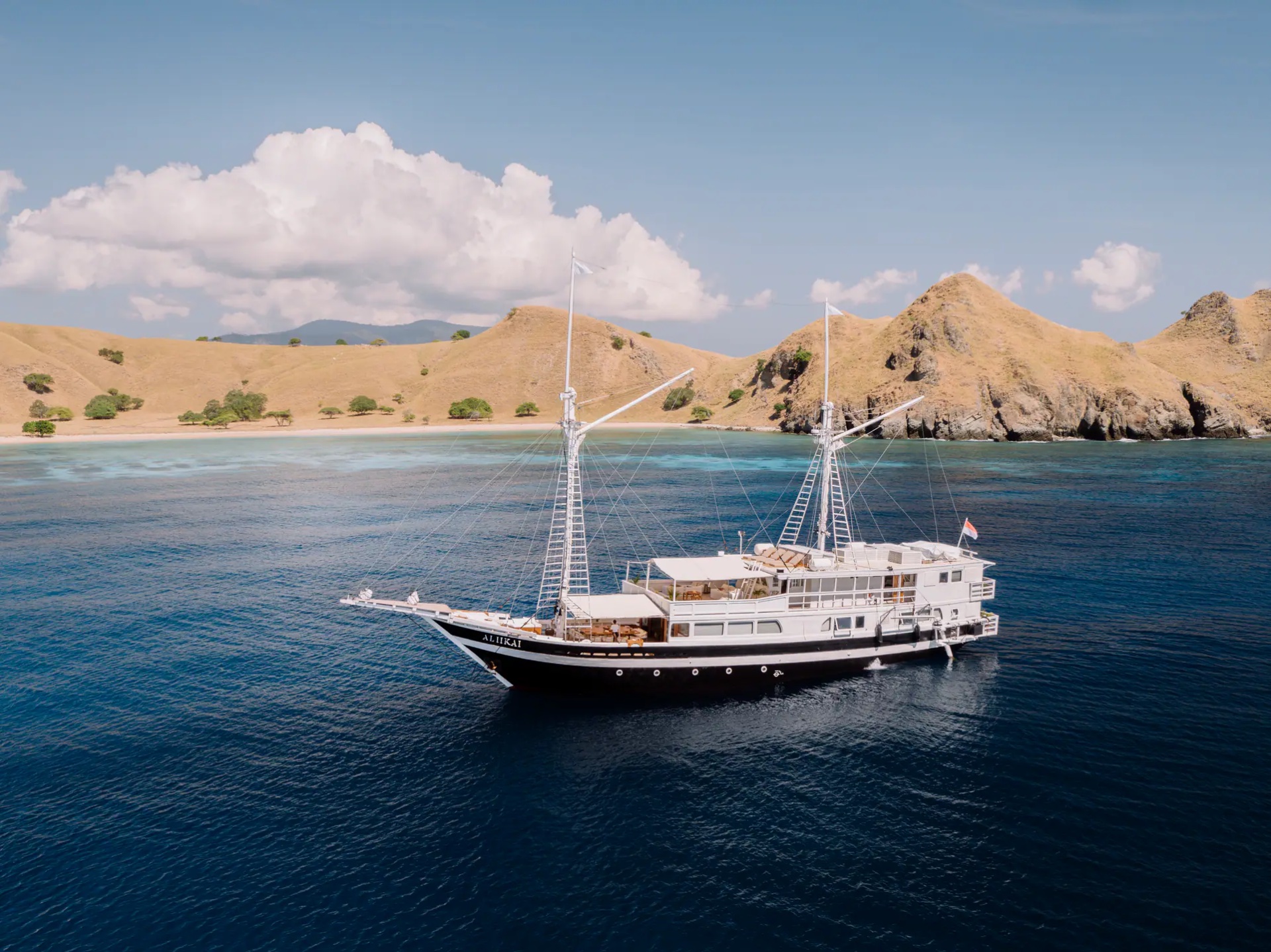
Aliikai Voyage
Indonesia
15 guests40 m
$658/day
Dive sites similar to Tukoh-serikaya
Same character, same waters — six more sites divers love for the exact same reasons.Compare seasons, access and liveaboard routes — then pick the site that fits your trip best.
© Esri — Maxar, Earthstar, GIS
Banana Split
Komodo, Indonesia
The Komodo National Park, a UNESCO World Heritage site in Indonesia, is renowned for its extraordinary marine biodiversity.
- Suitable for
- Advanced
- Current
- Moderate
- Access
- Liveaboard only
- Depth
- ≤ 30 m
- Theme
- Reef
© Esri — Maxar, Earthstar, GIS
Batu Saloka
Komodo, Indonesia
Batu Saloka offers an exceptional diving experience within Komodo National Park, distinguished by its rugged underwater topography and a vibrant marine ecosystem.
- Suitable for
- Advanced
- Current
- Strong
- Access
- Liveaboard only
- Depth
- —
- Theme
- Reef
© Esri — Maxar, Earthstar, GIS
Gili Lawa Darat
Komodo, Indonesia
Gili Lawa Darat, situated at the northern entrance of Komodo National Park, is renowned for its thrilling drift diving opportunities.
- Suitable for
- Intermediate
- Current
- Strong
- Access
- Liveaboard or dayboat
- Depth
- 5–25 m
- Theme
- Drift / Reef
Gindang is nestled within the Central Komodo National Park, an area renowned for its ecological diversity and year-round accessibility.
- Suitable for
- Intermediate
- Current
- No current
- Access
- Liveaboard only
- Depth
- —
- Theme
- Reef
GPS Point is an advanced dive site located in the Banta Island area, specifically Gili Banta, within Komodo National Park's northern region.
- Suitable for
- Advanced
- Current
- Strong
- Access
- Liveaboard only
- Depth
- 15–35 m
- Theme
- Reef
© Esri — Maxar, Earthstar, GIS
Komodo Corner
Komodo, Indonesia
Komodo Corner, or Police Corner, is a captivating dive site situated on the south side of Siaba Besar Island within Central Komodo National Park.
- Suitable for
- Advanced
- Current
- Strong
- Access
- Liveaboard or dayboat
- Depth
- 5–30 m
- Theme
- Cave & cavern / Drift