About Tukoh-lehokgebah
Komodo National Park, a UNESCO World Heritage Site and Biosphere Reserve, offers an unparalleled diving experience within the Coral Triangle. Located in the Lesser Sunda Islands of Indonesia, it encompasses the major islands of Komodo, Rinca, and Padar, alongside numerous smaller islets, forming a vast marine protected area. Established initially in 1980 to safeguard the unique Komodo Dragon, the park's mission has expanded to preserve its rich terrestrial and aquatic biodiversity, making it a pivotal ecological site. Diving in Komodo explores highly varied underwater landscapes, from shallow coral reefs teeming with life to dramatic deep walls, volcanic mounts, and current-swept pinnacles. The park's diverse topography includes sweeping bays, volcanic hills, and even a unique pink sand beach, with dive sites scattered across northern, central, and southern regions. Northern areas near Gili Lawa Laut and Gili Lawa Darat are known for clear waters and strong currents, ideal for drift dives and pelagic encounters, while the south, including Manta Alley and Manta Point, offers plankton-rich waters that attract abundant manta rays and diverse macro life. Komodo is a naturalist's paradise, boasting over 2,600 fish species, 70 coral types, and 29 shark species. Divers frequently encounter majestic manta rays, especially during the rainy season between December and February, though they are present year-round. Other pelagic species include various dolphins, whales, grey reef sharks, and eagle rays. For macro enthusiasts, the area is rich with critters like shrimp, frogfish, nudibranchs, sea apples, and pygmy seahorses. Liveaboard trips typically offer 3 to 4 dives daily, with itineraries ranging from 3 to 12 days, allowing access to remote sites unreachable by day boats. Due to often strong currents, many dives in Komodo are best suited for advanced divers, though some operators accommodate Open Water divers by tailoring routes and offering private guides. Daily park and diving fees are required, and since 2026, visitor numbers are limited, necessitating advance booking for permits.
Highlights
Manta ray cleaning stationsStrong current drift divesDiverse pelagic encountersRich macro lifeVibrant coral reefsKomodo Dragon land excursions
Season calendar
Best months to dive here
Jan
Feb
Mar
Apr
May
Jun
Jul
Aug
Sep
Oct
Nov
Dec
Excellent
Good
Dive site facts: Tukoh-lehokgebah
- Current
- Strong
- Water temperature
- 25–29°C
- Entry
- Liveaboard only
- Level
- Advanced
- Dive type
- Reef, drift, wall
- Region / port
- Komodo National Park
- Coordinates
- -8.5607, 119.6433
Conditions & Currents
Komodo is renowned for its strong, often unpredictable currents, which are a defining feature of many dive sites, particularly in the northern areas like Castle Rock and Crystal Rock, where currents can reach 4 to 6 knots. These powerful currents are responsible for attracting abundant pelagic life but necessitate advanced diving skills and experience. Slack tide is often utilized for certain dives, while many sites are enjoyed as exhilarating drift dives. Negative entries are common, and divers should be proficient in using reef hooks for stabilization. Visibility can be exceptional, often reaching 25-30 meters in the north, though plankton-rich waters in the south may reduce visibility but attract abundant marine life like manta rays. There can be thermoclines, especially in the south, resulting in cooler water temperatures. Due to these challenging conditions, many dive operators recommend Komodo for advanced divers, emphasizing proper gas planning and safety protocols.
Marine life & sighting chances


Dive profile & how the dive runs
Diving at Tukoh-lehokgebah focuses on exploring the northern and southern points of the island, which offer distinct features. Entry typically involves descending along the reef to explore the vibrant coral coverage and diverse small fish populations. The southern side features large boulders, creating an intricate terrain for exploration, while the northern side, though exposed to strong currents, hosts robust coral growth. Dives are often planned to utilize the lee side of the island to manage current exposure, allowing divers to drift along the reef while observing sharks and other pelagic species attracted to the nutrient-rich waters. Careful buoyancy control is essential throughout the dive, especially when transitioning between areas of varying current strength. The safety stop is conducted in more sheltered sections, usually towards the end of the drift, before ascending.
Underwater photography
Capturing the vibrant coral coverage and abundant small fish at Tukoh-lehokgebah benefits from a wide-angle lens, particularly for showcasing the extensive reef systems. Strong currents mean good buoyancy control is paramount to maintain position and avoid damaging the fragile corals, which is also key for clear shots. For close-up encounters with the resident sharks and detailed coral shots, a macro lens can be rewarding, especially when exploring the interesting boulder formations on the southern side. External strobes are essential to bring out the true colors of the reef and marine life, as natural light diminishes quickly in deeper or turbid areas. Patience is required due to the dynamic currents, waiting for opportune moments to stabilize and frame shots.
Combine with nearby dive sites
- Tukoh-serikaya
Similar diving environment and current exposure
- Banana Split
The Komodo National Park, a UNESCO World Heritage site in Indonesia, is renowned for its extraordinary marine biodiversity.
- Batu Saloka
Prone to strong currents and swell
- Lohwenci
Relatively current-free dive
- GPS Point
Seamount with abundant fish life in current-prone areas
Getting there & logistics
Access to Komodo National Park, including Tukoh-lehokgebah, is primarily through Labuan Bajo (LBJ) on Flores, which has daily flights from Bali or Jakarta. Most divers visit via liveaboard boats, which offer the best access to remote sites like Tukoh-lehokgebah, though day trips from Labuan Bajo can reach northern park sites. Trip lengths for liveaboards typically range from 3 to 7 nights or longer. A Komodo National Park entrance fee of Rp 150,000 (Mon-Sat) or Rp 225,000 (Sun/public holiday) per day is required, plus an additional Rp 25,000 per diver per day for diving activities. Liveaboards frequently combine dives in the northern, central, and sometimes southern regions of the park, depending on the season and conditions.
Safety & environment
Diving in Komodo, including at Tukoh-lehokgebah, demands a high level of diver experience due to frequently strong and unpredictable currents, including potential down-currents. All divers should be proficient in current diving techniques, maintain excellent buoyancy control, and carry a surface marker buoy (SMB) and whistle for safety. The nearest recompression chamber is located in Bali, necessitating a medical evacuation in case of a decompression illness. Divers must have adequate dive insurance covering such emergencies. Always dive with a reputable, qualified dive operator familiar with local conditions, and strictly follow dive guide instructions. Careful monitoring of air consumption and no-decompression limits is crucial, especially during drift dives.
Who it suits — and who it doesn't
Suited for
- Experienced divers comfortable with strong currents
- Divers seeking vibrant coral reefs and abundant reef fish
- Underwater photographers targeting wide-angle reef shots
- Divers interested in diverse topography with boulder formations
- Those who enjoy drift diving with pelagic encounters
Less suited for
- Beginner divers or those without current diving experience
- Divers prone to seasickness in strong currents
- Individuals with poor buoyancy control
- Divers expecting consistently calm, current-free conditions
- Those uninterested in challenging dive environments
FAQ
Tukoh-lehokgebah FAQ
What marine life can I expect to see at Tukoh-lehokgebah?
Tukoh-lehokgebah is rich in marine biodiversity, primarily known for its excellent coral coverage and abundant small reef fish. Divers frequently encounter various species of sharks patrolling the island's points. The site offers a good chance to see the vibrant life supported by Komodo's nutrient-rich currents, making it a lively underwater spectacle.
How strong are the currents at Tukoh-lehokgebah?
Tukoh-lehokgebah is significantly exposed to strong currents, particularly around its northern and southern points, typical of the Komodo region. These currents can be fierce and unpredictable, influencing the dive profile and requiring experienced divers. Dives are often planned during slack tide or on the lee side to manage the current's intensity.
Is Tukoh-lehokgebah suitable for beginner divers?
No, Tukoh-lehokgebah is generally not suitable for beginner divers. The site's exposure to strong and potentially unpredictable currents requires advanced diving skills and experience with drift diving. Divers should possess excellent buoyancy control and a comfort level with dynamic underwater conditions to safely enjoy this site.
When is the best time of year to dive Tukoh-lehokgebah?
The optimal time to dive Tukoh-lehokgebah, like other northern Komodo sites, is between March/April and October/November. During these months, the region typically experiences better visibility and calmer sea conditions. This period provides the most favorable environment for exploring the site's rich coral reefs and diverse marine life.
What makes Tukoh-lehokgebah's topography unique?
Tukoh-lehokgebah offers unique topographical features, especially on its southern side, where large boulders create an interesting and intricate underwater terrain. The northern side, though exposed to strong currents, exhibits robust coral growth. These varied structures, combined with the island's exposure, contribute to a dynamic and visually engaging dive experience.
Why dive Tukoh-lehokgebah from a liveaboard?
Tukoh-lehokgebah is one of Komodo, Indonesia's signature dive sites. A liveaboard sleeps you on the water and puts you in the water for three to four guided dives per day, including dawn and night dives that day-boat operators rarely offer. You skip the daily commute back to port and reach quieter, less-crowded sites in the same region on a single trip.
Below are the liveaboards that include Tukoh-lehokgebah on their Komodo, Indonesia itineraries.
Liveaboards diving Tukoh-lehokgebah
These liveaboards may visit Tukoh-lehokgebah on selected itineraries — the exact dive sites depend on departure, weather and conditions.
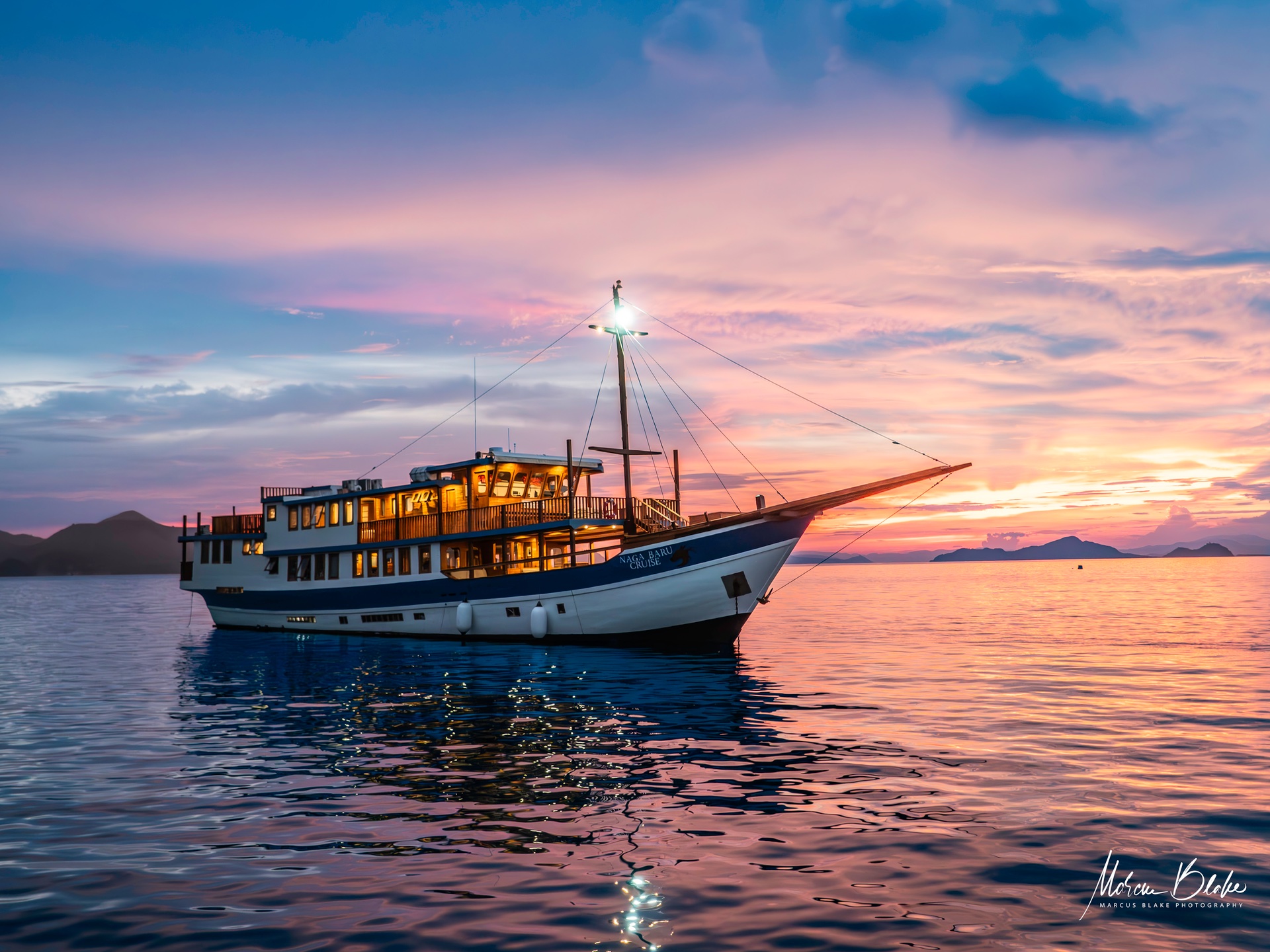
Naga Biru
Indonesia
12 guests40 m
$270/day
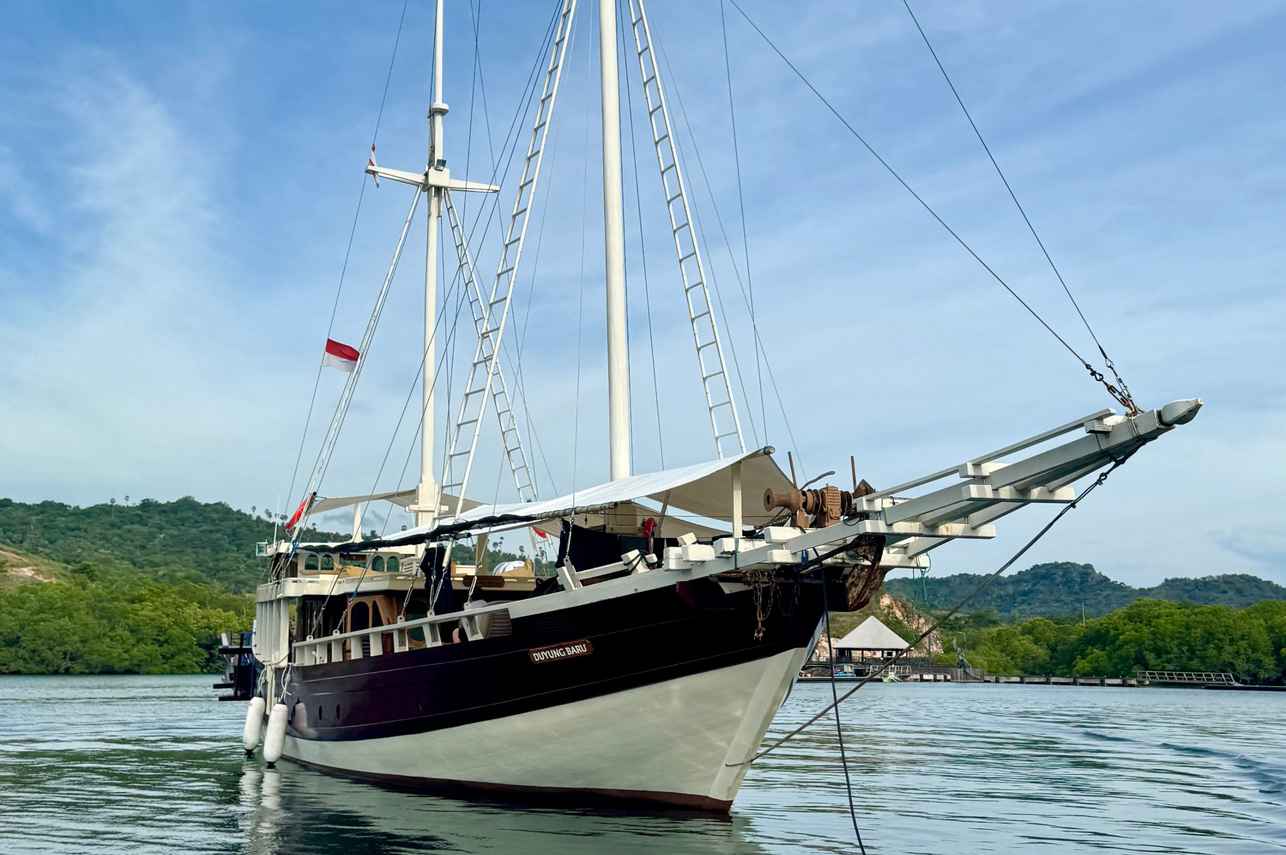
Ecopro Duyung Baru
Indonesia
6 guests27 m
$361/day
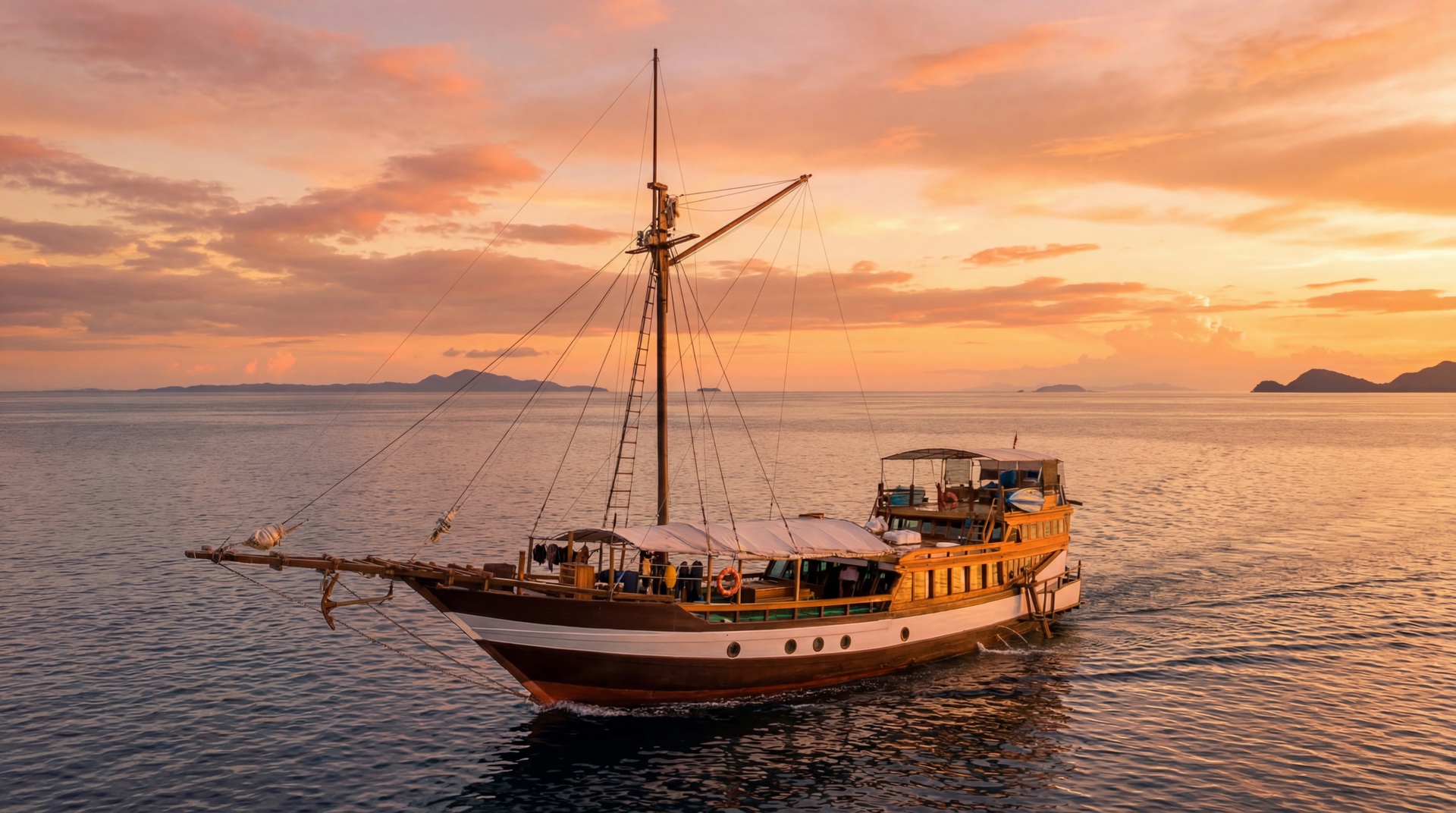
Wellenreng
Indonesia
9 guests25 m
$427/day
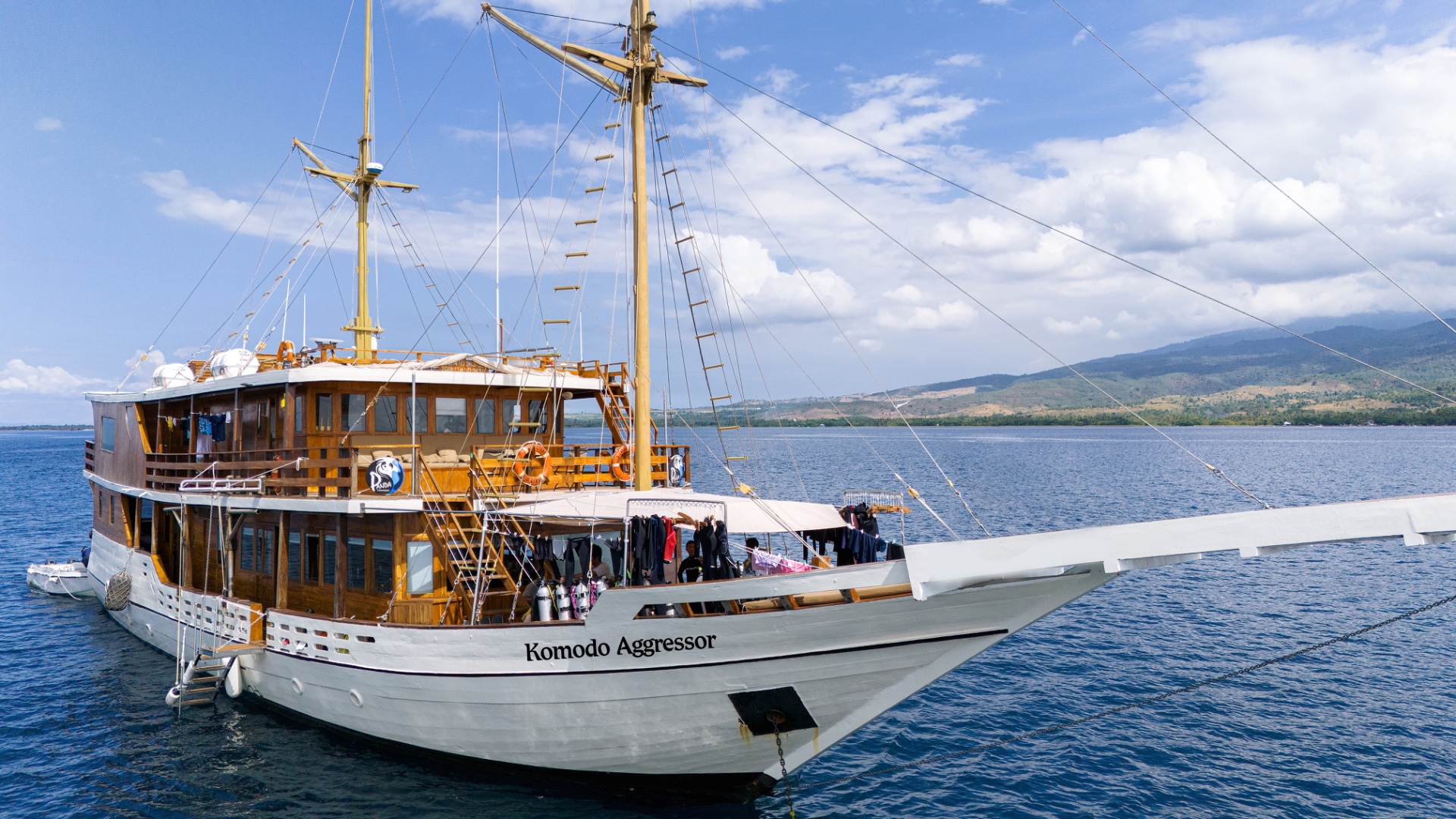
Komodo Aggressor
Komodo, Indonesia
16 guests29 m
$312/day
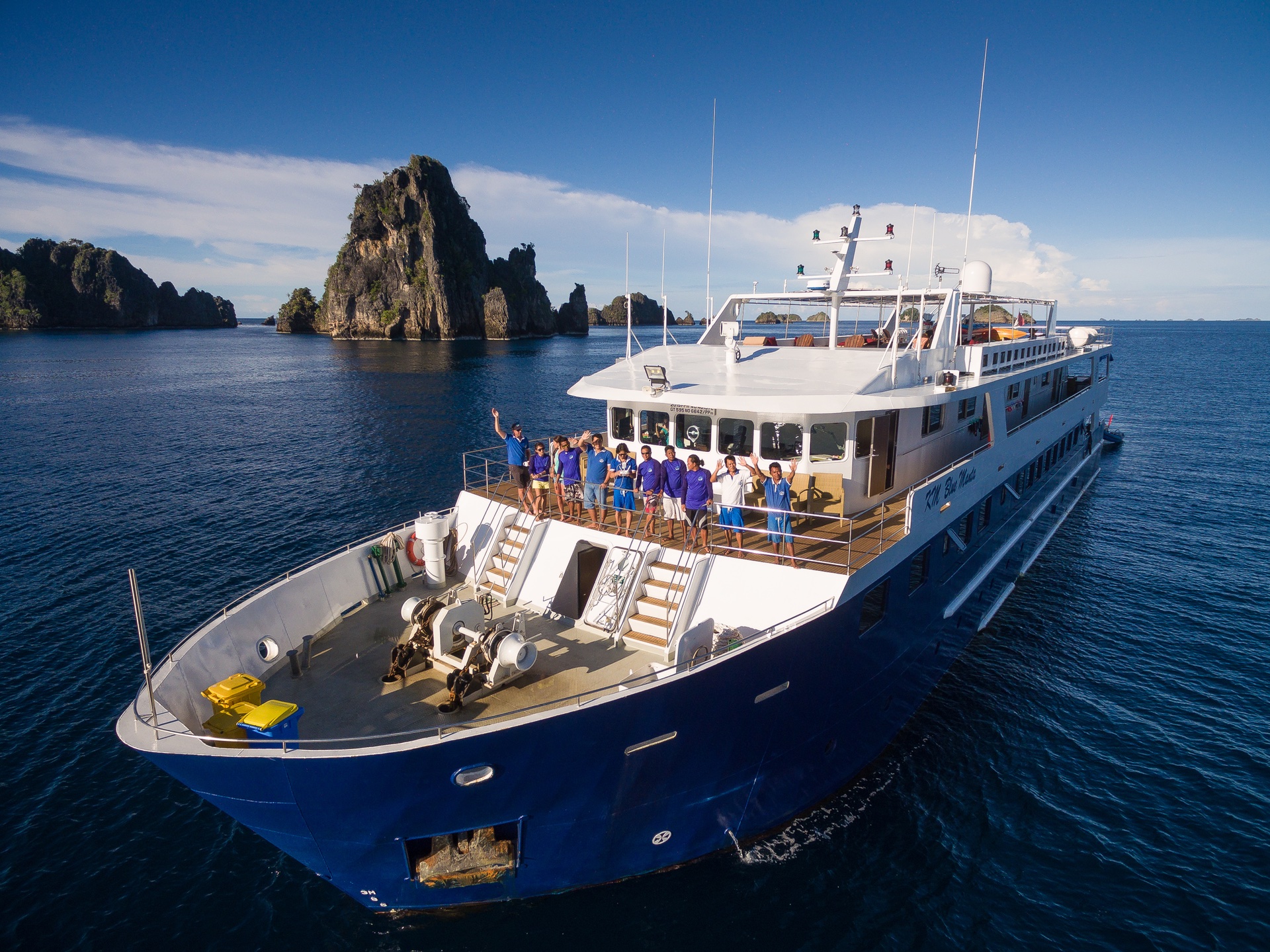
Blue Manta
Indonesia
20 guests45 m
$400/day
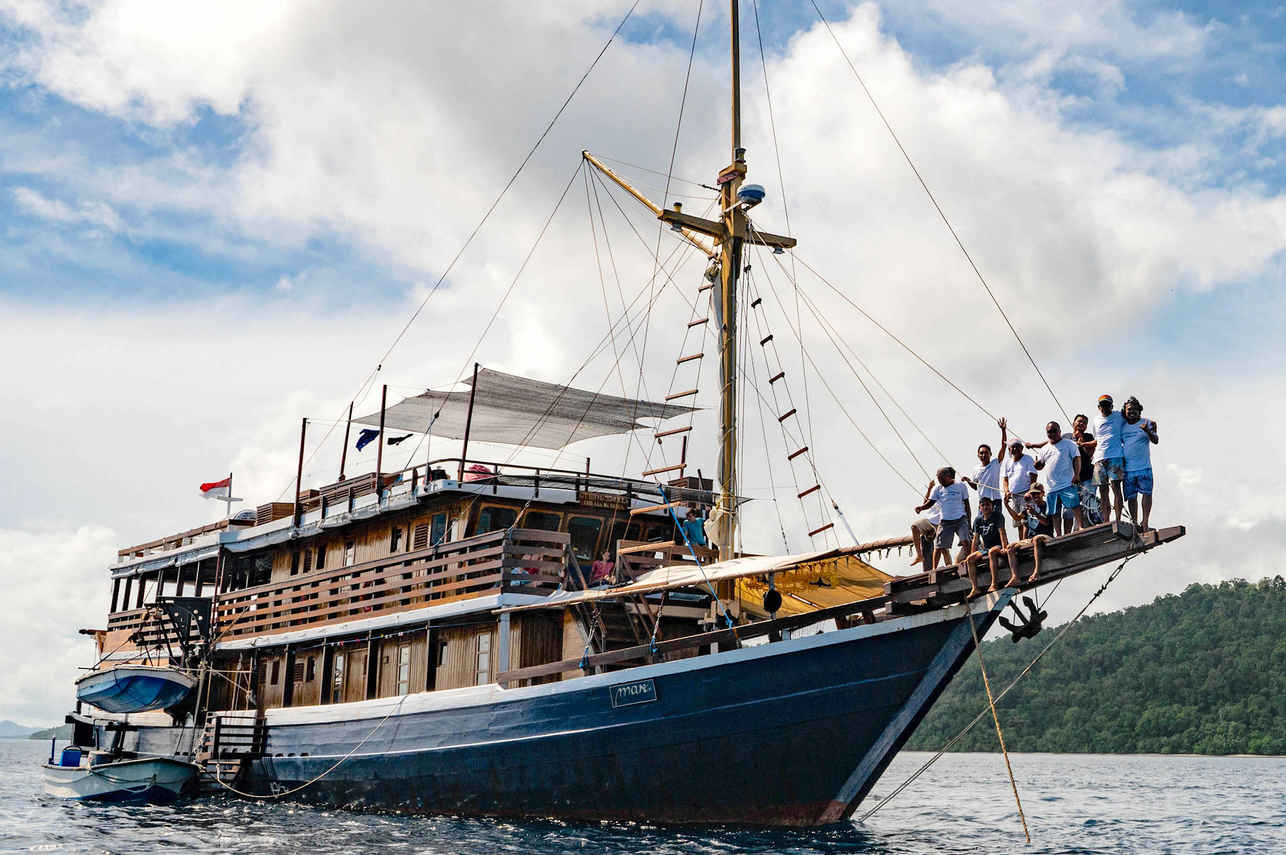
Mari
Indonesia
14 guests32.2 m
$319/day
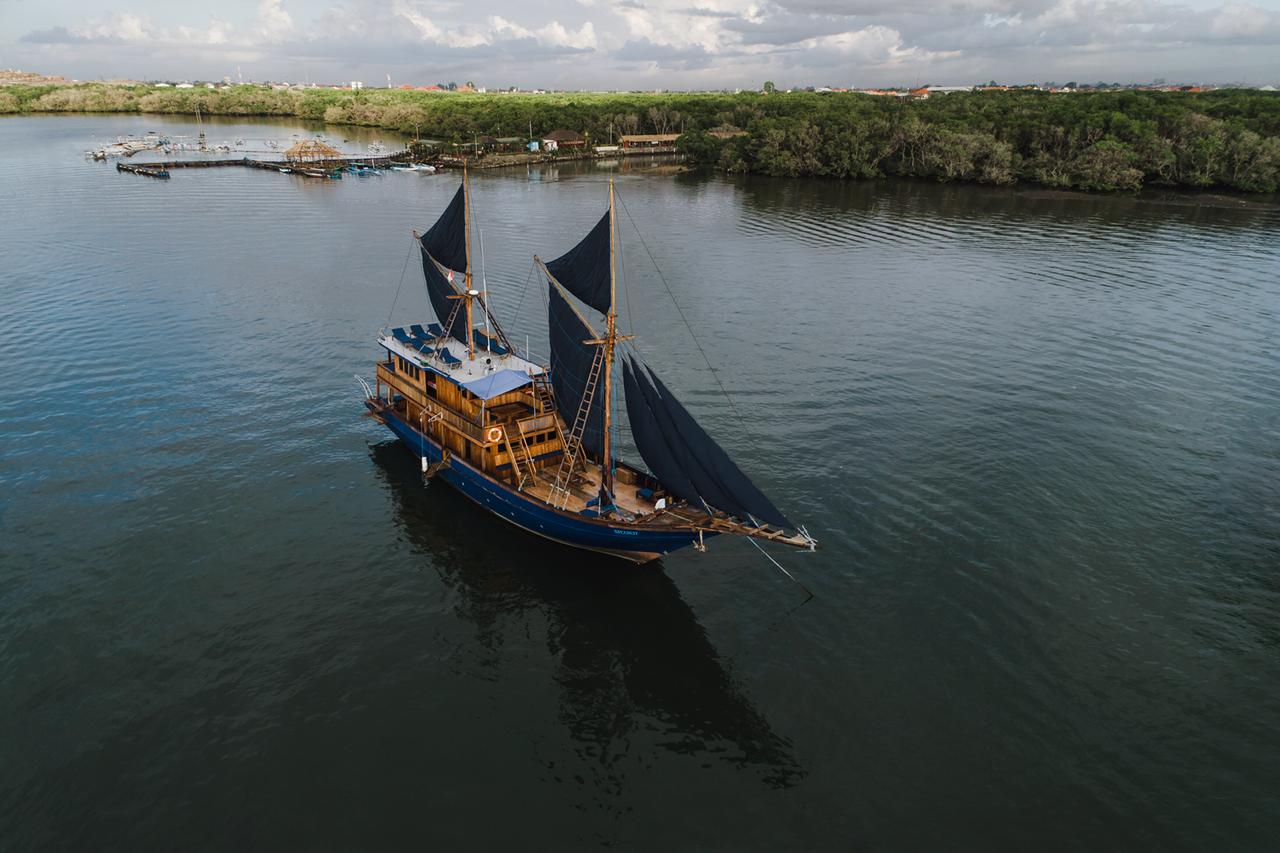
Situju7
Komodo, Indonesia
10 guests32.7 m
$362/day
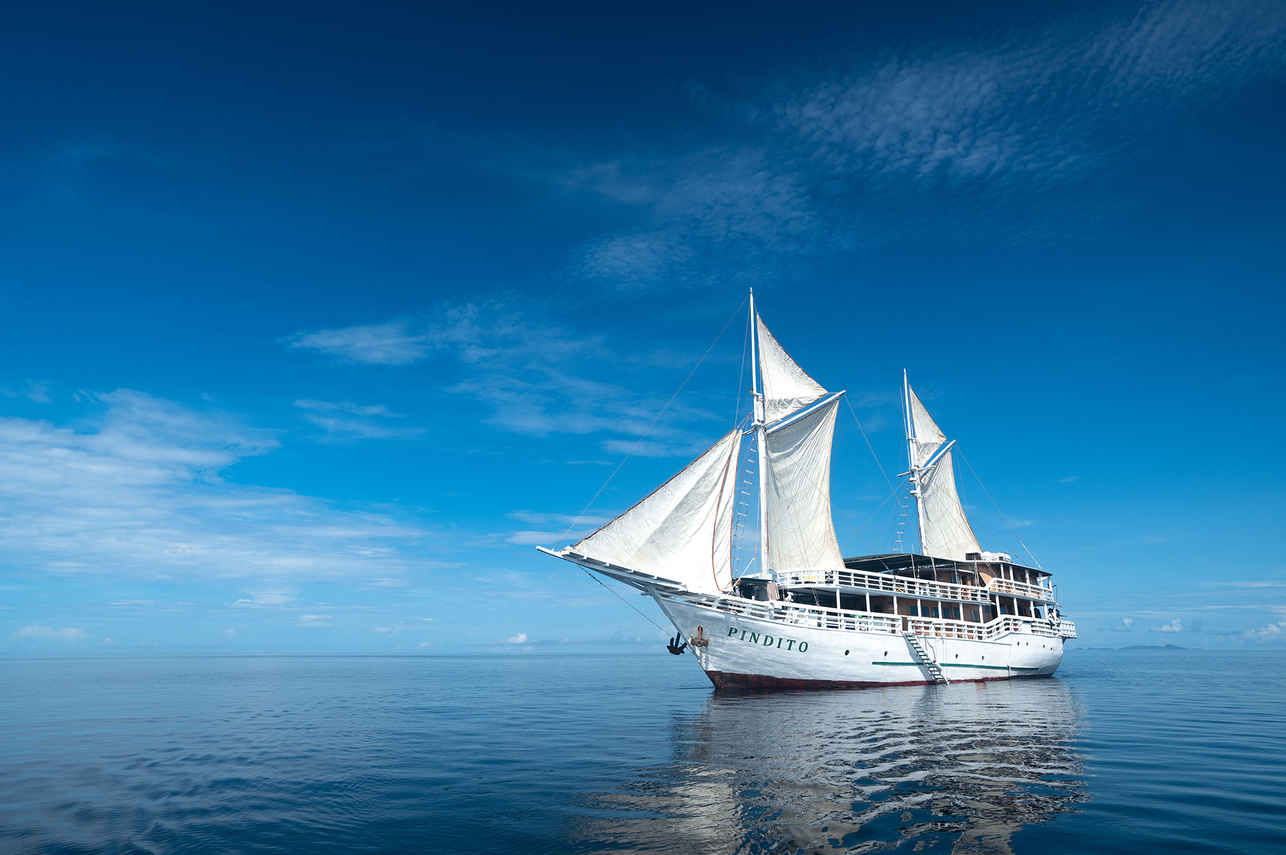
Pindito
Indonesia
16 guests37.79 m
$533/day
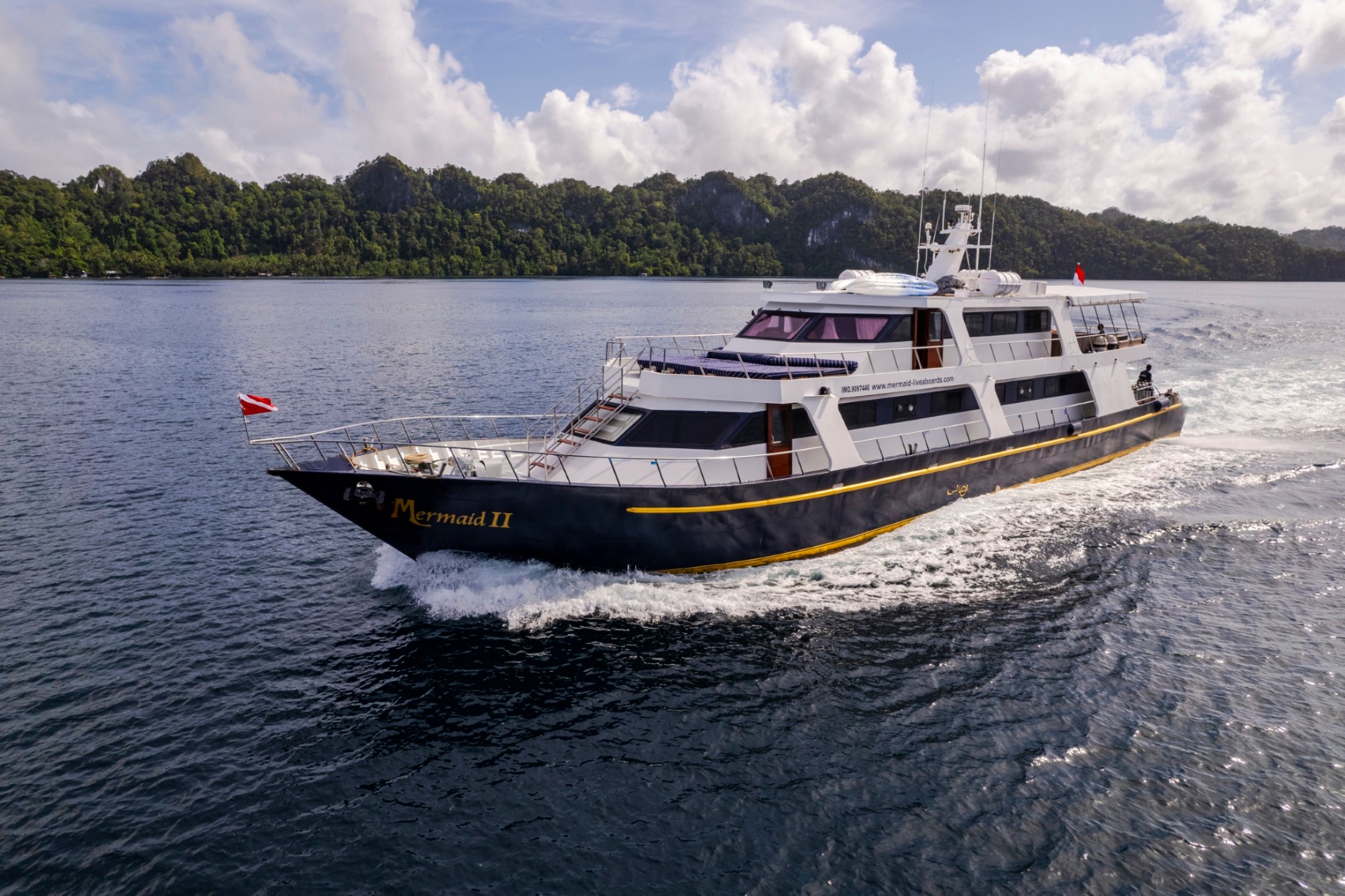
Mermaid II
Komodo, Indonesia
18 guests
$387/day
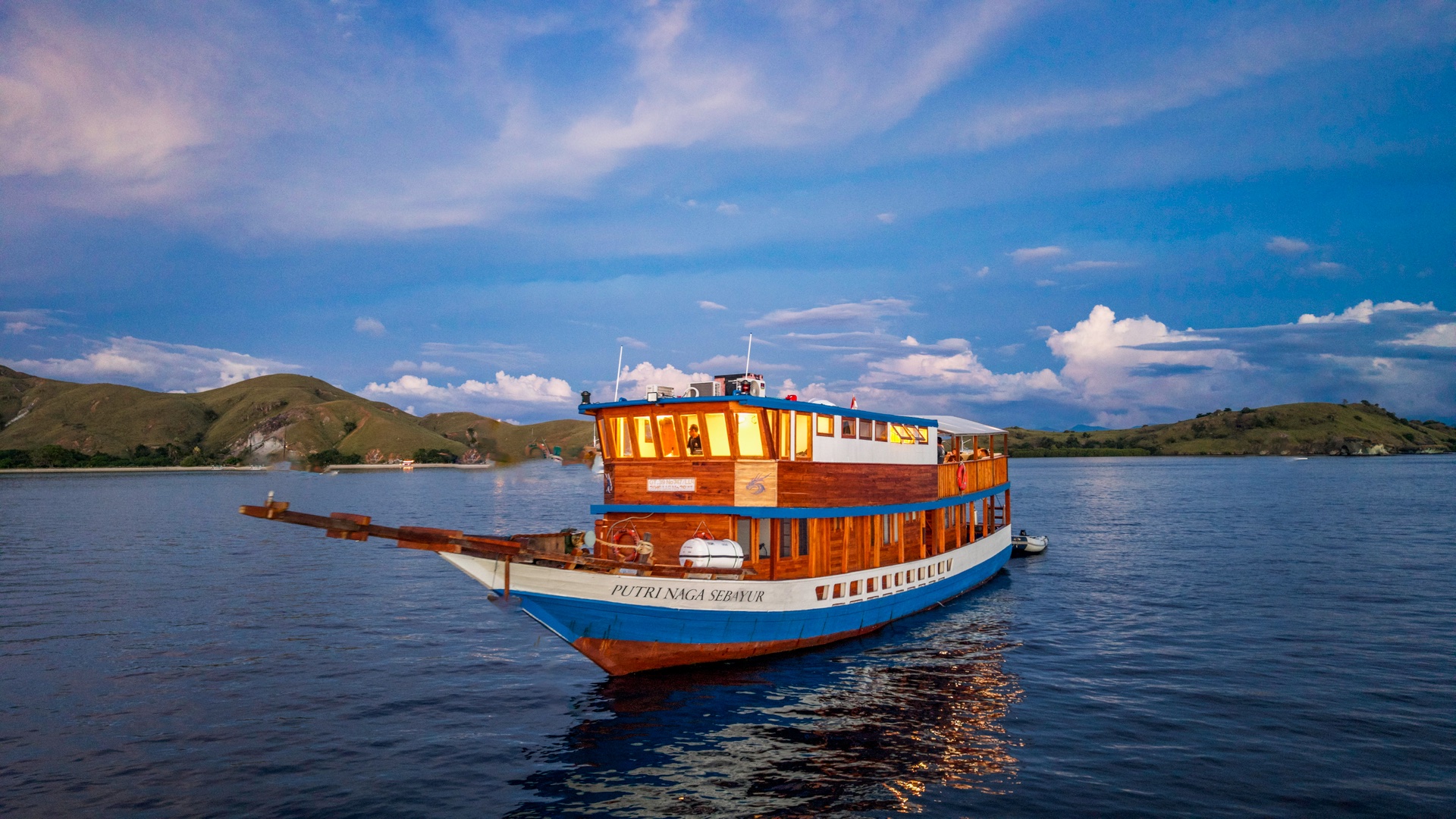
Putri Naga
Komodo, Indonesia
6 guests25 m
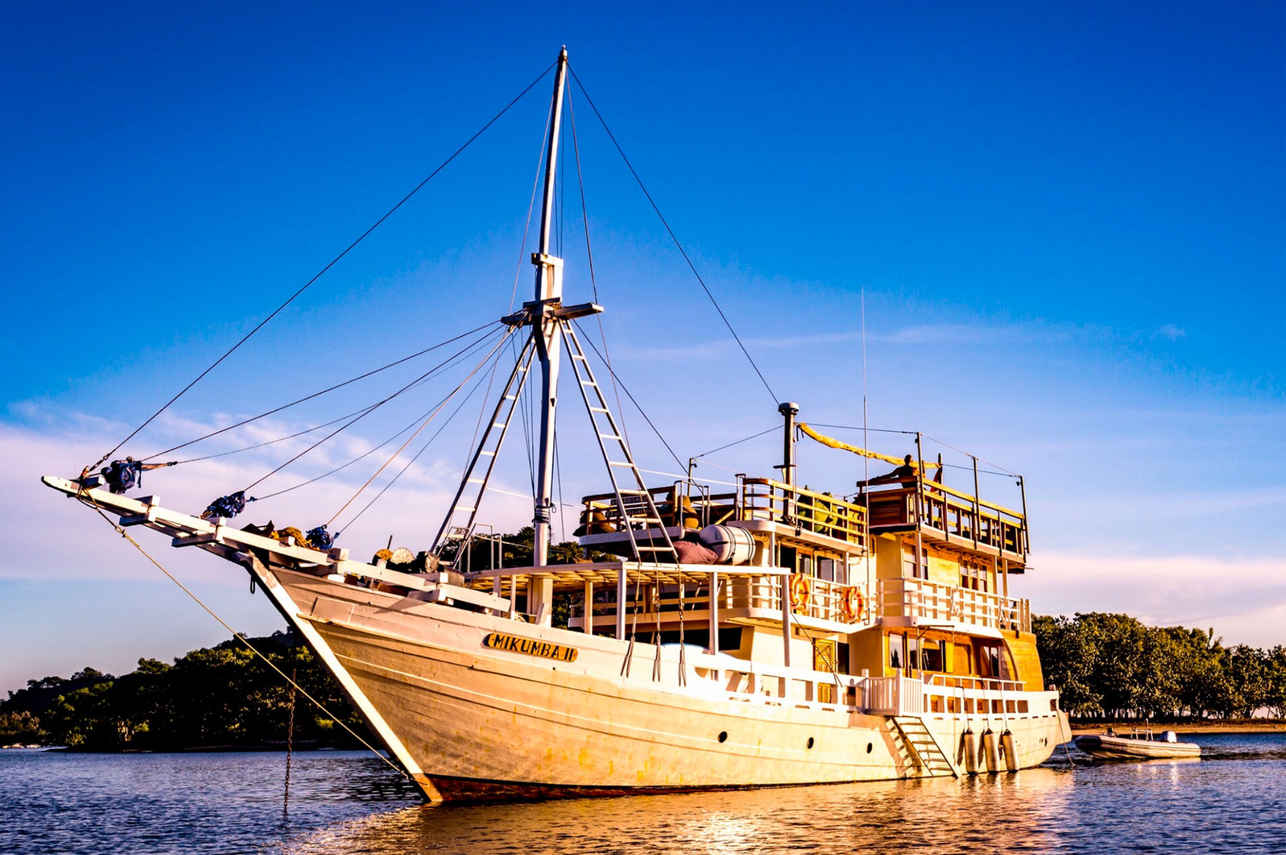
Mikumba Dua
Indonesia
10 guests30 m
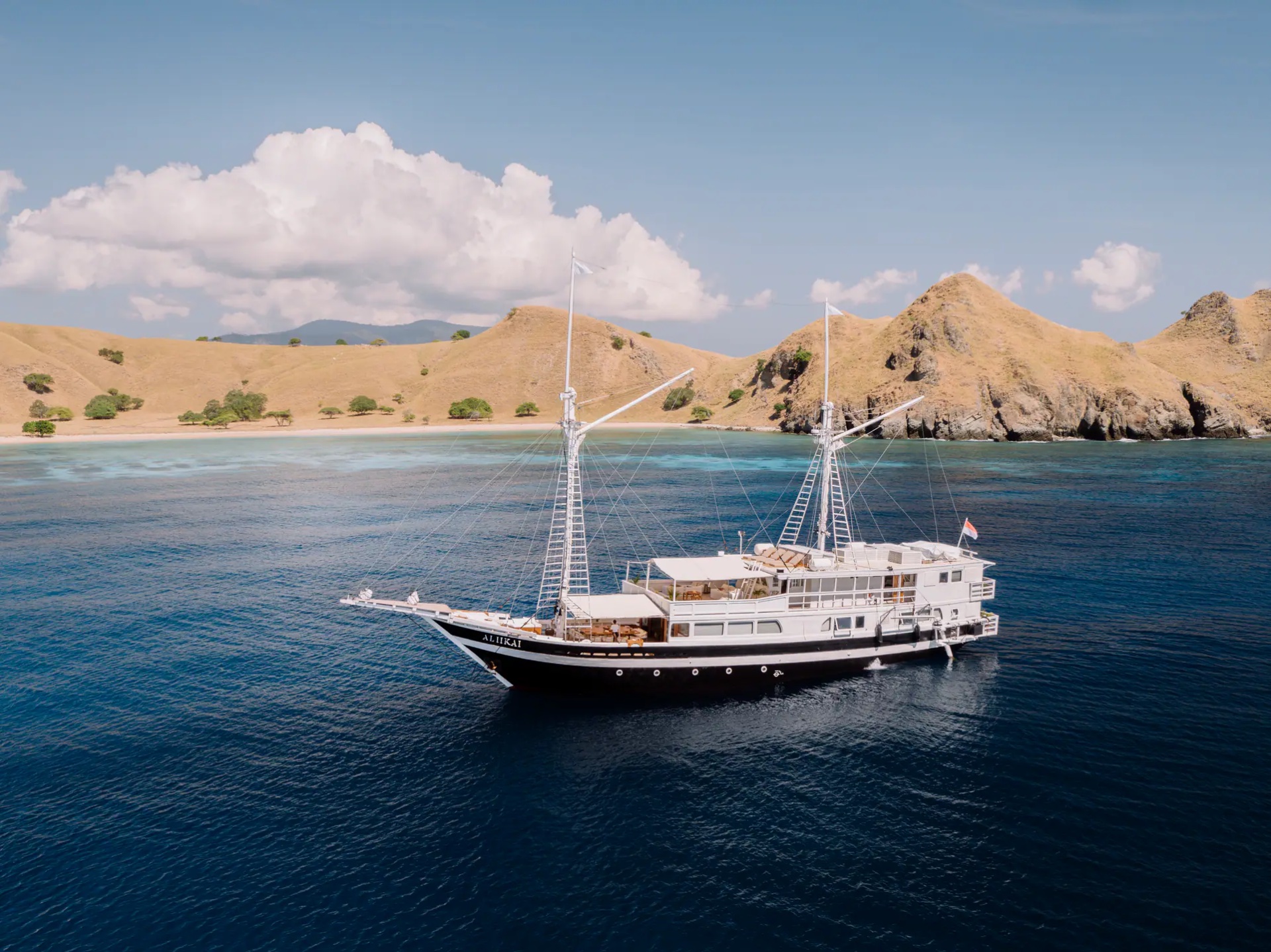
Aliikai Voyage
Indonesia
15 guests40 m
$658/day
Dive sites similar to Tukoh-lehokgebah
Same character, same waters — six more sites divers love for the exact same reasons.Compare seasons, access and liveaboard routes — then pick the site that fits your trip best.
© Esri — Maxar, Earthstar, GIS
Big La Laguna
Philippines
Big La Laguna is a beach community situated on the western edge of the Sabang Peninsula, a popular dive region on Mindoro Island, Philippines.
- Suitable for
- Intermediate
- Current
- Moderate
- Access
- Dayboat
- Depth
- 5–35 m
- Theme
- Reef / Wall
© Esri — Maxar, Earthstar, GIS
Rusa Pinnacle
Alor
Rusa Pinnacle is a challenging yet highly rewarding dive site situated in the Alor archipelago, part of Indonesia's East Nusa Tenggara.
- Suitable for
- Advanced
- Current
- Strong
- Access
- Liveaboard only
- Depth
- 6–30 m
- Theme
- Reef
Lipah Bay is situated on Bali's northeast coast within the Amed area, nestled against the dramatic backdrop of Gunung Agung.
- Suitable for
- Beginner
- Current
- Mild
- Access
- Liveaboard or dayboat
- Depth
- 5–30 m
- Theme
- Reef / Drift
© Esri — Maxar, Earthstar, GIS
Tangked Cave
Bali
Tangked Cave, sometimes referred to as Tangked Taked Shark Cave, is an advanced dive site situated in the open ocean off Bali's southeastern coast.
- Suitable for
- Advanced
- Current
- Moderate
- Access
- Liveaboard or dayboat
- Depth
- 15–40 m
- Theme
- Cave & cavern / Reef
© Esri — Maxar, Earthstar, GIS
Schools Out
Alor
Schools Out in Alor offers divers an exceptional encounter with healthy coral reefs and a rich variety of marine species.
- Suitable for
- Intermediate
- Current
- Mild
- Access
- Liveaboard only
- Depth
- 20–30 m
- Theme
- Reef
© Esri — Maxar, Earthstar, GIS
Batununggul
Bali
Batununggul, also known as Suana or Batumulapan by some operators, is a dynamic wall and sloping reef dive site situated on the eastern side of Nusa Penida, Bali.
- Suitable for
- Advanced
- Current
- Strong
- Access
- Liveaboard or dayboat
- Depth
- 10–40 m
- Theme
- Wall