About Gindang
Gindang is nestled within the Central Komodo National Park, an area renowned for its ecological diversity and year-round accessibility. This region provides an incredible array of diving experiences, catering to various interests from spotting large pelagics to searching for elusive macro life. The park's central section, where Gindang is situated, is characterized by its ability to offer distinct dive sites with varied topography and marine inhabitants adjacent to one another. Conditions in Central Komodo are generally favorable, with water temperatures ranging from 24-29°C (75-84°F) and visibility between 15-30 meters (50-98 feet), though specific site conditions can vary. This ensures a comfortable and visually rewarding dive environment for most of the year. The topography of Central Komodo sites, including Gindang, typically presents a mix of sloping reefs, coral gardens, and potentially flat-bottomed areas. This varied underwater landscape creates numerous habitats for a wide range of species. While specific topographical details for Gindang itself are not extensively detailed in the sources, its location within the central zone implies it shares characteristics with nearby sites that offer a blend of reef structures and potential muck diving opportunities. The central area is also known for consistent manta ray sightings, particularly from September to May, and hosts various reef sharks, turtles, and abundant reef fish. Diving Gindang often involves exploring its coral formations and seeking out the rich biodiversity. The area is suitable for divers keen on observing both larger marine animals and smaller, unique critters. The practical dive experience in Central Komodo is generally adaptable, with sites like Gindang benefiting from stable conditions for most of the year, allowing for varied dive plans. Divers should be prepared for potential currents typical of the Komodo National Park, which contribute to the health and vibrancy of its ecosystems.
Highlights
Blue-ringed octopusRare macro crittersMuck diving opportunitiesRubble and rock habitatsCephalopod sightings
Season calendar
Best months to dive here
Jan
Feb
Mar
Apr
May
Jun
Jul
Aug
Sep
Oct
Nov
Dec
Excellent
Good
Off-Season
Mar – May & Sep – Nov (Mar–May, Sep–Nov)
Best overall conditions with comfortable temperatures. Southern mantas Apr–Jun, northern mantas Sep–Nov. Good visibility and manageable currents.
Dec – Feb (Dec–Feb)
Excellent visibility up to 30m. Warmer water temperatures. Good manta activity in transition. Busiest tourist period.
Jun – Aug (Jun–Aug)
Cooler water from upwellings (24–26°C) brings nutrient-rich plankton. Reduced visibility but exciting pelagic action. Fewer boats and lower prices.
Dive site facts: Gindang
- Current
- Moderate to strong
- Visibility
- 15–30 m
- Water temperature
- 24–29°C
- Entry
- Tender / negative entry common
- Level
- Intermediate to Advanced
- Dive type
- Reef, drift, macro
- Region / port
- Central Komodo National Park
- Coordinates
- -8.595194, 119.509651
Conditions & Currents
Komodo National Park is known for its strong, nutrient-rich currents, which fuel its vibrant marine ecosystems. Gindang, as a macro site, can still experience varying current conditions, meaning divers should possess solid buoyancy control and comfort in moving water. Many signature Komodo sites involve negative entries, reef hooks, and live boat pickups, indicating that an understanding of these techniques is beneficial for diving in the region generally, though Gindang's specific current dynamics are best navigated with local guidance. Visibility at Gindang typically ranges from 15-30 meters, depending on the season, while water temperatures generally stay between 24-29°C. Divers should be prepared for the possibility of thermoclines, which can occur throughout the park. This site is particularly suited for those with intermediate to advanced diving experience, given the need for meticulous observation in potentially dynamic conditions.
Marine life & sighting chances

Manta ray
September-May · common
Reef shark
common
Green turtle
common
Hawksbill turtle
common
Blue-ring octopus
occasional
Frogfish
occasional
Nudibranch
occasional
Ghost pipefish
occasional
Pygmy cuttlefish
occasional
Moray eel
occasional
Pygmy seahorse
occasionalDive profile & how the dive runs
A typical dive at Gindang, like many Central Komodo sites, often begins with a tender drop, sometimes requiring a negative entry to quickly descend below potential surface currents. Divers usually follow the reef slope or wall, allowing the current to assist in a drift dive. The route may involve exploring coral gardens at shallower depths before progressing to deeper sections, such as 25 meters, where soft coral plateaus might be found. Guides often lead divers in a zig-zag pattern across the reef to maximize critter spotting opportunities, particularly for macro enthusiasts. Turn points are dictated by air consumption and current strength, ensuring divers can safely make their way back towards a designated pickup point. Safety stops are typically performed in shallower, calmer sections of the reef, often around 5 meters, where divers can enjoy the vibrant shallow reef life before ascending. The overall dive duration usually ranges from 50 to 60 minutes, depending on the current and individual air consumption.
Underwater photography
Gindang in Central Komodo offers rewarding opportunities for both wide-angle and macro photography, thanks to its diverse marine life and coral formations. For wide-angle shots, consider a fisheye or wide-angle lens to capture the expansive reefscapes and schooling fish. Strong currents common in the area can mean faster drift dives, so photographers should be proficient in buoyancy control to avoid contact with the reef and position themselves steadily. External strobes are essential to bring out the true colors of the corals and marine life, especially when shooting wide. For macro subjects like nudibranchs, frogfish, and pygmy cuttlefish, a dedicated macro lens with a diopter is ideal. Patience is key when seeking out elusive critters, and a snoot can be used to highlight specific subjects. Maintain respectful distances from marine life and avoid chasing or disturbing animals for a shot.
Combine with nearby dive sites
- Batu Bolong
Exposed pinnacle known for dense fish clouds, subject to strong currents.
- Polis Point
Wall dive with sloping reefs and a sheer wall extending to 35m, good for macro and pelagics.
- Makassar Reef (Manta Alley)
Famous drift dive for manta ray encounters.
- Mawan
Another central site known for manta rays and varied marine life.
Getting there & logistics
Access to Gindang and other Komodo dive sites is primarily through Labuan Bajo, which serves as the main gateway to Komodo National Park. Labuan Bajo Airport (LBJ) is serviced by flights from major Indonesian cities like Bali and Jakarta. Divers typically join liveaboards or day trips from Labuan Bajo. Liveaboard trips to Komodo generally range from 6 to 8 days, offering comprehensive itineraries that explore the northern, central, and southern regions of the park. Park fees are applicable for entry into Komodo National Park. Day trips are also an option for reaching closer sites in the central area. Due to the popularity of Komodo, especially during peak season, booking liveaboard slots and flights well in advance is highly recommended.
Safety & environment
Diving in Komodo, including Gindang, requires adherence to strict safety protocols due to potentially strong currents. Divers should always dive within their certification limits and possess good buoyancy control and current experience. The nearest recompression chamber is located in Bali, emphasizing the importance of preventative measures and conservative dive planning. Evacuation from remote dive sites can be complex and time-consuming, necessitating comprehensive dive insurance that covers emergency medical treatment and evacuation. Always follow your dive guide's instructions, especially regarding entry techniques, drift procedures, and maintaining group cohesion. Be aware of boat traffic, particularly when surfacing, and carry a safety sausage and whistle. Stay hydrated and monitor your dive computer closely.
Who it suits, and who it doesn't
Suited for
- Experienced divers comfortable with currents
- Underwater photographers (both macro and wide-angle)
- Divers seeking diverse marine life
- Liveaboard enthusiasts
Less suited for
- Beginner divers without current experience
- Divers uncomfortable with drift dives
- Those who prefer extremely calm, current-free environments
FAQ
Gindang FAQ
What is the best time of year to dive Gindang?
Gindang, being in Central Komodo, is accessible and offers excellent diving conditions throughout the entire year. While diving is possible year-round, the dry season from April to November generally provides the most consistent calm seas and best visibility, reaching up to 30 meters. Water temperatures are comfortably warm, ranging from 24-29°C (75-84°F) across the seasons.
What kind of marine life can I expect to see at Gindang?
Gindang and the surrounding Central Komodo sites are known for their diverse marine life. You can frequently spot manta rays, especially from September to May, along with various reef sharks, green and hawksbill turtles, and abundant reef fish. For macro enthusiasts, there's potential to find blue-ring octopuses, frogfish, nudibranchs, ghost pipefish, pygmy cuttlefish, and pygmy seahorses.
Are there strong currents at Gindang?
Yes, like many sites in Komodo National Park, Gindang can experience moderate to strong currents. These currents are beneficial for bringing in nutrients and sustaining the rich marine ecosystem, making drift diving a common and exciting experience. Divers should be proficient in buoyancy control and comfortable with current conditions.
What is the water temperature and visibility like at Gindang?
Water temperatures at Gindang in Central Komodo are generally warm, typically ranging from 24-29°C (75-84°F) throughout the year. Visibility in the central area averages around 15 meters but can extend up to 30 meters, particularly during the dry season. It's recommended to wear a 3mm to 5mm wetsuit, especially if you tend to get cold.
What dive level is required for Gindang?
Due to the potential for strong currents and the nature of drift diving, Gindang is generally recommended for intermediate to advanced divers. Divers should have experience with currents and excellent buoyancy control. It's always advisable to consult with your dive operator about current conditions and suitability for your experience level.
Why dive Gindang from a liveaboard?
Gindang is one of Komodo, Indonesia's signature dive sites. A liveaboard sleeps you on the water and puts you in the water for three to four guided dives per day, including dawn and night dives that day-boat operators rarely offer. You skip the daily commute back to port and reach quieter, less-crowded sites in the same region on a single trip.
Below are the liveaboards that include Gindang on their Komodo, Indonesia itineraries.
Liveaboards diving Gindang
These liveaboards may visit Gindang on selected itineraries, the exact dive sites depend on departure, weather and conditions.
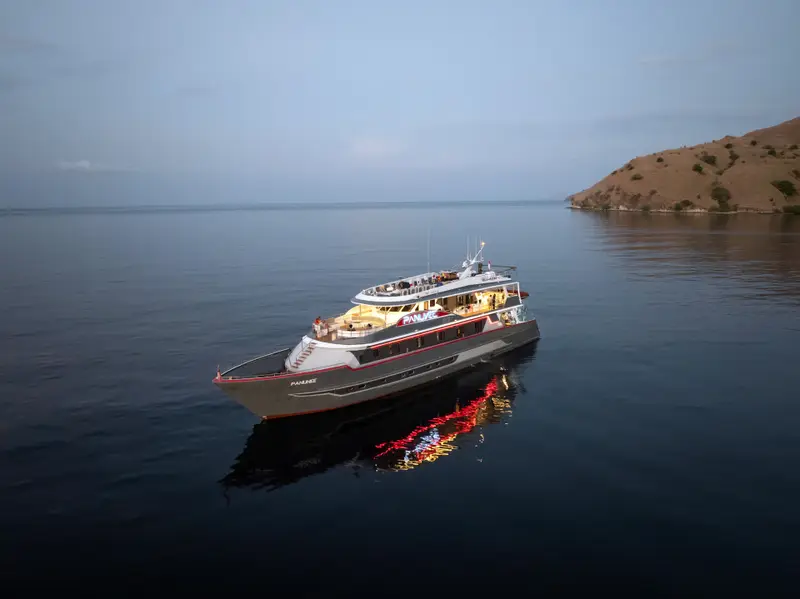
Panunee
Indonesia
18 guests38 m
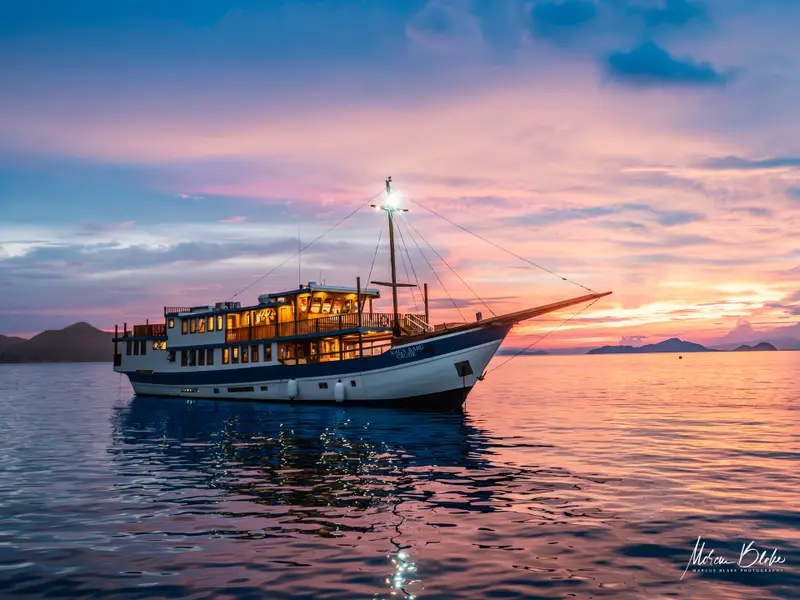
Naga Biru
Indonesia
12 guests40 m
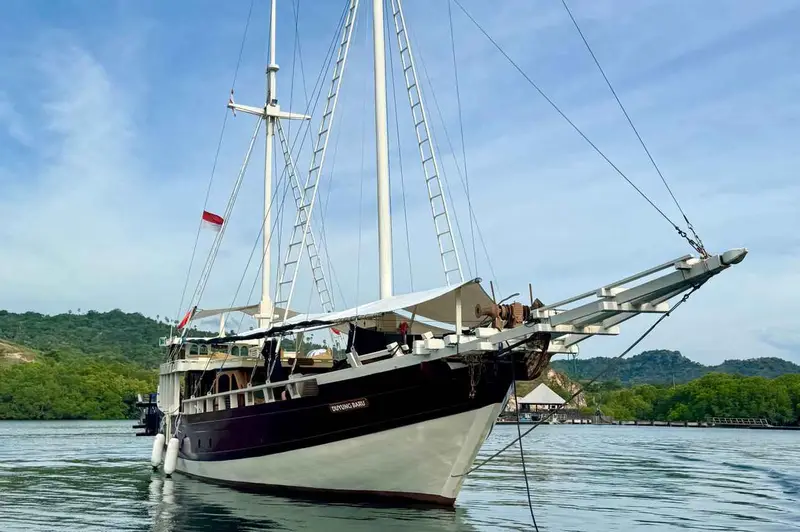
Ecopro Duyung Baru
Indonesia
6 guests27 m
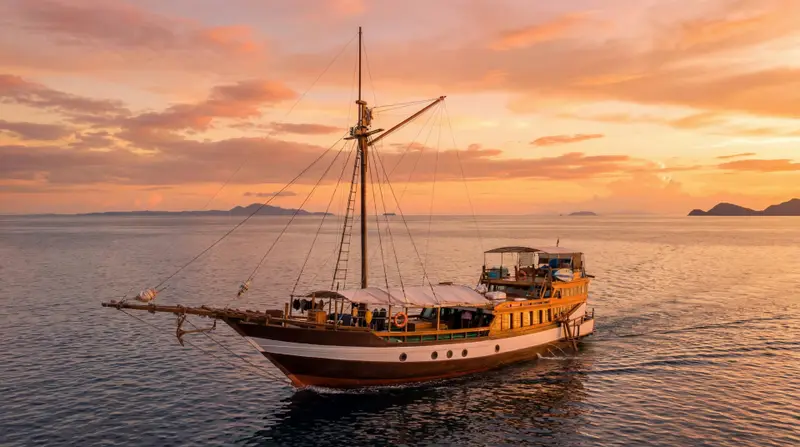
Wellenreng
Indonesia
9 guests25 m

Komodo Aggressor
Komodo, Indonesia
16 guests29 m
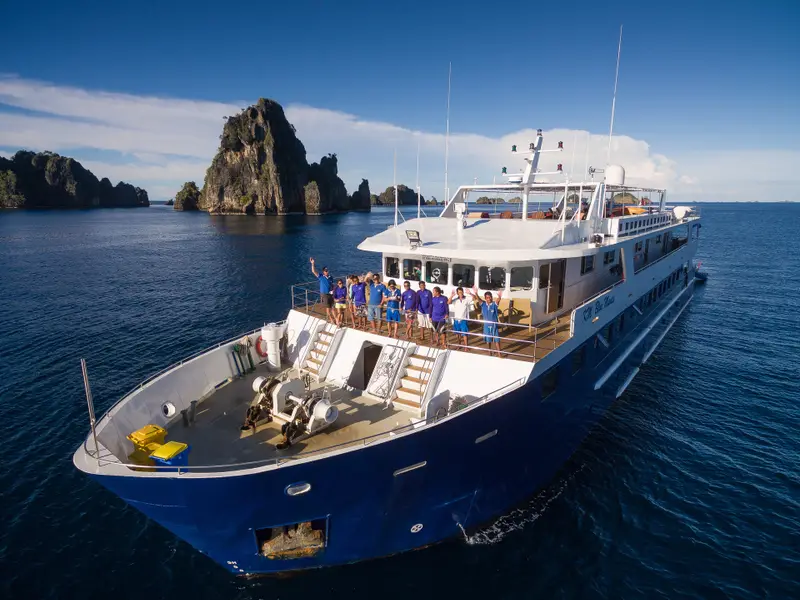
Blue Manta
Indonesia
20 guests45 m
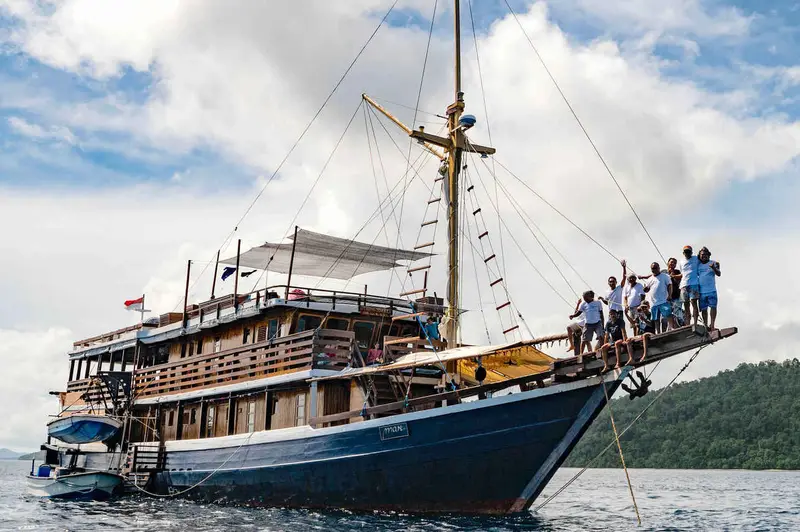
Mari
Indonesia
14 guests32 m
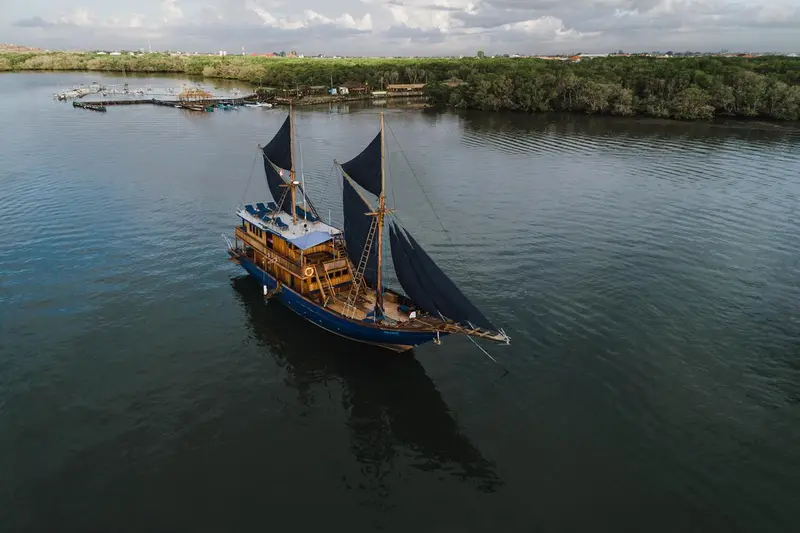
Situju7
Komodo, Indonesia
10 guests33 m
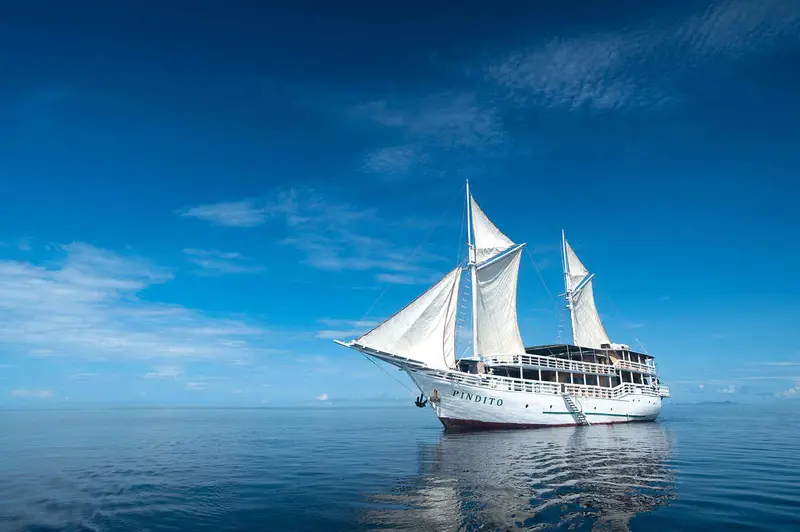
Pindito
Indonesia
16 guests38 m
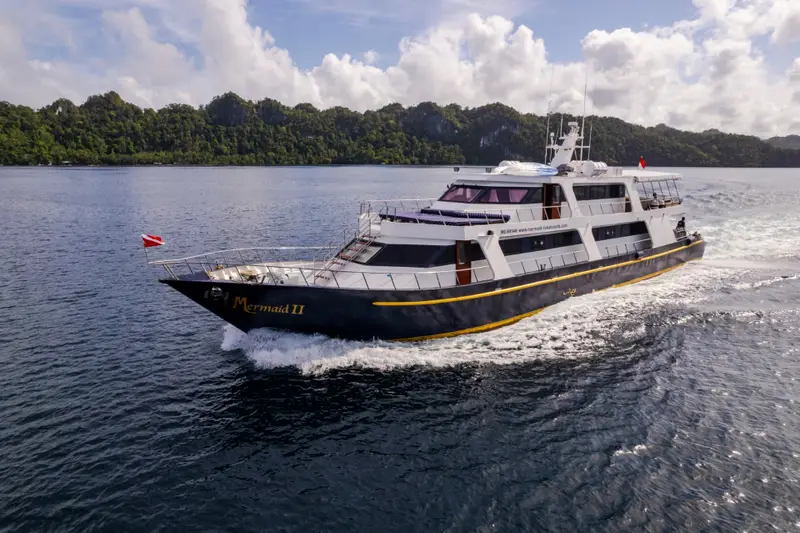
Mermaid II
Komodo, Indonesia
18 guests
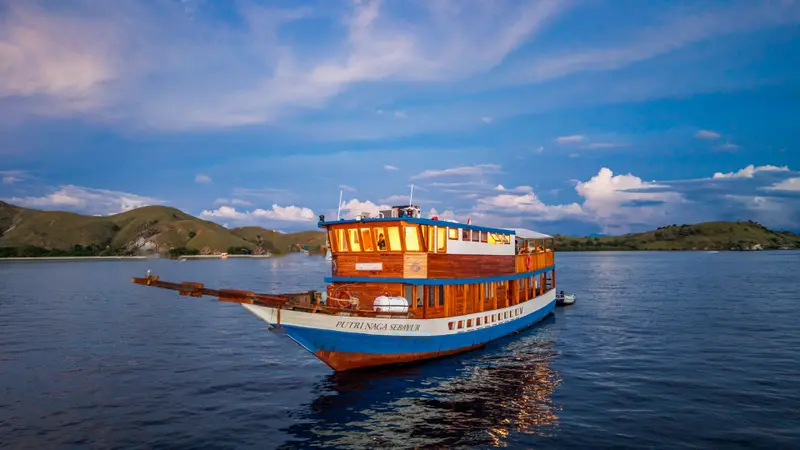
Putri Naga
Komodo, Indonesia
6 guests25 m
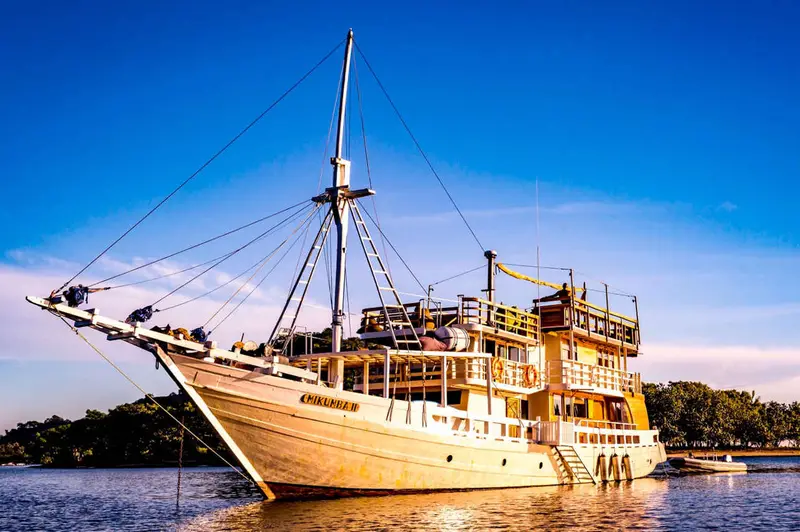
Mikumba Dua
Indonesia
10 guests30 m
Dive sites similar to Gindang
Same character, same waters, six more sites divers love for the exact same reasons.Compare seasons, access and liveaboard routes, then pick the site that fits your trip best.
Abila is a notable dive site located within the Alor Islands Marine Park, an area celebrated for its rich marine biodiversity due to its position in the Coral Triangle.
- Suitable for
- Beginner
- Current
- Mild
- Access
- Liveaboard only
- Depth
- —
- Theme
- Reef
© EsriMaxar, Earthstar, GIS
Adonara Channel
Alor
Adonara Channel stands as one of Alor's most iconic dive sites, celebrated for its dynamic currents and exceptionally rich biodiversity.
- Suitable for
- Advanced
- Current
- Strong
- Access
- Liveaboard or dayboat
- Depth
- 10–40 m
- Theme
- Drift / Wall
© EsriMaxar, Earthstar, GIS
Adonara Wall
Indonesia
Adonara is an Indonesian island dive site, renowned for its vibrant underwater topography characterized by submerged seamounts.
- Suitable for
- Intermediate
- Current
- Strong
- Access
- Liveaboard or dayboat
- Depth
- 5–35 m
- Theme
- Seamount / Wall
© EsriMaxar, Earthstar, GIS
Agnay Fish Sanctuary
Philippines
Agnay Fish Sanctuary is nestled in a sheltered bay near the village of Agnay in Romblon, a province celebrated for its rich marine biodiversity.
- Suitable for
- Beginner
- Current
- Mild
- Access
- Dayboat
- Depth
- 9–18 m
- Theme
- Reef
© EsriMaxar, Earthstar, GIS
Ai Island Reef
Banda Sea
Ai Island Reef, nestled within the Banda Sea, offers a remarkable diving experience characterized by its rich marine biodiversity and varied underwater topography.
- Suitable for
- Beginner
- Current
- Strong
- Access
- Liveaboard only
- Depth
- 3–30 m
- Theme
- Reef / Seamount
© EsriMaxar, Earthstar, GIS
Akitsushima
Philippines
The Akitsushima is a distinguished World War II Japanese seaplane tender, sunk in September 1944 during an American air raid in Coron Bay, Palawan.
- Suitable for
- Advanced
- Current
- Strong
- Access
- Dayboat
- Depth
- 22–38 m
- Theme
- Wreck