About Polis Point
Polis Point stands out among the central Komodo National Park dive sites due to its distinctive topography, featuring a dramatic sheer wall. Unlike many local sites characterized by sloping reefs or flat bottoms, this location offers a unique vertical descent, making it a compelling destination for divers exploring the region. The site begins with a gently sloping coral reef that eventually transitions into this impressive wall, which plummets to depths of approximately 35 meters. As you descend along the wall, you'll discover abundant marine life amidst huge whip corals. The dive often includes a stunning overhang in its latter half, providing an excellent opportunity for keen-eyed divers to spot an array of macro critters. These include various nudibranchs, elusive leaf scorpionfish, xeno crabs, and frogfish hiding within the crevices and coral structures. While focusing on the intricate macro life, it's also advisable to keep an eye on the blue water. Polis Point is known as a promising spot for encounters with larger pelagic species, with passing eagle rays and devil rays frequently sighted here. The site is best experienced with currents on the divers' left shoulder, typically at the end of a falling tide, to manage the water flow. To ensure optimal conditions and avoid strong currents, this site is generally dived "left shoulder" during the waning phase of a falling tide. Diving in central Komodo, including Polis Point, is possible all year round. From April to September, water temperatures range from 28-29°C with visibility between 20-30 meters. From October to March, temperatures are slightly cooler at 24-28°C, and visibility is typically 15-20 meters. Given the current-dependent nature and the wall depth, this site is suitable for intermediate to advanced divers.
Highlights
Sheer wall topographyOverhang for macro crittersHuge whip coralsPassing eagle raysDevil ray sightingsLeaf scorpionfishDiverse nudibranchs
Season calendar
Best months to dive here
Jan
Feb
Mar
Apr
May
Jun
Jul
Aug
Sep
Oct
Nov
Dec
Excellent
Good
Off-Season
Mar – May & Sep – Nov (Mar–May, Sep–Nov)
Best overall conditions with comfortable temperatures. Southern mantas Apr–Jun, northern mantas Sep–Nov. Good visibility and manageable currents.
Dec – Feb (Dec–Feb)
Excellent visibility up to 30m. Warmer water temperatures. Good manta activity in transition. Busiest tourist period.
Jun – Aug (Jun–Aug)
Cooler water from upwellings (24–26°C) brings nutrient-rich plankton. Reduced visibility but exciting pelagic action. Fewer boats and lower prices.
Dive site facts: Polis Point
- Depth
- 0–35 m
- Current
- Moderate
- Entry
- Liveaboard only
- Level
- Intermediate
- Dive type
- Wall, Drift
- Region / port
- Komodo, Indonesia
- Coordinates
- 8.5997° S, 119.5074° E
Conditions & Currents
Polis Point is subject to significant currents, necessitating careful dive planning. The site is optimally dived "left shoulder" towards the end of a falling tide to mitigate strong water movement. Due to the exposed nature of the site and potential for strong currents, a negative entry is often advisable, and divers should be proficient in drift diving techniques. Visibility generally ranges from 15-30 meters, depending on the season, with water temperatures varying between 24°C and 29°C throughout the year. There are no notable thermoclines mentioned for this specific site, but general Komodo conditions mean occasional cooler patches can occur. Divers must be comfortable with dynamic current situations and have good buoyancy control to fully appreciate the wall and overhang features safely. This site is therefore best suited for intermediate to advanced divers capable of managing current exposure and depth.
Why dive Polis Point from a liveaboard?
Polis Point is one of Komodo, Indonesia's signature dive sites. A liveaboard sleeps you on the water and puts you in the water for three to four guided dives per day, including dawn and night dives that day-boat operators rarely offer. You skip the daily commute back to port and reach quieter, less-crowded sites in the same region on a single trip.
Below are the liveaboards that include Polis Point on their Komodo, Indonesia itineraries.
Liveaboards diving Polis Point
These liveaboards may visit Polis Point on selected itineraries, the exact dive sites depend on departure, weather and conditions.
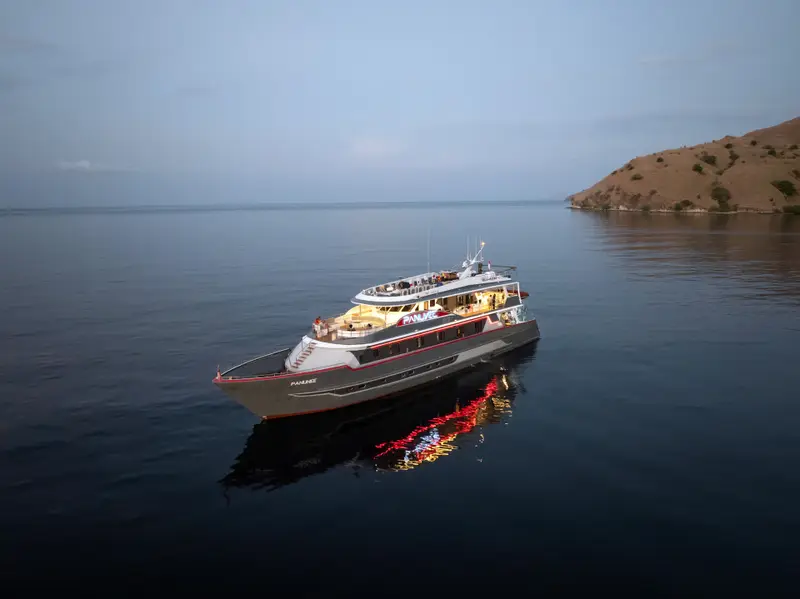
Panunee
Indonesia
18 guests38 m
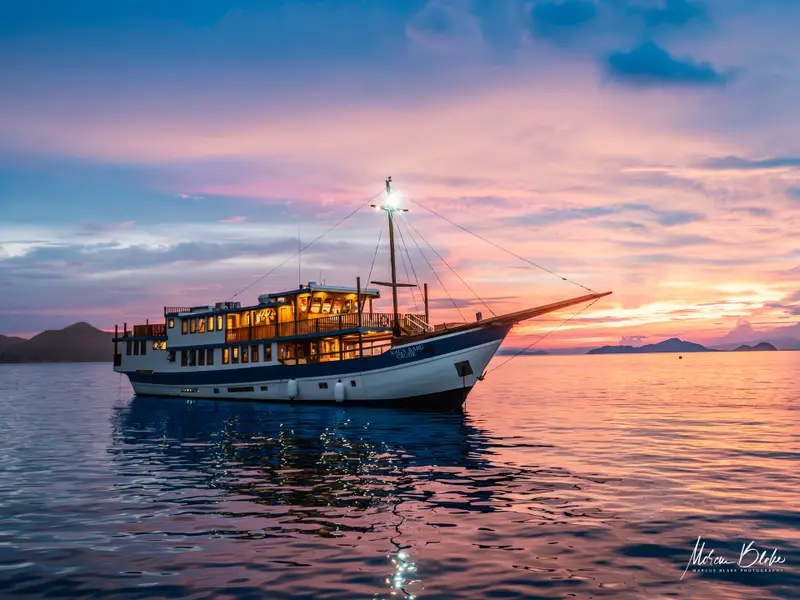
Naga Biru
Indonesia
12 guests40 m
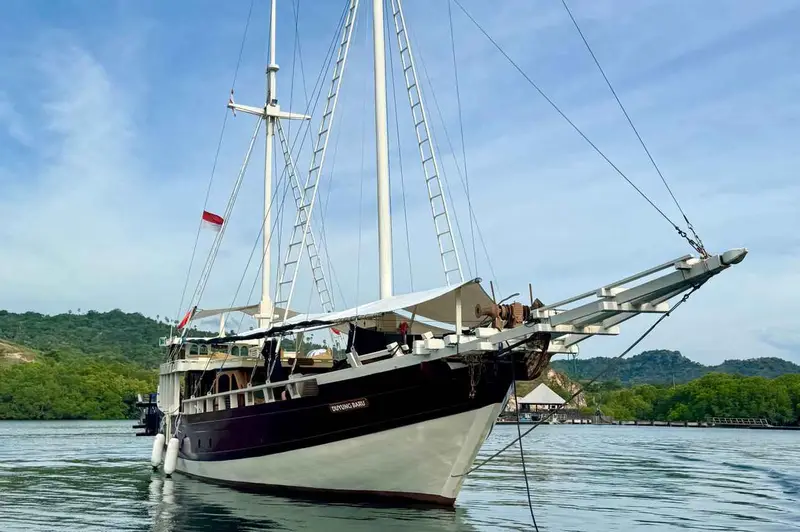
Ecopro Duyung Baru
Indonesia
6 guests27 m
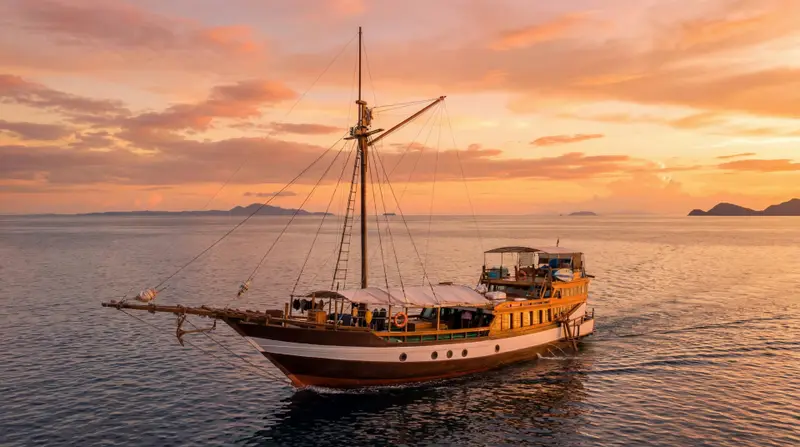
Wellenreng
Indonesia
9 guests25 m

Komodo Aggressor
Komodo, Indonesia
16 guests29 m
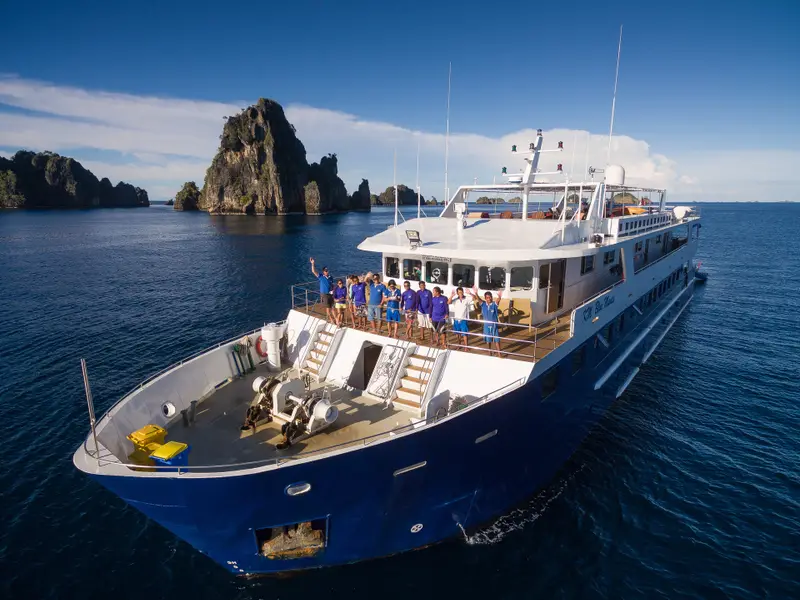
Blue Manta
Indonesia
20 guests45 m
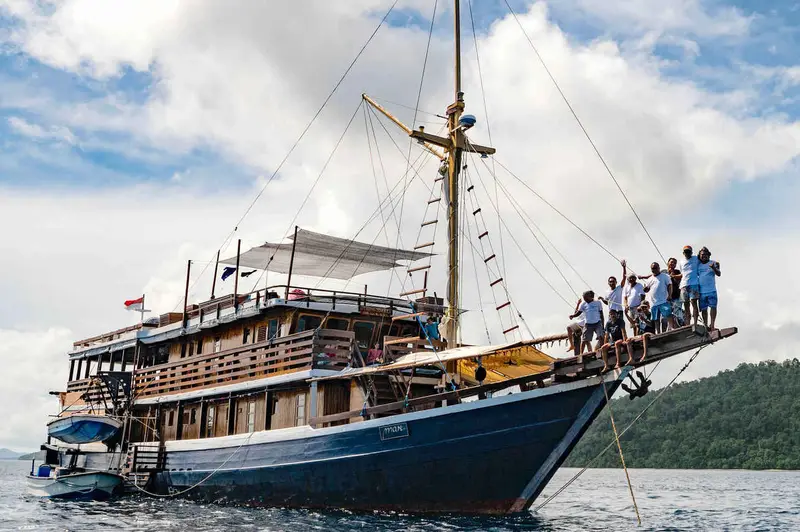
Mari
Indonesia
14 guests32 m
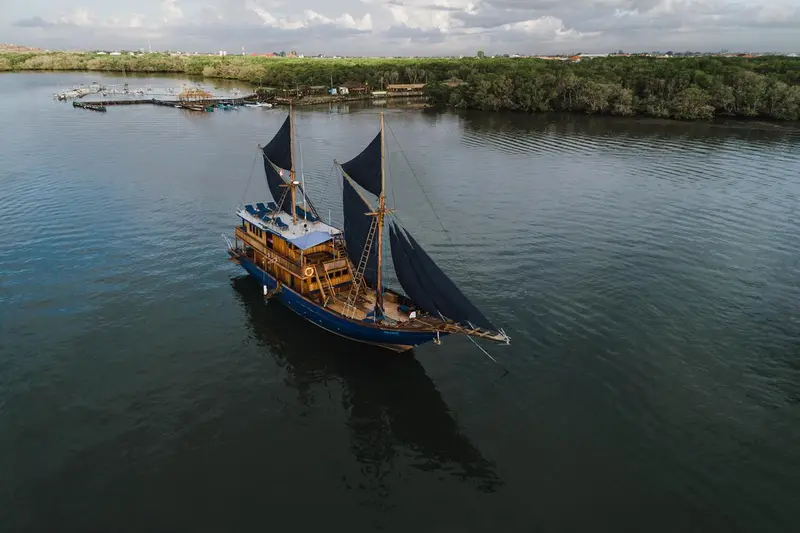
Situju7
Komodo, Indonesia
10 guests33 m
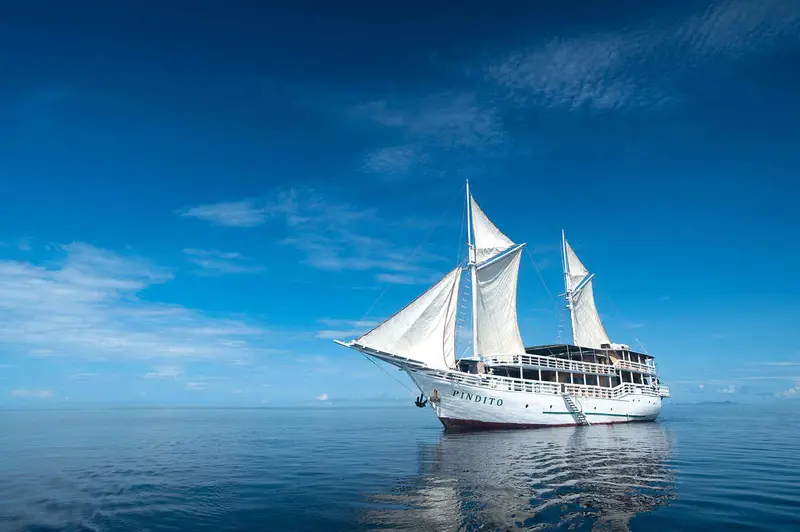
Pindito
Indonesia
16 guests38 m
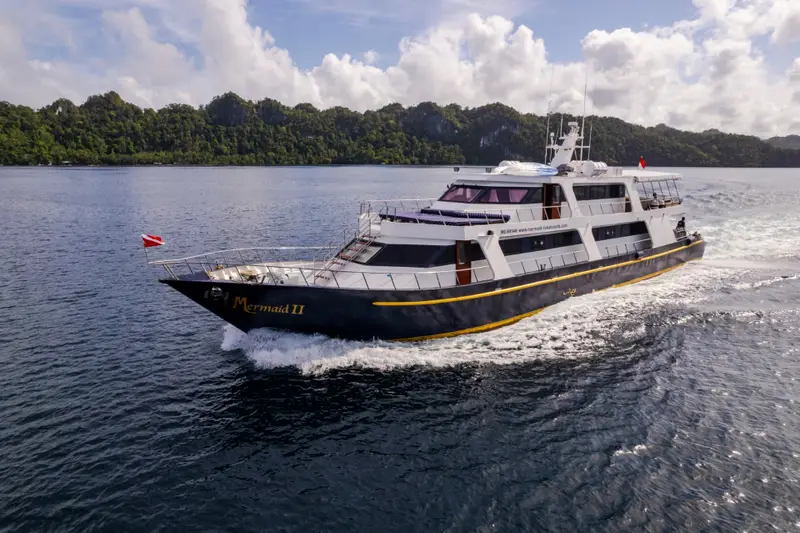
Mermaid II
Komodo, Indonesia
18 guests
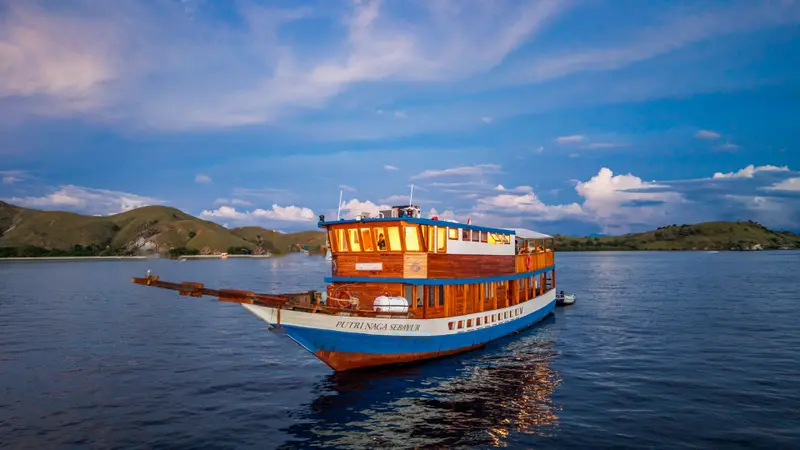
Putri Naga
Komodo, Indonesia
6 guests25 m
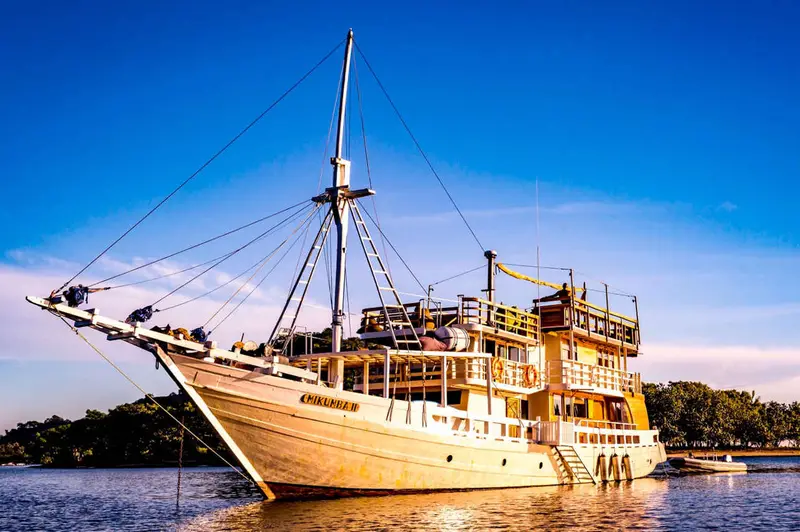
Mikumba Dua
Indonesia
10 guests30 m
Dive sites similar to Polis Point
Same character, same waters, six more sites divers love for the exact same reasons.Compare seasons, access and liveaboard routes, then pick the site that fits your trip best.
Abila is a notable dive site located within the Alor Islands Marine Park, an area celebrated for its rich marine biodiversity due to its position in the Coral Triangle.
- Suitable for
- Beginner
- Current
- Mild
- Access
- Liveaboard only
- Depth
- —
- Theme
- Reef
© EsriMaxar, Earthstar, GIS
Adonara Channel
Alor
Adonara Channel stands as one of Alor's most iconic dive sites, celebrated for its dynamic currents and exceptionally rich biodiversity.
- Suitable for
- Advanced
- Current
- Strong
- Access
- Liveaboard or dayboat
- Depth
- 10–40 m
- Theme
- Drift / Wall
© EsriMaxar, Earthstar, GIS
Adonara Wall
Indonesia
Adonara is an Indonesian island dive site, renowned for its vibrant underwater topography characterized by submerged seamounts.
- Suitable for
- Intermediate
- Current
- Strong
- Access
- Liveaboard or dayboat
- Depth
- 5–35 m
- Theme
- Seamount / Wall
© EsriMaxar, Earthstar, GIS
Agnay Fish Sanctuary
Philippines
Agnay Fish Sanctuary is nestled in a sheltered bay near the village of Agnay in Romblon, a province celebrated for its rich marine biodiversity.
- Suitable for
- Beginner
- Current
- Mild
- Access
- Dayboat
- Depth
- 9–18 m
- Theme
- Reef
© EsriMaxar, Earthstar, GIS
Ai Island Reef
Banda Sea
Ai Island Reef, nestled within the Banda Sea, offers a remarkable diving experience characterized by its rich marine biodiversity and varied underwater topography.
- Suitable for
- Beginner
- Current
- Strong
- Access
- Liveaboard only
- Depth
- 3–30 m
- Theme
- Reef / Seamount
© EsriMaxar, Earthstar, GIS
Akitsushima
Philippines
The Akitsushima is a distinguished World War II Japanese seaplane tender, sunk in September 1944 during an American air raid in Coron Bay, Palawan.
- Suitable for
- Advanced
- Current
- Strong
- Access
- Dayboat
- Depth
- 22–38 m
- Theme
- Wreck