About St. Johns Reef
St. John's Reef, an isolated collection of reefs nestled in Egypt's southern Red Sea, offers an untouched diving experience far from crowded northern sites. Located approximately 200 miles south of Marsa Alam and closer to the Sudanese border, this remote destination is exclusively accessible via liveaboard, ensuring pristine conditions and rich marine biodiversity. The topography is diverse, featuring 'gotas' (reef systems breaking the surface) and 'habilis' (submerged reefs with peaks below the surface), along with dramatic drop-offs, caves, caverns, and intricate swim-throughs. The vibrant hard and soft coral gardens are exceptionally healthy, creating a stunning backdrop for abundant marine life. Diving here reveals a spectacular array of creatures. Expect frequent encounters with reef sharks, barracudas, and Napoleon wrasse. Depending on the site and season, divers may spot manta rays, oceanic whitetips, and even hammerhead sharks. Playful dolphin pods are also a common and welcome sight. The area is also home to a wide variety of reef fish, eels, and squid, particularly in the shallower, less current-prone areas, making it a photographer's paradise. The remoteness helps preserve a high concentration of endemic Red Sea species. While general currents are often mild compared to more northern Red Sea locations, some sites like Habili Ali can experience strong currents, making them suitable for advanced divers. Many sites, however, offer more relaxed conditions with average depths around 20-30 meters, accommodating various skill levels. Entry is typically via small tenders from liveaboards. The excellent visibility, often up to 35 meters, and slightly warmer water temperatures contribute to exceptional diving conditions year-round.
Highlights
CavesSoft CoralsHammerhead SharksUntouched
Season calendar
Best months to dive here
Jan
Feb
Mar
Apr
May
Jun
Jul
Aug
Sep
Oct
Nov
Dec
Excellent
Good
Dive site facts: St. Johns Reef
- Depth
- 5–65 m
- Typical dive
- 15–30 m, 50–60 min
- Current
- Variable, from mild to strong
- Visibility
- 15–40 m
- Water temperature
- 20–30°C
- Entry
- Zodiac / drift
- Level
- Advanced Open Water Diver, drift experience recommended
- Dive type
- Reef, wall, drift, cave, night dive
- Night dive
- Possible
- Region / port
- Southern Red Sea, Egypt / Hamata, Port Ghalib
- Coordinates
- 23.5833, 35.8667
Conditions & Currents
Currents at St. Johns Reef can be unpredictable and vary from gentle to strong, particularly around exposed offshore pinnacles and during specific tidal conditions. Divers should be comfortable with drift diving, as many sites are best explored by letting the current carry you along the reefs. Entry is typically by Zodiac, and a negative entry can sometimes be necessary to reach the desired depth quickly before being swept past the site. Surface conditions can also be choppy due to the exposed location, requiring confident boat handling during entries and exits. While visibility is generally excellent, strong currents can occasionally stir up sediment or bring in plankton blooms, temporarily reducing clarity. Divers should always monitor their air consumption closely and plan their dives with the current direction in mind, especially when exploring deeper sections or traversing between r
Marine life & sighting chances

Grey reef shark
common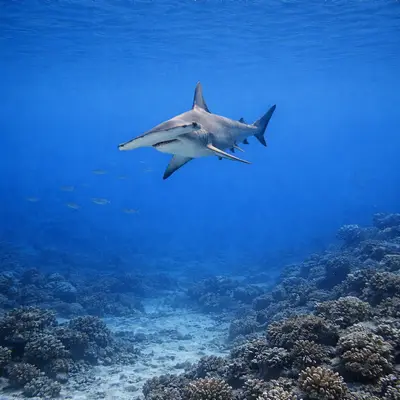
Hammerhead shark
Summer · occasional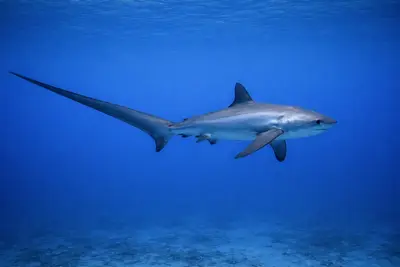
Thresher shark
occasional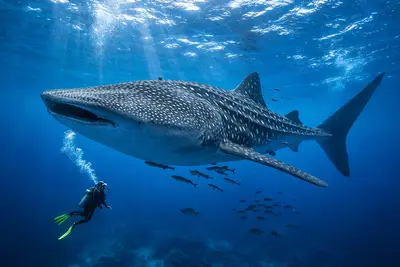
Whale shark
Late spring to early summer · rare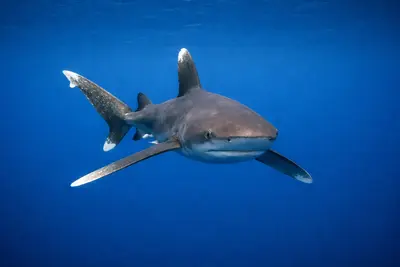
Oceanic whitetip shark
occasional
Barracuda
common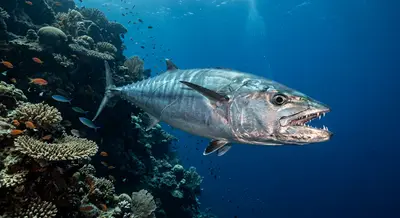
Tuna
common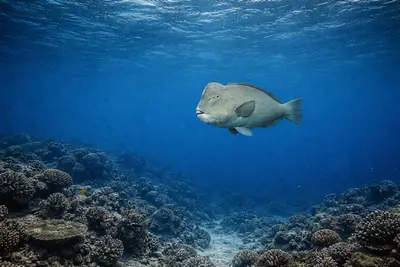
Bumphead parrotfish
Summer · occasional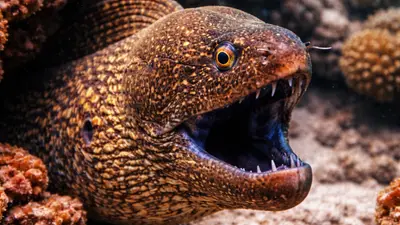
Moray eel
common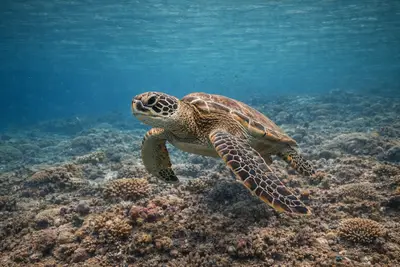
Green turtle
occasional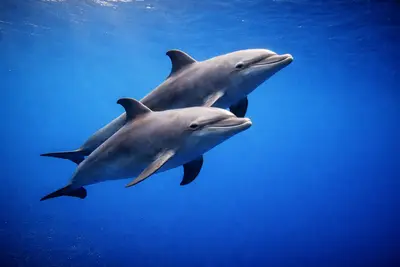
Bottlenose dolphin
occasional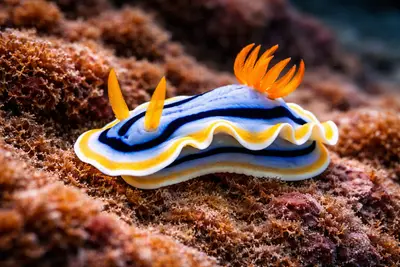
Nudibranch
common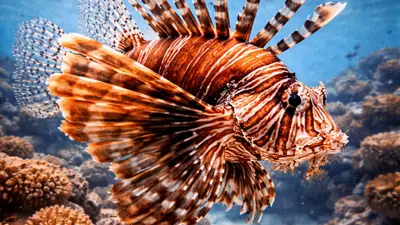
Lionfish
common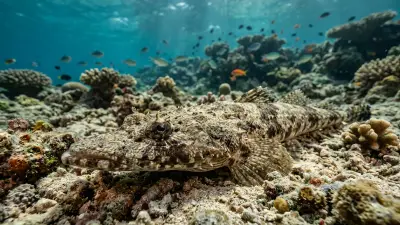
Crocodilefish
occasionalDive profile & how the dive runs
A typical dive at St. Johns often begins with a Zodiac drop, sometimes requiring a negative entry to quickly descend onto the reef due to currents. For sites like Habili Ali, you would typically descend along the steep wall, following the contours of the submerged reef. Depths can reach 30 meters or more, depending on the desired encounter, with pelagic sightings common in the blue. For sites like Gota Kebir, divers explore plateaus at 15 and 30 meters, often drifting along with the current. St. Johns Caves offers a shallower profile, focusing on intricate tunnels and light effects, remaining mostly above 15 meters. Divers generally follow the reef structure, making a turn when half their air is consumed or based on the dive guide's signal. The safety stop is usually conducted on shallower reef flats or in the blue, depending on conditions, before surfacing for Zodiac pickup. Due to the remote location, precise bottom times and routes are often adapted to current conditions and marine life sightings.
Underwater photography
St. Johns Reef is a paradise for underwater photographers, offering diverse subjects for both wide-angle and macro shots. For stunning reefscapes, expansive coral gardens, and schools of fish, a wide-angle lens is essential. The vibrant colors of both hard and soft corals, combined with excellent visibility, make for dramatic compositions. For capturing the intricate details of nudibranchs, moray eels, and other small critters, a macro lens will be invaluable. The cave systems, particularly at St. Johns Caves (Umm Khararim), provide unique opportunities for creative shots involving light beams and silhouettes; consider bringing an external strobe or video light to illuminate the darker areas without disturbing the delicate ecosystem. Buoyancy control is paramount, especially within confined spaces and around fragile coral formations, to avoid stirring up sand or damaging the reef. Always maintain a respectful distance from marine life and avoid touching or harassing any subjects.
Combine with nearby dive sites
- Habili Ali
Submerged oval-shaped reef known for pelagic encounters including sharks and manta rays.
- Gota Kebir
Massive reef with tunnels, caves, and a south plateau attracting jacks and barracuda.
- Shaab Marsa Alam
Southern Red Sea site often combined with St. Johns itineraries for diverse reef diving.
- Rocky Island
Remote offshore island renowned for strong currents and big pelagic encounters.
- Zabargad Island
Features unique topography, a wreck, and vibrant reef life, often part of Southern Red Sea routes.
- Fury Shoals
Collection of reefs offering varied diving from shallow gardens to deeper walls.
Getting there & logistics
Access to St. Johns Reef is exclusively via liveaboard, typically departing from Port Ghalib or Hamata in the southern Red Sea. International travelers usually fly into Marsa Alam International Airport (RMF) or Hurghada International Airport (HRG), with transfers to the port. Liveaboard trips to St. Johns generally last 7 to 10 days as part of a 'Deep South' itinerary, often combining this site with other remote southern reefs like Rocky Island, Zabargad, and Fury Shoals. This ensures divers experience the best of the Red Sea's pristine, uncrowded dive sites. A minimum of 50 logged dives is often required for these advanced itineraries due to potentially challenging conditions. Park fees are typically included in the liveaboard package.
Safety & environment
Diving at St. Johns Reef, due to its remote location, requires adherence to stringent safety protocols. The nearest recompression chamber is in Marsa Alam, which is several hours away by boat, emphasizing the critical importance of conservative dive planning and strict adherence to no-decompression limits. Divers must carry valid dive insurance that covers emergency medical evacuation and recompression treatments. Site-specific hazards include unpredictable currents, which necessitate excellent buoyancy control and comfort with drift diving. Always follow your dive guide's instructions regarding entry points, routes, and turn times. Maintain situational awareness, especially in areas prone to pelagic activity or within cave systems. Surface support via Zodiac is standard, but communication with the boat is essential for pickups, especially in choppy conditions or after drift dives. Do not exceed your training limits, and always dive within a buddy team.
Who it suits — and who it doesn't
Suited for
- Experienced Advanced Open Water Divers
- Divers comfortable with drift diving
- Underwater photographers seeking pristine reefs
- Pelagic enthusiasts and shark lovers
- Liveaboard adventurers
- Divers seeking uncrowded, remote sites
Less suited for
- Beginner divers or Open Water certified
- Divers uncomfortable with currents
- Those prone to seasickness on liveaboards
- Divers expecting shore-based activities
- Individuals with less than 50 logged dives
- Divers seeking easy, no-current dives
FAQ
St. Johns Reef FAQ
What kind of marine life can I expect at St. Johns Reef?
St. Johns Reef is teeming with diverse marine life, from massive schools of reef fish to larger pelagic species. You can frequently spot grey reef sharks, barracuda, tuna, and various rays. Occasional sightings of hammerhead, thresher, oceanic whitetip, and even whale sharks are possible, particularly during specific seasons. The vibrant coral gardens are also home to moray eels, nudibranchs, and green sea turtles.
Are the currents strong at St. Johns Reef?
Currents at St. Johns Reef can be variable, ranging from mild to strong depending on the specific dive site, tidal conditions, and lunar cycle. Many dives here are drift dives, so divers should be comfortable and proficient with this technique. Always listen to your dive guide for current assessments and specific entry/exit procedures to ensure a safe and enjoyable dive.
What is the best time of year to dive St. Johns Reef?
While St. Johns Reef is diveable year-round, the shoulder seasons of spring (March-May) and autumn (September-November) offer the most comfortable conditions with warm waters and excellent visibility. Summer months (June-August) are ideal for spotting hammerhead and whale sharks, though air temperatures will be higher. Winter (December-February) provides cooler water but fewer crowds.
What are some of the most famous dive sites at St. Johns Reef?
Some of the most renowned dive sites include Habili Ali, known for its steep walls and pelagic encounters, and Gota Kebir, famous for its tunnels and plateaus. St. Johns Caves (Umm Khararim) offers a unique experience exploring a network of interconnected tunnels with spectacular light effects. Other popular sites include Habili Gafar, Gota Soraya, and Dangerous Reef.
What level of diving experience is required for St. Johns Reef?
St. Johns Reef is recommended for Advanced Open Water Divers, and many liveaboard operators require a minimum of 50 logged dives due to the remote nature and potential for strong currents. Divers should be comfortable with drift diving and capable of managing various underwater conditions. Good buoyancy control and self-reliance are essential for maximizing your experience in this advanced diving area.
How do I get to St. Johns Reef?
St. Johns Reef is a remote offshore destination, accessible only by liveaboard. These liveaboard trips typically depart from Port Ghalib or Hamata in the southern Red Sea. Most international divers fly into Marsa Alam International Airport (RMF) or Hurghada International Airport (HRG) and then transfer to their liveaboard departure point. The remote journey is part of what preserves its pristine condition.
Why dive St. Johns Reef from a liveaboard?
St. Johns Reef is one of Egypt's signature dive sites. A liveaboard sleeps you on the water and puts you in the water for three to four guided dives per day, including dawn and night dives that day-boat operators rarely offer. You skip the daily commute back to port and reach quieter, less-crowded sites in the same region on a single trip.
Below are the liveaboards that include St. Johns Reef on their Egypt itineraries.
Liveaboards diving St. Johns Reef
These liveaboards may visit St. Johns Reef on selected itineraries — the exact dive sites depend on departure, weather and conditions.
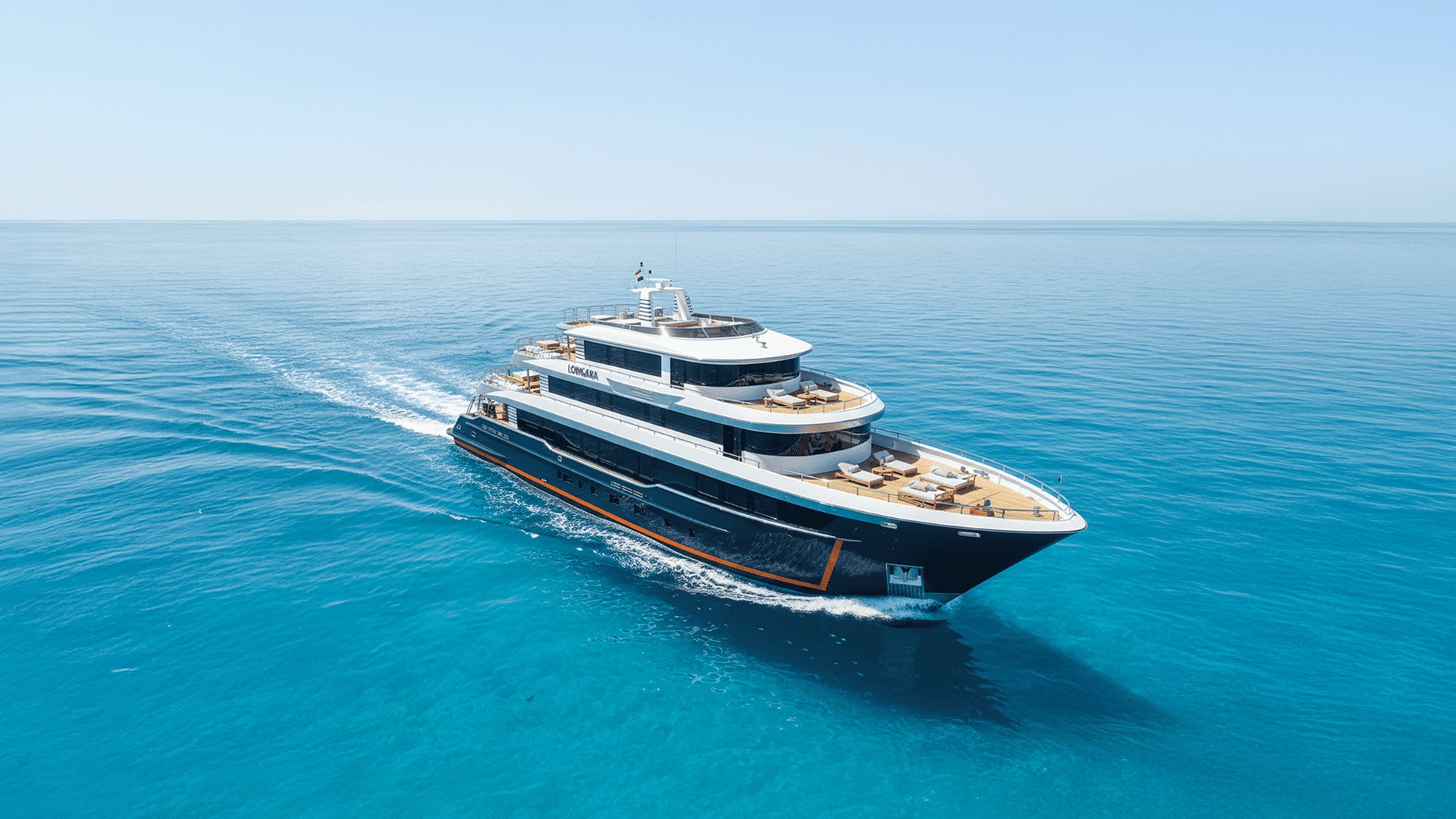
DUNE Longara
Egypt
30 guests
$150/day
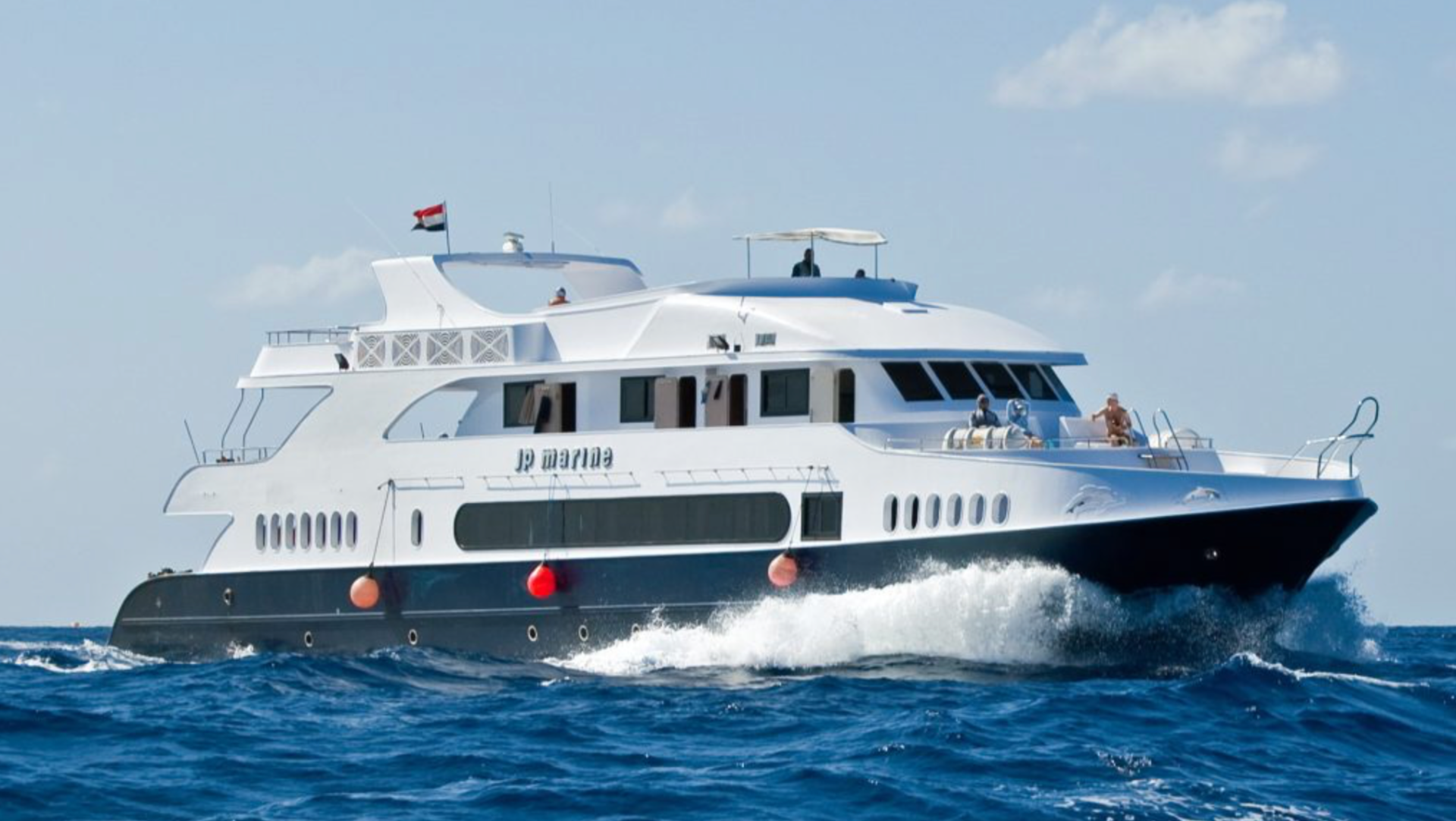
JP Marine
Egypt
28 guests
$109/day
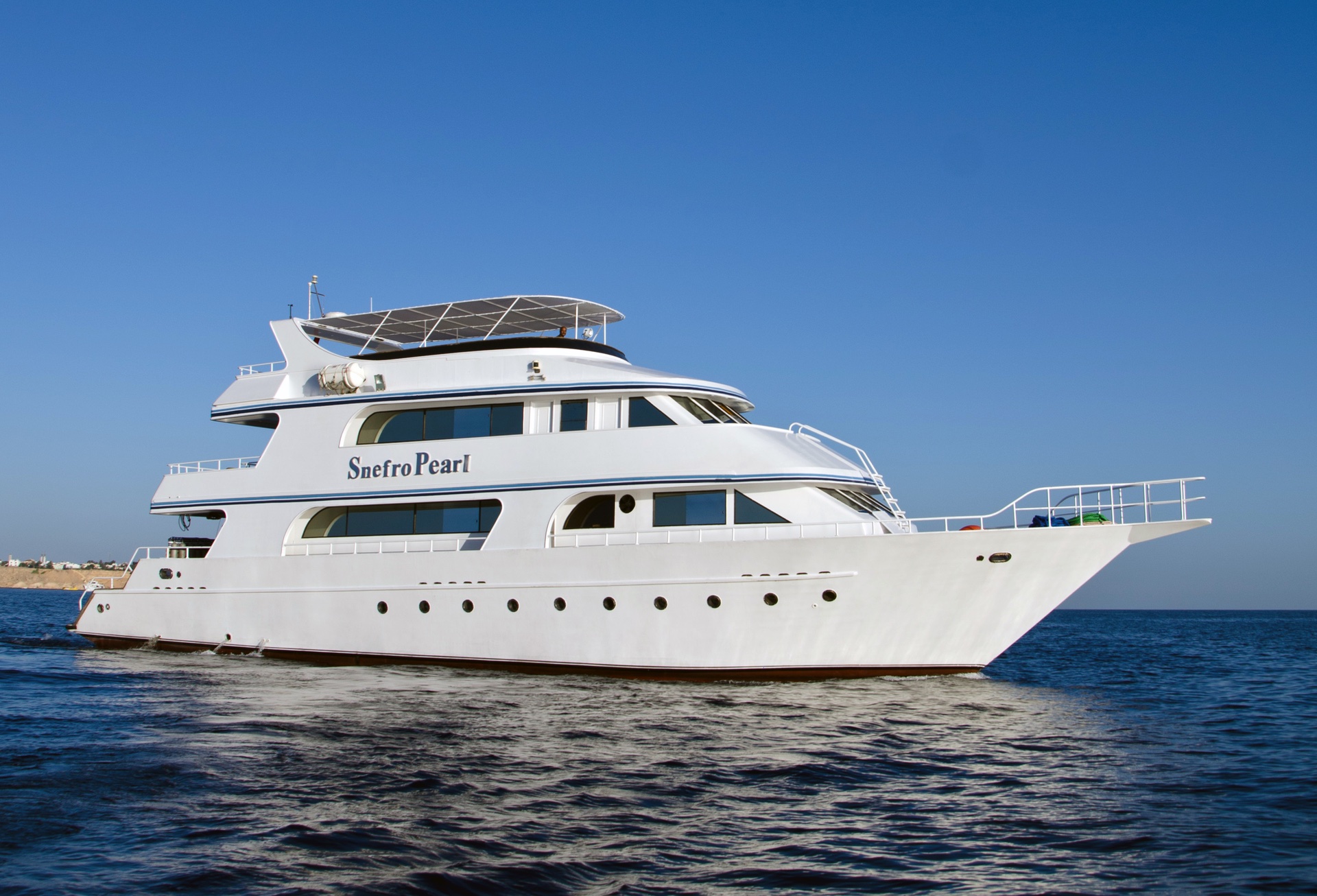
Snefro Pearl
Egypt
12 guests
$150/day
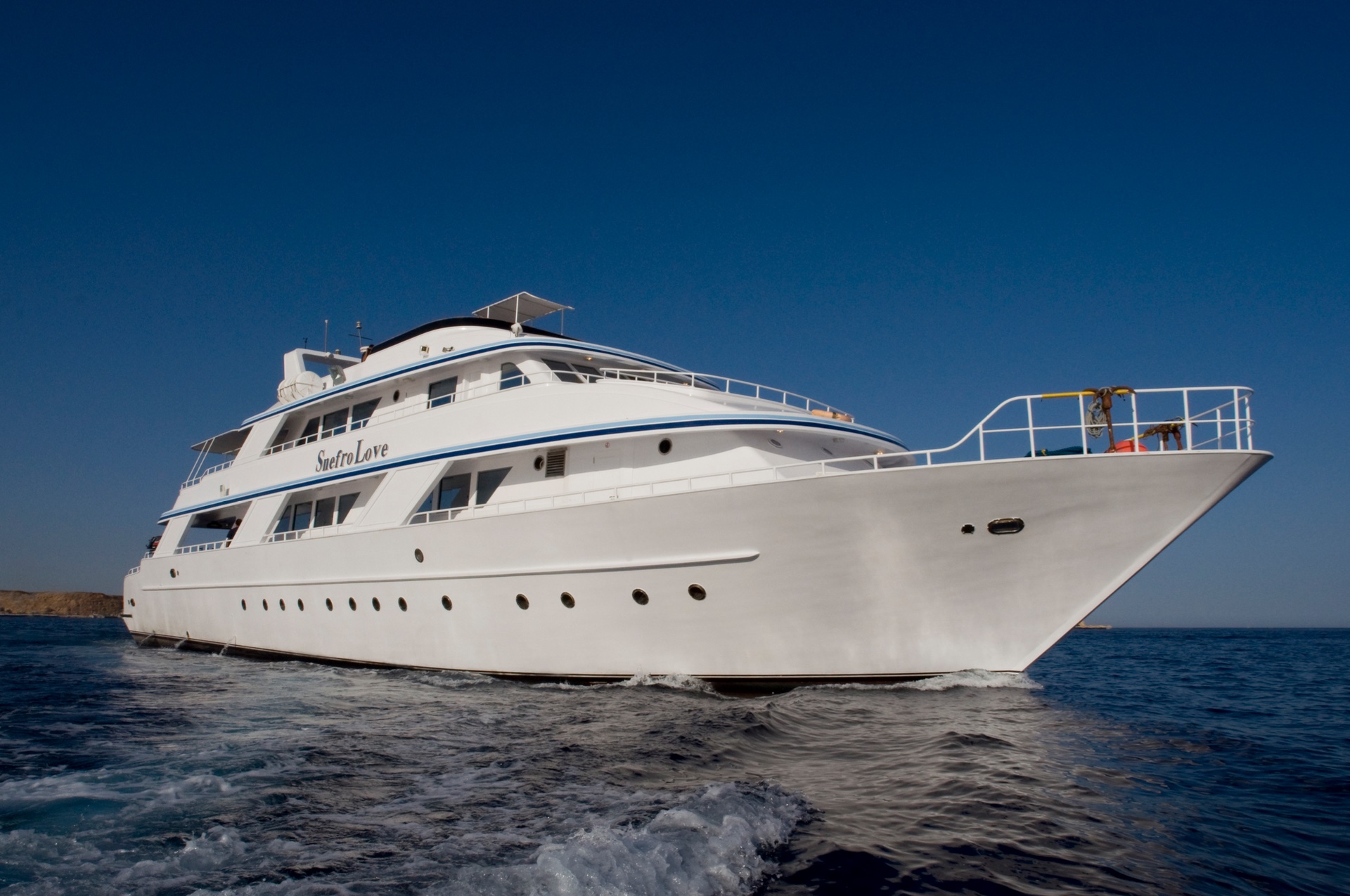
Snefro Love
Egypt
20 guests
$154/day
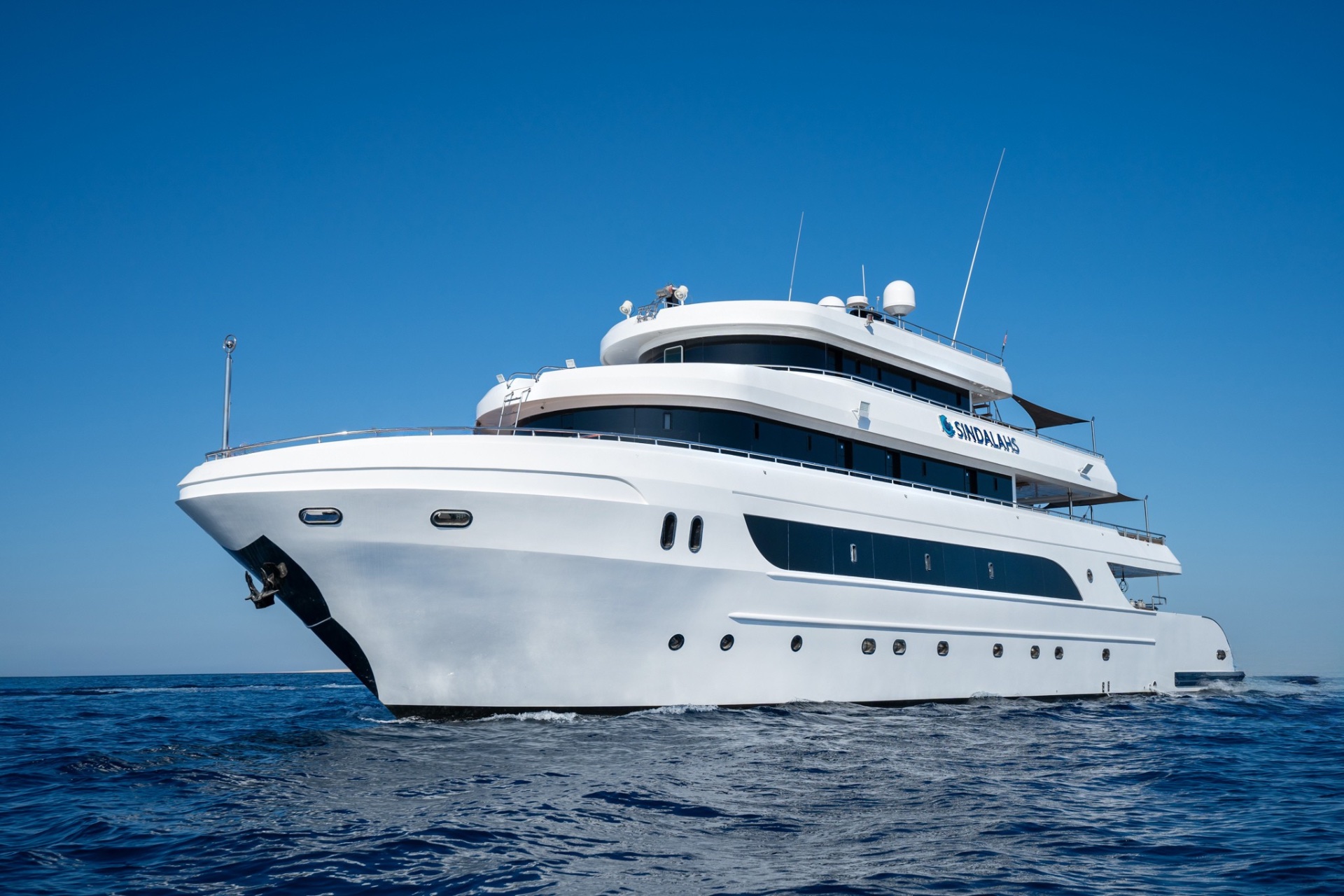
Sindalahs
Egypt
26 guests38 m
$155/day
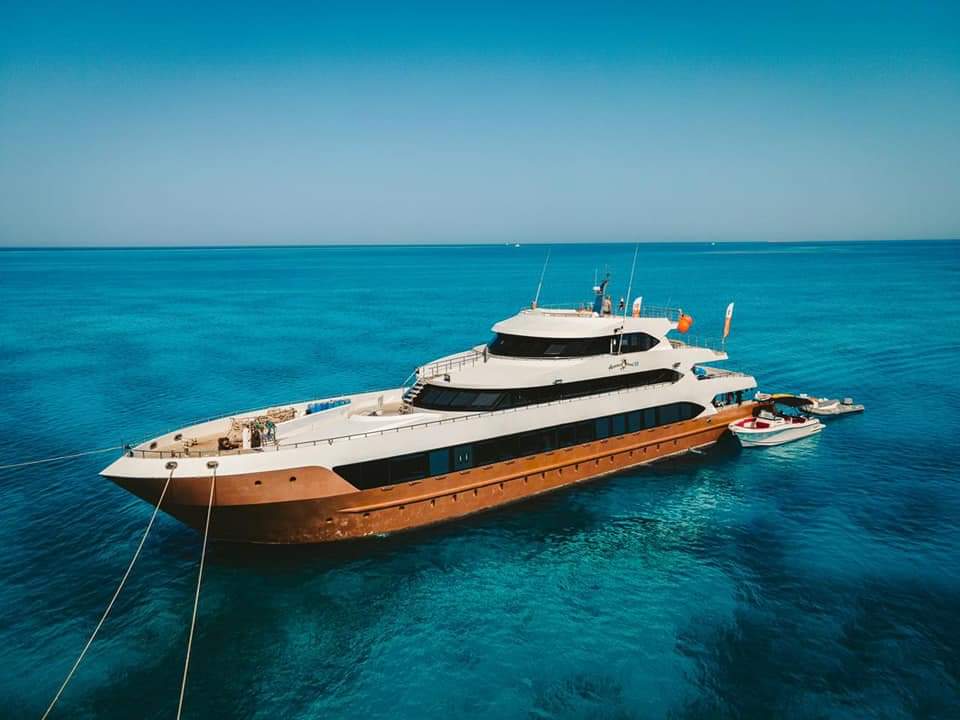
Hammerhead II
Egypt
20 guests
$172/day
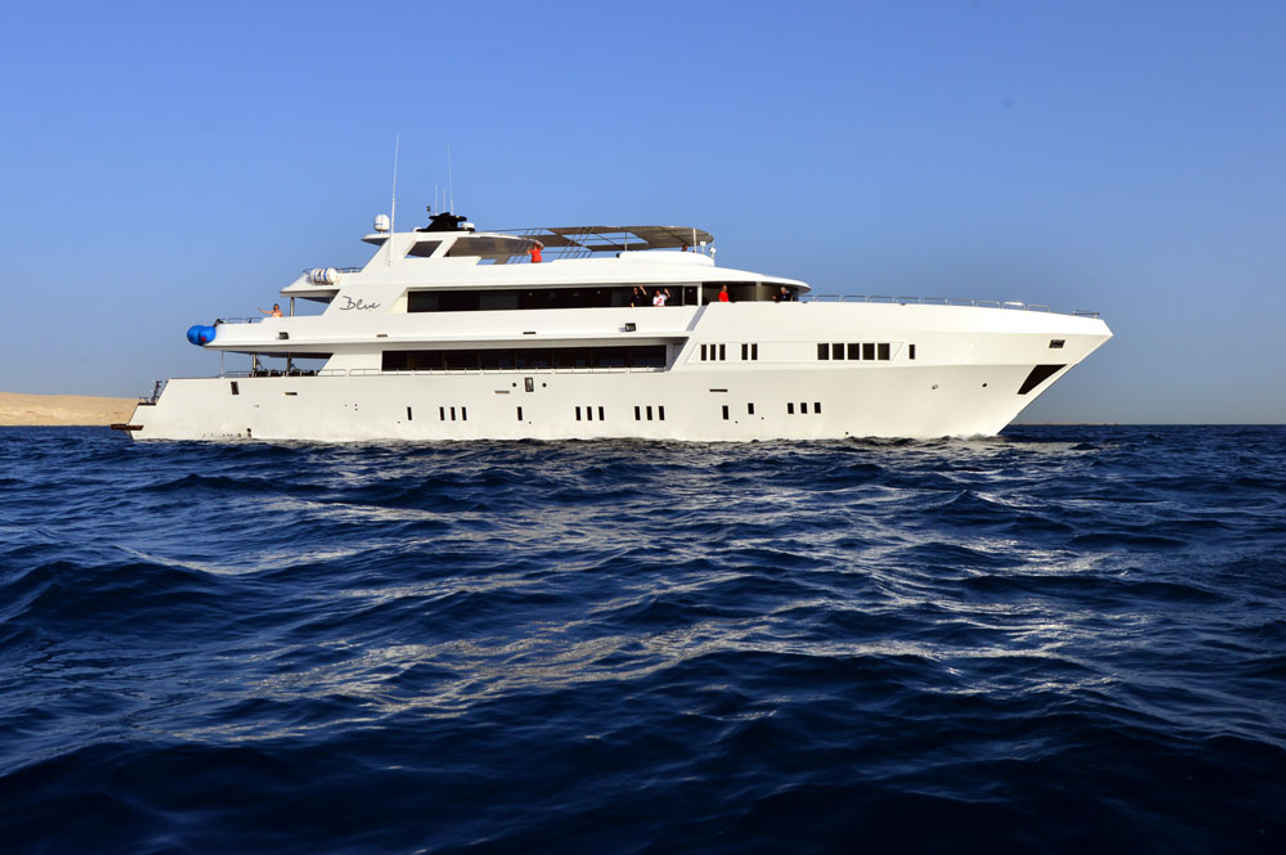
Blue Liveaboard
Egypt
24 guests43 m
$172/day
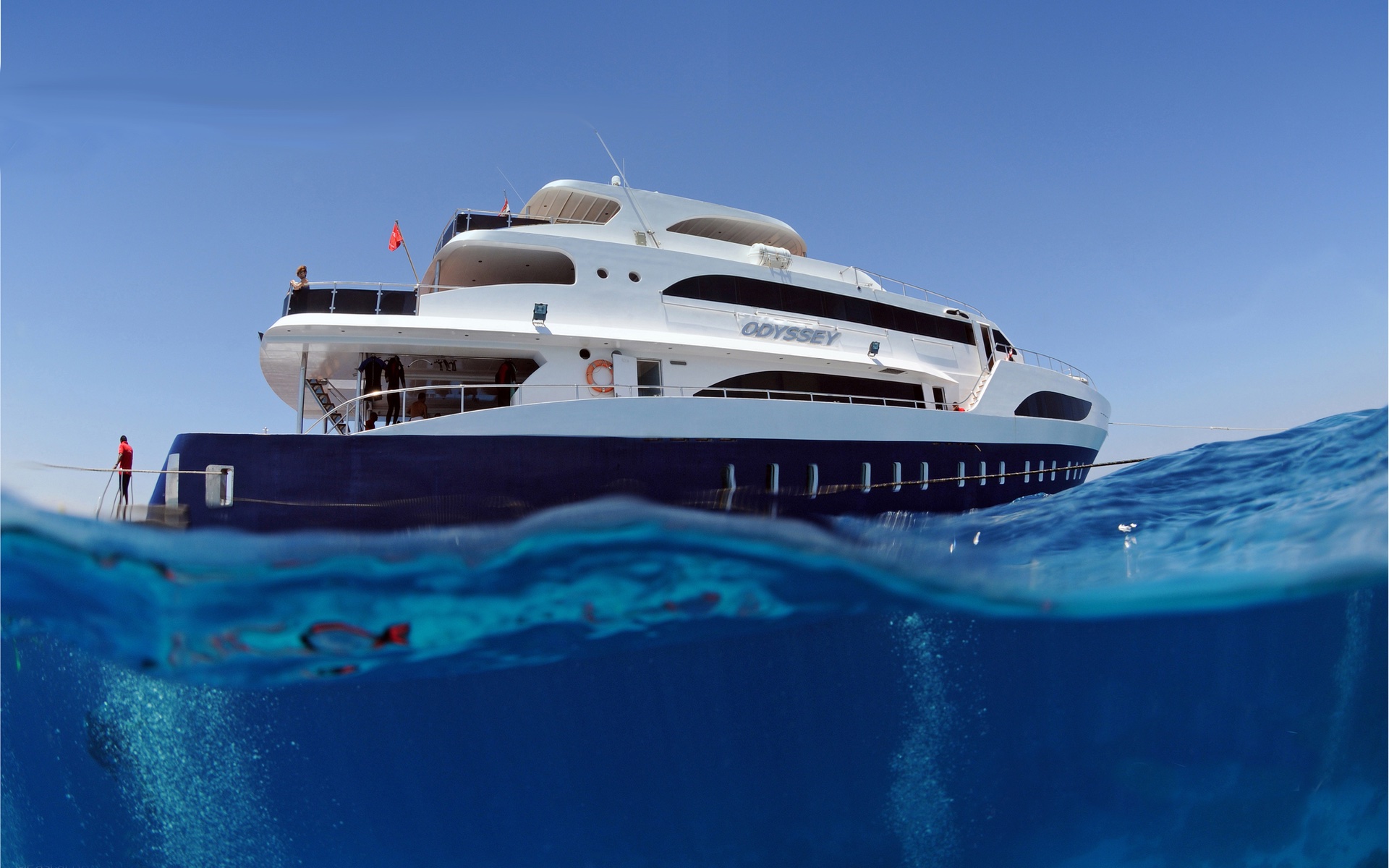
Odyssey
Egypt
26 guests40 m
$185/day
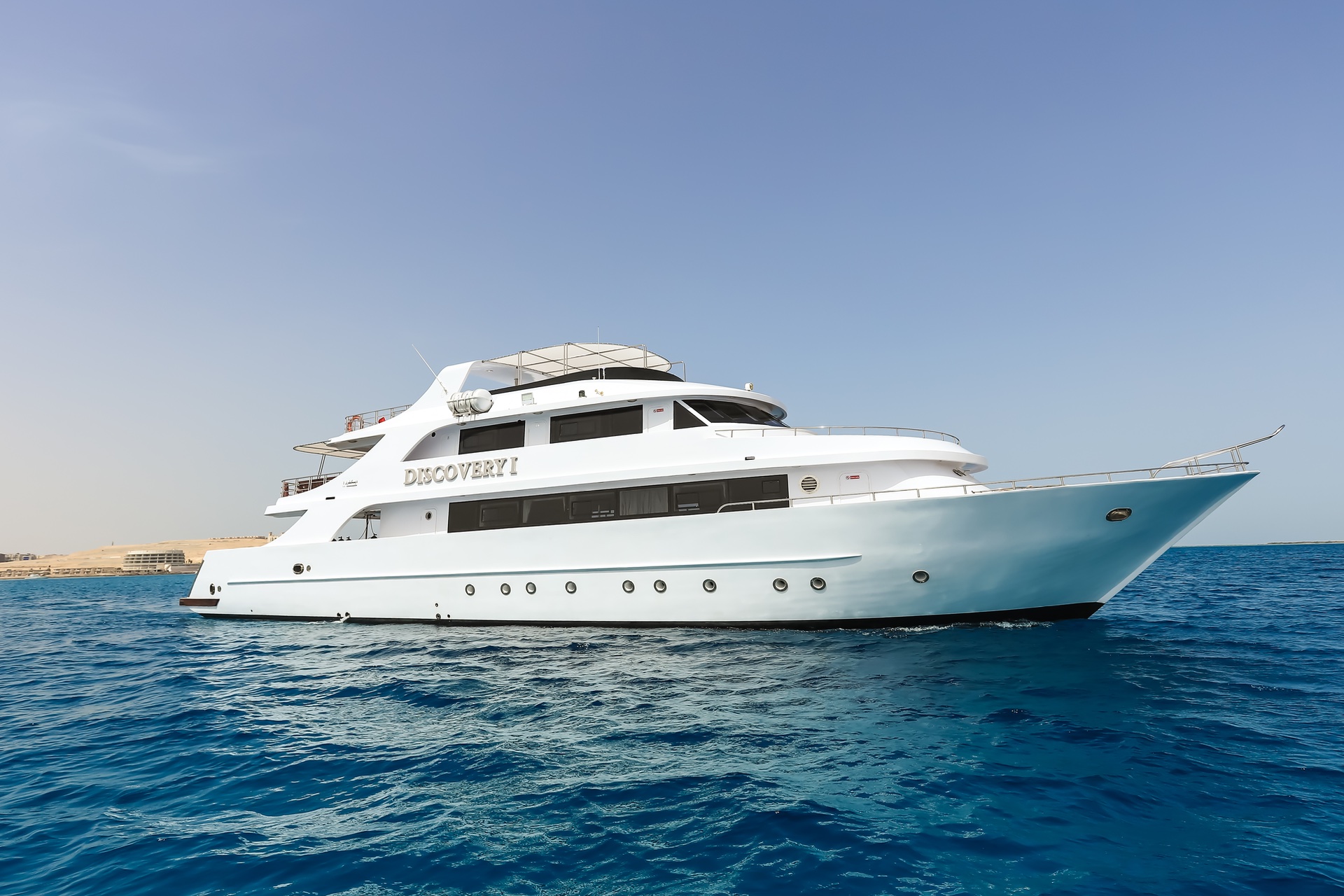
Discovery I
Egypt
20 guests
$104/day
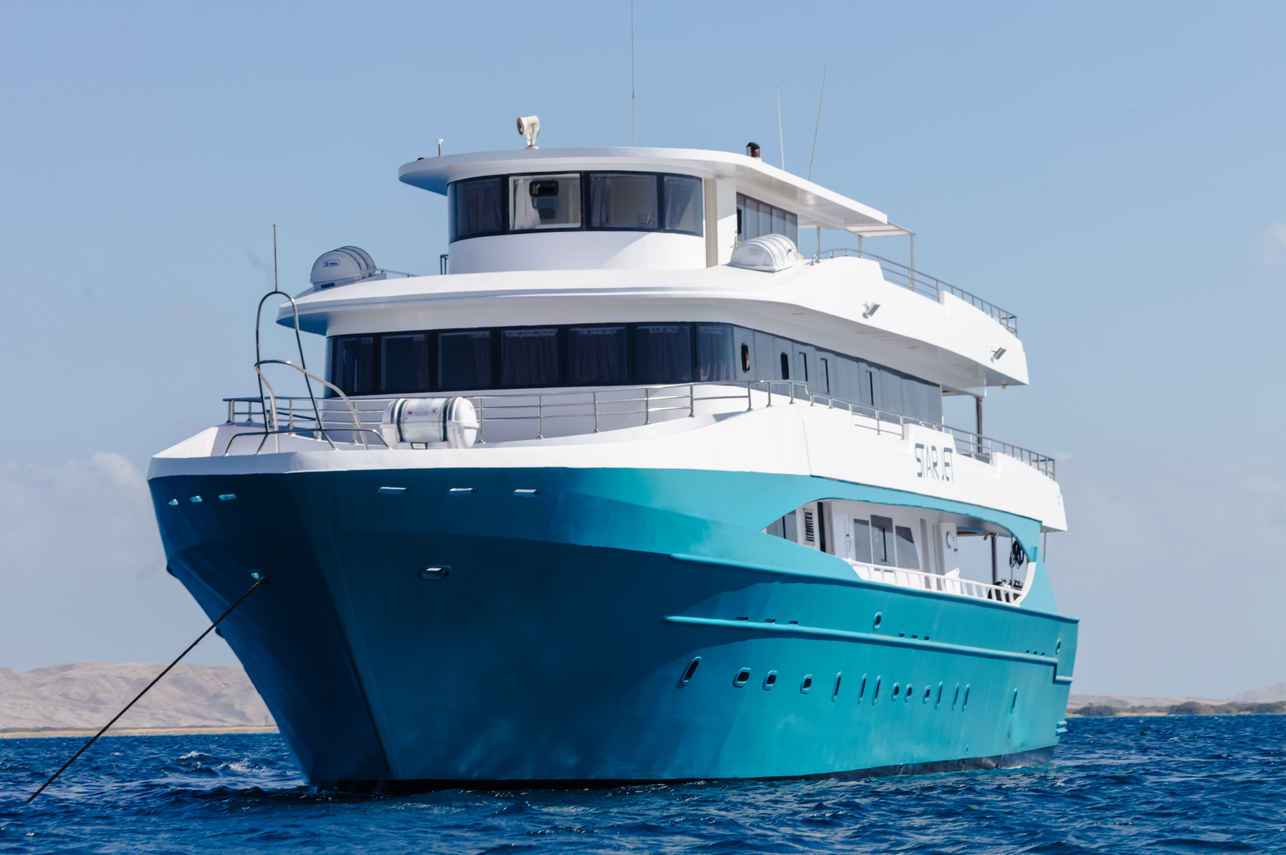
Star Jet
Egypt
28 guests35 m
$145/day
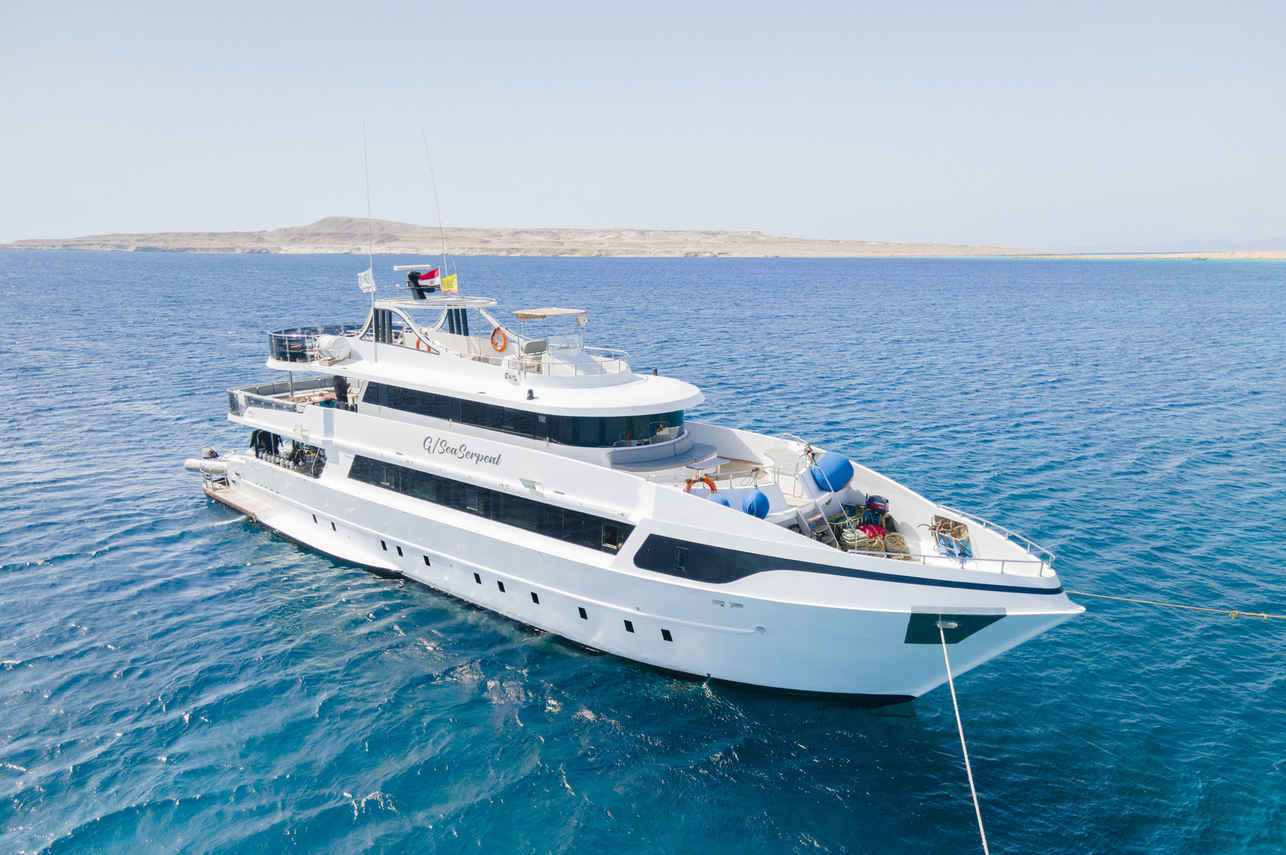
SS Serena Dreams
Egypt
18 guests33 m
$159/day
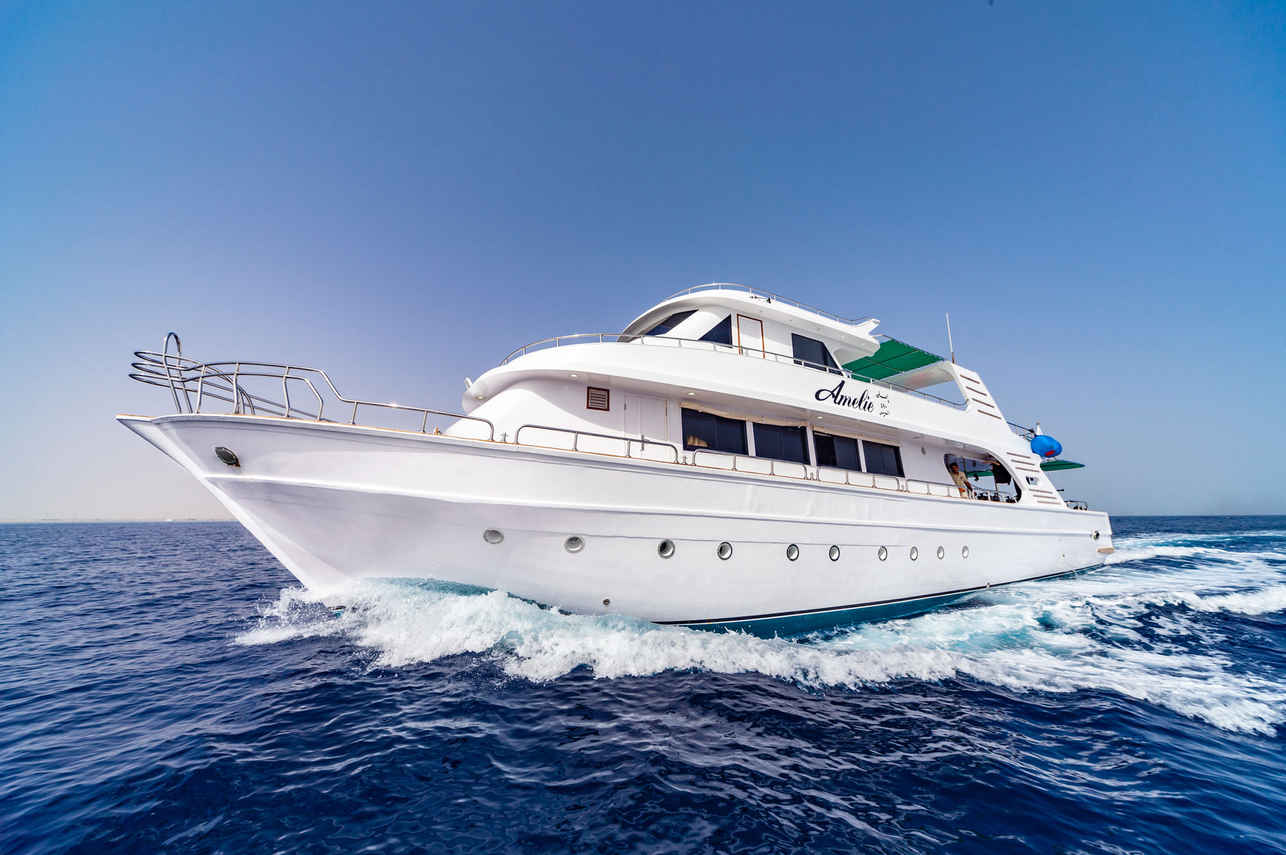
Amelie
Egypt
12 guests23 m
$115/day
Dive sites similar to St. Johns Reef
Same character, same waters — six more sites divers love for the exact same reasons.Compare seasons, access and liveaboard routes — then pick the site that fits your trip best.
Carless Reef
Egypt
Carless Reef is a renowned advanced dive site near Hurghada, notable for its two prominent coral pinnacles that rise from a sandy bottom at 30 meters.
- Suitable for
- Advanced
- Current
- Strong
- Access
- Dayboat
- Depth
- 15–40 m
- Theme
- Reef / Drift
Gordon Reef
Egypt
Gordon Reef is the southernmost of the four prominent coral formations situated in the narrow Straits of Tiran, which separate the Gulf of Aqaba from the main Red Sea.
- Suitable for
- Intermediate
- Current
- Moderate
- Access
- Liveaboard only
- Depth
- 2–300 m
- Theme
- Reef
Far Garden
Egypt
Far Garden is a prominent dive site located in Sharm El Sheikh, serving as the northern headland of the adjacent Middle Garden site.
- Suitable for
- Beginner
- Current
- Moderate
- Access
- Shore / dayboat
- Depth
- 1–45 m
- Theme
- Reef / Drift
Tobia Arbaa
Egypt
Tobia Arbaa, also widely recognized as the "Seven Pillars," is a highly regarded dive site situated in Egypt, easily accessible via a short speedboat ride from Safaga or Soma Bay.
- Suitable for
- Beginner
- Current
- Mild
- Access
- Liveaboard or dayboat
- Depth
- 10–16 m
- Theme
- Reef
Alexandria
Egypt
Alexandria offers a truly unique diving experience in Egypt, differing significantly from the vibrant coral reefs of the Red Sea.
- Suitable for
- Beginner
- Current
- Moderate
- Access
- Liveaboard or dayboat
- Depth
- 5–8 m
- Theme
- Reef
El Fanadir North
Egypt
El Fanadir North is a prominent reef system in the Red Sea, situated roughly 4 kilometers offshore from Hurghada.
- Suitable for
- Advanced
- Current
- Moderate
- Access
- Liveaboard or dayboat
- Depth
- 12–70 m
- Theme
- Drift / Reef