About Shaab Marsa Alam
Shaab Marsa Alam is a highly regarded dive site in the Red Sea, distinguished by its exceptional accessibility and diverse underwater topography. Just a short 10-minute boat ride from Marsa Alam marina, it provides a comprehensive diving experience suitable for various skill levels. The site is particularly famous for its drift diving, where moderate currents gently guide divers along a thriving reef system. The underwater landscape is characterized by magnificent coral gardens, showcasing a rich variety of hard and soft coral formations that shelter numerous smaller reef inhabitants. Adding an intriguing historical dimension, a small wreck lies on the south side of the reef, serving as an artificial habitat that attracts a unique collection of marine species. This blend of natural reef beauty and historical exploration within a single dive makes Shaab Marsa Alam a compelling destination. Depths at Shaab Marsa Alam reach up to 40 meters, allowing advanced divers to explore deeper sections while less experienced divers can comfortably enjoy the shallower, vibrant areas. The site seamlessly combines opportunities for both reef and wreck diving, delivering a compact yet comprehensive adventure in the Marsa Alam region, with varied marine interactions in a manageable area. Expect encounters with parrotfish, Napoleon wrasse, scorpionfish, and stingrays. Dolphins, sea turtles, and crocodile fish are also common sightings, enriching the vibrant marine experience.
Highlights
Vibrant coral gardensEffortless drift divingAccessible shallow depthsWreck explorationVariety of reef fishDolphin encountersSea turtle sightings
Season calendar
Best months to dive here
Jan
Feb
Mar
Apr
May
Jun
Jul
Aug
Sep
Oct
Nov
Dec
Excellent
Good
Dive site facts: Shaab Marsa Alam
- Depth
- 5–40 m
- Current
- Moderate
- Visibility
- 20–40 m
- Water temperature
- 22–31°C
- Entry
- Boat
- Level
- All levels, drift diving experience helpful
- Dive type
- Drift, reef, wreck
- Night dive
- Possible
- Region / port
- Marsa Alam
- Coordinates
- 25.0772, 34.93635
Conditions & Currents
Shaab Marsa Alam is primarily known for its moderate currents, making it an excellent site for drift diving. These currents typically trace the contours of the reef, allowing divers to glide effortlessly along the vibrant coral gardens. While generally mild, currents can vary, so divers should be prepared for potential changes, especially when planning a route around the wreck on the south side. Entry is usually via boat, and a controlled descent with attention to current direction is advisable. Visibility is generally excellent, often reaching up to 30 meters or more, providing clear views of the extensive marine life and reef structures. Divers should always monitor their air consumption and consider the drift aspect for their dive plan, ensuring a comfortable and safe ascent and surface pickup.
Marine life & sighting chances

Parrotfish
common
Napoleon Wrasse
common
Scorpionfish
common
Stingray
common
Sea Turtle
common
Dolphin
common
Crocodile Fish
common
Lionfish
occasional
Barracuda
occasional
Moray Eel
common
Pufferfish
common
Triggerfish
commonDive profile & how the dive runs
Dives at Shaab Marsa Alam typically commence with a boat entry, often initiating a drift dive due to the moderate currents. Divers descend along the reef's outer edge, exploring the vibrant coral gardens that define the site's beauty. The depth gradually increases, allowing for exploration down to 40 meters, though much of the rich marine life is found in shallower sections. A key point of interest is the small wreck located on the south side of the reef, which serves as a thriving artificial habitat. Divers can spend time exploring its structure and the diverse species it attracts before continuing their drift along the reef. The turn point is often dictated by air consumption and current conditions, with a slow ascent following the reef wall. The safety stop is commonly performed in the calmer, shallower waters of the reef top, allowing for a final appreciation of the reef's inhabitants before a boat pickup.
Underwater photography
Shaab Marsa Alam is well-suited for underwater photography, particularly for wide-angle shots of its extensive coral gardens and the wreck. The excellent visibility, often exceeding 30 meters, provides ample light penetration, making natural light photography effective in shallower areas. For the vibrant soft corals and reef inhabitants, a wide-angle lens is ideal, capturing the expansive beauty of the reef. When approaching the wreck, consider a macro lens for detailed shots of the smaller creatures that have colonized its structure. Strobes are recommended to bring out the true colors of the corals and fish, especially at greater depths or on overcast days. Maintain good buoyancy control to avoid damaging the delicate corals and to achieve clear, steady shots, particularly during the drift.
Combine with nearby dive sites
- Elphinstone Reef
Iconic offshore reef known for pelagics and strong currents, suitable for advanced divers.
- Samadai Reef (Dolphin House)
Famous for encounters with wild spinner dolphins in a sheltered lagoon.
- Abu Dabbab
Known for dugongs, sea turtles, and guitar sharks.
- Fury Shoals
Region of pristine reefs with abundant hard and soft corals.
- Daedalus Reef
Remote marine park reef offering pristine corals and hammerhead sightings, accessible by liveaboard.
- Brothers Islands
Marine protected area with deep walls, pelagic sharks, and wrecks, accessible by liveaboard.
Getting there & logistics
Access to Shaab Marsa Alam is typically via short boat trips from Marsa Alam marina, with transfer times as little as 10 minutes. International travelers generally fly into Hurghada Airport (HRG) or Marsa Alam International Airport (RMF). From these airports, resorts and liveaboards arrange transfers to the departure points. While some sites in the Red Sea require liveaboard access, Shaab Marsa Alam is commonly visited as a day trip from local resorts or as part of a liveaboard itinerary that explores nearby Marsa Alam sites. Most liveaboard itineraries in the Southern Red Sea, which often last 7 nights/8 days, focus on remote offshore sites, but shorter excursions can easily incorporate local dives like Shaab Marsa Alam.
Safety & environment
Diving at Shaab Marsa Alam generally presents moderate conditions, but divers should be aware of potential currents during drift dives. It is crucial to have appropriate certification for the planned depth and to be comfortable with drift diving techniques. Always dive with a reliable buddy, carry a surface marker buoy (SMB), and be proficient in its deployment. Comprehensive dive insurance, including coverage for hyperbaric treatment and evacuation, is highly recommended for all divers in the Red Sea. The nearest recompression chamber is typically located in Marsa Alam or Hurghada. Listen carefully to your dive guide's briefing regarding current conditions and designated pickup points.
Who it suits — and who it doesn't
Suited for
- New divers seeking gentle drift experiences
- Photographers interested in coral gardens and reef life
- Wreck enthusiasts looking for a small, accessible wreck
- Divers seeking encounters with dolphins and sea turtles
- Day-trip divers from Marsa Alam resorts
Less suited for
- Divers expecting extreme pelagic action
- Those uninterested in drift diving
- Divers preferring shore entries
- Individuals seeking challenging deep wreck penetration
- Visitors looking for isolated, untouched deep reefs
FAQ
Shaab Marsa Alam FAQ
What kind of marine life can I expect at Shaab Marsa Alam?
Shaab Marsa Alam is rich in reef fish, including parrotfish, Napoleon wrasse, and scorpionfish. You can also frequently spot stingrays, sea turtles, and dolphins. The wreck site often attracts crocodile fish and various smaller species that have made it their home.
Is Shaab Marsa Alam suitable for beginner divers?
Yes, Shaab Marsa Alam is generally suitable for beginner divers, especially those comfortable with drift diving. The moderate currents and accessible shallow depths allow for a relaxing introduction to Red Sea diving. More experienced divers can explore deeper sections and the wreck.
How deep is Shaab Marsa Alam?
The maximum depth at Shaab Marsa Alam reaches approximately 40 meters (131 feet). However, much of the vibrant coral and marine activity is found in shallower depths, making it enjoyable for divers of all certification levels.
Are there strong currents at Shaab Marsa Alam?
Shaab Marsa Alam is known for moderate currents that facilitate drift diving. While generally not excessively strong, divers should be aware of current directions and be comfortable with drift diving techniques. Dive guides provide thorough briefings on current conditions.
How do I get to Shaab Marsa Alam?
Shaab Marsa Alam is conveniently located just a 10-minute boat ride from Marsa Alam marina. Most dive operators in the Marsa Alam region offer day trips to this site, which can be easily arranged from your resort or liveaboard.
Can I do a night dive at Shaab Marsa Alam?
Yes, night dives are possible at Shaab Marsa Alam. The site's varied topography and abundant reef life offer a different perspective after dark, with nocturnal creatures emerging. Check with your dive operator for night diving opportunities and requirements.
Why dive Shaab Marsa Alam from a liveaboard?
Shaab Marsa Alam is one of Egypt's signature dive sites. A liveaboard sleeps you on the water and puts you in the water for three to four guided dives per day, including dawn and night dives that day-boat operators rarely offer. You skip the daily commute back to port and reach quieter, less-crowded sites in the same region on a single trip.
Below are the liveaboards that include Shaab Marsa Alam on their Egypt itineraries.
Liveaboards diving Shaab Marsa Alam
These liveaboards may visit Shaab Marsa Alam on selected itineraries — the exact dive sites depend on departure, weather and conditions.
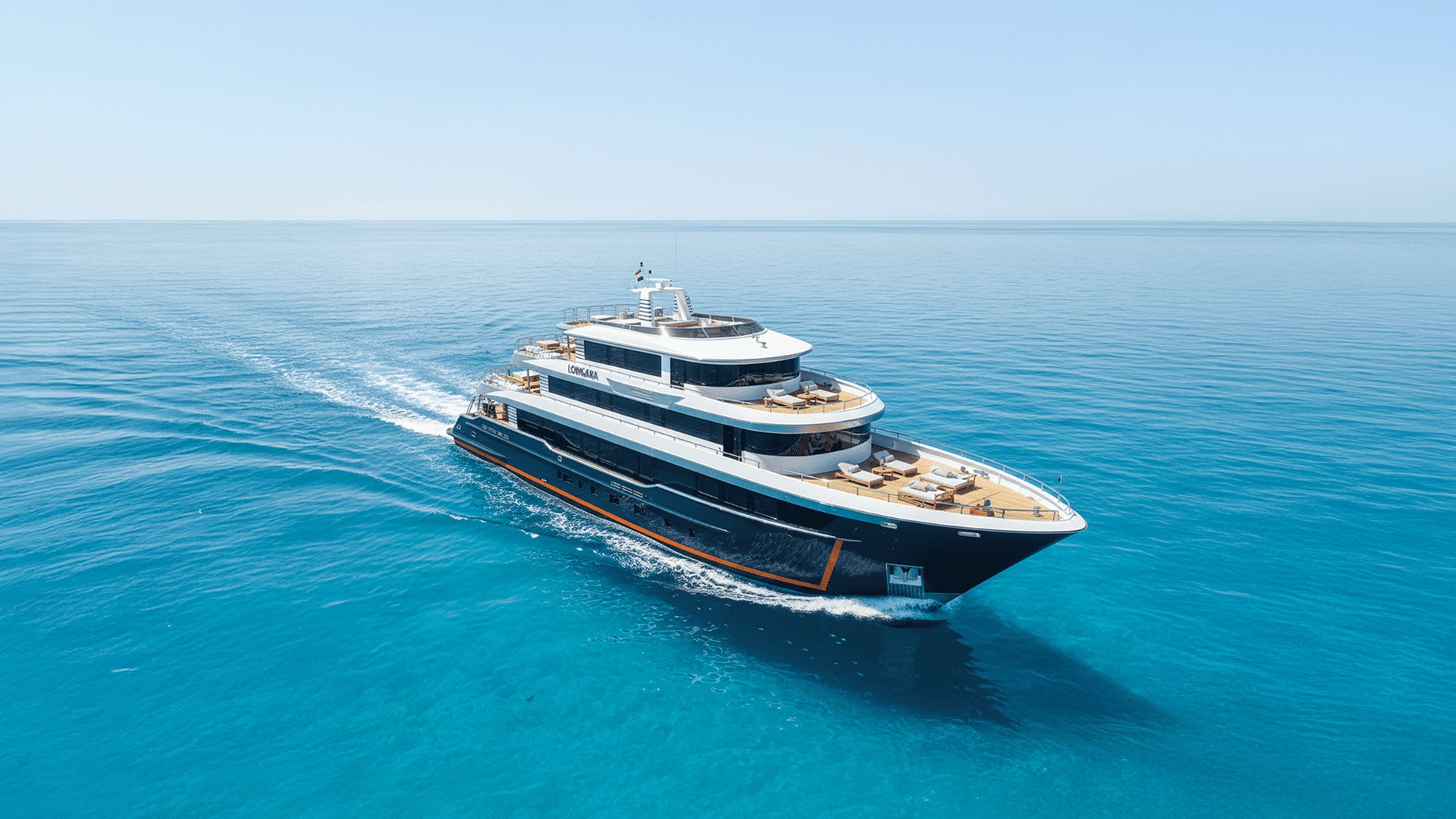
DUNE Longara
Egypt
30 guests
$149/day
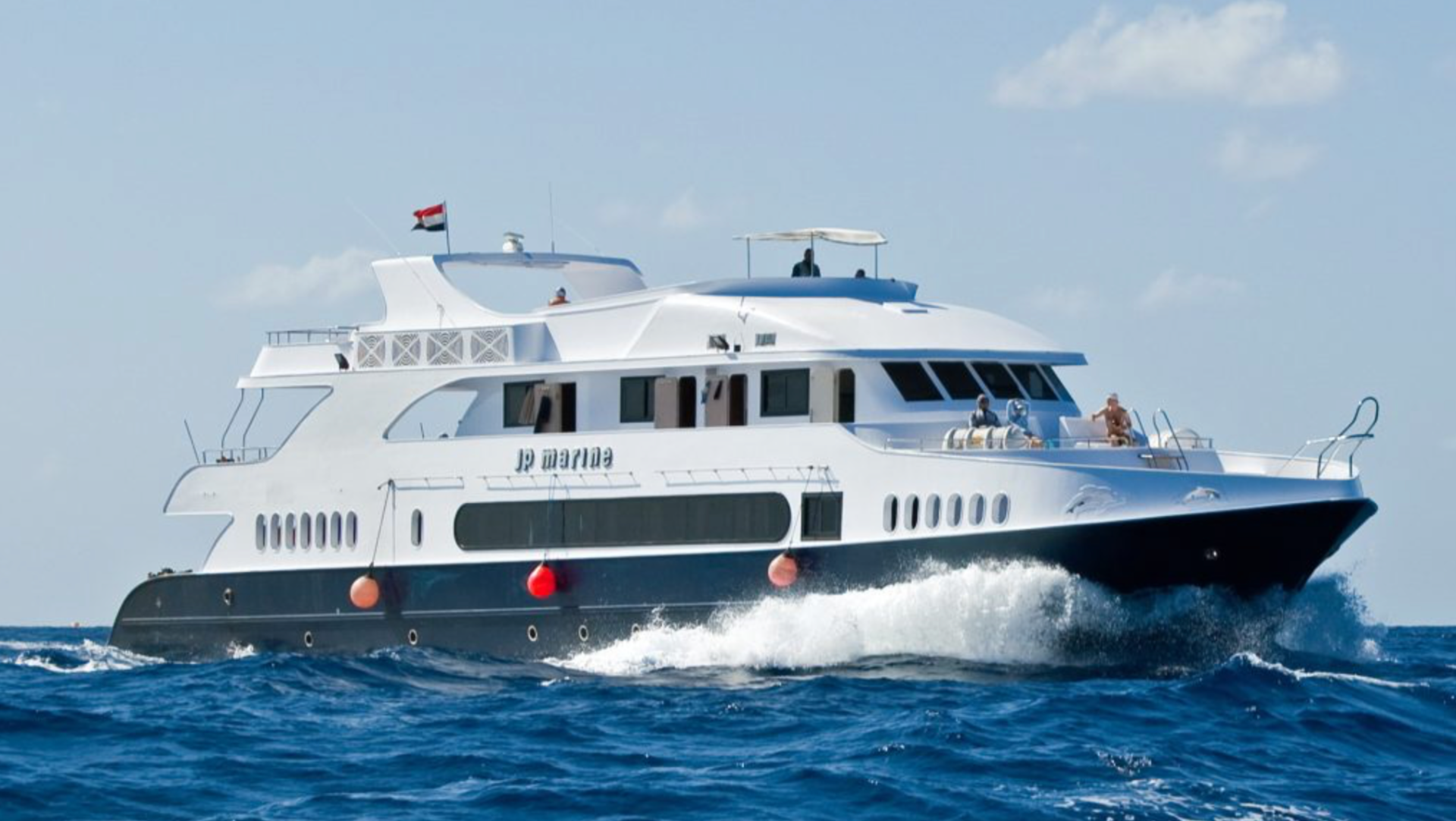
JP Marine
Egypt
28 guests
$108/day
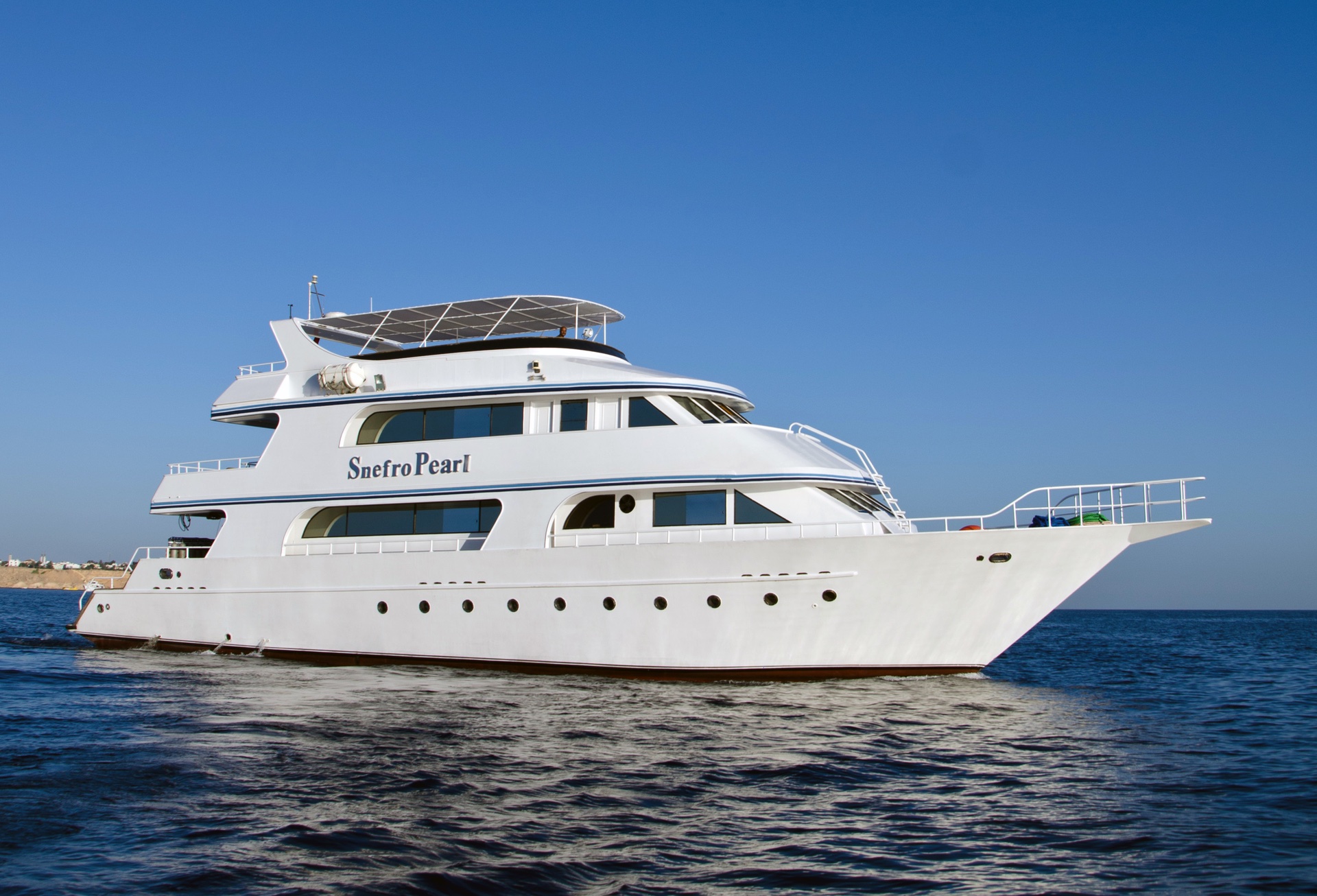
Snefro Pearl
Egypt
12 guests
$150/day
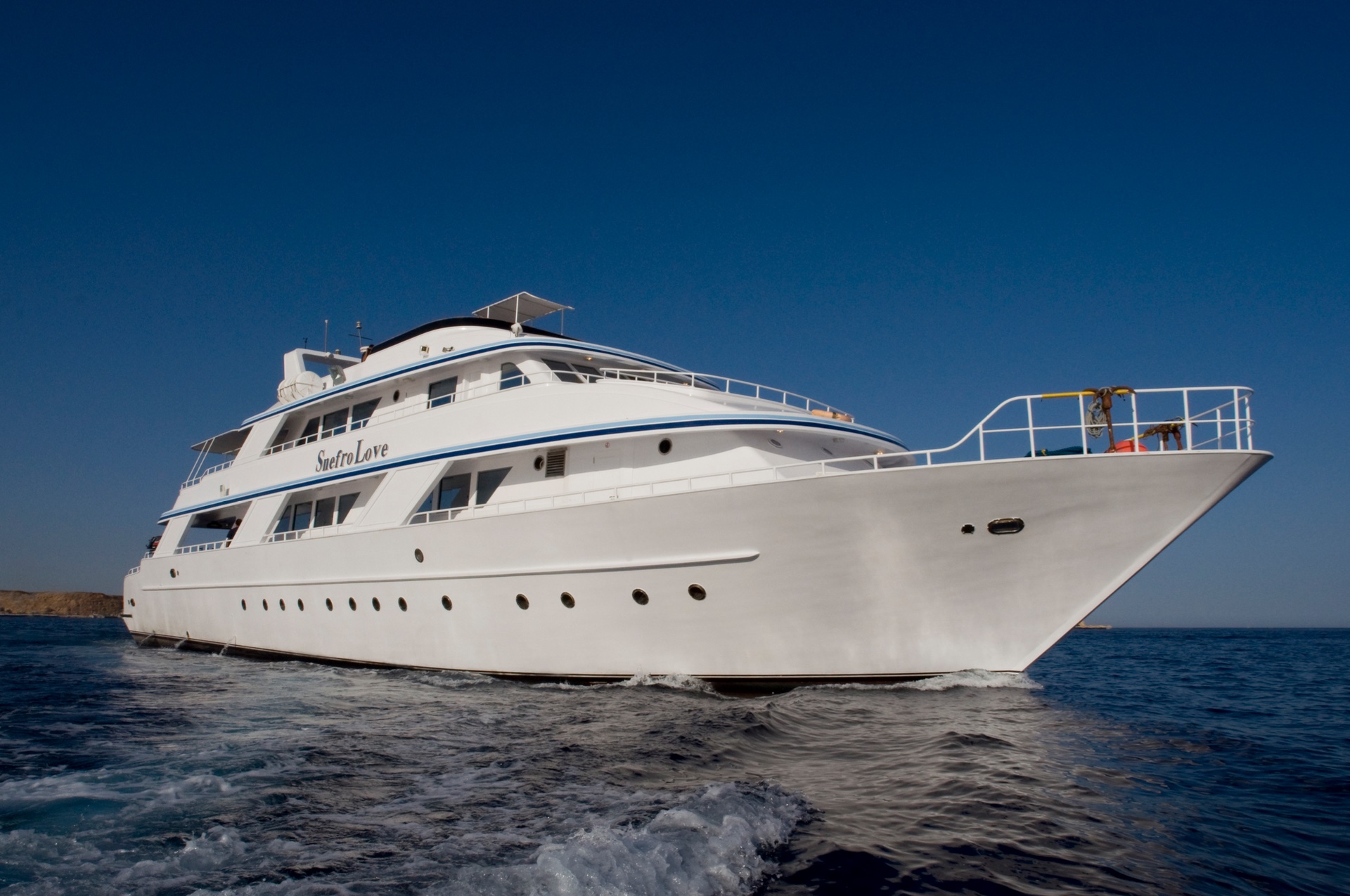
Snefro Love
Egypt
20 guests
$154/day
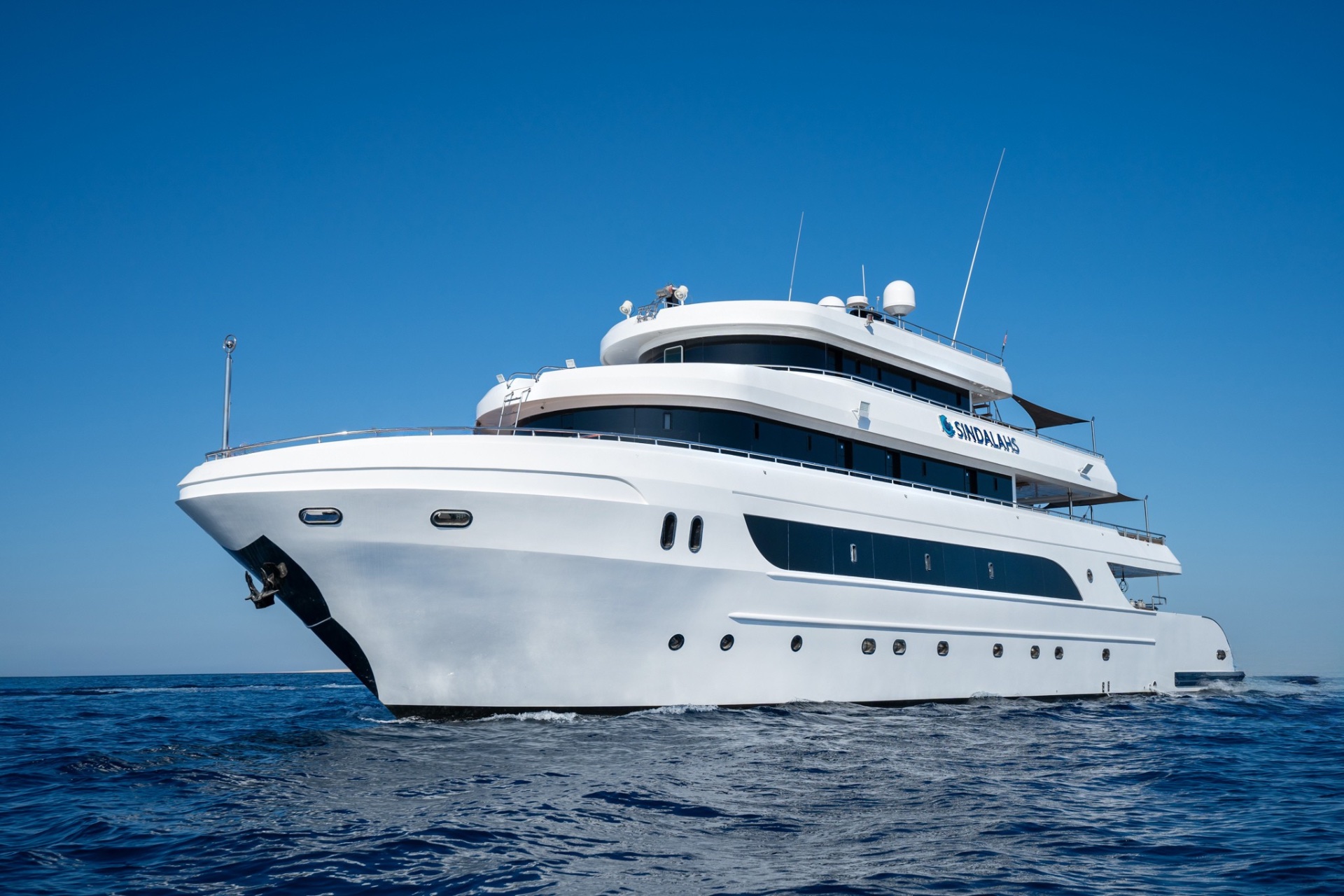
Sindalahs
Egypt
26 guests38 m
$155/day
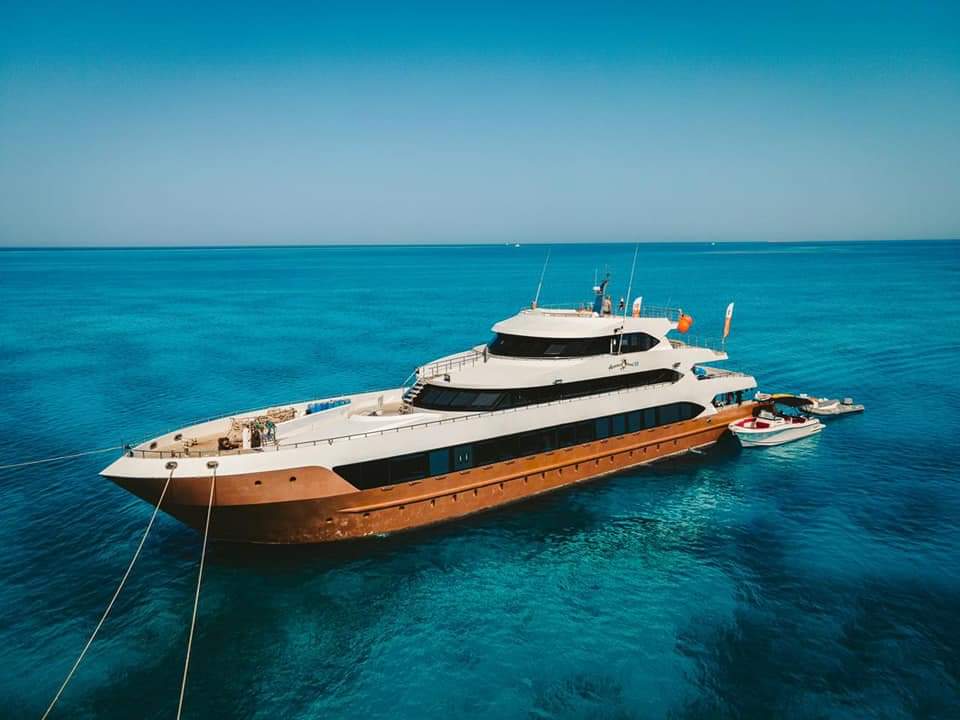
Hammerhead II
Egypt
20 guests
$171/day
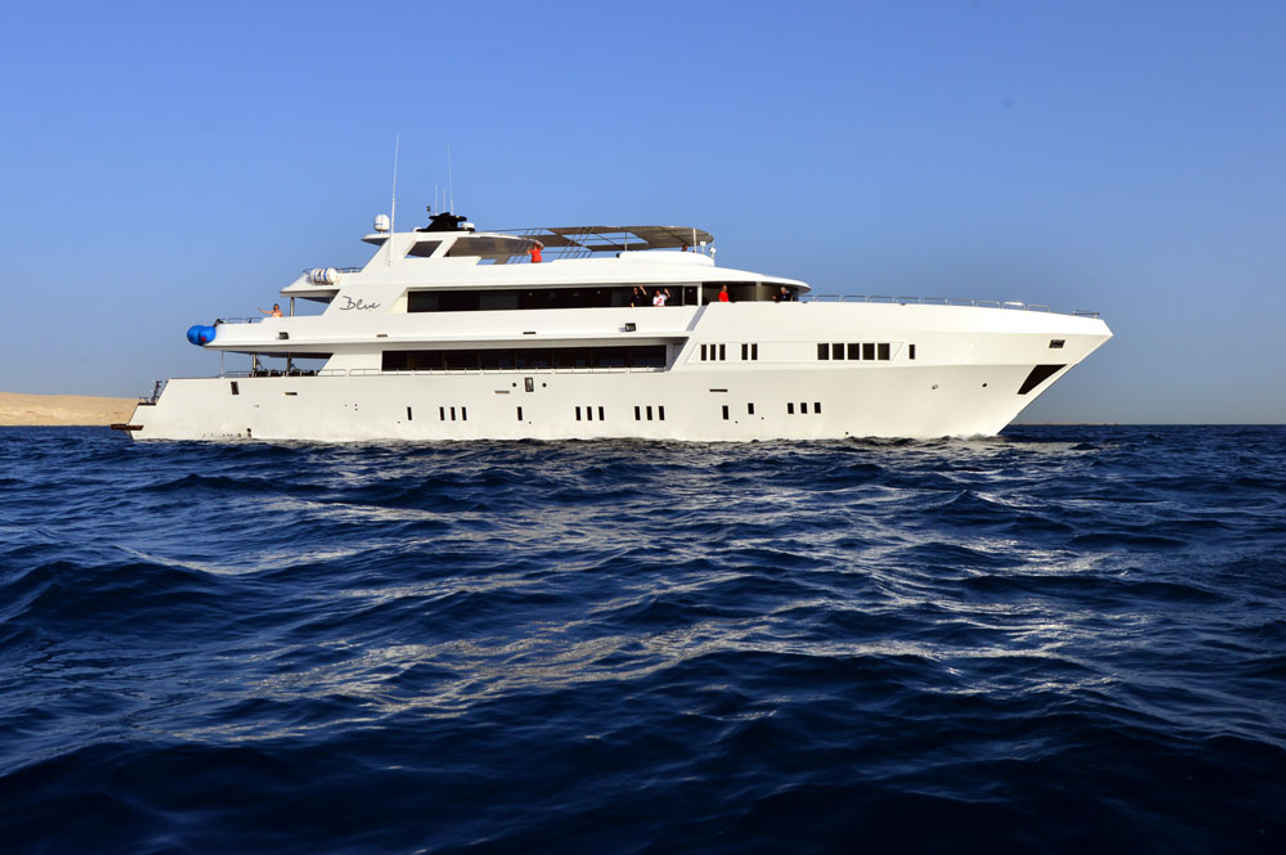
Blue Liveaboard
Egypt
24 guests43 m
$171/day
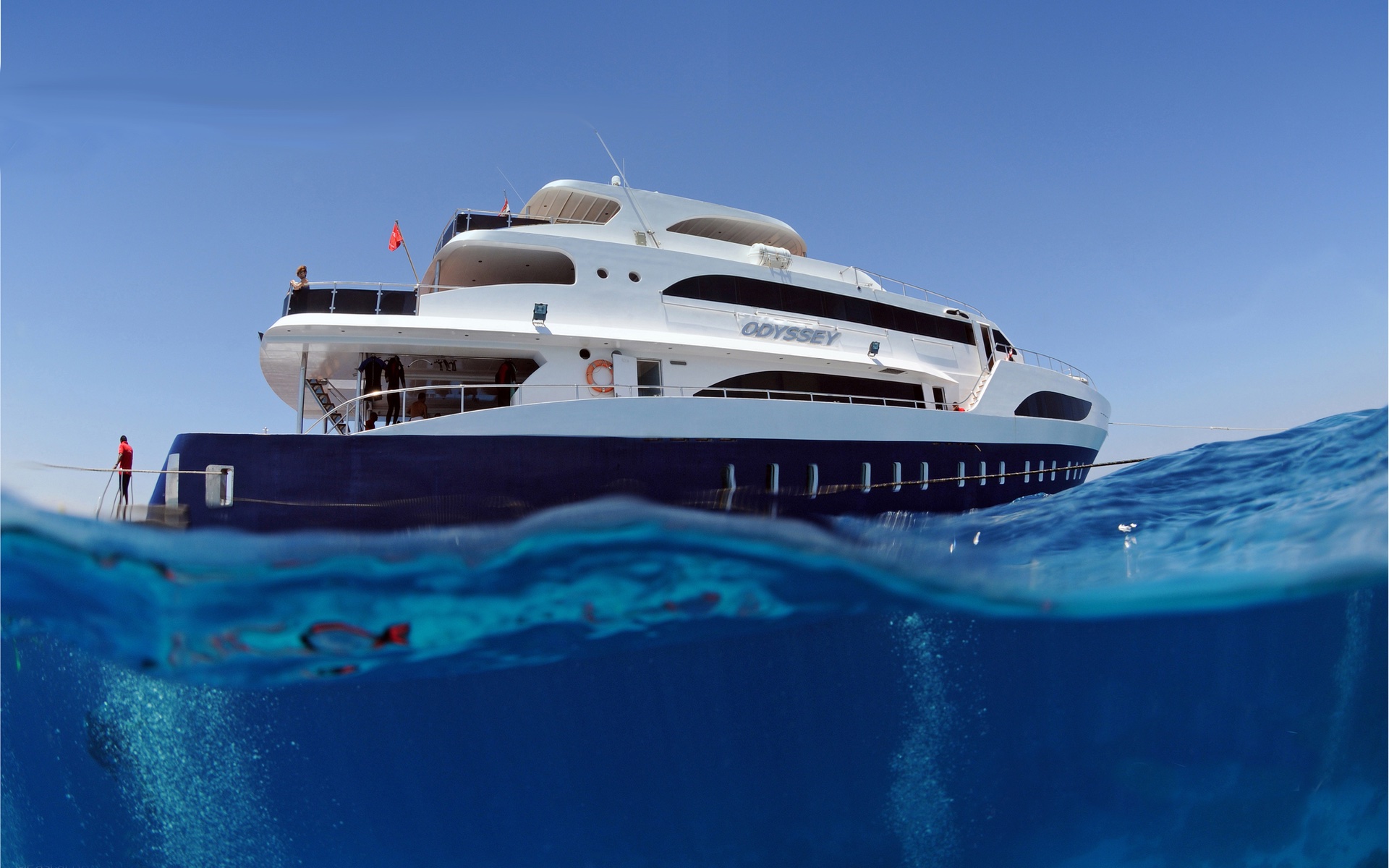
Odyssey
Egypt
26 guests40 m
$184/day
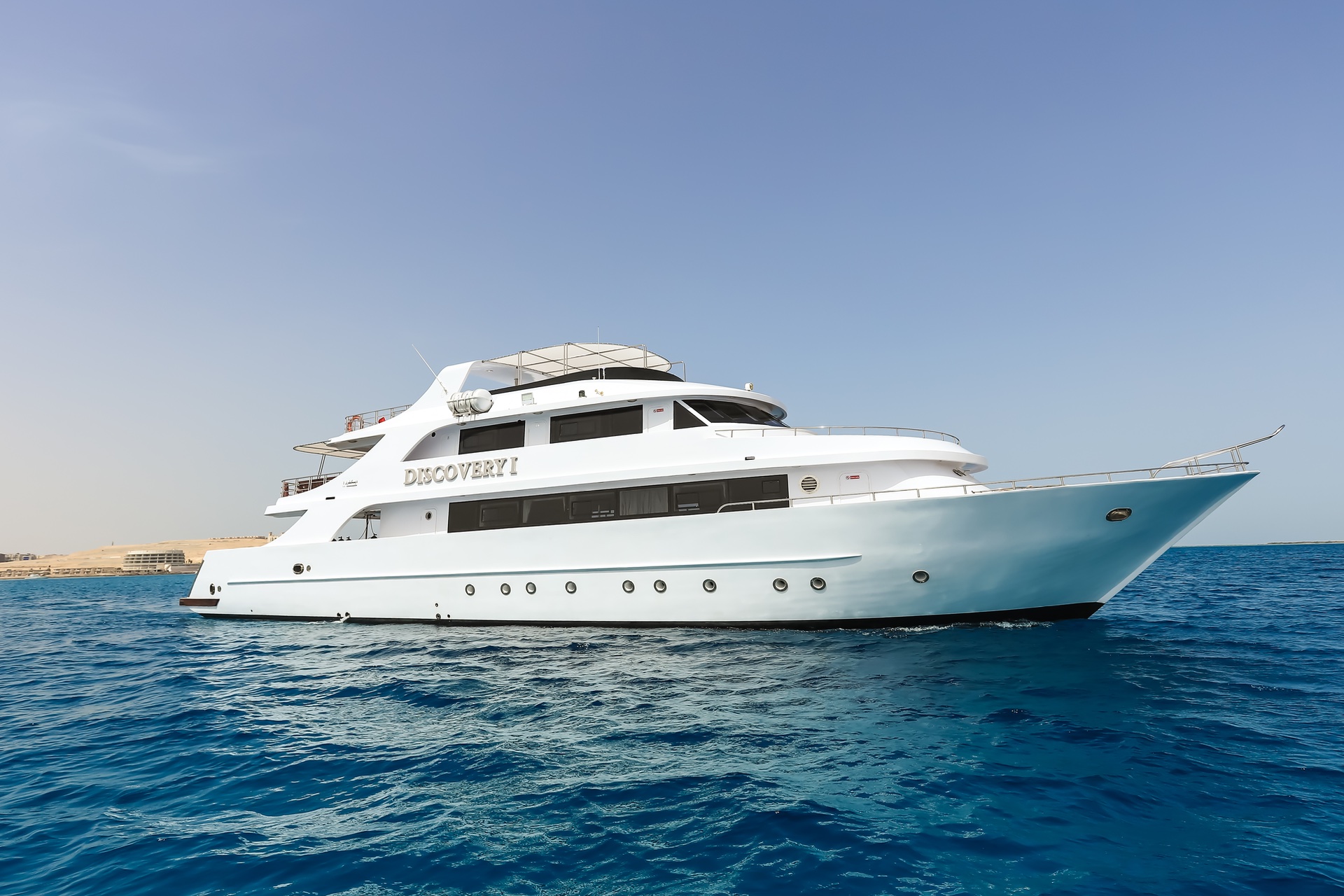
Discovery I
Egypt
20 guests
$103/day
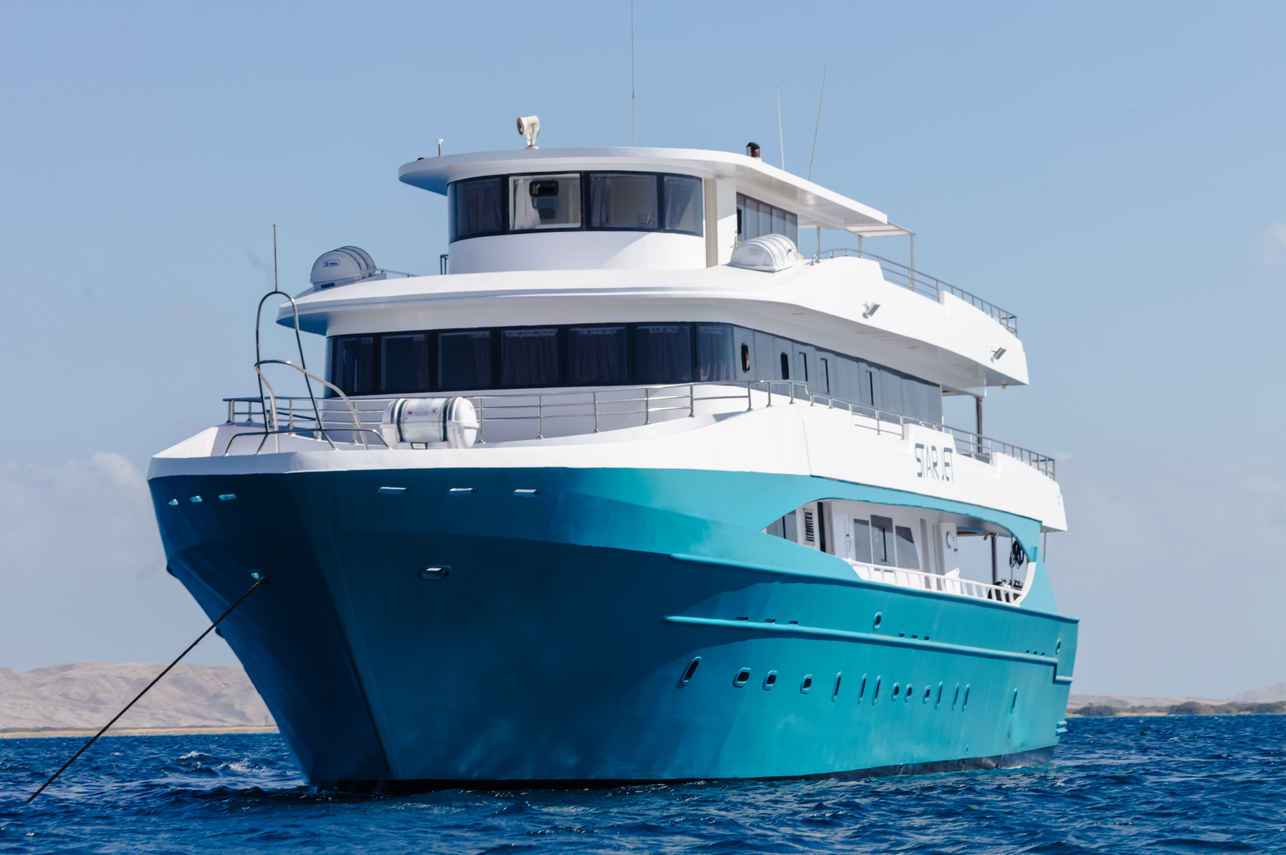
Star Jet
Egypt
28 guests35 m
$145/day
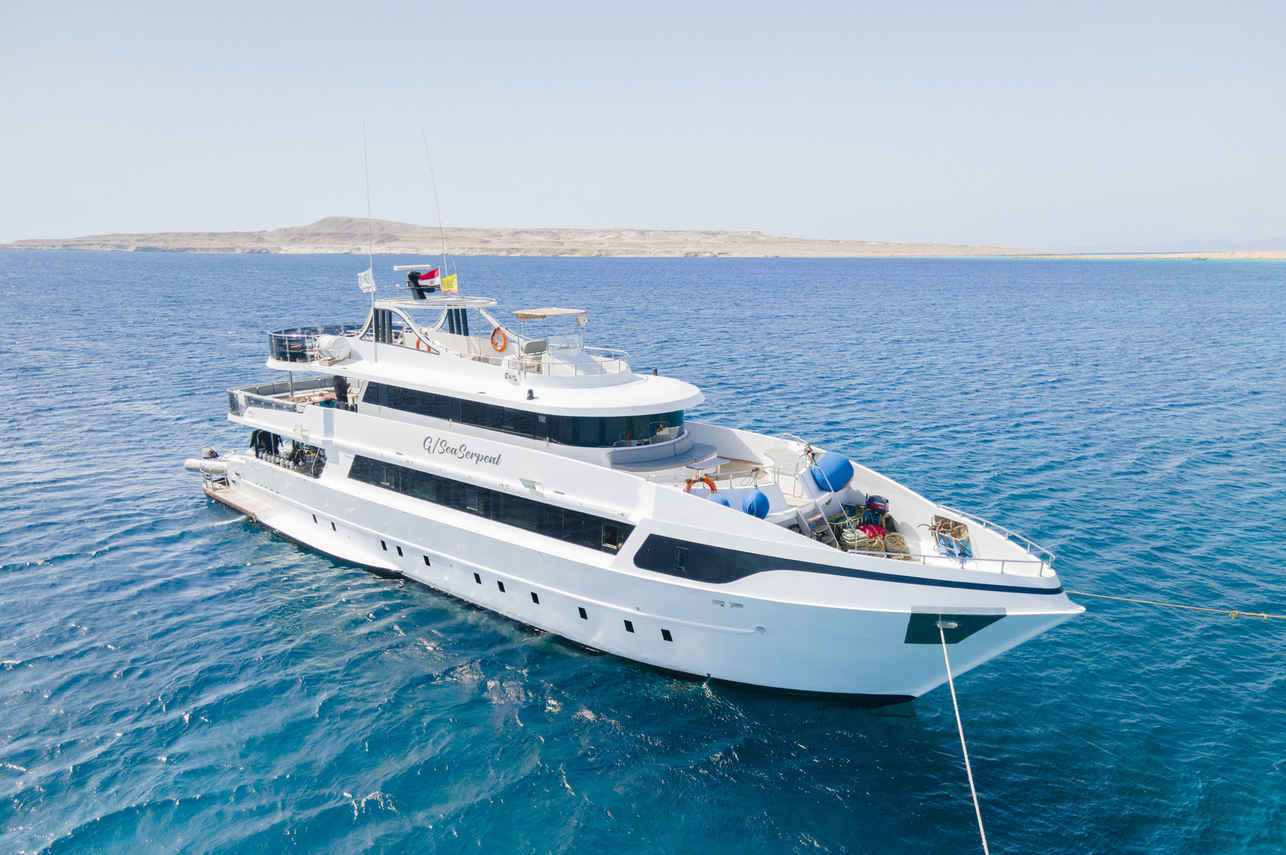
SS Serena Dreams
Egypt
18 guests33 m
$168/day
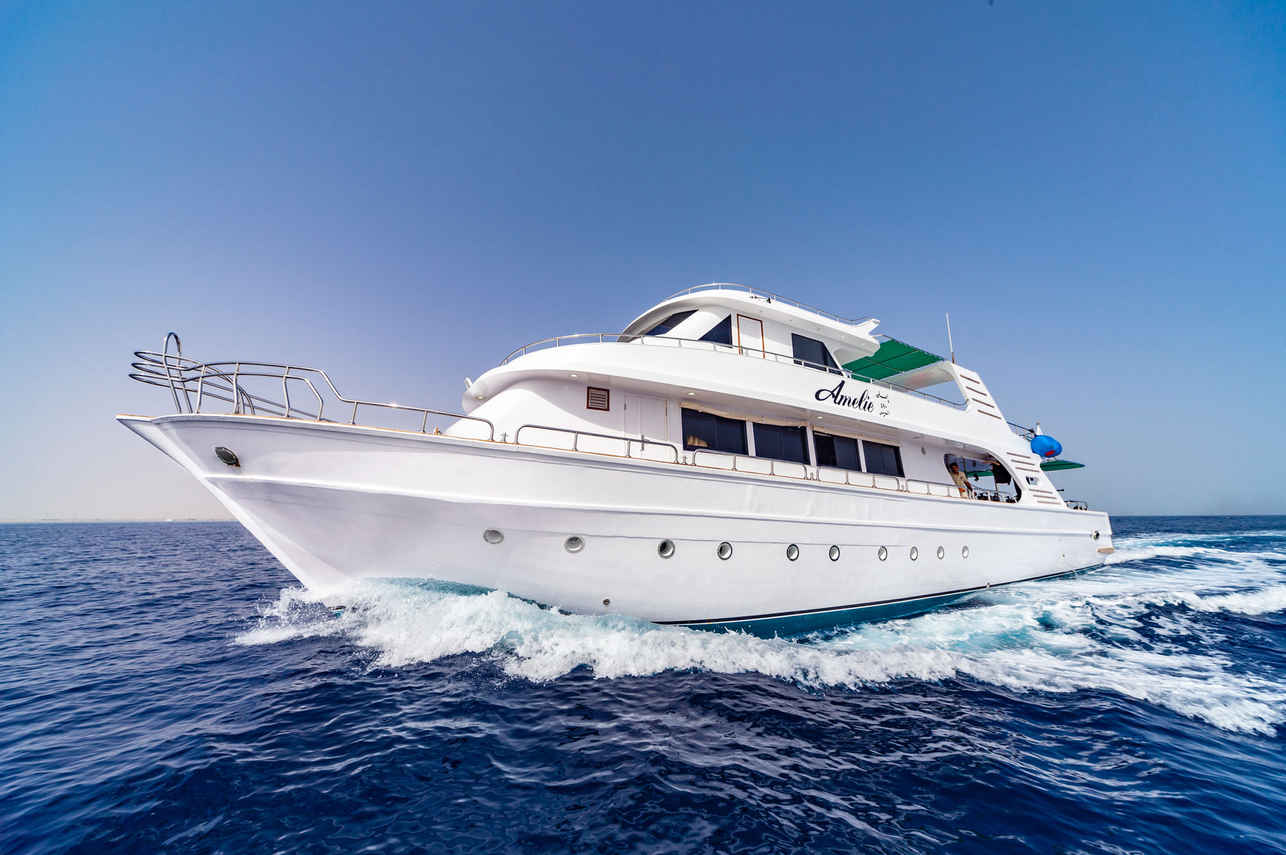
Amelie
Egypt
12 guests23 m
$115/day
Dive sites similar to Shaab Marsa Alam
Same character, same waters — six more sites divers love for the exact same reasons.Compare seasons, access and liveaboard routes — then pick the site that fits your trip best.
© Esri — Maxar, Earthstar, GIS
Carless Reef
Egypt
Carless Reef is a renowned advanced dive site near Hurghada, notable for its two prominent coral pinnacles that rise from a sandy bottom at 30 meters.
- Suitable for
- Advanced
- Current
- Strong
- Access
- Dayboat
- Depth
- 15–40 m
- Theme
- Reef / Drift
© Esri — Maxar, Earthstar, GIS
Cape Rouge
Djibouti
Cape Rouge is a notable dive site in Djibouti, known for its pristine underwater environment where the Red Sea meets the Indian Ocean.
- Suitable for
- Advanced
- Current
- Mild
- Access
- Liveaboard or dayboat
- Depth
- 15–40 m
- Theme
- Reef
© Esri — Maxar, Earthstar, GIS
Farasan Islands
Saudi Arabia
The Farasan Islands, situated in the southern Red Sea off the coast of Jazan, represent Saudi Arabia's premier destination for biodiverse diving.
- Suitable for
- Advanced
- Current
- Strong
- Access
- Liveaboard only
- Depth
- 10–40 m
- Theme
- Wall / Reef
© Esri — Maxar, Earthstar, GIS
Gota Soraya
Egypt
Gota Soraya stands out as one of the Red Sea's premier wall dives, located in the southern region near the Sudanese border.
- Suitable for
- Advanced
- Current
- Moderate
- Access
- Liveaboard only
- Depth
- ≤ 20 m
- Theme
- Wall
© Esri — Maxar, Earthstar, GIS
Umm Kharalim
Egypt
Umm Kharalim, also known as St. John's Caves, is a distinctive dive site nestled within the remote St. John's reef system in the southern Red Sea, close to Egypt's border with Sudan.
- Suitable for
- Advanced
- Current
- Strong
- Access
- Liveaboard only
- Depth
- 3–15 m
- Theme
- Cave & cavern
© Esri — Maxar, Earthstar, GIS
Marsa Abu Dabab
Egypt
Marsa Abu Dabab is a distinctive, horseshoe-shaped bay located on Egypt's southern Red Sea coast, approximately 35 kilometers north of Marsa Alam town.
- Suitable for
- Beginner
- Current
- Moderate
- Access
- Shore / dayboat
- Depth
- 2–20 m
- Theme
- Reef