About Daedalus Reef
Daedalus Reef, known locally as Abu Kizan, is a remote outpost in the Red Sea, located about 80 km offshore from Marsa Alam. Its isolated position means it is exclusively accessed by liveaboard, ensuring its marine park status preserves its pristine condition and vibrant reefs. The reef itself is less than a kilometer wide and features a lighthouse at its center, constructed on a small man-made island, which also serves as a mooring point for liveaboards. The topography consists of a large, shallow reef that drops sharply on all sides. These steep walls are thickly covered with lush coral growth, including extensive fans and soft corals. The western wall, in particular, offers diverse marine life with large porites hard coral formations and crevices harboring moray eels. A notable highlight is 'Anemone City,' a section of the reef completely blanketed in anemones and their resident Red Sea anemonefish and dottybacks. Cleaning stations are also numerous, with wrasse attending to various fish species. While strong currents often run from north to south, especially at the northern point where they split, these challenging conditions are precisely what attract abundant pelagic species. Hammerhead sharks are a frequent sight, particularly in summer, alongside silky sharks, manta rays, trevally, and tuna. Thresher sharks can sometimes be spotted in the south, and even whale sharks may pass through during summer months. Given the strong currents and exposed nature of the site, Daedalus is best suited for experienced, advanced divers.
Highlights
Hammerhead SchoolsThresher SharksFan CoralsLighthouse
Season calendar
Best months to dive here
Jan
Feb
Mar
Apr
May
Jun
Jul
Aug
Sep
Oct
Nov
Dec
Excellent
Good
Dive site facts: Daedalus Reef
- Depth
- 5–40 m
- Typical dive
- 45–50 min
- Current
- Medium to strong, often unpredictable
- Visibility
- 25–40 m
- Water temperature
- 22–30 °C
- Entry
- Zodiac / RIB / negative entry
- Level
- Advanced (AOWD minimum, 50+ logged dives)
- Dive type
- Wall, drift, pelagic, coral reef
- Night dive
- Not permitted
- Region / port
- Southern Red Sea / Marsa Alam
- Coordinates
- 24°55'52.2"N 35°52'13.4"E
Conditions & Currents
Daedalus Reef experiences medium to strong currents due to its isolated, open-ocean location, which can be unpredictable, particularly at the northern tip. Currents typically flow north to south along both walls, often building to strong drift conditions, and split at the northern point. Entry points are generally chosen based on current direction, with RIBs or tenders often used to position divers for drift dives. Night dives are strictly prohibited by marine park rules due to the risk posed by strong, unpredictable currents. Visibility is consistently excellent, ranging from 25 to 40 meters, and water temperatures vary seasonally from 22°C to 30°C.
Marine life & sighting chances

Scalloped hammerhead shark
May–September · common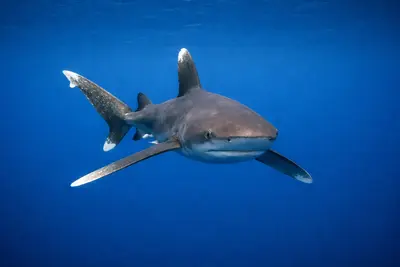
Oceanic whitetip shark
October–December · common
Grey reef shark
common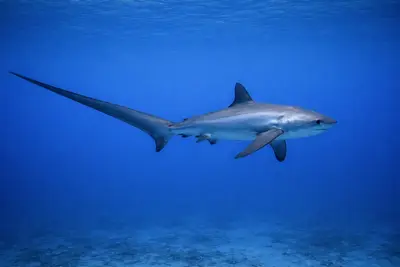
Thresher shark
occasional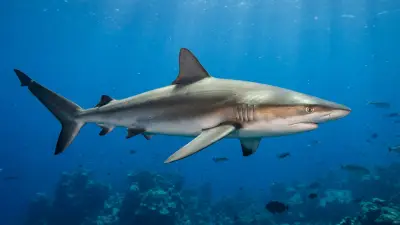
Silky shark
occasional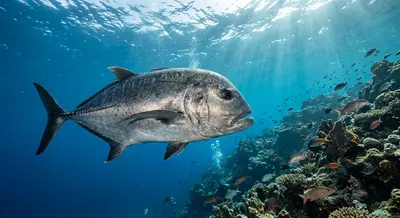
Giant trevally
common
Barracuda schools
common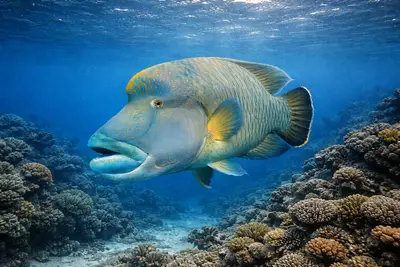
Napoleon wrasse
common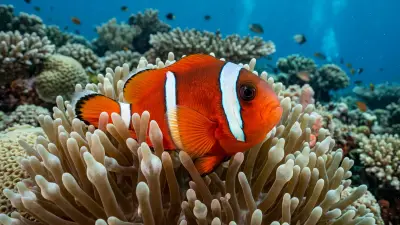
Anemonefish
common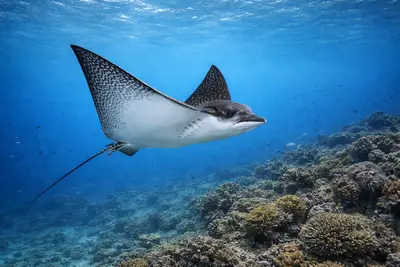
Eagle ray
occasional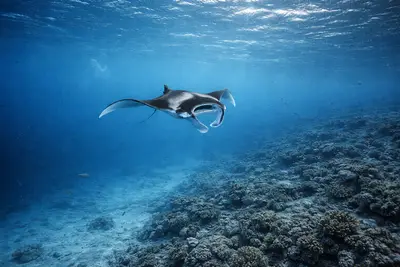
Manta ray
rareSea turtle
occasional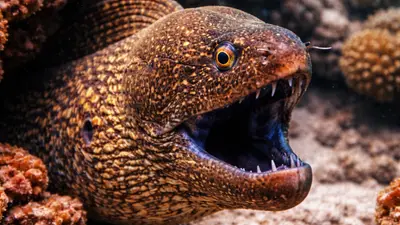
Moray eel
common
Soft coral fans
commonDive profile & how the dive runs
Dives at Daedalus typically begin with a Zodiac or RIB transfer to an entry point determined by current direction. For the renowned northern tip, divers descend to 40 meters to search for schooling hammerheads in the blue, holding position against the current before drifting east along the wall. The dive progresses with the wall on the right, exploring crevices and coral formations. On the western side, particularly at 'Anemone City,' dives often start in shallow water, proceeding along the reef with the wall to the right, focusing on the upper 15 meters to admire the extensive anemone colonies. Most dives are drift dives, with divers collected by the tender at the end. Safety stops are generally conducted in the shallower sections of the reef or in the blue before ascent, depending on the drift.
Underwater photography
Daedalus Reef offers diverse photographic opportunities, from wide-angle pelagic shots to macro details. For schooling hammerheads and oceanic whitetips, a wide-angle lens is essential, requiring careful positioning and excellent buoyancy in strong currents. Consider a faster shutter speed to capture swift-moving subjects. For the vibrant coral walls and the 'Anemone City' on the western side, a wide-angle or macro lens can be effective, depending on whether you're capturing the expansive coral gardens or intricate anemonefish. Strobes are recommended for bringing out the true colors of the corals and marine life, especially at depth. Maintain impeccable buoyancy to avoid damaging the pristine corals and to manage unpredictable currents, which is crucial for sharp images.
Combine with nearby dive sites
- Brothers Islands
Often combined in 'BDE' liveaboard itineraries
- Elphinstone Reef
A frequent companion on Southern Red Sea liveaboard trips
- Fury Shoals
Included in liveaboard routes from Marsa Alam
- St. Johns Reef
Part of longer Deep South liveaboard itineraries
- Zabargad Island
Occasionally featured on extended southern routes
- Rocky Island
Sometimes paired with Daedalus on Deep South excursions
Getting there & logistics
Diving Daedalus Reef is exclusively via liveaboard safari. Trips typically depart from Port Ghalib, Hurghada, or Marsa Alam, with Port Ghalib being a common starting point for southern itineraries. The nearest international airport is Marsa Alam International Airport (RMF), with connections often made through Cairo International Airport (CAI) or European hubs. Most liveaboard trips to Daedalus are 7 nights, often as part of the popular 'Brothers, Daedalus, Elphinstone' (BDE) itinerary, or longer Deep South routes. Marine park fees are usually included in the liveaboard package. Due to its remote nature, it is not accessible for day trips, ensuring pristine dive conditions.
Safety & environment
Safety at Daedalus Reef is paramount due to its remote, exposed location and strong, unpredictable currents. Divers must be Advanced Open Water certified with at least 50 logged dives and proficient in drift diving techniques and SMB deployment. Night dives are strictly forbidden. The nearest recompression chamber is located in Marsa Alam, emphasizing the importance of adhering to dive profiles and safety protocols. Divers must carry personal dive insurance covering emergency medical evacuation and recompression. Liveaboard crews are highly experienced, but individual responsibility for safety briefings, equipment checks, and buddy procedures is crucial. Always follow the dive guide's instructions and conserve air for safety stops and potential extended surface intervals.
Who it suits — and who it doesn't
Suited for
- Advanced Open Water divers (50+ logged dives)
- Experienced drift divers
- Shark enthusiasts
- Underwater photographers (wide-angle and macro)
- Liveaboard adventurers seeking remote sites
Less suited for
- Novice divers
- Divers uncomfortable with strong currents
- Those prone to seasickness
- Divers seeking shore-based or day trip options
- Beginner underwater photographers
FAQ
Daedalus Reef FAQ
What kind of sharks can I expect to see at Daedalus Reef?
Daedalus Reef is renowned for its shark encounters. You can frequently spot schooling hammerhead sharks, especially at the northern plateau from May to September. Oceanic whitetip sharks are common around the southern moorings, particularly from October to December. Grey reef sharks are present year-round along the walls, and lucky divers might also encounter thresher and silky sharks.
Is Daedalus Reef suitable for beginner divers?
No, Daedalus Reef is considered an advanced dive site and is not suitable for beginners. Its remote location, exposure to open ocean, and strong, unpredictable currents require divers to be Advanced Open Water certified with a minimum of 50 logged dives. Experience with drift diving is essential for safely navigating the site.
Can I visit the lighthouse on Daedalus Reef?
Yes, liveaboard guests can usually visit and climb the 30-meter black-and-white striped lighthouse located on the southern tip of Daedalus Reef between dives. This historic structure offers panoramic views of the reef and surrounding open sea, providing a unique surface interval experience.
Are night dives permitted at Daedalus Reef?
No, night dives are strictly prohibited at Daedalus Reef. This restriction is enforced by marine park rules for safety reasons, primarily due to the strong and often unpredictable currents. Attempting a night dive in such conditions would pose significant risks.
What is 'Anemone City' at Daedalus Reef?
'Anemone City' is a spectacular section on the western wall of Daedalus Reef, characterized by an extensive colony of giant anemones. This vibrant area, found between 5 and 40 meters, is teeming with resident anemonefish and dottybacks, creating a highly photogenic and unique underwater landscape. It offers a change of pace from the typical pelagic dives.
How do liveaboards manage the strong currents at Daedalus Reef?
Liveaboards manage the strong currents by utilizing Zodiacs or RIBs to transport divers to the best entry points, often for drift dives. Dive guides carefully assess current direction and strength before each dive, planning routes that allow divers to either hold position or drift along the reef walls. Divers are typically picked up by the tender at the end of their dive, wherever the current takes them.
Why dive Daedalus Reef from a liveaboard?
Daedalus Reef is one of Egypt's signature dive sites. A liveaboard sleeps you on the water and puts you in the water for three to four guided dives per day, including dawn and night dives that day-boat operators rarely offer. You skip the daily commute back to port and reach quieter, less-crowded sites in the same region on a single trip.
Below are the liveaboards that include Daedalus Reef on their Egypt itineraries.
Liveaboards diving Daedalus Reef
These liveaboards may visit Daedalus Reef on selected itineraries — the exact dive sites depend on departure, weather and conditions.
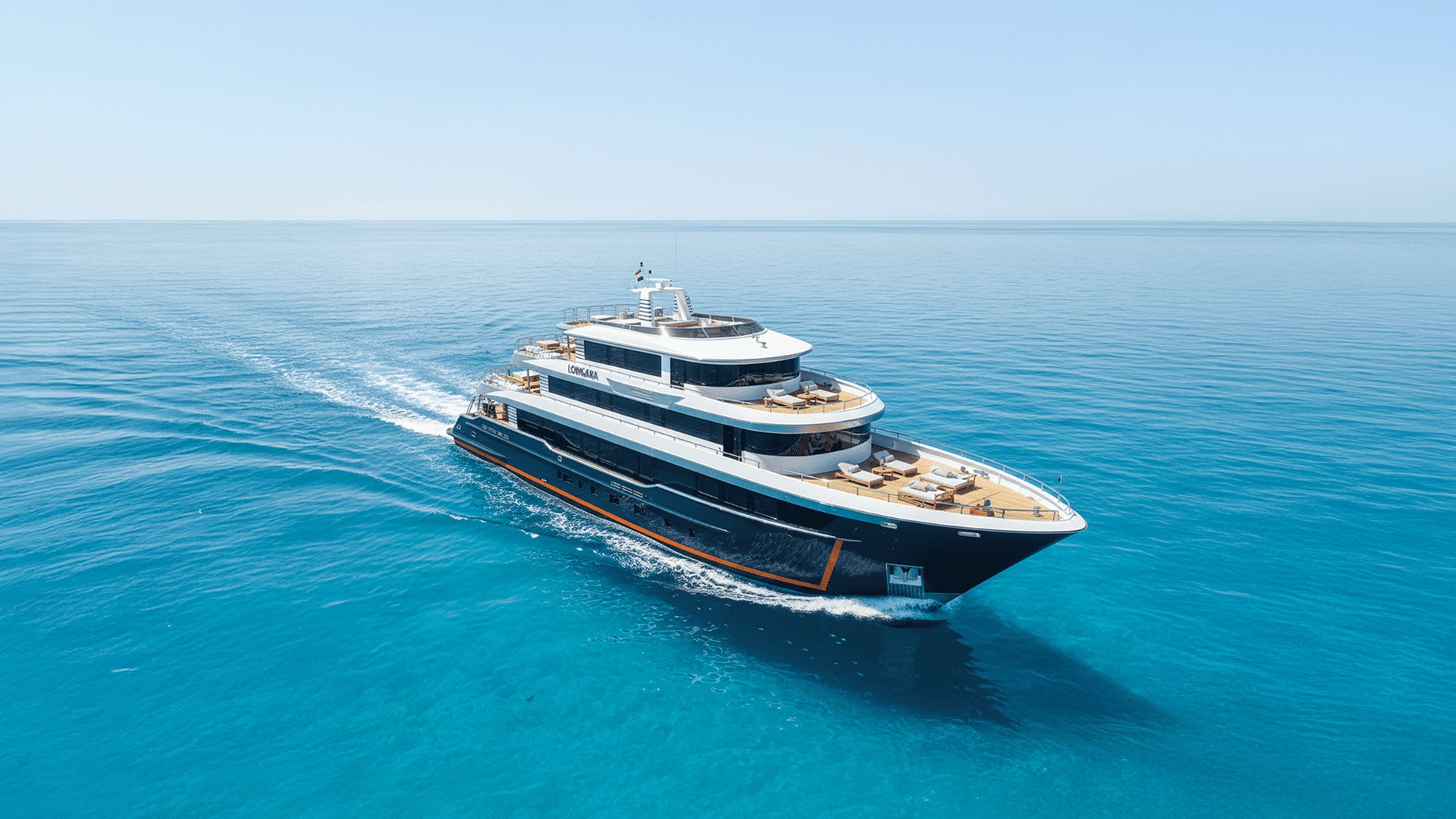
DUNE Longara
Egypt
30 guests
$155/day
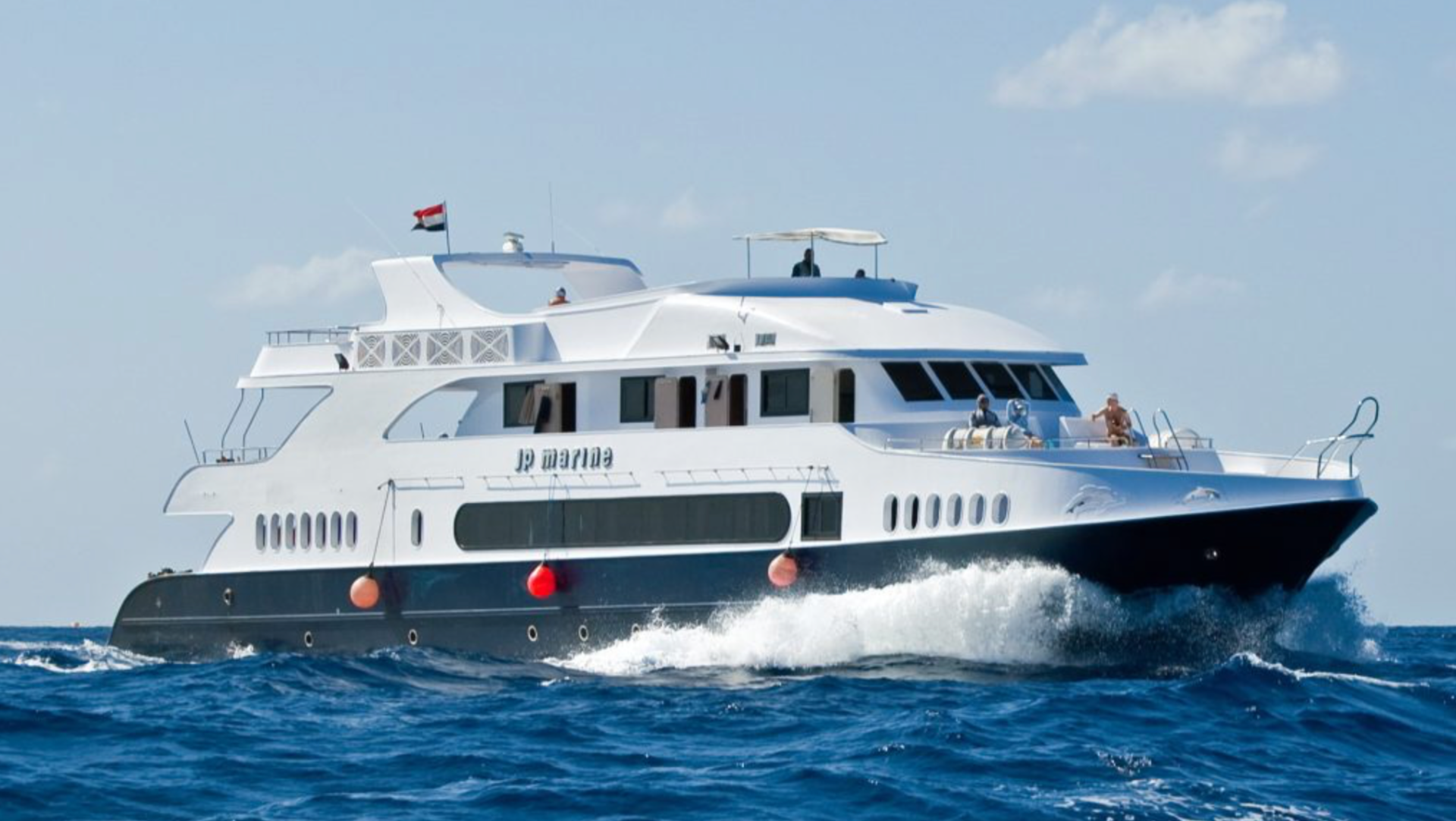
JP Marine
Egypt
28 guests
$109/day
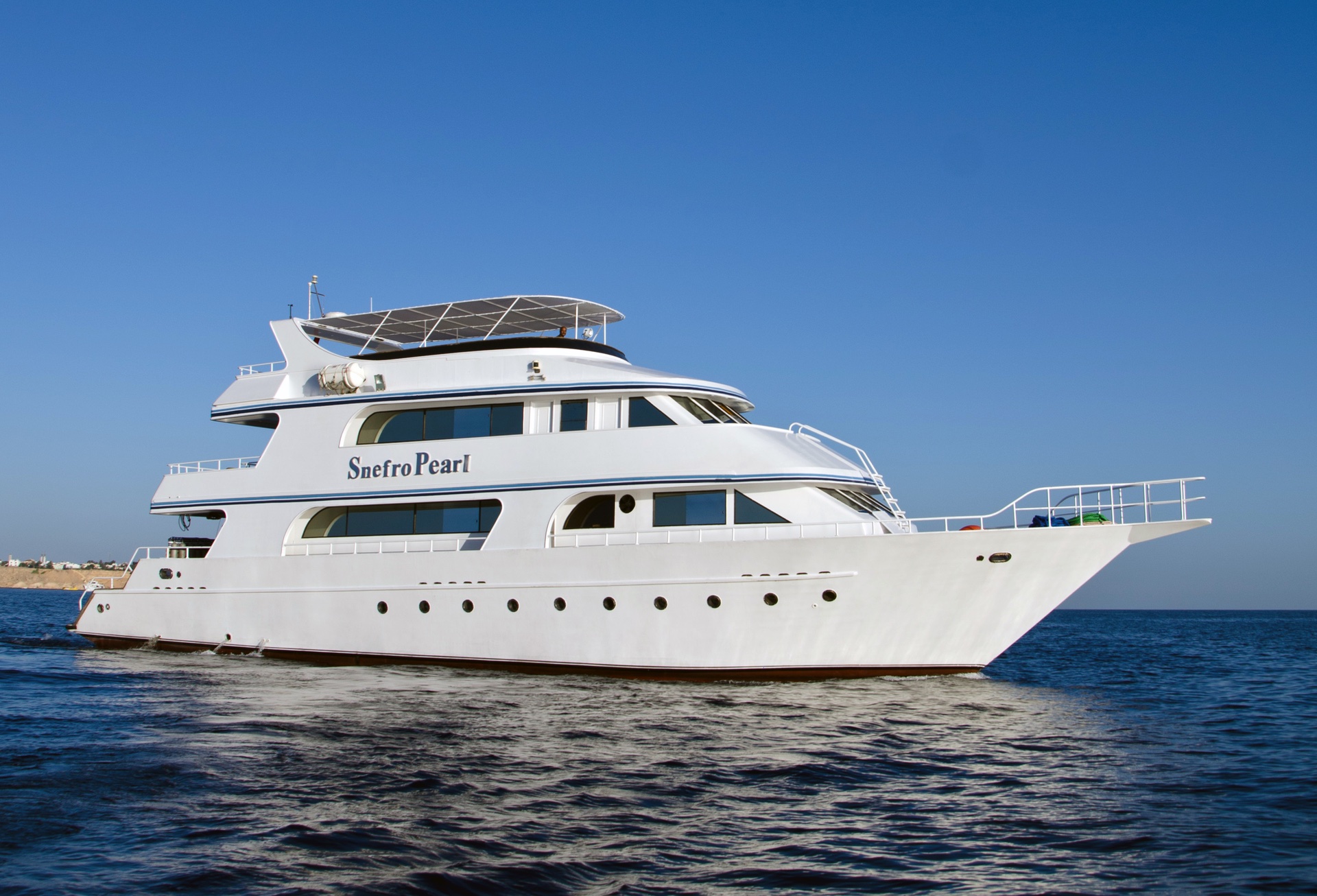
Snefro Pearl
Egypt
12 guests
$150/day
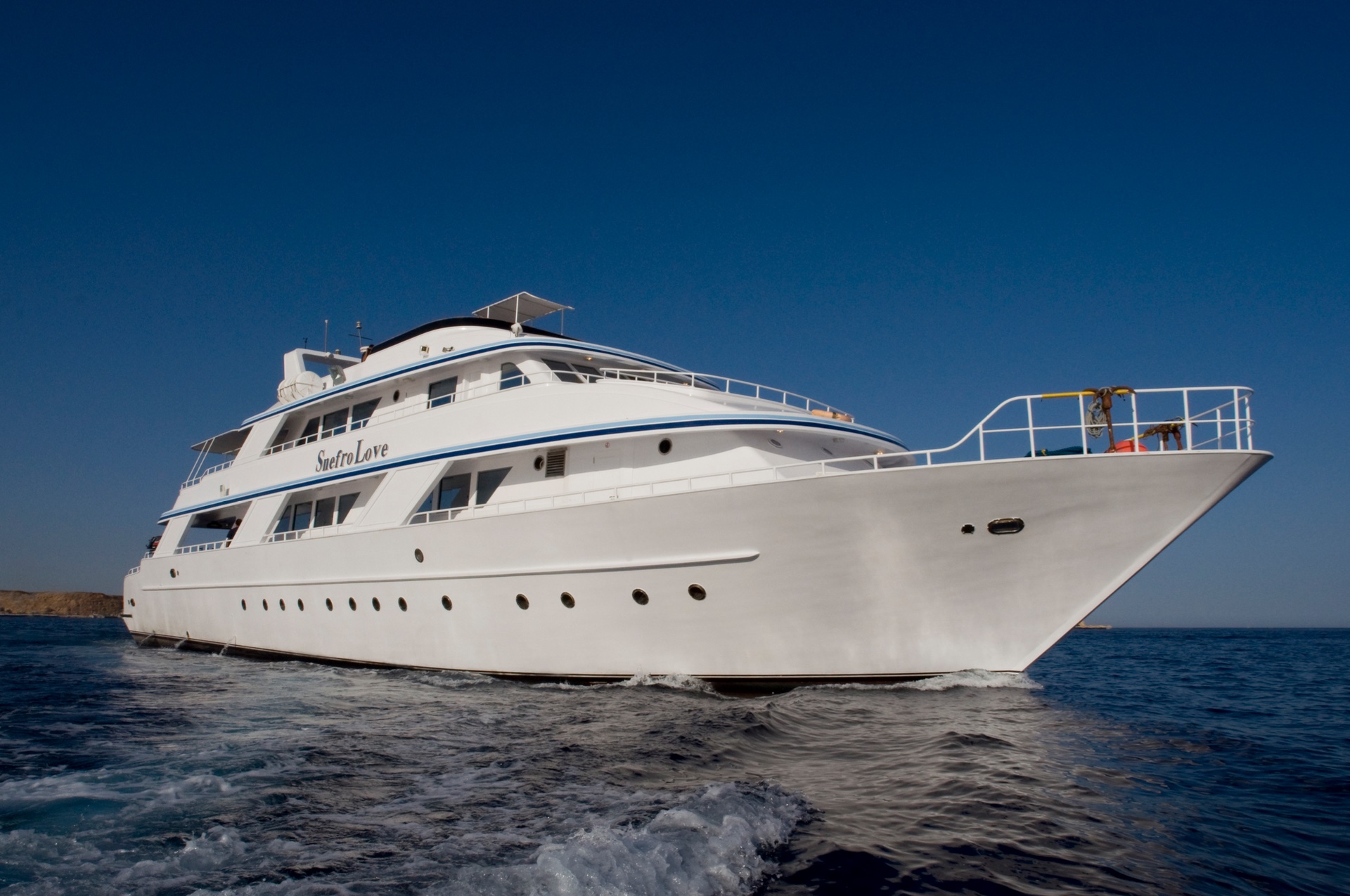
Snefro Love
Egypt
20 guests
$154/day
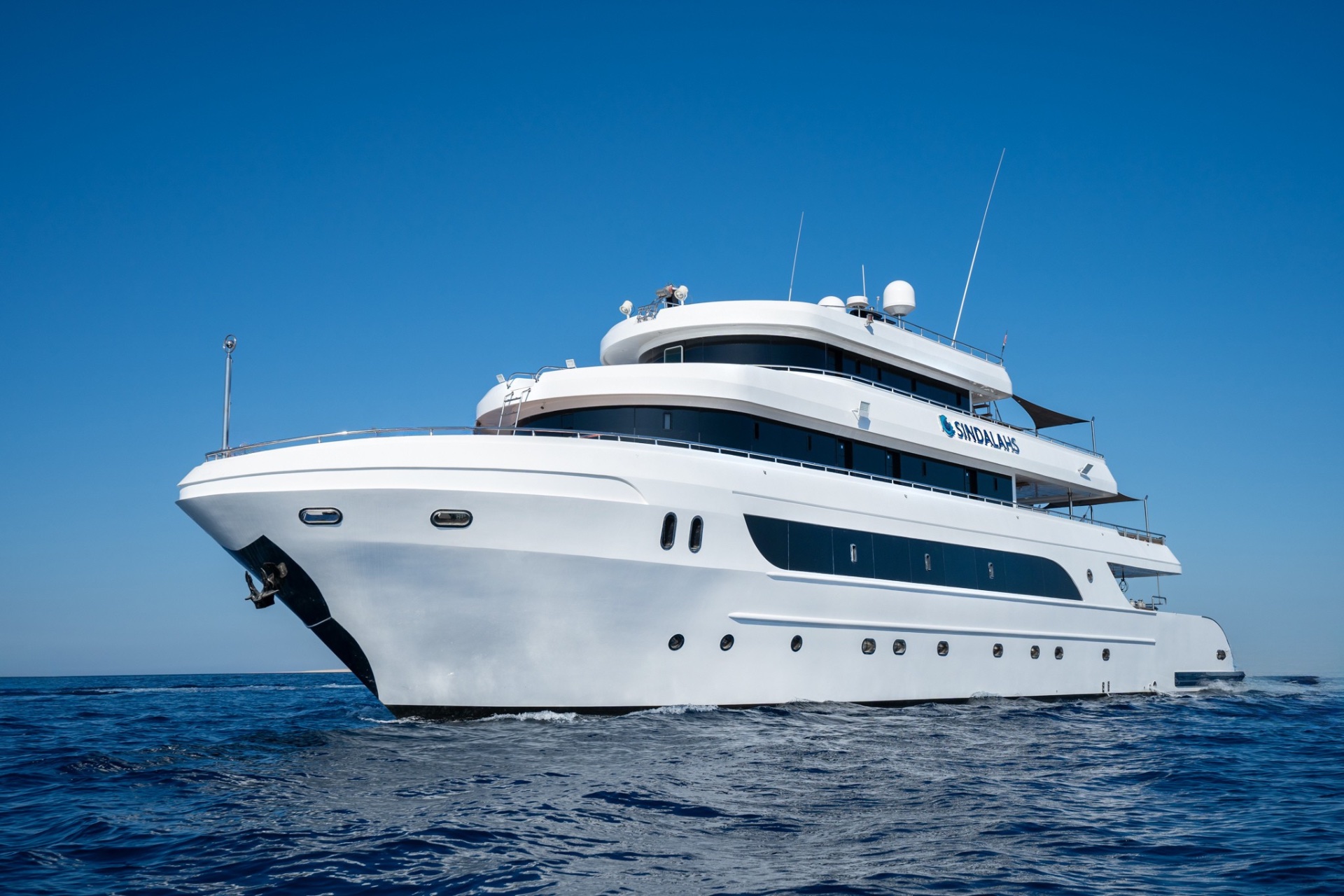
Sindalahs
Egypt
26 guests38 m
$155/day
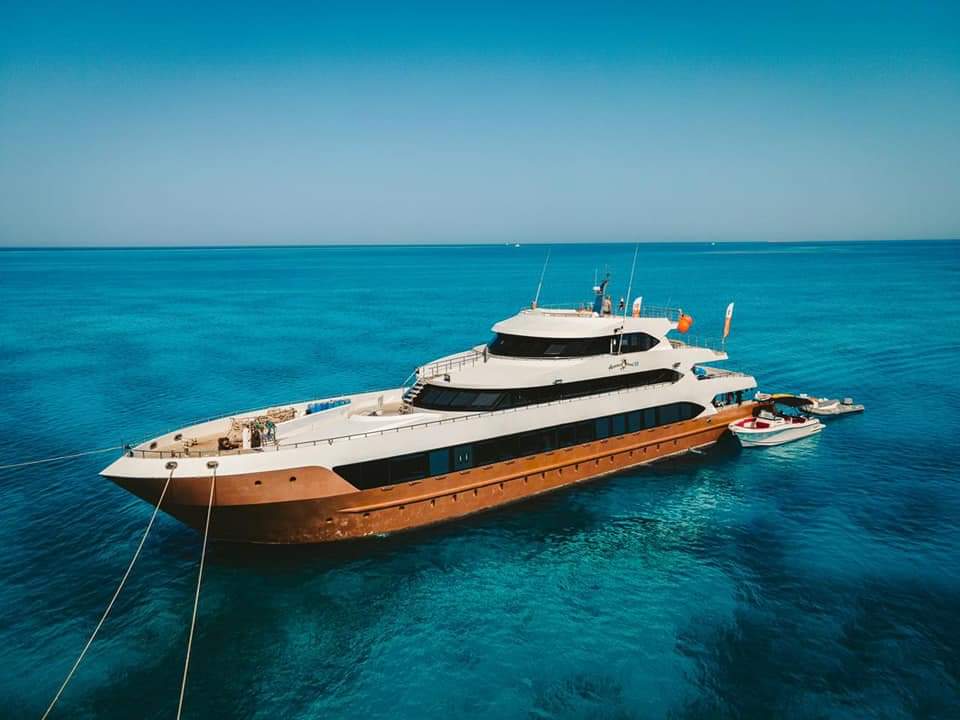
Hammerhead II
Egypt
20 guests
$173/day
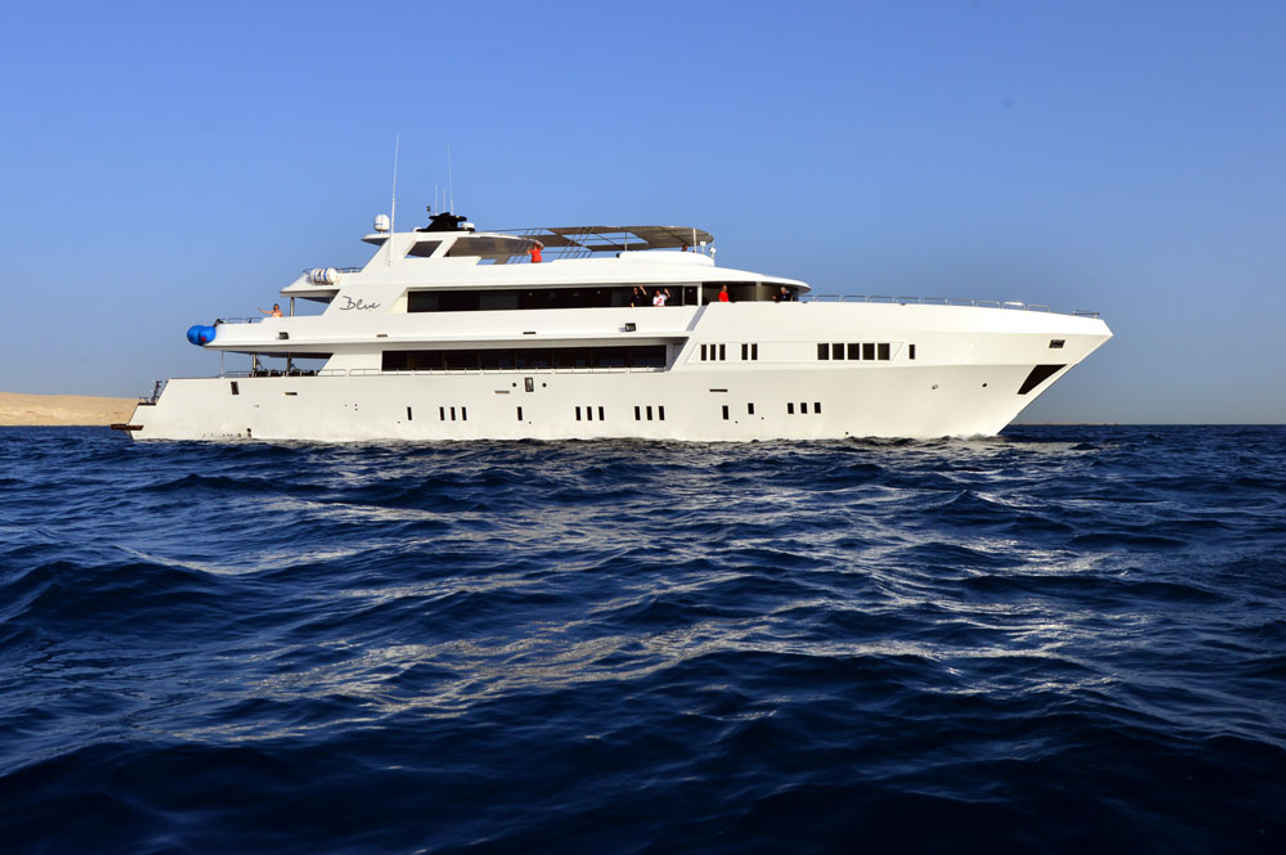
Blue Liveaboard
Egypt
24 guests43 m
$173/day
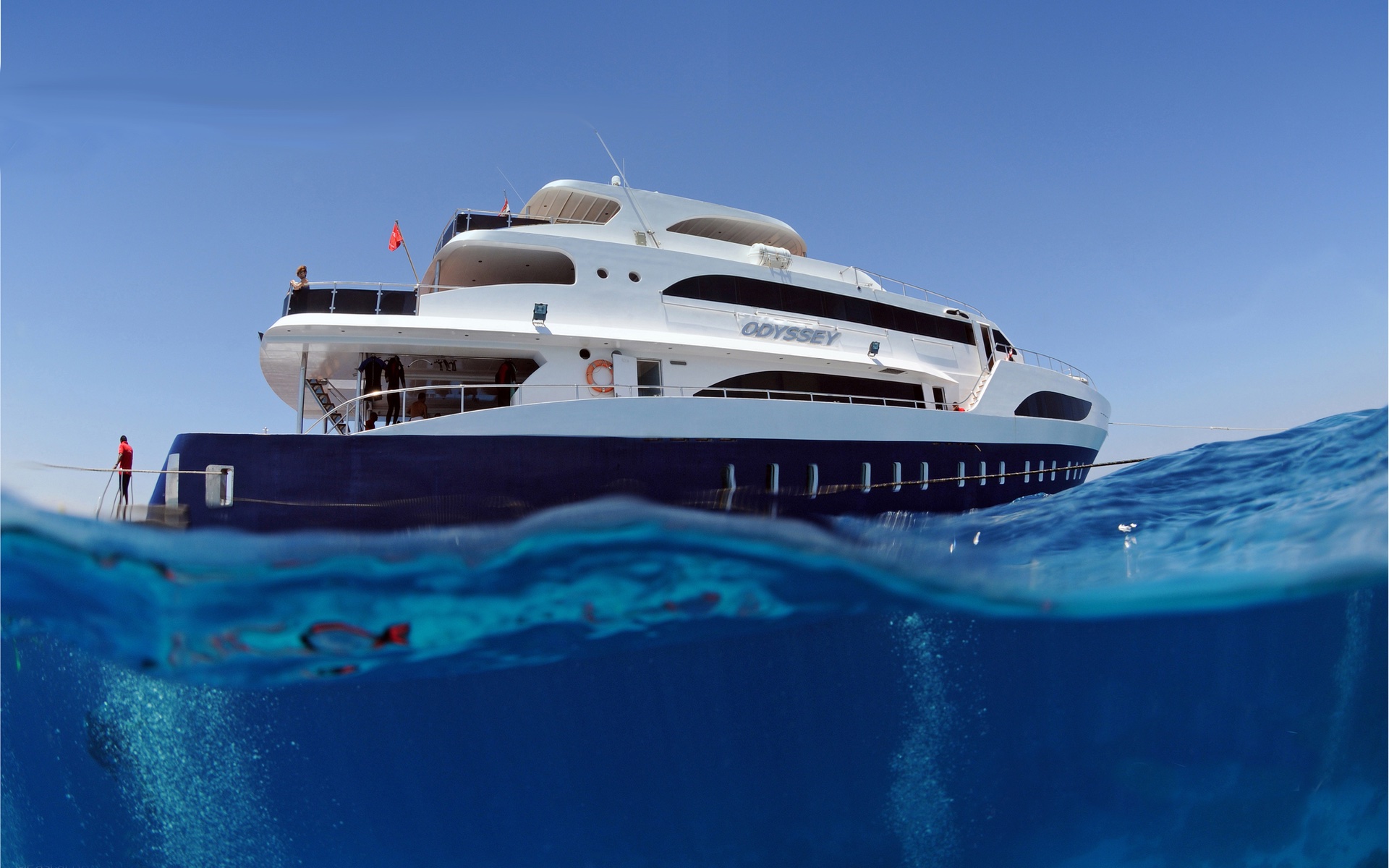
Odyssey
Egypt
26 guests40 m
$185/day
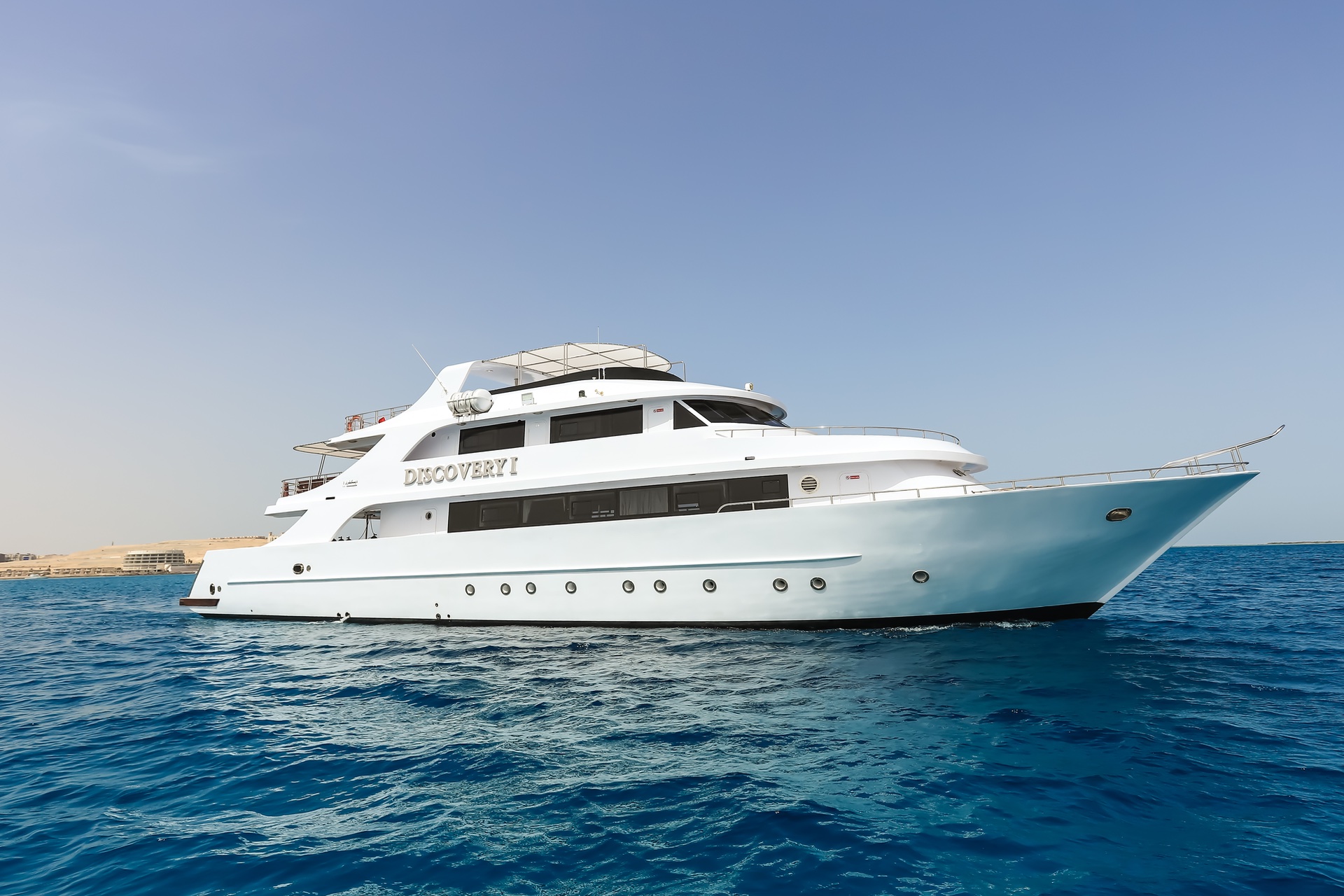
Discovery I
Egypt
20 guests
$97/day
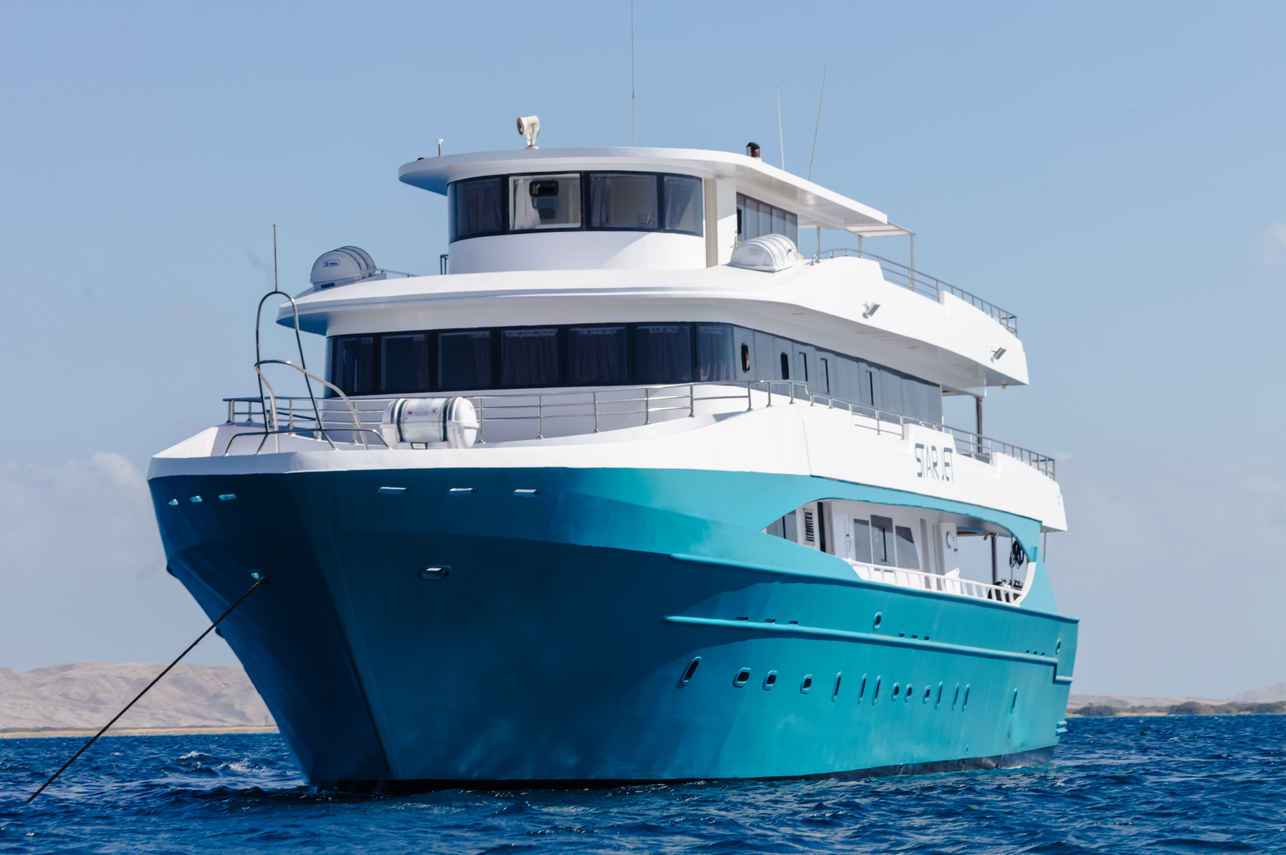
Star Jet
Egypt
28 guests35 m
$145/day
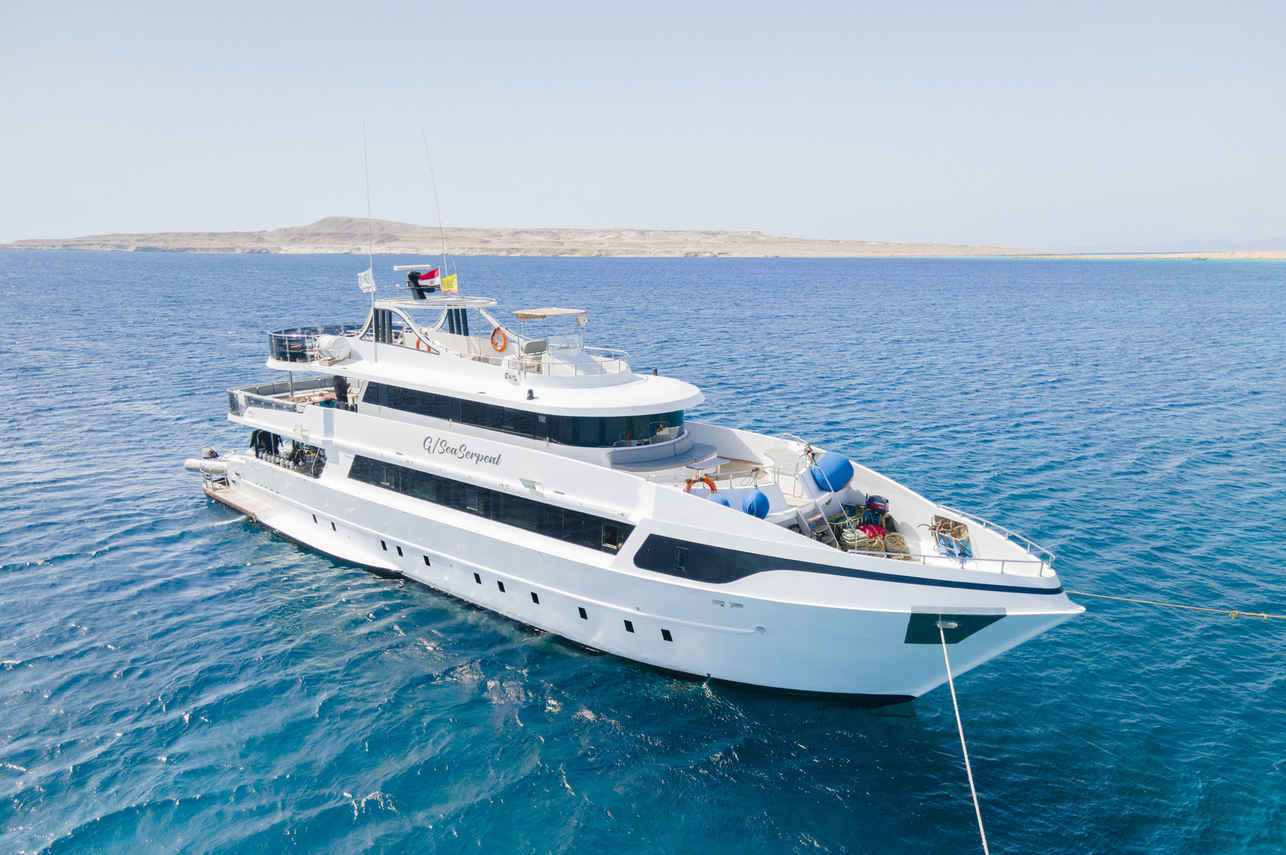
SS Serena Dreams
Egypt
18 guests33 m
$159/day
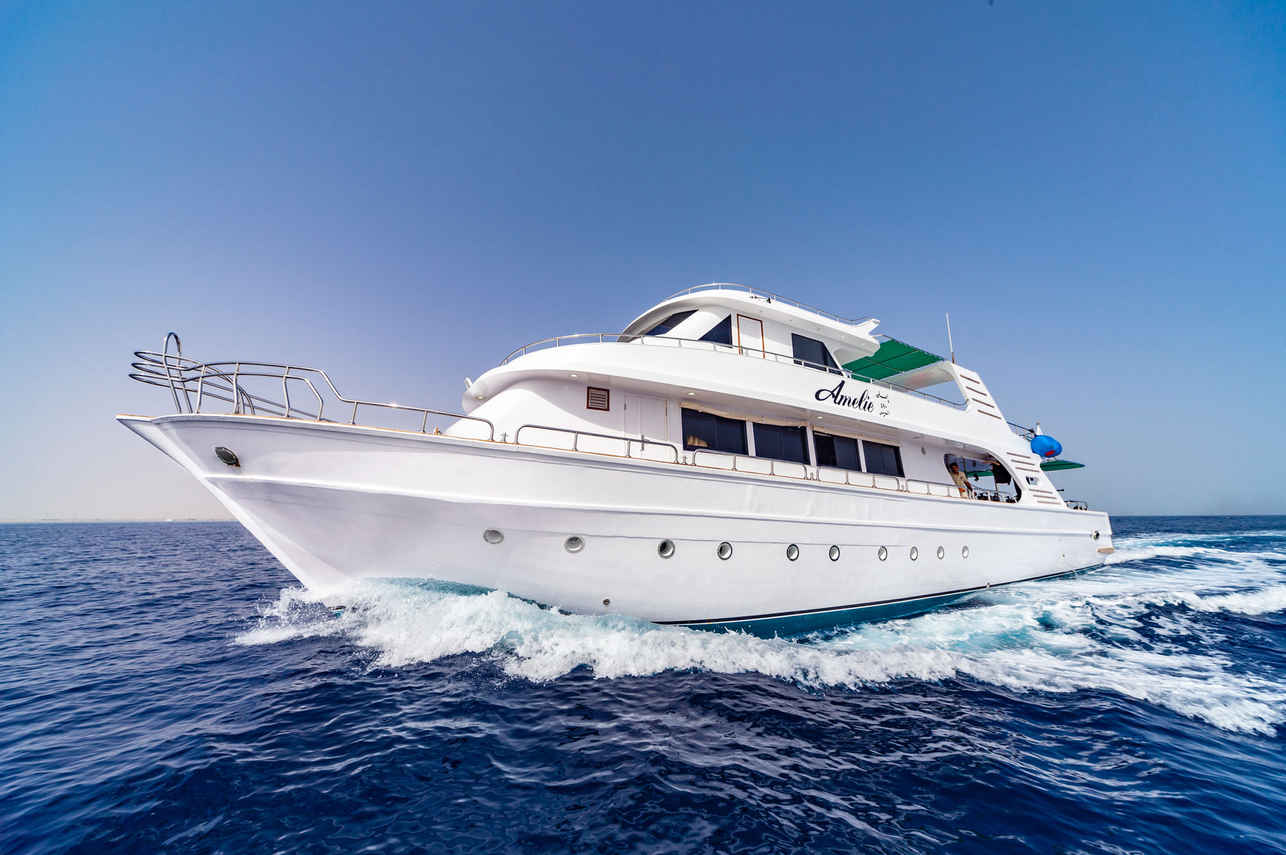
Amelie
Egypt
12 guests23 m
$115/day
Dive sites similar to Daedalus Reef
Same character, same waters — six more sites divers love for the exact same reasons.Compare seasons, access and liveaboard routes — then pick the site that fits your trip best.
Carless Reef
Egypt
Carless Reef is a renowned advanced dive site near Hurghada, notable for its two prominent coral pinnacles that rise from a sandy bottom at 30 meters.
- Suitable for
- Advanced
- Current
- Strong
- Access
- Dayboat
- Depth
- 15–40 m
- Theme
- Reef / Drift
Gordon Reef
Egypt
Gordon Reef is the southernmost of the four prominent coral formations situated in the narrow Straits of Tiran, which separate the Gulf of Aqaba from the main Red Sea.
- Suitable for
- Intermediate
- Current
- Moderate
- Access
- Liveaboard only
- Depth
- 2–300 m
- Theme
- Reef
Far Garden
Egypt
Far Garden is a prominent dive site located in Sharm El Sheikh, serving as the northern headland of the adjacent Middle Garden site.
- Suitable for
- Beginner
- Current
- Moderate
- Access
- Shore / dayboat
- Depth
- 1–45 m
- Theme
- Reef / Drift
Tobia Arbaa
Egypt
Tobia Arbaa, also widely recognized as the "Seven Pillars," is a highly regarded dive site situated in Egypt, easily accessible via a short speedboat ride from Safaga or Soma Bay.
- Suitable for
- Beginner
- Current
- Mild
- Access
- Liveaboard or dayboat
- Depth
- 10–16 m
- Theme
- Reef
Alexandria
Egypt
Alexandria offers a truly unique diving experience in Egypt, differing significantly from the vibrant coral reefs of the Red Sea.
- Suitable for
- Beginner
- Current
- Moderate
- Access
- Liveaboard or dayboat
- Depth
- 5–8 m
- Theme
- Reef
El Fanadir North
Egypt
El Fanadir North is a prominent reef system in the Red Sea, situated roughly 4 kilometers offshore from Hurghada.
- Suitable for
- Advanced
- Current
- Moderate
- Access
- Liveaboard or dayboat
- Depth
- 12–70 m
- Theme
- Drift / Reef