About Twin Barges Wreck
The Twin Barges Wreck, located near Mahé Island, offers a captivating dive into an artificial reef created when two barges were purposefully scuttled in 1989. This initiative, undertaken by the Association of Professional Divers of Seychelles, aimed to enhance marine habitats. Over the decades, these wrecks have become heavily encrusted with an array of hard corals, fan corals, and sponges, now serving as a thriving sanctuary for abundant marine life. The site's maximum depth reaches 35 meters, though a typical dive often ranges around 25 meters, making it accessible for open water certified divers. The wrecks lie at the foot of Corsair Reef, providing a unique combination of history and exceptional biodiversity. Divers can expect excellent visibility, often up to 30 meters, contributing to a clear view of the wrecks and their inhabitants. The absence of strong currents at this site makes it particularly appealing, even for night dives. The calm conditions allow divers to thoroughly explore the intricate details of the barges and observe the myriad creatures that have made these structures their home. This dive offers a serene yet engaging underwater adventure for those looking to experience Seychelles' underwater heritage.
Highlights
Purposefully sunk artificial reefHeavily encrusted with coralsAbundant fish and invertebratesCalm, current-free environmentAccessible for various skill levelsExcellent visibility
Season calendar
Best months to dive here
Jan
Feb
Mar
Apr
May
Jun
Jul
Aug
Sep
Oct
Nov
Dec
Excellent
Dive site facts: Twin Barges Wreck
- Depth
- 14–35 m
- Typical dive
- 25 m
- Current
- Low to none
- Visibility
- 10–30 m
- Water temperature
- 26–30 °C
- Entry
- Boat
- Level
- OWD
- Dive type
- Wreck, artificial reef
- Night dive
- Possible
- Region / port
- Mahé Island, Seychelles
- Coordinates
- -4.635, 55.425
Conditions & Currents
The Twin Barges Wreck is renowned for its low to non-existent currents, offering a remarkably calm and stable diving environment. This makes the site highly suitable for divers who prefer relaxed exploration without the challenge of strong water movement. Entry and exit are typically straightforward, benefiting from the placid conditions. Visibility is generally excellent, often reaching 10 to 30 meters, and is not significantly impacted by current-induced particulate matter. The consistent lack of strong currents also means divers can enjoy extended bottom times and meticulous wreck exploration, with minimal concerns for drift or surge. This tranquil setting is particularly advantageous for night dives, where stability is paramount for detailed observation and safety.
Marine life & sighting chances
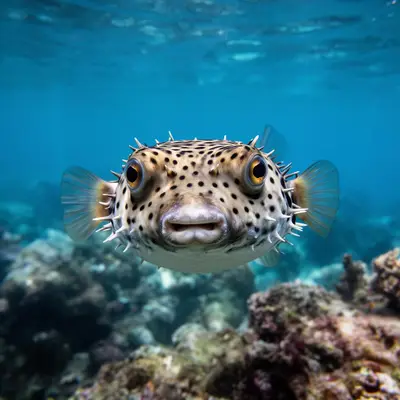
Pufferfish
common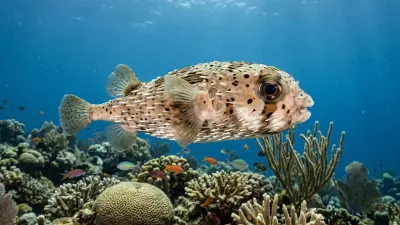
Porcupinefish
common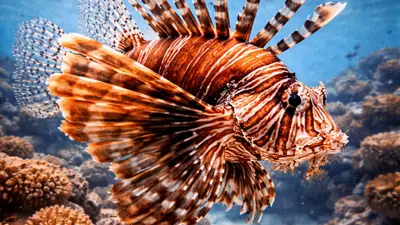
Lionfish
common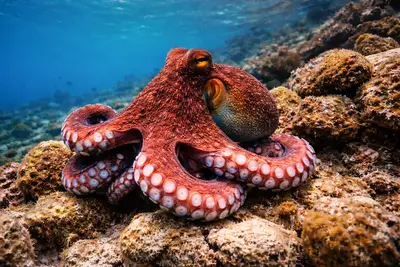
Octopus
common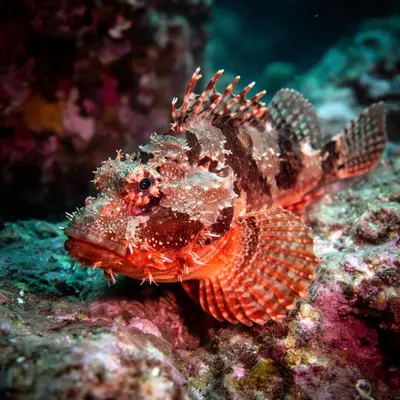
Scorpionfish
common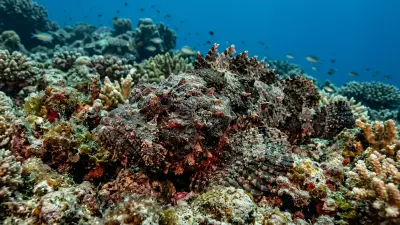
Stonefish
occasional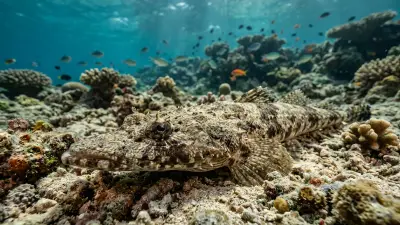
Crocodilefish
occasional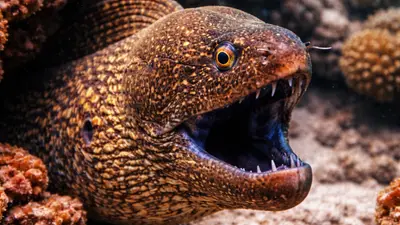
Moray eels
common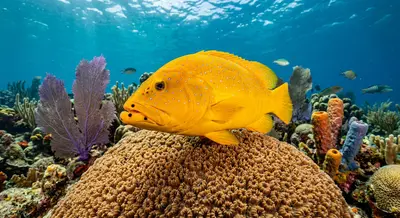
Golden trevally
occasional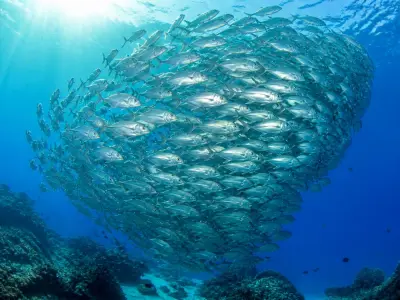
Jackfish
occasional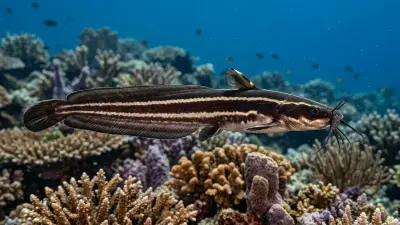
Catfish
occasional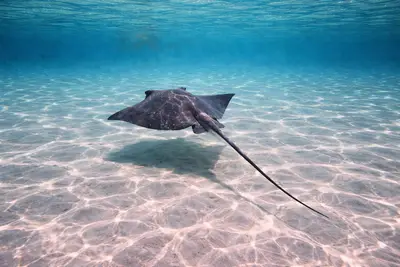
Stingrays
occasional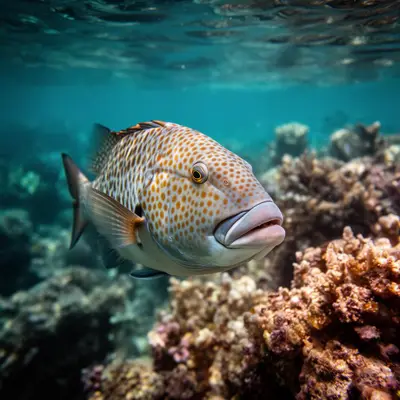
Sweetlips
common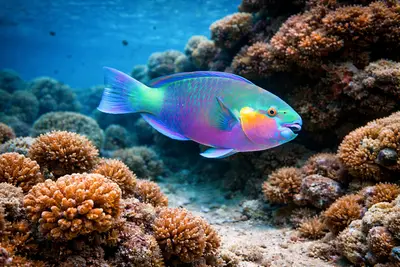
Parrotfish
commonDive profile & how the dive runs
Your dive at the Twin Barges typically begins with a boat entry directly over the wreck site near Mahé. Descend slowly along one of the barges, which rests at an average depth of 25 meters, though parts extend to 35 meters. Explore the exterior, observing the vibrant coral growth and abundant reef fish that have colonized the structures. You can then navigate along the length of both barges, moving between them to appreciate their transformation into a thriving artificial reef. Keep an eye out for hidden creatures like moray eels and octopuses within the nooks and crannies. The relatively mild currents allow for a relaxed pace, providing ample time for photography and close observation. The turn point is determined by your air consumption or planned bottom time. Your ascent will typically follow a controlled path back towards the boat, with your safety stop conducted at 5 meters over the top of the wreck or nearby reef structure.
Underwater photography
The Twin Barges Wreck offers exceptional opportunities for both wide-angle and macro photography due to its diverse marine life and the structural integrity of the wrecks. For wide-angle shots, a fisheye or wide-angle lens is ideal to capture the full scope of the barges, adorned with corals and schools of fish. Consider natural light or external strobes to illuminate the vibrant colors of the hard and fan corals, especially at deeper sections. For macro enthusiasts, a macro lens is perfect for capturing the intricate details of lionfish, scorpionfish, and various invertebrates sheltering within the wreck's crevices. Given the calm conditions, you'll have ample time for precise focusing and composition. Maintain excellent buoyancy control to avoid stirring up sediment and to protect the delicate coral growth on the wreck surfaces. Respect marine life by observing from a distance and avoiding any disturbance.
Combine with nearby dive sites
Getting there & logistics
Access to the Twin Barges Wreck is primarily via liveaboard cruises or day trips departing from Mahé, the largest island in Seychelles. Seychelles International Airport (SEZ) on Mahé is the main gateway, with flights from various international carriers. Liveaboards typically offer itineraries ranging from 7 to 10 days, often combining wreck dives like the Twin Barges with visits to pristine reefs and other outer island sites. Land-based divers can arrange day trips from dive centers located near Beau Vallon beach. There are no specific additional park fees for this wreck site, as it is generally included in organized dive packages. It's often combined with other Mahé-area wrecks and reef dives to provide a varied itinerary for divers.
Safety & environment
Diving the Twin Barges Wreck generally presents a safe environment due to its mild currents. However, divers should always adhere to standard safety protocols. Ensure your dive equipment is well-maintained and conduct thorough buddy checks. The nearest recompression chamber is located on Mahé Island, making emergency medical care accessible, though evacuation to the facility can take time depending on your exact location and sea conditions. Dive insurance covering emergency medical treatment and evacuation is highly recommended for all divers. While exploring the wreck, avoid penetration unless specifically trained and accompanied by a qualified guide. Respect the marine environment by not touching corals or disturbing marine life to preserve this artificial reef for future divers.
Who it suits — and who it doesn't
Suited for
- Open Water certified divers (OWD)
- Wreck diving enthusiasts
- Underwater photographers
- Divers seeking calm conditions
- Night diving enthusiasts
Less suited for
- Freedivers (due to depth)
- Divers preferring strong currents
- Beginners without adequate training for depth
FAQ
Twin Barges Wreck FAQ
What is the maximum depth at Twin Barges Wreck?
The Twin Barges Wreck reaches a maximum depth of 35 meters. However, much of the interesting exploration occurs around an average depth of 25 meters, making it suitable for Open Water certified divers with some experience.
Are there strong currents at Twin Barges Wreck?
No, the Twin Barges Wreck is known for its low to non-existent currents. This creates a very calm and stable diving environment, which is ideal for relaxed exploration and underwater photography.
What kind of marine life can I expect to see at Twin Barges Wreck?
The wreck is teeming with marine life, including pufferfish, porcupinefish, lionfish, octopus, and moray eels. You may also spot scorpionfish, stonefish, crocodilefish, golden trevally, and various schools of reef fish like sweetlips and parrotfish.
When is the best time of year to dive Twin Barges Wreck?
The best times to dive the Twin Barges Wreck are during the inter-monsoon periods, specifically from April to May and October to November. These months offer the calmest seas, excellent visibility, and comfortable water temperatures.
Is Twin Barges Wreck suitable for night diving?
Yes, due to its low to no currents, the Twin Barges Wreck is an excellent site for night diving. The stable conditions enhance safety and allow divers to observe nocturnal marine species that emerge after dark.
Why dive Twin Barges Wreck from a liveaboard?
Twin Barges Wreck is one of Seychelles's signature dive sites. A liveaboard sleeps you on the water and puts you in the water for three to four guided dives per day, including dawn and night dives that day-boat operators rarely offer. You skip the daily commute back to port and reach quieter, less-crowded sites in the same region on a single trip.
Below are the liveaboards that include Twin Barges Wreck on their Seychelles itineraries.
Liveaboards diving Twin Barges Wreck
These liveaboards may visit Twin Barges Wreck on selected itineraries — the exact dive sites depend on departure, weather and conditions.
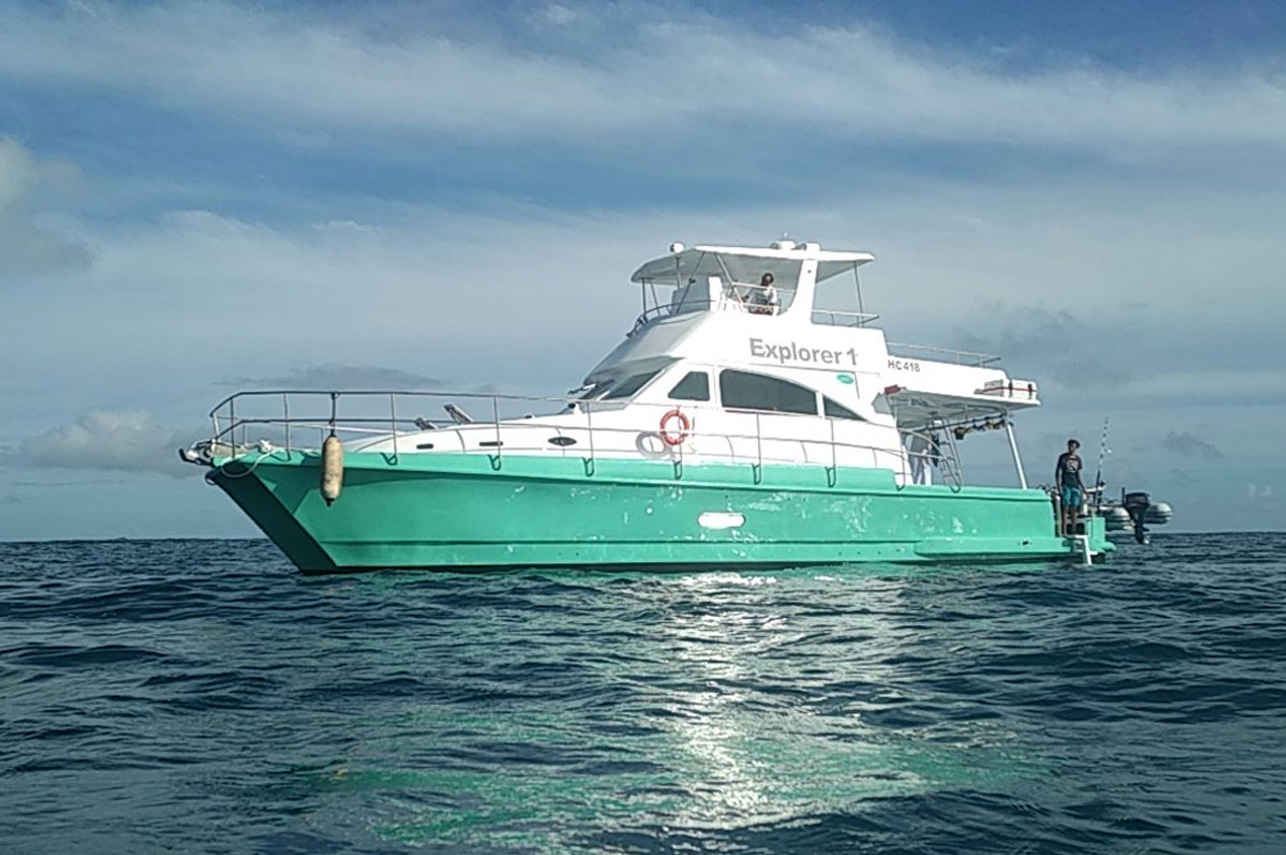
Explorer 1
Seychelles
6 guests17 m
$522/day
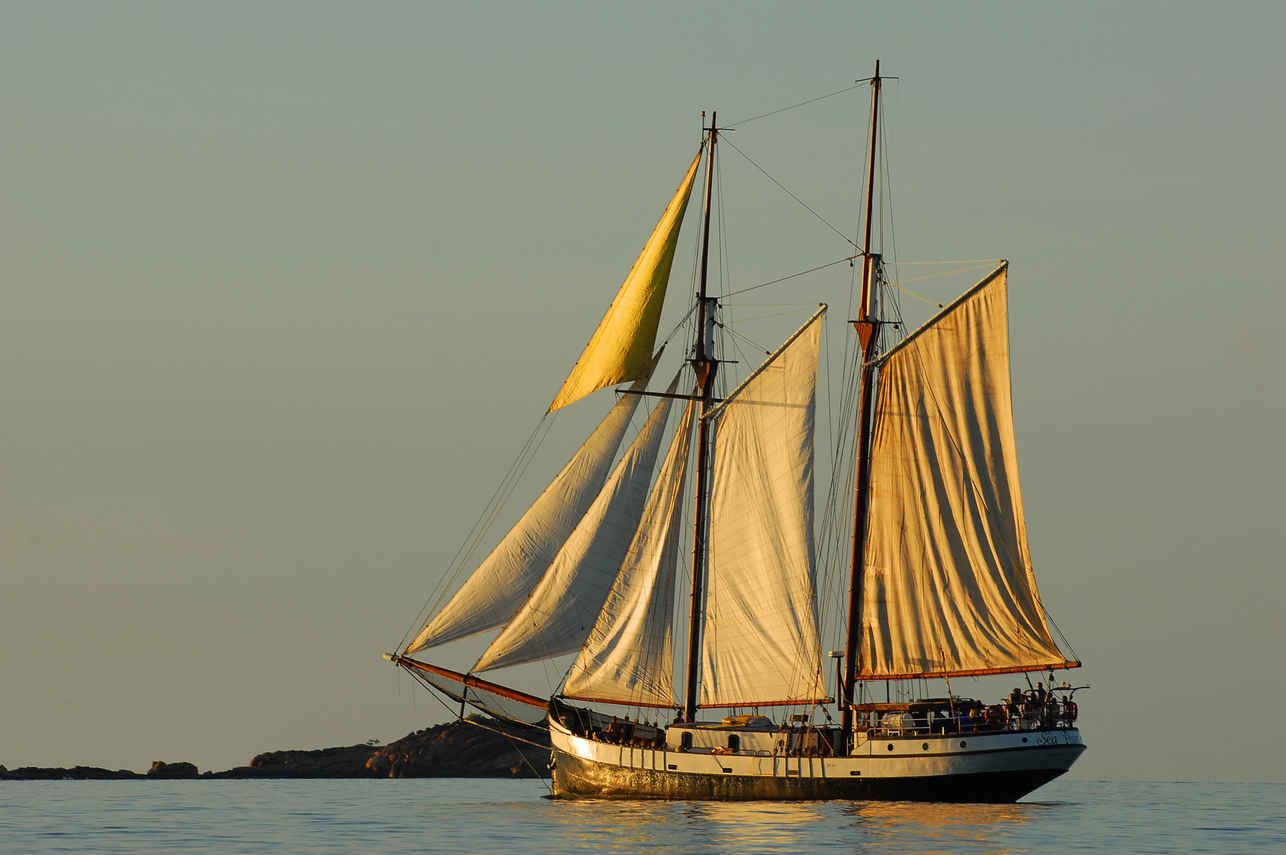
Sea Pearl
Seychelles
16 guests36 m
$211/day
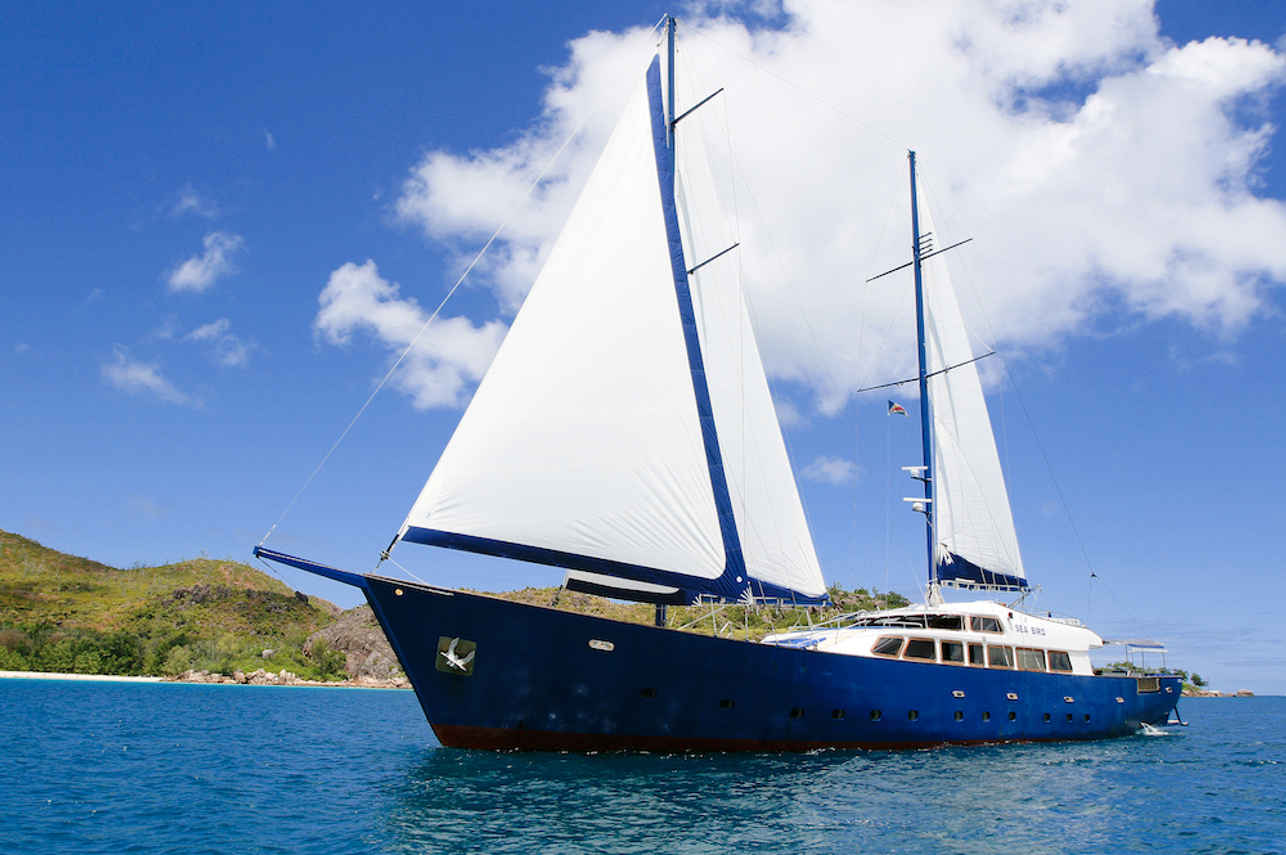
Sea Bird and Sea Star
Seychelles
18 guests42 m
$288/day
Dive sites similar to Twin Barges Wreck
Same character, same waters — six more sites divers love for the exact same reasons.Compare seasons, access and liveaboard routes — then pick the site that fits your trip best.
Aldebaran Wreck
Seychelles
The Aldebaran Wreck, a 28-meter (92-foot) fishing vessel, was intentionally sunk on July 11, 2008, by the Seychelles Tourism Board to create an artificial reef.
- Suitable for
- Advanced
- Current
- Moderate
- Access
- Liveaboard or dayboat
- Depth
- 28–40 m
- Theme
- Wreck
Ennerdale Wreck
Seychelles
The Ennerdale Wreck, located northeast of Mahé, is one of the Seychelles' most renowned dive sites.
- Suitable for
- Intermediate
- Current
- Strong
- Access
- Liveaboard or dayboat
- Depth
- 18–30 m
- Theme
- Wreck
Sister Bank
Seychelles
Sister Bank is a notable dive site situated in the Inner Islands of Seychelles, specifically near Praslin Island.
- Suitable for
- Intermediate
- Current
- Mild
- Access
- Liveaboard only
- Depth
- 15–30 m
- Theme
- Reef / Drift
Brissare Rocks (Mahé)
Seychelles
Brissare Rocks, located just north of Mahé, is a renowned dive site in Seychelles, widely considered one of Mahé's top five.
- Suitable for
- Intermediate
- Current
- Strong
- Access
- Liveaboard or dayboat
- Depth
- 8–20 m
- Theme
- Cave & cavern / Drift
Whale Rock
Seychelles
Whale Rock, located in La Rivière Anglaise, Seychelles, is renowned for its unique underwater geology, featuring large granite formations that extend from the surface to depths of…
- Suitable for
- Intermediate
- Current
- Moderate
- Access
- Liveaboard only
- Depth
- 15–25 m
- Theme
- Drift
Lighthouse Reef (Mahé)
Seychelles
Lighthouse Reef, situated near Mahé in the Seychelles, presents a captivating underwater experience characterized by thriving reef ecosystems.
- Suitable for
- Beginner
- Current
- Strong
- Access
- Liveaboard or dayboat
- Depth
- 5–18 m
- Theme
- Reef