About Tiputa Pass
Tiputa Pass, located in Rangiroa, stands as one of the two main channels connecting the open ocean to the atoll's lagoon, making it a critical conduit for marine life. This dive site is globally renowned for its high-energy drift dives, where powerful currents sweep divers through an exhilarating underwater landscape. The pass is a magnet for pelagic species, particularly various sharks, drawn in by the nutrient-rich waters. The topography of Tiputa Pass is characterized by its dynamic channel, offering different diving experiences depending on the current. Divers can traverse along the reef's edge, experiencing a rapid drift as they enter the lagoon, or venture directly into the pass's middle. The latter is often described as a "washing machine" due to strong, multidirectional currents, presenting a challenging but rewarding dive. Depths in Rangiroa typically range from 14.5 to 26 meters, though deeper dives are possible. Marine life encounters are a highlight, with massive schools of grey reef sharks being a common sight, sometimes forming a "wall" of sharks. Bottlenose dolphins are frequently observed, often interacting closely with divers. Other notable species include occasional tiger sharks, hammerheads, manta rays, and Napoleon wrasse. The concentration of large creatures is significant, with less emphasis on macro life. Diving Tiputa Pass requires experience due to the strong currents and the potential for rapid drift. Entry techniques vary, with some dives starting outside the pass or at its shoulder. Due to the swift movement and varying currents, dives are generally conducted during specific tidal conditions, and experienced divers equipped with dive computers are recommended to manage nitrogen loads. Two dives per day are typical, with no night dives, though twilight dives may be arranged.
Highlights
Grey reef shark wallsBottlenose dolphin encountersHigh-energy drift divingNapoleon wrasse sightingsOccasional tiger and hammerhead sharks
Season calendar
Best months to dive here
Jan
Feb
Mar
Apr
May
Jun
Jul
Aug
Sep
Oct
Nov
Dec
Good
Dive site facts: Tiputa Pass
- Depth
- 5–55 m
- Typical dive
- 12–46 m, 50–60 min
- Current
- Very strong, up to 4 knots
- Visibility
- 25–50 m
- Water temperature
- 26–29°C
- Entry
- Boat / negative entry
- Level
- Advanced, with strong current experience
- Dive type
- Drift, pelagic, shark diving
- Night dive
- Possible with operator supervision
- Region / port
- Rangiroa, Tuamotu Archipelago
- Coordinates
- -14.9667, -147.6333
Conditions & Currents
Tiputa Pass experiences forceful currents, particularly during incoming tides, which create strong drift conditions. Divers can expect rapid movement, sometimes described as a "washing machine" effect with sideways and vertical currents in the middle of the pass. These conditions necessitate careful planning, often aligning dives with specific tidal states to manage the drift, and are best suited for experienced divers.
Marine life & sighting chances

Grey Reef Shark
common
Bottlenose Dolphin
common
Eagle Ray
common
Manta Ray
July to September · occasional
Napoleon Wrasse
common
Hammerhead Shark
November to March · occasional
Barracuda
common
Tuna
common
Giant Trevally
common
White Tip Reef Shark
common
Silky Shark
occasional
Lemon Shark
occasionalDive profile & how the dive runs
Dives at Tiputa Pass are exclusively drift dives performed during the incoming tide, carrying divers from the ocean into the Rangiroa lagoon. You will make a quick descent at the outer edge of the pass to depths of 30-40 meters. The current then propels you through the channel, past canyons and coral heads, while schools of grey reef sharks, bottlenose dolphins, and various pelagic species can be observed. Specific routes vary based on current direction; some dives start near a 'shark cave' or involve crossing the pass at depth, while others focus on specific canyons within the pass. Buoyancy control is critical throughout the high-speed drift. The dive typically concludes with decompression in the calmer waters of the lagoon, where you can further explore the vibrant marine life.
Underwater photography
Tiputa Pass offers exceptional wide-angle opportunities due to its abundant pelagic life and clear visibility. A fisheye or wide-angle rectilinear lens is ideal for capturing vast schools of sharks, dolphin interactions, and the expansive reef topography. Strong artificial lighting with strobes is recommended to illuminate subjects in the often deep blue water. Focus on fast shutter speeds to freeze action as you drift quickly through the strong currents. Maintaining excellent buoyancy is crucial to avoid touching delicate corals and to stay safely positioned within the strong flow. Be mindful of subject etiquette, particularly with dolphins, allowing them to approach on their terms without harassment. For macro subjects, consider dedicated lagoon dives or sheltered areas, as the pass itself is primarily a wide-angle environment.
Combine with nearby dive sites
- Avatoru Pass
Another renowned drift dive in Rangiroa, offering diverse shark encounters and suitable for various experience levels.
- The Valley of Sharks
A site known for its significant shark populations, providing similar pelagic encounters.
- Motu Nuhi-Nuhi (l’aquarium)
A sheltered lagoon site perfect for beginners, training, or rehabilitation dives, featuring a vibrant coral garden.
- Eolienne
A coral drift site within Tiputa lagoon, often featuring dolphins and manta rays in calmer conditions.
- South Pass - Fakarava
An iconic drift dive in Fakarava, comparable to Tiputa Pass for its intense shark action and pelagic encounters.
Getting there & logistics
Access to Tiputa Pass is exclusively by boat from dive centers located in Rangiroa, typically a 5-10 minute ride. The nearest international airport is Tahiti (PPT), from which domestic flights connect to Rangiroa Airport (RGI). Dive operators strictly schedule dives around the incoming tide, which dictates the drift trajectory and prime viewing windows for pelagic species. Trip lengths for French Polynesia often range from 6 to 10 nights, combining multiple dives at Tiputa Pass with other sites around Rangiroa and potentially other atolls like Fakarava. Although there are no specific marine park fees mentioned for Tiputa Pass, diving here is managed through local dive operations and included in dive packages. It is not a site for casual shore diving.
Safety & environment
Diving Tiputa Pass requires adherence to strict safety protocols due to exceptionally strong and rapidly changing currents. All dives are operator-led drifts; divers must stay close to their guides and maintain disciplined buoyancy. The nearest recompression chamber is approximately 350 km away, emphasizing the critical need for safe diving practices and comprehensive dive insurance covering evacuation and medical treatment. Hazards include swift currents, potential surge, and encountering large marine life. Divers should never attempt to hold onto coral in strong currents as this damages the reef. Close interaction with dolphins, while enticing, should be avoided to respect wildlife behavior. French Polynesia has strict dive-safety regulations, including depth limits and rules against shark feeding and whale interaction.
Who it suits — and who it doesn't
Suited for
- Advanced Open Water Divers
- Divers with extensive drift diving experience
- Underwater photographers focusing on wide-angle pelagic shots
- Enthusiasts of large pelagic encounters and shark diving
- Divers comfortable with strong currents and rapid descents
Less suited for
- Beginner Open Water Divers
- Divers without current experience
- Divers with poor buoyancy control
- Those who prefer static reef dives or macro photography exclusively
- Individuals prone to seasickness in strong conditions
FAQ
Tiputa Pass FAQ
What kind of marine life can I expect to see at Tiputa Pass?
Tiputa Pass is world-renowned for its abundant pelagic life. You can anticipate seeing large schools of grey reef sharks, often numbering in the hundreds, as well as bottlenose dolphins, eagle rays, and manta rays. Seasonal visitors include hammerhead sharks (November to March) and various other large fish like tuna, barracuda, and giant trevally.
How strong are the currents at Tiputa Pass?
The currents at Tiputa Pass are notoriously strong, among the most powerful in any regularly dived site globally. They can reach velocities exceeding four knots, creating exhilarating drift dives. Dive operators meticulously time entries with the incoming tide to ensure the safest and most rewarding experience, but divers must be prepared for dynamic conditions.
Is Tiputa Pass suitable for beginner divers?
Tiputa Pass is strictly recommended for advanced open water divers with significant drift diving experience. The strong currents, deep entry points, and the need for excellent buoyancy control make it unsuitable for beginners. However, Rangiroa offers more sheltered lagoon dives, such as Motu Nuhi-Nuhi, that cater to less experienced divers.
What is the best time of year to dive Tiputa Pass?
Tiputa Pass is diveable year-round, but specific seasons offer unique highlights. December to March generally provides the strongest pelagic action, best visibility, and the seasonal presence of great hammerhead sharks. Manta rays are more commonly sighted between July and September. Visibility remains excellent throughout the year, typically ranging from 25 to 50 meters.
How do divers interact with the dolphins at Tiputa Pass?
Dolphins at Tiputa Pass are known for their curious nature and sometimes approach divers, particularly during morning and afternoon tides when they are socially active. It is important to maintain a respectful distance and avoid initiating contact. Allow the dolphins to interact on their terms, focusing on observation rather than active engagement, to preserve their natural behavior.
What are the common dive profiles or routes for Tiputa Pass?
Dive profiles vary, but all are drift dives on the incoming tide. Common routes include starting near the 'shark cave' and drifting through canyons into the lagoon. Some advanced dives involve crossing the pass at depth (around 50 meters) or exploring specific deep sections like 'The Run' during hammerhead season. Each dive is carefully planned by local operators to align with current conditions and maximize marine life encounters.
Why dive Tiputa Pass from a liveaboard?
Tiputa Pass is one of French Polynesia's signature dive sites. A liveaboard sleeps you on the water and puts you in the water for three to four guided dives per day, including dawn and night dives that day-boat operators rarely offer. You skip the daily commute back to port and reach quieter, less-crowded sites in the same region on a single trip.
Below are the liveaboards that include Tiputa Pass on their French Polynesia itineraries.
Liveaboards diving Tiputa Pass
These liveaboards may visit Tiputa Pass on selected itineraries — the exact dive sites depend on departure, weather and conditions.
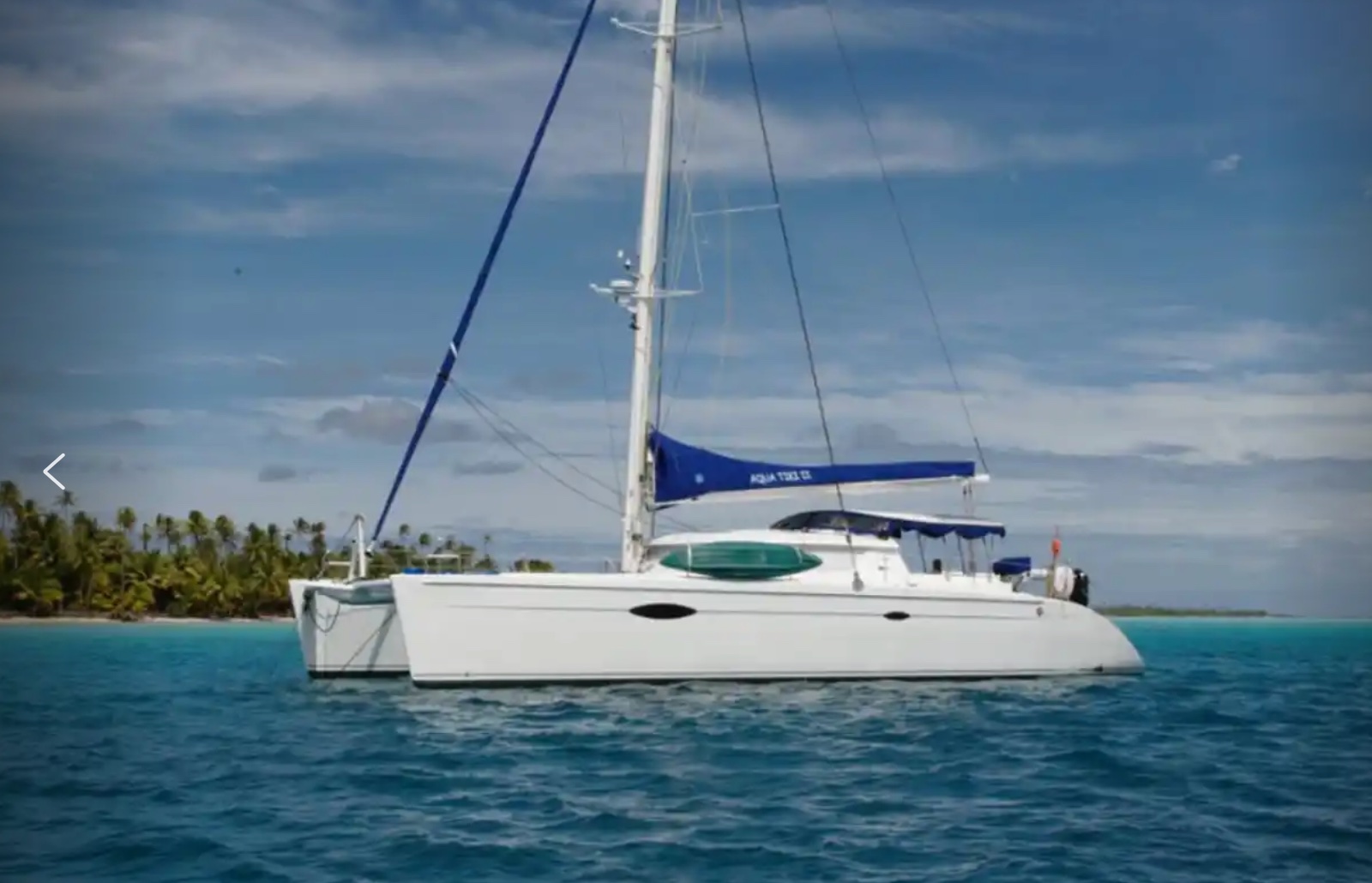
Aqua Tiki II
French Polynesia
8 guests
$580/day
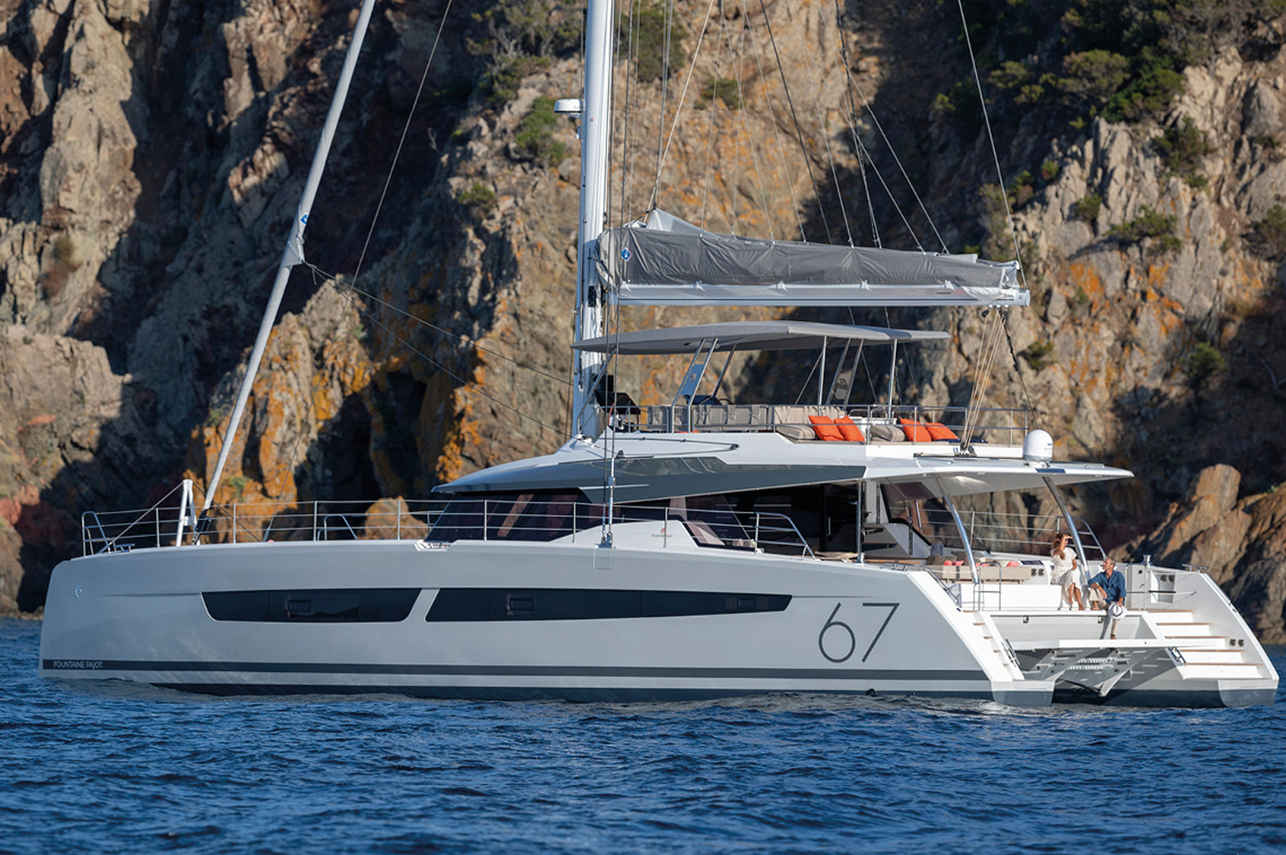
Aqua Tiki III
French Polynesia
10 guests20 m
$505/day
Dive sites similar to Tiputa Pass
Same character, same waters — six more sites divers love for the exact same reasons.Compare seasons, access and liveaboard routes — then pick the site that fits your trip best.
© Esri — Maxar, Earthstar, GIS
Fakarava - Ohotu Reef
French Polynesia
Ohotu Reef, situated in Fakarava's immense Garuae Pass, is a premier dive destination within the UNESCO Biosphere Reserve of French Polynesia.
- Suitable for
- Advanced
- Current
- Strong
- Access
- Liveaboard or dayboat
- Depth
- 5–18 m
- Theme
- Drift / Reef
© Esri — Maxar, Earthstar, GIS
Moorea - Ray Corridor
French Polynesia
The Ray Corridor in Moorea offers an exhilarating drift dive experience within a natural lagoon, making it a favorite for divers seeking dynamic encounters.
- Suitable for
- Beginner
- Current
- Moderate
- Access
- Liveaboard or dayboat
- Depth
- 3–12 m
- Theme
- Drift / Reef
© Esri — Maxar, Earthstar, GIS
Fakarava - North Pass
French Polynesia
Fakarava's North Pass, officially known as Garuae Pass, is a world-renowned drift dive site in the Tuamotu Archipelago of French Polynesia.
- Suitable for
- Advanced
- Current
- Strong
- Access
- Dayboat
- Depth
- 8–40 m
- Theme
- Drift
© Esri — Maxar, Earthstar, GIS
Ohutu Pass
French Polynesia
Pakaka Pass, situated in the Apataki Atoll within French Polynesia's Tuamotu Archipelago, lies approximately 370 kilometers northeast of Tahiti.
- Suitable for
- Advanced
- Current
- Strong
- Access
- Liveaboard only
- Depth
- ≤ 30 m
- Theme
- Reef / Drift
© Esri — Maxar, Earthstar, GIS
Garaue Pass
French Polynesia
Garaue Pass, located in the northern part of Fakarava Atoll within the Tuamotu Archipelago, is recognized as a premier diving destination, particularly for shark encounters.
- Suitable for
- Advanced
- Current
- Ripping
- Access
- Liveaboard or dayboat
- Depth
- 12–30 m
- Theme
- Drift
© Esri — Maxar, Earthstar, GIS
The Sharks’ cavern
French Polynesia
The Sharks’ Cavern is a prominent dive site located within the Tiputa Pass of Rangiroa, French Polynesia, celebrated for its unique shark encounters and exhilarating drift diving experience.
- Suitable for
- Advanced
- Current
- Strong
- Access
- Dayboat
- Depth
- 12–35 m
- Theme
- Drift / Cavern