About Garaue Pass
Garaue Pass, located in the northern part of Fakarava Atoll within the Tuamotu Archipelago, is recognized as a premier diving destination, particularly for shark encounters. As the widest navigable pass in French Polynesia, it acts as a critical gateway, channeling nutrient-rich waters into Fakarava's lagoon and fostering an extraordinary marine ecosystem. This site is part of the UNESCO Biosphere Reserve, emphasizing its ecological significance and protected status. Its unique topography includes a vast outer wall and a submerged plateau, supporting both intense pelagic activity and thriving hard coral formations. The pass is renowned for its consistent and abundant shark sightings, often forming what divers describe as a 'shark wall.' Beyond sharks, the site hosts large schools of various reef fish, eagle rays, and, seasonally, aggregating groupers. The strong currents inherent to such a wide pass mean that diving is typically timed around slack water, offering a dramatic yet manageable drift experience. Diving Garaue Pass provides a unique opportunity to witness large marine animals in their natural environment, from numerous grey reef sharks to occasional hammerheads and tiger sharks. The healthy hard corals on the reefs further enhance the underwater landscape, creating a visually rich and biodiverse dive. This powerful channel promises a memorable and dynamic dive for those seeking significant marine life encounters.
Highlights
World-famous 'shark wall'Fakarava UNESCO Biosphere ReserveWidest pass in French PolynesiaAggregating marbled groupersStrong drift divingPelagic marine lifePristine hard corals
Season calendar
Best months to dive here
Jan
Feb
Mar
Apr
May
Jun
Jul
Aug
Sep
Oct
Nov
Dec
Excellent
Good
Dive site facts: Garaue Pass
- Depth
- 12–30 m
- Current
- Strong to very strong
- Visibility
- 10–50 m
- Water temperature
- 26–29 °C
- Entry
- Liveaboard / Day boat
- Level
- Advanced, current experience essential
- Dive type
- Drift, big_animals, shark, reef
- Region / port
- Tuamotu Archipelago, French Polynesia
- Coordinates
- 16.1055° S, 147.7473° W
Conditions & Currents
Garaue Pass is characterized by very strong currents due to its immense width and its role as a primary channel for water exchange in the Fakarava lagoon. Diving is critically dependent on slack water periods to ensure safety and allow for optimal viewing of marine life. During incoming tides, currents can be forceful, creating a dramatic drift experience. Visibility is generally excellent, averaging 10-30 meters, and can exceed 50 meters on calm, clear days, although it may temporarily decrease near shore after rain. Water temperatures range from 26°C in winter to 29°C in summer. Divers must be prepared for strong currents and experienced in drift diving techniques, making the site best suited for advanced divers.
Marine life & sighting chances

Grey reef shark
Year-round · common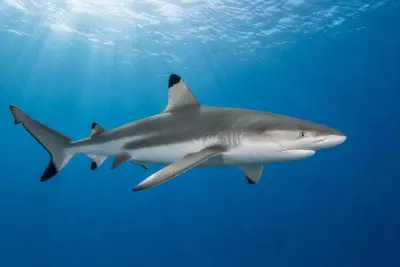
Blacktip shark
occasional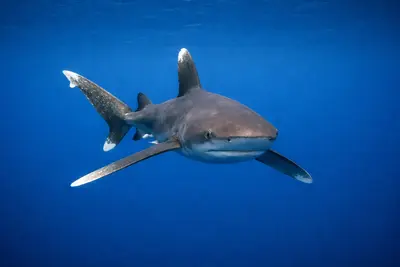
Whitetip shark
occasional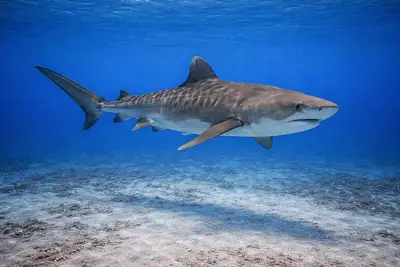
Tiger shark
rare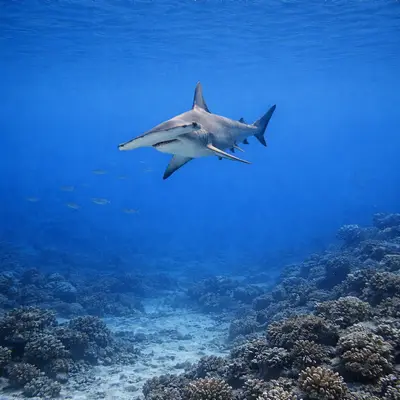
Hammerhead shark
December-March · occasional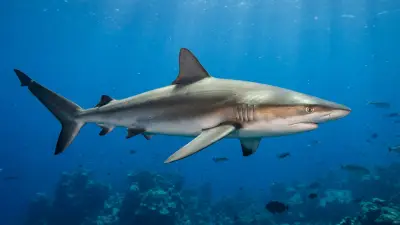
Silky shark
occasional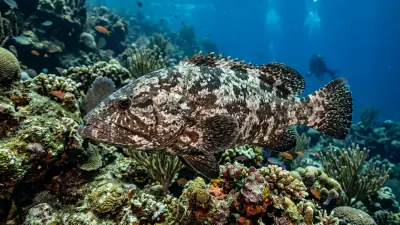
Marbled grouper
June-July · common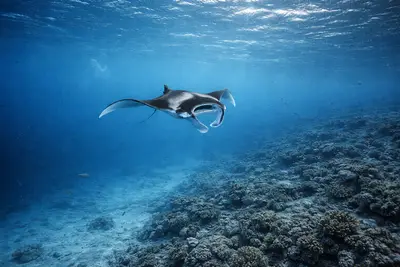
Manta ray
occasional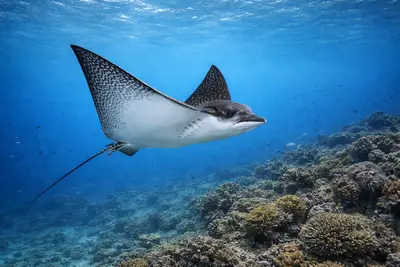
Eagle ray
occasional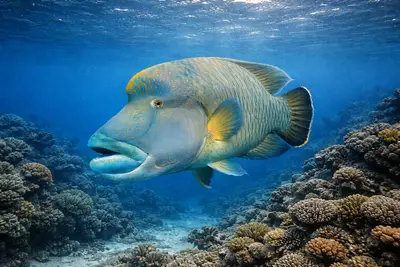
Napoleon wrasse
occasional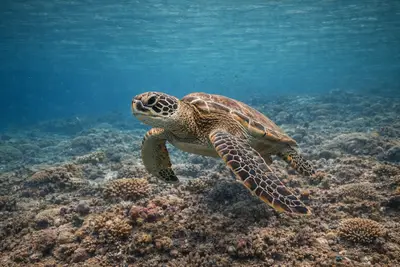
Turtle
occasional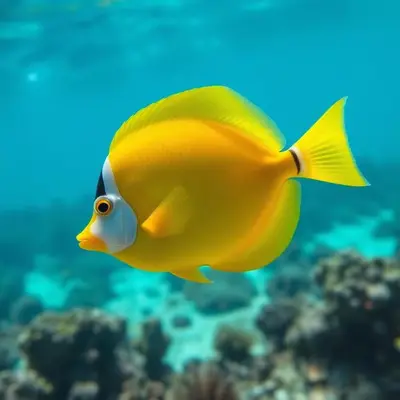
Surgeonfish
common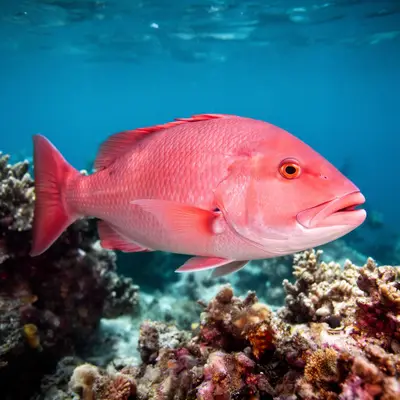
Paddletail snapper
common
Barracuda
occasionalDive profile & how the dive runs
A typical dive at Garaue Pass commences with a negative entry from a tender or liveaboard, usually timed for slack water to manage the strong currents. Divers descend quickly along the outer wall of the pass, where the impressive 'wall of sharks' is often encountered as grey reef sharks congregate in large numbers. The dive then proceeds as a drift along the reef, moving into the pass. Depths can vary, but generally range from the outer wall at 18 meters down to around 30 meters at certain points, with plateaus at 12 meters supporting vibrant coral gardens. The drift continues, allowing observation of schools of fish, rays, and other pelagics. The dive often concludes further inside the pass or along the interior edge, where a safety stop can be performed in calmer waters before ascending to meet the boat.
Underwater photography
Garaue Pass is an exceptional site for wide-angle photography, especially focusing on pelagic action and large schools of sharks and fish. A wide-angle lens (e.g., fisheye or rectilinear 10-24mm) is essential to capture the scale of the 'shark wall' and the vast schools. Powerful strobes are recommended to bring out the color and detail of subjects against the often deep blue background, especially when shooting into the current or at deeper sections. Due to strong currents, maintaining good buoyancy is crucial for stable shots. For macro opportunities, be aware that smaller subjects like nudibranchs and crabs can be found in the coral gardens on shallower plateaus, but the main draw is undeniably the big animal action.
Combine with nearby dive sites
- Fakarava - North Pass
Fakarava's North Pass, officially known as Garuae Pass, is a world-renowned drift dive site in the Tuamotu Archipelago of French Polynesia.
- Passe Tumakohua
Fakarava South Pass
- Maiuru
Submerged plateau near Garaue Pass
- Ohotu
Second plateau near Garaue Pass
- The Small Rose Garden & Coral Wall
The Small Rose Garden & Coral Wall is one of Moorea's premier dive sites, located on the island's scenic north coast in the Society Islands…
Getting there & logistics
Access to Garaue Pass typically involves flying into Faaa International Airport (PPT) in Tahiti, then taking a connecting flight to Fakarava (FAV), which is a 70-minute journey. Alternatively, some divers fly to Rangiroa Airport (RGI) and take a 30-minute flight to Fakarava. Most diving is arranged through liveaboards or dive resorts on Fakarava. Liveaboard itineraries focusing on the Tuamotu archipelago often include Fakarava, offering trips ranging from 7 to 14 days. These trips commonly combine Fakarava with other atolls like Rangiroa. Given Fakarava's UNESCO Biosphere Reserve status, there may be local fees or regulations to observe, usually handled by dive operators.
Safety & environment
Diving at Garaue Pass requires adherence to strict safety protocols due to the powerful currents. Divers must be advanced and experienced with drift diving techniques. Always dive with a qualified guide familiar with the local conditions and current patterns, as slack water timing is critical. Ensure your equipment is in excellent condition, and carry essential safety gear such as a safety sausage (DSMB) and dive computer. The nearest recompression chamber would likely be in Tahiti, making evacuation a significant logistical challenge in an emergency. Comprehensive dive insurance covering medical emergencies and evacuation is therefore not just recommended but essential for all divers visiting this remote location. Maintain excellent buoyancy control to avoid damaging the pristine corals and to safely navigate the currents.
Who it suits — and who it doesn't
Suited for
- Advanced divers with current experience
- Photographers seeking wide-angle pelagic shots
- Shark enthusiasts and big animal lovers
- Divers comfortable with drift diving
- Those seeking pristine coral reefs
Less suited for
- Beginner divers or those without current training
- Divers uncomfortable with strong currents
- Individuals prone to seasickness in choppy conditions
- Those looking exclusively for macro subjects
- Divers seeking very shallow, calm dives
FAQ
Garaue Pass FAQ
What kind of sharks can I see at Garaue Pass?
Garaue Pass is famous for its abundant grey reef sharks, often seen in large numbers forming a 'shark wall.' You may also encounter blacktip, whitetip, silky, and, occasionally, hammerhead and tiger sharks, making it a prime location for shark enthusiasts.
When is the best time to witness the grouper spawning?
The spectacular marbled grouper spawning event occurs from mid-June to early July, specifically during the full moon period. During this time, tens of thousands of groupers gather, which in turn attracts an even greater concentration of sharks to the pass.
How strong are the currents at Garaue Pass?
The currents at Garaue Pass are known to be very strong, especially during incoming and outgoing tides. Diving is typically scheduled around slack water to ensure a safer and more enjoyable experience, allowing divers to appreciate the abundant marine life without being swept away.
What skill level is required to dive Garaue Pass?
Garaue Pass is considered an advanced dive due to its very strong currents and potential for challenging conditions. Divers should have significant experience with drift diving and excellent buoyancy control to safely navigate this dynamic environment.
Can I combine a dive at Garaue Pass with other sites?
Absolutely. Garaue Pass is often a highlight on liveaboard itineraries exploring the Tuamotu Archipelago, which typically include other renowned sites like Fakarava's South Pass (Passe Tumakohua) and Rangiroa. Day boat trips from Fakarava also frequently visit the various sections of the North Pass, including Maiuru and Ohotu.
Why dive Garaue Pass from a liveaboard?
Garaue Pass is one of French Polynesia's signature dive sites. A liveaboard sleeps you on the water and puts you in the water for three to four guided dives per day, including dawn and night dives that day-boat operators rarely offer. You skip the daily commute back to port and reach quieter, less-crowded sites in the same region on a single trip.
Below are the liveaboards that include Garaue Pass on their French Polynesia itineraries.
Liveaboards diving Garaue Pass
These liveaboards may visit Garaue Pass on selected itineraries — the exact dive sites depend on departure, weather and conditions.
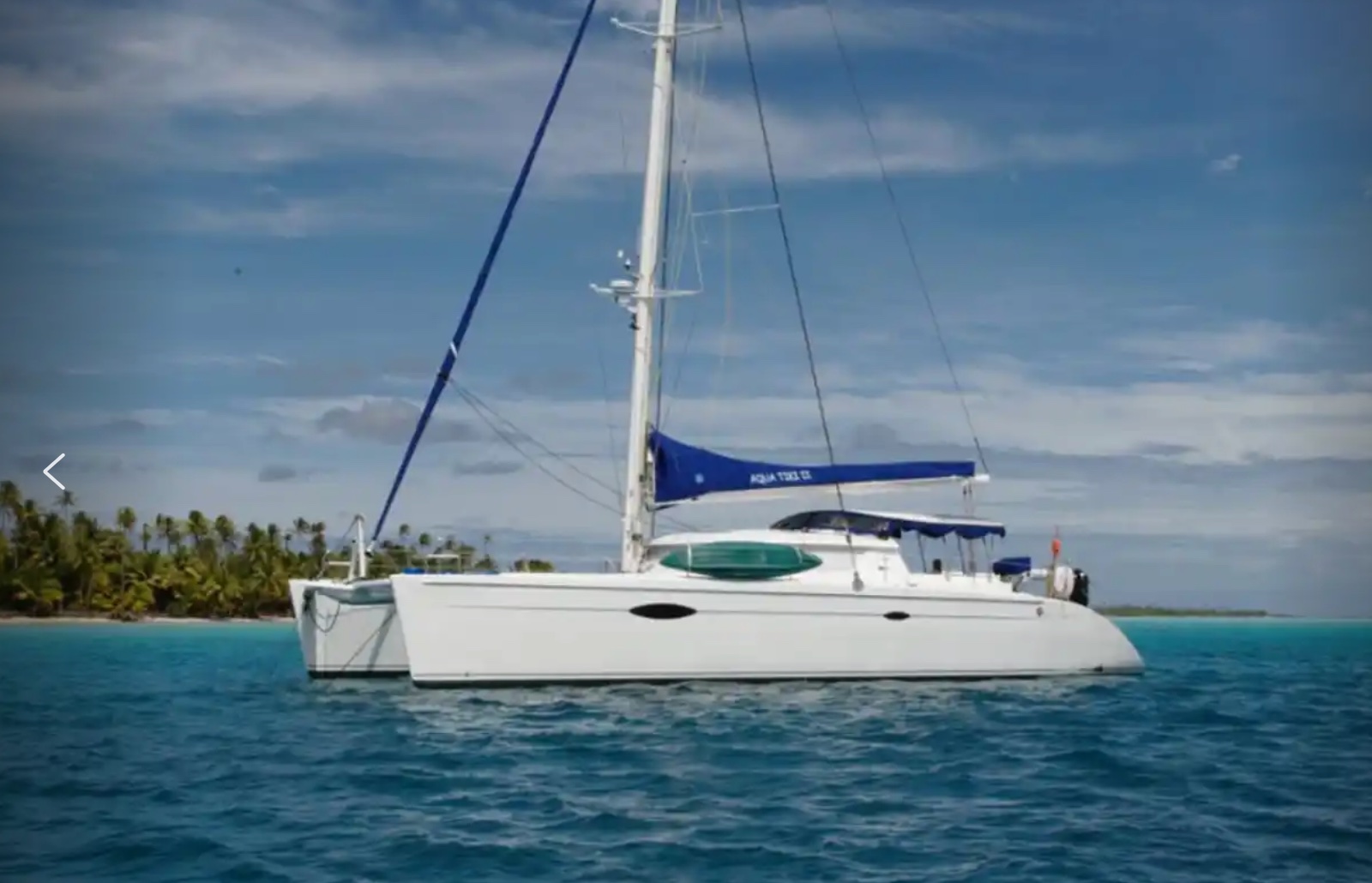
Aqua Tiki II
French Polynesia
8 guests
$578/day
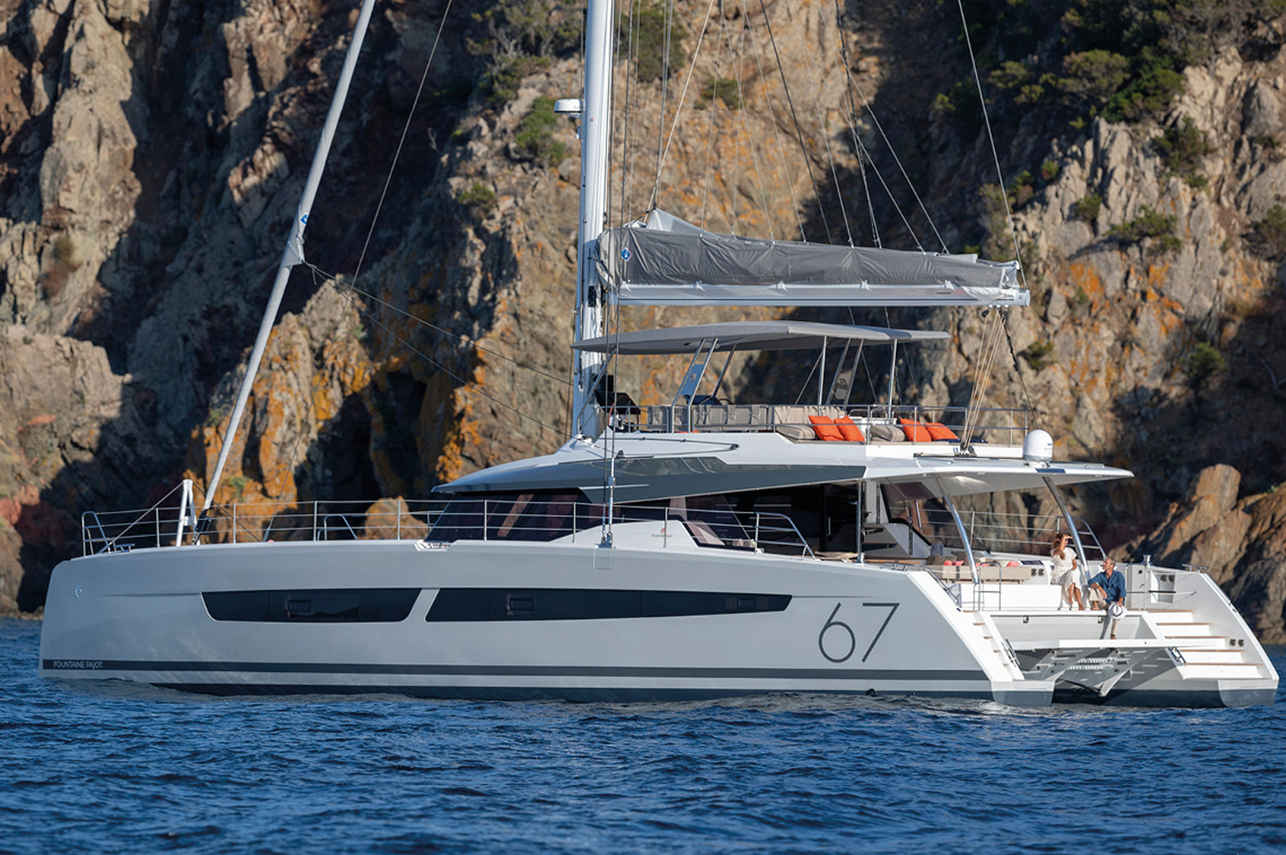
Aqua Tiki III
French Polynesia
10 guests20 m
$503/day
Dive sites similar to Garaue Pass
Same character, same waters — six more sites divers love for the exact same reasons.Compare seasons, access and liveaboard routes — then pick the site that fits your trip best.
© Esri — Maxar, Earthstar, GIS
Fakarava - Ohotu Reef
French Polynesia
Ohotu Reef, situated in Fakarava's immense Garuae Pass, is a premier dive destination within the UNESCO Biosphere Reserve of French Polynesia.
- Suitable for
- Advanced
- Current
- Strong
- Access
- Liveaboard or dayboat
- Depth
- 5–18 m
- Theme
- Drift / Reef
© Esri — Maxar, Earthstar, GIS
Moorea - Ray Corridor
French Polynesia
The Ray Corridor in Moorea offers an exhilarating drift dive experience within a natural lagoon, making it a favorite for divers seeking dynamic encounters.
- Suitable for
- Beginner
- Current
- Moderate
- Access
- Liveaboard or dayboat
- Depth
- 3–12 m
- Theme
- Drift / Reef
© Esri — Maxar, Earthstar, GIS
The Sharks’ cavern
French Polynesia
The Sharks’ Cavern is a prominent dive site located within the Tiputa Pass of Rangiroa, French Polynesia, celebrated for its unique shark encounters and exhilarating drift diving experience.
- Suitable for
- Advanced
- Current
- Strong
- Access
- Dayboat
- Depth
- 12–35 m
- Theme
- Drift / Cavern
© Esri — Maxar, Earthstar, GIS
Fakarava - North Pass
French Polynesia
Fakarava's North Pass, officially known as Garuae Pass, is a world-renowned drift dive site in the Tuamotu Archipelago of French Polynesia.
- Suitable for
- Advanced
- Current
- Strong
- Access
- Dayboat
- Depth
- 8–40 m
- Theme
- Drift
© Esri — Maxar, Earthstar, GIS
Ohutu Pass
French Polynesia
Pakaka Pass, situated in the Apataki Atoll within French Polynesia's Tuamotu Archipelago, lies approximately 370 kilometers northeast of Tahiti.
- Suitable for
- Advanced
- Current
- Strong
- Access
- Liveaboard only
- Depth
- ≤ 30 m
- Theme
- Reef / Drift
© Esri — Maxar, Earthstar, GIS
The Valley of Sharks
French Polynesia
The Valley of Sharks is an exhilarating dive site located off Moorea, a short ferry ride from Tahiti in French Polynesia.
- Suitable for
- Advanced
- Current
- Strong
- Access
- Liveaboard or dayboat
- Depth
- 15–25 m
- Theme
- Cave & cavern / Channel