About Paso del Cedral
Paso del Cedral is a renowned dive site in Cozumel, celebrated for its vibrant marine environment and diverse underwater topography. It stands out for its consistent sightings of green and Carey turtles, nurse sharks, and the endemic Splendid Toadfish. The site is divided into two distinct sections: the Cedral Pass and the Cedral Wall, each offering a unique diving experience. The Cedral Pass, typically shallower, is characterized by expansive low-profile caverns, sandy areas, and overhangs that provide shelter for various species. Here, divers can encounter nurse sharks resting, large moray eels in crevices, and stingrays in sandy gaps. The reef becomes a bustling spectacle with schooling French grunts filling the overhangs. The Cedral Wall begins where the reef drops away, showcasing dense coral growth and verticality. This section is adorned with vibrant sponges and sea fans, including impressive elephant ear sponges in deeper areas. The Wall is a prime location for spotting turtles feeding on sponges and offers excellent macro opportunities, with nudibranchs and arrow crabs among the smaller inhabitants. The consistent currents facilitate effortless drift diving, allowing divers to glide over stunning coral architecture and observe the rich biodiversity of the Mesoamerican Barrier Reef system. Dive operators frequently visit Paso del Cedral as a second dive, aiming for durations of 60 to 70 minutes when air consumption allows. The exceptional visibility, often exceeding 30 meters, combined with comfortable water temperatures averaging 27°C, makes for an enjoyable and visually rewarding underwater exploration.
Highlights
Nurse shark encountersSplendid Toadfish sightingsMassive coral overhangsConsistent turtle sightingsVibrant wall divingSchools of French gruntsDrift dive experience
Season calendar
Best months to dive here
Jan
Feb
Mar
Apr
May
Jun
Jul
Aug
Sep
Oct
Nov
Dec
Excellent
Good
Dive site facts: Paso del Cedral
- Depth
- 9–30 m
- Typical dive
- 9–18 m, 60–70 min
- Current
- Moderate to strong (1–3 knots)
- Visibility
- 25–30+ m
- Water temperature
- 21–30 °C
- Entry
- Boat / drift entry
- Level
- Intermediate Open Water to Advanced
- Dive type
- Reef, wall, drift
- Night dive
- Possible
- Region / port
- Cozumel, Mexico
- Coordinates
- 20.3749, -87.026
Conditions & Currents
Paso del Cedral is known for its moderate to strong currents, characteristic of Cozumel's famous drift diving. The current strength can vary between 1 to 3 knots, making it an ideal site for experienced divers comfortable with drift techniques. The Cedral Pass experiences moderate to strong currents, while the Cedral Wall can have even stronger flows, requiring good buoyancy control to navigate along the visually rich wall. Divers should be prepared for a south-to-north flow, which often dictates the dive route. Excellent visibility, typically ranging from 25 to over 30 meters, allows divers to maintain awareness of their surroundings despite the current.
Marine life & sighting chances
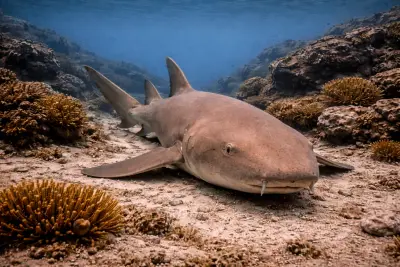
Nurse shark
common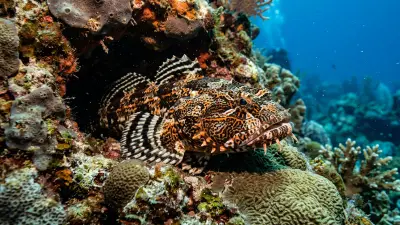
Splendid Toadfish
occasional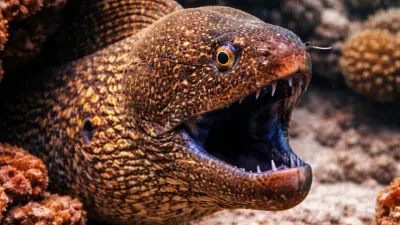
Green moray eel
common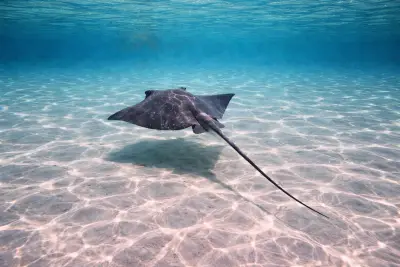
Stingray
occasional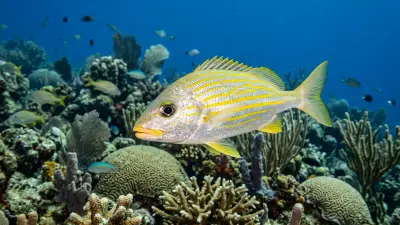
French grunt
common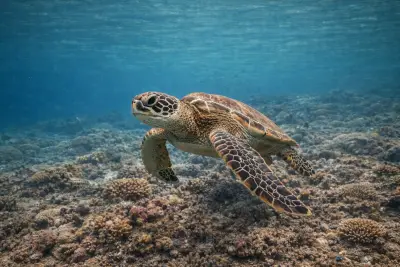
Green turtle
common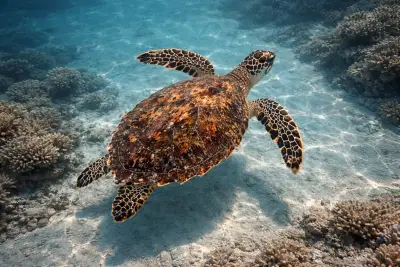
Carey turtle
common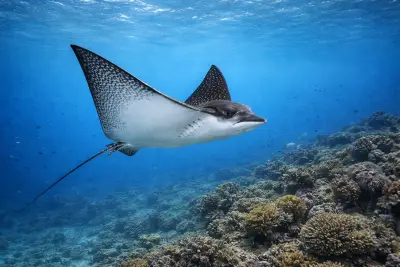
Eagle ray
occasional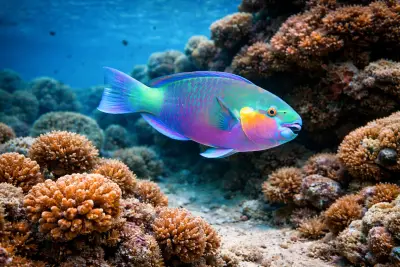
Parrotfish
common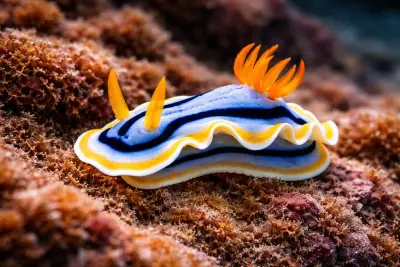
Nudibranch
occasional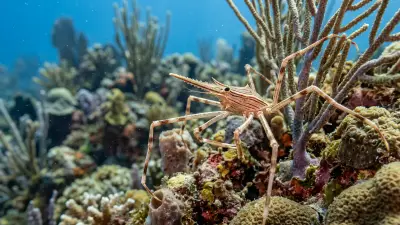
Arrow crab
occasional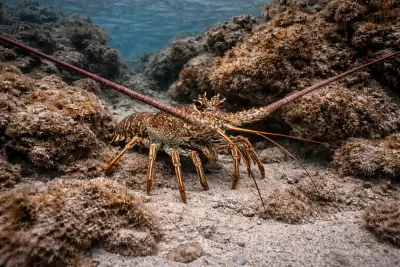
Lobster
common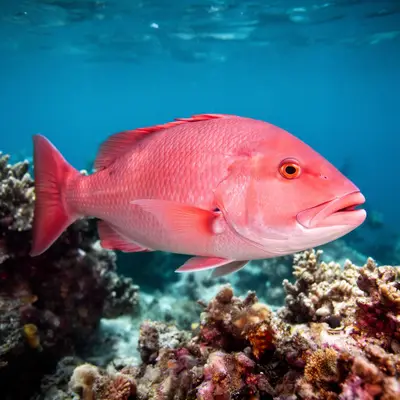
Snapper
commonDive profile & how the dive runs
A typical dive at Paso del Cedral begins with a drift entry, usually dropping onto the Cedral Pass. Divers will glide over expansive low-profile caverns and sandy patches at depths ranging from 12 to 18 meters, observing nurse sharks and moray eels. As the drift progresses, the reef transitions into sections filled with schooling French grunts. The dive then continues towards the Cedral Wall, where the depth can extend to 27 meters or more, showcasing vibrant coral formations and sponges. Divers maintain a steady drift along the wall, looking for turtles and macro life. The turn point is typically dictated by air consumption and bottom time, with the safety stop conducted in shallower, calmer waters, often above the reef's top edge, before a surface pickup by the boat.
Underwater photography
Paso del Cedral offers excellent opportunities for both wide-angle and macro photography due to its diverse topography and marine life. For wide-angle shots, capture the grandeur of the coral overhangs, the schooling grunts, and the expansive wall, especially with good visibility. For macro enthusiasts, the Cedral Wall is particularly rewarding with its nudibranchs, arrow crabs, and other small critters hiding in the sponges and corals. A good strobe setup will help bring out the true colors of the vibrant reef and its inhabitants. Pay close attention to buoyancy to avoid contact with the delicate coral structures, particularly when focusing on macro subjects, and remember to maintain the required 1.5-meter distance from marine life in the Marine Park.
Combine with nearby dive sites
- Palancar Gardens
Palancar Gardens, situated off the eastern coast of Mexico near Cozumel Island, is a celebrated dive site within the Mesoamerican Barrier…
- Santa Rosa Wall
Often combined in a drift dive with Paso del Cedral.
- Yucab Reef
Yucab Reef is a renowned dive site located on the southwest coast of Cozumel, Mexico, easily accessible by a short boat ride from the main…
- Chankanaab Reef
Chankanaab Reef, located off Cozumel's coast, is a celebrated dive site within the Mesoamerican Reef, the second-largest barrier reef…
- Paradise Reef (Paraiso)
Paradise Reef, also known as Paraiso, is a celebrated dive site in Cozumel, Mexico, located just south of the Puerta Maya cruise ship…
Getting there & logistics
Diving Paso del Cedral is typically organized through dive operators based in Cozumel. Divers usually fly into Cozumel International Airport (CZM) or Cancun International Airport (CUN), followed by a ferry ride to Cozumel. Most dive trips are day trips, often combining Paso del Cedral with another site as a second dive. Daily dive packages usually include boat transfers and guided dives. As Paso del Cedral is located within the Cozumel Marine Park, park fees apply and are generally included in the dive package, or paid separately to the operator. It is advisable to book through reputable dive centers that prioritize marine park regulations and safety.
Safety & environment
Safety at Paso del Cedral emphasizes competent drift diving skills due to moderate to strong currents. Divers should have good buoyancy control to avoid contact with the reef and to manage their position in the current. Always stay close to your dive guide and adhere to the established dive plan. The nearest recompression chamber is located in San Miguel de Cozumel, offering critical support for decompression sickness. Evacuation from the dive site to the chamber is typically handled by the dive boat crew and local emergency services. Comprehensive dive insurance, including coverage for recompression treatment and emergency evacuation, is highly recommended for all divers.
Who it suits — and who it doesn't
Suited for
- Experienced drift divers
- Divers seeking nurse shark encounters
- Underwater photographers
- Macro photography enthusiasts
- Divers interested in wall and reef topography
Less suited for
- Beginner divers without current experience
- Divers uncomfortable with drift diving
- Individuals with poor buoyancy control
- Divers expecting static, no-current environments
FAQ
Paso del Cedral FAQ
What kind of marine life can I expect to see at Paso del Cedral?
Paso del Cedral is renowned for its diverse marine life. You can reliably encounter nurse sharks resting under overhangs, various species of turtles, and numerous schooling fish like French grunts. Keep an eye out for green moray eels, stingrays, and the unique Splendid Toadfish, which is endemic to Cozumel.
Is Paso del Cedral suitable for beginner divers?
Paso del Cedral is generally considered suitable for intermediate to advanced divers due to its moderate to strong currents. While Open Water certified divers comfortable with drift diving can manage, those new to currents or with developing buoyancy skills might find it challenging. It's often recommended for divers with some experience in drift conditions.
What are the key features of the dive site's topography?
The site is characterized by two main sections: the Cedral Pass and the Cedral Wall. The Pass features expansive low-profile caverns and sandy areas with overhangs, while the Wall is a dramatic drop-off covered in vibrant sponges and sea fans. Both sections are rich in coral formations, including brain and elkhorn corals.
How clear is the water at Paso del Cedral?
Paso del Cedral boasts exceptional visibility, often exceeding 30 meters (100 feet). This crystal-clear water provides excellent opportunities for viewing marine life and the intricate coral structures from a distance, enhancing the overall dive experience significantly.
Can I do a night dive at Paso del Cedral?
Yes, night dives are possible at Paso del Cedral. The site's diverse ecosystem takes on a different character after dark, revealing nocturnal creatures like octopuses and crabs, and allowing for unique encounters with fish sleeping in the coral. Always ensure you are with a reputable dive operator experienced in night dives.
Why dive Paso del Cedral from a liveaboard?
Paso del Cedral is one of Mexico's signature dive sites. A liveaboard sleeps you on the water and puts you in the water for three to four guided dives per day, including dawn and night dives that day-boat operators rarely offer. You skip the daily commute back to port and reach quieter, less-crowded sites in the same region on a single trip.
Below are the liveaboards that include Paso del Cedral on their Mexico itineraries.
Liveaboards diving Paso del Cedral
These liveaboards may visit Paso del Cedral on selected itineraries — the exact dive sites depend on departure, weather and conditions.
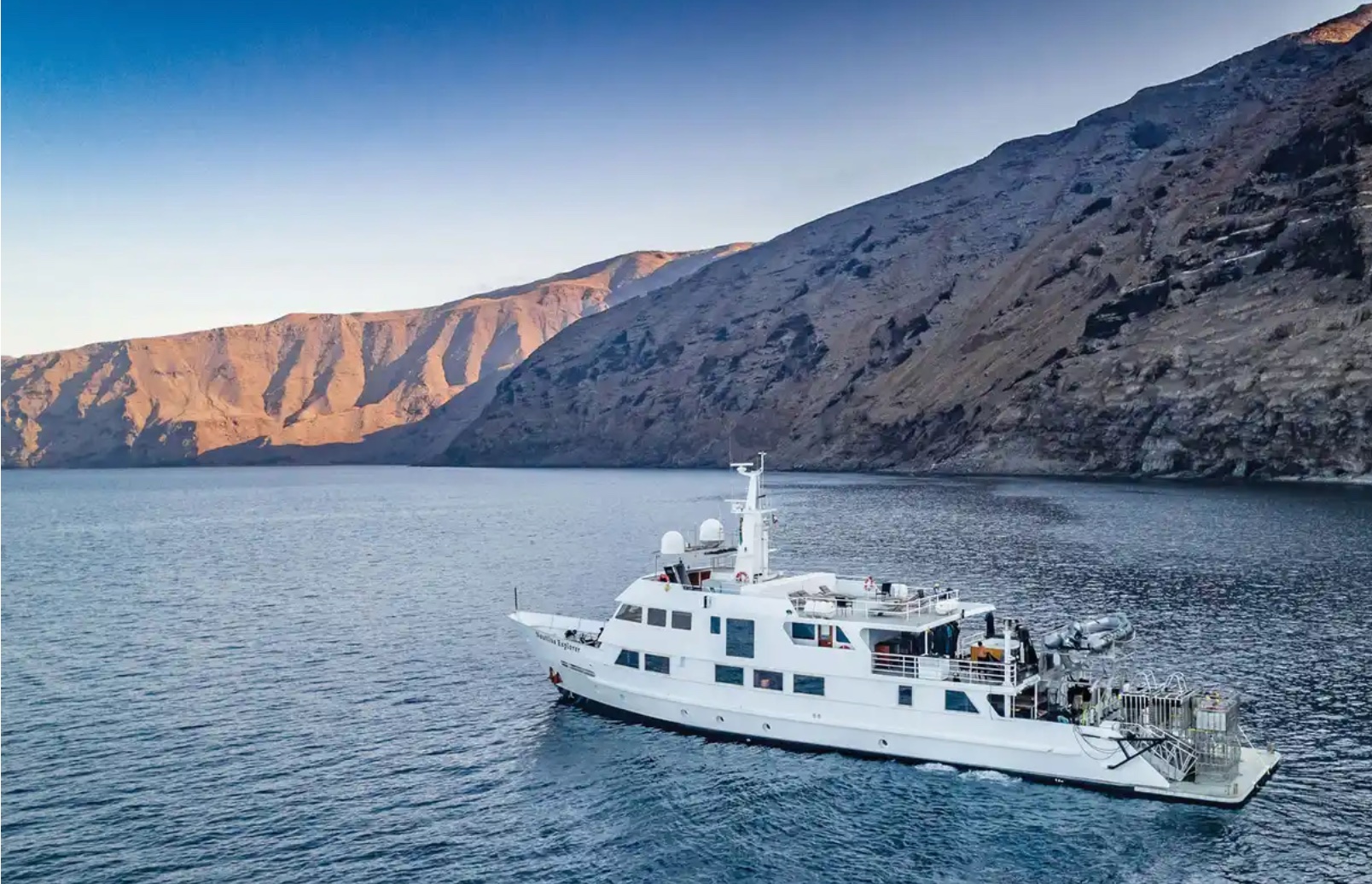
Nautilus Explorer
Mexico
25 guests44.8 m
$230/day
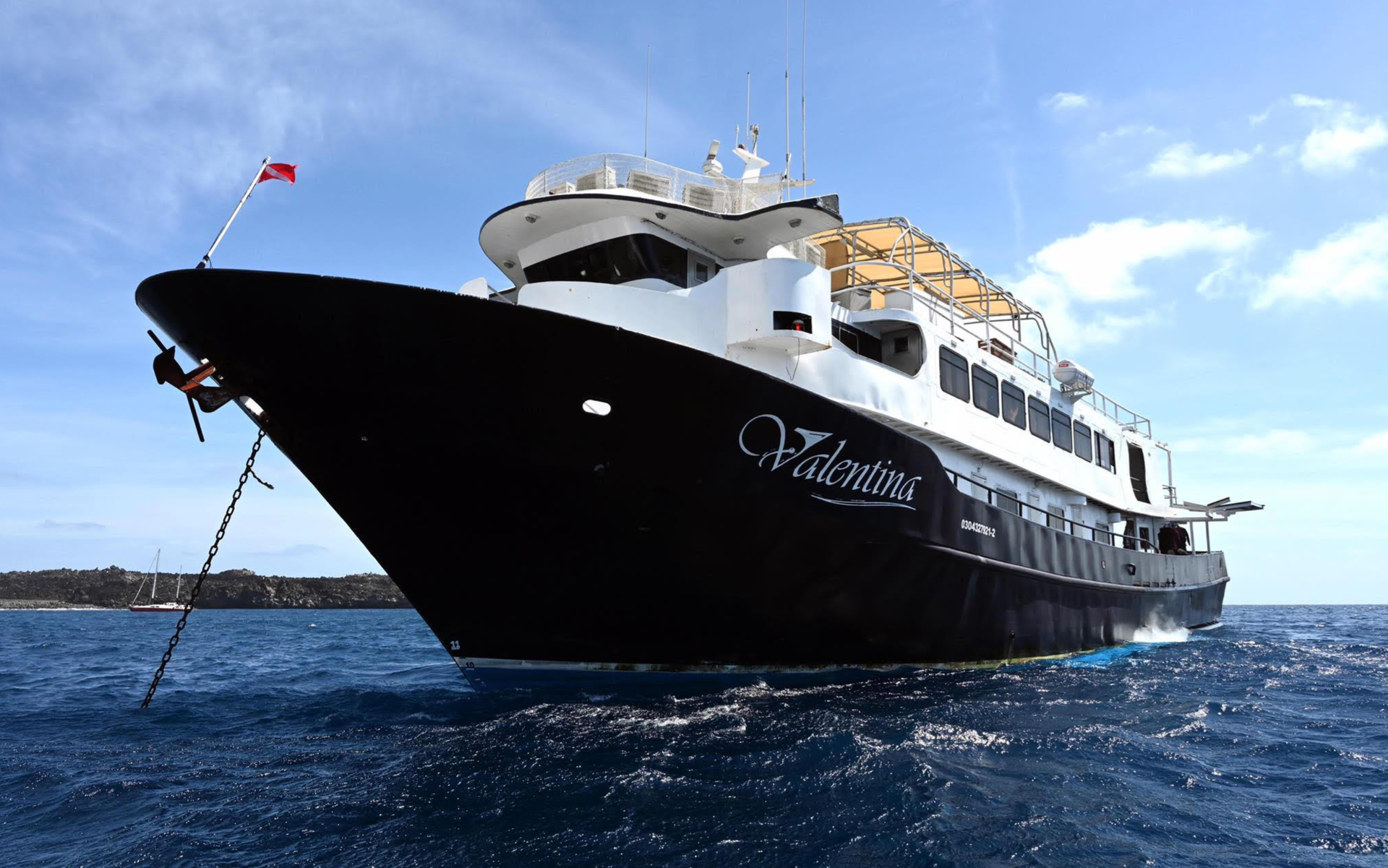
Valentina
Mexico
20 guests38.1 m
$430/day
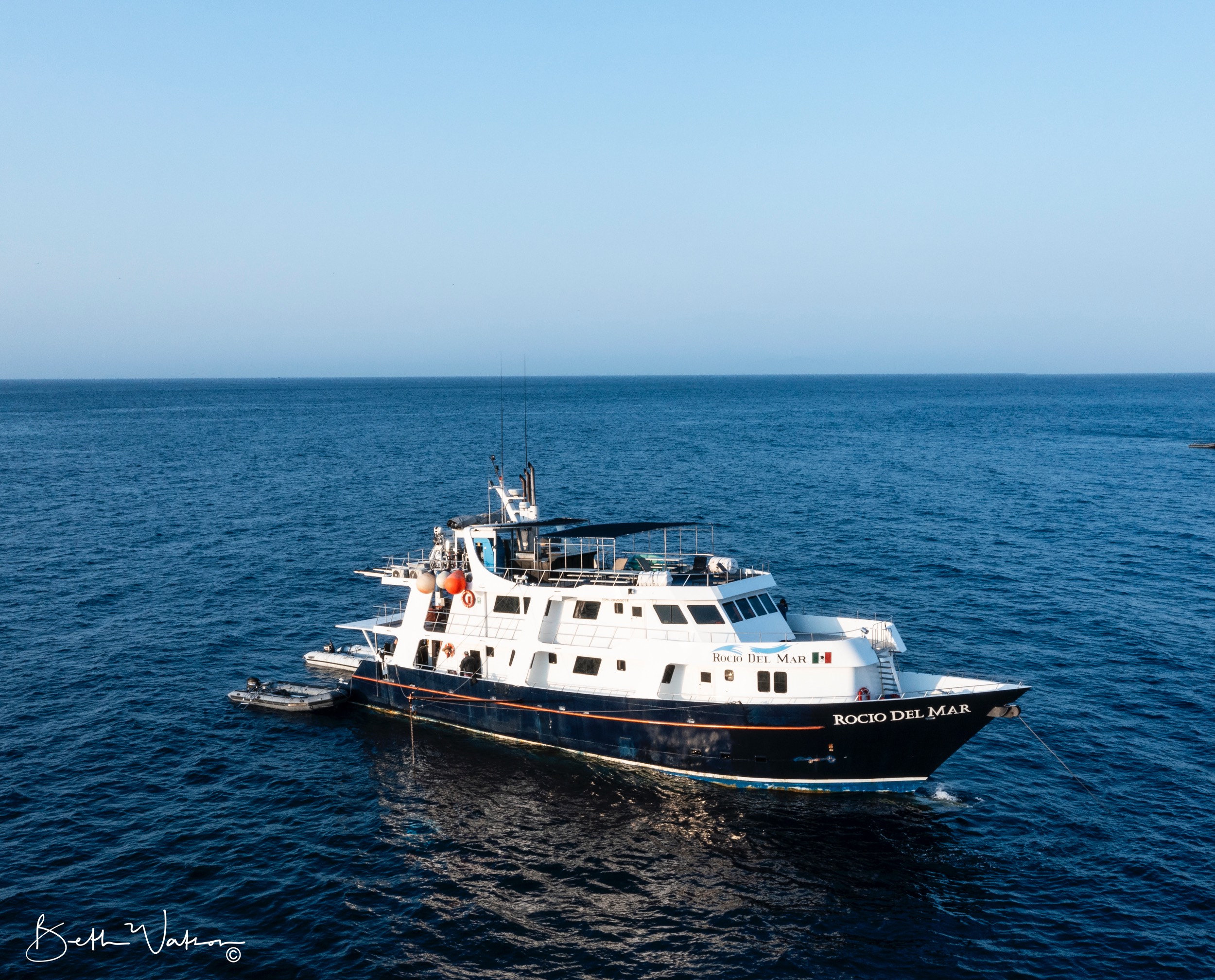
Rocio del Mar
Mexico
20 guests33.5 m
$392/day
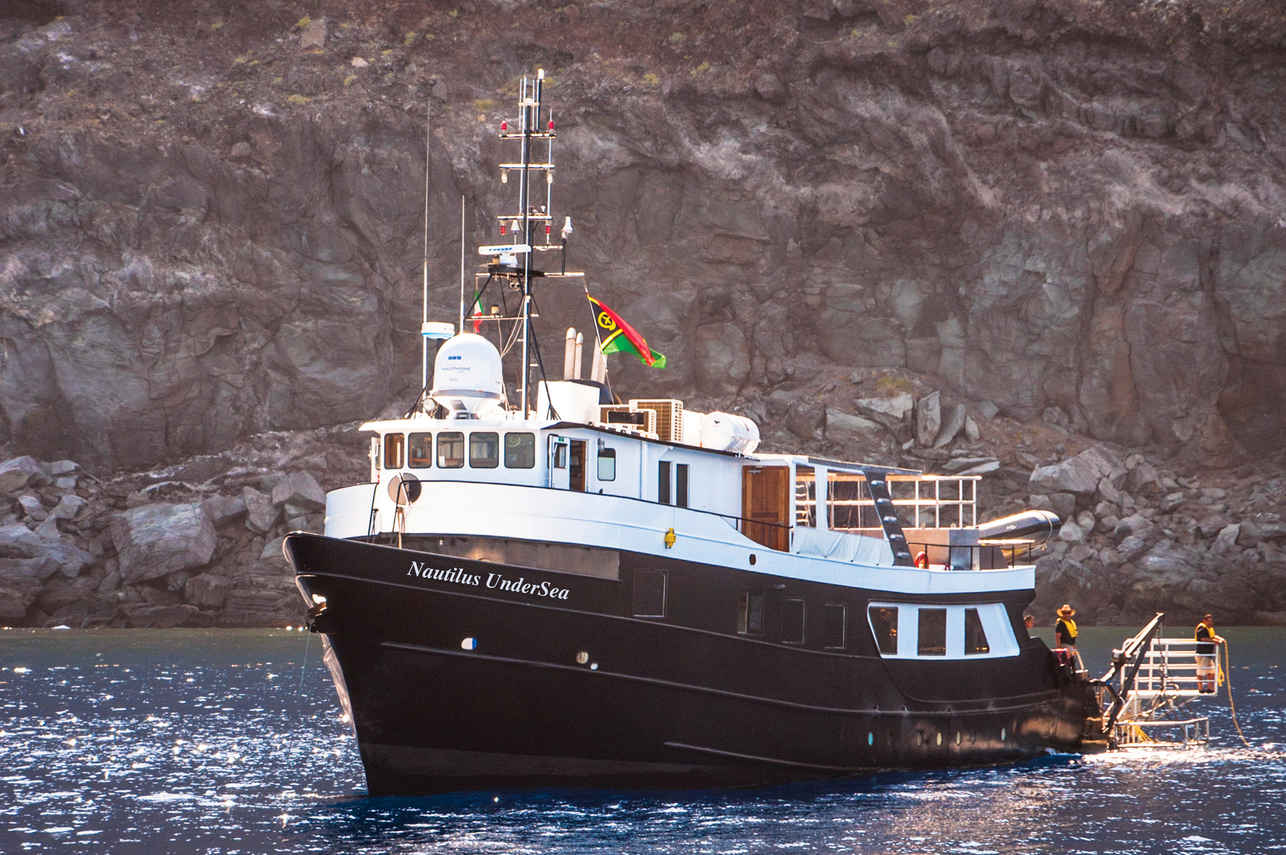
Nautilus Under Sea
Mexico
19 guests32 m
$261/day
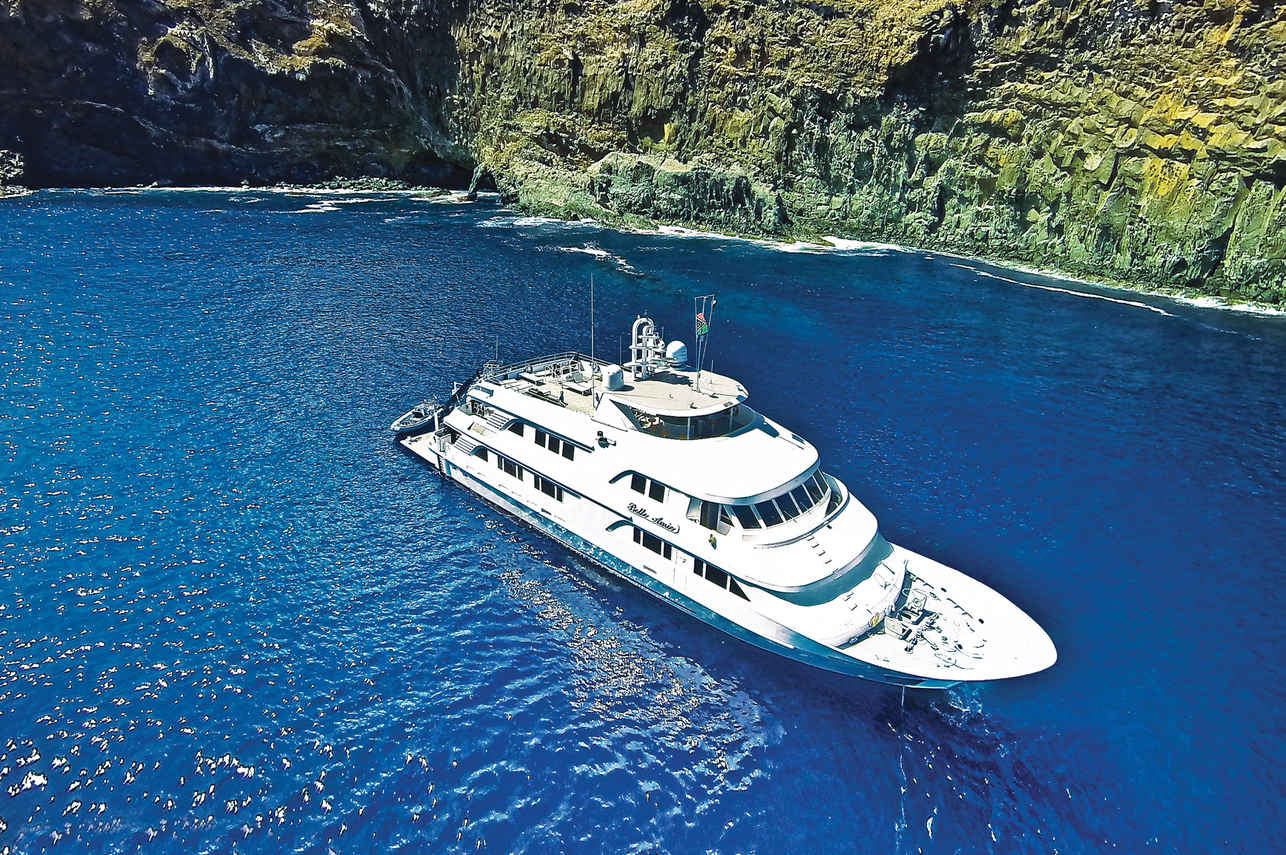
Nautilus Belle Amie
Mexico
32 guests44.8 m
$249/day
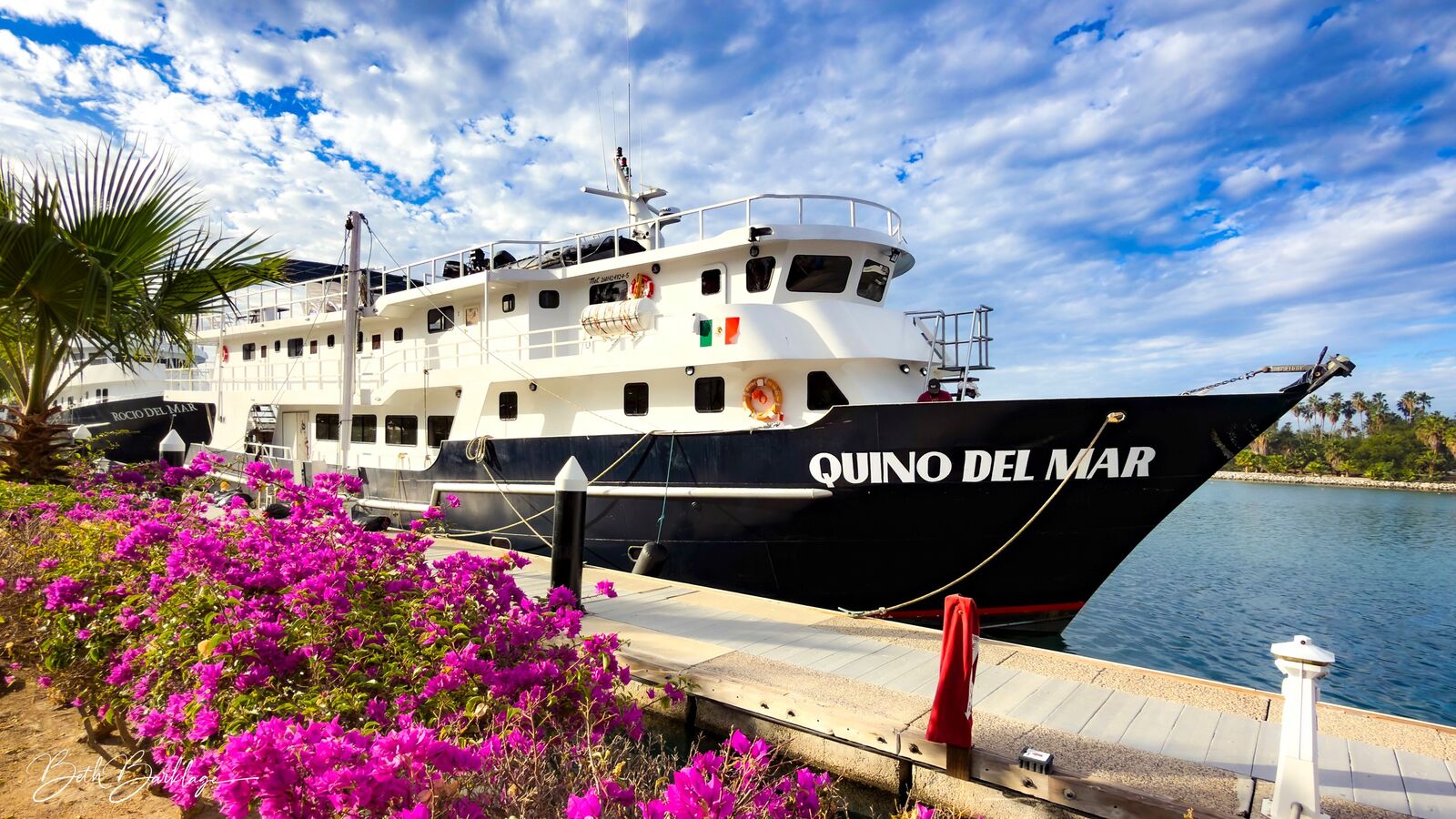
Quino del Mar
Mexico
20 guests36 m
$377/day
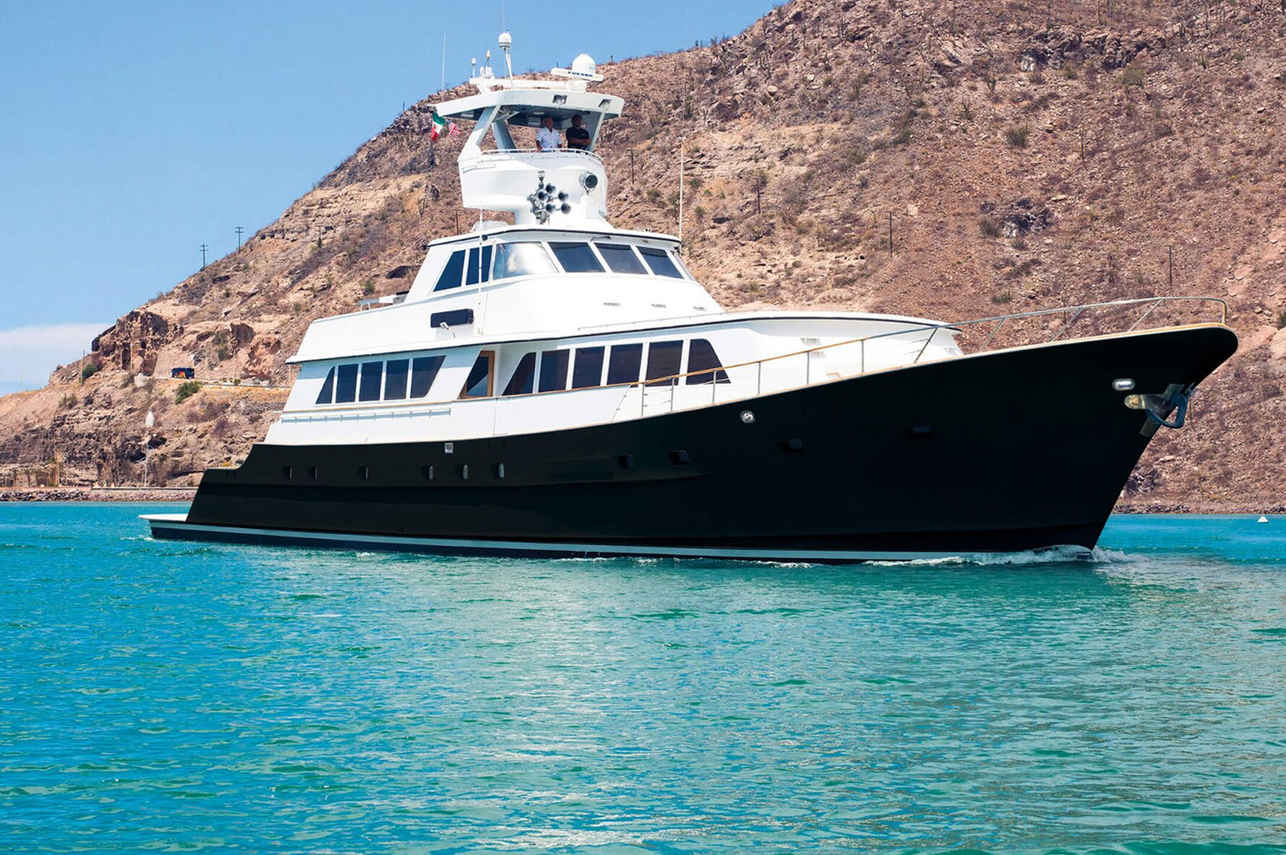
Nautilus Gallant Lady
Mexico
12 guests35.36 m
$332/day
Dive sites similar to Paso del Cedral
Same character, same waters — six more sites divers love for the exact same reasons.Compare seasons, access and liveaboard routes — then pick the site that fits your trip best.
© Esri — Maxar, Earthstar, GIS
Tak Be Luum
Mexico
Cenote Tak Be Luum, located in the Mexican state of Quintana Roo, is an exceptional cavern dive that forms part of the vast Sac Actun underwater cave system, one of the world's largest.
- Suitable for
- Advanced
- Current
- No current
- Access
- Shore / dayboat
- Depth
- 4–9 m
- Theme
- Reef
© Esri — Maxar, Earthstar, GIS
Neptune's Finger
Mexico
Neptune's Finger is a renowned dive site located in Cabo San Lucas, Mexico, at the southern tip of the Baja California Peninsula.
- Suitable for
- Beginner
- Current
- Mild
- Access
- Liveaboard or dayboat
- Depth
- 4–152 m
- Theme
- Reef
© Esri — Maxar, Earthstar, GIS
The C-58 Wreck, also known as the USS Harlequin or ARM DM-20, is a prominent artificial reef located off the coast of Cancún and Isla Mujeres.
- Suitable for
- Advanced
- Current
- Moderate
- Access
- Dayboat
- Depth
- 18–26 m
- Theme
- Wreck / Drift
© Esri — Maxar, Earthstar, GIS
Majahuitas
Mexico
Majahuitas is a pristine and secluded cove located on the southern coast of Banderas Bay, near Puerto Vallarta, Mexico.
- Suitable for
- Beginner
- Current
- Mild
- Access
- Dayboat
- Depth
- 8–14 m
- Theme
- Reef
La Poza is a remarkable dive site located in Xcalak, a serene fishing village situated on Mexico's Caribbean coast, near the Belize border.
- Suitable for
- Advanced
- Current
- Mild
- Access
- Shore / dayboat
- Depth
- 20–25 m
- Theme
- Reef
© Esri — Maxar, Earthstar, GIS
Siete Bocas
Mexico
Cenote Siete Bocas, meaning "Seven Mouths," is a unique cavern dive site nestled along the Ruta de los Cenotes near Puerto Morelos in Mexico's Riviera Maya.
- Suitable for
- Intermediate
- Current
- No current
- Access
- Shore / dayboat
- Depth
- ≤ 30 m
- Theme
- Reef