About Pantar Strait
The Pantar Strait, situated between Flores, Timor, and the Banda Sea, represents a unique confluence of oceanic currents that foster one of Indonesia's most productive marine environments. Immense tidal exchanges transport nutrient-rich waters through narrow volcanic channels, resulting in an extraordinary diversity of underwater habitats within a compact area. Divers can explore vibrant hard coral gardens, dramatic walls, submerged pinnacles, black volcanic sand slopes, and colorful soft coral reefs, often experiencing exhilarating drift dives in crystal-clear blue water. This area is celebrated for its pristine reefs, largely untouched by mass tourism, offering a rare blend of macro life and impressive pelagic encounters. While some sites present strong currents, others are calm, catering to both experienced divers and those seeking serene exploration. The varied topography includes the coral walls of Ternate Island, the red volcanic sand slopes of South Pura Island, and the black volcanic cliffs and caves of Alor's main island, each supporting distinct ecosystems. Seasonal variations influence visibility and currents, with the dry season from April to November generally offering optimal conditions. Cold water upwellings, particularly after new and full moons, regulate water temperatures and contribute to the area's rich biodiversity. This dynamic environment makes the Pantar Strait a compelling destination for underwater photographers and marine enthusiasts seeking genuine exploration away from crowded dive sites. Beyond the reefs, the towering volcanic islands and traditional fishing villages provide a rich cultural experience. The ability to dive according to tides rather than strict schedules allows for optimal conditions at exceptional sites, immersing visitors in both the underwater world and the cultural heritage of Alor.
Highlights
Nutrient-rich current-swept reefsDiverse coral gardens and wallsMacro life on volcanic sandPelagic encounters in clear waterDramatic underwater topographyUntouched marine ecosystemsExhilarating drift diving
Season calendar
Best months to dive here
Jan
Feb
Mar
Apr
May
Jun
Jul
Aug
Sep
Oct
Nov
Dec
Excellent
Good
Dive site facts: Pantar Strait
- Depth
- 5–40 m
- Typical dive
- 15–30 m, 50–60 min
- Current
- Mild to strong, highly variable
- Visibility
- 15–40 m
- Water temperature
- 27–29°C (can drop to 15°C seasonally)
- Entry
- Tender / negative entry for some sites
- Level
- Advanced Open Water Diver recommended, current experience essential
- Dive type
- Wall, drift, coral reef, macro, pelagic
- Night dive
- Possible in sheltered areas
- Region / port
- Alor Archipelago / Kalabahi
- Coordinates
- -8.295, 124.145
Conditions & Currents
The Pantar Strait is characterized by immense tidal exchanges and powerful oceanic currents, which are a defining feature of the diving experience. Cold water upwellings from the southern seas push through the strait after new and full moons, leading to variable current strengths and occasional temperature drops. While some sites offer mild to moderate currents ideal for drift diving and observing pelagic species, others can be very strong and demand careful timing, often necessitating negative entries and advanced dive planning. Visibility can fluctuate with these currents, ranging from 15 meters during shoulder seasons to an impressive 40 meters in the height of the dry season, but plankton blooms fueled by the nutrient-rich water can occasionally reduce it. Divers should be prepared for thermoclines and should ideally possess experience diving in currents to fully appreciate the dynam
Marine life & sighting chances
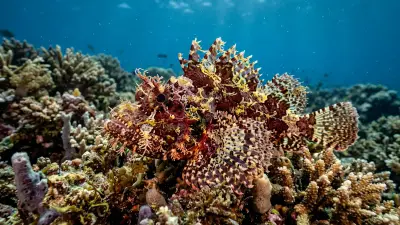
Rhinopias
occasional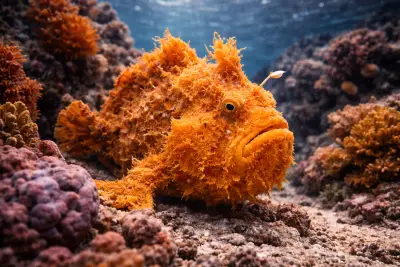
Frogfish
common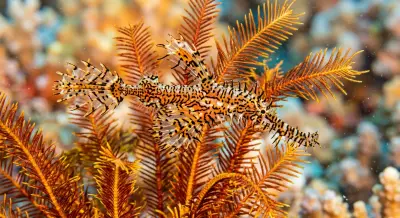
Ghost pipefish
occasional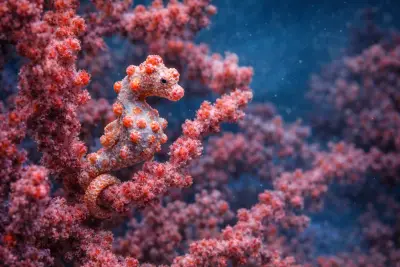
Pygmy seahorse
occasional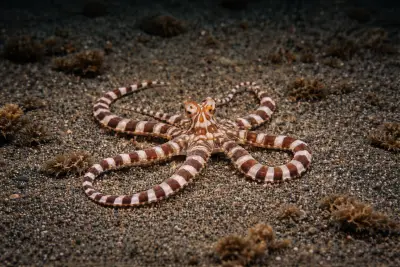
Mimic octopus
occasional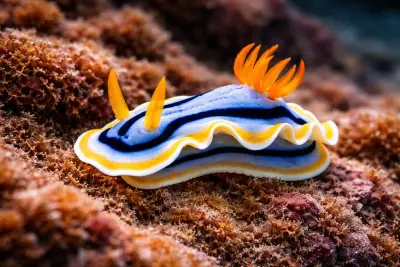
Nudibranchs
common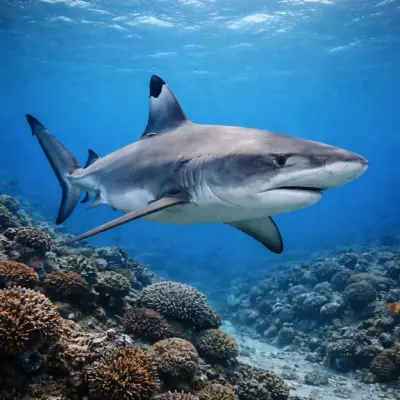
Reef sharks
occasional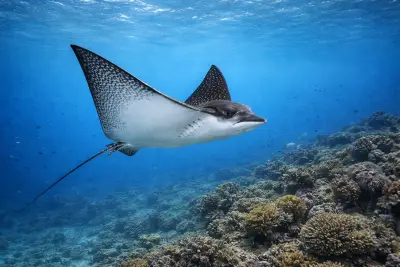
Eagle rays
occasional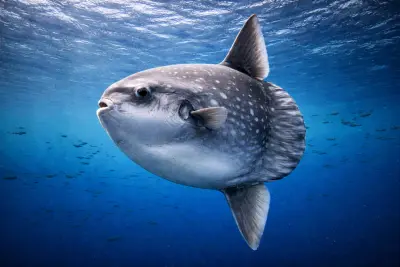
Mola mola
rare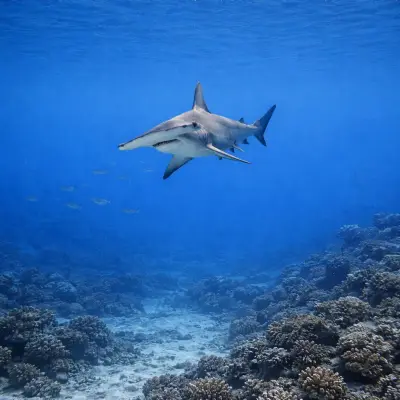
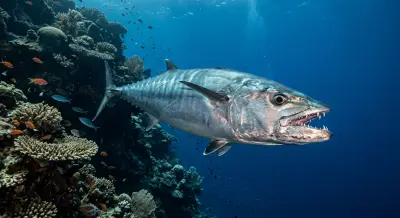
Tuna
occasional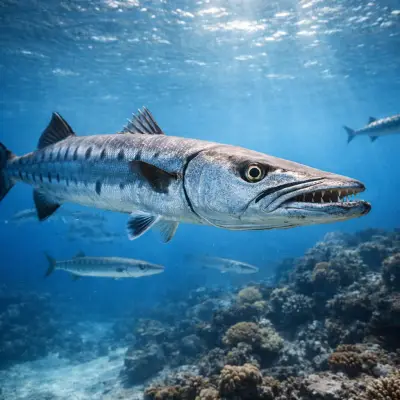
Barracuda
occasionalDive profile & how the dive runs
Diving in the Pantar Strait typically begins with a tender transfer to the dive site, followed by a back-roll or negative entry, especially on current-swept reefs. The dive profile often involves drifting along vibrant walls or sloping reefs, allowing divers to observe the rich marine life propelled by the currents. Depth progression varies significantly by site; some dives may focus on shallower coral gardens, while others explore deeper sections of walls where pelagic encounters are more common. Guides will assess currents and plan the route to maximize marine life sightings and ensure safety. Turn points are usually determined by gas consumption, no-decompression limits, or current changes. Safety stops are often performed in shallower, calmer areas away from the main current flow, sometimes sheltered behind topographical features or in the blue, depending on conditions and boat retrieval logistics.
Underwater photography
The Pantar Strait offers diverse photographic opportunities, from wide-angle vistas of vibrant coral gardens and dramatic walls to intricate macro subjects on volcanic sand slopes. For wide-angle photography, consider a fisheye or wide rectilinear lens to capture the extensive coral formations and schooling fish; natural light is often sufficient given the excellent visibility, but strobes will enhance color and contrast. When photographing pelagics, be prepared for fast-moving subjects. For macro enthusiasts, a dedicated macro lens is essential, particularly for the critter-rich muck sites in Kalabahi Bay or Beang Abang. Focus on patient buoyancy control to avoid disturbing the fragile bottom and to get stable shots of camouflaged subjects like Rhinopias, frogfish, and ghost pipefish. A snoot can be effective for isolating macro subjects against darker backgrounds. Respect marine life by avoiding contact and maintaining a safe distance.
Combine with nearby dive sites
- Mandarin House
Mandarin House is a vibrant dive site in Alor, renowned for its rich macro life and dynamic topography.
- Clown Valley
Known for dense anemone fields and vivid colors
- Night Snapper
Alor's underwater topography is a diver's dream, featuring a dynamic blend of deep walls, vibrant coral gardens, and intriguing muck sites…
- Pura Island Drop-off
Features red volcanic sand and anemone fields
- The Cathedral
Offers impressive wall diving
- Kal's Dream
Often associated with muck and macro diving
Getting there & logistics
Access to Alor and the Pantar Strait primarily involves flying into Kalabahi (ARD) airport, often via domestic connections from larger Indonesian hubs like Jakarta (CGK) or Bali (DPS) to Maumere (MOF) or Kupang (KOE), followed by another short flight or ferry. Most divers explore the Pantar Strait region via liveaboard, which typically embark from Kalabahi and offer itineraries ranging from 7 to 13 days. Liveaboards provide the most comprehensive way to access the over 70 dive sites spread across distant straits and isolated island beaches that day boats cannot reach. Land-based diving options exist around Kalabahi but are more limited. Park fees may apply as the Pantar Strait and surrounding Alor waters were declared a Marine Protected Area in 2015. Trip costs for liveaboards range from $280 to $600 per day.
Safety & environment
Diving in the Pantar Strait's dynamic currents requires careful attention to safety. Divers should possess appropriate certification and experience for strong current conditions. Liveaboards and reputable dive operators prioritize safety, providing detailed briefings on site-specific hazards, entry/exit procedures, and current management. Nearest recompression chambers are located in Bali (Denpasar) or Makassar, necessitating potentially long and complex evacuation procedures in case of a serious dive emergency. Therefore, comprehensive dive insurance covering medical emergencies, evacuation, and recompression treatment is absolutely mandatory. Divers should always dive within their limits, closely follow guide instructions, and maintain excellent buoyancy control to protect the pristine reefs. Staying hydrated and well-rested is also crucial given the potential for multiple dives daily.
Who it suits — and who it doesn't
Suited for
- Experienced divers comfortable with strong currents
- Underwater photographers seeking diverse subjects (macro & wide-angle)
- Marine life enthusiasts looking for rare critters and pelagic encounters
- Adventure travelers seeking remote and untouched destinations
- Divers preferring liveaboard experiences
Less suited for
- Beginner divers or those without current experience
- Divers uncomfortable with potential thermoclines
- Travelers seeking heavily developed tourist infrastructure
- Those prone to seasickness on longer boat journeys
- Divers who prefer strictly shallow and calm sites
FAQ
Pantar Strait FAQ
What makes diving in the Pantar Strait unique?
Diving in the Pantar Strait is unique due to its location at the confluence of the Indian and Pacific Oceans, creating immense tidal exchanges and nutrient-rich waters. This leads to an extraordinary diversity of marine life, from rare macro critters on volcanic sand to large pelagic species in strong currents. The area also boasts pristine coral reefs and dramatic underwater topography largely untouched by mass tourism.
Are there strong currents in the Pantar Strait?
Yes, strong currents are a prominent feature of diving in the Pantar Strait. These currents are responsible for the rich biodiversity but require divers to have experience with drift diving and appropriate current management techniques. Dive operators carefully plan dives according to tides to ensure optimal and safe conditions, often utilizing negative entries for specific sites.
What kind of marine life can I expect to see?
The Pantar Strait offers a remarkable range of marine life. Macro enthusiasts can spot Rhinopias, frogfish, ghost pipefish, pygmy seahorses, and mimic octopuses on volcanic sand slopes. For pelagic encounters, divers might see reef sharks, eagle rays, barracuda, tuna, and occasionally even mola mola or hammerhead sharks, especially in current-swept areas.
What is the best time of year to dive the Pantar Strait?
The best time to dive the Pantar Strait is generally during the dry season, from April to November. These months offer the most stable weather conditions, calm seas, and excellent underwater visibility, often reaching 20-40 meters. While diving is possible outside this period, visibility might decrease due to increased rainfall.
Do I need special equipment for diving here?
While standard dive gear is sufficient, divers might benefit from certain specialized equipment. A dive computer is essential for managing dive times and no-decompression limits. Given the variable currents, a surface marker buoy (SMB) is highly recommended for safety. A 3mm wetsuit is generally adequate, but be prepared for occasional colder thermoclines, especially after cold water upwellings.
Why dive Pantar Strait from a liveaboard?
Pantar Strait is one of Alor's signature dive sites. A liveaboard sleeps you on the water and puts you in the water for three to four guided dives per day, including dawn and night dives that day-boat operators rarely offer. You skip the daily commute back to port and reach quieter, less-crowded sites in the same region on a single trip.
Below are the liveaboards that include Pantar Strait on their Alor itineraries.
Liveaboards diving Pantar Strait
These liveaboards may visit Pantar Strait on selected itineraries — the exact dive sites depend on departure, weather and conditions.
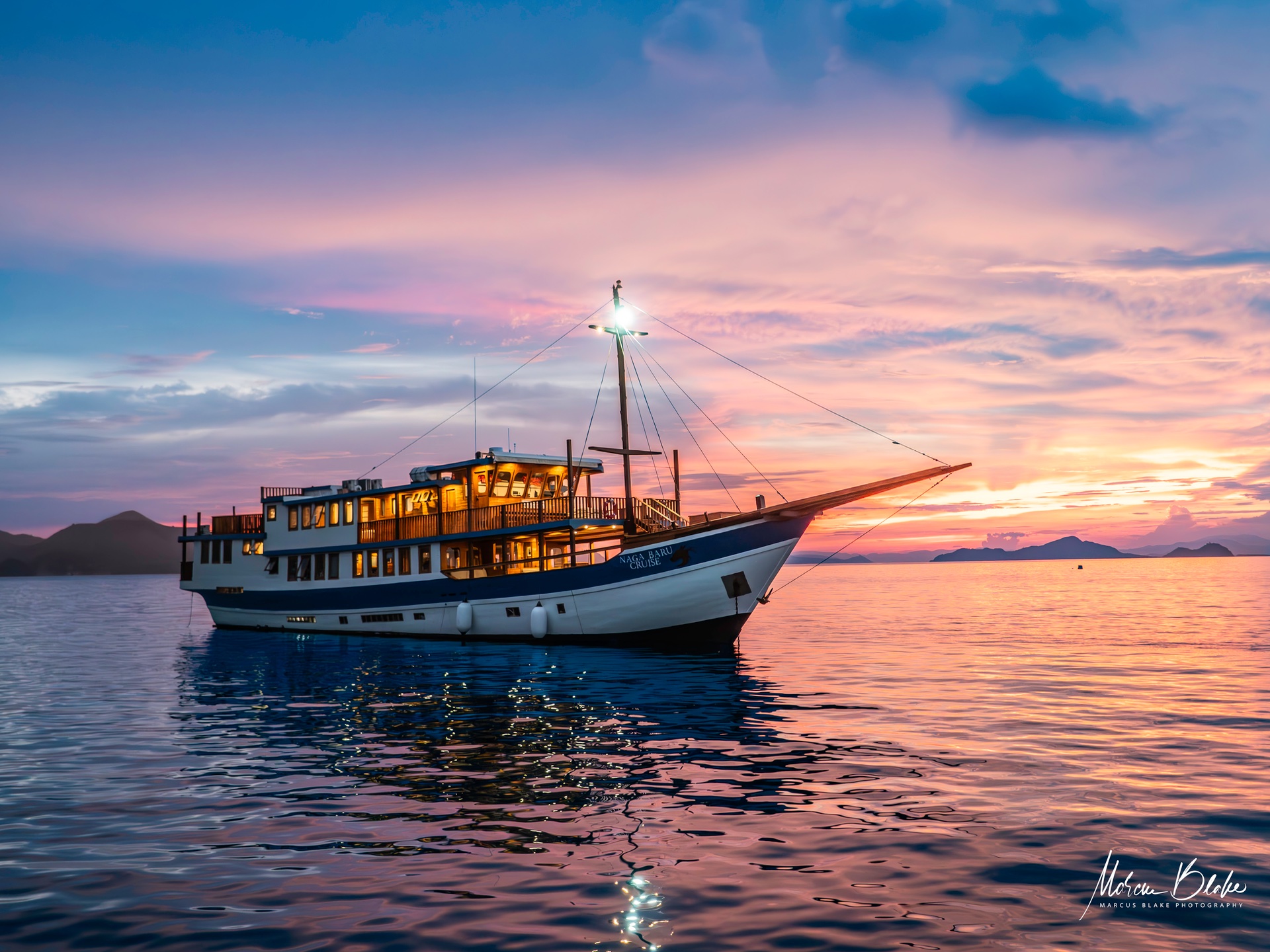
Naga Biru
Indonesia
12 guests40 m
$274/day
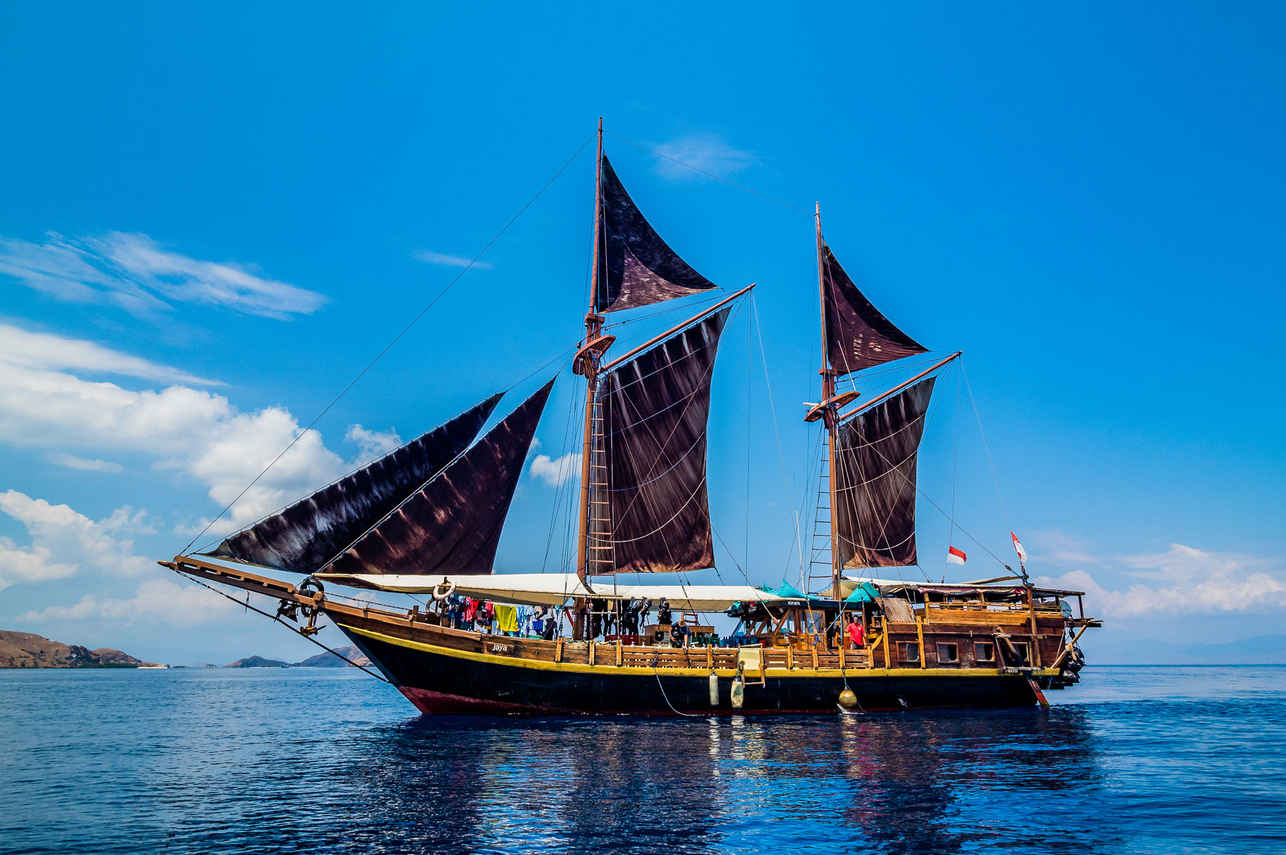
Jaya
Indonesia
14 guests23 m
$280/day
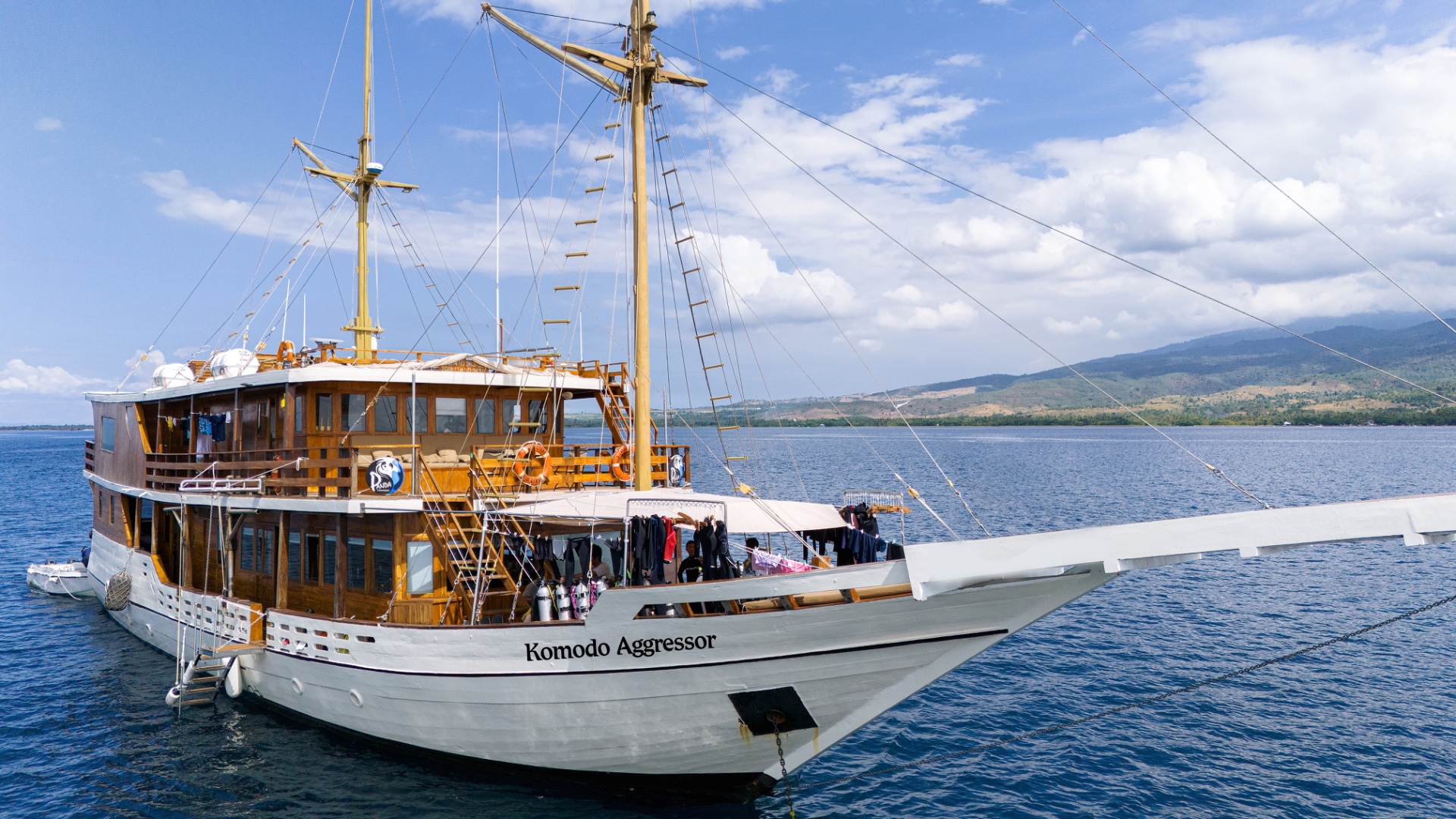
Komodo Aggressor
Komodo, Indonesia
16 guests29 m
$312/day
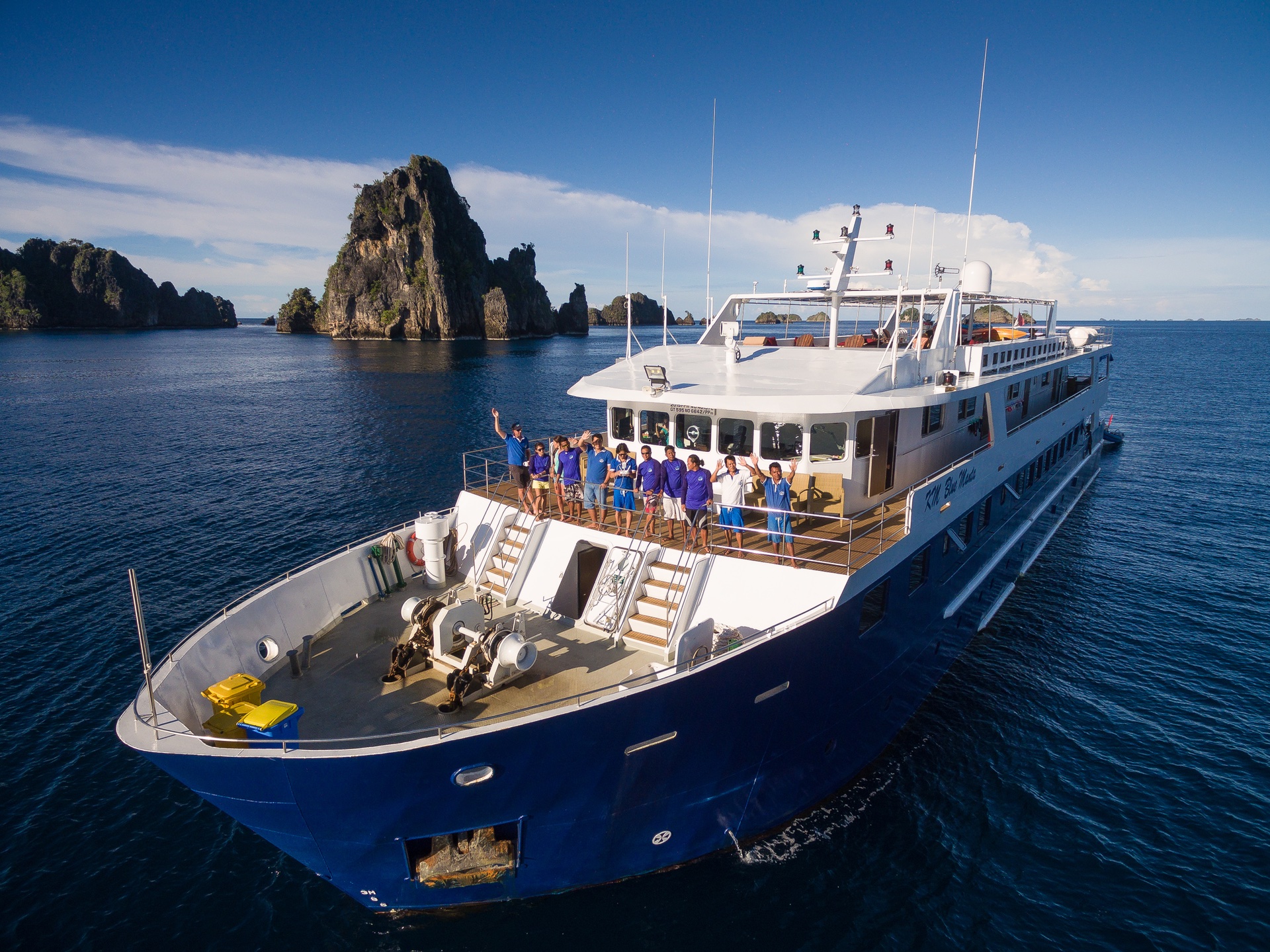
Blue Manta
Indonesia
20 guests45 m
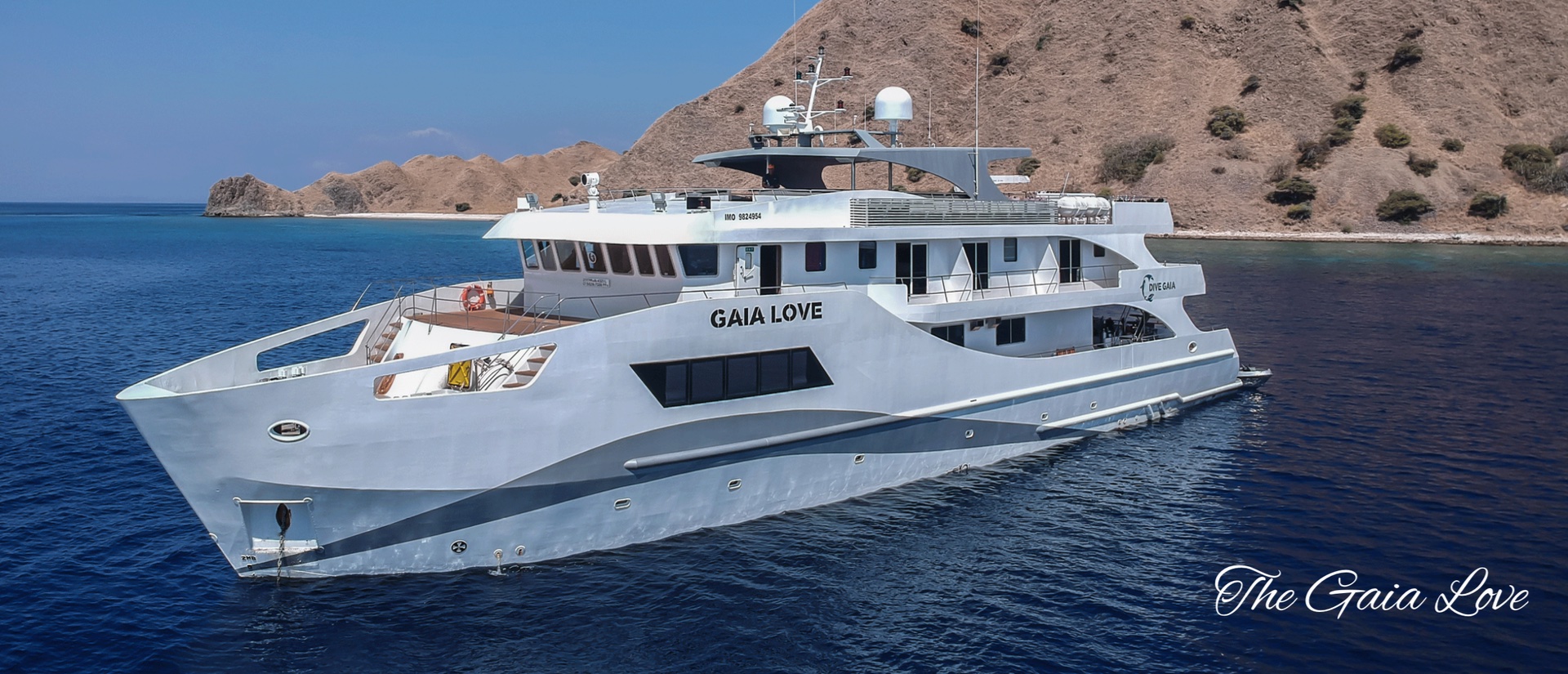
Gaia Love
Alor
20 guests
$554/day
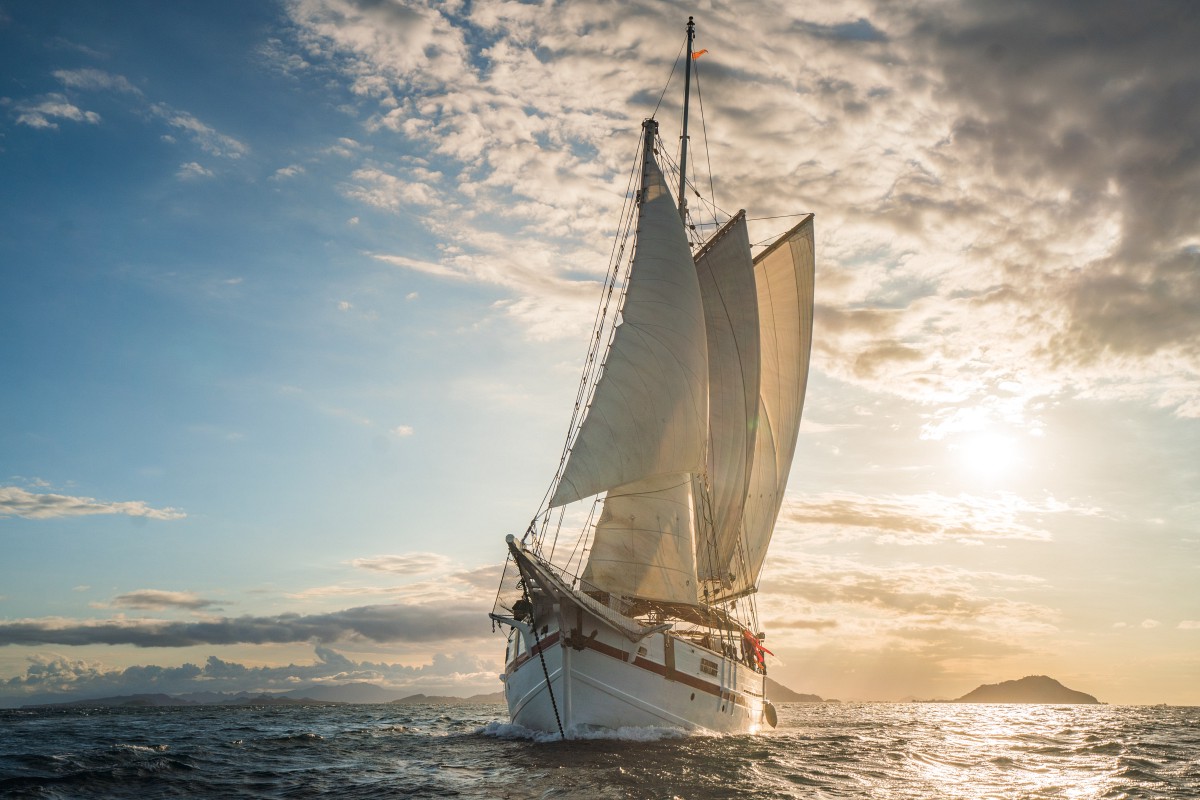
Emperor Raja Laut
Raja Ampat, Indonesia
12 guests31 m
$413/day
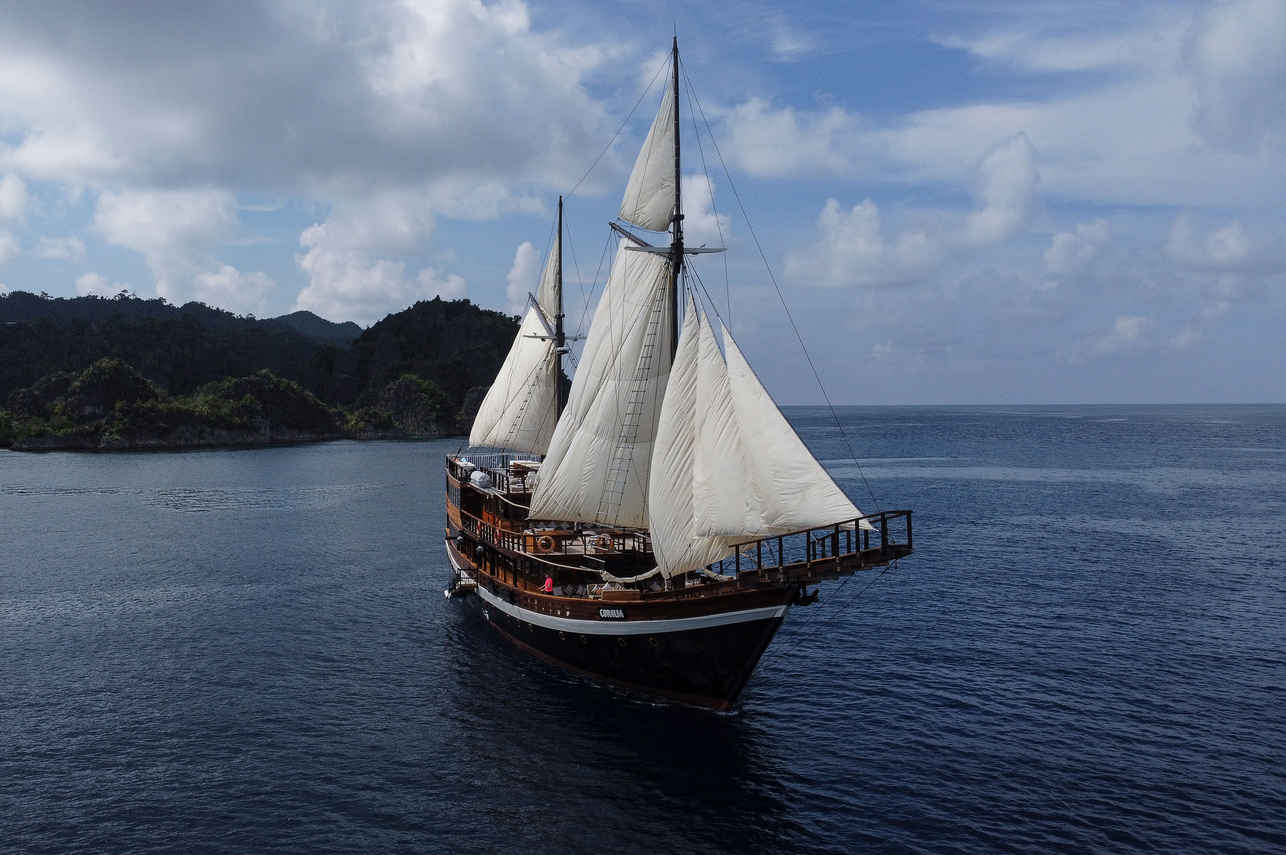
Coralia
Indonesia
16 guests48 m
$577/day
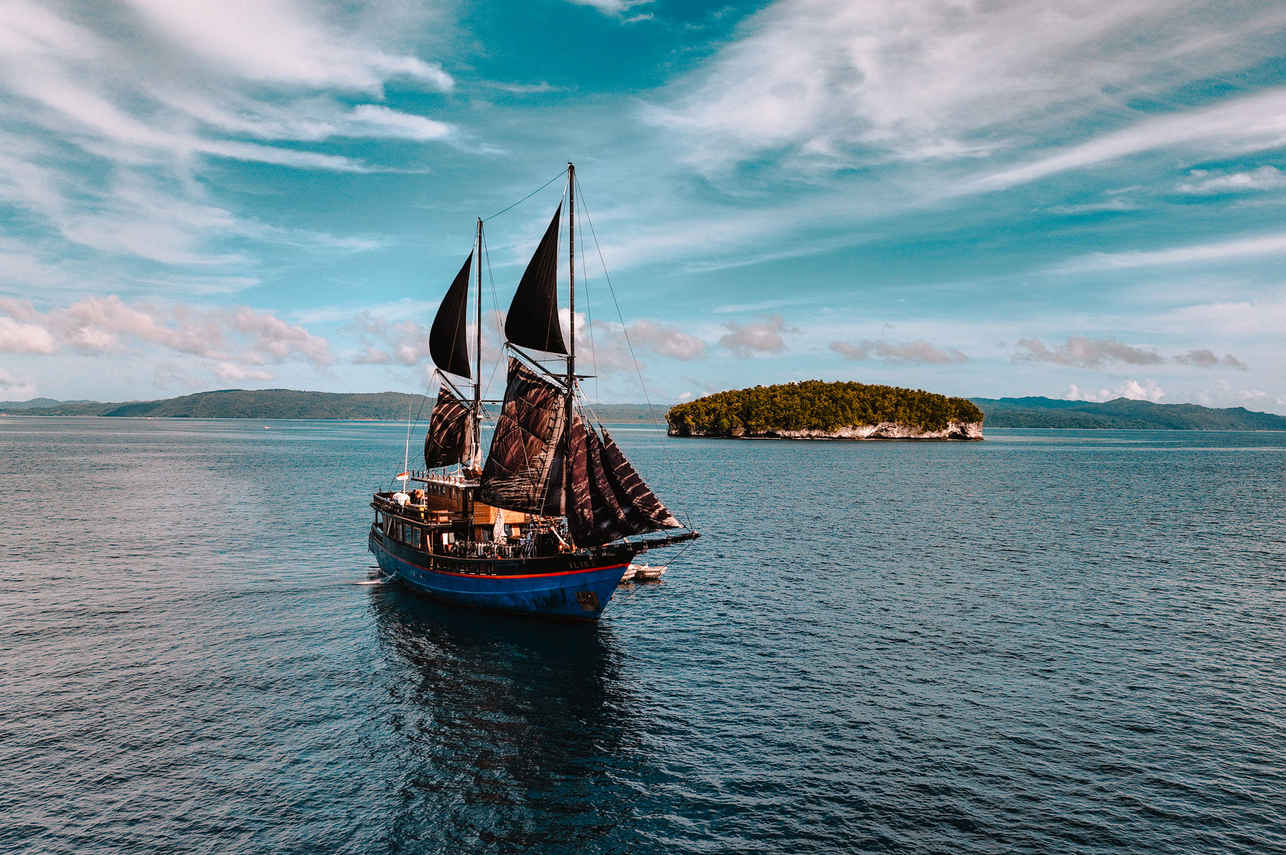
Ilike
Indonesia
16 guests40 m
$298/day
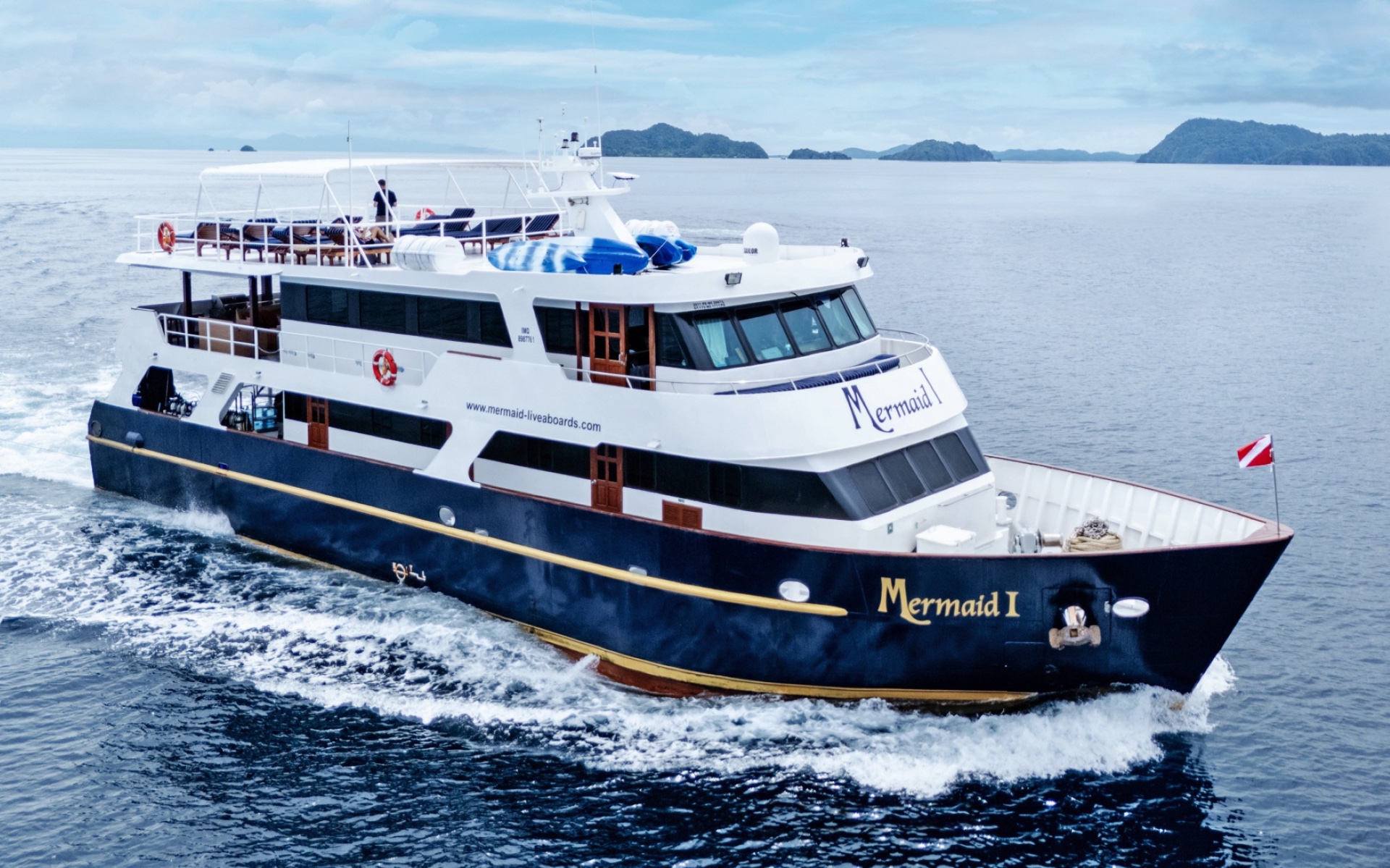
Mermaid I
Alor
15 guests28 m
$372/day
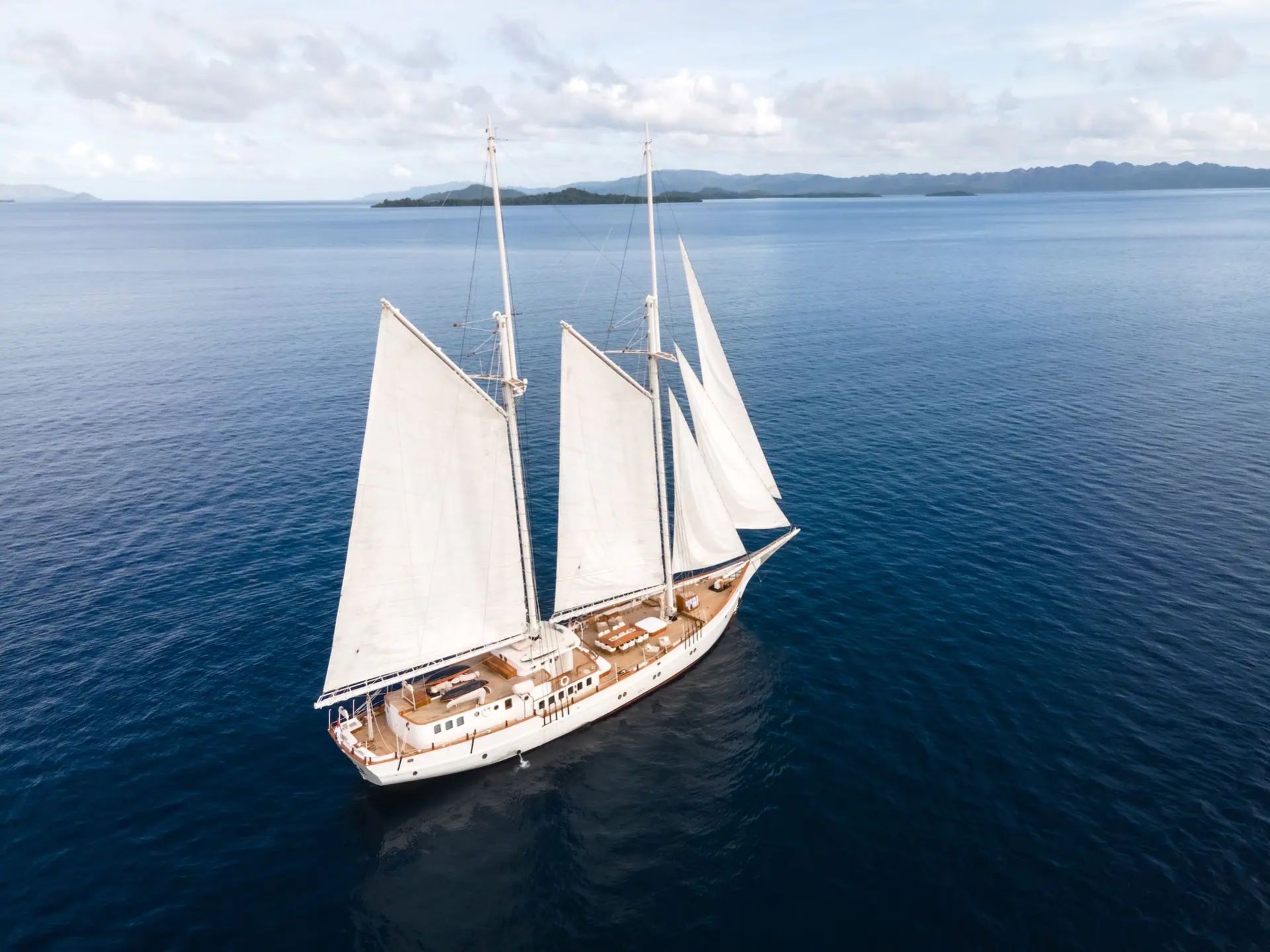
Mutiara Laut
Indonesia
14 guests46 m
$741/day
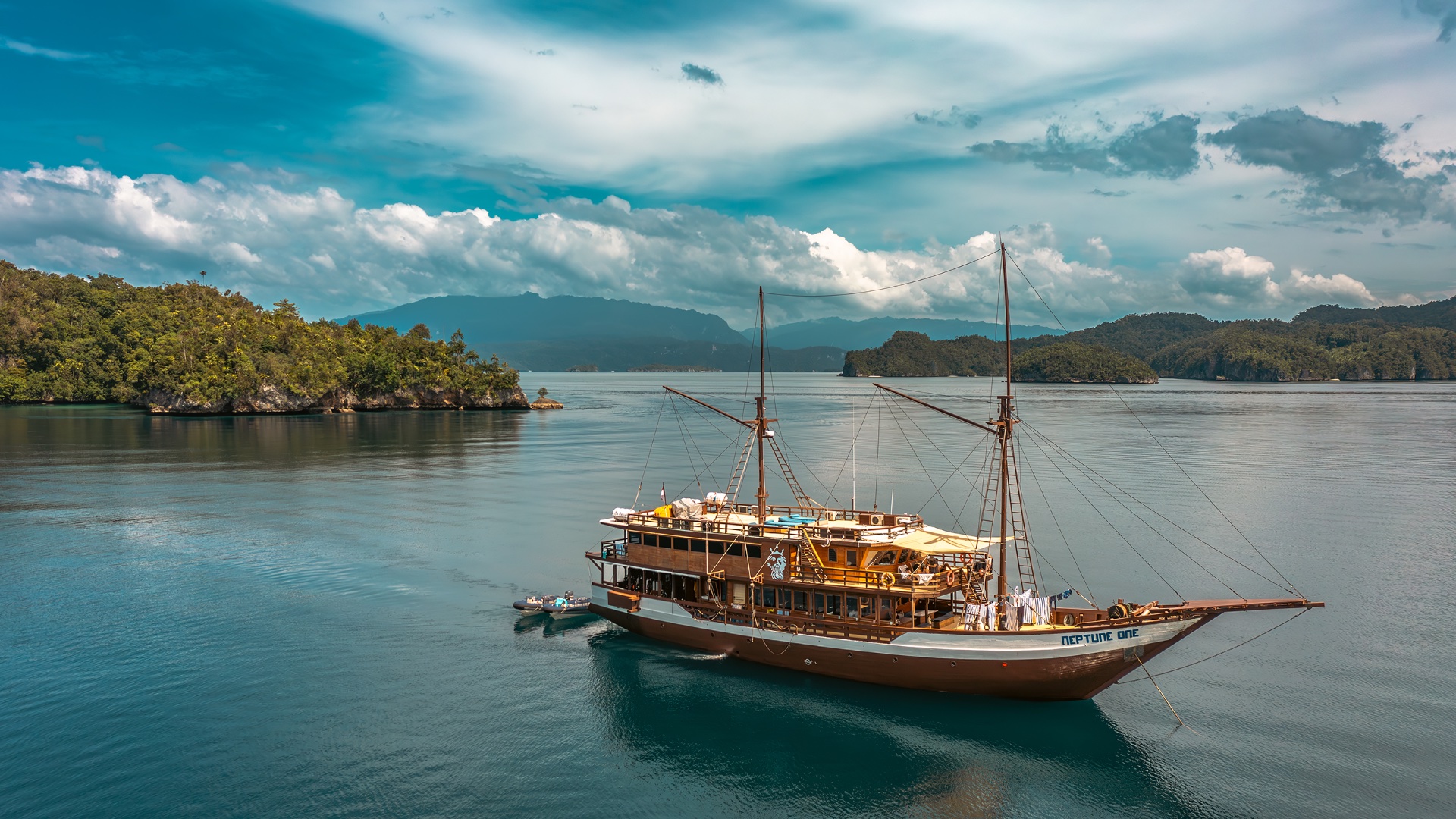
Neptune One
Indonesia
16 guests38 m
$332/day
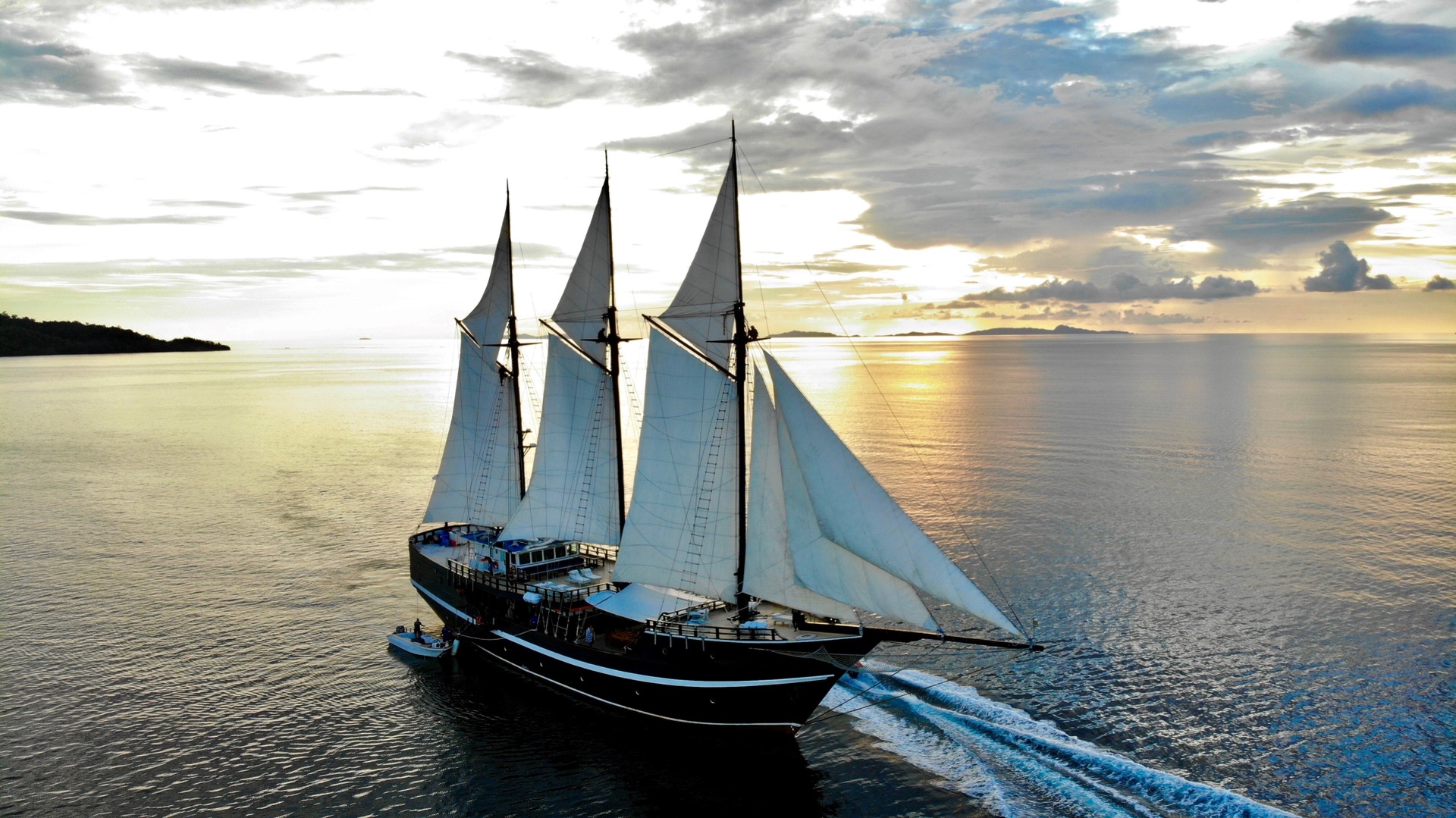
Dewi Nusantara
Indonesia
18 guests57 m
$493/day
Dive sites similar to Pantar Strait
Same character, same waters — six more sites divers love for the exact same reasons.Compare seasons, access and liveaboard routes — then pick the site that fits your trip best.
Halerman is a prominent dive site located in the southern part of Alor, known for its distinct underwater landscape and varied marine life.
- Suitable for
- Advanced
- Current
- Strong
- Access
- Liveaboard or dayboat
- Depth
- —
- Theme
- Wall / Drift
© Esri — Maxar, Earthstar, GIS
Sharks Galore
Alor
Sharks Galore, an iconic drift-dive in Alor, offers thrilling encounters with diverse marine life.
- Suitable for
- Advanced
- Current
- Ripping
- Access
- Liveaboard or dayboat
- Depth
- 15–40 m
- Theme
- Channel / Drift
© Esri — Maxar, Earthstar, GIS
Yellow Corner
Alor
Yellow Corner, also known as Current Alley, is a challenging dive site specifically suited for advanced divers due to its strong and potentially ripping currents.
- Suitable for
- Advanced
- Current
- Strong
- Access
- Liveaboard only
- Depth
- 18–40 m
- Theme
- Drift
© Esri — Maxar, Earthstar, GIS
Goa Wolang
Alor
Goa Wolang, also known as Wolang Cave, is a distinctive dive site located in South Alor, renowned for its intriguing topography and diverse marine life.
- Suitable for
- Advanced
- Current
- Strong
- Access
- Dayboat
- Depth
- 5–30 m
- Theme
- Cavern / Wall
Munaseli is a prominent dive site situated off the northern coast of Pantar Island in the Alor archipelago, an area celebrated for its rich marine biodiversity within the Coral Triangle.
- Suitable for
- Advanced
- Current
- Strong
- Access
- Liveaboard or dayboat
- Depth
- ≤ 40 m
- Theme
- Wall / Drift
© Esri — Maxar, Earthstar, GIS
Ipet Drop-off
Alor
Situated off Adonara Island, Ipet Drop-off is a renowned dive site in the Alor region, celebrated for its vibrant and densely populated reef.
- Suitable for
- Advanced
- Current
- Strong
- Access
- Liveaboard only
- Depth
- —
- Theme
- Reef / Wall