About MUSA Underwater Museum
The MUSA Underwater Museum (Museo Subacuático de Arte) is an extraordinary subaquatic art installation located between Cancún and Isla Mujeres. Conceived in 2009 as a conservation project, its primary goal is to divert divers and snorkelers from overstressed natural coral reefs, allowing them to recover. Over 500 life-sized sculptures, primarily crafted by artist Jason deCaires Taylor from pH-neutral marine cement, populate the seafloor, actively encouraging coral growth and providing habitat for diverse marine life. This innovative blend of art and environmental science makes MUSA a significant site for marine conservation. The museum spans three main sites: Manchones Reef, suitable for divers at depths of 8–10 meters (26–33 ft); Punta Nizuc, a shallower section ideal for snorkelers at 2–4 meters (6–13 ft); and Punta Sam (El Meco Reef). The sculptures depict various local scenes, occupations, and even include a full-sized Volkswagen Beetle, designed with a hollow interior to serve as a lobster habitat. Over time, these statues have become encrusted with coral, algae, and sponges, transforming them into living, evolving artificial reefs. Divers at MUSA can expect calm, shallow conditions, making it an excellent site for beginners, photographers, and those seeking a relaxed exploration. The clear, warm Caribbean waters offer superb visibility, allowing for extended bottom times and ample light to appreciate the intricate details of the sculptures and the marine life they attract. From vibrant corals colonizing the statues to angelfish, stingrays, and various crustaceans, the museum offers a unique and engaging dive experience. Typically, MUSA is paired with nearby Manchones Reef for a two-tank dive trip. This combination provides a well-rounded experience, showcasing both the innovative artificial reef and the healthy natural coral gardens of the region. The site's easy accessibility and gentle conditions make it a popular choice for divers of all experience level
Highlights
Over 500 submerged sculpturesArtificial reef for coral growthUnique art and conservation blendShallow, calm dive conditionsThe Silent Evolution collectionVolkswagen Beetle sculptureEasy accessibility from Cancún/Isla MujeresExcellent for underwater photography
Season calendar
Best months to dive here
Jan
Feb
Mar
Apr
May
Jun
Jul
Aug
Sep
Oct
Nov
Dec
Excellent
Good
Dive site facts: MUSA Underwater Museum
- Depth
- 8–10 m (26–33 ft)
- Typical dive
- 8–10 m, 45–60 min
- Current
- Mild
- Visibility
- 15–30 m (50–100 ft)
- Water temperature
- 26–29 °C (79–84 °F)
- Entry
- Boat
- Level
- Beginner / Open Water
- Dive type
- Artificial reef, sculpture garden, photography
- Night dive
- Not specified
- Region / port
- Isla Mujeres / Cancún, Mexico
- Coordinates
- 21.205, -86.775
Conditions & Currents
MUSA is renowned for its generally calm and mild currents, making it an ideal location for divers of all experience levels, including beginners. The shallow depths and sheltered location contribute to stable conditions. Visibility is consistently excellent, often ranging from 15 to 30 meters, with minimal impact from local tides or weather. Divers can anticipate easy entries and exits, often directly from the boat into tranquil waters. These gentle conditions ensure comfortable diving, allowing ample time to explore the sculptures without significant physical exertion or complex gas planning.
Marine life & sighting chances

Coral (Elkhorn)
commonCoral (Brain)
common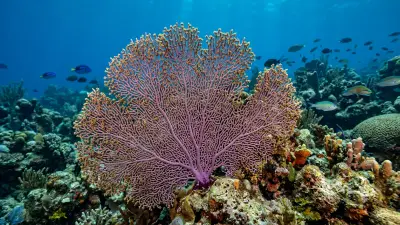
Sea fans
common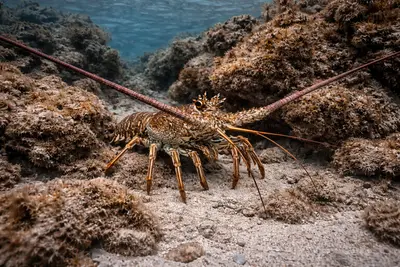
Lobsters
occasional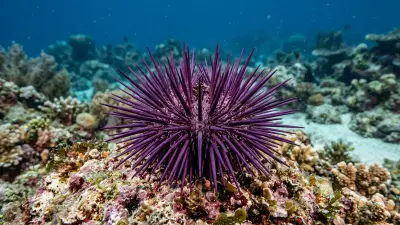
Urchins
occasionalCrustaceans
occasional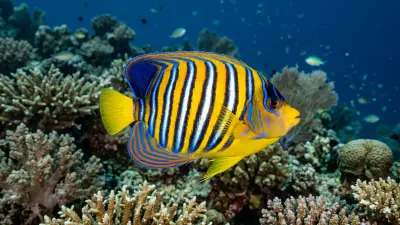
Angelfish
common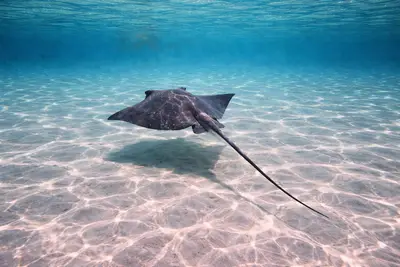
Stingrays
occasional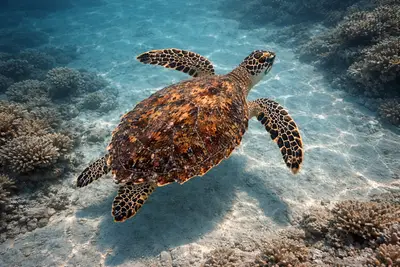
Hawksbill turtle
occasional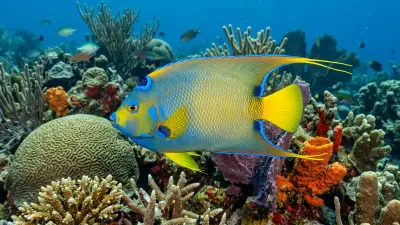
Queen angelfish
occasional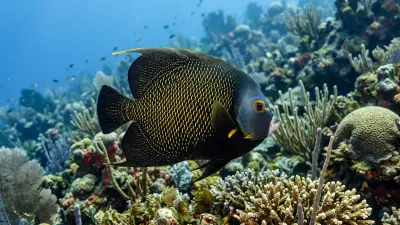
French angelfish
occasional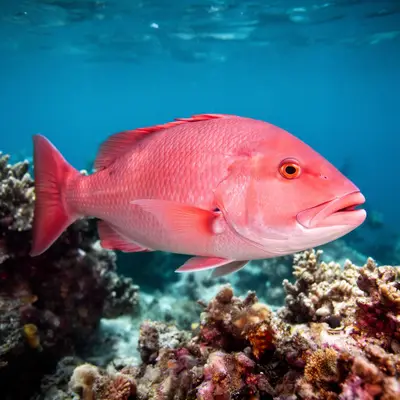
Schoolmaster snapper
occasional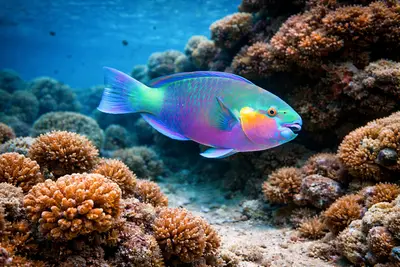
Midnight parrotfish
occasionalDive profile & how the dive runs
Dives at MUSA typically begin with a surface entry from the boat, descending directly to the shallow seabed at approximately 8–10 meters. The dive profile involves exploring the various sculpture galleries, such as "The Silent Evolution" with its hundreds of figures and the iconic Volkswagen Beetle. Divers navigate through and around the art installations, observing the coral growth and marine life that have colonized the statues. Many routes incorporate buoyancy practice through features like the "Seascape Rings" and discovering small "Urban Reef Houses." The dive progresses at a relaxed pace, allowing ample time for photography and detailed observation. The return to the surface often includes a leisurely ascent and a safety stop above the sculptures, before returning to the boat.
Underwater photography
MUSA offers exceptional opportunities for underwater photography due to its shallow depths, clear visibility, and unique subjects. A wide-angle lens is ideal to capture the grandeur of the sculpture collections, especially "The Silent Evolution," and to encompass the overall artistic landscape. Natural light is abundant, but strobes can enhance colors and bring out details on the statues and the corals growing on them. Exercise precise buoyancy control to avoid contact with the delicate sculptures and emerging coral, ensuring the preservation of this living art. Pay attention to composition, using the human-like figures and the play of light to create striking and surreal images.
Combine with nearby dive sites
- Manchones Reef
Often paired with MUSA for a two-tank dive, featuring coral gardens and abundant reef fish.
- C-58 Wreck (USS Harlequin / ARM DM-20)
A deeper wreck dive attracting larger marine life, suitable for advanced divers.
- Punta Nizuc
A shallower section of MUSA, primarily for snorkeling and glass-bottom boat tours.
- Cenote Angelita
A unique cenote experience known for its hydrogen sulfide layer, offering a distinct freshwater dive.
Getting there & logistics
Access to MUSA is typically from Cancún or Isla Mujeres. Cancún International Airport (CUN) serves as the main international gateway. Divers usually take a short ferry (approximately 20 minutes) from Puerto Juárez in Cancún to Isla Mujeres. Dive tours to MUSA are half-day excursions, often combining the museum with a nearby natural reef like Manchones for a two-tank dive. These trips commonly cost between $100-$160 USD for certified divers, excluding rental gear. Booking through reputable operators is crucial to ensure adherence to conservation rules and responsible diving practices within the marine park.
Safety & environment
Safety at MUSA is generally high due to its shallow depths and calm conditions. Divers should always carry valid dive insurance that covers emergency medical treatment and evacuation. The nearest recompression chamber is located in Cancún. Given the site's protected status within the Cancún–Isla Mujeres Marine Park, divers must adhere strictly to park rules, including maintaining excellent buoyancy to avoid damaging sculptures or delicate coral growth. Never touch or stand on any part of the artificial reef. Always dive with a reputable guide who can ensure adherence to safety protocols and environmental guidelines. Emergency evacuation would typically involve transport back to Cancún by boat.
Who it suits — and who it doesn't
Suited for
- Beginner divers seeking easy conditions
- Underwater photographers looking for unique subjects
- Divers interested in marine conservation projects
- Snorkelers and glass-bottom boat tours (Punta Nizuc)
- Families with mixed experience levels
Less suited for
- Advanced divers seeking strong currents or deep technical dives
- Divers expecting pristine natural reefs exclusively
- Those uninterested in art or artificial reef concepts
- Divers looking for large pelagic encounters (seasonal for other sites)
- Divers who do not maintain good buoyancy control
FAQ
MUSA Underwater Museum FAQ
What is the MUSA Underwater Museum?
MUSA, the Museo Subacuático de Arte, is an innovative underwater art museum featuring over 500 sculptures submerged between Cancún and Isla Mujeres. These sculptures are made from pH-neutral materials designed to promote coral growth, serving as an artificial reef and a marine conservation project.
What kind of marine life can I expect to see at MUSA?
While the main attraction is the art, the sculptures have become thriving habitats for marine life. You can observe various corals like elkhorn and brain coral, sea fans, lobsters, urchins, and different species of fish including angelfish and parrotfish. Stingrays and even occasional hawksbill turtles can also be spotted.
Is MUSA suitable for beginner divers?
Yes, MUSA is highly suitable for beginner divers. Its shallow depth of 8-10 meters (26-33 feet) and typically mild currents create very relaxed and accessible diving conditions. Many operators offer Discover Scuba Diving experiences here, making it an ideal first dive for those without certification.
How deep is the MUSA Underwater Museum?
The main diving section of MUSA, known as Salón Manchones, rests at a maximum depth of approximately 8 to 10 meters (26 to 33 feet). There are shallower sections, such as Punta Nizuc, which are accessible to snorkelers at depths of 2-4 meters (6-13 feet).
Can I snorkel at the MUSA Underwater Museum?
Yes, snorkeling is a popular way to experience MUSA, particularly at the shallower Punta Nizuc section. Several tours cater specifically to snorkelers, allowing them to view the captivating sculptures and the marine life from the surface. Some tours combine snorkeling with a glass-bottom boat experience.
What is the best time of year to dive MUSA?
The best time to dive MUSA is during the dry season, from December to April. During these months, visibility is at its peak, and the water is warm and calm. However, MUSA is generally diveable year-round due to its protected location and consistent conditions.
Why dive MUSA Underwater Museum from a liveaboard?
MUSA Underwater Museum is one of Mexico's signature dive sites. A liveaboard sleeps you on the water and puts you in the water for three to four guided dives per day, including dawn and night dives that day-boat operators rarely offer. You skip the daily commute back to port and reach quieter, less-crowded sites in the same region on a single trip.
Below are the liveaboards that include MUSA Underwater Museum on their Mexico itineraries.
Liveaboards diving MUSA Underwater Museum
These liveaboards may visit MUSA Underwater Museum on selected itineraries — the exact dive sites depend on departure, weather and conditions.
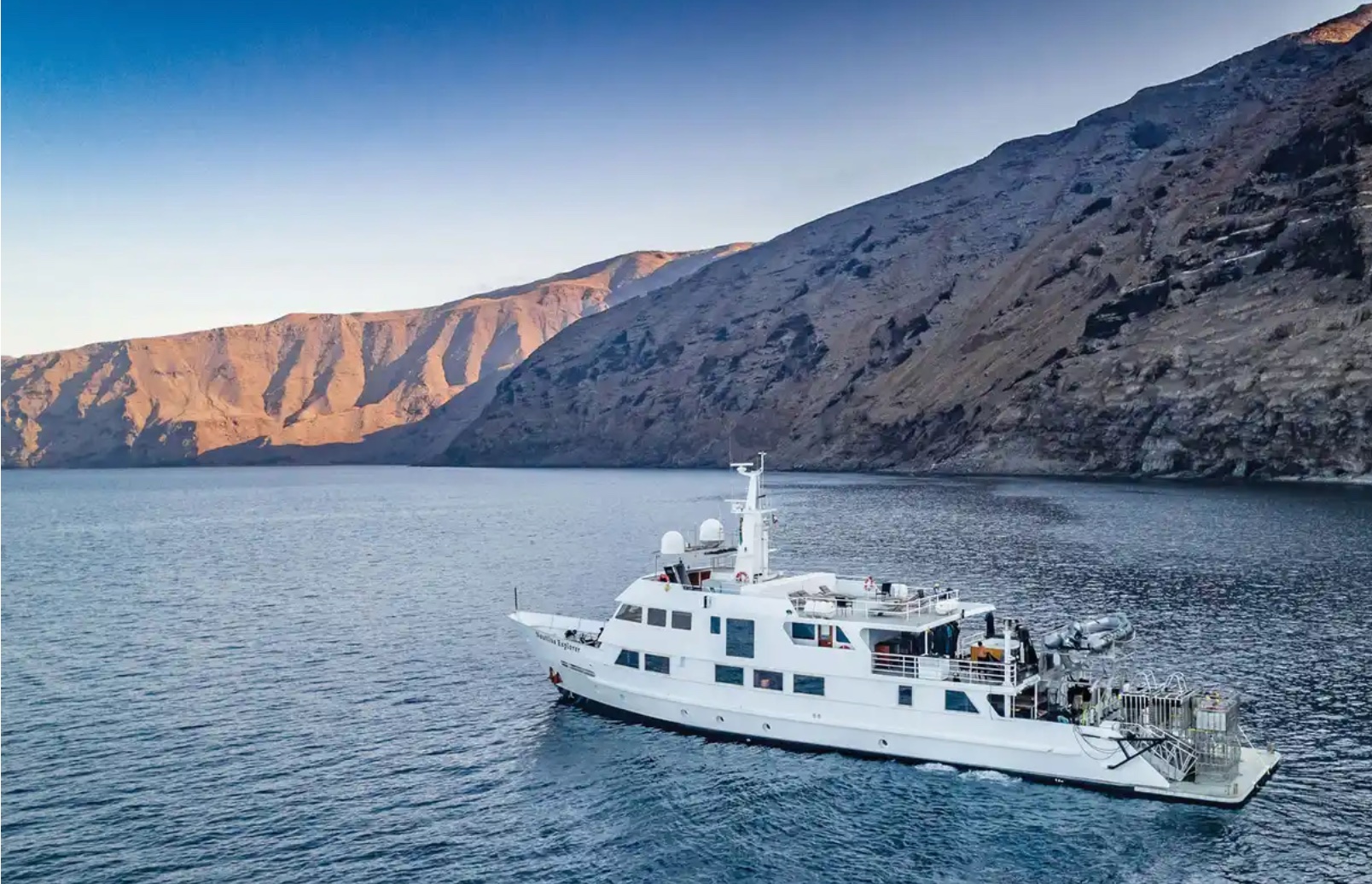
Nautilus Explorer
Mexico
25 guests44.8 m
$230/day
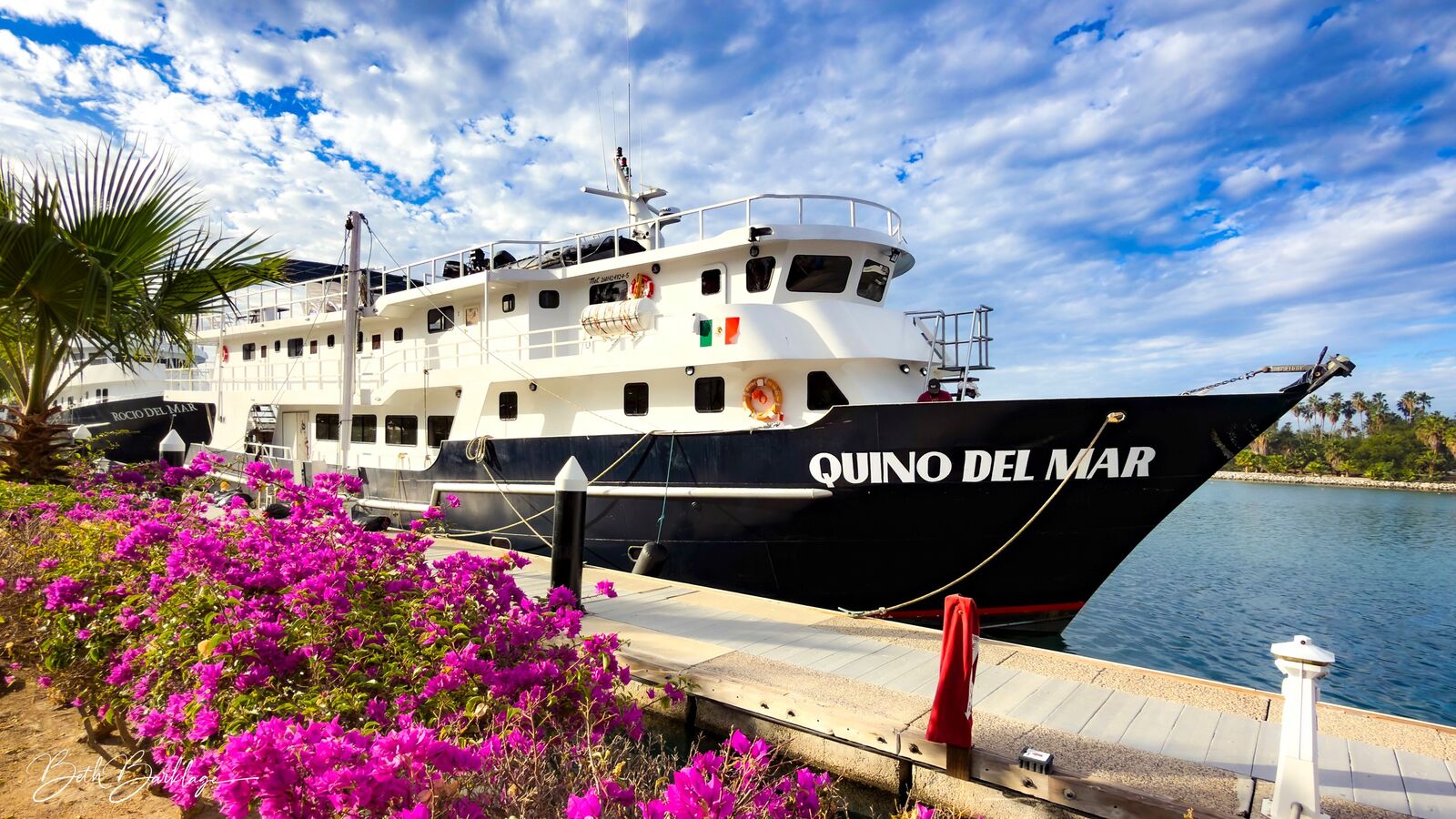
Quino del Mar
Mexico
20 guests36 m
$392/day
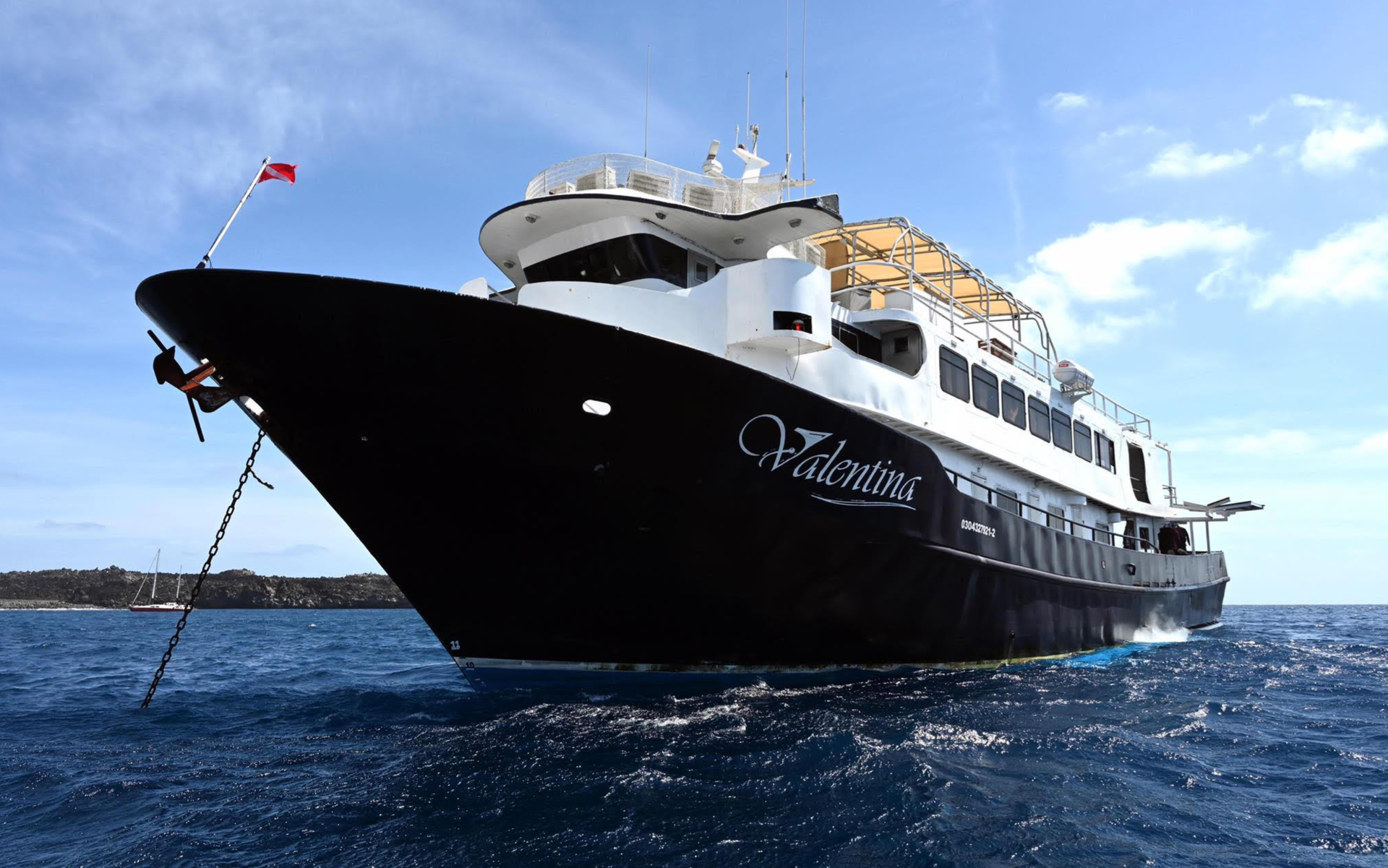
Valentina
Mexico
20 guests38.1 m
$430/day
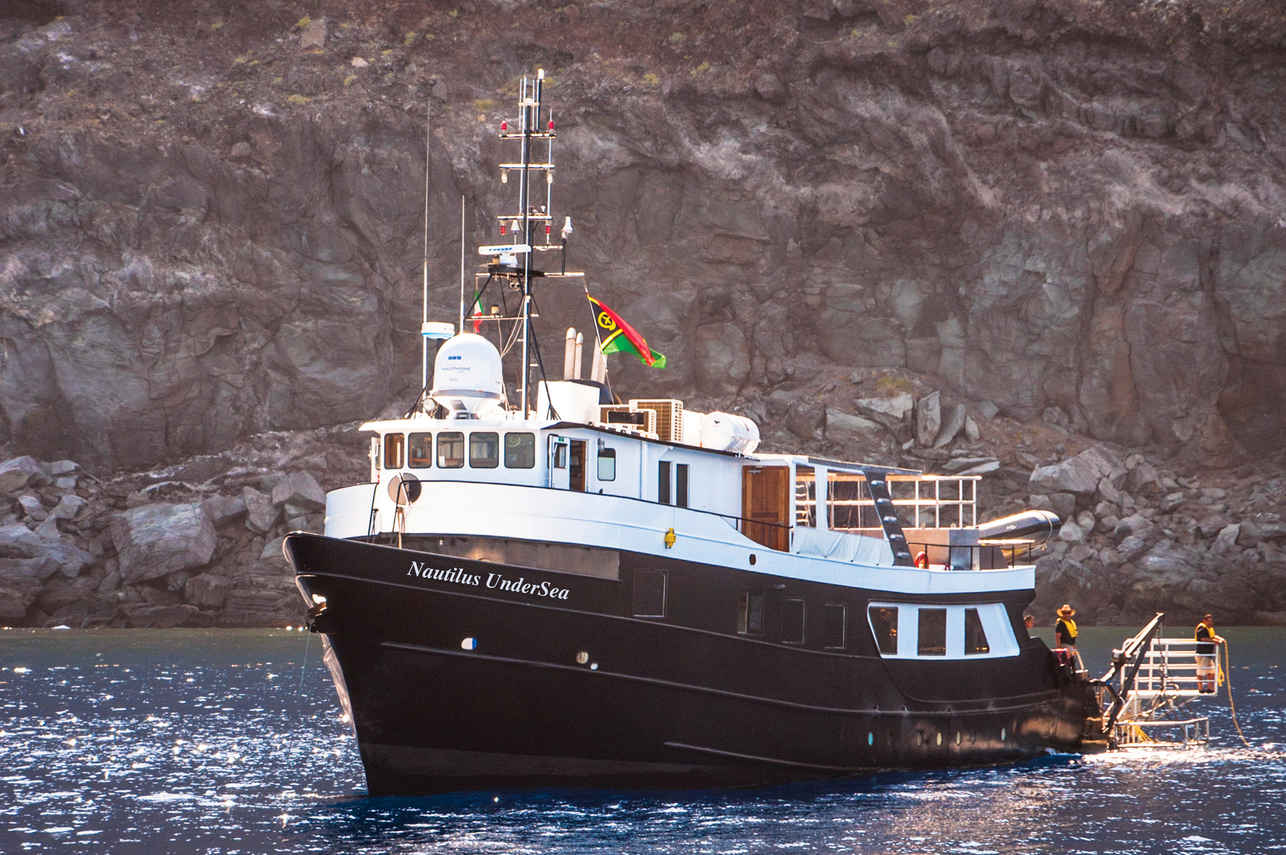
Nautilus Under Sea
Mexico
19 guests32 m
$261/day
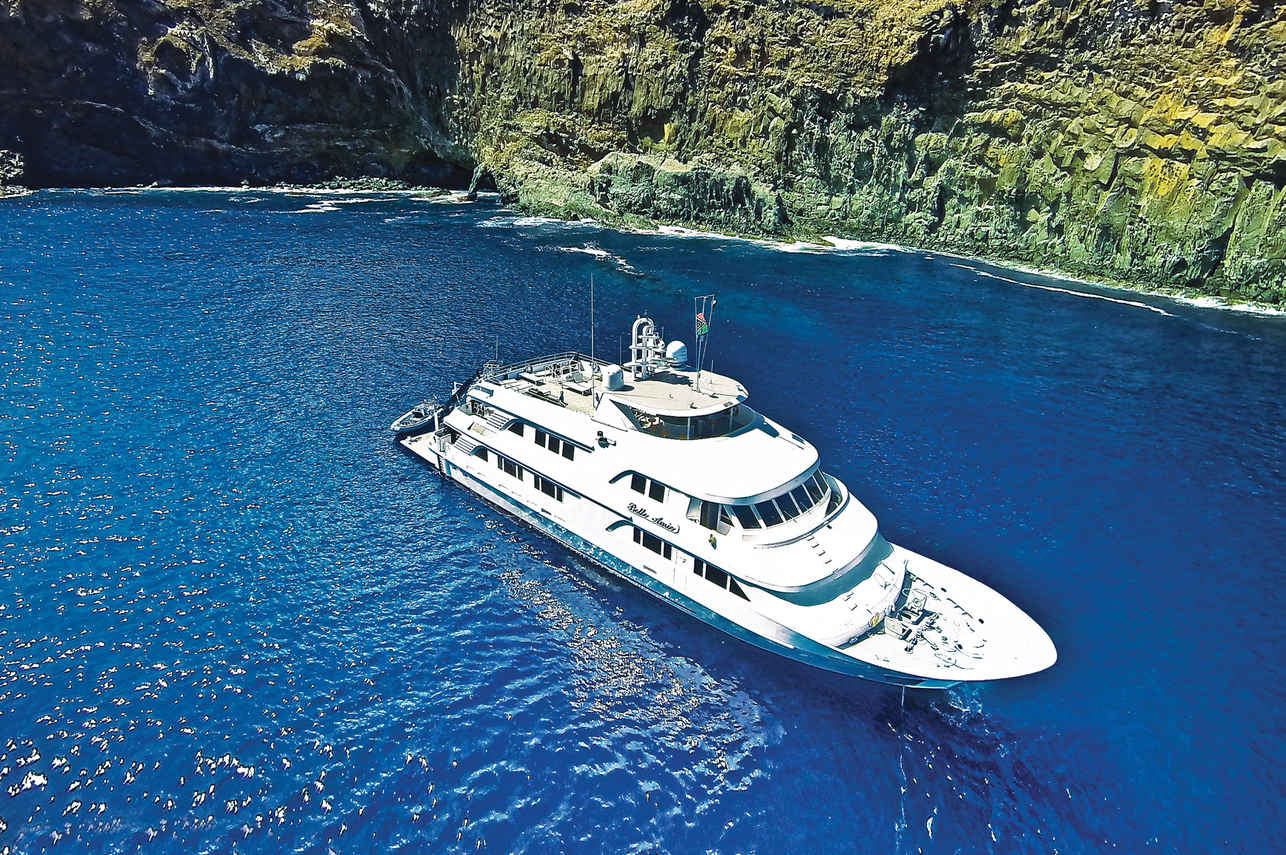
Nautilus Belle Amie
Mexico
32 guests44.8 m
$299/day
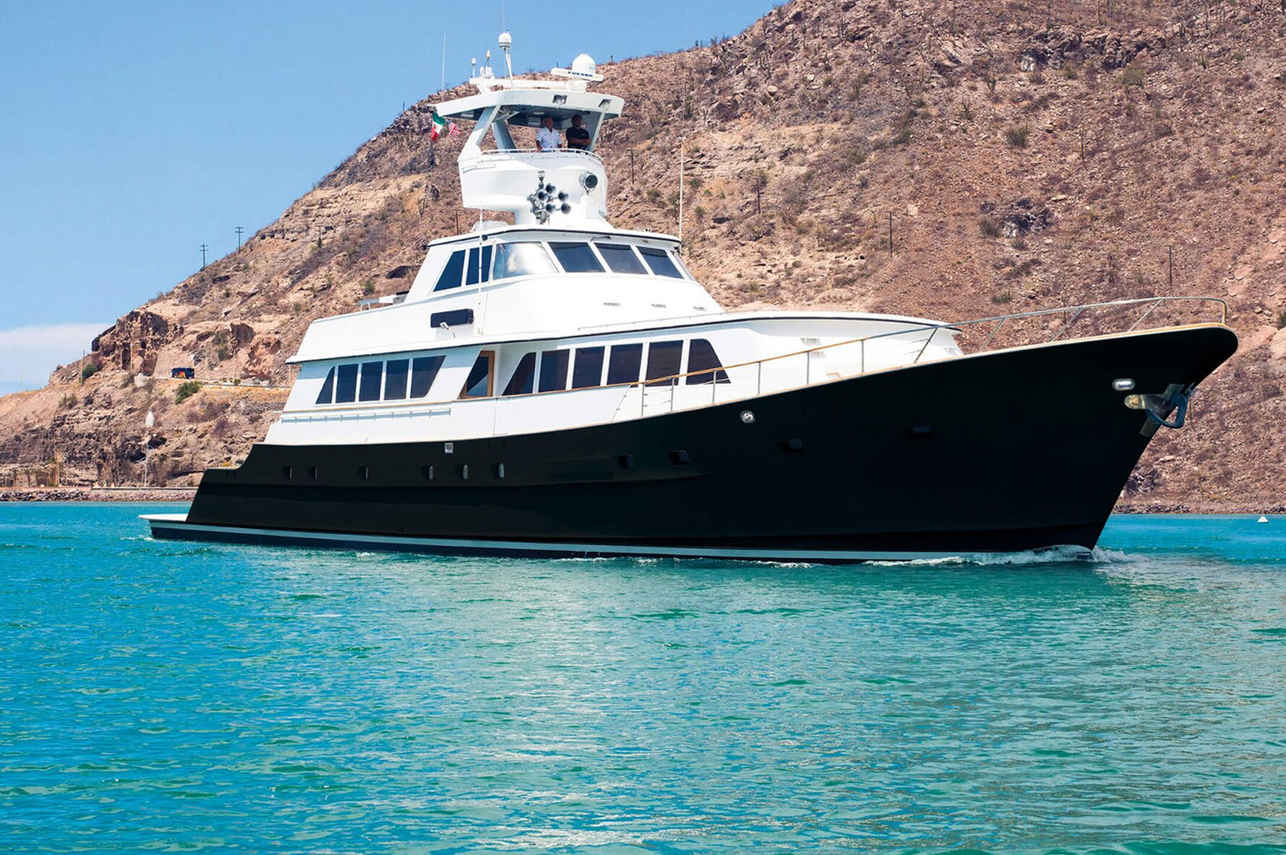
Nautilus Gallant Lady
Mexico
12 guests35.36 m
$332/day
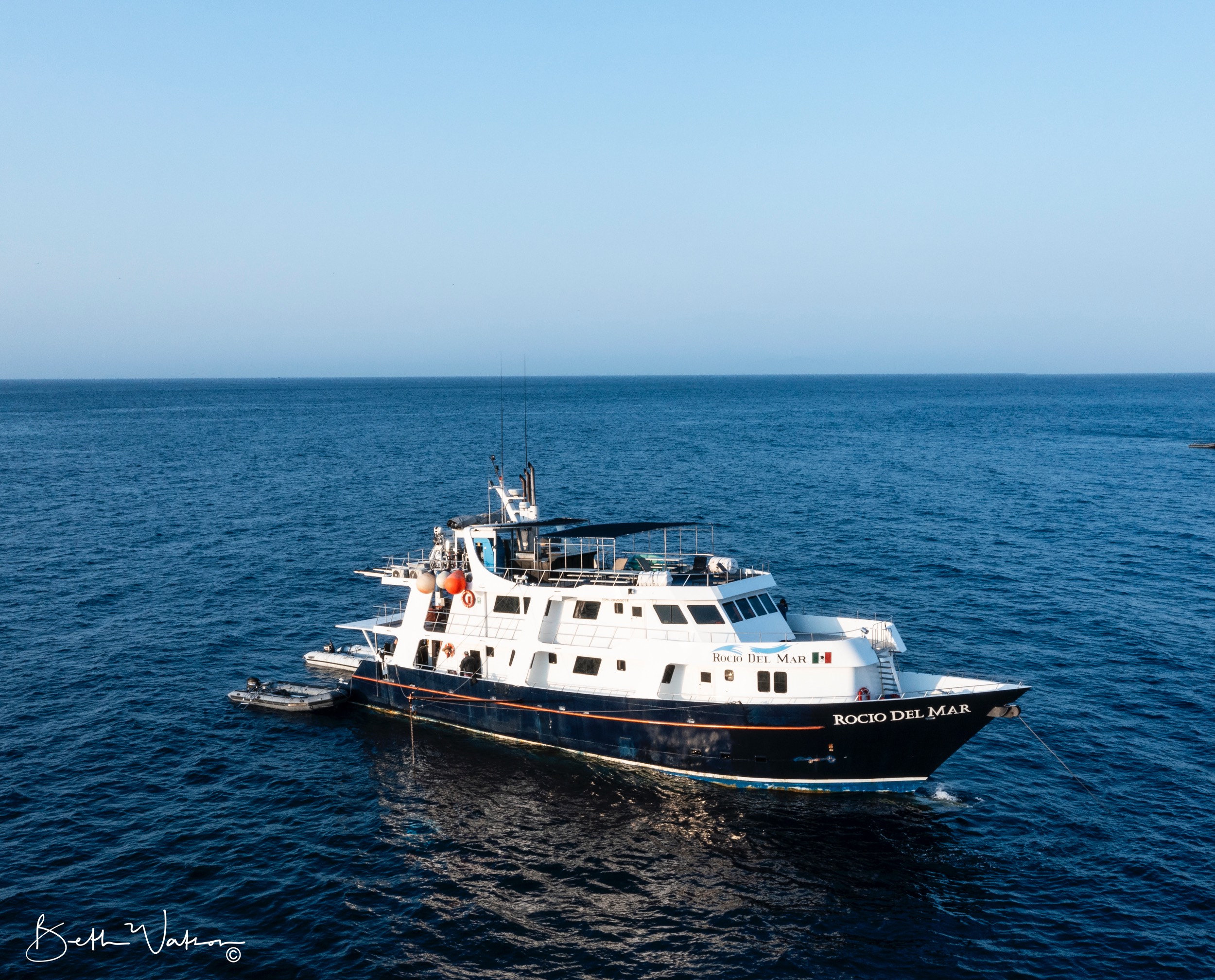
Rocio del Mar
Mexico
20 guests33.5 m
$392/day
Dive sites similar to MUSA Underwater Museum
Same character, same waters — six more sites divers love for the exact same reasons.Compare seasons, access and liveaboard routes — then pick the site that fits your trip best.
Tak Be Luum
Mexico
Cenote Tak Be Luum, located in the Mexican state of Quintana Roo, is an exceptional cavern dive that forms part of the vast Sac Actun underwater cave system, one of the world's largest.
- Suitable for
- Advanced
- Current
- No current
- Access
- Shore / dayboat
- Depth
- 4–9 m
- Theme
- Reef
Neptune's Finger
Mexico
Neptune's Finger is a renowned dive site located in Cabo San Lucas, Mexico, at the southern tip of the Baja California Peninsula.
- Suitable for
- Beginner
- Current
- Mild
- Access
- Liveaboard or dayboat
- Depth
- 4–152 m
- Theme
- Reef
Majahuitas
Mexico
Majahuitas is a pristine and secluded cove located on the southern coast of Banderas Bay, near Puerto Vallarta, Mexico.
- Suitable for
- Beginner
- Current
- Mild
- Access
- Dayboat
- Depth
- 8–14 m
- Theme
- Reef
La Poza
Mexico
La Poza is a remarkable dive site located in Xcalak, a serene fishing village situated on Mexico's Caribbean coast, near the Belize border.
- Suitable for
- Advanced
- Current
- Mild
- Access
- Shore / dayboat
- Depth
- 20–25 m
- Theme
- Reef
Siete Bocas
Mexico
Cenote Siete Bocas, meaning "Seven Mouths," is a unique cavern dive site nestled along the Ruta de los Cenotes near Puerto Morelos in Mexico's Riviera Maya.
- Suitable for
- Intermediate
- Current
- No current
- Access
- Shore / dayboat
- Depth
- ≤ 30 m
- Theme
- Reef
Sleeping Shark Cave
Mexico
Sleeping Shark Cave is a legendary underwater site situated off the eastern coast of Isla Mujeres, Mexico.
- Suitable for
- Intermediate
- Current
- No current
- Access
- Liveaboard or dayboat
- Depth
- 16–20 m
- Theme
- Reef