About Jeep Reef
Jeep Reef is a vibrant dive site nestled within the protected Exuma Cays Land and Sea Park, a pioneering marine reserve in the Caribbean established in 1958. Its thriving ecosystem is largely attributed to constant currents that deliver vital nutrients across the reef, fostering exceptional coral growth and supporting a dense fish population. The protected status of the park, where fishing and collection are strictly prohibited, allows marine life to flourish, with species like Nassau grouper growing to impressive sizes and exhibiting remarkable comfort around divers. The reef's topography is characterized by diverse coral formations, including brain corals, sea fans, and various hard corals, some reaching up to 8 meters in height. The site is shallow to moderate in depth, making it accessible to a wide range of diving levels. The most distinctive feature is a coral-encrusted jeep, which gives the reef its name. This submerged vehicle has transformed into a rich artificial habitat, attracting a variety of smaller creatures and serving as a focal point for exploration. Marine life at Jeep Reef is abundant and colorful, benefiting from the healthy coral environment. Divers can expect to encounter large schools of fish, southern stingrays, and numerous lobsters. The strong currents, while beneficial for the ecosystem, necessitate diving at slack tide for safety and enjoyment, ensuring optimal conditions for exploring this dynamic underwater world. Diving Jeep Reef provides an opportunity to witness the success of marine conservation firsthand. The combination of its protected status, natural currents, and unique artificial reef element creates an engaging and visually rich diving experience within the stunning Exuma Cays.
Highlights
Coral-encrusted Jeep wreckThriving hard and soft coralsAbundant Nassau grouperExuma Cays Land and Sea ParkFrequent southern stingray sightingsLarge schools of fishProtected marine sanctuary
Season calendar
Best months to dive here
Jan
Feb
Mar
Apr
May
Jun
Jul
Aug
Sep
Oct
Nov
Dec
Excellent
Good
Dive site facts: Jeep Reef
- Depth
- 11 m average
- Current
- Strong (slack tide only for diving)
- Visibility
- Good (20-40 m)
- Water temperature
- 24–29°C
- Entry
- Boat
- Level
- All certification levels
- Dive type
- Reef, wreck (artificial)
- Region / port
- Exuma Cays
- Coordinates
- 24.7926,-76.8307
Conditions & Currents
Jeep Reef experiences constant, often strong currents that are crucial for nourishing its healthy coral ecosystem. Due to these significant water movements, dives are typically scheduled and conducted exclusively during slack tide to ensure diver safety and enjoyment. During periods of active current, the area can be challenging, but slack tide offers a calm window for exploration. Visibility here is generally excellent, often exceeding 20 meters, maintained by the constant water exchange. Divers should be prepared for potential drift during entry or exit if not perfectly timed with slack tide, and a thorough briefing on current conditions is essential.
Marine life & sighting chances

Nassau Grouper
common
Southern Stingray
occasional
Lobster
common
Porcupinefish
occasional
Squirrelfish
occasional
Sennet
common
Eagle Ray
occasional

Sea Slug
occasional
Caribbean Reef Shark
occasionalDive profile & how the dive runs
Dives at Jeep Reef commence with a boat entry, strategically timed for slack tide conditions to manage the strong currents. Upon descending, divers typically explore the vibrant coral formations, which boast impressive boulders and diverse species, some reaching 8 meters in height. The main attraction is the coral-encrusted jeep, a key focal point around the mooring lines, offering an artificial reef teeming with life like lobsters and small fish. Divers often follow a route that circumnavigates this unique structure and explores the surrounding healthy reef, staying within the average depth of 11 meters. The dive usually concludes with a safety stop near the mooring line or boat, before ascending back to the surface.
Underwater photography
Jeep Reef provides excellent opportunities for underwater photography, particularly for wide-angle and macro shots. The clear waters and vibrant, healthy coral formations, some reaching significant heights, are ideal for wide-angle lenses to capture the expansive reef and large schools of fish. For the coral-encrusted jeep, a wide-angle setup will effectively showcase its transformation into a thriving artificial habitat. Macro photographers will find plenty to focus on, including various sea slugs, porcupinefish, squirrelfish, and the lobsters that inhabit the jeep. Given the shallow depths, natural light is often sufficient, but strobes are recommended to enhance color and definition, especially when shooting into the reef's crevices. Buoyancy control is paramount to avoid disturbing the delicate coral and marine life.
Combine with nearby dive sites
- Austin Smith Wreck
The Austin Smith Wreck, originally named HMBS Flamingo, was a 90-foot Bahamian Defense Force cutter that was decommissioned in 1995.
- Lost Blue Hole
The Lost Blue Hole, situated off Andros Island and approximately 16 kilometers (10 miles) east of Nassau, presents a unique and captivating…
- Amberjack Reef
Amberjack Reef is a prominent shark diving destination nestled within the Exuma Cays Land and Sea Park.
- The Washing Machine
The Washing Machine is a renowned drift dive site located in the Exuma Cays, specifically off Highbourne Cay in the northern part of the…
- Thunderball Grotto
Accessed from Staniel Cay, often combined in Exuma itineraries.
Getting there & logistics
Access to Jeep Reef is primarily via liveaboard vessels cruising the Exuma Cays, or by day boat services operating from Staniel Cay. International travelers typically arrive at Lynden Pindling International Airport (NAS) in Nassau, the capital of the Bahamas, which receives flights from the US, Canada, and the UK. Liveaboards usually depart from Prince George Wharf in Nassau, offering itineraries that often span 7 to 10 days to thoroughly explore the Exuma Cays Land and Sea Park. Visitors are required to register with park wardens, and careful timing for dives is essential due to the slack tide requirement for Jeep Reef.
Safety & environment
Diving at Jeep Reef requires careful planning due to its strong currents, necessitating dives only during slack tide. Always adhere to your dive guide's instructions regarding entry and exit procedures. The nearest recompression chamber is located in Nassau, which is a considerable distance from the Exuma Cays, highlighting the importance of cautious diving practices and carrying comprehensive dive insurance. Divers should maintain excellent buoyancy control to avoid damaging the delicate coral structures within this protected marine park. Staying hydrated and aware of your surroundings is crucial in the warm Bahamian waters.
Who it suits — and who it doesn't
Suited for
- All certified divers
- Coral reef enthusiasts
- Underwater photographers
- Divers interested in marine conservation
- Wreck enthusiasts seeking unique sites
Less suited for
- Divers uncomfortable with potential currents
- Free divers (due to specific slack tide requirement for safety)
- Those seeking deep, technical dives
- Divers looking primarily for pelagic encounters (though possible, not primary feature)
FAQ
Jeep Reef FAQ
Why is Jeep Reef special?
Jeep Reef holds a unique appeal because it's located within the protected Exuma Cays Land and Sea Park, the first marine reserve in the wider Caribbean. This protection allows marine life, especially Nassau grouper, to thrive at densities and sizes rarely seen elsewhere. Additionally, the presence of a coral-encrusted jeep adds a distinctive artificial reef element to the natural beauty.
Why can diving only happen at slack tide?
Strong currents flow over Jeep Reef during tidal changes, which are vital for delivering nutrients and maintaining the reef's health. However, these currents make diving challenging and potentially unsafe. Therefore, dive operators meticulously time visits to coincide with slack tide, when water movement is minimal, ensuring a safe and enjoyable experience for divers.
What is the Exuma Cays Land and Sea Park?
Established in 1958, the Exuma Cays Land and Sea Park was the first marine reserve in the wider Caribbean. It's a no-take zone, meaning all fishing and collection are prohibited. This strict protection allows both terrestrial and marine ecosystems to recover and flourish, leading to abundant and healthy populations of marine life like lobster, conch, and various reef fish.
What marine life can I expect to see at Jeep Reef?
Jeep Reef is teeming with vibrant marine life. You can expect to encounter large schools of fish, numerous lobsters, and occasionally southern stingrays. The protected status of the park means that species like Nassau grouper are commonly seen and are often less wary of divers, providing excellent viewing opportunities.
How do I get to Jeep Reef?
Jeep Reef is typically accessed by liveaboard boats that cruise the Exuma Cays or by day boats operating from Staniel Cay. Most international flights arrive at Lynden Pindling International Airport in Nassau, from where liveaboards commonly depart to explore the extensive Exuma Cays Land and Sea Park.
Why dive Jeep Reef from a liveaboard?
Jeep Reef is one of Bahamas's signature dive sites. A liveaboard sleeps you on the water and puts you in the water for three to four guided dives per day, including dawn and night dives that day-boat operators rarely offer. You skip the daily commute back to port and reach quieter, less-crowded sites in the same region on a single trip.
Below are the liveaboards that include Jeep Reef on their Bahamas itineraries.
Liveaboards diving Jeep Reef
These liveaboards may visit Jeep Reef on selected itineraries — the exact dive sites depend on departure, weather and conditions.
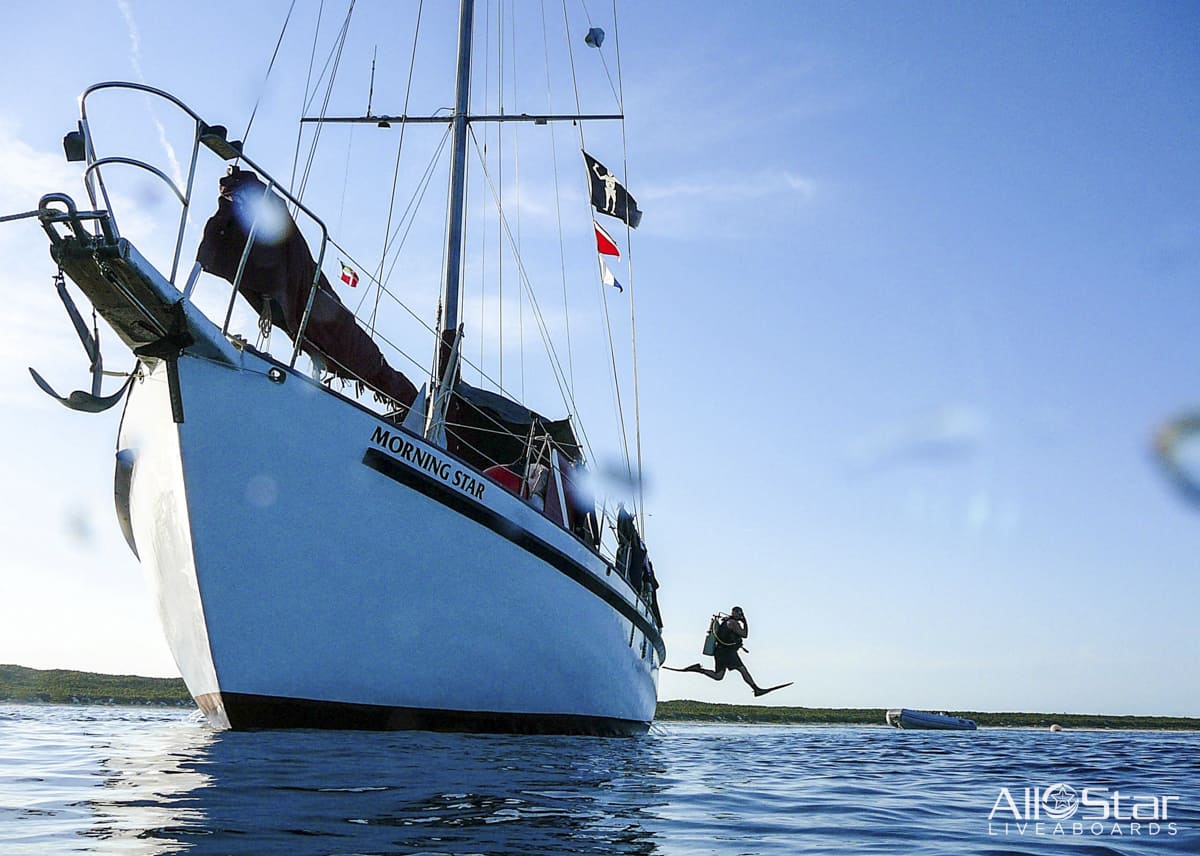
All Star Blackbeards Morning Star
Bahamas
24 guests19.81 m
$156/day
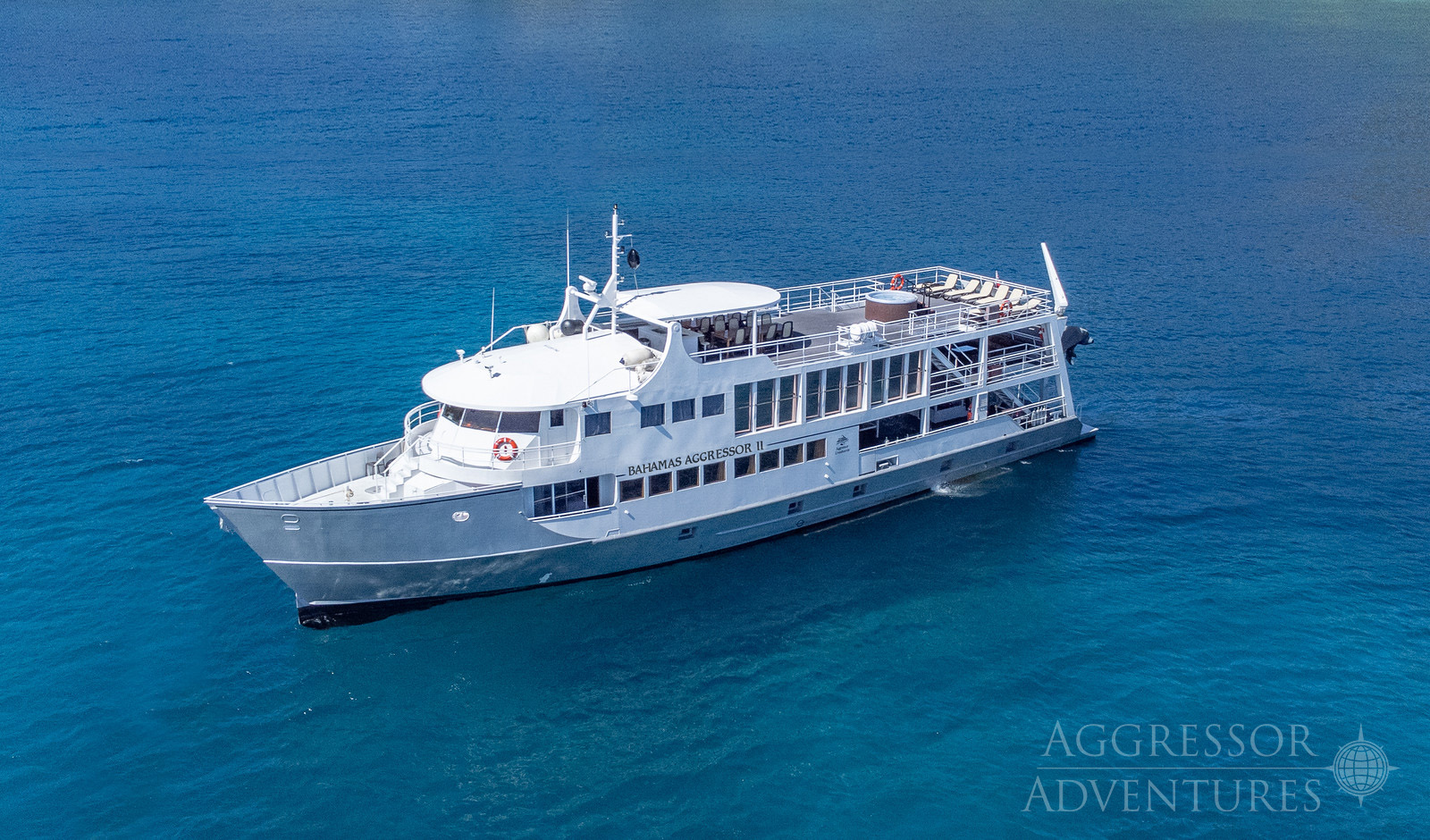
Bahamas Aggressor II
Bahamas
20 guests33.5 m
$328/day
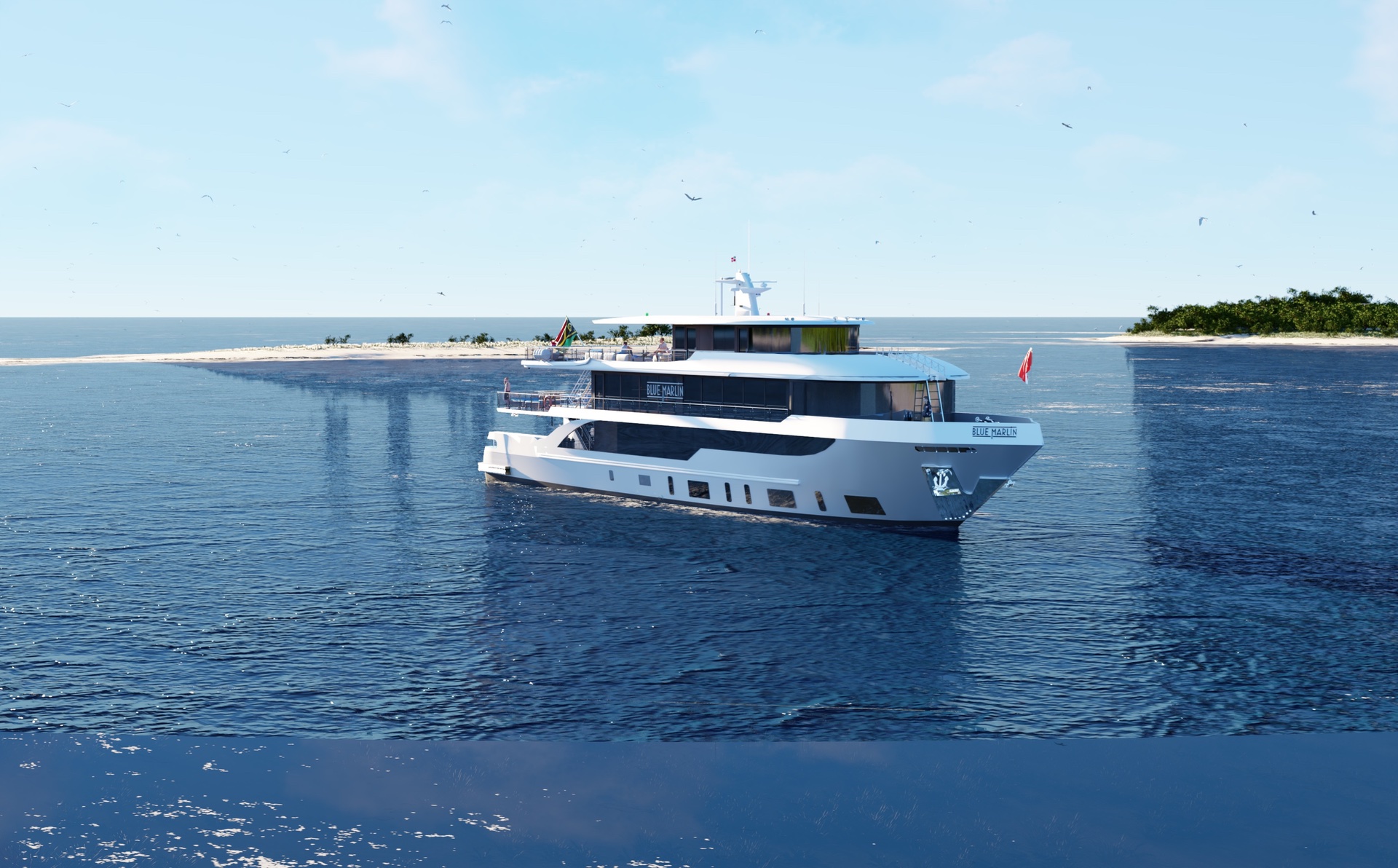
Blue Marlin
Bahamas
26 guests42 m
$318/day
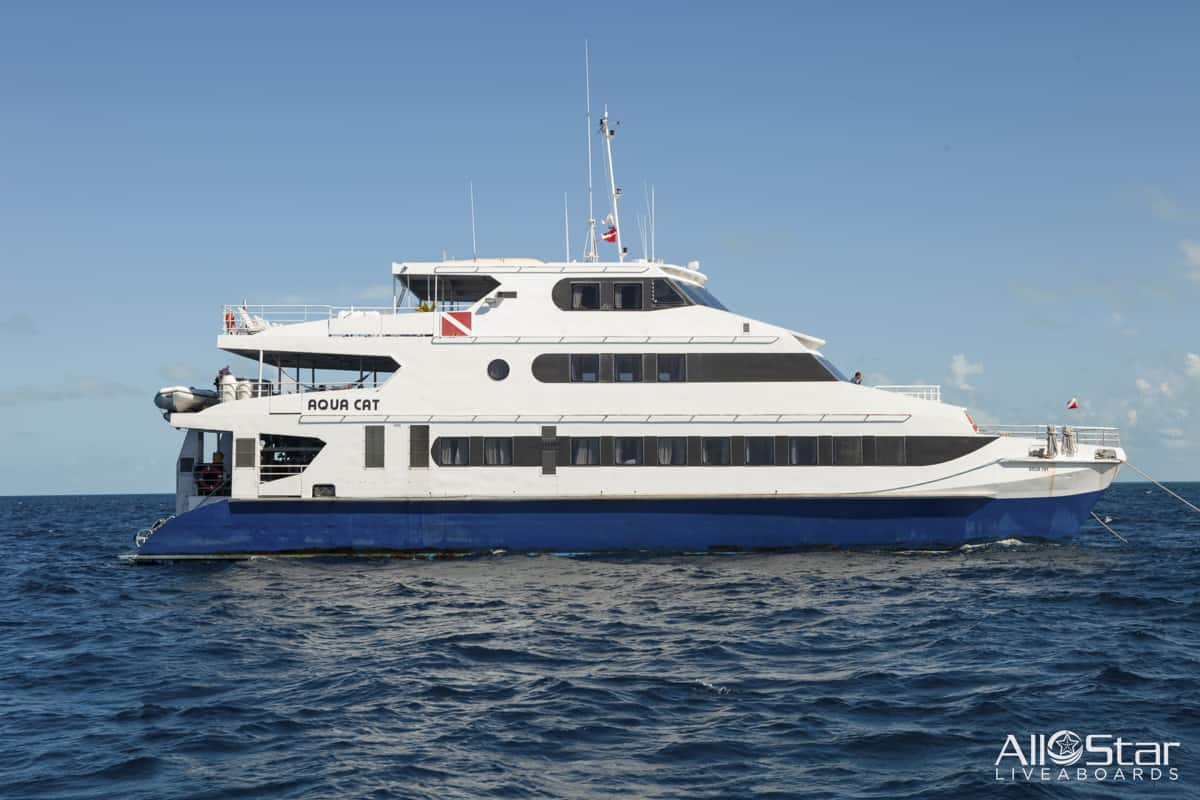
All Star Aqua Cat
Bahamas
30 guests31.09 m
$312/day
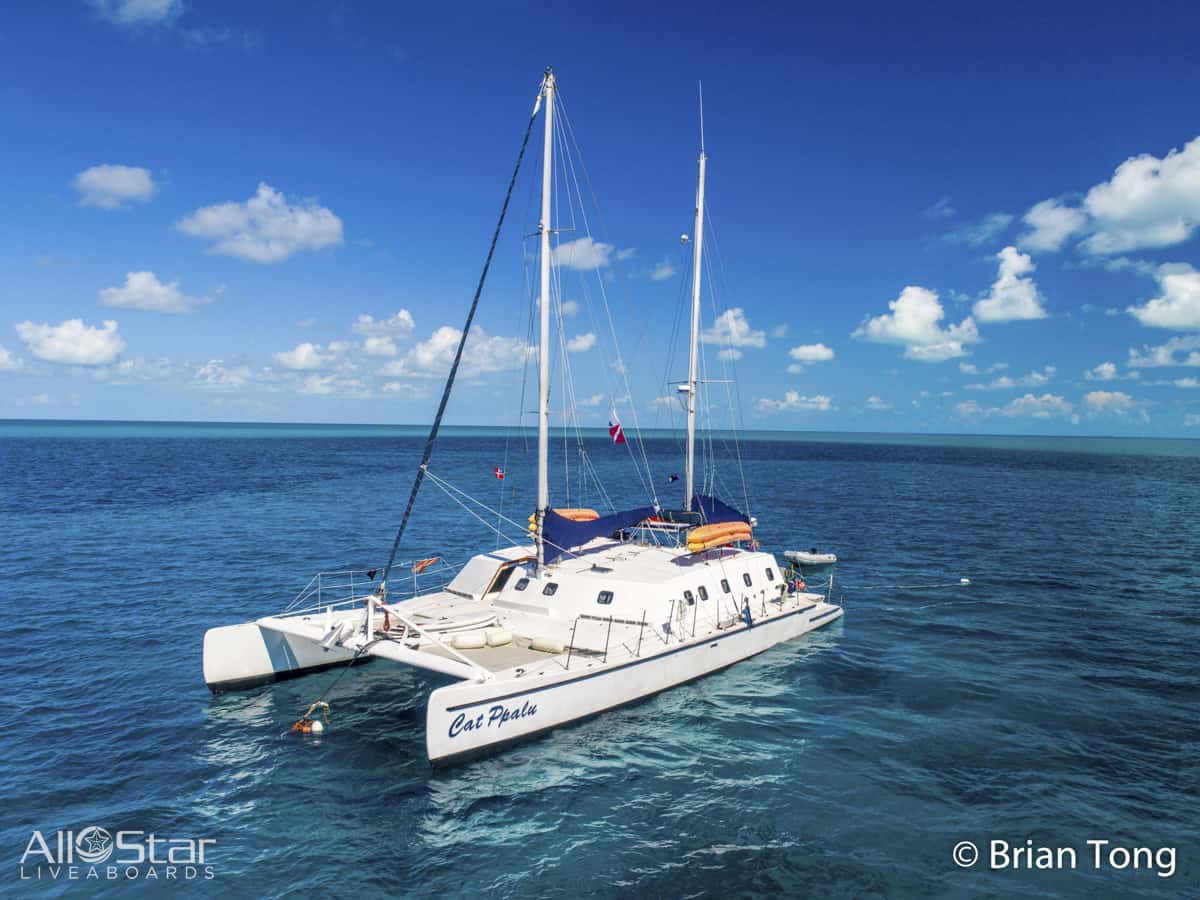
All Star Cat Ppalu
Bahamas
12 guests20 m
$237/day
Dive sites similar to Jeep Reef
Same character, same waters — six more sites divers love for the exact same reasons.Compare seasons, access and liveaboard routes — then pick the site that fits your trip best.
© Esri — Maxar, Earthstar, GIS
Cut Through City
Bahamas
Cut Through City is a standout dive site located off the coast of Eleuthera in the Bahamas, a region renowned for its diverse underwater topography.
- Suitable for
- Intermediate
- Current
- Mild
- Access
- Liveaboard only
- Depth
- 27–40 m
- Theme
- Wall / Reef
© Esri — Maxar, Earthstar, GIS
Metropolis
Bahamas
Metropolis is a standout dive site in the Bahamas, renowned for its consistent and diverse shark encounters, making it a thrilling destination for divers seeking pelagic action.
- Suitable for
- Intermediate
- Current
- Moderate
- Access
- Liveaboard only
- Depth
- ≤ 13 m
- Theme
- Reef
© Esri — Maxar, Earthstar, GIS
Mt. Olympus
Bahamas
Mt. Olympus is a dynamic dive site in the Bahamas, regularly visited by liveaboards, known for its healthy marine ecosystem and varied underwater terrain.
- Suitable for
- Advanced
- Current
- Moderate
- Access
- Liveaboard only
- Depth
- ≤ 122 m
- Theme
- Reef / Drift
© Esri — Maxar, Earthstar, GIS
Ras Mohammed
Bahamas
Ras Mohammed National Park, situated approximately 20 kilometers south of Sharm El Sheikh, marks the southernmost tip of the Sinai Peninsula in Egypt.
- Suitable for
- Advanced
- Current
- No current
- Access
- Shore / dayboat
- Depth
- ≤ 100 m
- Theme
- Reef
© Esri — Maxar, Earthstar, GIS
Split Coral Head
Bahamas
Split Coral Head is a notable dive site located in Eleuthera, Bahamas, celebrated for its impressive coral formations and the distinctive split in a massive coral head from which it derives its name.
- Suitable for
- Beginner
- Current
- No current
- Access
- Liveaboard only
- Depth
- 14–17 m
- Theme
- Reef
© Esri — Maxar, Earthstar, GIS
Danger Reef
Bahamas
Danger Reef is an integral part of the Exuma Cay Reef Dives, nestled within the expansive Exuma Cays.
- Suitable for
- Intermediate
- Current
- Mild
- Access
- Liveaboard only
- Depth
- ≤ 18 m
- Theme
- Reef