About Maskali Garden
Maskali Garden is a renowned dive site in Djibouti, celebrated for its tranquil conditions and rich marine biodiversity. Located near Maskali Island, this site offers a diverse underwater landscape characterized by extensive coral gardens and teeming reef fish. The protected nature of Maskali Garden makes it an ideal location for both novice and experienced divers seeking a relaxed yet vibrant diving experience. The topography of Maskali Garden typically features a gentle slope leading to deeper sections, adorned with a healthy array of hard and soft corals. Depths at the site are generally accessible, allowing for extended bottom times and ample opportunity to observe the intricate reef structure and its inhabitants. The calm waters provide excellent visibility, enhancing the exploration of this underwater sanctuary. Marine life here is abundant year-round, with schools of jacks and snappers often sighted, alongside a variety of colorful reef fish. While Maskali Garden is not specifically known for large pelagic encounters like whale sharks, it serves as a crucial habitat for smaller reef species, turtles, and occasional rays. The thriving coral formations act as a nursery and feeding ground for countless organisms. Diving Maskali Garden is typically a serene experience, free from strong currents often found at more exposed sites. This allows divers to leisurely explore the coral formations and observe marine life without significant physical exertion. Liveaboard itineraries frequently include Maskali Garden, offering multiple opportunities to dive the site at different times of day, including night dives.
Highlights
Tranquil coral gardensAbundant reef fishProtected shallow reefExcellent visibilityGentle slopesDiverse coral species
Season calendar
Best months to dive here
Jan
Feb
Mar
Apr
May
Jun
Jul
Aug
Sep
Oct
Nov
Dec
Excellent
Good
Dive site facts: Maskali Garden
- Depth
- 5–20 m
- Typical dive
- 12–18 m, 50–60 min
- Current
- Very mild
- Visibility
- 15–30 m
- Water temperature
- 27–29 °C
- Entry
- Liveaboard tender / easy descent
- Level
- All levels, beginner-friendly
- Dive type
- Reef, coral garden, macro
- Night dive
- Possible
- Region / port
- Gulf of Tadjoura / Djibouti City
- Coordinates
- 11.59, 43.205
Conditions & Currents
Maskali Garden is characterized by very calm conditions, being well-protected from strong winds and currents. Divers can expect minimal water movement, making it an excellent site for leisurely exploration and underwater photography. The sheltered nature of the site means there is little to no surge, providing a stable environment for divers of all experience levels. Visibility remains consistently good due to the lack of strong currents stirring up sediment. This gentle environment reduces physical demands, making it suitable for longer dives and focusing on macro life without concerns about strenuous swimming or complex entry and exit procedures.
Marine life & sighting chances

Green Sea Turtle
occasional
Bluespotted Ribbontail Ray
occasional
Emperor Angelfish
common
Lionfish
common
Parrotfish
common
Triggerfish
common
Schooling Snappers
common
Schooling Jacks
occasional
Moray Eel
occasional
Nudibranchs
occasionalDive profile & how the dive runs
Diving at Maskali Garden typically begins with a descent from the liveaboard tender directly onto the reef's shallower section, around 5-10 meters. From there, you'll gently fin along the coral slope, gradually descending to depths of 15-20 meters. The dive usually follows a relaxed path, exploring the diverse coral formations and searching for macro life tucked within the reef. You'll observe various reef fish, small crustaceans, and potentially some rays or turtles. The turn point is determined by air consumption and bottom time, after which you'll slowly ascend back towards the shallower reef, making your safety stop among the vibrant hard corals at 5 meters. This allows for a tranquil decompression period while enjoying the abundant life in the sunlit shallows.
Underwater photography
Maskali Garden's calm conditions and excellent visibility create an ideal environment for underwater photography. For wide-angle shots, a fisheye or wide-angle lens is perfect for capturing the expansive coral gardens and school of fish. Natural light is often sufficient in the shallower areas, but strobes will enhance color and detail, especially when shooting into the sun or at greater depths. For macro photography, a dedicated macro lens will allow you to capture the intricate details of nudibranchs, small crustaceans, and colorful reef inhabitants. Buoyancy control is paramount to avoid disturbing the delicate corals and to achieve sharp, clear images. Take your time to compose shots and be patient, as the marine life is generally approachable here.
Combine with nearby dive sites
- Moucha Island Reef
A protected area offering diverse coral formations and reef fish.
- Maskali Island
Nearby island with additional dive sites and snorkeling opportunities.
- Gulf of Tadjoura – Whale Shark Area
Known for seasonal whale shark encounters, primarily for snorkeling.
- The Aquarium
Another reef site in the vicinity known for its rich fish life.
Getting there & logistics
Djibouti can be accessed via Djibouti-Ambouli International Airport (JIB). Liveaboard trips typically depart from Djibouti City, offering itineraries that range from 7 to 10 days. Maskali Garden is often included as part of these liveaboard routes, usually combined with dives around Moucha Island and potentially the Gulf of Tadjoura's whale shark areas during the appropriate season. There are generally no specific park fees mentioned for Maskali Garden itself, but liveaboard costs cover all diving activities and permits. It's advisable to secure an e-Visa before traveling to Djibouti, with the hard copy collected upon arrival at the airport.
Safety & environment
Diving in Djibouti follows standard recreational limits, with a maximum depth of 40 meters and no decompression diving. For safety, divers are legally required to carry a light, a reflector, and an SMB (Surface Marker Buoy); an orange SMB is for signaling, while a yellow one is reserved for emergencies. The nearest recompression chamber is located in Djibouti City, approximately 20 kilometers from Maskali Island. Evacuation procedures typically involve transfer by boat back to Djibouti City. Comprehensive dive insurance, including coverage for emergency medical and evacuation, is highly recommended. Divers should always attend the initial safety briefings on liveaboards and adhere to guidelines to protect the marine environment, maintaining proper buoyancy and avoiding contact with corals.
Who it suits — and who it doesn't
Suited for
- Beginner divers
- Underwater photographers
- Divers seeking calm conditions
- Macro enthusiasts
- Snorkelers
Less suited for
- Divers seeking strong currents
- Advanced drift divers
- Those prioritizing large pelagic encounters
- Technical divers
- Wreck penetration divers
FAQ
Maskali Garden FAQ
What kind of marine life can I expect to see at Maskali Garden?
Maskali Garden is rich in reef fish diversity, including various species of angelfish, parrotfish, and triggerfish. You can also spot occasional Green Sea Turtles, Bluespotted Ribbontail Rays, moray eels, and numerous nudibranchs among the healthy coral formations. It's a fantastic spot for observing the intricate life within a vibrant coral ecosystem.
Is Maskali Garden suitable for beginner divers?
Yes, Maskali Garden is highly suitable for beginner divers. Its very calm conditions and protected environment make it an ideal site to gain confidence and practice skills. The gentle slopes and accessible depths allow for a relaxed diving experience without the challenge of strong currents or complex navigation.
What are the typical diving conditions at Maskali Garden?
Maskali Garden offers excellent diving conditions, characterized by minimal currents and consistently good visibility, often ranging from 15 to 30 meters. Water temperatures are comfortably warm, typically between 27-29°C. These factors contribute to a very pleasant and easy diving experience, perfect for extended exploration of the coral gardens.
Can I do night dives at Maskali Garden?
Yes, night dives are possible at Maskali Garden and are often included in liveaboard itineraries. The calm conditions make it a safe and enjoyable site for after-dark exploration. During night dives, you can observe nocturnal creatures emerging from their daytime hiding spots, offering a different perspective of the reef's biodiversity.
How is Maskali Garden usually included in a liveaboard itinerary?
Maskali Garden is a popular inclusion in Djibouti liveaboard itineraries due to its accessibility and beauty. It is typically combined with other sites around Moucha Island and potentially the Gulf of Tadjoura, especially during the whale shark season. Liveaboards provide the convenience of multiple dives daily, including the option for dawn and night dives at this serene location.
Why dive Maskali Garden from a liveaboard?
Maskali Garden is one of Djibouti's signature dive sites. A liveaboard sleeps you on the water and puts you in the water for three to four guided dives per day, including dawn and night dives that day-boat operators rarely offer. You skip the daily commute back to port and reach quieter, less-crowded sites in the same region on a single trip.
Below are the liveaboards that include Maskali Garden on their Djibouti itineraries.
Liveaboards diving Maskali Garden
These liveaboards may visit Maskali Garden on selected itineraries — the exact dive sites depend on departure, weather and conditions.
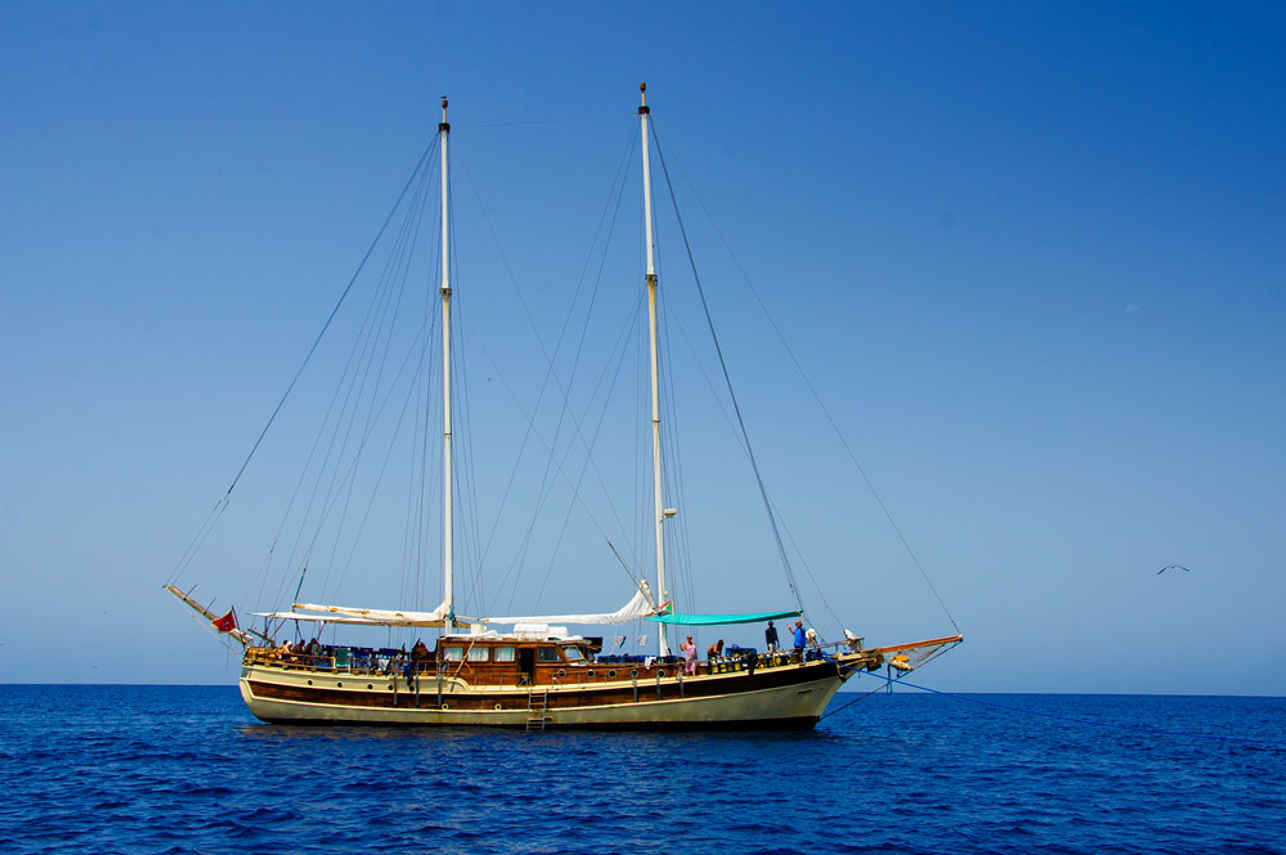
Elegante
Djibouti
14 guests25 m
$209/day
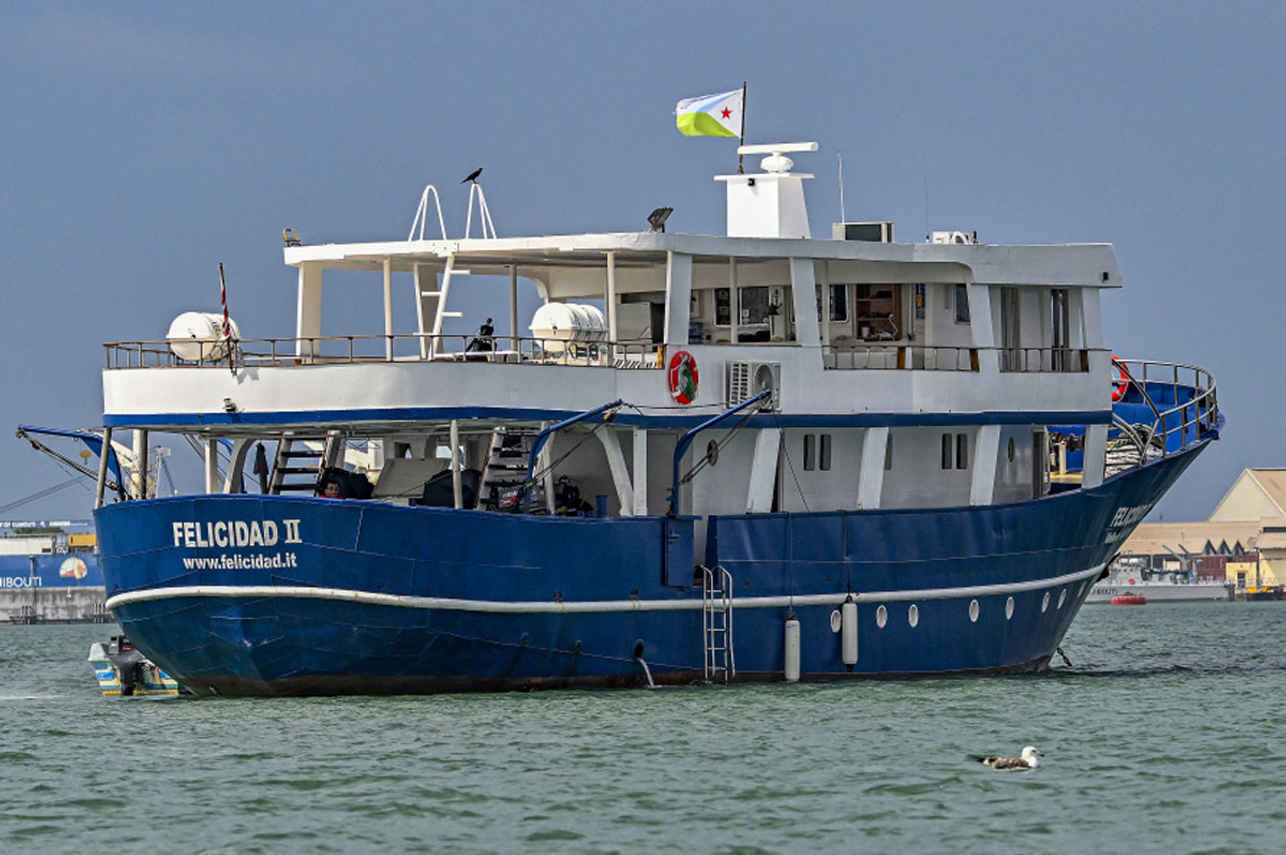
Felicidad II
Djibouti
18 guests30 m
$210/day
Dive sites similar to Maskali Garden
Same character, same waters — six more sites divers love for the exact same reasons.Compare seasons, access and liveaboard routes — then pick the site that fits your trip best.
© Esri — Maxar, Earthstar, GIS
Ghoubbet al Kharab
Djibouti
Ghoubbet al Kharab, also known as the Devil’s Goblet, is a deep bay connected to the Gulf of Tadjourah and the open ocean in Djibouti.
- Suitable for
- Advanced
- Current
- Strong
- Access
- Liveaboard only
- Depth
- 5–200 m
- Theme
- Drift / Reef
© Esri — Maxar, Earthstar, GIS
Moucha wrecks
Djibouti
The Moucha wrecks, including the notable Orchard Reefer and Le Fon, offer a distinctive dive experience within Djibouti's Gulf of Tadjoura, contrasting with the region's prevalent coral reefs.
- Suitable for
- Advanced
- Current
- Moderate
- Access
- Liveaboard or dayboat
- Depth
- 5–50 m
- Theme
- Wreck / Reef
© Esri — Maxar, Earthstar, GIS
Sable Blanc Reef
Djibouti
Sable Blanc Reef is a vibrant coral ecosystem located in Djibouti, nestled where the Red Sea meets the Gulf of Aden.
- Suitable for
- Intermediate
- Current
- Strong
- Access
- Shore / dayboat
- Depth
- 5–30 m
- Theme
- Drift / Reef
© Esri — Maxar, Earthstar, GIS
Cape Rouge
Djibouti
Cape Rouge is a notable dive site in Djibouti, known for its pristine underwater environment where the Red Sea meets the Indian Ocean.
- Suitable for
- Advanced
- Current
- Mild
- Access
- Liveaboard or dayboat
- Depth
- 15–40 m
- Theme
- Reef
© Esri — Maxar, Earthstar, GIS
La Vierge Rouge
Djibouti
La Vierge Rouge is situated in Djibouti, a unique diving destination where the Red Sea converges with the Indian Ocean.
- Suitable for
- Intermediate
- Current
- Moderate
- Access
- Liveaboard only
- Depth
- 15–40 m
- Theme
- Reef
© Esri — Maxar, Earthstar, GIS
Le Sec Aux Boutres
Djibouti
Le Sec Aux Boutres is a distinguished dive site located near Arta, Djibouti, celebrated for its rich marine biodiversity and stunning underwater scenery.
- Suitable for
- Intermediate
- Current
- Mild
- Access
- Dayboat
- Depth
- 10–30 m
- Theme
- Reef