About Witu Islands - Circle of Stars
Lama Shoal, evocatively named 'Circle of Stars' or 'Crack-A-Fat Reef,' is a premier dive site within the remote Witu Islands of Papua New Guinea. This seamount rises from significant depths and functions as a dynamic cleaning station, attracting an abundance of marine life and offering some of the most vibrant pelagic action in the Kimbe Bay area. The site's exposure to consistent, nutrient-rich currents fosters a prolific ecosystem, testament to which is its past feature on the Cousteau Society's 50th-anniversary calendar. The topography of Lama Shoal is defined by its current-swept environment, nurturing a profusion of soft corals, gorgonian fans, black corals, and hydroids. While the reef itself doesn't reach extremely shallow depths, the continuous flow of water ensures an active and thriving underwater landscape throughout the diveable range. This constant influx of nutrients supports both the resident reef dwellers and the large pelagic species that frequent the shoal. Divers here can anticipate an exhilarating experience, often surrounded by massive schools of barracuda, bigeye trevally, and rainbow runners. Dogtooth tuna and Spanish mackerel are frequently observed cruising the reef face, occasionally creating dramatic feeding frenzies. Beyond the pelagics, the intricate reef structure supports a diverse array of smaller invertebrates and unique coral formations perfectly adapted to the strong currents. The site provides a prime opportunity for high-energy marine interactions and exceptional visibility, typically ranging from 25 to 40 meters, with comfortable water temperatures between 28 to 31°C. Accessed primarily via liveaboards operating out of Kimbe Bay, Lama Shoal demands attentive diving due to its currents but rewards with a spectacular display of both schooling fish and healthy reef-resident species. It is a highlight of any Witu Islands itinerary, offering a unique blend of biodiversity and dynamic underwater encounters.
Highlights
Dynamic cleaning stationAbundant pelagic actionMassive schooling barracudaVibrant soft coralsFrequent dogtooth tuna sightingsCurrent-swept reef ecosystemGorgonian fan gardensExceptional marine biodiversity
Season calendar
Best months to dive here
Jan
Feb
Mar
Apr
May
Jun
Jul
Aug
Sep
Oct
Nov
Dec
Good
Dive site facts: Witu Islands - Circle of Stars
- Depth
- 5–30 m
- Current
- Strong and consistent
- Visibility
- 25–40 m (80–130 ft)
- Water temperature
- 28–31°C (82–88°F)
- Entry
- Tender / negative entry
- Level
- Advanced recommended, current experience essential
- Dive type
- Pelagic, schooling fish, reef exploration
- Region / port
- Witu Islands, Bismarck Sea
- Coordinates
- -4.92, 148.98
Conditions & Currents
Lama Shoal is renowned for consistent, often strong currents that sweep over the seamount, making it an action-packed dive. These currents are the primary reason for the abundance of marine life, bringing essential nutrients and attracting large schools of pelagic fish. Divers should be prepared for potential drift dives or to actively fin against the current, and entry is typically made by tender with a negative descent to quickly get below the strong surface currents and avoid being swept away from the reef. The strength and direction of the currents can vary, requiring attentive diving and experience in such conditions. Good buoyancy control is crucial for managing the currents and ensuring a safe, enjoyable dive.
Marine life & sighting chances

Barracuda
common
Bigeye Trevally
common
Rainbow Runner
common
Dogtooth Tuna
occasional
Spanish Mackerel
occasional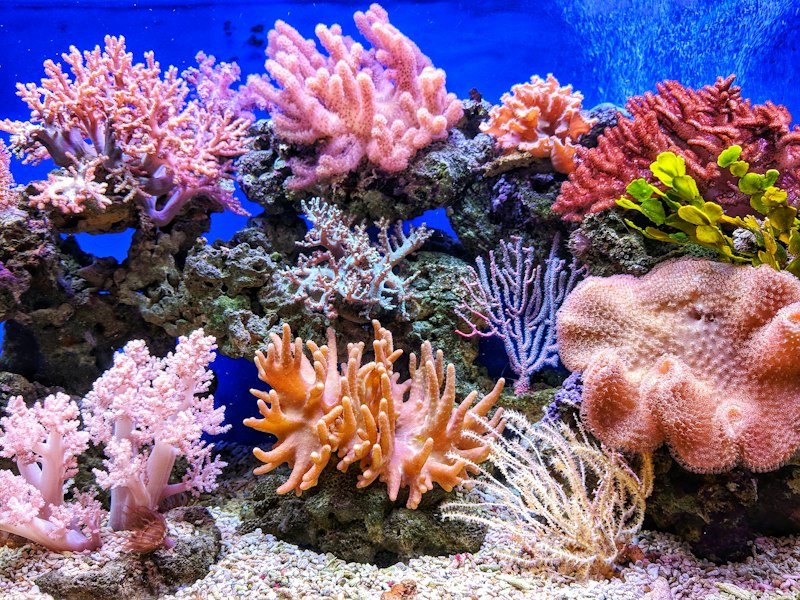
Soft Corals
common
Gorgonian Fans
common
Black Corals
common
Hydroids
common
Grey Reef Shark
occasional
Whitetip Reef Shark
occasional
Eagle Ray
occasionalDive profile & how the dive runs
Diving at Lama Shoal typically commences with a negative entry from a tender, swiftly descending to the reef to bypass strong surface currents. Divers usually explore the seamount, staying close to the reef structure for shelter while observing the schooling pelagics in the open water. The dive often follows the reef's contours, utilizing its natural protection and allowing observation of the rich soft corals and hydroids. Due to consistent currents, the dive might be a drift along a specific section or an out-and-back profile depending on conditions. Turnaround time is dictated by air consumption and bottom time, with the safety stop conducted in mid-water, potentially using a drift line or holding onto a safety stop bar deployed from the tender, ensuring efficient pickup.
Underwater photography
Lama Shoal is an exceptional location for wide-angle photography, capturing impressive schools of barracuda, trevally, and rainbow runners, along with cruising dogtooth tuna and Spanish mackerel. A wide-angle lens is essential to encompass the sheer volume of fish and the vibrant soft corals and gorgonian fans adorning the seamount. Given the strong currents, maintaining stable buoyancy is critical for sharp images; consider a high shutter speed to freeze fast-moving subjects. Strobes are invaluable for accentuating the true colors of the corals and marine life. Photographers must be mindful of their position relative to the current to avoid disturbing the environment and ensure safety while composing dynamic shots.
Combine with nearby dive sites
Getting there & logistics
Access to Lama Shoal, located within the Witu Islands, is primarily via liveaboard itineraries departing from Kimbe Bay, New Britain Island. Kimbe Bay is serviced by flights into Hoskins Airport (HKN), typically connected through Port Moresby (POM). Liveaboards often spend 7 to 10 days exploring the diverse dive sites of Kimbe Bay and the Witu Islands. While there are no specific park fees mentioned for Lama Shoal itself, liveaboard packages typically cover all necessary permits and fees for the region. The remote nature of the Witu Islands ensures pristine conditions and minimal diver traffic, offering an exclusive dive experience as part of a broader Papua New Guinea itinerary.
Safety & environment
Diving at Lama Shoal, due to its consistent and often strong currents, requires advanced diving skills and experience with current diving techniques. Comprehensive dive insurance covering medical emergencies and potential evacuation is highly recommended. The nearest recompression chamber is likely in Port Moresby, necessitating air evacuation in case of a serious incident. Divers must adhere strictly to dive guide instructions, maintain excellent buoyancy control to avoid damaging delicate corals, and be prepared for negative entries. Always remain aware of your surroundings, especially in the presence of large pelagic species and rapidly changing currents, ensuring a safe and responsible dive.
Who it suits — and who it doesn't
Suited for
- Advanced divers with current experience
- Pelagic enthusiasts
- Wide-angle photographers
- Divers seeking dynamic marine interactions
- Those who appreciate vibrant soft coral reefs
Less suited for
- Beginner divers
- Divers uncomfortable with strong currents
- Macro-focused photographers exclusively
- Those prone to seasickness on liveaboards
- Divers seeking calm, shallow reef environments
FAQ
Witu Islands - Circle of Stars FAQ
What kind of currents can I expect at Lama Shoal?
Lama Shoal is well-known for its consistent and often strong currents. These currents are crucial for the site's rich marine life, bringing nutrients and attracting large schools of pelagic fish. Divers should be prepared for potential drift dives and will typically perform a negative entry to get below the surface currents quickly.
What marine life is most commonly seen at Lama Shoal?
Divers frequently encounter large schools of barracuda, bigeye trevally, and rainbow runners. Dogtooth tuna and Spanish mackerel are often observed, sometimes in dramatic feeding frenzies. The reef itself is also home to abundant soft corals, gorgonian fans, black corals, and hydroids.
Is Lama Shoal suitable for all levels of divers?
Lama Shoal is generally recommended for advanced divers who have experience with strong currents. The dynamic conditions require good buoyancy control and an understanding of current diving techniques. Beginner divers or those uncomfortable with currents might find the conditions challenging.
What is the visibility and water temperature like at Lama Shoal?
The visibility at Lama Shoal is typically excellent, ranging from 25 to 40 meters (80 to 130 feet). Water temperatures are comfortably warm throughout the year, averaging between 28 to 31°C (82 to 88°F), making for pleasant diving conditions.
How do I get to Lama Shoal?
Lama Shoal is located in the Witu Islands, which are best accessed via liveaboard trips originating from Kimbe Bay on New Britain Island. Travelers typically fly into Hoskins Airport (HKN) in Kimbe Bay, often connecting through Papua New Guinea's capital, Port Moresby (POM), before embarking on their dive cruise.
Are there good opportunities for underwater photography at Lama Shoal?
Yes, Lama Shoal is a prime location for wide-angle photography, especially to capture the impressive schooling fish and the vibrant coral formations. Due to the strong currents, a high shutter speed and good buoyancy control are essential for capturing clear, dynamic images. Strobes can help bring out the true colors of the corals and marine life.
Why dive Witu Islands - Circle of Stars from a liveaboard?
Witu Islands - Circle of Stars is one of Papua New Guinea's signature dive sites. A liveaboard sleeps you on the water and puts you in the water for three to four guided dives per day, including dawn and night dives that day-boat operators rarely offer. You skip the daily commute back to port and reach quieter, less-crowded sites in the same region on a single trip.
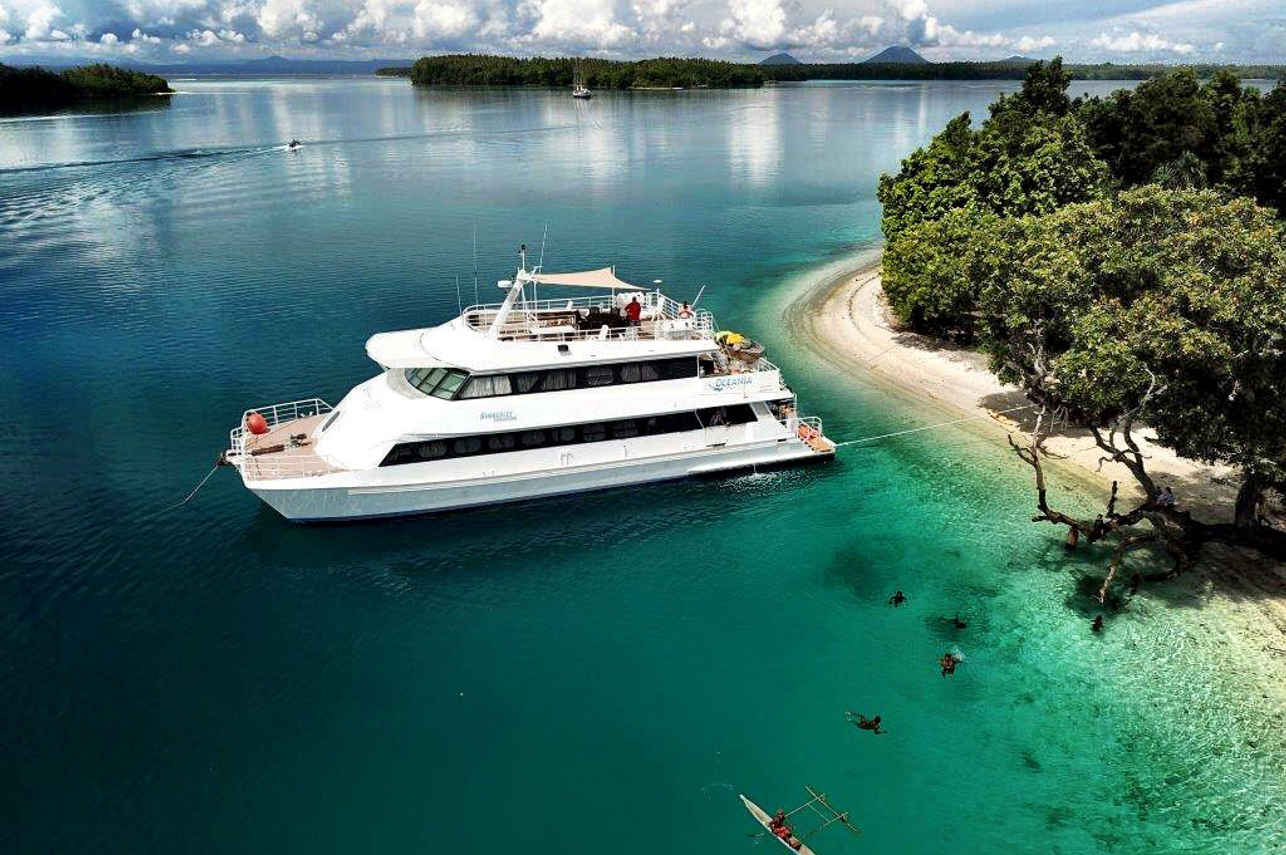
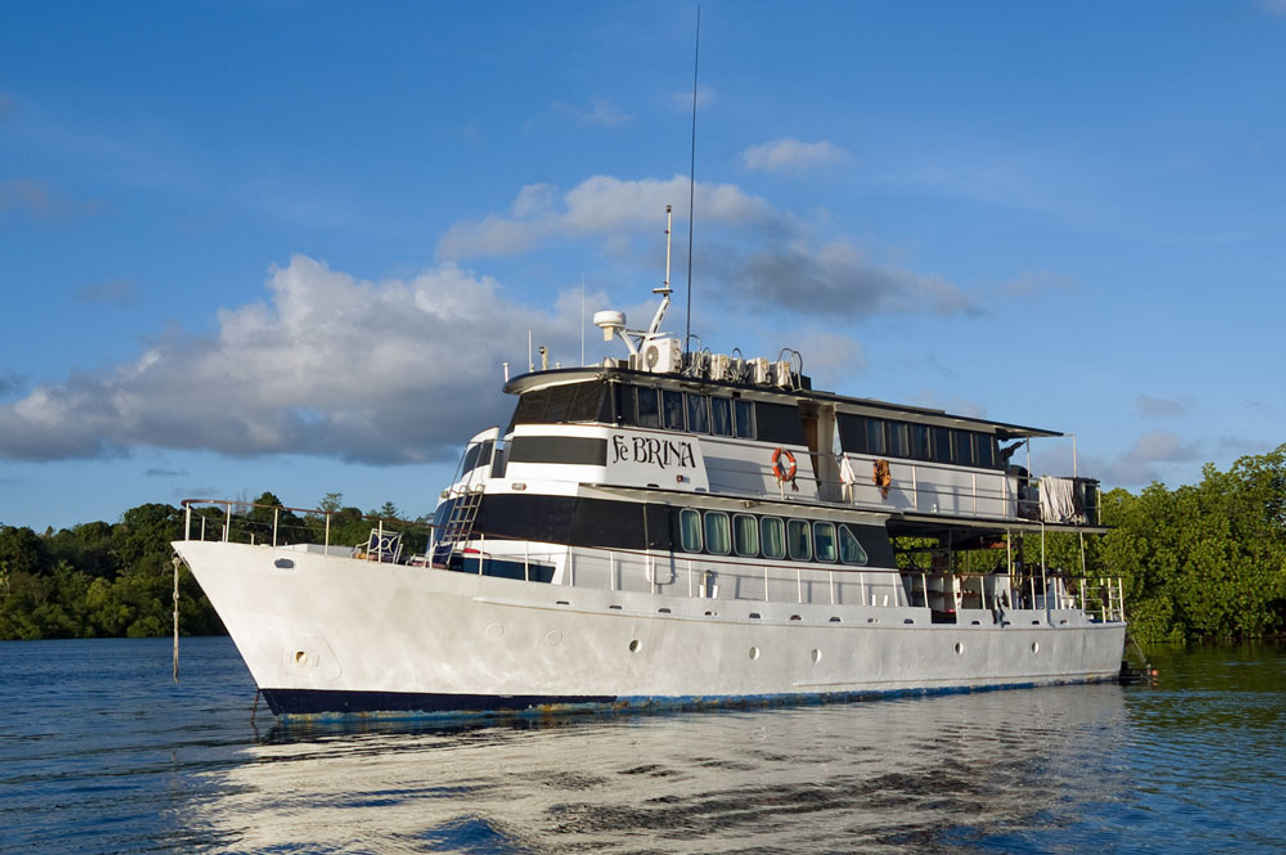
Below are the liveaboards that include Witu Islands - Circle of Stars on their Papua New Guinea itineraries.
Liveaboards diving Witu Islands - Circle of Stars
These liveaboards may visit Witu Islands - Circle of Stars on selected itineraries — the exact dive sites depend on departure, weather and conditions.
Dive sites similar to Witu Islands - Circle of Stars
Same character, same waters — six more sites divers love for the exact same reasons.Compare seasons, access and liveaboard routes — then pick the site that fits your trip best.
© Esri — Maxar, Earthstar, GIS
Giants at Home
Papua New Guinea
Giants at Home is a unique dive site nestled in a protected, shallow bay within Milne Bay, Papua New Guinea, specifically known as a thriving manta ray cleaning station.
- Suitable for
- Beginner
- Current
- Mild
- Access
- Liveaboard only
- Depth
- 1–8 m
- Theme
- Reef
© Esri — Maxar, Earthstar, GIS
Lissenung Island Reef
Papua New Guinea
Lissenung Island Reef is the house reef surrounding approximately two-thirds of Lissenung Island, located near Kavieng in Papua New Guinea.
- Suitable for
- Beginner
- Current
- Moderate
- Access
- Shore / dayboat
- Depth
- 2–10 m
- Theme
- Reef
© Esri — Maxar, Earthstar, GIS
Banana Bommie
Papua New Guinea
Banana Bommie is a prominent and highly regarded dive site situated at the northern mouth of Milne Bay in Papua New Guinea.
- Suitable for
- Advanced
- Current
- Moderate
- Access
- Liveaboard only
- Depth
- ≤ 40 m
- Theme
- Reef / Pinnacle
© Esri — Maxar, Earthstar, GIS
End Bommie
Papua New Guinea
End Bommie is a renowned dive site located in Bootless Bay, near Port Moresby, Papua New Guinea.
- Suitable for
- Advanced
- Current
- Strong
- Access
- Liveaboard or dayboat
- Depth
- 6–30 m
- Theme
- Reef / Wall
Lauadi is a celebrated dive site within Milne Bay, Papua New Guinea, specifically recognized as the origin point of muck diving.
- Suitable for
- Beginner
- Current
- Moderate
- Access
- Shore / dayboat
- Depth
- 8–25 m
- Theme
- Reef
© Esri — Maxar, Earthstar, GIS
George's Wreck
Papua New Guinea
George's Wreck is a renowned dive site near Rabaul in Papua New Guinea, famous for its historical significance as a Japanese minelayer that reportedly ran aground after an Allied attack.
- Suitable for
- Advanced
- Current
- Moderate
- Access
- Liveaboard only
- Depth
- 12–60 m
- Theme
- Wreck / Reef