About Halifax Park
Halifax Park, situated on the southern shore of Port Stephens in Nelson Bay, New South Wales, is celebrated as one of Australia's premier shore dives. Located within the Port Stephens-Great Lakes Marine Park, this site offers divers access to a rich temperate and tropical marine environment. It is easily accessible from the shore, dropping to depths of over 20 meters just 20 to 30 meters from the entry point. The topography features a gently sloping bottom adorned with extensive sponge gardens and both large and small rocky reefs. Historically, sand deposition has influenced the shallower areas, but significant reef structures remain vibrant at greater depths. This unique combination of shallow access and deeper reef systems creates diverse habitats for marine species, bridging the gap between an estuarine and marine ecology due to its proximity to the Tasman Sea. The site is a biodiversity hotspot, influenced by the Eastern Australian Current (EAC) which brings warm, nutrient-rich waters and a mix of northern tropical and southern temperate larvae into Port Stephens. This phenomenon contributes to the presence of over 400 fish species and more than 200 nudibranch species, along with various cephalopods and temperate soft corals. The best time to experience this abundance is often on the peak of an incoming tide, which enhances visibility and marine activity. Diving here typically involves entry from the beach, often planned around tidal flows to maximize drift or minimize current. While once a small beach, significant sand has accumulated over the years, forming a wider beach and sandy bottom that gradually slopes to the reef. Divers navigate through these transitions, exploring the diverse macro life and reef formations that make Halifax Park a consistent favorite, particularly for those interested in intricate underwater photography.
Highlights
World-class macro divingRich sponge gardensEasy shore accessDiverse nudibranch speciesSeahorse encountersTemperate and tropical marine lifeUnique tidal currents
Season calendar
Best months to dive here
Jan
Feb
Mar
Apr
May
Jun
Jul
Aug
Sep
Oct
Nov
Dec
Excellent
Good
Dive site facts: Halifax Park
- Depth
- 8–25 m
- Current
- Mild to moderate (up to 3 knots)
- Visibility
- 5–25 m
- Water temperature
- 15–23 °C
- Entry
- Shore entry
- Level
- All levels
- Dive type
- Macro, muck, reef
- Night dive
- Possible
- Region / port
- Nelson Bay, Port Stephens, NSW
- Coordinates
- -32.691, 152.163
Conditions & Currents
Currents at Halifax Park are a significant factor, typically ranging from mild to moderate, though they can reach up to 3 knots. The dive is generally best conducted on the peak of an incoming tide, which can provide a drift for 20 to 30 minutes before the tide changes. Divers can enter at the northern end of the beach on an incoming tide to drift towards the ocean, or modify their dive plan for an outgoing tide by entering further south and swimming out before descending. Due to the influence of the strong tidal flows within Port Stephens, understanding and planning around the tide schedule is crucial for a safe and enjoyable dive. Visibility can vary, often between 5 to 25 meters depending on tidal movement and recent weather, with less current generally equating to better visibility. The strong currents of the Eastern Australian Current also impact the overall water movement and nutri
Marine life & sighting chances
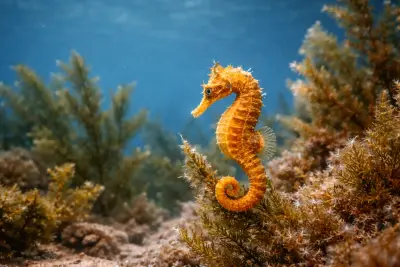
White's Seahorse
common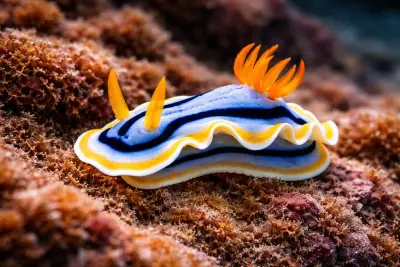
Nudibranch
common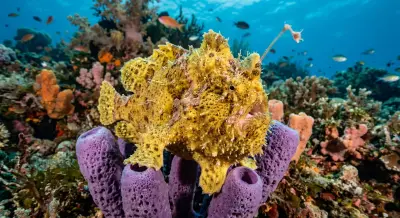
Anglerfish
occasional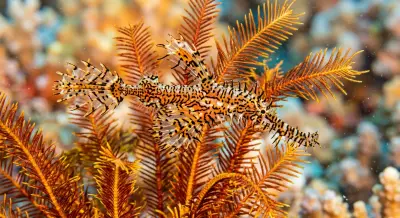
Pipefish
occasional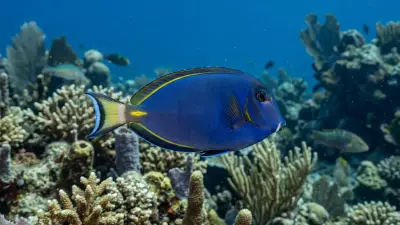
Eastern Blue Groper
common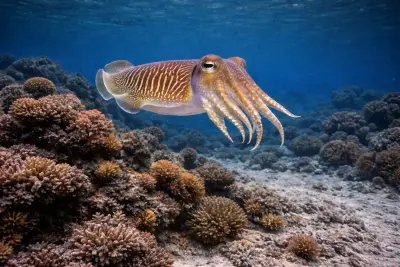
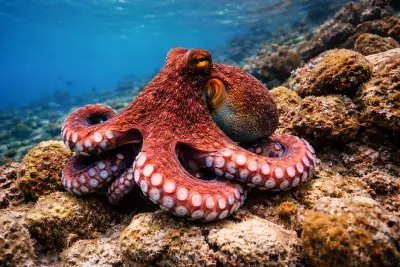
Octopus
common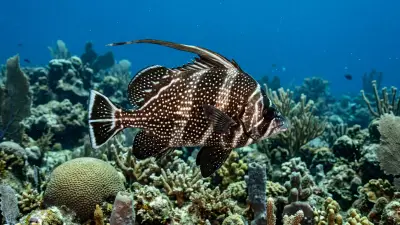
Spotted Wobbegong
occasional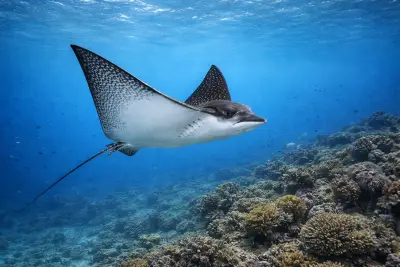
Southern Eagle Ray
occasional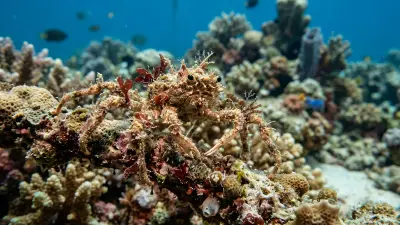
Reef Decorator Crab
occasionalDive profile & how the dive runs
Divers enter Halifax Park from the shore, often from the northern end of the beach on an incoming tide to facilitate a gentle drift. The entry involves navigating a sandy slope which transitions into rich sponge gardens and rocky reef structures. The dive typically progresses down to a maximum depth of 15 to 25 meters, exploring the abundant macro life and varied topography. The deeper continuation of Fly Point, the site features sponge and gorgonian walls between 8 and 15 meters. On a drift dive, the route follows the current, allowing exploration of extensive sections of the reef. The turn point is determined by air consumption and planned bottom time, with the return often requiring swimming against the residual current or exiting at a different point. Safety stops are generally performed in the shallower sections of the reef, taking advantage of the diverse marine life in the 5-meter range.
Underwater photography
Halifax Park is a world-class location for macro photography, offering unparalleled opportunities for capturing small, colorful, and often cryptic marine creatures. Photographers should prioritize a macro lens, such as a 60mm or 100/105mm, to properly frame subjects like White's seahorses, pipefish, nudibranchs, and anglerfish. External strobes are highly recommended to bring out the vibrant colors of these subjects and illuminate their hiding spots within the sponge gardens. Given the potential for mild to moderate currents, good buoyancy control is essential to avoid disturbing delicate marine life and maintain stable shots. Night diving here is especially rewarding for macro subjects, as many species become more active. Patience and keen observation are key to spotting the camouflaged residents of this rich ecosystem.
Combine with nearby dive sites
Getting there & logistics
Halifax Park is located in Nelson Bay, New South Wales, approximately two to two and a half hours' drive north of Sydney, or about an hour north of Newcastle. The nearest major airport is Newcastle Airport (Williamtown, NTL). Divers typically travel by car to the site, parking in the rough areas near Halifax Park. There are no marine park fees for diving directly at Halifax Park. Most dives here are shore-based, making it an accessible day trip or weekend destination. Dive operations in Nelson Bay support visits to Halifax Park, and the site is often combined with other local shore dives like Fly Point. Given its popularity, especially in summer, arriving early is advisable to secure parking.
Safety & environment
The nearest recompression chamber is approximately 210 km away, underscoring the importance of conservative dive planning and appropriate insurance for any potential medical evacuation. Divers must be mindful of potential boat traffic, especially closer to the surface, and always use a dive flag. Currents can be moderate to strong, up to 3 knots, so careful attention to tidal charts and dive planning for entry and exit points is crucial to avoid being swept away. While suitable for all levels, less experienced divers should consider diving with a local guide to navigate tidal flows effectively. Proper weighting and buoyancy control are essential to manage currents and protect the delicate marine environment, particularly the sponge gardens.
Who it suits — and who it doesn't
Suited for
- Macro photographers seeking rare species
- Divers interested in temperate marine biodiversity
- Divers who enjoy shore diving convenience
- Night dive enthusiasts
- All levels of divers with good buoyancy control
Less suited for
- Divers seeking large pelagic encounters
- Those uninterested in macro life
- Divers uncomfortable with potential currents
- Individuals who prefer boat-only access
- Divers expecting pristine coral reefs
FAQ
Halifax Park FAQ
What kind of marine life can I expect to see at Halifax Park?
Halifax Park is particularly famous for its rich macro life. You can frequently spot White's seahorses, diverse species of nudibranchs, pipefish, and anglerfish. Larger species like Eastern Blue Groupers, Australian Giant Cuttlefish, octopuses, and even occasional wobbegongs and Southern Eagle Rays are also present, making it a fantastic site for critter hunting.
Is Halifax Park suitable for beginner divers?
Yes, Halifax Park is considered suitable for all levels of divers due to its easy shore access and relatively shallow depths. However, while the site is protected and accessible, divers should be aware that currents can be mild to moderate, especially on tidal changes. Good buoyancy control and an understanding of dive planning around tides are beneficial for an optimal experience.
What are the typical diving conditions at Halifax Park?
Water temperatures range from 15°C in winter to 23°C in summer. Visibility averages around 8 meters but can improve to 10-25 meters during certain months and tidal conditions. Currents are influenced by tides, varying from negligible to up to 3 knots. The site features a sandy bottom transitioning to sponge gardens and rocky reefs.
How do currents affect diving at Halifax Park?
The site is significantly influenced by tidal currents, which can be moderate to strong. It is often recommended to dive during the peak of an incoming tide to experience a gentle drift for about 20-30 minutes. Divers can plan their entry at specific points along the beach to utilize or mitigate the current, depending on their desired dive profile. Careful attention to local tide charts is essential for a safe dive.
Can I do night dives at Halifax Park?
Yes, night diving is possible and highly recommended at Halifax Park. The site's abundance of macro life makes it particularly rewarding after dark, as many creatures become more active. It's an excellent opportunity for photographers and enthusiasts to observe different behaviors and species that might be hidden during the day.
What is the best way to access Halifax Park?
Halifax Park is primarily a shore dive, accessed directly from the beach. You can find a couple of rough parking areas nearby. Given its popularity, especially during peak seasons, arriving early is advisable to secure a parking spot. The entry point involves walking across a sandy beach before reaching the reef structures.
Why dive Halifax Park from a liveaboard?
Halifax Park is one of Australia's signature dive sites. A liveaboard sleeps you on the water and puts you in the water for three to four guided dives per day, including dawn and night dives that day-boat operators rarely offer. You skip the daily commute back to port and reach quieter, less-crowded sites in the same region on a single trip.
Below are the liveaboards that include Halifax Park on their Australia itineraries.
Liveaboards diving Halifax Park
These liveaboards may visit Halifax Park on selected itineraries — the exact dive sites depend on departure, weather and conditions.
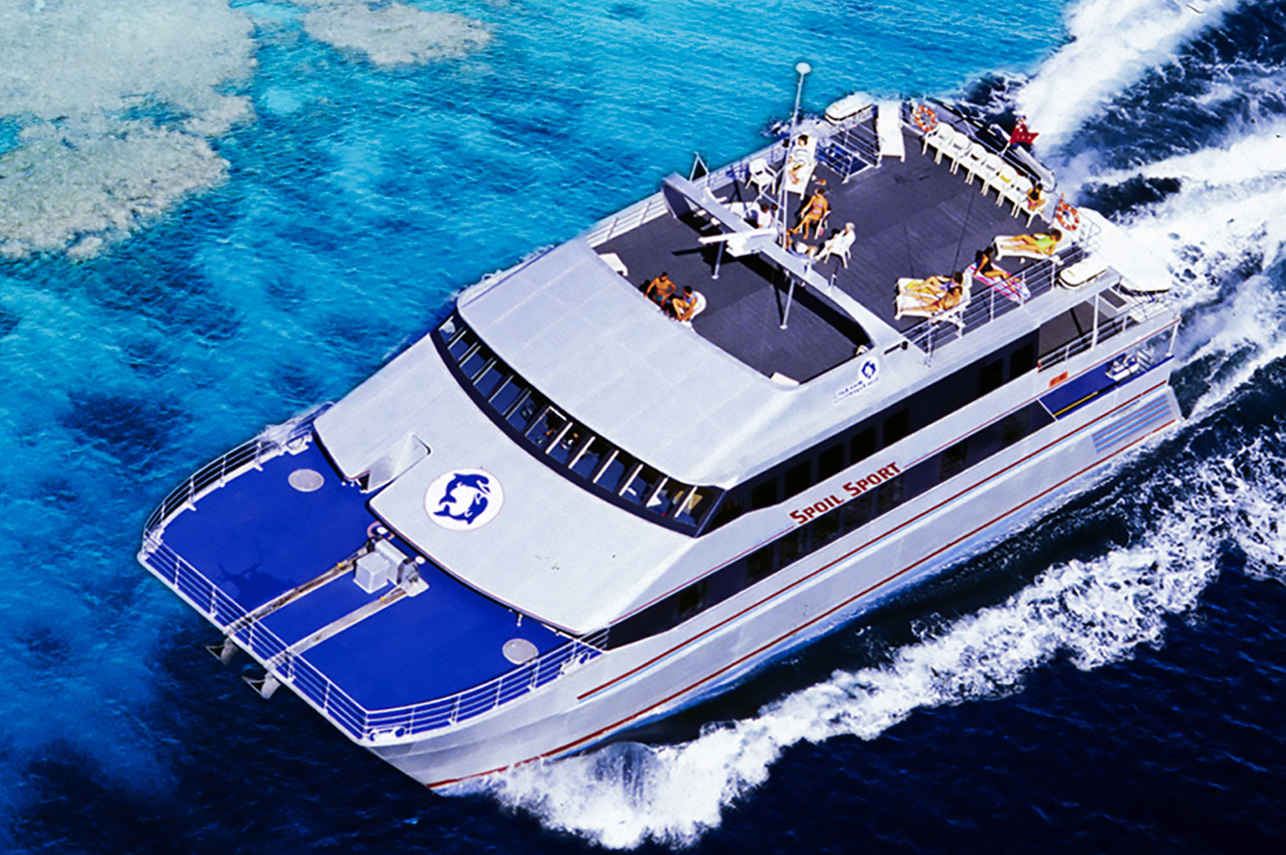
Spoilsport
Australia
28 guests30 m
$408/day
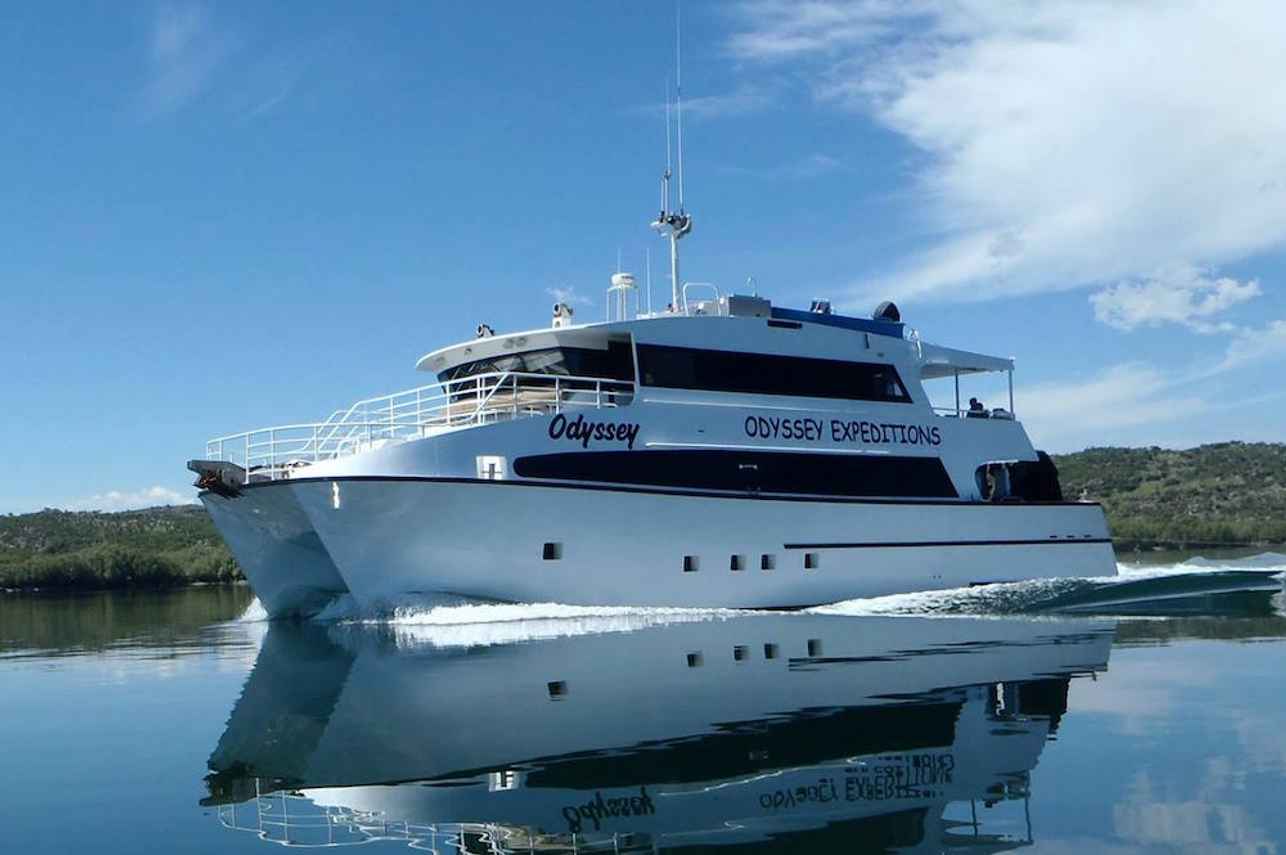
Odyssey Liveaboard
Australia
20 guests24 m
$392/day
Dive sites similar to Halifax Park
Same character, same waters — six more sites divers love for the exact same reasons.Compare seasons, access and liveaboard routes — then pick the site that fits your trip best.
© Esri — Maxar, Earthstar, GIS
Agincourt Reef
Australia
Agincourt Reef sits on the outer edge of the Great Barrier Reef, roughly 60–72 km off Port Douglas in Far North Queensland, at the southern end of the true ribbon reefs that run…
- Suitable for
- Beginner
- Current
- Moderate
- Access
- Dayboat
- Depth
- 2–20 m
- Theme
- Reef / Wall
© Esri — Maxar, Earthstar, GIS
Cocos Keeling - Canons
Australia
Cocos Keeling - Canons offers a distinctive dive experience within the Cocos (Keeling) Islands lagoon, making it Australia's most remote dive destination.
- Suitable for
- Beginner
- Current
- Mild
- Access
- Dayboat
- Depth
- 8–12 m
- Theme
- Reef
© Esri — Maxar, Earthstar, GIS
Raine Island
Australia
Raine Island is a pivotal dive site located in the Far Northern Great Barrier Reef, approximately 85 kilometers east-north-east of Cape Grenville and just over 4 nautical miles south of the island itself.
- Suitable for
- Advanced
- Current
- Strong
- Access
- Liveaboard only
- Depth
- 5–40 m
- Theme
- Reef / Wall
© Esri — Maxar, Earthstar, GIS
Neptune Islands
Australia
The Neptune Islands, nestled at the mouth of South Australia's Spencer Gulf, offer an unparalleled opportunity to encounter great white sharks.
- Suitable for
- Advanced
- Current
- Strong
- Access
- Liveaboard or dayboat
- Depth
- 5–15 m
- Theme
- Drift
© Esri — Maxar, Earthstar, GIS
Bare Island East
Australia
Bare Island East is a highly regarded shore dive in Sydney, celebrated for its diverse and colourful sponge gardens.
- Suitable for
- Intermediate
- Current
- Mild
- Access
- Shore / dayboat
- Depth
- 2–11 m
- Theme
- Reef
© Esri — Maxar, Earthstar, GIS
Cocos Keeling - Broccoli Patch
Australia
Broccoli Patch is a premier dive site nestled within the Cocos (Keeling) Islands lagoon system, offering a gentle yet captivating underwater experience.
- Suitable for
- Beginner
- Current
- Mild
- Access
- Dayboat
- Depth
- 5–10 m
- Theme
- Reef