About The Looking Glass
The Looking Glass is a distinctive channel and swim-through forming a narrow cleft within Broughton Island's Little Broughton, located approximately 25 kilometers north of Port Stephens. This signature diving destination is celebrated for its dramatic topography and serves as a vital component of the Port Stephens-Great Lakes Marine Park. The site's underwater landscape features boulder reefs and provides a diverse environment with depths ranging from 8 meters at the top of the arch to 28 meters at its deepest points. It stands out in the region for consistently offering excellent visibility, making it a prime location for observing marine life. The Looking Glass is particularly renowned as an aggregation site for protected grey nurse sharks, which are a common and almost guaranteed sight for divers. Beyond these impressive creatures, divers frequently encounter schooling bullseyes and kingfish. The marine park status contributes to a rich ecosystem. Diving here involves boat trips departing from Nelson Bay. While the site presents advanced challenges due to potential surge within the swim-through, it offers a rewarding experience for those seeking encounters with larger marine life and spectacular underwater scenery. Optimal conditions, especially sunlit dives through the arch, significantly enhance the experience.
Highlights
Grey nurse shark aggregationThe Looking Glass swim-throughBoulder reef topographySchooling bullseyes and kingfishBest local visibilityOffshore island reef
Season calendar
Best months to dive here
Jan
Feb
Mar
Apr
May
Jun
Jul
Aug
Sep
Oct
Nov
Dec
Excellent
Good
Dive site facts: The Looking Glass
- Depth
- 8–28 m
- Current
- Moderate, with surge
- Visibility
- 8–25 m
- Water temperature
- 16–23°C
- Entry
- Boat
- Level
- Advanced recommended (due to surge)
- Dive type
- Reef, mega-fauna, swim-through
- Night dive
- Possible (Nelson Bay region)
- Region / port
- Nelson Bay, Australia
- Coordinates
- -33.56, 151.33
Conditions & Currents
As an offshore site, The Looking Glass experiences moderate currents, which are characteristic of rich marine environments. Within the narrow cleft of the swim-through, surge is a notable factor, classifying it as a genuinely advanced dive where understanding current direction and planning movement are critical. When navigating the arch, divers must proceed in single file, typically along one side, to allow bubbles to rise on the other, thus keeping the space clear for grey nurse sharks. Maintaining exceptional buoyancy control is paramount, particularly in shallower sections of the arch, to prevent unintended ascents. Agreeing as a group whether to ride or actively counter the surge is important, and careful attention to the dive briefing is essential for managing entry, descent, and exit procedures, especially during drift dives. Visibility at Broughton Island, including this site, is
Marine life & sighting chances
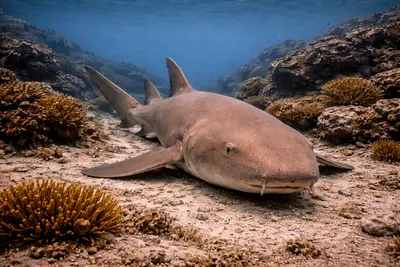
Grey Nurse Shark
common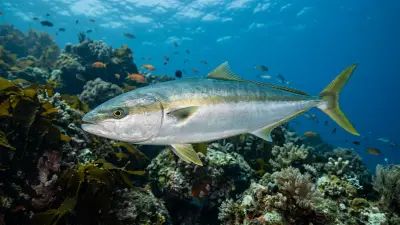
Kingfish
common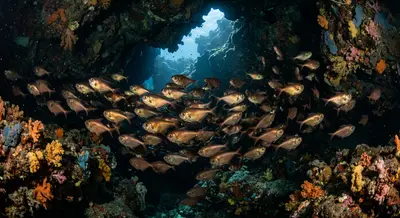
Bullseye
common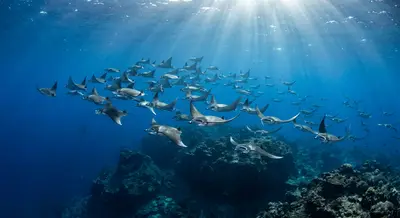
Eastern Blue Devil Fish
occasional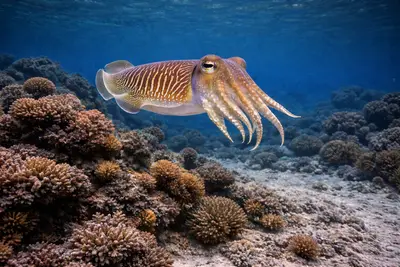
Cuttlefish
occasional
Dolphin
occasional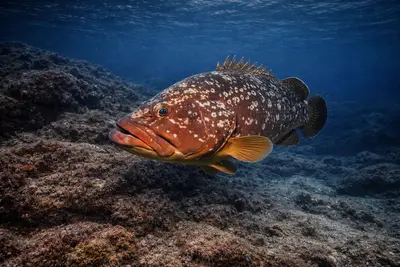
Grouper
occasional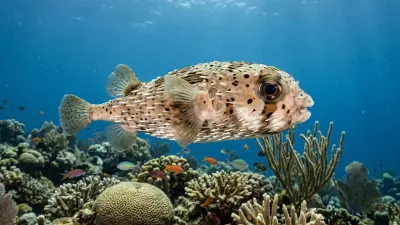
Porcupinefish
occasional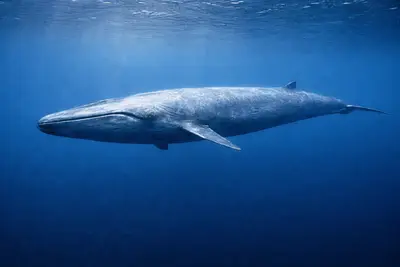
Whale
occasionalDive profile & how the dive runs
Dives at The Looking Glass typically begin with a boat entry. Upon descent, divers enter the narrow swim-through in single file, commonly along the left side. This specific approach ensures that exhaled bubbles rise on one side, leaving the other clear for grey nurse sharks, which are nearly always present. The depth within The Looking Glass transitions from 18 meters, rising to a shallowest point of 8 meters, before dropping back to 13 meters as it opens into a natural 'fish bowl' area. Divers must maintain exceptional buoyancy control throughout, particularly in the shallower sections, to prevent uncontrolled ascents. The dive plan frequently incorporates exploration of nearby walls or caves before or after traversing the main arch. The turn point usually occurs after passing through The Looking Glass, allowing ample time to appreciate the abundant marine life in the subsequent aquarium-like environment. Safety stops are then conducted as part of the ascent.
Underwater photography
Capturing the unique light rays filtering into The Looking Glass swim-through requires careful exposure management, especially when photographing the grey nurse sharks that inhabit the arch. A wide-angle lens is essential to encompass the scale of the swim-through and the schools of fish. For close-up shots of sharks or other macro subjects like nudibranchs on the boulder reefs, a fisheye or macro lens might be considered for different parts of the dive. Given the potential for surge and the need for excellent buoyancy, keeping gear streamlined is important. Consider leaving large strobes on the boat if conditions are particularly challenging to allow full attention to buoyancy and current management. When conditions permit, external strobes can effectively illuminate the interior of the arch or highlight vibrant colors in the kelp forests and on the reef.
Combine with nearby dive sites
- Sutherland Point
Sutherland Point offers an accessible shore diving experience along the dramatic coastline of Kurnell in Botany Bay, Sydney, New South…
- Magic Point
Magic Point stands as one of Sydney's most iconic dive sites, recognized as a vital habitat for the critically endangered grey nurse shark…
- Henry Head
Henry Head is a captivating intermediate-level dive site situated at the mouth of Botany Bay in Sydney, New South Wales, Australia.
- Bare Island East
Bare Island East is a highly regarded shore dive in Sydney, celebrated for its diverse and colourful sponge gardens.
- Boarfish Reef
Boarfish Reef is a renowned boat-access reef located in Victoria, Australia, specifically near Queenscliff on the Bellarine Peninsula.
Getting there & logistics
Access to The Looking Glass, situated within Broughton Island, is exclusively via boat trips, with operations primarily departing from Nelson Bay. Nelson Bay is approximately 2.5 hours drive north of Sydney, Australia. Most trips are day charters, focusing on Broughton Island's various dive sites. While there is no specific marine park fee mentioned for this site, divers should confirm any local park regulations with their operator. The site is typically combined with other diving locations around Broughton Island to form a comprehensive day's diving itinerary, making the most of the area's excellent visibility and diverse marine life. Divers should plan for potential travel from larger hubs like Sydney to reach Nelson Bay.
Safety & environment
Diving at The Looking Glass requires advanced skills due to moderate currents and significant surge within the swim-through, demanding precise buoyancy control. Divers must adhere strictly to dive briefings, especially regarding single-file progression through the arch and managing bubbles to ensure safety for both divers and marine life, particularly grey nurse sharks. The nearest recompression chamber is approximately 210 kilometers away, located near Sydney, highlighting the importance of robust dive insurance that covers emergency evacuation and treatment. Given the offshore location and potential for challenging conditions, divers should always carry essential safety equipment such as a DSMB and know how to deploy it. Proper planning for gas consumption and adherence to no-decompression limits are critical, as the environment does not offer easy access to sheltered water.
Who it suits — and who it doesn't
Suited for
- Experienced divers comfortable with surge
- Divers seeking encounters with large pelagics like grey nurse sharks
- Underwater photographers interested in unique swim-throughs
- Divers who appreciate offshore reef topography and excellent visibility
- Advanced Open Water certified divers and above
Less suited for
- Beginner divers or those with limited current experience
- Divers uncomfortable with confined spaces or overhead environments
- Individuals with poor buoyancy control
- Those who prefer calm, sheltered diving conditions
- Divers who are prone to seasickness on offshore boat trips
FAQ
The Looking Glass FAQ
What makes The Looking Glass an advanced dive site?
The Looking Glass is considered an advanced dive due to the moderate currents and significant surge often experienced within its narrow swim-through. Divers must possess excellent buoyancy control and be prepared to navigate challenging water movement while adhering to specific protocols for traversing the arch in single file, especially with grey nurse sharks present. The offshore location also means exposure to open water conditions.
What marine life can I expect to see at The Looking Glass?
You can expect to see a rich variety of marine life, most notably a common aggregation of protected grey nurse sharks, which are almost guaranteed residents of the swim-through. Beyond these impressive creatures, schooling bullseyes and kingfish are frequently encountered. Occasional sightings of eastern blue devil fish, cuttlefish, dolphins, groupers, porcupinefish, and whales are also possible in the broader Broughton Island area.
What is the typical depth and visibility at this site?
The depths at The Looking Glass range from 8 meters at the shallowest point within the arch to a maximum popular depth of 25 meters, with some areas reaching 28 meters. Visibility is one of the site's standout features, often ranging from 8 to 25 meters, consistently offering the best visibility in the Nelson Bay region, making it ideal for underwater exploration.
How do I access The Looking Glass dive site?
The Looking Glass is an offshore site located on Broughton Island, approximately 25 kilometers north of Port Stephens. Access is exclusively by boat, with dive operators typically departing from Nelson Bay. These trips are usually day charters that visit multiple sites around Broughton Island, making it a convenient option for divers staying in the Nelson Bay area.
When is the best time of year to dive The Looking Glass?
The optimal time to dive The Looking Glass is generally between June and October, as these months offer excellent visibility and stable conditions. While diving is possible year-round, these months provide the most favorable experience for exploring the swim-through and encountering marine life. April and November also present good conditions with comfortable temperatures and potentially fewer crowds.
Why dive The Looking Glass from a liveaboard?
The Looking Glass is one of Australia's signature dive sites. A liveaboard sleeps you on the water and puts you in the water for three to four guided dives per day, including dawn and night dives that day-boat operators rarely offer. You skip the daily commute back to port and reach quieter, less-crowded sites in the same region on a single trip.
Below are the liveaboards that include The Looking Glass on their Australia itineraries.
Liveaboards diving The Looking Glass
These liveaboards may visit The Looking Glass on selected itineraries — the exact dive sites depend on departure, weather and conditions.
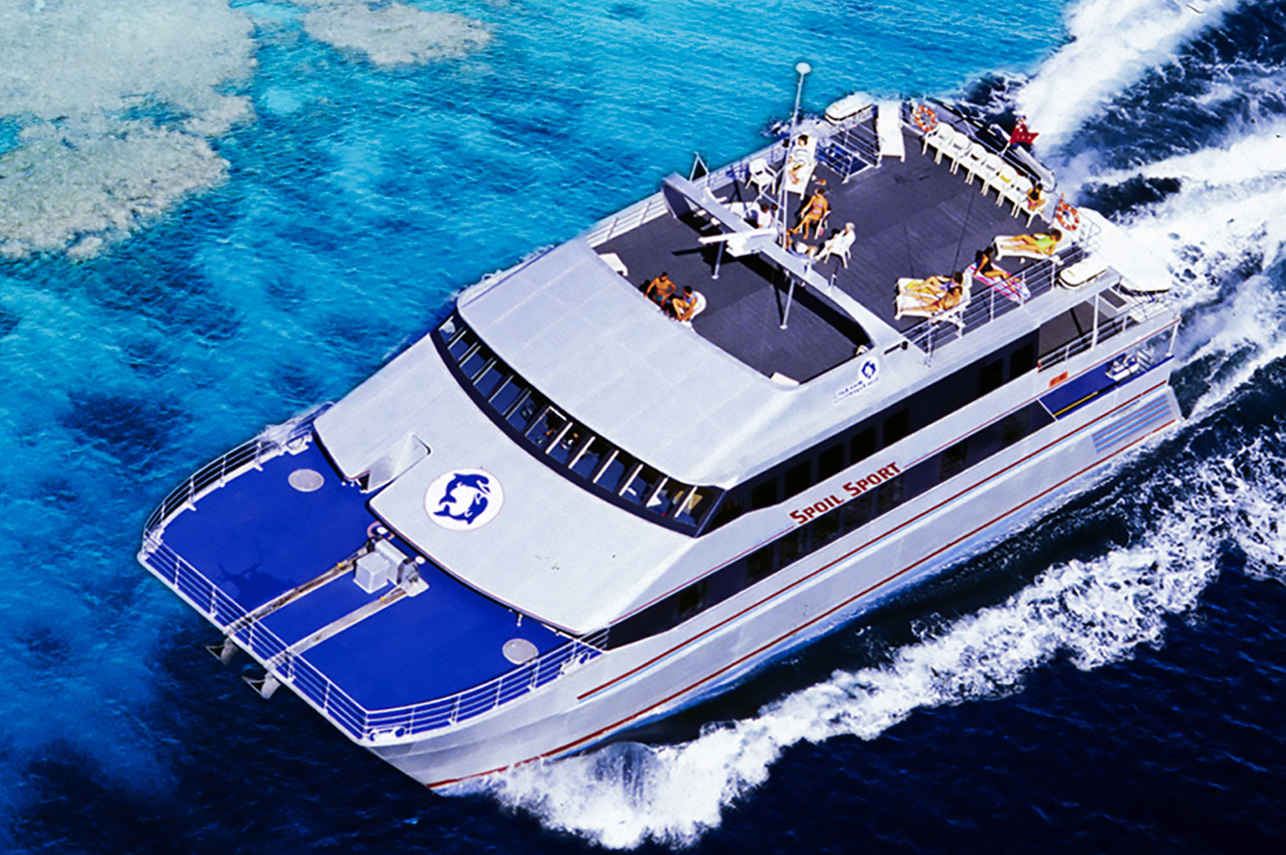
Spoilsport
Australia
28 guests30 m
$291/day
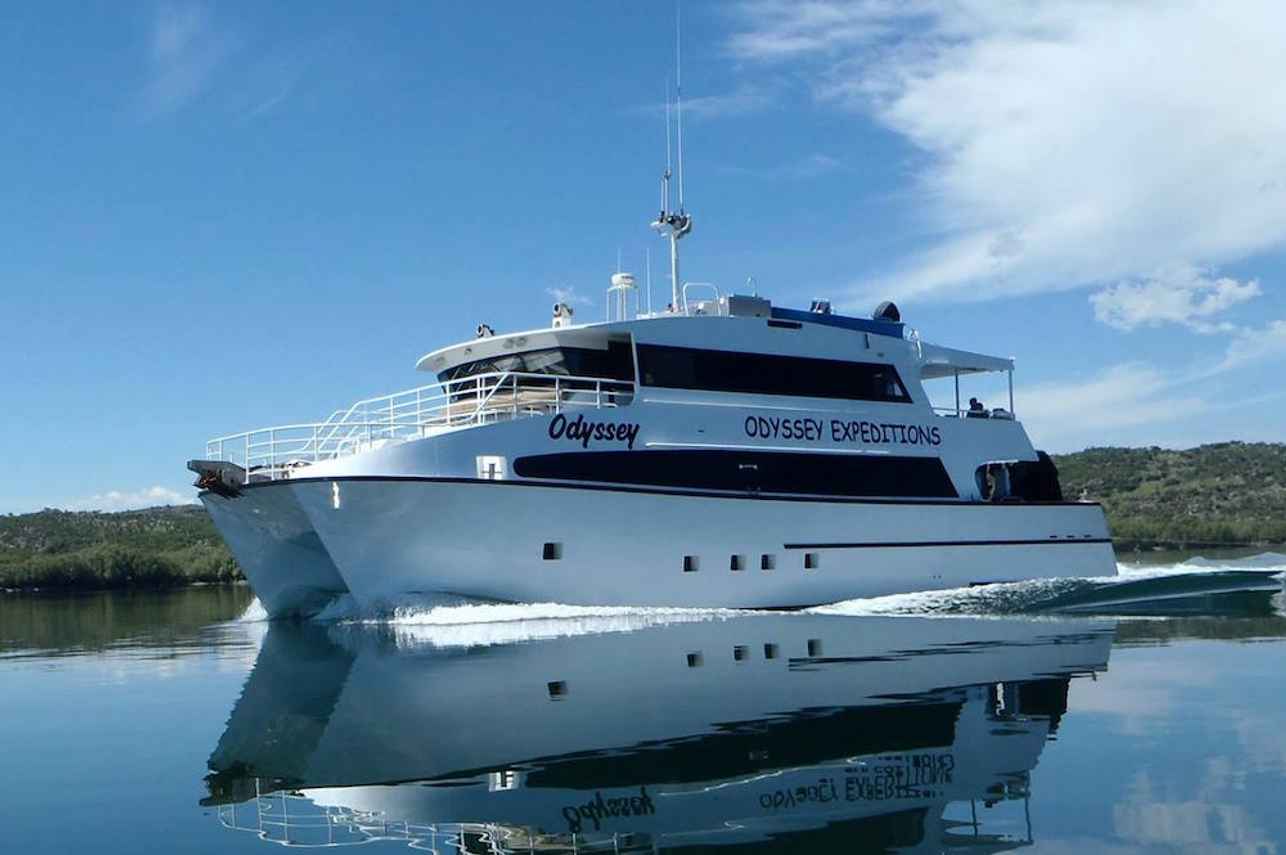
Odyssey Liveaboard
Australia
20 guests24 m
$392/day
Dive sites similar to The Looking Glass
Same character, same waters — six more sites divers love for the exact same reasons.Compare seasons, access and liveaboard routes — then pick the site that fits your trip best.
© Esri — Maxar, Earthstar, GIS
Agincourt Reef
Australia
Agincourt Reef sits on the outer edge of the Great Barrier Reef, roughly 60–72 km off Port Douglas in Far North Queensland, at the southern end of the true ribbon reefs that run…
- Suitable for
- Beginner
- Current
- Moderate
- Access
- Dayboat
- Depth
- 2–20 m
- Theme
- Reef / Wall
© Esri — Maxar, Earthstar, GIS
Cocos Keeling - Canons
Australia
Cocos Keeling - Canons offers a distinctive dive experience within the Cocos (Keeling) Islands lagoon, making it Australia's most remote dive destination.
- Suitable for
- Beginner
- Current
- Mild
- Access
- Dayboat
- Depth
- 8–12 m
- Theme
- Reef
© Esri — Maxar, Earthstar, GIS
Raine Island
Australia
Raine Island is a pivotal dive site located in the Far Northern Great Barrier Reef, approximately 85 kilometers east-north-east of Cape Grenville and just over 4 nautical miles south of the island itself.
- Suitable for
- Advanced
- Current
- Strong
- Access
- Liveaboard only
- Depth
- 5–40 m
- Theme
- Reef / Wall
© Esri — Maxar, Earthstar, GIS
Bare Island East
Australia
Bare Island East is a highly regarded shore dive in Sydney, celebrated for its diverse and colourful sponge gardens.
- Suitable for
- Intermediate
- Current
- Mild
- Access
- Shore / dayboat
- Depth
- 2–11 m
- Theme
- Reef
© Esri — Maxar, Earthstar, GIS
Cocos Keeling - Broccoli Patch
Australia
Broccoli Patch is a premier dive site nestled within the Cocos (Keeling) Islands lagoon system, offering a gentle yet captivating underwater experience.
- Suitable for
- Beginner
- Current
- Mild
- Access
- Dayboat
- Depth
- 5–10 m
- Theme
- Reef
© Esri — Maxar, Earthstar, GIS
Milln Reef
Australia
Milln Reef, located approximately 60km offshore from Cairns within the Great Barrier Reef, stands out as a highly favored outer reef destination for both divers and snorkelers.
- Suitable for
- Intermediate
- Current
- Moderate
- Access
- Liveaboard or dayboat
- Depth
- 4–22 m
- Theme
- Reef