About Broughton Island
Broughton Island is an offshore island reef located approximately 25 kilometers north of Port Stephens, making it a signature diving destination accessible via boat from Nelson Bay. It is a vital part of the Port Stephens-Great Lakes Marine Park and is particularly celebrated for its dramatic topography and abundant marine life. The island's main draw is a unique feature known as "The Looking Glass," a narrow cleft or arch in the rock that divers can swim through. Depths around Broughton Island range from 8 meters at the top of features like The Looking Glass, down to a maximum popular depth of 25 meters, with some areas reaching 28 meters. The underwater landscape features boulder reefs, lush kelp forests, and open blue water, providing a diverse environment for various species. This site stands out for consistently offering the best visibility in the Nelson Bay area. Broughton Island is a critical habitat and aggregation site for protected grey nurse sharks, which are a common sight for divers. Beyond these majestic creatures, you can expect to encounter schooling bullseyes and kingfish, along with occasional sightings of unique species like the eastern blue devil fish. The marine park status ensures a rich ecosystem with over 400 species of fish and more than 200 species of nudibranchs recorded in the broader Nelson Bay region. Diving here typically involves boat trips, with operators departing from Nelson Bay. While some areas are suitable for advanced divers due to potential surge, the overall experience is rewarding for those seeking larger marine life encounters and spectacular underwater scenery. Planning your trip around favorable conditions, particularly for sunlit dives through features like The Looking Glass, enhances the experience significantly.
Highlights
Grey nurse shark aggregationThe Looking Glass swim-throughBoulder reef topographyKelp forestsSchooling bullseyes and kingfishBest local visibilityOffshore island reef
Season calendar
Best months to dive here
Jan
Feb
Mar
Apr
May
Jun
Jul
Aug
Sep
Oct
Nov
Dec
Excellent
Good
Dive site facts: Broughton Island
- Depth
- 8–28 m
- Current
- Moderate, with surge at specific sites
- Visibility
- 8–25 m
- Water temperature
- 16–23°C
- Entry
- Boat
- Level
- Advanced recommended (due to surge)
- Dive type
- Reef, mega-fauna, swim-through
- Night dive
- Possible at select sites (Nelson Bay region)
- Region / port
- Nelson Bay, Australia
- Coordinates
- 32.6100° S, 152.2700° E
Conditions & Currents
Broughton Island, being an offshore site, can experience moderate currents, which are typical for areas with rich marine life. Specific sites like The Looking Glass are known for surge, making them genuinely advanced dives where understanding current direction and planning for movement is crucial. During a drift dive, careful attention to the briefing is essential, covering entry procedures, descent timing, and exit plans, as divers rely on currents to move along the reef. In The Looking Glass, divers must stay in single file, typically on one side, to allow bubbles to rise on one side while grey nurse sharks remain on the other. Agreeing as a group whether to ride or fight the surge is important, and maintaining excellent buoyancy control is paramount, especially in shallow sections where surfacing inadvertently must be avoided. Visibility at Broughton Island is generally the best in th
Marine life & sighting chances

Grey Nurse Shark
common
Bullseye
common
Kingfish
common

Cuttlefish
occasional
Numbfish
occasional
Dolphin
occasional
Grouper
occasional
Porcupinefish
occasional
Pufferfish
occasional
Starfish
occasional
Whale
occasionalDive profile & how the dive runs
Dives at Broughton Island typically begin with a boat entry, often at The Looking Glass. Upon descent, the protocol for entering the main swim-through involves divers proceeding in single file, usually along the left side of the arch. This ensures that exhaled bubbles rise on one side, leaving the other clear for grey nurse sharks, which are practically guaranteed residents. The depth within The Looking Glass varies from 18 meters, rising to 8 meters at its shallowest point, and then dropping back to 13 meters on the other side, which opens into a natural 'fish bowl' area. Divers must maintain excellent buoyancy control, especially through the shallower sections, to avoid uncontrolled ascents. The dive often includes exploring nearby walls or caves before entering the main arch. The turn point is typically after passing through The Looking Glass, allowing divers to enjoy the vibrant marine life in the subsequent aquarium-like environment. Safety stops are conducted in shallower, calmer waters, often within the fish bowl or along the outer reef structure.
Underwater photography
Broughton Island offers excellent opportunities for both wide-angle and macro photography, making lens choice a key decision. For capturing the dramatic swim-through of The Looking Glass and the resident grey nurse sharks, a wide-angle lens is ideal, especially on sunny days when the light plays beautifully through the arch. When photographing sharks, maintain a respectful distance and avoid aggressive movements. For the intricate sponge gardens and diverse macro life found in the wider Nelson Bay region, a macro lens is essential. Buoyancy control is paramount, particularly within the narrow and surge-prone sections of The Looking Glass, to avoid disturbing the environment or stirring up sediment. Consider using external strobes or video lights to illuminate the vibrant colors of the reef and marine inhabitants, especially in deeper or shadowed areas.
Combine with nearby dive sites
- North Rock
A smaller rock just north of Broughton Island, also offering spectacular diving and large marine life.
- Fly Point
A shore reef in Port Stephens-Great Lakes Marine Park, known for weedy seadragons, wobbegongs, and macro life, requiring dives at slack high tide.
- Halifax Park
A deeper extension of Fly Point, featuring sponge and gorgonian walls, cuttlefish, octopus, and excellent temperate macro diving.
Getting there & logistics
Broughton Island is accessed by boat trips departing from Nelson Bay, located approximately 220 km north of Sydney, making it an easy drive for a weekend trip. Nelson Bay itself is part of Port Stephens, a popular holiday destination. The nearest recompression chamber is approximately 210 km away. There are no liveaboards operating directly to Broughton Island, but two local dive centers, Lets Go Adventures and Feet First Dive Pty Ltd, offer trips to the site. While there is a marine park, no specific marine park fees are mentioned for diving Broughton Island directly. Visitors should plan for boat dive costs, with a typical single dive costing around $90. It's advisable to check tide charts in advance, as local dive stores can assist with planning for optimal conditions, especially if combining boat dives with shore dives in the wider Nelson Bay area.
Safety & environment
Diving at Broughton Island requires careful attention to safety, particularly due to the potential for moderate currents and surge at specific sites like The Looking Glass. Divers must maintain excellent buoyancy control to avoid uncontrolled ascents or contact with reef structures, especially in shallow or narrow sections. For areas with surge, agreeing as a group whether to ride or fight the current is crucial for maintaining buddy teams and overall safety. The nearest recompression chamber is located approximately 210 km away from Nelson Bay. Divers should ensure they have adequate dive insurance to cover potential medical emergencies and evacuation. Always follow the dive briefing meticulously, paying close attention to entry and exit procedures, depth limits, and communication signals. Given the critical habitat status for grey nurse sharks, respectful interaction and adherence to established protocols are essential to protect both divers and marine life.
Who it suits — and who it doesn't
Suited for
- Divers seeking encounters with large pelagic species
- Photographers interested in wide-angle reef and shark photography
- Advanced divers comfortable with moderate currents and surge
- Those who appreciate unique geological features like swim-throughs
- Divers looking for excellent visibility offshore
Less suited for
- Absolute beginner divers with limited current experience
- Divers prone to seasickness on boat trips
- Individuals uncomfortable with deep or exposed offshore sites
- Divers who prefer purely macro-focused diving without wider reef exploration
- Those unable to maintain precise buoyancy in varied conditions
FAQ
Broughton Island FAQ
What marine life can I expect to see at Broughton Island?
Broughton Island is most famous for its aggregation of grey nurse sharks, which are frequently encountered. Beyond the sharks, you can expect to see schooling bullseyes and kingfish, various reef fish like grouper, porcupinefish, and pufferfish. Occasionally, divers might spot rarer species such as the eastern blue devil fish, cuttlefish, or numbfish, along with dolphins and whales in the broader area.
What is 'The Looking Glass' at Broughton Island?
The Looking Glass is a unique and signature dive site at Broughton Island, consisting of a dramatic, narrow cleft or arch in the rock. Divers can swim through this natural formation, which ranges in depth from 18 meters to a shallowest point of 8 meters. It is particularly renowned for the way sunlight filters through the water and for guaranteed encounters with grey nurse sharks inside.
How far is Broughton Island from Nelson Bay and how do I get there?
Broughton Island is located approximately 25 kilometers (or 14 km northeast) offshore from Port Stephens. It is exclusively accessible by boat trips, with dive operators regularly departing from Nelson Bay. The boat journey typically takes around 45 minutes to an hour, depending on sea conditions.
What are the typical diving conditions at Broughton Island?
Broughton Island generally offers the best visibility in the Nelson Bay area, often ranging from 8 to 25 meters, and sometimes even more. Water temperatures fluctuate between 16-23°C throughout the year. While the currents are typically moderate, specific features like The Looking Glass can experience significant surge, requiring advanced diving skills and excellent buoyancy control.
Is Broughton Island suitable for beginner divers?
Broughton Island is generally recommended for more advanced divers due to its offshore location, potential for moderate currents, and surge, particularly within sites like The Looking Glass. While some areas might be manageable for confident open water divers, prior experience with currents and good buoyancy control are highly beneficial. For true beginners, shore dives closer to Nelson Bay might be more appropriate to build experience.
Why dive Broughton Island from a liveaboard?
Broughton Island is one of Australia's signature dive sites. A liveaboard sleeps you on the water and puts you in the water for three to four guided dives per day, including dawn and night dives that day-boat operators rarely offer. You skip the daily commute back to port and reach quieter, less-crowded sites in the same region on a single trip.
Below are the liveaboards that include Broughton Island on their Australia itineraries.
Liveaboards diving Broughton Island
These liveaboards may visit Broughton Island on selected itineraries — the exact dive sites depend on departure, weather and conditions.
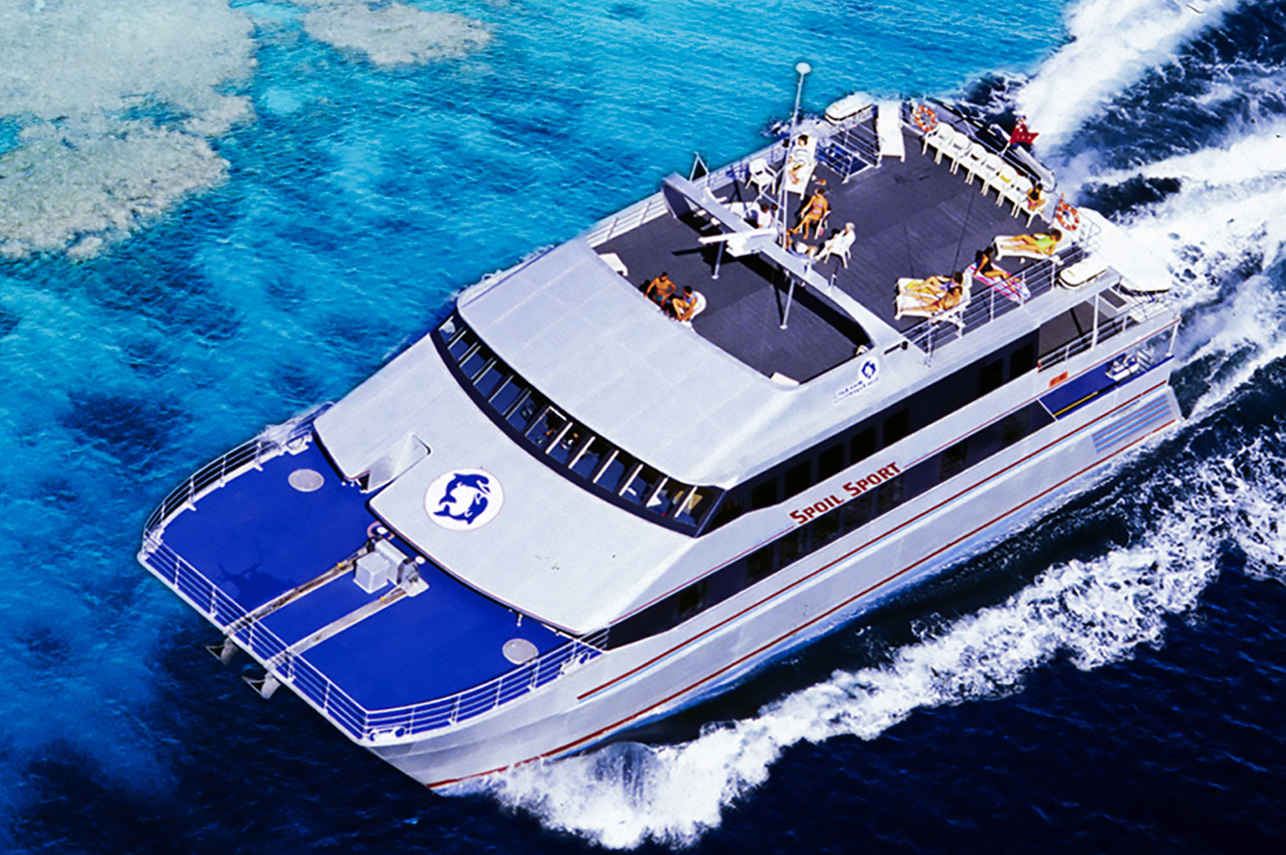
Spoilsport
Australia
28 guests30 m
$409/day
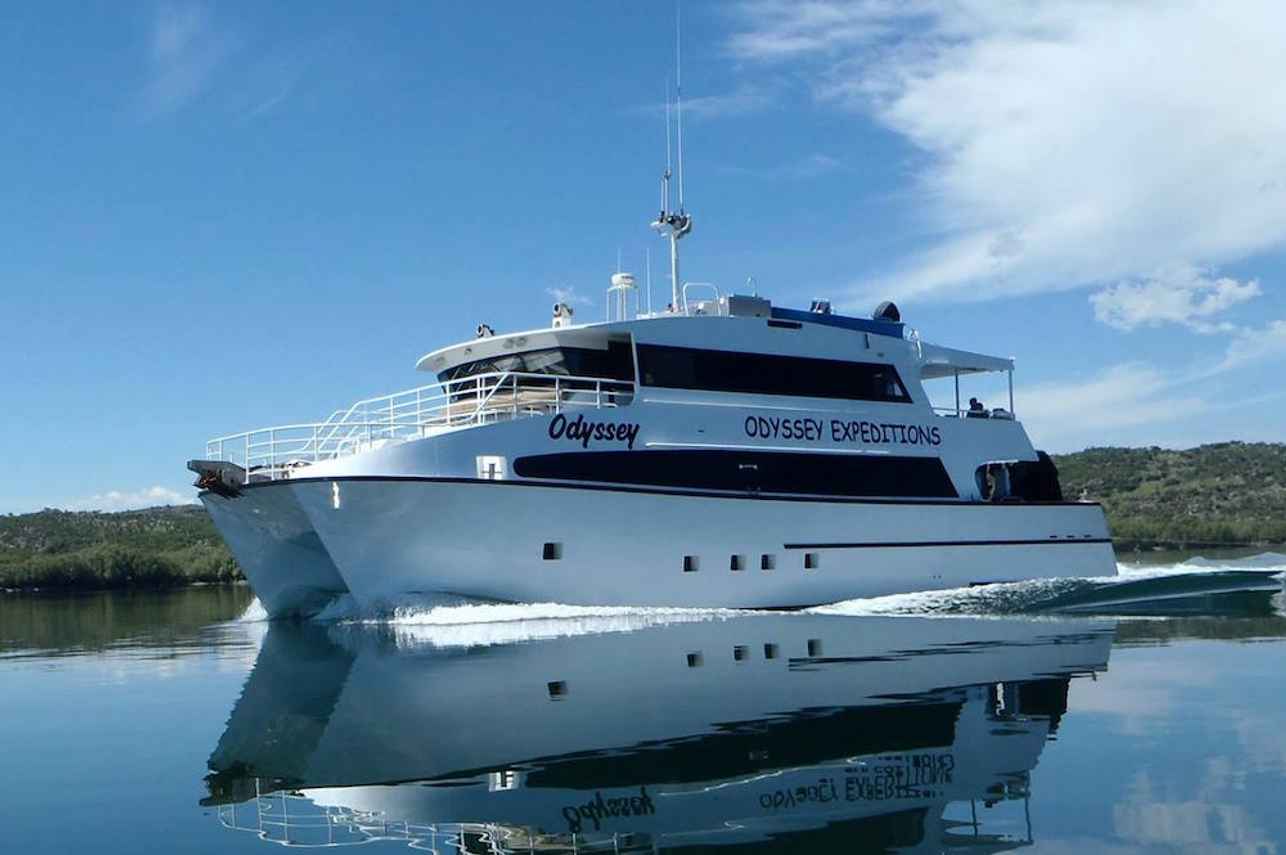
Odyssey Liveaboard
Australia
20 guests24 m
$392/day
Dive sites similar to Broughton Island
Same character, same waters — six more sites divers love for the exact same reasons.Compare seasons, access and liveaboard routes — then pick the site that fits your trip best.
© Esri — Maxar, Earthstar, GIS
Agincourt Reef
Australia
Agincourt Reef sits on the outer edge of the Great Barrier Reef, roughly 60–72 km off Port Douglas in Far North Queensland, at the southern end of the true ribbon reefs that run…
- Suitable for
- Beginner
- Current
- Moderate
- Access
- Dayboat
- Depth
- 2–20 m
- Theme
- Reef / Wall
© Esri — Maxar, Earthstar, GIS
Cocos Keeling - Canons
Australia
Cocos Keeling - Canons offers a distinctive dive experience within the Cocos (Keeling) Islands lagoon, making it Australia's most remote dive destination.
- Suitable for
- Beginner
- Current
- Mild
- Access
- Dayboat
- Depth
- 8–12 m
- Theme
- Reef
© Esri — Maxar, Earthstar, GIS
Raine Island
Australia
Raine Island is a pivotal dive site located in the Far Northern Great Barrier Reef, approximately 85 kilometers east-north-east of Cape Grenville and just over 4 nautical miles south of the island itself.
- Suitable for
- Advanced
- Current
- Strong
- Access
- Liveaboard only
- Depth
- 5–40 m
- Theme
- Reef / Wall
© Esri — Maxar, Earthstar, GIS
Bare Island East
Australia
Bare Island East is a highly regarded shore dive in Sydney, celebrated for its diverse and colourful sponge gardens.
- Suitable for
- Intermediate
- Current
- Mild
- Access
- Shore / dayboat
- Depth
- 2–11 m
- Theme
- Reef
© Esri — Maxar, Earthstar, GIS
Cocos Keeling - Broccoli Patch
Australia
Broccoli Patch is a premier dive site nestled within the Cocos (Keeling) Islands lagoon system, offering a gentle yet captivating underwater experience.
- Suitable for
- Beginner
- Current
- Mild
- Access
- Dayboat
- Depth
- 5–10 m
- Theme
- Reef
© Esri — Maxar, Earthstar, GIS
Milln Reef
Australia
Milln Reef, located approximately 60km offshore from Cairns within the Great Barrier Reef, stands out as a highly favored outer reef destination for both divers and snorkelers.
- Suitable for
- Intermediate
- Current
- Moderate
- Access
- Liveaboard or dayboat
- Depth
- 4–22 m
- Theme
- Reef