About Elk Horn Forest
Elk Horn Forest is a distinctive dive site located on the eastern side of Long Caye in Belize, celebrated for its unique coral topography and abundant juvenile marine life. This site is named for the significant presence of rare elkhorn corals found in its shallow waters, coexisting with large mounds of lettuce leaf coral that extend towards deeper sections. The shallows are particularly vibrant, offering a crucial habitat for a diverse array of young fish. As you descend, the coral formations transition, creating an interesting profile for divers to explore. The site is a testament to the rich biodiversity found within Belize's barrier reef system. Water temperatures in the region generally range from 25-28°C (78-82°F), with visibility often exceeding 24 meters (80 feet), creating optimal conditions for underwater exploration and photography. Dives here are typically conducted from liveaboard yachts, making it a convenient stop on longer itineraries. While specific current details for Elk Horn Forest are not extensively noted, the general conditions in Belize's outer atolls suggest varying current strengths, which can influence dive planning. The site offers a gentle experience focusing on coral health and macro life, making it suitable for divers interested in marine ecosystems and observing the early stages of reef fish development.
Highlights
Rare elkhorn coralsLarge lettuce leaf coral moundsAbundant juvenile fishLong Caye locationVibrant shallow reefHealthy coral ecosystem
Season calendar
Best months to dive here
Jan
Feb
Mar
Apr
May
Jun
Jul
Aug
Sep
Oct
Nov
Dec
Excellent
Good
Dive site facts: Elk Horn Forest
- Current
- Variable, potentially mild to moderate
- Visibility
- 24+ m (80+ ft)
- Water temperature
- 25-28°C (78-82°F)
- Entry
- Tender boat
- Level
- All levels (check current conditions)
- Dive type
- Coral garden, wall, macro
- Region / port
- Lighthouse Reef Atoll, Belize
- Coordinates
- 17.2618° N, 87.7952° W
Conditions & Currents
Information specific to currents at Elk Horn Forest is not detailed in sources, however, Belize's atoll diving can experience variable conditions. Generally, sites exposed to open ocean currents, particularly those near walls or prominent reef structures, may encounter stronger flows. Divers should anticipate a range of current strengths, especially on sites within Lighthouse Reef Atoll which is far offshore. Visibility is reliably good, often 24 meters (80 feet) or better, though heavy rainfall during the June to November wet season can temporarily reduce it. Water temperatures remain warm, typically between 25-28°C (78-82°F) throughout the year, meaning thermoclines are uncommon in the shallower regions. Entry methods are usually from tender boats deployed by liveaboards, requiring divers to be prepared for both mild and potentially moderate drifts.
Marine life & sighting chances
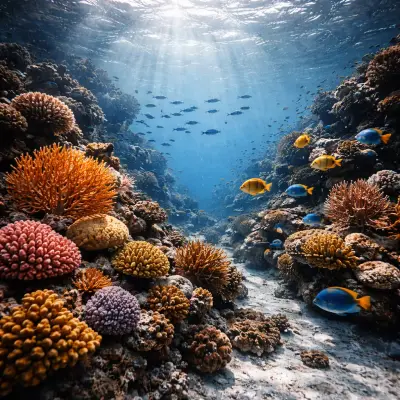
Elkhorn coral
common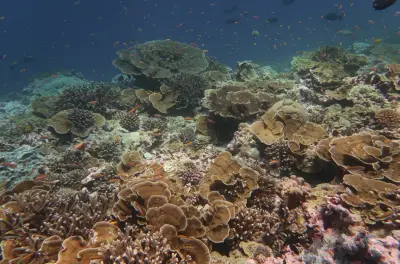
Juvenile fish
commonLettuce leaf coral
common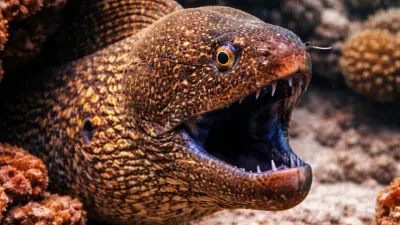
Moray eel
occasional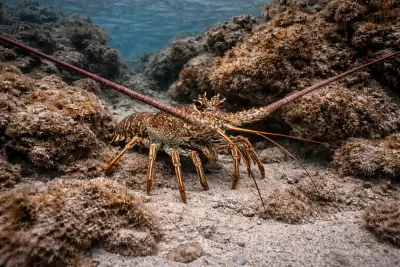
Spiny lobster
occasional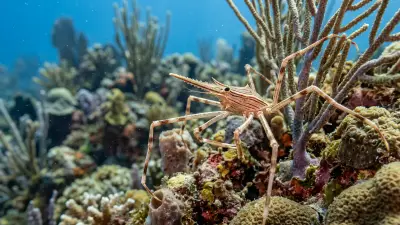
Arrow crab
occasional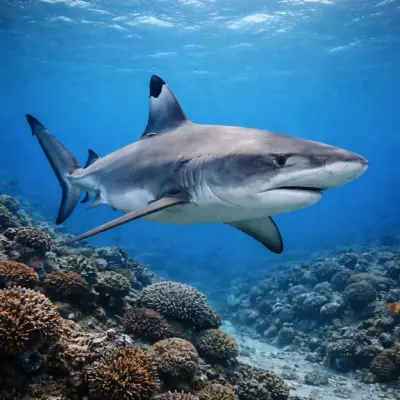
Reef shark
occasional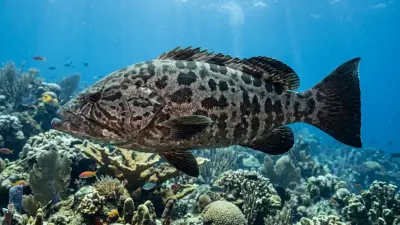
Black grouper
occasional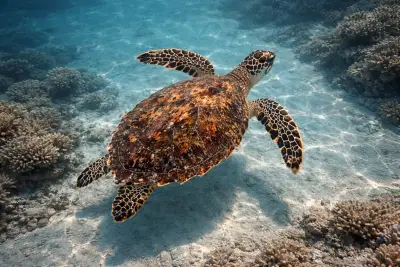
Hawksbill turtle
occasional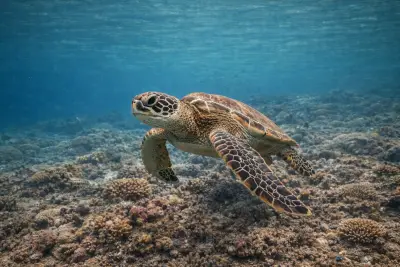
Green sea turtle
occasional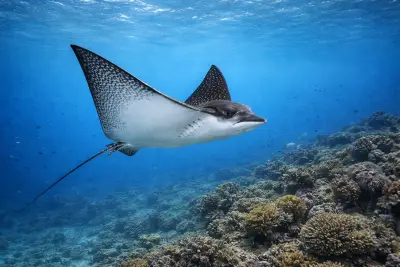
Eagle ray
occasionalDive profile & how the dive runs
A typical dive at Elk Horn Forest begins with a descent into the shallow areas where extensive elkhorn corals and large lettuce leaf coral mounds dominate the reefscape. The primary focus is exploring these vibrant coral gardens, which serve as a nursery for numerous species of juvenile fish. Divers often follow the natural contours of the reef, moving gradually from the shallows towards slightly deeper sections where the coral formations project. The dive route allows for close observation of macro life nestled within the corals. As the dive progresses, attention is given to the diverse ecosystem supported by the healthy corals. The turn point is determined by air consumption or bottom time, ensuring a safe ascent back into the shallows for the safety stop, which is typically conducted over the dense coral beds at around 5 meters (15 feet).
Underwater photography
Elk Horn Forest is ideal for wide-angle photography, capturing the expansive coral formations, particularly the prominent elkhorn and lettuce leaf corals, and their role as a nursery. A wide-angle lens with external strobes will effectively illuminate the vibrant colors of the coral and the surrounding reef. For macro enthusiasts, a macro lens will be invaluable for capturing the intricate details of the numerous juvenile fish species and smaller invertebrates hiding within the corals. Excellent buoyancy control is essential to avoid damaging delicate coral structures. When photographing marine life, maintain a respectful distance to avoid disturbing their natural behavior, especially the young fish that rely on these corals for shelter.
Combine with nearby dive sites
- Long Caye Ridge
Long Caye Ridge is a highly-rated dive site situated within Belize's Lighthouse Reef Atoll, an area renowned for its pristine conditions…
- Half Moon Caye Wall
Half Moon Caye Wall, located within Belize's Lighthouse Reef Atoll, is celebrated as one of the Caribbean's premier dive sites and part of…
- Angel Fish Wall
Angel Fish Wall is a notable dive site in Belize, named for the friendly grey angelfish that frequent its reef.
- Aquarium
Aquarium is a captivating dive site situated off the coast of Providenciales in the Turks and Caicos Islands, forming part of a diverse…
- Black Beauty
Black Beauty is a distinguished dive site located within Belize's Turneffe Atoll, part of the extensive Belize Barrier Reef Reserve System.
- Blue Hole
Blue Holes is an iconic dive site in Palau, located near the northwestern end of Ngemelis Island, offering a unique combination of cavern…
Getting there & logistics
Diving Elk Horn Forest is typically part of a liveaboard itinerary, with vessels departing from Belize City. Liveaboards like the Aggressor III and IV cast off every Saturday evening for 7-night trips, with diving commencing on Sunday mornings and concluding Friday around noon. These trips usually include visits to Lighthouse Reef Atoll and Half Moon Caye, where Elk Horn Forest is located. Divers arrive at Philip S. W. Goldson International Airport (BZE) and transfer to the Fort George Hotel dock in downtown Belize City for boarding. No specific permits or fees for Elk Horn Forest are mentioned, but national park fees or marine reserve fees may apply as part of a liveaboard package. Optional shore excursions are often available from the tender boat.
Safety & environment
While no specific safety details for Elk Horn Forest are provided, general dive safety in Belize is paramount. The nearest recompression chamber is located in San Pedro on Ambergris Caye, requiring potential evacuation by boat or air. Divers should always have comprehensive dive insurance that covers medical emergencies and evacuation. Site-specific hazards are minimal at Elk Horn Forest, primarily involving careful buoyancy to protect delicate coral and awareness of any prevailing currents. Always follow your dive guide's instructions, perform buddy checks, and maintain conservative dive profiles, especially considering the remote location of the outer atolls. Emergency communication and first aid are handled by the liveaboard crew, but personal preparedness is key.
Who it suits — and who it doesn't
Suited for
- Macro photographers
- Coral enthusiasts
- Underwater naturalists
- Divers seeking rich reef ecosystems
- Beginner to intermediate divers
Less suited for
- Divers seeking large pelagic encounters primarily
- Extreme depth recreational divers
- Those who prefer wreck diving exclusively
- Divers uninterested in juvenile marine life
FAQ
Elk Horn Forest FAQ
Where is Elk Horn Forest located?
Elk Horn Forest is situated on the east side of Long Caye, which is part of the Lighthouse Reef Atoll in Belize. This atoll is one of the three major atolls off the coast of Belize, known for its pristine dive sites and being home to the famous Blue Hole.
What kind of marine life can I expect to see at Elk Horn Forest?
The site is especially known for its abundant juvenile fish, which find shelter among the dense coral formations. Divers commonly observe various species of young reef fish, along with occasional sightings of moray eels, spiny lobsters, arrow crabs, and larger reef inhabitants like turtles, sharks, and eagle rays cruising nearby.
What makes Elk Horn Forest unique?
Its uniqueness comes from the presence of rare elkhorn corals in the shallows, alongside extensive mounds of lettuce leaf coral. These corals create a lush, thriving environment that acts as a vital nursery, supporting a high density and diversity of juvenile marine life not always seen in other areas.
What are the typical diving conditions at Elk Horn Forest?
Diving conditions generally feature good visibility, often exceeding 24 meters (80 feet), and warm water temperatures ranging from 25-28°C (78-82°F). While currents can be variable, they are typically manageable, allowing for enjoyable exploration of the coral gardens. Dives are usually conducted from tender boats.
Is Elk Horn Forest suitable for beginner divers?
Yes, Elk Horn Forest is generally suitable for divers of all experience levels, including beginners. The focus on shallow coral gardens and the abundance of macro life make it a gentle and rewarding dive. However, as it's part of a liveaboard itinerary to an offshore atoll, basic certification and comfort in open water are recommended.
Why dive Elk Horn Forest from a liveaboard?
Elk Horn Forest is one of Belize's signature dive sites. A liveaboard sleeps you on the water and puts you in the water for three to four guided dives per day, including dawn and night dives that day-boat operators rarely offer. You skip the daily commute back to port and reach quieter, less-crowded sites in the same region on a single trip.
Below are the liveaboards that include Elk Horn Forest on their Belize itineraries.
Liveaboards diving Elk Horn Forest
These liveaboards may visit Elk Horn Forest on selected itineraries — the exact dive sites depend on departure, weather and conditions.
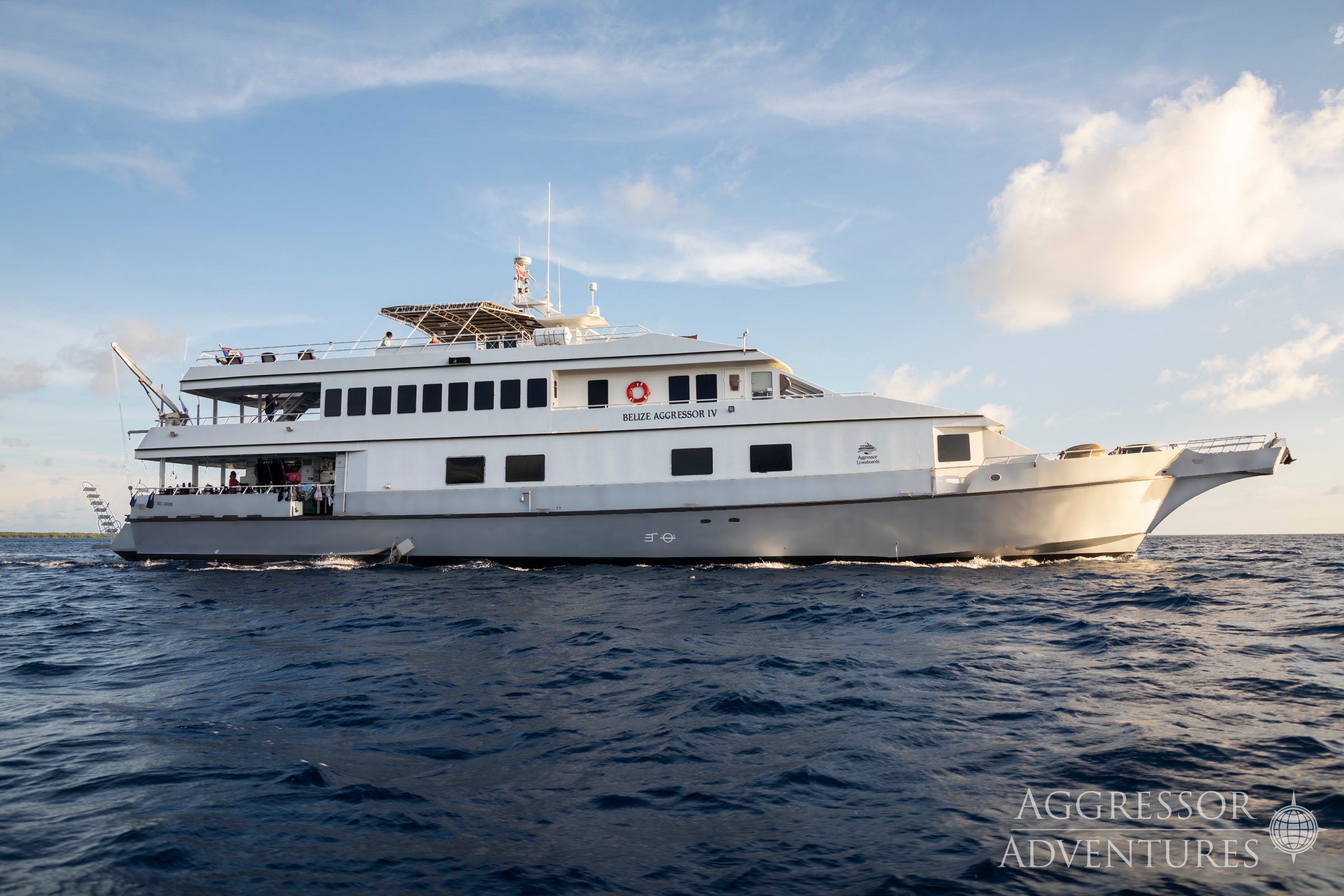
Belize Aggressor IV
Belize
20 guests42.1 m
$356/day
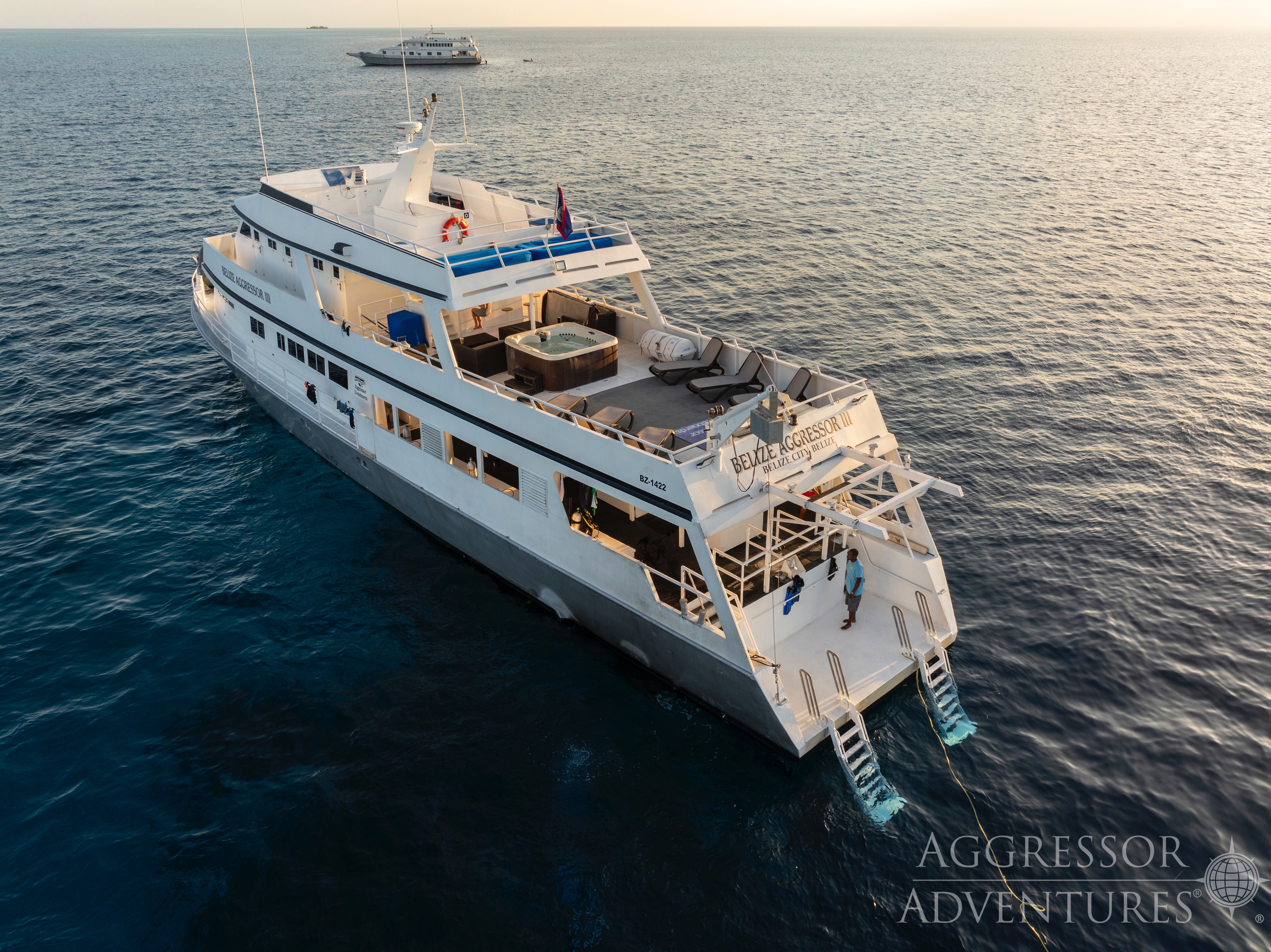
Belize Aggressor III
Belize
18 guests33.5 m
$336/day
Dive sites similar to Elk Horn Forest
Same character, same waters — six more sites divers love for the exact same reasons.Compare seasons, access and liveaboard routes — then pick the site that fits your trip best.
© Esri — Maxar, Earthstar, GIS
Carrie Bow Caye Reef
Belize
Carrie Bow Caye is a small sand caye positioned directly on the Belize Barrier Reef, hosting a continuous coral reef monitoring program by the Smithsonian Institution since 1972.…
- Suitable for
- Intermediate
- Current
- Moderate
- Access
- Liveaboard or dayboat
- Depth
- 4–30 m
- Theme
- Reef / Wall
© Esri — Maxar, Earthstar, GIS
Ambergris Caye
Belize
Ambergris Caye, the largest and most popular of Belize's offshore cayes, offers unparalleled diving along 40 kilometers of the Belize Barrier Reef, situated less than a mile offshore.
- Suitable for
- Intermediate
- Current
- Mild
- Access
- Dayboat
- Depth
- 15–60 m
- Theme
- Reef / Wall
© Esri — Maxar, Earthstar, GIS
Long Caye Ridge
Belize
Long Caye Ridge is a highly-rated dive site situated within Belize's Lighthouse Reef Atoll, an area renowned for its pristine conditions due to its distance from the mainland.
- Suitable for
- Intermediate
- Current
- No current
- Access
- Liveaboard only
- Depth
- 21–21 m
- Theme
- Reef
© Esri — Maxar, Earthstar, GIS
Silver Caves
Belize
Silver Caves offers a distinctive diving experience within the Lighthouse Reef Atoll, one of Belize's healthiest reef systems.
- Suitable for
- Advanced
- Current
- Mild
- Access
- Liveaboard only
- Depth
- 18–28 m
- Theme
- Reef / Cave & cavern
© Esri — Maxar, Earthstar, GIS
Sayonara Wreck
Belize
The Sayonara Wreck offers an engaging intermediate dive experience southwest of the Turneffe Islands in Belize.
- Suitable for
- Intermediate
- Current
- Moderate
- Access
- Liveaboard only
- Depth
- 12–18 m
- Theme
- Wreck / Reef