About Colombia Shallows
Colombia Shallows is a highly regarded dive site located in Cozumel, Mexico, offering a distinct and serene underwater experience away from the island's more crowded reefs. This site is part of the larger Colombia Reef system, which separates into distinct shallow and deep sections. The shallow section is particularly favored by local divemasters for its tranquility, crystal-clear visibility, and rich biodiversity, making it an ideal choice for both new and experienced divers seeking a relaxed dive. The topography of Colombia Shallows is characterized by numerous coral heads and large platforms that rise between 3 to 9 meters (10 to 30 feet) from a sandy bottom. The site is sheltered, creating a bay-like environment that contributes to its calm conditions. Divers can enjoy depths ranging from 5 to 9 meters (15 to 30 feet), providing ample bottom time and excellent light penetration that intensifies the natural colors of the reef. Marine life here is prolific year-round, with notable residents including famously tolerant hawksbill and green turtles, which are frequently observed feeding or resting without disturbance. The sandy areas host stingrays and flounder, while crevices in the coral formations are home to the endemic Splendid Toadfish. Macro enthusiasts can also spot camouflaged seahorses on sea fan stems and juvenile spotted drums. This site is commonly paired with a deeper dive on a two-tank trip, often serving as the second, more relaxed dive. Its gentle currents and shallow profile make it perfect for buoyancy practice, refresher dives, or simply enjoying extended time observing the vibrant ecosystem. The clear water and relaxed pace make for an unforgettable Cozumel diving experience.
Highlights
Tolerant hawksbill turtlesVibrant coral headsEndemic Splendid ToadfishCrystal-clear visibilitySeahorse sightingsGentle drift divingBay-like sheltered environment
Season calendar
Best months to dive here
Jan
Feb
Mar
Apr
May
Jun
Jul
Aug
Sep
Oct
Nov
Dec
Excellent
Dive site facts: Colombia Shallows
- Depth
- 5–9 m (15–30 ft)
- Typical dive
- 5–9 m, 60+ min
- Current
- Mild
- Visibility
- 24–36 m (80–120 ft)
- Water temperature
- 26–29°C (79–84°F)
- Entry
- Day boat / back roll
- Level
- Open Water Diver
- Dive type
- Reef, coral garden, drift, macro
- Night dive
- Possible (Paradise Reef mentioned for night dive in similar area, though not explicitly Colombia Shallows)
- Region / port
- Cozumel, Quintana Roo, Mexico
- Coordinates
- 20.2974, -86.9934
Conditions & Currents
Colombia Shallows typically experiences mild currents, distinguishing it as one of Cozumel's more relaxed dive sites within the marine park. The currents generally promote a gentle northward drift, which, while present, does not usually require significant effort from divers. This makes for an easy drift dive, especially suitable for newer divers or those looking for a less demanding experience. Visibility is consistently excellent, often ranging from 24 to 36 meters (80 to 120 feet), allowing for clear views of the abundant marine life. Entry is typically a back roll from a day boat, with the mild current facilitating an easy descent. Divers should be mindful of their buoyancy to avoid disturbing the sandy bottom or fragile coral formations. The sheltered, bay-like setting minimizes surge, contributing to a calm underwater environment. Due to the mild conditions, gas planning is straigh
Marine life & sighting chances
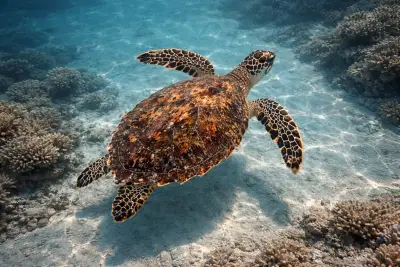
Hawksbill turtle
Year-round · common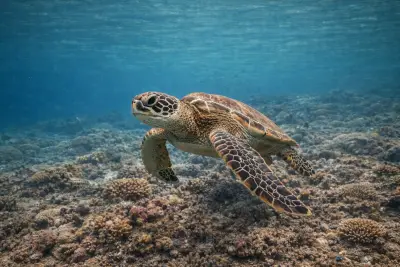
Green turtle
Year-round · common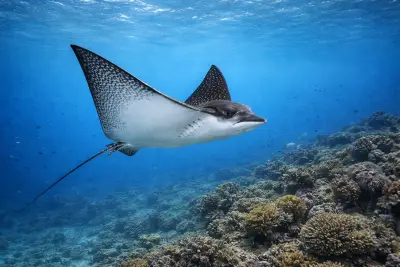
Spotted eagle ray
Winter · occasional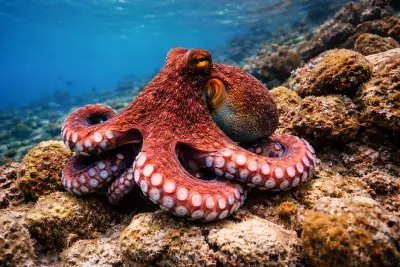
Octopus
Year-round · occasional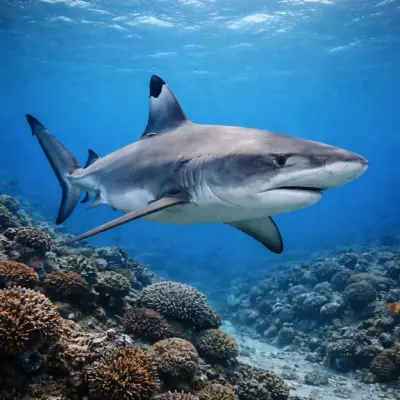
Reef shark
Year-round · rare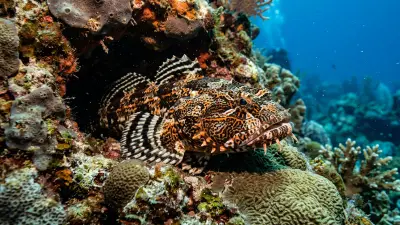
Splendid Toadfish
Year-round · occasional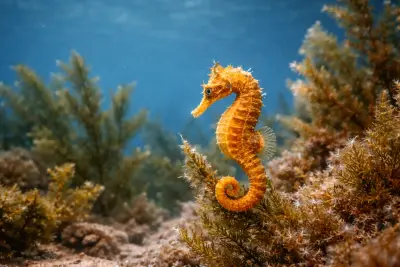
Seahorse
Year-round · occasional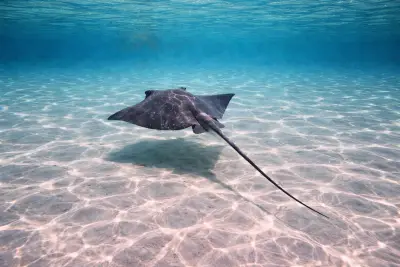
Stingray
Year-round · common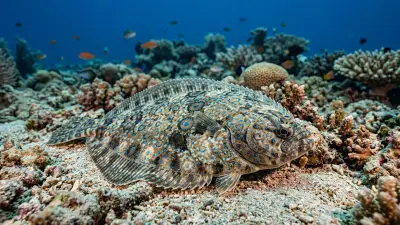
Flounder
Year-round · occasional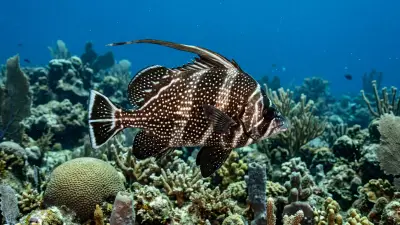
Juvenile spotted drum
Year-round · occasional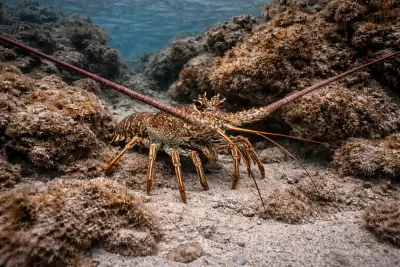
Lobster
Year-round · common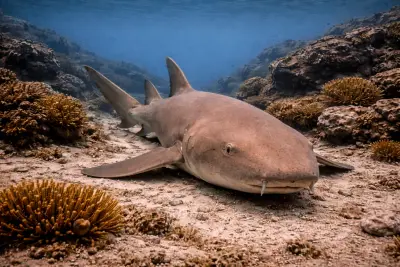
Nurse shark
Year-round · occasional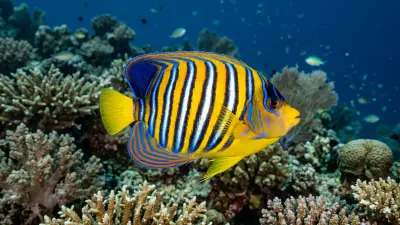
Angelfish
Year-round · common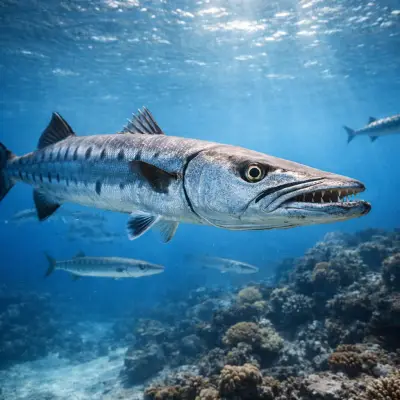
Barracuda
Year-round · occasionalDive profile & how the dive runs
Diving at Colombia Shallows typically begins with a back-roll entry from a day boat, positioning divers above the coral formations. The dive usually follows a gentle northward drift, guided by the mild current along the reef. Divers descend to a maximum depth of 9 meters (30 feet), exploring the numerous coral heads and sandy patches that characterize the site. The route often involves navigating between large coral structures that rise 3 to 9 meters (10 to 30 feet) from the sandy floor, allowing for close observation of resident marine life. Attention is frequently drawn to areas where turtles are known to rest or feed, and to crevices where Splendid Toadfish might be spotted. Photographers often spend extended time in well-lit areas. Due to the shallow profile, bottom times can be lengthy, often exceeding an hour. The dive culminates with a slow ascent, and the safety stop is typically conducted at 5 meters (15 feet) over the vibrant, shallower coral gardens, offering additional opportunities for observing fish life before surfacing.
Underwater photography
Colombia Shallows offers exceptional opportunities for both wide-angle and macro photography due to its clear water and diverse subjects. The abundant natural light in shallow depths intensifies coral colors, making it ideal for wide-angle shots of large coral heads and schools of fish. For macro subjects, a macro lens is highly recommended to capture the intricate details of seahorses camouflaged on sea fans, endemic Splendid Toadfish in crevices, or juvenile spotted drums. The famously tolerant turtles allow for close-up encounters, which can be captured effectively with a standard port or fisheye lens. Strobes are beneficial to bring out true colors and add contrast, even in shallow water. Maintaining excellent buoyancy is crucial to avoid stirring up the sandy bottom, which can impact visibility for other photographers and divers, and to protect the fragile coral structures. Patience and a keen eye are rewarded with stunning images of this vibrant ecosystem.
Combine with nearby dive sites
- Colombia Deep
Often paired with Colombia Shallows as part of a two-tank dive, offering a deeper experience with pinnacles and swim-throughs.
- Palancar Gardens
A classic Cozumel site known for gentle currents and vibrant coral formations, suitable for new divers.
- Palancar Caves
Features large swim-throughs and dramatic coral structures for intermediate divers.
- Santa Rosa Wall
A famous wall dive with impressive drop-offs and pelagic sightings, for more experienced divers.
- Paso del Cedral
Another reef often used for training dives, offering a good introduction to Cozumel's currents.
Getting there & logistics
Access to Colombia Shallows typically involves flying into Cozumel International Airport (CZM) or Cancun International Airport (CUN) followed by a ferry ride from Playa del Carmen to Cozumel. Dive operations on Cozumel depart from various marinas, with most boats heading south along the island's protected western corridor where Colombia Shallows is located. This site is frequently included in two-tank morning or afternoon trips, often as the second, shallower dive following a deeper exploration of sites like Colombia Deep or Santa Rosa Wall. Typical dive trips are half-day excursions. A national marine park fee is usually required per person per day, payable to your dive operator. Liveaboards are not common for Cozumel's day-trip accessible sites; diving is predominantly done via day boats. Confirm your dive operator handles all necessary permits and fees.
Safety & environment
Diving in Cozumel, including Colombia Shallows, is generally safe due to the mild currents and clear visibility. However, divers should always carry appropriate dive accident insurance, such as that provided by DAN, as medical evacuation from Cozumel to mainland facilities can be complex and costly. The nearest hyperbaric chamber is located on Cozumel itself, at the Cozumel International Hospital. Divers must always follow their guide's instructions, especially regarding drift diving techniques and maintaining proper buoyancy to protect the reef. Given the site's popularity, surface boat traffic can occur, so diligent surface interval procedures and SMB deployment are important. For those pairing Colombia Shallows with a deeper dive, careful attention to dive planning and no-decompression limits is essential to prevent decompression sickness. Staying hydrated is also important in the warm Caribbean climate.
Who it suits — and who it doesn't
Suited for
- Newly certified Open Water Divers
- Divers seeking relaxed, long bottom times
- Underwater photographers (macro and wide-angle)
- Divers interested in marine life interactions (turtles)
- Families or groups with varying skill levels
Less suited for
- Divers seeking strong currents and pelagic action
- Those uninterested in reef ecosystems
- Divers who prefer deep wall dives exclusively
- Individuals looking for highly challenging conditions
- Explorers seeking untouched, remote sites
FAQ
Colombia Shallows FAQ
What makes Colombia Shallows unique compared to other Cozumel dive sites?
Colombia Shallows stands out for its exceptionally mild currents and crystal-clear visibility, making it one of the most relaxed dives in the Cozumel Marine Park. Unlike deeper or more demanding sites, it offers a sheltered, bay-like environment with abundant light, creating a vibrant display of coral heads and resident marine life, particularly its famously tolerant turtles and endemic Splendid Toadfish.
Is Colombia Shallows suitable for beginner divers?
Absolutely. Colombia Shallows is an excellent choice for beginner divers, including those who are newly Open Water certified or undertaking refresher courses. Its shallow depth, gentle currents, and typically calm conditions provide a comfortable and safe environment to build confidence and practice buoyancy control while enjoying a rich marine ecosystem.
What kind of marine life can I expect to see at Colombia Shallows?
Colombia Shallows is home to a diverse array of marine life. You can reliably encounter hawksbill and green turtles that are accustomed to divers. Keep an eye out for spotted eagle rays, octopus, and occasionally reef sharks. Macro enthusiasts will delight in spotting seahorses, stingrays, flounder, juvenile spotted drums, and the unique Splendid Toadfish endemic to Cozumel.
Can I do a two-tank dive at Colombia Reef?
Yes, Colombia Reef is often structured as a two-tank dive, pairing Colombia Shallows with its deeper counterpart, Colombia Deep. This allows divers to experience the dramatic pinnacles and swim-throughs of Colombia Deep on the first dive, followed by the more relaxed and vibrant coral gardens of Colombia Shallows, making for a well-rounded and varied dive day.
What are the typical dive conditions like at Colombia Shallows?
Dive conditions at Colombia Shallows are consistently favorable. Water temperatures range from 26–29°C (79–84°F) year-round, and visibility often exceeds 30 meters (100 feet), sometimes reaching up to 36 meters (120 feet). Currents are typically mild, creating a pleasant drift, and the site is generally sheltered, minimizing surge and ensuring a calm underwater experience.
Why dive Colombia Shallows from a liveaboard?
Colombia Shallows is one of Mexico's signature dive sites. A liveaboard sleeps you on the water and puts you in the water for three to four guided dives per day, including dawn and night dives that day-boat operators rarely offer. You skip the daily commute back to port and reach quieter, less-crowded sites in the same region on a single trip.
Below are the liveaboards that include Colombia Shallows on their Mexico itineraries.
Liveaboards diving Colombia Shallows
These liveaboards may visit Colombia Shallows on selected itineraries — the exact dive sites depend on departure, weather and conditions.
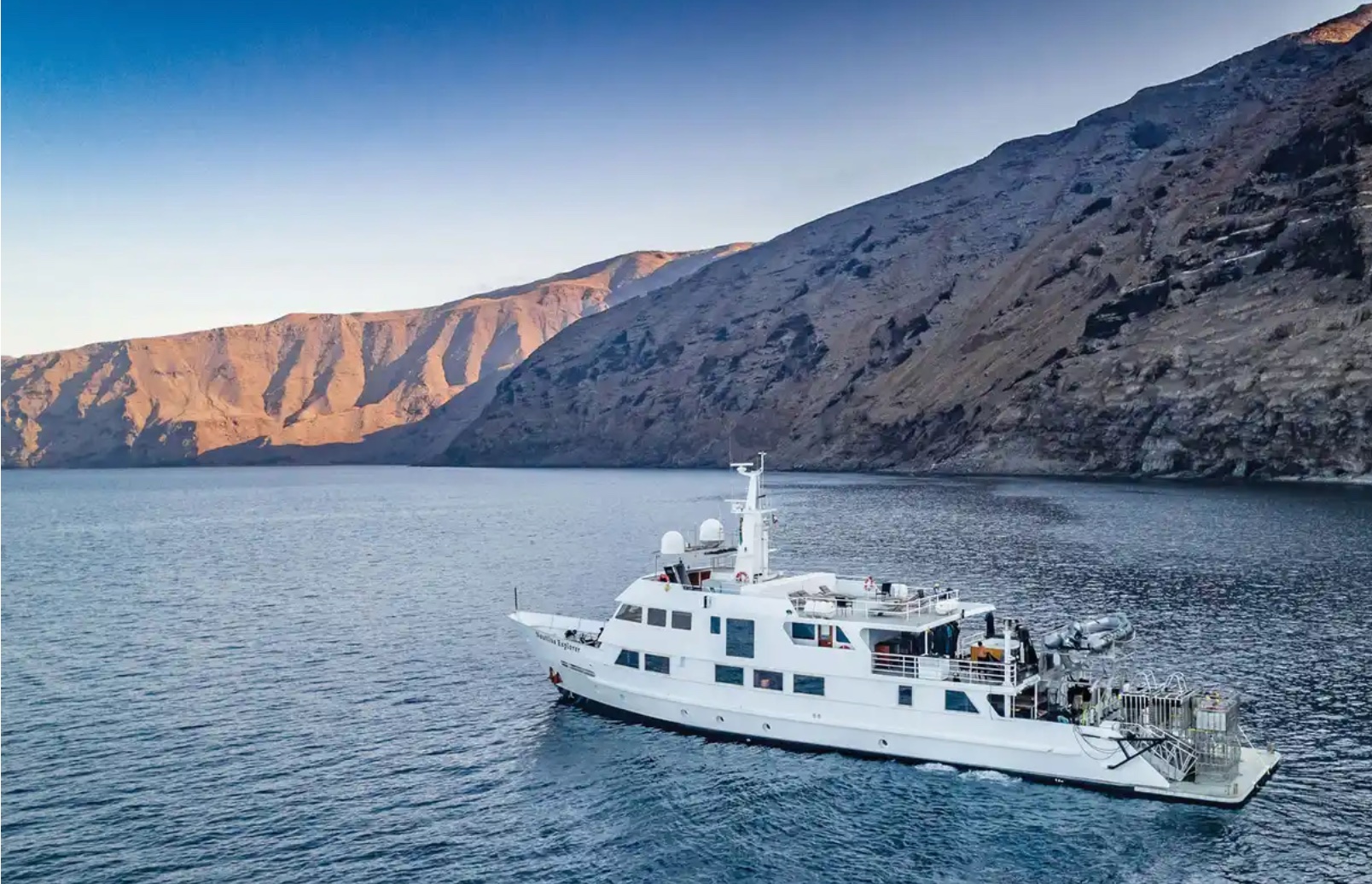
Nautilus Explorer
Mexico
25 guests44.8 m
$230/day
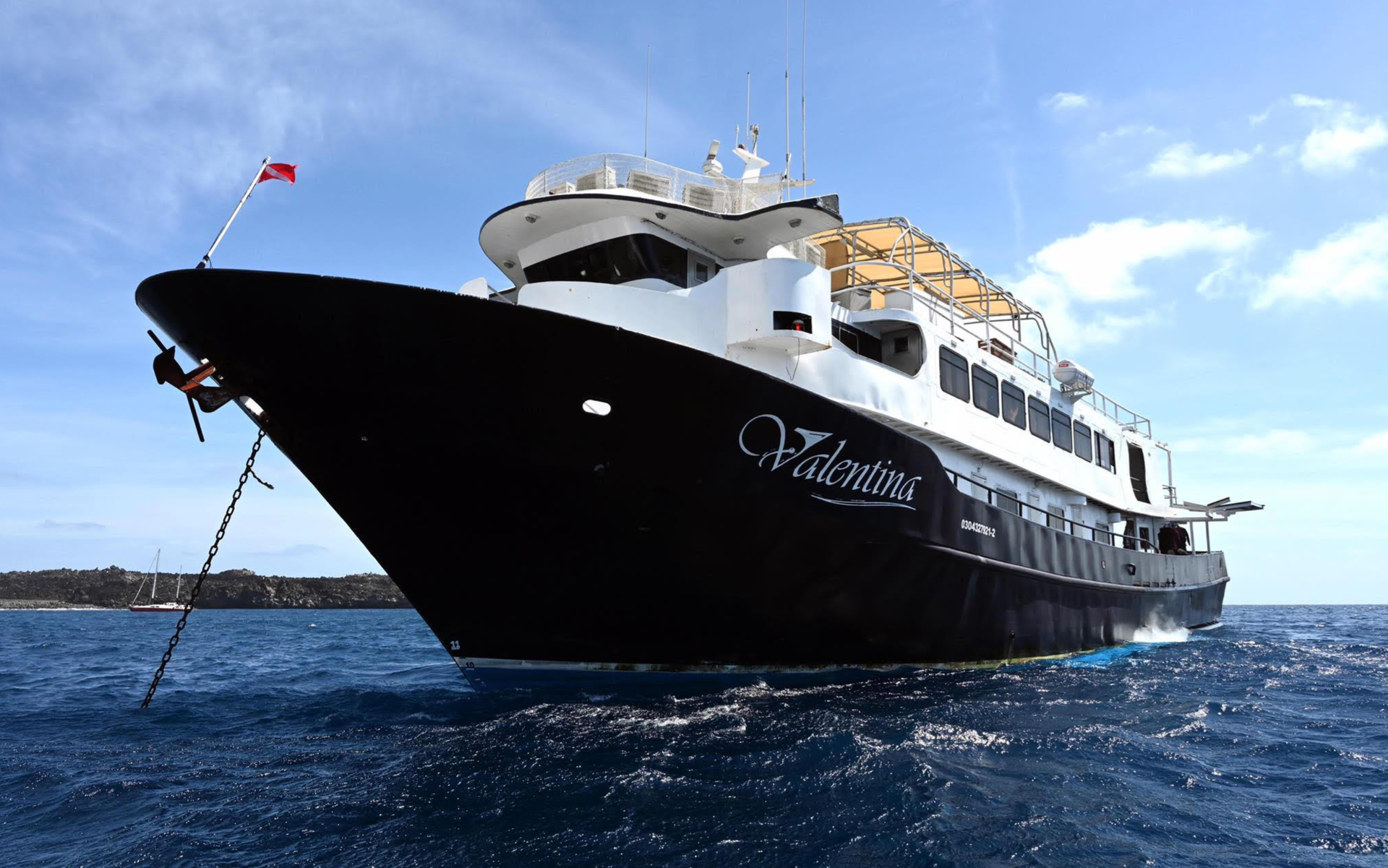
Valentina
Mexico
20 guests38.1 m
$430/day
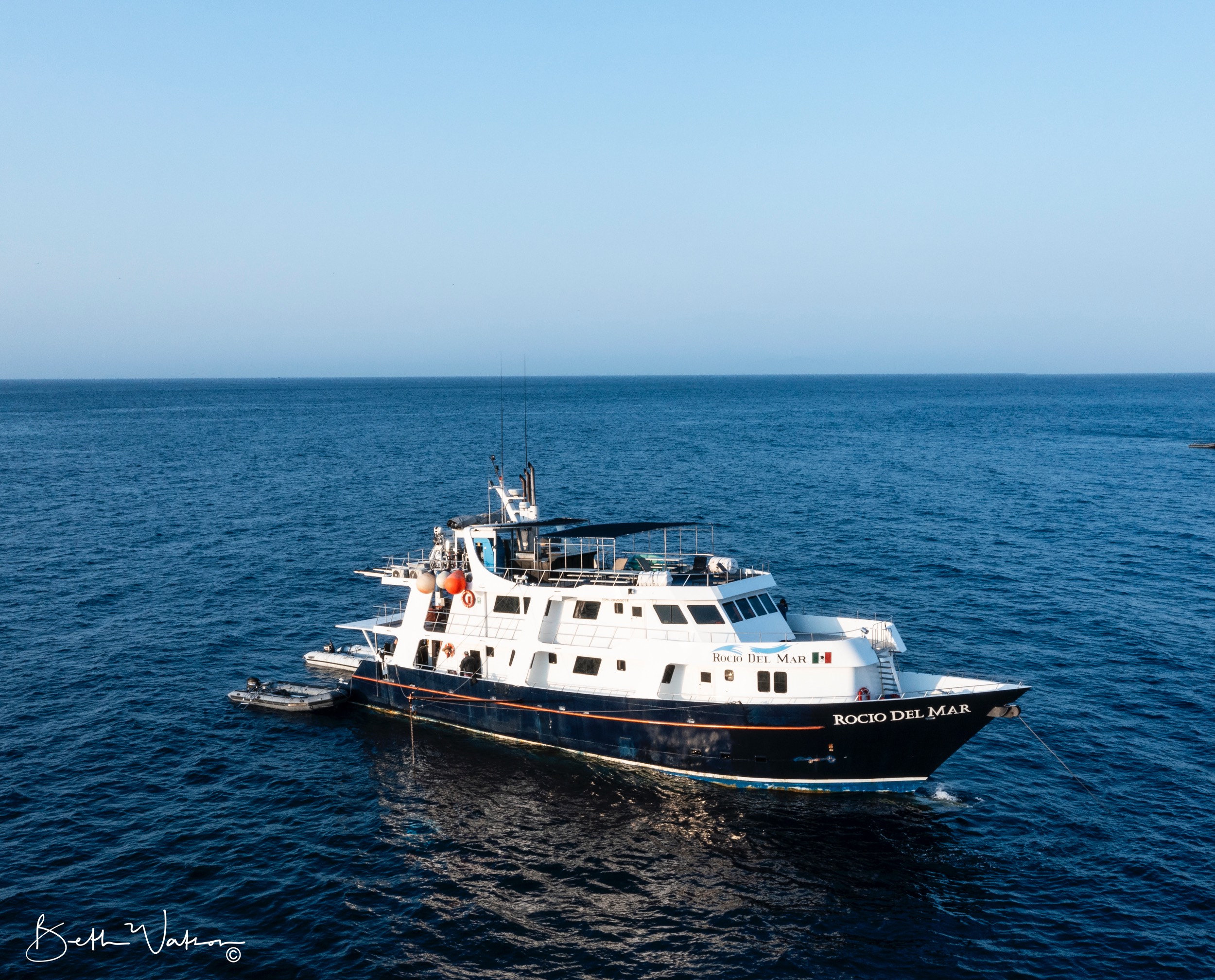
Rocio del Mar
Mexico
20 guests33.5 m
$392/day
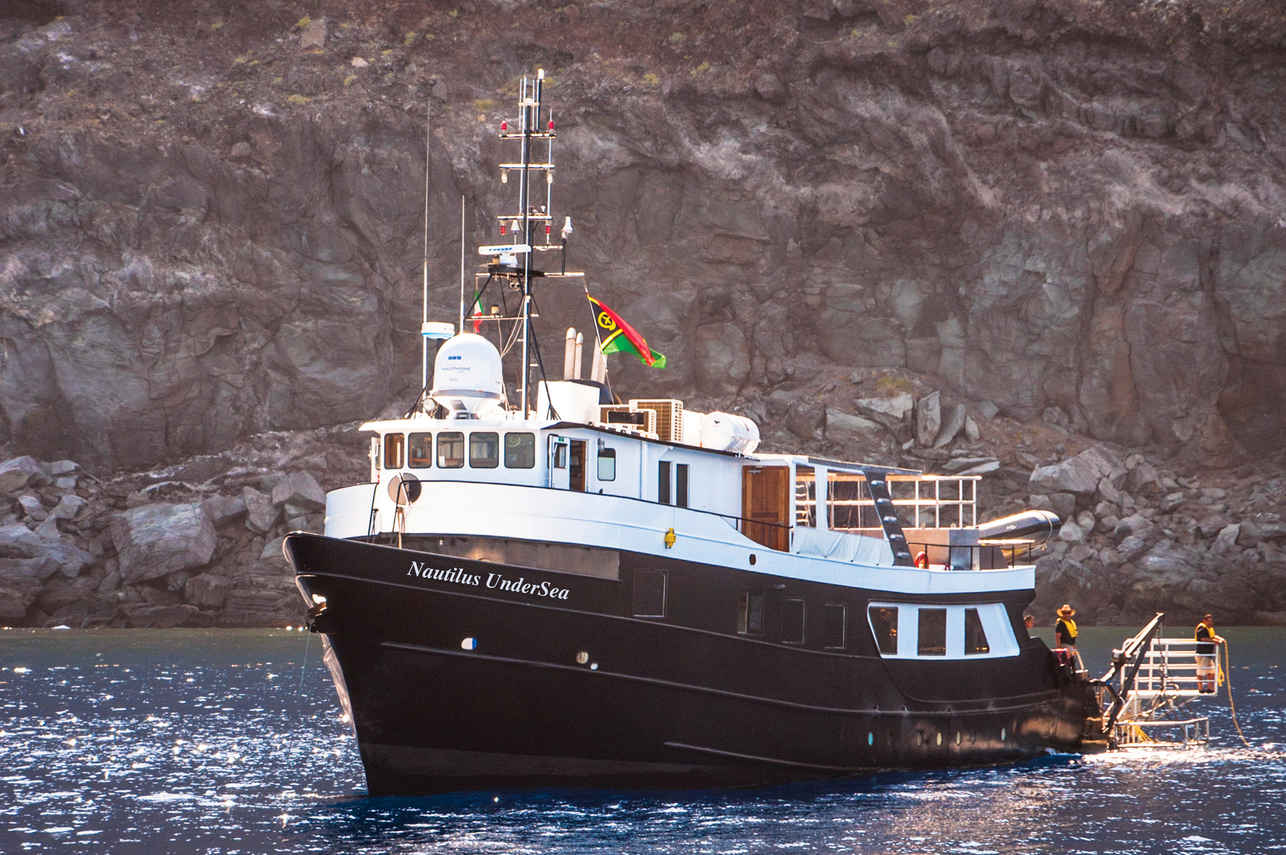
Nautilus Under Sea
Mexico
19 guests32 m
$261/day
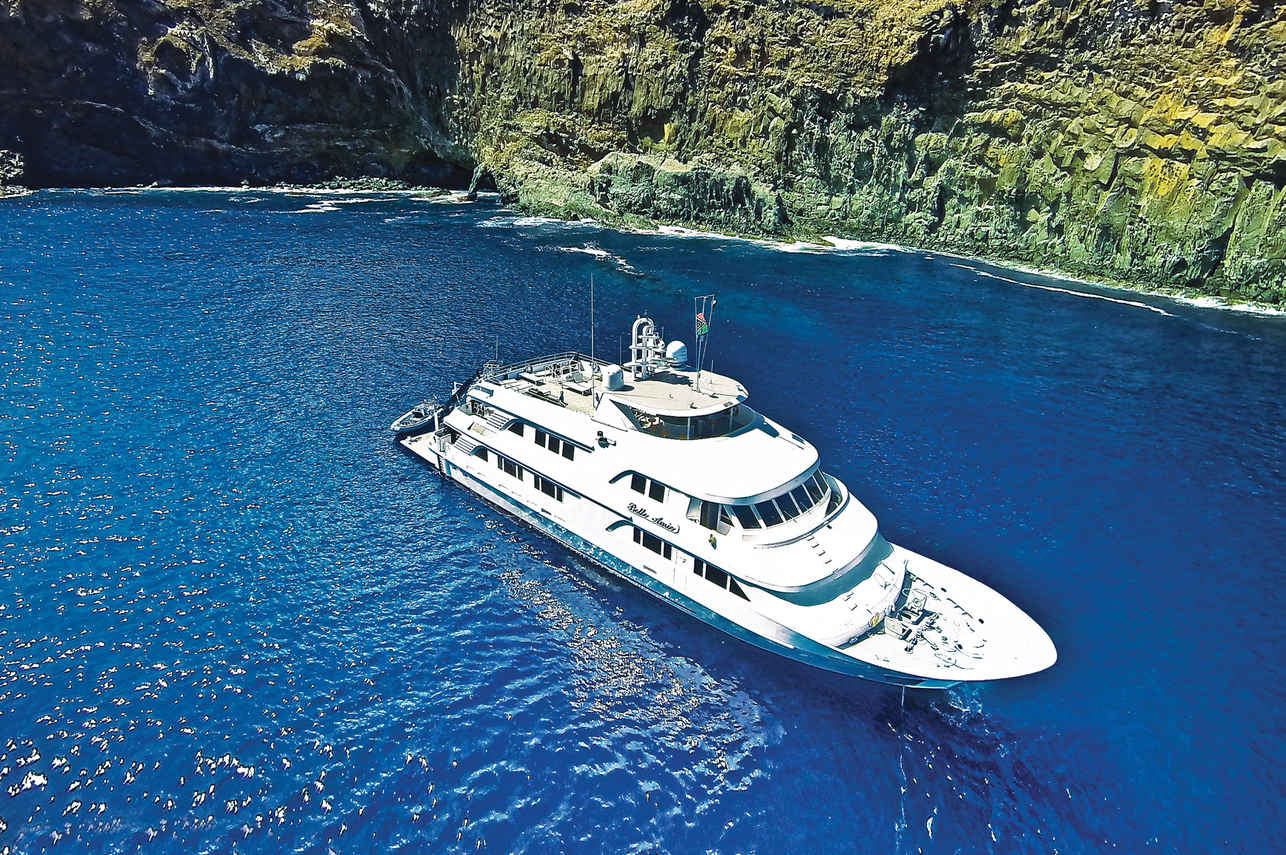
Nautilus Belle Amie
Mexico
32 guests44.8 m
$323/day
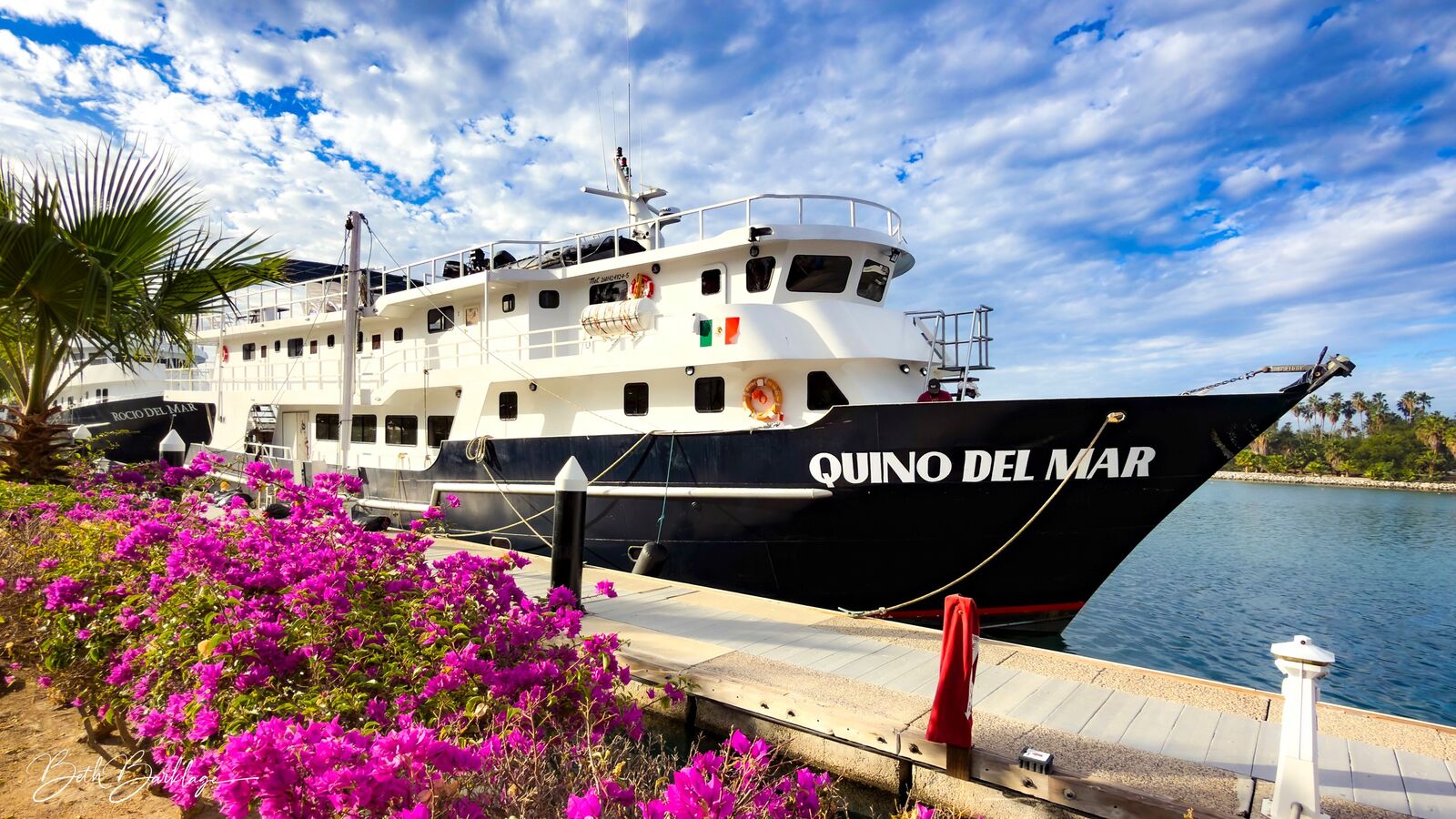
Quino del Mar
Mexico
20 guests36 m
$377/day
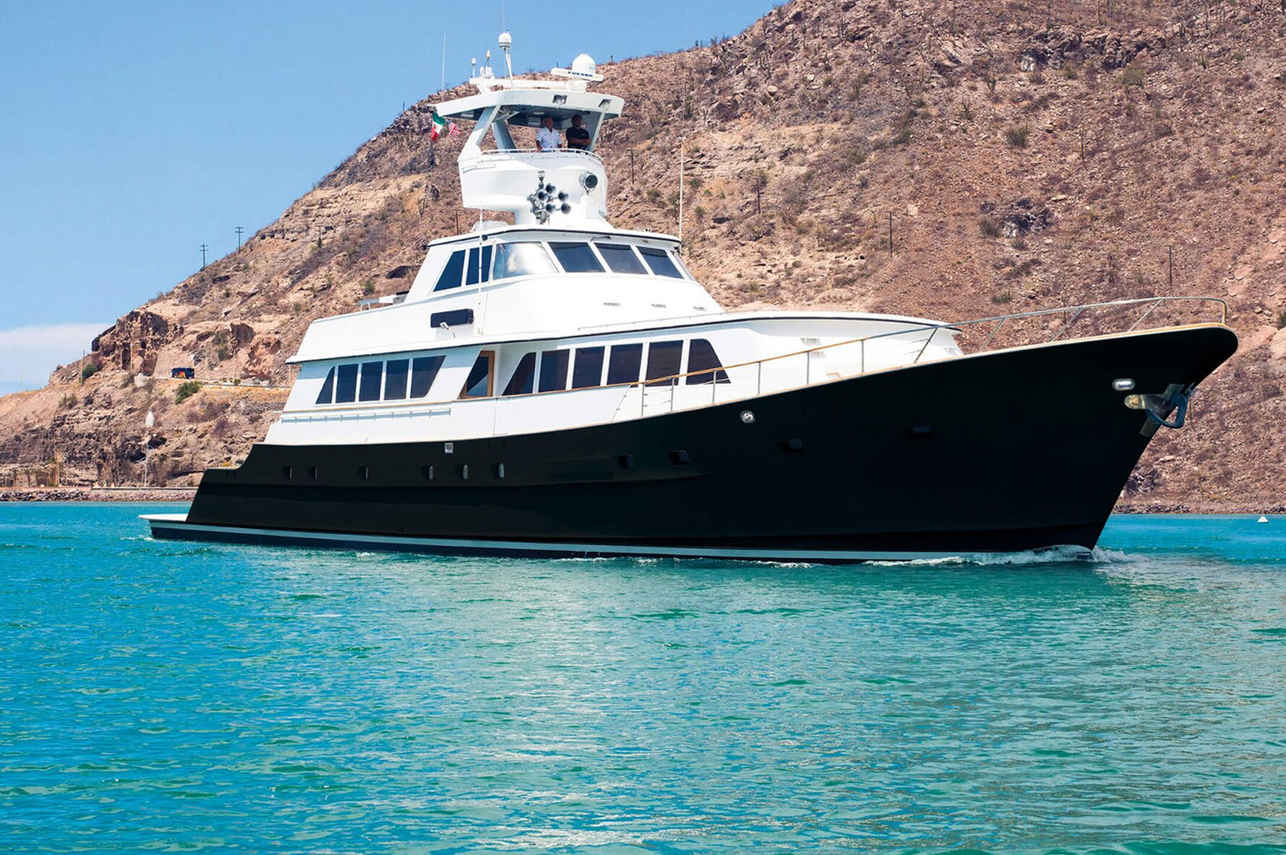
Nautilus Gallant Lady
Mexico
12 guests35.36 m
$332/day
Dive sites similar to Colombia Shallows
Same character, same waters — six more sites divers love for the exact same reasons.Compare seasons, access and liveaboard routes — then pick the site that fits your trip best.
© Esri — Maxar, Earthstar, GIS
Tak Be Luum
Mexico
Cenote Tak Be Luum, located in the Mexican state of Quintana Roo, is an exceptional cavern dive that forms part of the vast Sac Actun underwater cave system, one of the world's largest.
- Suitable for
- Advanced
- Current
- No current
- Access
- Shore / dayboat
- Depth
- 4–9 m
- Theme
- Reef
© Esri — Maxar, Earthstar, GIS
Neptune's Finger
Mexico
Neptune's Finger is a renowned dive site located in Cabo San Lucas, Mexico, at the southern tip of the Baja California Peninsula.
- Suitable for
- Beginner
- Current
- Mild
- Access
- Liveaboard or dayboat
- Depth
- 4–152 m
- Theme
- Reef
© Esri — Maxar, Earthstar, GIS
The C-58 Wreck, also known as the USS Harlequin or ARM DM-20, is a prominent artificial reef located off the coast of Cancún and Isla Mujeres.
- Suitable for
- Advanced
- Current
- Moderate
- Access
- Dayboat
- Depth
- 18–26 m
- Theme
- Wreck / Drift
© Esri — Maxar, Earthstar, GIS
Majahuitas
Mexico
Majahuitas is a pristine and secluded cove located on the southern coast of Banderas Bay, near Puerto Vallarta, Mexico.
- Suitable for
- Beginner
- Current
- Mild
- Access
- Dayboat
- Depth
- 8–14 m
- Theme
- Reef
La Poza is a remarkable dive site located in Xcalak, a serene fishing village situated on Mexico's Caribbean coast, near the Belize border.
- Suitable for
- Advanced
- Current
- Mild
- Access
- Shore / dayboat
- Depth
- 20–25 m
- Theme
- Reef
© Esri — Maxar, Earthstar, GIS
Siete Bocas
Mexico
Cenote Siete Bocas, meaning "Seven Mouths," is a unique cavern dive site nestled along the Ruta de los Cenotes near Puerto Morelos in Mexico's Riviera Maya.
- Suitable for
- Intermediate
- Current
- No current
- Access
- Shore / dayboat
- Depth
- ≤ 30 m
- Theme
- Reef