About Colombia Deep Wall
Colombia Deep Wall is a premier dive site in Cozumel, Mexico, renowned for its dramatic drop-offs and exhilarating drift diving experience. Situated on the western coast of Cozumel, within the Cozumel Marine Park, this site is part of the world's second-largest coral reef system. Divers can expect to be carried along by the consistent Yucatan Current, exploring massive coral heads, intricate swim-throughs, and an impressive wall that plunges into deep blue. The exceptional visibility, often exceeding 30 meters, allows for expansive views of the vibrant reef ecosystem. The topography of Colombia Deep Wall is characterized by its sheer vertical drop, punctuated by caves, overhangs, and tunnels, remnants of an ancient coastline. Depths typically range from recreational limits to beyond, with deeper sections offering encounters with larger pelagic species. The site is a dynamic environment, with marine life varying seasonally, but consistently showcasing a rich array of Caribbean reef inhabitants. Drift diving here means minimal effort, as the current propels you along the reef, conserving air and allowing more time for observation. This unique characteristic makes it a favorite for both experienced divers seeking thrilling passages and those looking to refine their buoyancy control in a moving water environment. The ease of access and the reliability of conditions contribute to Cozumel's reputation as a top global drift diving destination.
Highlights
Dramatic deep wall formationsExhilarating drift divingExceptional visibilityMassive coral headsSwim-throughs and overhangsRich Caribbean reef lifeConsistent Yucatan Current
Season calendar
Best months to dive here
Jan
Feb
Mar
Apr
May
Jun
Jul
Aug
Sep
Oct
Nov
Dec
Excellent
Dive site facts: Colombia Deep Wall
- Depth
- 15–40+ m
- Current
- Mild to strong drift
- Visibility
- 30–45 m
- Water temperature
- 24–29 °C
- Entry
- Live boat / giant stride
- Level
- Advanced Open Water recommended
- Dive type
- Wall, drift, reef
- Night dive
- Not typical
- Region / port
- Cozumel, Mexico
- Coordinates
- 20.31, -87.02
Conditions & Currents
Colombia Deep Wall is defined by the consistent, northward-flowing Yucatan Current, making it an ideal location for drift diving. The current's strength can vary from a gentle push, allowing for relaxed observation, to faster runs that create a cinematic glide along the reef. Dive operators carefully assess daily current conditions to determine entry points and plan dive trajectories, ensuring divers are always moving with the flow. Good buoyancy control is crucial, as divers must maintain their depth and distance from the coral without excessive kicking, relying on micro-adjustments with breath. While the current does the work of propulsion, divers must remain aware of their position and communicate effectively with their buddy. Surface marker buoys are essential for safety, enabling quick recovery by the dive boat, which follows the divers' bubbles from above.
Marine life & sighting chances

Black grouper
common
Lionfish
occasional
Eagle rays
occasional
Loggerhead sea turtle
occasional
Barracuda
common

Queen angelfish
common
Spotted moray eel
common
Hawksbill sea turtle
occasional
Giant Barrel Sponge
common
Black coral
commonDive profile & how the dive runs
Diving Colombia Deep Wall typically begins with a live boat entry, often a giant stride, positioning divers upstream from the desired section of the wall. Upon entry, divers descend rapidly to their target depth, usually around 20-30 meters, and orient themselves to the wall, letting the current carry them northward. The dive often involves exploring various caves, overhangs, and swim-throughs embedded in the wall, with guides leading the way through intricate formations. As the dive progresses, depth may gradually decrease, allowing for extended bottom time and a slow ascent. The turn point is determined by air consumption and no-decompression limits, after which divers drift upwards along the reef slope. The safety stop is conducted in the blue, still drifting with the current, while the boat tracks from the surface. Divers then deploy their surface marker buoys, signaling for pickup by the chase boat.
Underwater photography
Capturing the grandeur of Colombia Deep Wall requires careful planning, particularly due to the consistent current. Wide-angle lenses are essential for photographing the massive coral formations, dramatic wall topography, and expansive visibility. Consider an external strobe setup to bring out the vibrant colors of the gorgonians and sponges in the deeper sections. Pay close attention to buoyancy control to avoid contact with the reef while drifting and framing your shots. For macro opportunities, look for smaller inhabitants tucked into crevices or sheltered from the current, but be prepared for rapid movement if the current is strong. Given the drift, coordinating with your buddy for stable shots and maintaining situational awareness is paramount. Early morning dives often offer the best natural light and fewer divers.
Combine with nearby dive sites
- Palancar Gardens
Known for massive coral formations and excellent drift snorkeling.
- Santa Rosa Wall
Iconic drift dive with dramatic drop-offs and prolific marine life.
- Maracaibo Wall
A deeper, more advanced wall dive to the south.
- Colombia Shallows
A shallower, milder current alternative for less experienced drift divers.
- Palancar Caves
Features stunning cave formations and swim-throughs.
Getting there & logistics
Access to Colombia Deep Wall typically involves flying into Cozumel International Airport (CZM) or Cancun International Airport (CUN), followed by a ferry to Cozumel if arriving via Cancun. Most dive operators depart from San Miguel de Cozumel. Dive trips to Colombia Deep Wall are usually part of a full-day, multi-dive itinerary, often combined with other nearby sites like Palancar Reef or Santa Rosa Wall. Charters typically last 8 hours, with significant transit time by boat from mainland departure points like Marina Puerto Aventuras, approximately 1.5–2 hours each way to the southern Cozumel reefs. A Cozumel Marine Park fee, ranging from $10-$15 per person, and a dock tax of $20 per person are typically charged separately at the marina. These fees are mandatory for all divers entering the protected reef zone.
Safety & environment
Diving Colombia Deep Wall, like all Cozumel sites, mandates adherence to marine park regulations, including strict no-touch and no-take rules. The nearest recompression chamber is located in San Miguel de Cozumel, offering critical support for decompression sickness. Evacuation in a dive emergency would typically involve rapid boat transfer to the nearest medical facility. Comprehensive dive insurance is highly recommended, covering emergency medical treatment and evacuation costs. The primary site-specific hazard is the strong and consistent current, which necessitates good buoyancy control and effective communication within dive groups. Divers should always carry a surface marker buoy (SMB) and know how to deploy it, as well as a whistle or other signaling device, to facilitate pickup by the dive boat, which tracks divers from the surface.
Who it suits — and who it doesn't
Suited for
- Experienced drift divers
- Underwater photographers with wide-angle setups
- Divers comfortable with strong currents
- Advanced Open Water certified divers
- Those seeking dramatic wall diving
Less suited for
- Beginner divers without drift experience
- Divers with poor buoyancy control
- Individuals prone to seasickness on longer boat transits
- Those uninterested in current-driven dives
- Divers looking primarily for macro photography
FAQ
Colombia Deep Wall FAQ
What kind of marine life can I expect to see at Colombia Deep Wall?
Colombia Deep Wall is home to a diverse array of Caribbean reef species. You can frequently spot black groupers, spotted moray eels, and various angelfish. Occasional sightings include lionfish, eagle rays, and loggerhead or hawksbill sea turtles. While rarer, Caribbean reef sharks can sometimes be seen in the deeper sections.
Is Colombia Deep Wall suitable for beginner divers?
Colombia Deep Wall is generally recommended for Advanced Open Water certified divers due to the consistent and sometimes strong currents. While Cozumel is famous for drift diving, this particular site's depth and current intensity make it less suitable for beginners. Divers should have good buoyancy control and some prior experience with drift diving.
How deep is Colombia Deep Wall?
The wall itself plunges to significant depths, well beyond recreational limits. For recreational divers, typical dive depths range from 15 meters down to 40 meters. Technical divers with appropriate training and equipment can explore even deeper sections of the wall.
What is the visibility like at Colombia Deep Wall?
Cozumel is renowned for its exceptional water clarity, and Colombia Deep Wall is no exception. Visibility regularly exceeds 30 meters, often reaching up to 45 meters. This outstanding visibility provides expansive views of the dramatic wall topography and abundant marine life.
How is the drift diving experience managed at Colombia Deep Wall?
Drift diving at Colombia Deep Wall is highly organized for diver safety and enjoyment. Dive boats drop divers upstream, allowing the consistent Yucatan Current to carry them along the reef. The dive boat tracks the divers' bubbles from the surface and is ready for pickup once divers surface, making a surface marker buoy (SMB) essential equipment.
Why dive Colombia Deep Wall from a liveaboard?
Colombia Deep Wall is one of Mexico's signature dive sites. A liveaboard sleeps you on the water and puts you in the water for three to four guided dives per day, including dawn and night dives that day-boat operators rarely offer. You skip the daily commute back to port and reach quieter, less-crowded sites in the same region on a single trip.
Below are the liveaboards that include Colombia Deep Wall on their Mexico itineraries.
Liveaboards diving Colombia Deep Wall
These liveaboards may visit Colombia Deep Wall on selected itineraries — the exact dive sites depend on departure, weather and conditions.
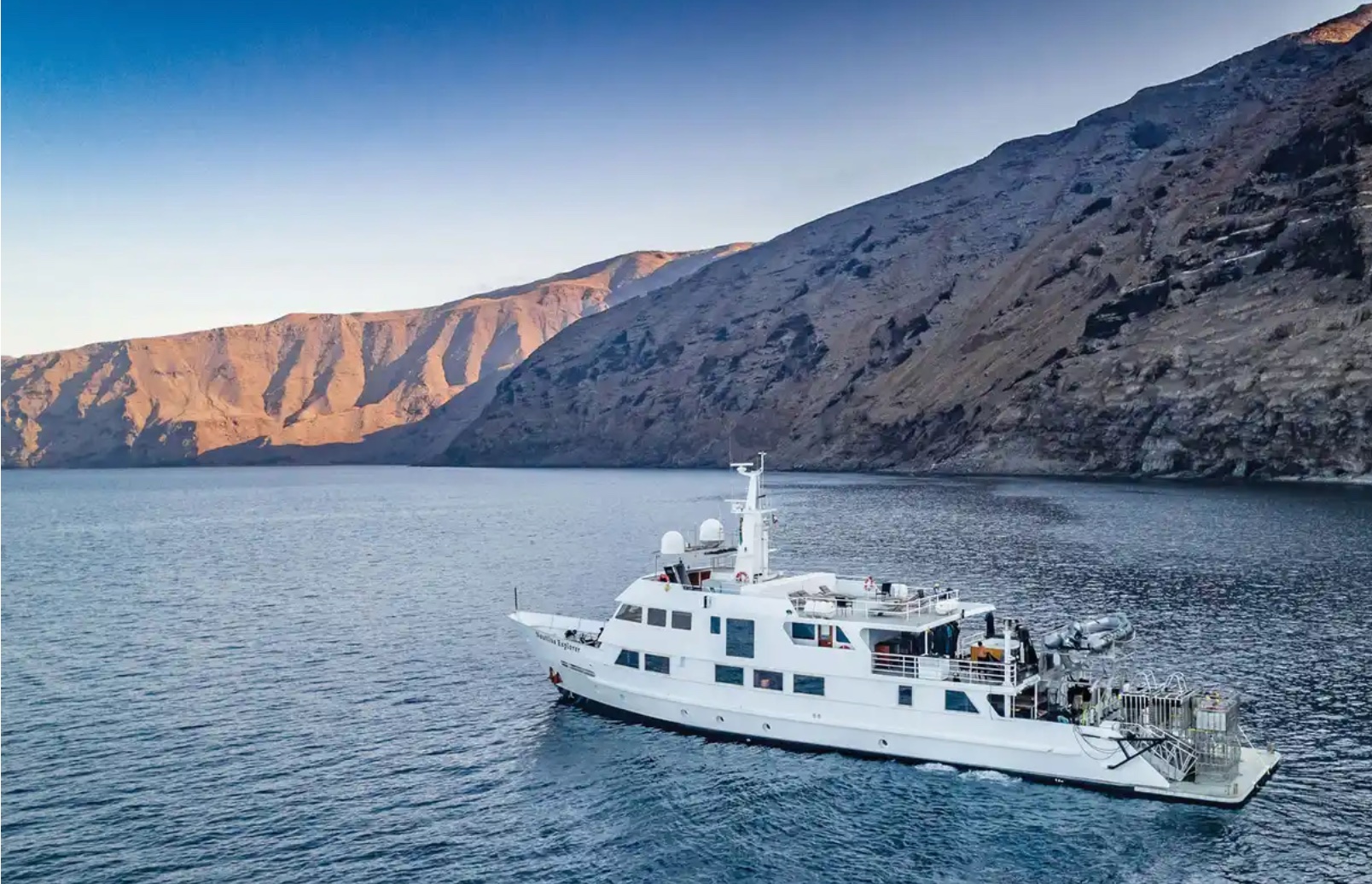
Nautilus Explorer
Mexico
25 guests44.8 m
$230/day
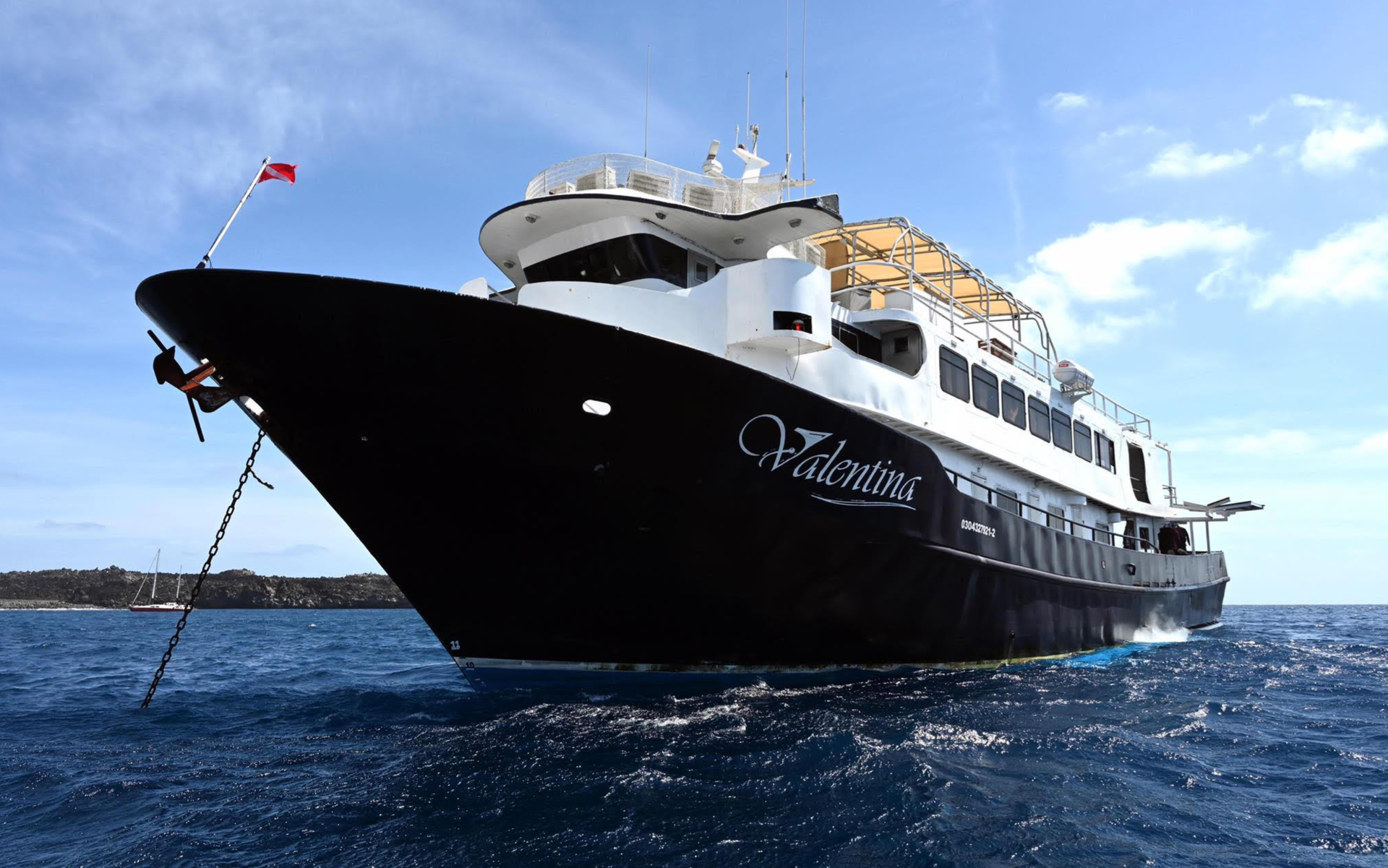
Valentina
Mexico
20 guests38.1 m
$430/day
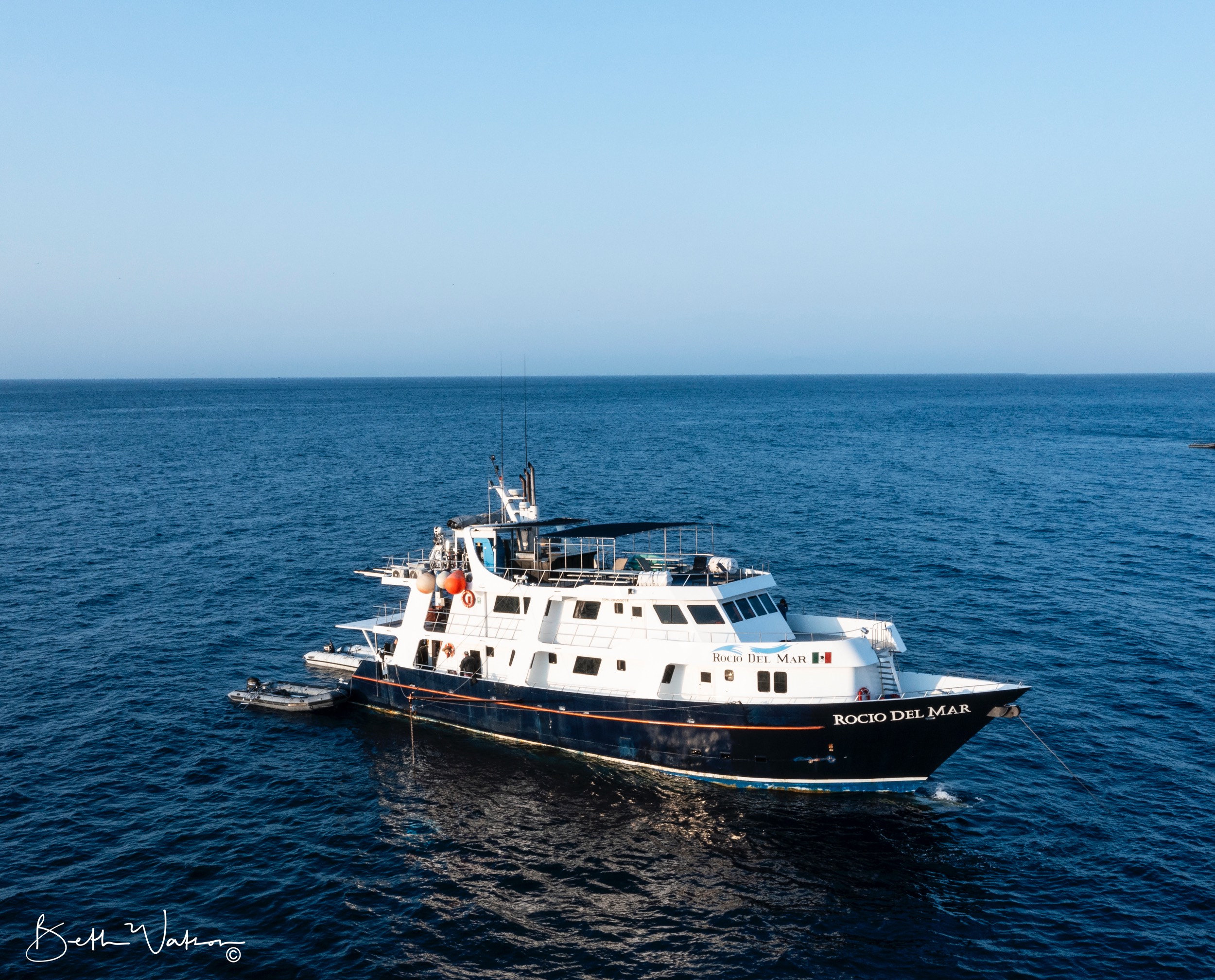
Rocio del Mar
Mexico
20 guests33.5 m
$392/day
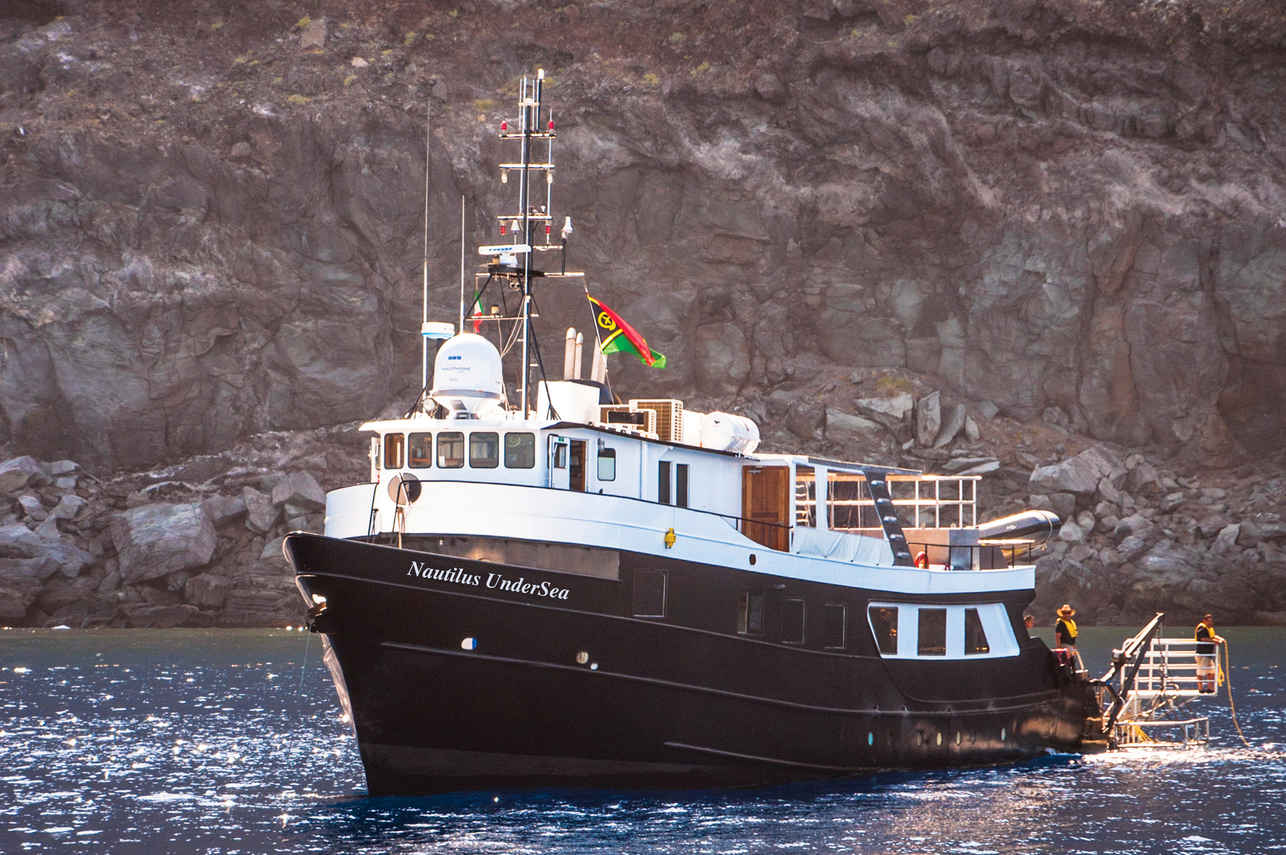
Nautilus Under Sea
Mexico
19 guests32 m
$261/day
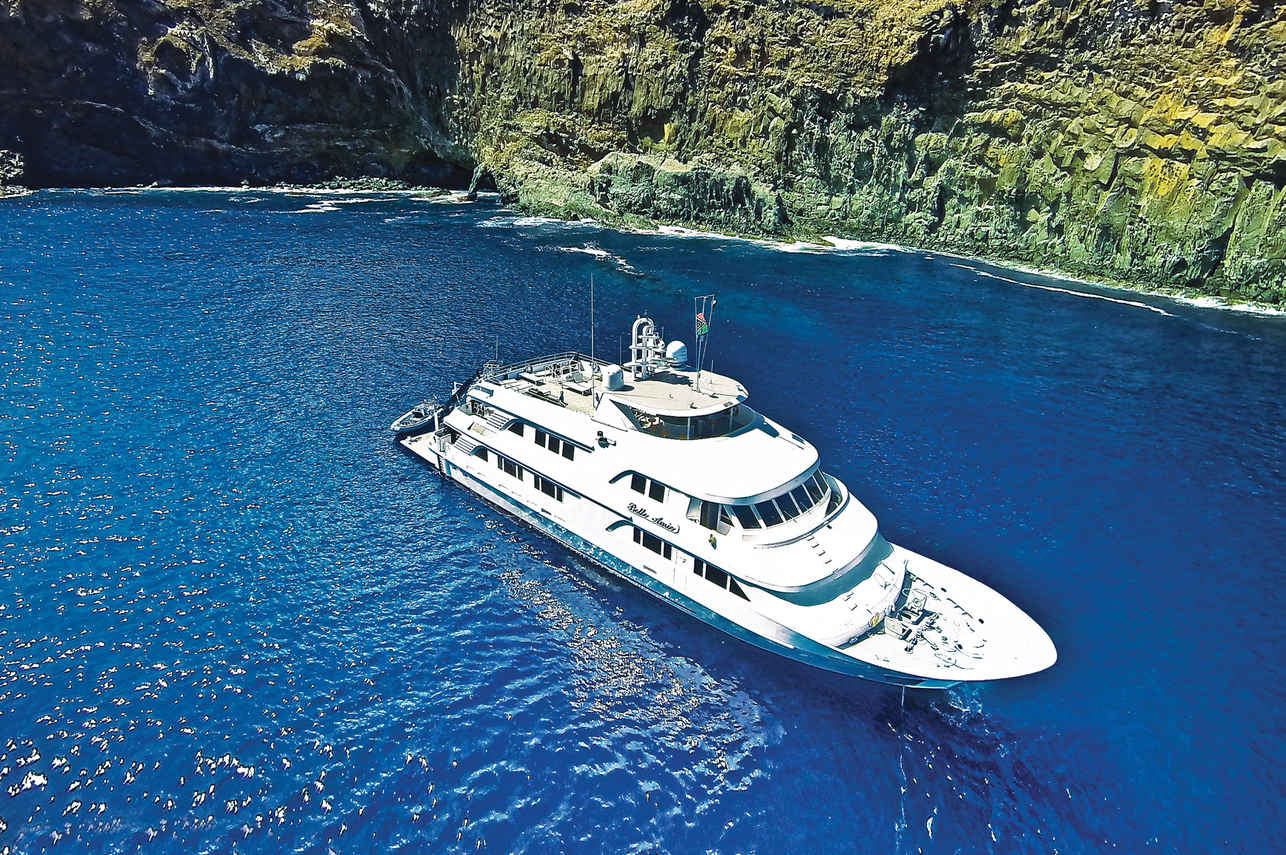
Nautilus Belle Amie
Mexico
32 guests44.8 m
$323/day
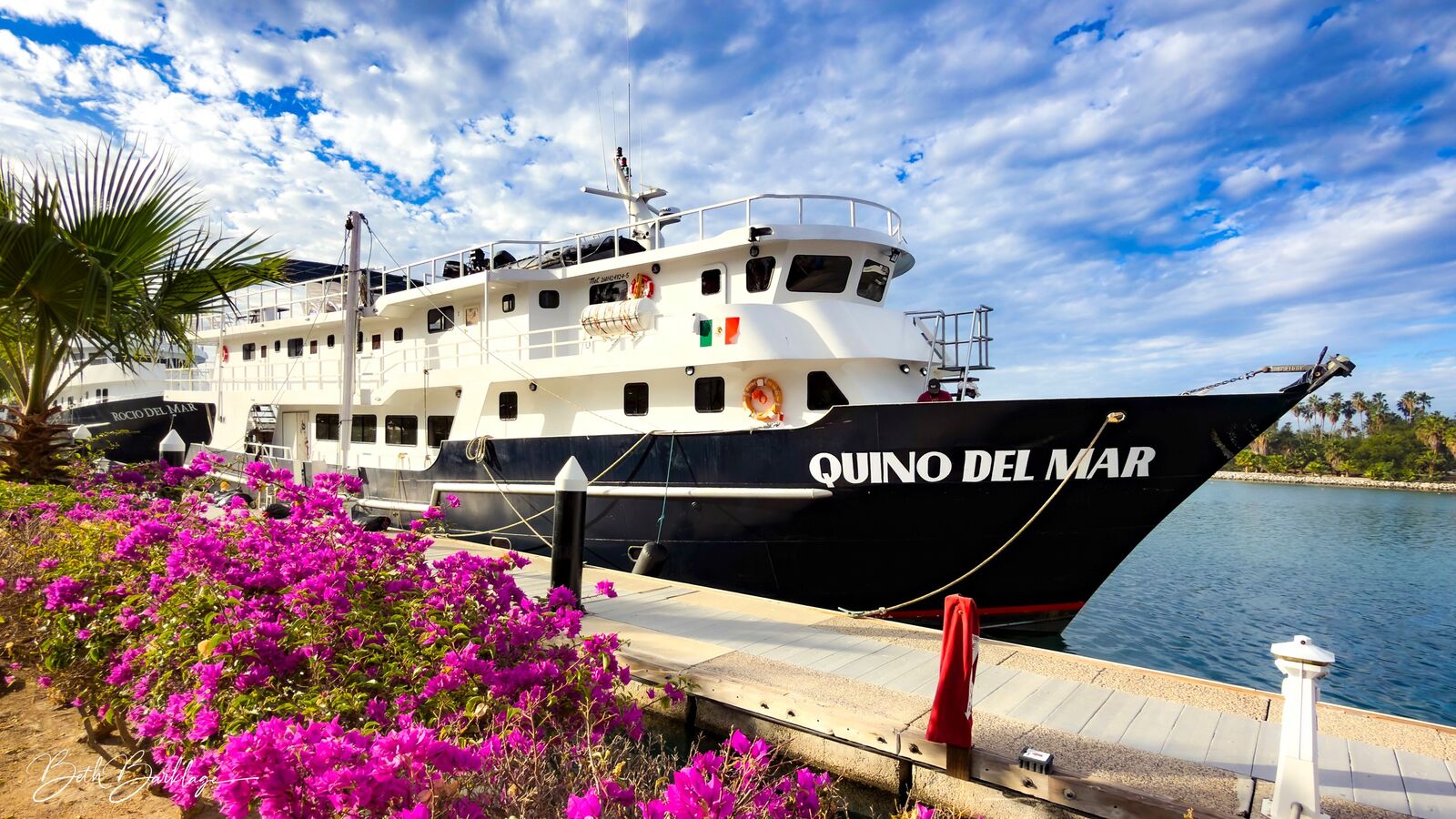
Quino del Mar
Mexico
20 guests36 m
$392/day
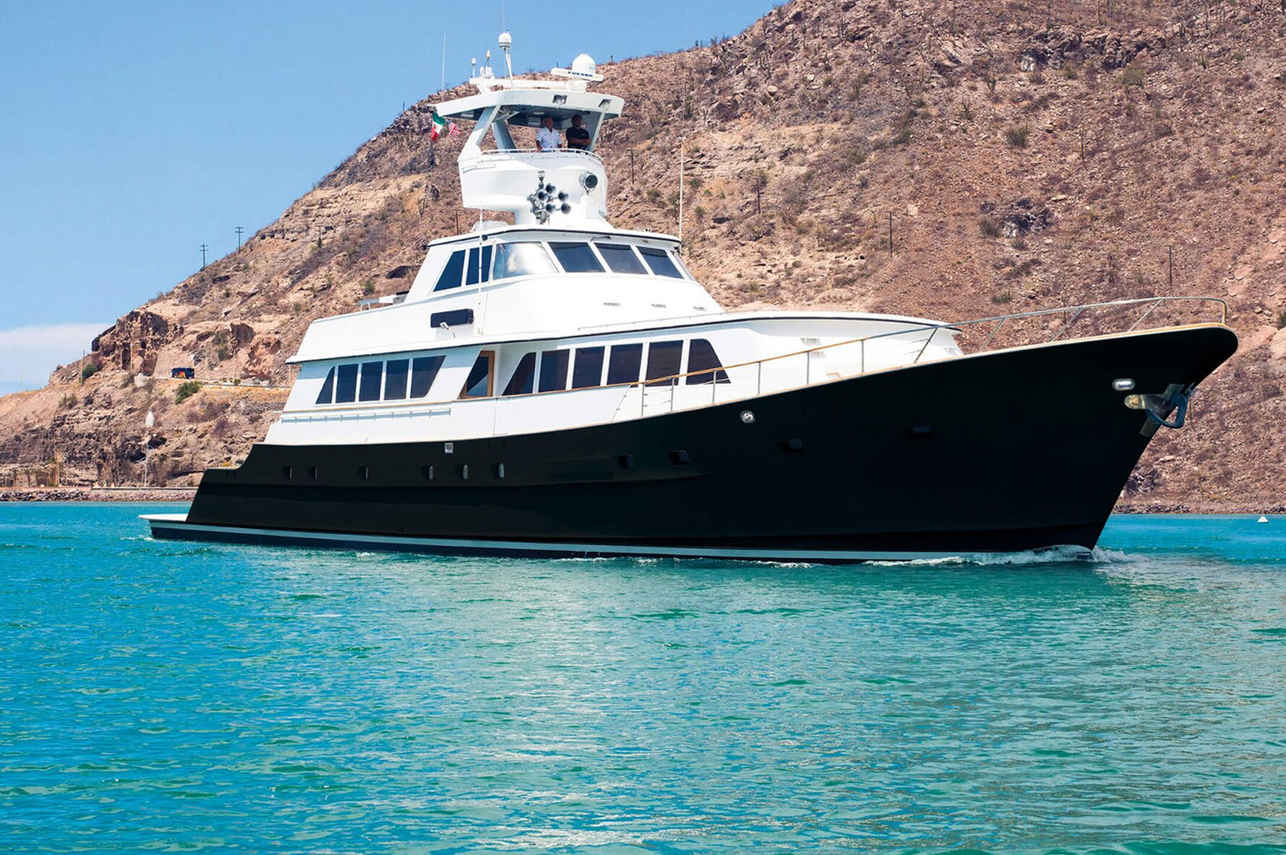
Nautilus Gallant Lady
Mexico
12 guests35.36 m
$332/day
Dive sites similar to Colombia Deep Wall
Same character, same waters — six more sites divers love for the exact same reasons.Compare seasons, access and liveaboard routes — then pick the site that fits your trip best.
© Esri — Maxar, Earthstar, GIS
Pelican Rock
Mexico
Pelican Rock is a renowned dive site located within the Cabo San Lucas Marine Park in Baja California Sur, Mexico, just a few minutes by boat from the marina.
- Suitable for
- Beginner
- Current
- Mild
- Access
- Liveaboard or dayboat
- Depth
- 5–40 m
- Theme
- Wall
© Esri — Maxar, Earthstar, GIS
Isla Montserrat
Mexico
Isla Montserrat is one of the five major islands within the Bahía de Loreto National Park, offering a diverse range of diving opportunities.
- Suitable for
- Intermediate
- Current
- Mild
- Access
- Liveaboard only
- Depth
- —
- Theme
- Reef / Wall
© Esri — Maxar, Earthstar, GIS
Cenote Kukulkan, often referred to as Chikin Ha, is a captivating underwater cavern system located in the heart of the Yucatán Peninsula, approximately 25 kilometers (15 miles) from Playa del Carmen.
- Suitable for
- Intermediate
- Current
- No current
- Access
- Dayboat
- Depth
- 10–15 m
- Theme
- Cavern / Pinnacle
© Esri — Maxar, Earthstar, GIS
Moc-Che Shallow
Mexico
Moc-Che Shallow is a vibrant reef dive situated directly off Playa del Carmen in Mexico, forming part of the Mesoamerican Barrier Reef.
- Suitable for
- Beginner
- Current
- Moderate
- Access
- Liveaboard or dayboat
- Depth
- 7–14 m
- Theme
- Drift
© Esri — Maxar, Earthstar, GIS
The Ramparts of Coronados Island, located in Mexican waters just over 17-20 miles south of San Diego, offers an exhilarating wall dive experience characterized by spectacular granite cliffs and rich marine biodiversity.
- Suitable for
- Intermediate
- Current
- Mild
- Access
- Liveaboard only
- Depth
- 5–30 m
- Theme
- Wall / Reef