About Chimney’s
The "Chimney's" dive site, located in Roatan, Honduras, is renowned for its distinctive topography, characterized by interconnected channels and tunnels formed within the coral reef. These natural formations create a thrilling environment, inviting divers to explore the intricate swim-throughs that give the site its name. Diving here typically involves navigating through these chimney-like structures, which often open into vibrant reef areas. While specific depth ranges for "Chimney's" are not detailed in the provided sources, Roatan's reefs generally feature dramatic walls and shallower coral gardens, offering diverse depth profiles. Roatan's waters are home to a rich array of Caribbean marine life, although specific species for "Chimney's" are not listed. However, the wider area is known for sea turtles, moray eels, and diverse coral ecosystems. The best visibility and calmest conditions in Roatan are typically experienced during the dry season, from March through October, which enhances the enjoyment of such intricate sites. The practical dive experience at "Chimney's", like many Roatan sites, benefits from clear conditions and moderate currents. Access is generally by boat from local dive operations, which prioritize diver safety and comfort, making it an accessible adventure for those with appropriate experience.
Highlights
Intricate coral swim-throughsNatural reef tunnelsUnique chimney formationsDiverse reef topographyCaribbean marine encounters
Season calendar
Best months to dive here
Jan
Feb
Mar
Apr
May
Jun
Jul
Aug
Sep
Oct
Nov
Dec
Excellent
Good
Dive site facts: Chimney’s
- Depth
- 8 m
- Current
- Mild to moderate
- Visibility
- 15–40 m
- Water temperature
- 24–31°C
- Entry
- Boat
- Level
- Intermediate
- Dive type
- Wall, coral, swim-through
- Region / port
- Roatan, Honduras
- Coordinates
- 16.3097° N, 86.5848° W
Conditions & Currents
Diving in Roatan generally experiences mild currents, particularly on the Caribbean side where most diving occurs. While specific current information for "Chimney's" is not detailed, conditions can be influenced by prevailing eastern winds, though the site's location on the west side of the island often offers protection. During winter months, stronger northern winds can create choppier surface conditions, but Roatan's geography allows operators to shift to the Southside for calmer alternatives. Visibility typically ranges from 15 to 40 meters, with the clearest conditions prevalent during the dry season. Divers should be prepared for potential surface chop during windy periods and always follow dive operator guidance for entry and exit techniques.
Marine life & sighting chances
Sea Turtle
occasional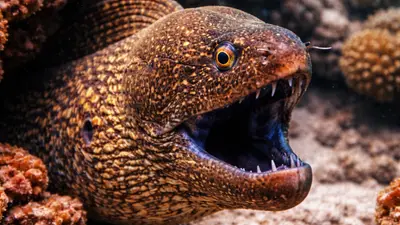
Moray Eel
occasional
Dolphin
rare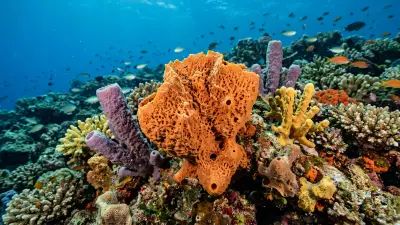
Sea Sponge
common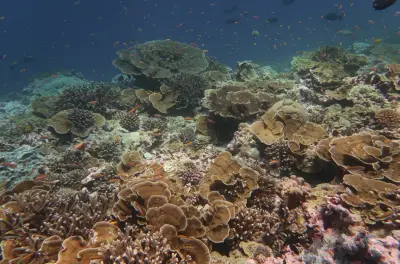
Reef fish (general)
common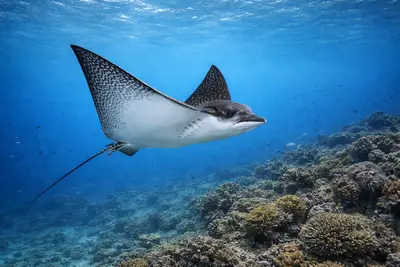
Eagle Ray
occasional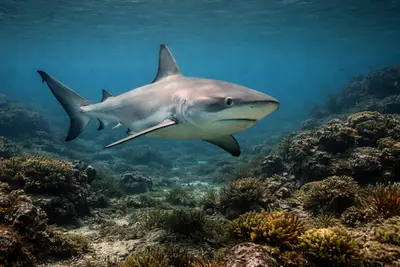
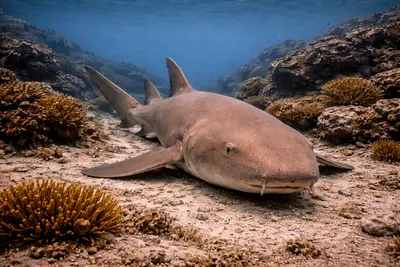
Nurse Shark
rareDive profile & how the dive runs
A typical dive at "Chimney's" would begin with a boat entry, followed by a descent onto the reef where the prominent chimney formations are found. Divers will navigate through the intricate tunnels and swim-throughs, paying close attention to buoyancy control to avoid contact with the delicate coral. The route generally winds through these unique structures, opening up to wider reef areas adorned with diverse coral life. Depth progression will vary as divers explore the vertical and horizontal aspects of the chimneys, before making their way back towards shallower waters. The safety stop is usually conducted on the top of the reef in the 5-meter zone, often above vibrant coral gardens, before ascending to the boat for exit.
Underwater photography
To capture the dramatic topography of "Chimney's," a wide-angle lens is essential for documenting the impressive tunnels and swim-throughs. Consider using a fisheye or rectilinear wide-angle to emphasize the scale of the formations. Strobes or video lights are highly recommended to illuminate the interior of the chimneys and bring out the natural colors of corals and marine life, as ambient light can diminish within these structures. Excellent buoyancy control is critical to avoid stirring up sediment or damaging the fragile environment when maneuvering through confined spaces. Be mindful of other divers when positioning for shots in tight passages.
Combine with nearby dive sites
- Hole in the Wall
Hole in the Wall is a celebrated dive site in Roatan, part of the extensive Mesoamerican Barrier Reef System, which is the second-largest…
- Black Coral Wall
Black Coral I and II are prominent dive sites within Cuba's renowned Jardines de la Reina marine reserve, an area celebrated for its…
- Inside Outside
The Inside Outside dive site in Roatan, Honduras, earns its name from the abundant cracks and swim-throughs that characterize its unique…
- Coco Sea Mount
Coco Sea Mount is a distinctive offshore dive site near Roatan, characterized by its isolation and exposed blue-water environment.
- French Cay Cut
French Cay Cut is a notable dive site located near the French Cay area on the protected south shore of Roatan, Honduras.
Getting there & logistics
Access to Roatan is typically via direct flights to the island's airport from hubs like Atlanta or Houston. Upon arrival, resorts such as Coco View, known for catering to divers, offer transfers. Dive trips to "Chimney's" are generally organized as part of a multi-day package from a local dive resort. Dive operations often use small panga boats, making several trips a day to nearby sites. Most resorts include two to three boat dives daily, with shore diving also available at some locations. Typical dive itineraries are for 7-night stays, combining a mix of popular sites and occasional south side trips if weather conditions necessitate. No specific park fees or permits are mentioned for this particular site.
Safety & environment
For dive emergencies in Roatan, the nearest recompression chamber is available on the island, a crucial consideration for divers. Evacuation for severe medical issues typically involves air transport to a mainland facility or a specialized medical center abroad. It is highly advisable for all divers to have comprehensive dive insurance that covers both recompression treatment and emergency medical evacuation. Site-specific hazards at "Chimney's" primarily involve navigating enclosed spaces, requiring excellent buoyancy control to prevent entanglement or disturbing the fragile coral structures. Divers should always follow their dive guide's instructions, stay within designated areas, and maintain conservative dive profiles, particularly when exploring overhead environments.
Who it suits — and who it doesn't
Suited for
- Experienced divers comfortable with swim-throughs
- Photographers seeking unique topographical shots
- Divers interested in exploring intricate reef formations
- Those looking for varied dive profiles
- Divers seeking adventure beyond simple wall dives
Less suited for
- Brand new divers without advanced training
- Divers uncomfortable with confined spaces
- Individuals with poor buoyancy control
- Divers prone to claustrophobia
- Those who prefer open, shallow reef dives only
FAQ
Chimney’s FAQ
What kind of dive site is Chimney's in Roatan?
Chimney's is a unique reef dive site in Roatan, characterized by distinct coral formations that resemble chimneys. Divers navigate through intricate tunnels and swim-throughs carved into the reef, providing a fascinating and immersive underwater architectural experience. It stands out for its structural complexity rather than expansive open-water views.
What is the best time of year to dive Chimney's?
The best time to dive Chimney's is during Roatan's dry season, which spans from March through October. During these months, you can expect optimal conditions with warmer water temperatures, minimal rainfall, and excellent visibility of 30 meters or more. The calmer seas also make boat travel and dive entries more comfortable.
What marine life can I expect to see at Chimney's?
While Chimney's is primarily known for its unique topography, the surrounding Roatan reefs are home to a variety of Caribbean marine life. Divers frequently encounter sea turtles, moray eels, and schools of reef fish. Occasional sightings of larger pelagics like eagle rays or even sharks are possible, especially in areas with good currents.
Is Chimney's suitable for beginner divers?
Chimney's is generally not recommended for absolute beginner divers due to the presence of swim-throughs and potentially enclosed spaces. It requires good buoyancy control and comfort in navigating tight passages. Divers with some experience, perhaps an Advanced Open Water certification, would be better suited to fully enjoy this site.
How do I access the Chimney's dive site?
Chimney's is accessed by boat from dive operators on Roatan, typically from resorts or dive shops located on the island's west side. Dive trips are usually part of a package, and operators transport divers directly to the site. Shore diving is not an option for this particular site, emphasizing boat-based access.
Why dive Chimney’s from a liveaboard?
Chimney’s is one of Honduras's signature dive sites. A liveaboard sleeps you on the water and puts you in the water for three to four guided dives per day, including dawn and night dives that day-boat operators rarely offer. You skip the daily commute back to port and reach quieter, less-crowded sites in the same region on a single trip.
Below are the liveaboards that include Chimney’s on their Honduras itineraries.
Liveaboards diving Chimney’s
These liveaboards may visit Chimney’s on selected itineraries — the exact dive sites depend on departure, weather and conditions.
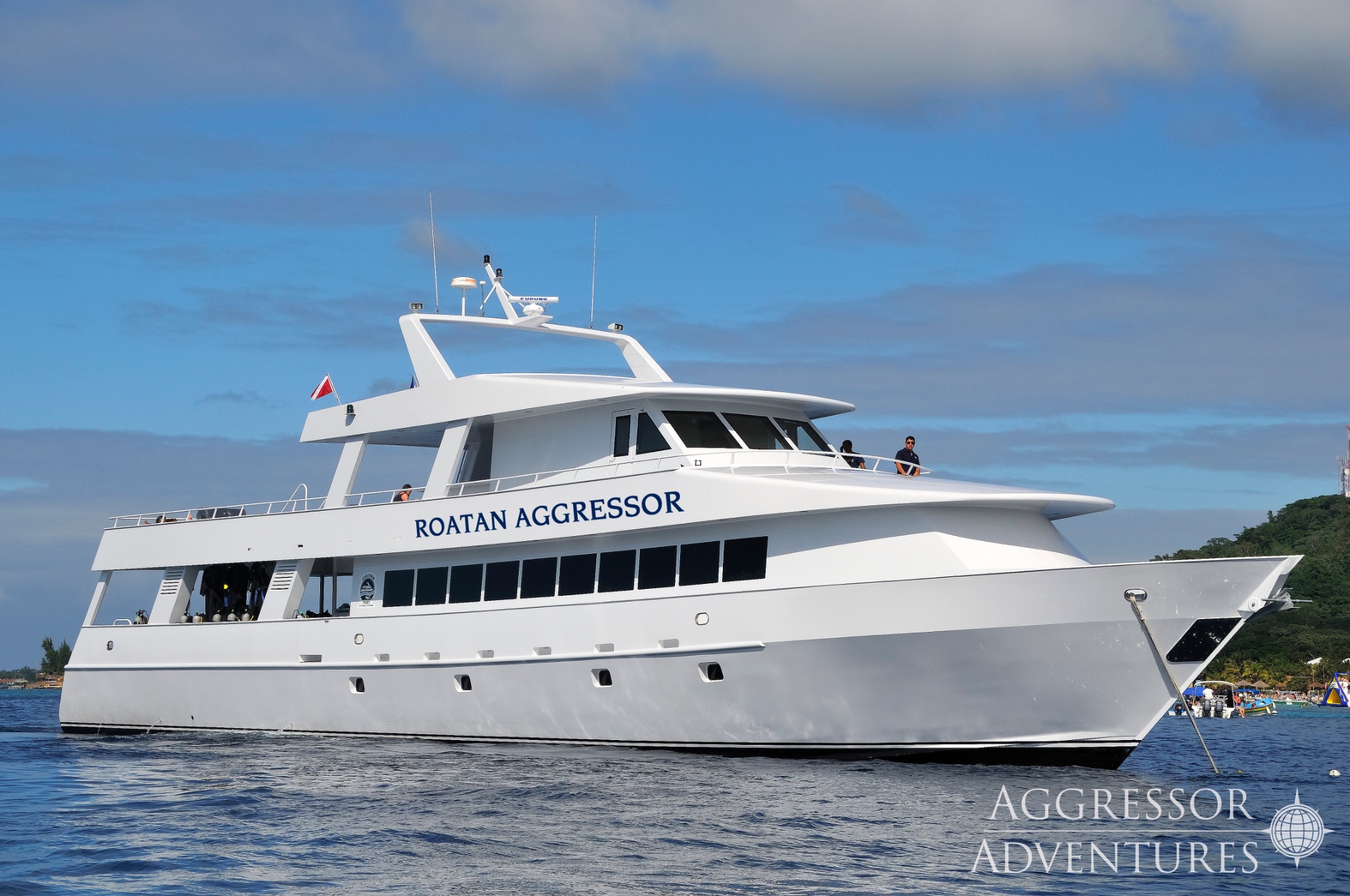
Roatan Aggressor
Honduras
18 guests31.1 m
$309/day
Dive sites similar to Chimney’s
Same character, same waters — six more sites divers love for the exact same reasons.Compare seasons, access and liveaboard routes — then pick the site that fits your trip best.
Blackish Point
Honduras
Blackish Point is a captivating shore-drift wall dive located on the north side of Utila, offering a unique blend of volcanic rock formations, soft corals, and an intricate network of caves, overhangs, and crevices.
- Suitable for
- Intermediate
- Current
- Mild
- Access
- Shore / dayboat
- Depth
- 11–27 m
- Theme
- Cave & cavern / Drift
Gold Chain Reef
Honduras
Gold Chain Reef is a celebrated dive site located off the coast of Roatan, Honduras, within the vast Mesoamerican Barrier Reef System, the world's second-largest coral reef.
- Suitable for
- Intermediate
- Current
- Mild
- Access
- Liveaboard only
- Depth
- 3–9 m
- Theme
- Wall
Jack Neil Bight
Honduras
Jack Neil Bight is a notable dive site located on the south side of Utila, Honduras, part of the Bay Islands archipelago, known for its calm conditions and diverse underwater scenery.
- Suitable for
- Beginner
- Current
- Mild
- Access
- Dayboat
- Depth
- 2–40 m
- Theme
- Reef / Wall
Hole in the Wall
Honduras
Hole in the Wall is a celebrated dive site in Roatan, part of the extensive Mesoamerican Barrier Reef System, which is the second-largest barrier reef globally.
- Suitable for
- Beginner
- Current
- No current
- Access
- Liveaboard only
- Depth
- 33–33 m
- Theme
- Wall / Cavern
Green Out House Wall
Honduras
Green Out House Wall is a notable dive site in Roatan, recognized for its distinct wall topography and the potential for drift diving.
- Suitable for
- Intermediate
- Current
- Moderate
- Access
- Dayboat
- Depth
- ≤ 22 m
- Theme
- Wall / Drift
Jack Neal Point
Honduras
Jack Neal Point is a captivating dive site located off the western coast of Roatan, Honduras, nestled within the larger Mesoamerican Barrier Reef System, the second-largest barrier reef globally.
- Suitable for
- Beginner
- Current
- Mild
- Access
- Dayboat
- Depth
- 5–30 m
- Theme
- Reef / Wall