About Samarai Wharf
Samarai Wharf, situated in Papua New Guinea's Milne Bay Province, was once the bustling center of Samarai Island, a significant colonial port from the 1880s. Today, this historic structure has transformed into a vibrant underwater ecosystem, offering a unique dive experience beneath its "cathedral-like" piers. It's renowned as one of the world's most dynamic jetty dives, attracting divers interested in both historical remnants and prolific marine life. The dive site features the intricate pilings and submerged architecture of the wharf, which create a complex habitat for an array of marine creatures. Divers typically explore the areas beneath the pier structure, navigating around the wooden supports. While specific depths aren't detailed, pier dives generally remain relatively shallow, allowing for extended bottom times to observe the abundant life. The structure itself is a primary feature, forming an artificial reef that shelters numerous species. Samarai Wharf is celebrated for its incredible macro opportunities and schooling fish. You can expect to encounter large numbers of scads congregating under the pier, creating dynamic patterns. The site is a haven for unusual and smaller critters, though specific species are not listed in detail. Visibility in Milne Bay, where Samarai is located, is optimal during the wet season, from June through August, and remains good to excellent until mid-December. Water temperatures range from 25 to 29 degrees Celsius during the dry season and around 25 degrees Celsius in the wet season. This location is ideal for muck diving enthusiasts and photographers. The dive experience focuses on slow exploration and observation, with currents generally described as mild to moderate in the Milne Bay region. The accessibility and calm conditions often make it suitable for divers of varying experience levels who appreciate detailed observation rather than fast-paced drifts.
Highlights
Historic Samarai Wharf pilingsSchooling scads under the pierExceptional macro photography subjectsUnique underwater architectureMuck diving opportunities
Season calendar
Best months to dive here
Jan
Feb
Mar
Apr
May
Jun
Jul
Aug
Sep
Oct
Nov
Dec
Excellent
Good
Dive site facts: Samarai Wharf
- Depth
- 3–10 m
- Current
- Mild to moderate
- Visibility
- 25–40 m
- Water temperature
- 25–29 °C
- Entry
- Boat
- Level
- Intermediate
- Dive type
- Muck, coral, history
- Night dive
- Possible
- Region / port
- Milne Bay
- Coordinates
- -10.62, 150.675
Conditions & Currents
Samarai Wharf is situated in the China Strait, an area known for its notorious tidal currents. These currents are a defining feature of the dive site, constantly bringing in nutrients that support the abundant marine life. Divers should anticipate mild to moderate currents, which can vary in strength with the tides. While these currents are crucial for the ecosystem's vitality, they necessitate careful dive planning and appropriate experience. Entry and exit strategies should account for potential drift, and divers may find themselves moving along with the current. Visibility at the site is generally good to excellent, often ranging from 25 to 40 meters, despite the currents, as the waters are continuously refreshed. This dynamic environment makes for an engaging dive but requires divers to be comfortable with current management.
Marine life & sighting chances
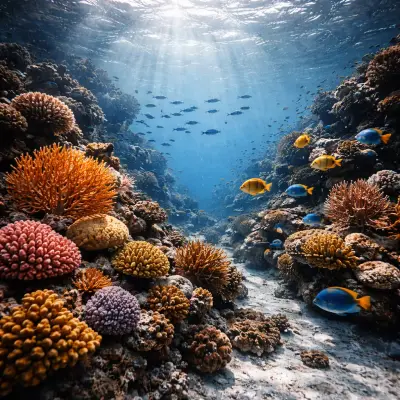
Yellow Tubastraea corals
common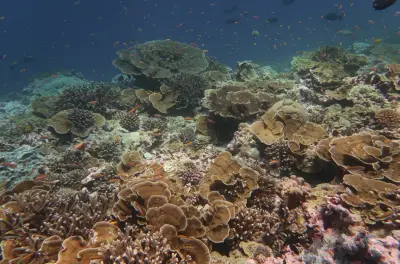
Baitfish
common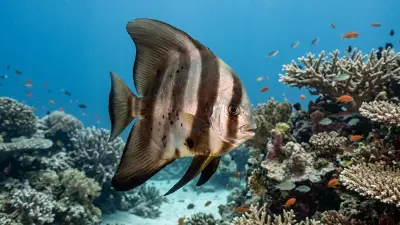
Batfish
common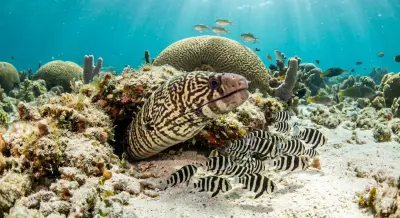
Convictfish
common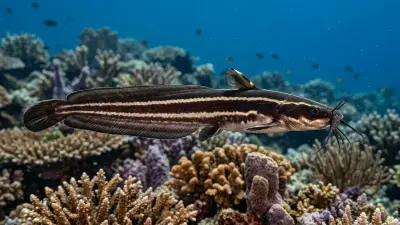
Catfish
common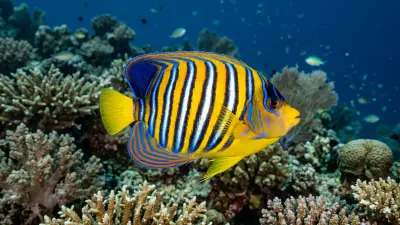
Angelfish
common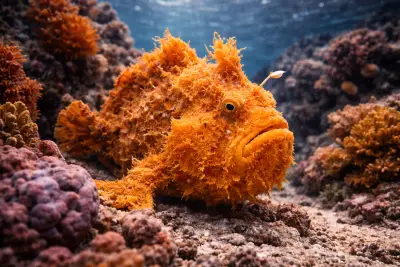
Frogfish
occasional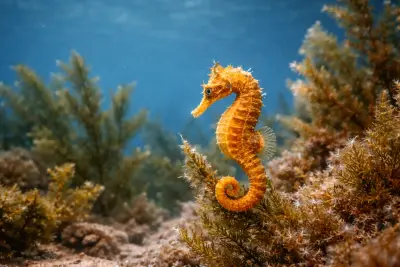
Seahorses
occasional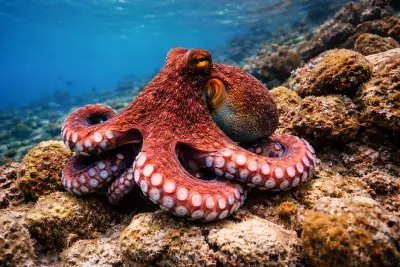
Octopus
occasional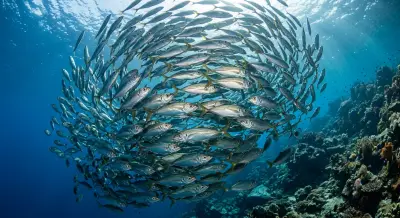
Scads
common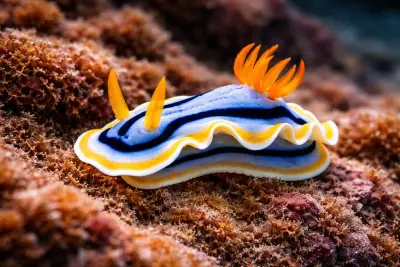
Nudibranchs
occasionalDive profile & how the dive runs
A typical dive at Samarai Wharf begins with a boat drop directly onto the site, allowing divers to descend quickly onto the historical wharf piles. The dive often follows the remaining eastern section of the wharf, exploring the structures that are heavily encrusted with corals and sponges. Divers progress along the pilings, paying close attention to the vibrant macro life hiding within the growth, as well as the schooling fish that congregate around the structures. Depth will vary as you navigate the wharf, but most exploration occurs in shallower ranges, allowing for extended bottom time. The strong currents of the China Strait influence the dive, making it often a drift experience along the wharf, with divers carefully managing buoyancy and position. The turn point is flexible, often determined by air consumption or current conditions, with the safety stop conducted in the shallowest parts of the structure or as a drift in the blue, depending on the boat's retrieval strategy.
Underwater photography
Samarai Wharf presents excellent opportunities for both macro and wide-angle photography, though macro is particularly rewarding due to the concentration of critters. For macro, a 60mm or 100mm lens is ideal for capturing frogfish, seahorses, and nudibranchs nestled among the wharf piles and corals. External strobes are essential to bring out the true colors of the abundant soft corals and invertebrates in what can be shaded areas beneath the wharf structures. Wide-angle photographers can utilize a 10-17mm fisheye or similar lens to capture the entire scope of the encrusted pilings and the swirling schools of baitfish and larger pelagics. Maintaining excellent buoyancy is crucial, especially when currents are present, to avoid disturbing the silty bottom and to keep subjects in focus. Be mindful of potential reflections from the surface, adjusting strobe positions to minimize backscatter, especially in the shallower sections.
Combine with nearby dive sites
- Dinah's Beach
Renowned for muck diving and macro photography
- Lama Shoal
Lama Shoal, also known by the evocative name Crack-A-Fat Reef, stands out as a premier dive site within the Witu Islands of Papua New…
- Observation Point
Observation Point, situated on Normanby Island in Milne Bay, Papua New Guinea, stands out as a premier destination for macro diving.
- Doini Island
Doini Island, nestled near Papua New Guinea's capital Port Moresby, provides a serene escape with excellent diving opportunities.
- Bev's Reef
Bev's Reef is a vibrant reef system located near Tufi on the northern coast of mainland Papua New Guinea, situated amidst a region…
- Susan's Reef
Susan's Reef is a highlight of Kimbe Bay, located on New Britain Island in Papua New Guinea, celebrated for its pristine condition and rich…
Getting there & logistics
Access to Samarai Wharf typically involves flying into Port Moresby, the capital of Papua New Guinea, and then taking a connecting flight to Alotau, located in Milne Bay Province. From Alotau, most divers transfer to liveaboards which operate itineraries covering Milne Bay, including Samarai. Liveaboard trips to this region often range from 7 to 10 days, allowing exploration of multiple diverse sites. While specific permits for diving Samarai Wharf itself might not be separately charged, liveaboard packages typically include all necessary fees for the itinerary. It is advisable to confirm with your chosen operator regarding any local community fees or environmental levies that might apply. Milne Bay is historically significant for diving, being one of the first areas in PNG explored by divers, making it a well-established liveaboard destination.
Safety & environment
Diving at Samarai Wharf, especially with its potential for strong currents in the China Strait, necessitates adherence to strict safety protocols. Divers should be proficient in drift diving techniques and maintain excellent buoyancy control. A recompression chamber is located in Port Moresby, making evacuation from the remote Milne Bay region a complex and potentially lengthy process. Therefore, comprehensive dive insurance, including coverage for emergency medical evacuation, is absolutely essential. Always dive with a surface marker buoy (SMB) and know how to deploy it, as currents can separate divers from the boat. Briefings should cover emergency procedures and rendezvous points. While the wharf environment is generally safe, divers should avoid touching marine life or disturbing the historical structures. Divers are encouraged to stay well hydrated and dive within their training and comfort limits.
Who it suits — and who it doesn't
Suited for
- Experienced divers comfortable with currents
- Underwater photographers (macro and wide-angle)
- Muck diving enthusiasts
- Divers interested in historical sites
- Marine life observers seeking high biodiversity
Less suited for
- Beginner divers without current experience
- Divers uncomfortable with potential drifts
- Those seeking only large pelagic action
- Divers who prefer calm, current-free environments
FAQ
Samarai Wharf FAQ
What kind of marine life can I expect to see at Samarai Wharf?
Samarai Wharf is teeming with marine life, particularly known for its diverse macro critters like frogfish, seahorses, and various nudibranchs. You'll also encounter schooling baitfish, batfish, convictfish, catfish, and angelfish. The wharf piles are covered in vibrant corals, including yellow tubastraea, providing a rich habitat.
Are there strong currents at Samarai Wharf?
Yes, Samarai Wharf is located in the China Strait, which is known for its tidal currents. These currents can range from mild to moderate and are responsible for bringing nutrients to the site, supporting its rich ecosystem. Divers should be comfortable with current management and drift diving.
What is the best time of year to dive Samarai Wharf?
The best time to dive Samarai Wharf, within the Milne Bay region, is generally between October and March. During these months, the area experiences optimal visibility and calmer weather conditions, which are ideal for exploring the dive site.
What kind of photography equipment is best for Samarai Wharf?
Both macro and wide-angle lenses are suitable for Samarai Wharf. A macro lens (60mm or 100mm) is excellent for capturing the numerous small critters. A wide-angle or fisheye lens can be used to photograph the expansive coral growth on the wharf structures and schools of fish. External strobes are highly recommended for both.
How do I get to Samarai Wharf?
To reach Samarai Wharf, you typically fly into Port Moresby, then take a domestic flight to Alotau in Milne Bay. From Alotau, the dive site is accessed via liveaboard vessels that include Milne Bay in their itineraries. Liveaboard trips are the most common way to explore this remote region.
Why dive Samarai Wharf from a liveaboard?
Samarai Wharf is one of Papua New Guinea's signature dive sites. A liveaboard sleeps you on the water and puts you in the water for three to four guided dives per day, including dawn and night dives that day-boat operators rarely offer. You skip the daily commute back to port and reach quieter, less-crowded sites in the same region on a single trip.
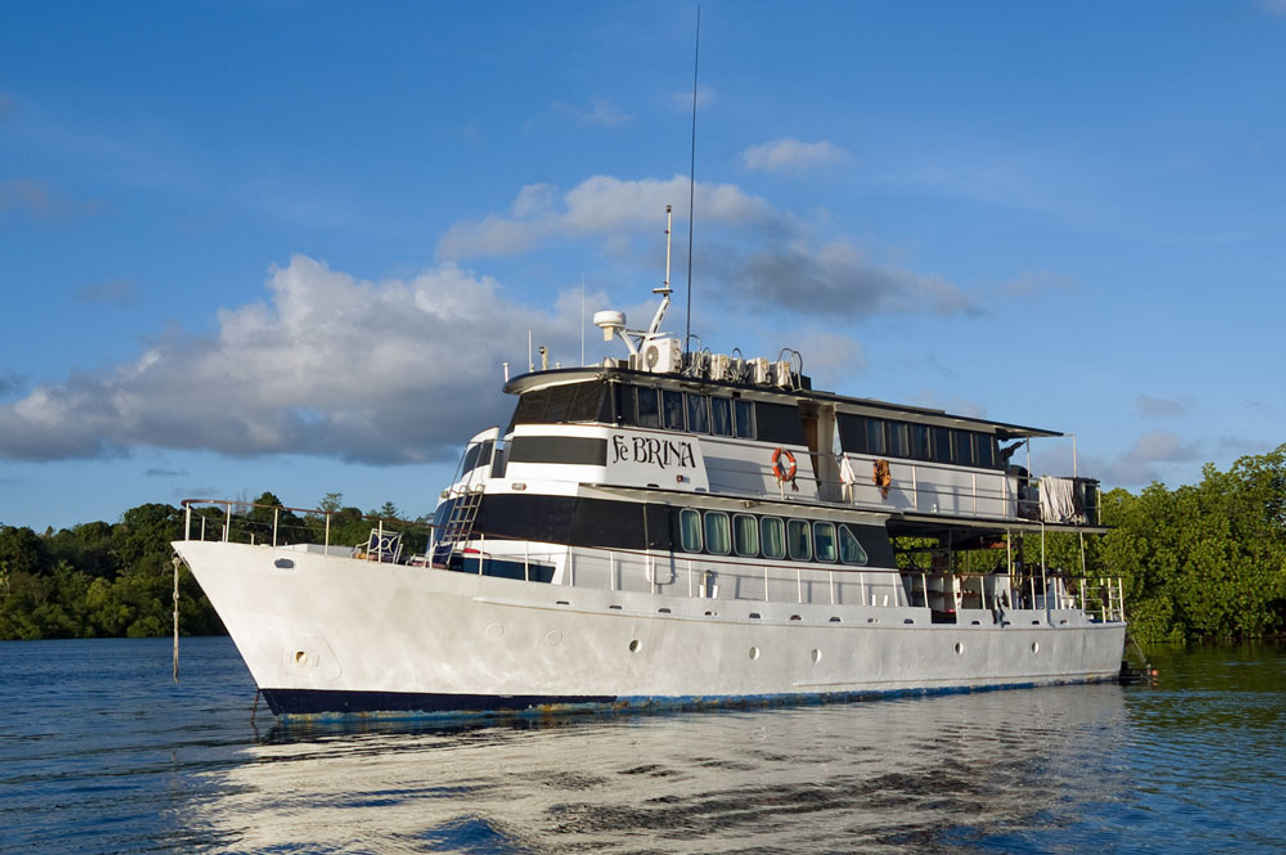
Below are the liveaboards that include Samarai Wharf on their Papua New Guinea itineraries.
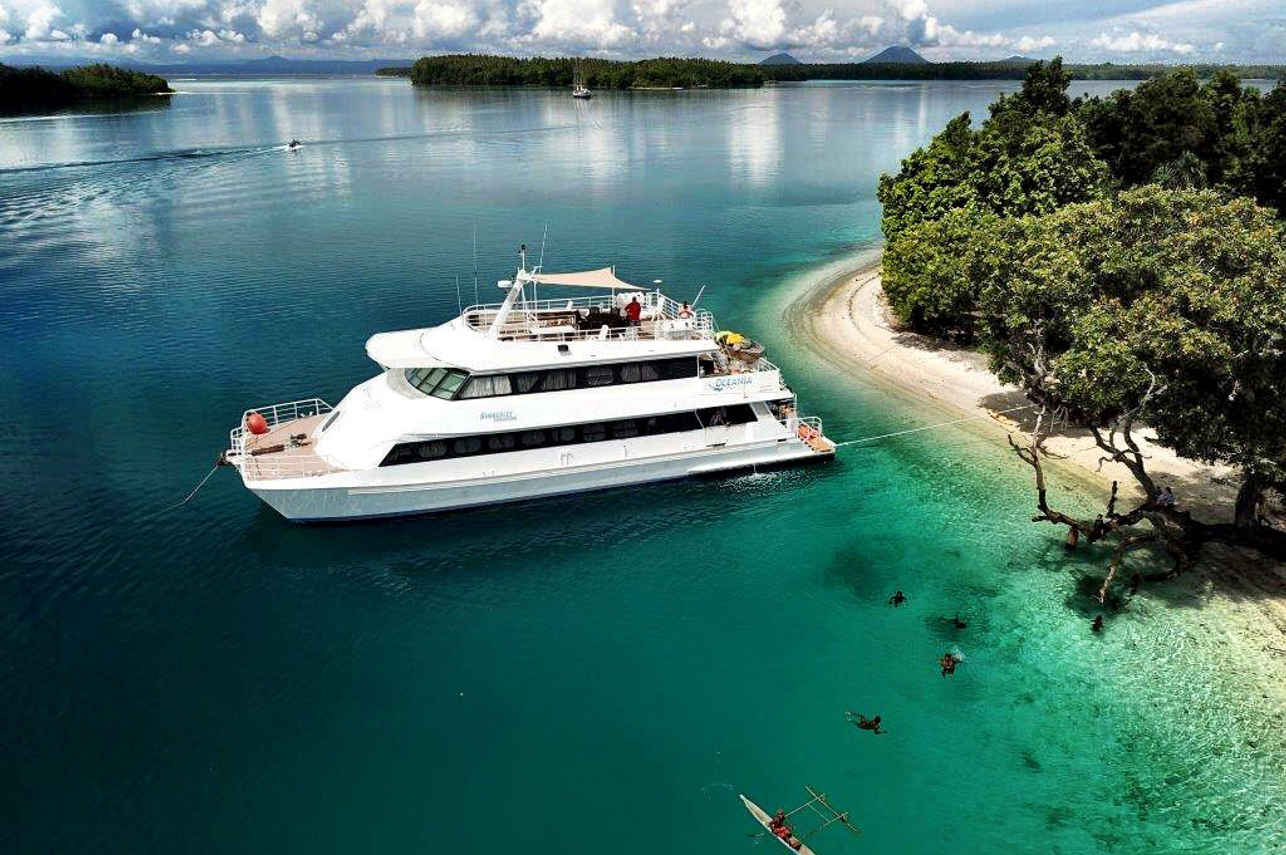
Liveaboards diving Samarai Wharf
These liveaboards may visit Samarai Wharf on selected itineraries — the exact dive sites depend on departure, weather and conditions.
Dive sites similar to Samarai Wharf
Same character, same waters — six more sites divers love for the exact same reasons.Compare seasons, access and liveaboard routes — then pick the site that fits your trip best.
© Esri — Maxar, Earthstar, GIS
Bermuda Drop
Papua New Guinea
Bermuda Drop is a notable wall drift dive located near Kavieng, Papua New Guinea, offering an experienced diver a journey along an impressive underwater cliff.
- Suitable for
- Advanced
- Current
- Moderate
- Access
- Liveaboard only
- Depth
- 3–26 m
- Theme
- Wall / Drift
© Esri — Maxar, Earthstar, GIS
End Bommie
Papua New Guinea
End Bommie is a renowned dive site located in Bootless Bay, near Port Moresby, Papua New Guinea.
- Suitable for
- Advanced
- Current
- Strong
- Access
- Liveaboard or dayboat
- Depth
- 6–30 m
- Theme
- Reef / Wall
© Esri — Maxar, Earthstar, GIS
Tufi Fjords
Papua New Guinea
Tufi Fjords, nestled on Cape Nelson along Papua New Guinea's northeast coast, offers a unique diving experience in a stunning, tropical fjord-like landscape.
- Suitable for
- Intermediate
- Current
- Strong
- Access
- Liveaboard only
- Depth
- 5–200 m
- Theme
- Muck diving / Reef
© Esri — Maxar, Earthstar, GIS
Albatross Muck
Papua New Guinea
Albatross Muck is a notable dive site located in Papua New Guinea, specifically mentioned as being on the way from Lissenung Island to Albatross Passage in New Ireland Province.
- Suitable for
- Intermediate
- Current
- Moderate
- Access
- Liveaboard or dayboat
- Depth
- 20–25 m
- Theme
- Muck diving
© Esri — Maxar, Earthstar, GIS
Nusa Blowholes
Papua New Guinea
Nusa Blowholes is an intriguing dive site situated on the northern tip of Nusa Lavu Island, near Kavieng in Papua New Guinea.
- Suitable for
- Intermediate
- Current
- Moderate
- Access
- Liveaboard or dayboat
- Depth
- —
- Theme
- Reef / Drift
© Esri — Maxar, Earthstar, GIS
MV New Marine
Papua New Guinea
The MV New Marine is an intentionally scuttled vessel located in Bootless Bay, southeast of Port Moresby, Papua New Guinea.
- Suitable for
- Advanced
- Current
- Moderate
- Access
- Liveaboard only
- Depth
- ≤ 20 m
- Theme
- Wreck / Drift