About Nusa Blowholes
Nusa Blowholes is an intriguing dive site situated on the northern tip of Nusa Lavu Island, near Kavieng in Papua New Guinea. This site is renowned for its eroded limestone formations, featuring numerous caverns, overhangs, and swim-throughs that create a distinct underwater landscape. The location is strategically positioned, exposing it to dynamic tidal flows which bring rich nutrients, contributing to its vibrant marine ecosystem. While some areas experience strong currents, they also support a thriving environment. The topography transitions from exposed reef areas to sheltered limestone structures, with depths suitable for varied exploration. The limestone surfaces and overhangs are draped in colorful soft corals, particularly notable for their yellow hues, offering a striking contrast against the clear waters when visibility is optimal. These sheltered spaces provide refuge for a variety of marine life, making it a captivating site for divers who appreciate both geology and biology. Marine life at Nusa Blowholes includes frequent sightings of white-tip reef sharks, often found resting within the protective ledges and swim-throughs. Painted lobsters are commonly observed sheltering in the crevices, alongside a rich abundance of nudibranchs that add splashes of color to the coral-encrusted surfaces. The dynamic environment supports both resident reef species and occasional pelagic visitors drawn by the nutrient-rich currents. Diving Nusa Blowholes typically involves a drift along the site, allowing divers to explore the natural formations and observe the marine inhabitants that call these caves and overhangs home. It offers a unique experience, combining geological exploration with vibrant reef diving, making it a distinctive site within the Kavieng region.
Highlights
Eroded limestone formationsCaverns and swim-throughsResting white-tip reef sharksAbundant painted lobstersDiverse nudibranchsVibrant yellow soft corals
Season calendar
Best months to dive here
Jan
Feb
Mar
Apr
May
Jun
Jul
Aug
Sep
Oct
Nov
Dec
Excellent
Good
Dive site facts: Nusa Blowholes
- Current
- Mild to vigorous
- Visibility
- 20–40 m
- Water temperature
- 25–30°C
- Entry
- Tender / Negative entry possible
- Level
- Intermediate to Advanced
- Dive type
- Reef, drift, cave, swim-throughs
- Region / port
- Kavieng, New Ireland
- Coordinates
- 6.3843° S, 149.5495° E
Conditions & Currents
Nusa Blowholes is characterized by dynamic current conditions, ranging from mild to potentially vigorous, influenced by the complex tidal flows of the Kavieng region. The site benefits from waters that flow from both the Pacific Ocean and the Bismarck Sea, with up to six tides occurring daily, necessitating careful dive planning. These currents, while stimulating marine growth and bringing in nutrients, can create strong drifts that require experience to navigate effectively. Visibility at the site is generally good, often ranging from 20 to 40 meters, though it can be affected by stronger currents that might stir up detritus from surrounding mangroves or introduce clearer oceanic waters. Entry is typically via tender, and a negative entry may be employed if currents are particularly strong. Divers should be prepared for potential drift dives, leveraging the current to explore the exten
Marine life & sighting chances
White-tip reef shark
occasional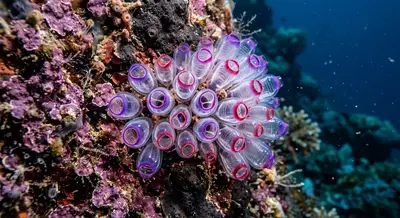
Painted lobster
occasional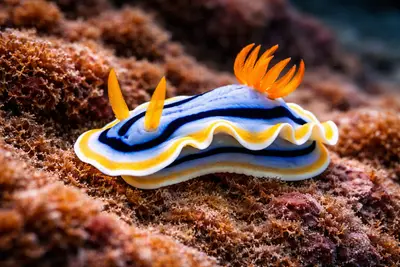
Nudibranchs
occasional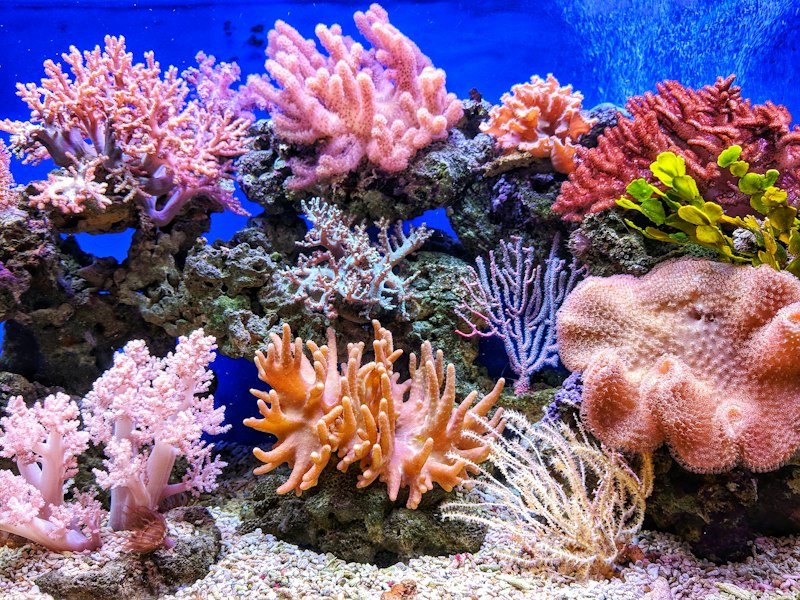
Soft corals
occasional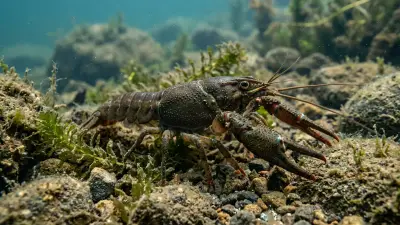
Crayfish
common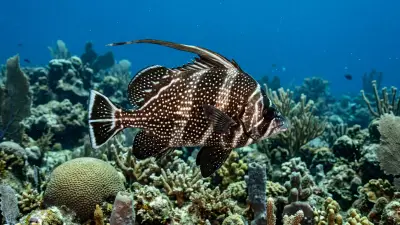
Spotted rays
occasional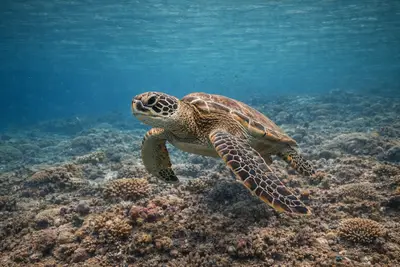
Turtles
occasionalDive profile & how the dive runs
Diving at Nusa Blowholes typically involves a controlled drift along the eroded limestone formations. The dive usually commences with a descent into the blue, often near the entrance of a swim-through or cave, depending on current conditions. Divers then explore the various caverns and overhangs, maintaining excellent buoyancy to navigate the intricate structures draped with yellow soft corals. The route often follows the contours of the reef, allowing divers to observe white-tip reef sharks resting under ledges and painted lobsters tucked into crevices. The dive progresses through several such formations, gradually ascending as the current guides the group. Attention is focused on the abundant nudibranchs and smaller reef inhabitants found on the colorful walls. The safety stop is typically performed in the shallower sections of the reef, allowing for final observations of the coral ecosystem before surfacing.
Underwater photography
Nusa Blowholes offers compelling subjects for both wide-angle and macro photography. For capturing the scale of the limestone caverns and swim-throughs, particularly with divers or resting white-tip reef sharks in frame, a wide-angle lens is highly effective. To properly illuminate the vibrant yellow soft corals and reveal the colors within the shadowed overhangs, external strobes are essential. When focusing on the abundant nudibranchs, painted lobsters, and other cryptic creatures, a macro lens will capture their intricate details. Pay close attention to buoyancy control to avoid disturbing the delicate soft corals within the confined spaces and to maintain stability for sharp images. Given the potential for currents, practice your drift photography techniques to ensure clear shots.
Combine with nearby dive sites
- Echuca Patch
A patch reef with significant pelagic activity and adjacent to the Der Yang Wreck.
- Der Yang Wreck
A Taiwanese fishing boat wreck near Echuca Patch, often dived in combination.
- The Bottleshop
A renowned muck dive site within Kavieng Harbour, excellent for macro subjects.
- Albatross Passage
A passage known for strong currents and diverse pelagic action.
Getting there & logistics
Access to Nusa Blowholes is typically facilitated from Kavieng, the provincial capital of New Ireland, Papua New Guinea. Divers usually reach Kavieng via domestic flights from Port Moresby, which itself is accessible by international flights. From Kavieng, resorts like Lissenung Island Resort, located about a 20-minute boat ride from Kavieng Harbour, operate daily dive boats to sites like Nusa Blowholes. Liveaboards operating in the Kavieng area also include this site in their itineraries. Dive trips to Kavieng typically range from one week. There are no specific park fees mentioned for Nusa Blowholes itself, but general dive operator fees cover access and guided dives. This site is frequently combined with other Kavieng highlights such as the Der Yang Wreck, Echuca Patch, and muck diving sites in the harbor.
Safety & environment
The nearest recompression chamber facilities in Papua New Guinea are located in Port Moresby, making medical evacuation a complex and potentially lengthy process for divers in Kavieng. Therefore, comprehensive dive insurance that includes medical evacuation and recompression coverage is absolutely mandatory. Divers should be aware of the site-specific hazard of potentially strong and unpredictable currents; local dive guides are essential for timing dives with appropriate tidal conditions. While navigating the swim-throughs and caverns, maintain strict buddy protocols and exercise excellent buoyancy control to prevent injury or damaging the delicate marine life. Always dive within your training limits and communicate any discomfort or issues immediately to your dive guide.
Who it suits — and who it doesn't
Suited for
- Experienced divers comfortable with drift diving
- Divers interested in exploring caves and swim-throughs
- Underwater photographers seeking unique geological features and macro life
- Divers looking for white-tip reef shark encounters
- Those who appreciate vibrant soft coral environments
Less suited for
- Beginner divers without current experience
- Divers uncomfortable in enclosed overhead environments
- Individuals with poor buoyancy control
- Divers expecting only calm, still water conditions
FAQ
Nusa Blowholes FAQ
What kind of currents can I expect at Nusa Blowholes?
Nusa Blowholes can experience varied currents, ranging from mild to vigorous, due to Kavieng's dynamic tidal system. Dives are carefully timed by local operators to optimize conditions, but divers should be prepared for drift diving. These currents enrich the marine life but require confident diving skills and good buoyancy control.
What marine life is commonly seen at Nusa Blowholes?
The site is well-known for frequent sightings of white-tip reef sharks, often found resting within the numerous ledges and swim-throughs. You can also expect to see abundant painted lobsters, a wide variety of colorful nudibranchs, and other reef fish. The vibrant yellow soft corals that cover the formations are a highlight.
Are there any caves or swim-throughs at Nusa Blowholes?
Yes, Nusa Blowholes is named for its extensive eroded limestone formations, which feature many caverns, overhangs, and swim-throughs. Exploring these unique geological structures is a primary attraction of the dive, offering an adventurous experience for divers comfortable in such environments.
Is Nusa Blowholes suitable for beginners?
Nusa Blowholes is generally recommended for intermediate to advanced divers due to the potential for strong currents and the need to navigate swim-throughs. While local guides manage the dives carefully, prior experience with drift diving and excellent buoyancy control are highly beneficial for a safe and enjoyable experience.
How is visibility typically at Nusa Blowholes?
Visibility at Nusa Blowholes is usually very good, often ranging from 20 to 40 meters. However, it can occasionally be affected by strong tidal currents that may bring in detritus from the surrounding areas. Dive operators generally plan dives during optimal tidal windows to ensure the best possible visibility.
Why dive Nusa Blowholes from a liveaboard?
Nusa Blowholes is one of Papua New Guinea's signature dive sites. A liveaboard sleeps you on the water and puts you in the water for three to four guided dives per day, including dawn and night dives that day-boat operators rarely offer. You skip the daily commute back to port and reach quieter, less-crowded sites in the same region on a single trip.
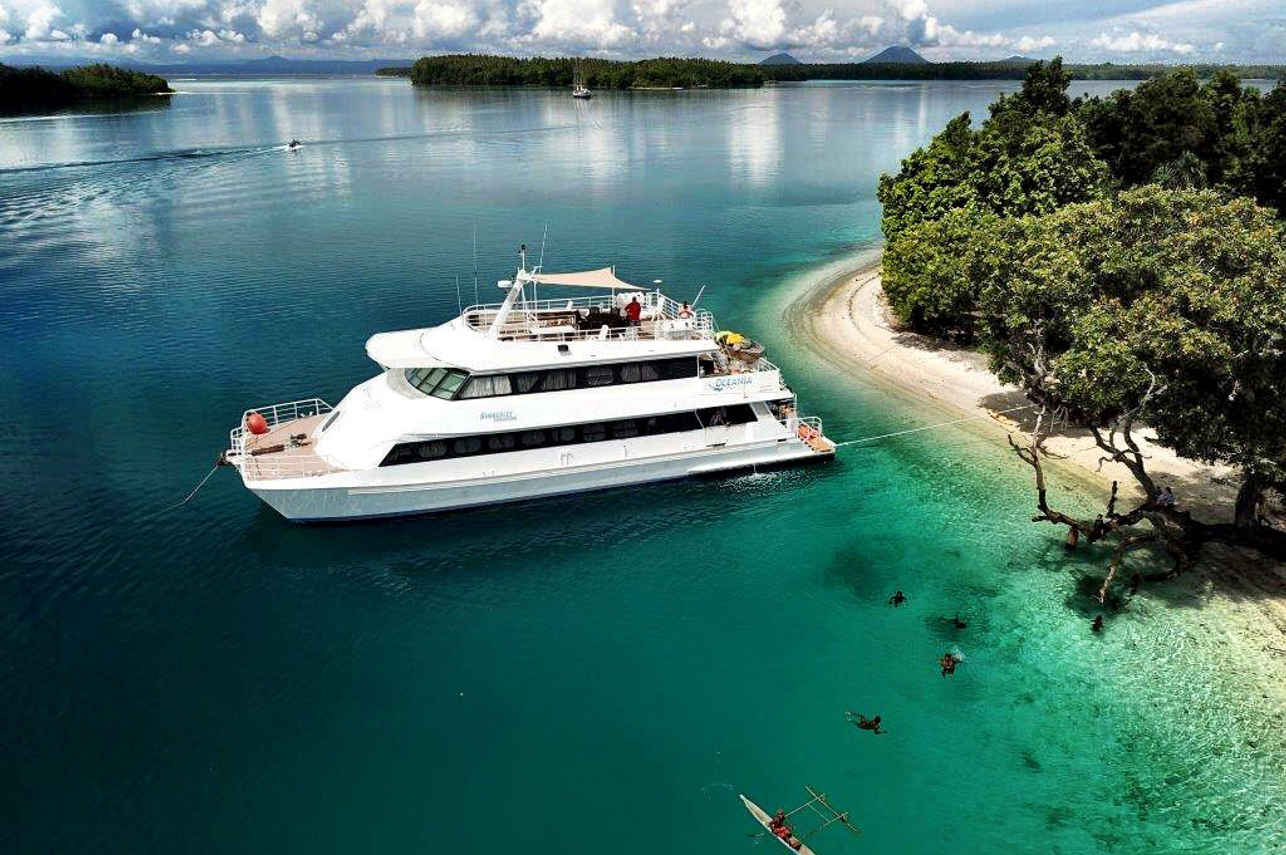
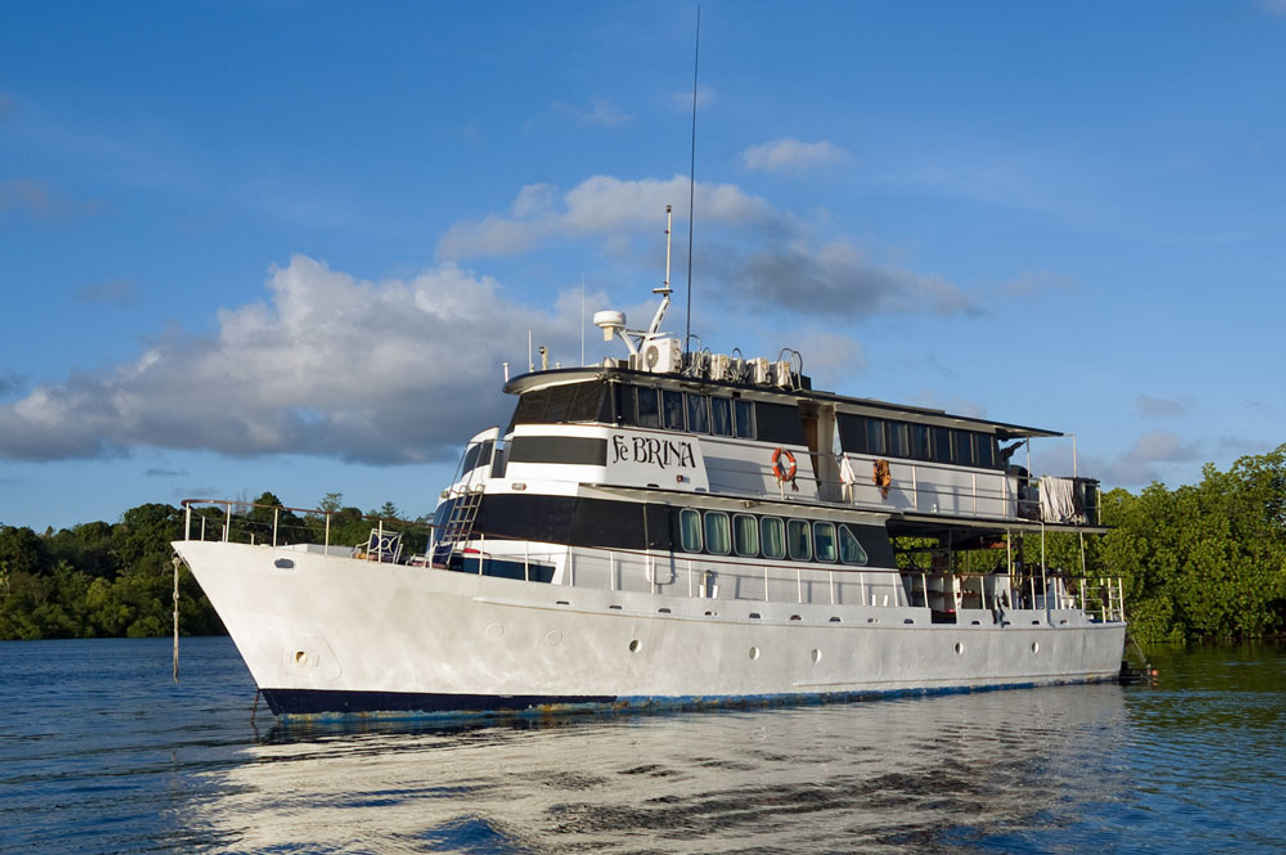
Below are the liveaboards that include Nusa Blowholes on their Papua New Guinea itineraries.
Liveaboards diving Nusa Blowholes
These liveaboards may visit Nusa Blowholes on selected itineraries — the exact dive sites depend on departure, weather and conditions.
Dive sites similar to Nusa Blowholes
Same character, same waters — six more sites divers love for the exact same reasons.Compare seasons, access and liveaboard routes — then pick the site that fits your trip best.
Giants at Home
Papua New Guinea
Giants at Home is a unique dive site nestled in a protected, shallow bay within Milne Bay, Papua New Guinea, specifically known as a thriving manta ray cleaning station.
- Suitable for
- Beginner
- Current
- Mild
- Access
- Liveaboard only
- Depth
- 1–8 m
- Theme
- Reef
Lissenung Island Reef
Papua New Guinea
Lissenung Island Reef is the house reef surrounding approximately two-thirds of Lissenung Island, located near Kavieng in Papua New Guinea.
- Suitable for
- Beginner
- Current
- Moderate
- Access
- Shore / dayboat
- Depth
- 2–10 m
- Theme
- Reef
Bermuda Drop
Papua New Guinea
Bermuda Drop is a notable wall drift dive located near Kavieng, Papua New Guinea, offering an experienced diver a journey along an impressive underwater cliff.
- Suitable for
- Advanced
- Current
- Moderate
- Access
- Liveaboard only
- Depth
- 3–26 m
- Theme
- Wall / Drift
Banana Bommie
Papua New Guinea
Banana Bommie is a prominent and highly regarded dive site situated at the northern mouth of Milne Bay in Papua New Guinea.
- Suitable for
- Advanced
- Current
- Moderate
- Access
- Liveaboard only
- Depth
- ≤ 40 m
- Theme
- Reef / Pinnacle
End Bommie
Papua New Guinea
End Bommie is a renowned dive site located in Bootless Bay, near Port Moresby, Papua New Guinea.
- Suitable for
- Advanced
- Current
- Strong
- Access
- Liveaboard or dayboat
- Depth
- 6–30 m
- Theme
- Reef / Wall
Lauadi
Papua New Guinea
Lauadi is a celebrated dive site within Milne Bay, Papua New Guinea, specifically recognized as the origin point of muck diving.
- Suitable for
- Beginner
- Current
- Moderate
- Access
- Shore / dayboat
- Depth
- 8–25 m
- Theme
- Reef