About The Bottleshop
The Bottleshop is a distinctive dive site situated within Kavieng Harbour, renowned as the area's best muck dive. This site developed around the pylons of an old slipway, where years of discarded bottles, cans, and tires have formed an artificial reef. These man-made structures provide an ideal environment for a diverse array of small and unusual marine creatures, making it a hotspot for macro enthusiasts. Unlike typical coral reefs, The Bottleshop offers a unique underwater landscape focusing on intricate life within and around the debris. The maximum depth here is 16 meters, suitable for beginner divers due to its accessible depth and generally calm conditions within the harbor. The site is a treasure trove for finding specific critters that thrive in such habitats, including ghost pipefish, demon stingers, allied cowries, and a variety of nudibranchs and shrimps. Octopus, pipefish, and seahorses are also frequently encountered, showcasing a vibrant miniature ecosystem. Its calm waters and sheltered location make it an excellent choice even when other sites are affected by weather. Visibility typically ranges from 4 to 12 meters, which is common for muck diving environments where finer sediments may be present. This makes close-up observation and photography particularly rewarding. Divers can expect a relaxed exploration, focusing on discovery rather than vast panoramas.
Highlights
Kavieng's best muck diveArtificial reef from urban debrisPylons of a slipwayGhost pipefish habitatAbundant nudibranchs and shrimpsDemon stingers and allied cowriesPipefish and seahorse sightingsUnique macro photography subjects
Season calendar
Best months to dive here
Jan
Feb
Mar
Apr
May
Jun
Jul
Aug
Sep
Oct
Nov
Dec
Good
Dive site facts: The Bottleshop
- Depth
- Up to 16 m
- Typical dive
- Muck dive, focused on macro life
- Current
- Mild to none
- Visibility
- 4–12 m
- Water temperature
- 28–29°C (82–84°F)
- Entry
- Boat
- Level
- Beginner
- Dive type
- Muck, macro, artificial reef
- Region / port
- Kavieng, New Ireland Province
- Coordinates
- 6.4183° S, 149.5105° E
Conditions & Currents
As a site located within Kavieng Harbour, The Bottleshop generally experiences calmer conditions compared to open ocean dives, making it accessible for divers of various experience levels. While strong currents are a feature of other Kavieng sites, this muck dive is typically sheltered. However, visibility can vary between 4 to 12 meters, influenced by recent rainfall or harbor activity, and may be lower than open water sites. Divers should plan for a relaxed pace, allowing ample time for macro exploration, and be mindful of potential sediment disturbance. Entry and exit are typically by boat, directly into the sheltered waters.
Marine life & sighting chances

Ghost Pipefish
occasionalDemon Stinger
occasionalAllied Cowries
occasional
Nudibranchs
occasional
Shrimps
occasional
Octopus
occasionalPipefish
occasional
Seahorse
occasional
Small fish
occasionalDive profile & how the dive runs
Diving at The Bottleshop typically involves a boat entry into the sheltered waters of Kavieng Harbour. The dive begins around the pylons of an old slipway, descending to a maximum depth of 16 meters. Divers then explore the artificial reef created by discarded bottles, cans, and tires, which serve as excellent camouflage and habitat for a variety of macro life. The focus is on slow, methodical searching to spot cryptic creatures such as ghost pipefish, demon stingers, allied cowries, and numerous species of nudibranchs and shrimps. The dive typically follows the contours of the slipway and surrounding debris field, allowing for close observation of octopus, pipefish, and seahorses. Given the shallow depth and lack of strong currents, bottom time can be extended, often around 60 minutes. The dive concludes with a gradual ascent, and a safety stop can be performed anywhere in the shallow, calm waters of the harbor.
Underwater photography
The Bottleshop is a must-dive for serious macro photographers due to its unique ecosystem. A macro lens (e.g., 60mm or 100/105mm) is essential to capture the intricate details of its camouflaged inhabitants. Strobes are highly recommended to bring out vibrant colors and provide sufficient light, especially given the variable visibility which can be as low as 4 meters. A focus light or snoot can further enhance lighting for specific subjects like ghost pipefish or nudibranchs. Excellent buoyancy control is critical to avoid stirring up the silty bottom and compromising visibility for both yourself and other photographers. Patience is key, as many creatures blend seamlessly with the debris, requiring a keen eye and careful approach to observe and photograph without disturbance.
Combine with nearby dive sites
- Echuca Patch
A large ridge outside Kavieng, with a nearby wreck of the 'Der Yang'.
- Nusa Blowholes
Features swim-throughs, a cave with crayfish, and frequent whitetip shark sightings.
- Lissenung House Reef
An ideal spot for photographers and night diving, home to seahorses and various clownfish.
- Der Yang Wreck
A colorful Taiwanese fishing boat wreck scuttled in 1988, encrusted with corals.
- Albatross Passage
Known for strong currents attracting large pelagic species like grey reef sharks and eagle rays.
Getting there & logistics
Access to The Bottleshop, located in Kavieng, New Ireland Province, typically begins with international flights to Jacksons International Airport (POM) in Port Moresby, Papua New Guinea. From there, domestic flights via Air Niugini connect to Kavieng Airport. Many divers stay at Lissenung Island Resort, which provides boat transfers to dive sites in the Kavieng area, including The Bottleshop. Dive trips in this region often involve day boat excursions from shore-based resorts, combining macro dives with reef and wreck explorations. There are no specific park fees mentioned for this site, but general tourism or dive operator fees apply. Travelers should account for potential domestic flight delays and consider building an extra day into their itinerary. Kavieng diving can be combined with other PNG regions through liveaboard options, but The Bottleshop is generally accessed via a day boat from Kavieng.
Safety & environment
For diving in Kavieng, including The Bottleshop, a comprehensive dive accident insurance policy is highly recommended due to the remote nature of the location. While no specific recompression chamber for Kavieng is mentioned, the nearest major medical facilities and recompression chambers would likely be in larger regional hubs, requiring significant evacuation time. Evacuation in a medical emergency typically involves air transport, which can be costly and logistically complex. Divers should maintain strict adherence to dive plans, monitor bottom times and gas consumption, and practice excellent buoyancy control, especially at muck sites like The Bottleshop, to avoid disturbing the bottom and impairing visibility. Always dive with a reputable operator and ensure all equipment is in good working order. Given the potential for variable visibility, staying close to your buddy is crucial.
Who it suits — and who it doesn't
Suited for
- Macro photographers seeking unique subjects
- Beginner divers looking for easy conditions
- Divers interested in unusual marine habitats
- Underwater naturalists observing cryptic species
- Divers who prefer calm, shallow dives
Less suited for
- Divers seeking large pelagic encounters
- Those looking for pristine coral gardens
- Divers with limited patience for searching for small critters
- Photographers exclusively using wide-angle lenses
- Divers who dislike urban debris in dive sites
FAQ
The Bottleshop FAQ
What kind of marine life can I expect to see at The Bottleshop?
The Bottleshop is a macro photographer's dream, teeming with unusual and small marine life. You can frequently spot ghost pipefish, demon stingers, and allied cowries. Many different species of nudibranchs, shrimps, octopus, pipefish, and seahorses also call this unique site home, making every dive an exciting treasure hunt for cryptic creatures.
What makes The Bottleshop a 'muck dive'?
The Bottleshop is considered a muck dive because its primary appeal lies in discovering small, camouflaged critters on a soft, often silty, bottom. The dive site is formed around old slipway pylons and a collection of discarded urban items like bottles, cans, and tires, which create unique micro-habitats for these specialized creatures rather than extensive coral formations.
Is The Bottleshop suitable for beginner divers?
Yes, The Bottleshop is an excellent site for beginner divers. Its maximum depth of 16 meters is well within recreational limits, and its location within Kavieng Harbour means it generally experiences mild to no currents. This allows for a relaxed and unhurried exploration, perfect for building confidence and practicing buoyancy control.
What are the typical visibility and water temperatures at this site?
Visibility at The Bottleshop typically ranges from 4 to 12 meters, which is common for muck diving sites where the bottom can be silty. Water temperatures in Kavieng are consistently warm, generally around 28-29°C (82-84°F) year-round, ensuring comfortable diving conditions even with reduced visibility.
How is The Bottleshop accessed for diving?
The Bottleshop is accessed via day boat from Kavieng. Dive operators, such as those associated with Lissenung Island Resort, provide transfers to the site directly into the harbour. This allows for convenient access to this unique macro playground, often combined with other Kavieng dive sites on a single day trip.
Why dive The Bottleshop from a liveaboard?
The Bottleshop is one of Papua New Guinea's signature dive sites. A liveaboard sleeps you on the water and puts you in the water for three to four guided dives per day, including dawn and night dives that day-boat operators rarely offer. You skip the daily commute back to port and reach quieter, less-crowded sites in the same region on a single trip.
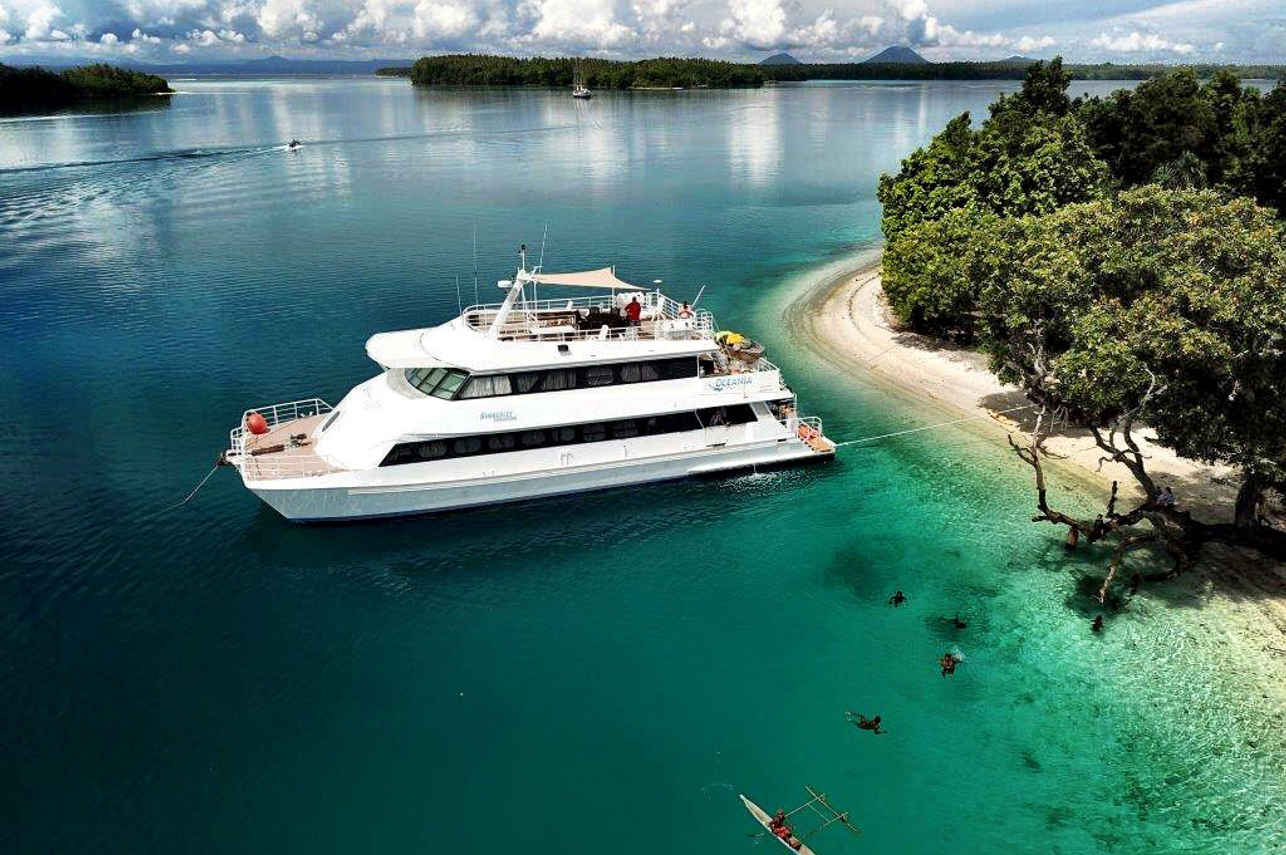
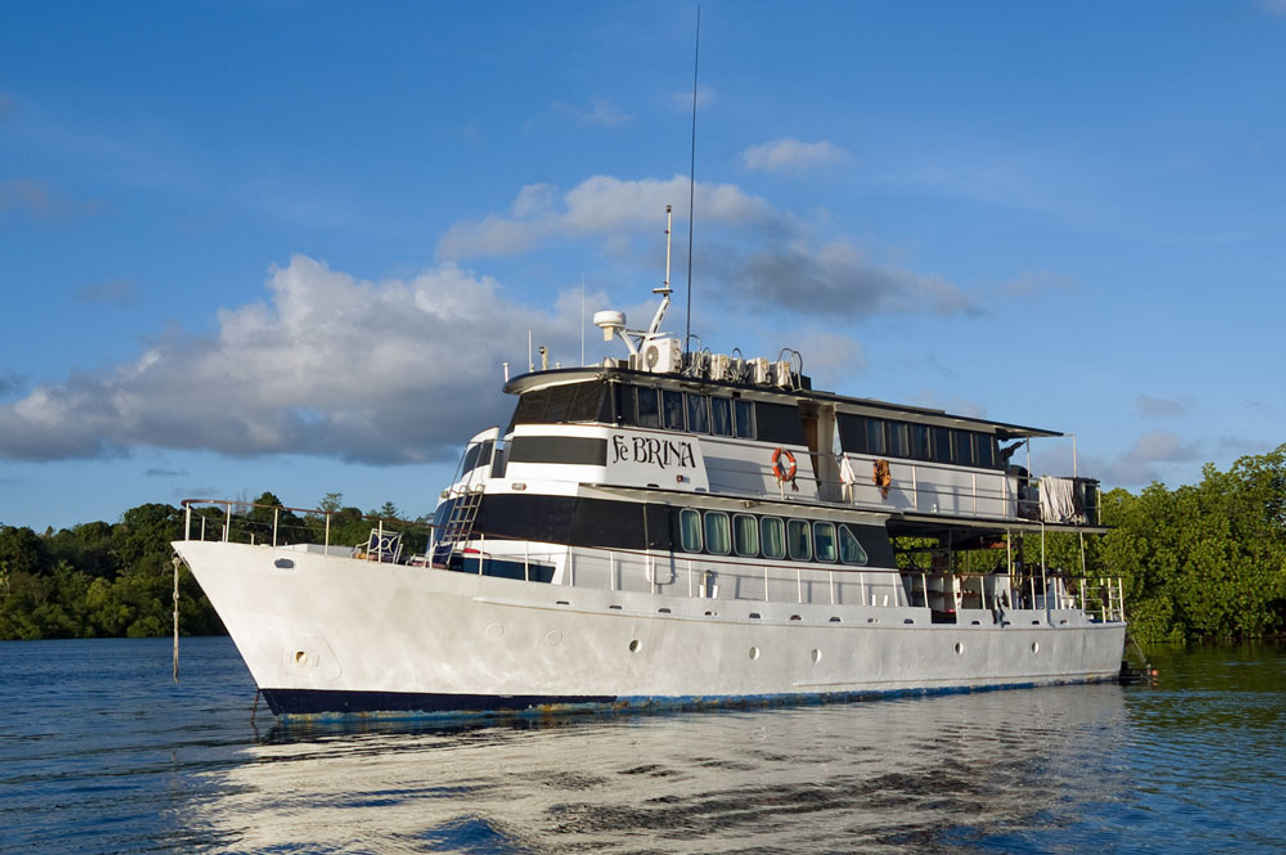
Below are the liveaboards that include The Bottleshop on their Papua New Guinea itineraries.
Liveaboards diving The Bottleshop
These liveaboards may visit The Bottleshop on selected itineraries — the exact dive sites depend on departure, weather and conditions.
Dive sites similar to The Bottleshop
Same character, same waters — six more sites divers love for the exact same reasons.Compare seasons, access and liveaboard routes — then pick the site that fits your trip best.
© Esri — Maxar, Earthstar, GIS
Tufi Fjords
Papua New Guinea
Tufi Fjords, nestled on Cape Nelson along Papua New Guinea's northeast coast, offers a unique diving experience in a stunning, tropical fjord-like landscape.
- Suitable for
- Intermediate
- Current
- Strong
- Access
- Liveaboard only
- Depth
- 5–200 m
- Theme
- Muck diving / Reef
© Esri — Maxar, Earthstar, GIS
Albatross Muck
Papua New Guinea
Albatross Muck is a notable dive site located in Papua New Guinea, specifically mentioned as being on the way from Lissenung Island to Albatross Passage in New Ireland Province.
- Suitable for
- Intermediate
- Current
- Moderate
- Access
- Liveaboard or dayboat
- Depth
- 20–25 m
- Theme
- Muck diving
© Esri — Maxar, Earthstar, GIS
MV New Marine
Papua New Guinea
The MV New Marine is an intentionally scuttled vessel located in Bootless Bay, southeast of Port Moresby, Papua New Guinea.
- Suitable for
- Advanced
- Current
- Moderate
- Access
- Liveaboard only
- Depth
- ≤ 20 m
- Theme
- Wreck / Drift
© Esri — Maxar, Earthstar, GIS
Observation Point
Papua New Guinea
Observation Point, situated on Normanby Island in Milne Bay, Papua New Guinea, stands out as a premier destination for macro diving.
- Suitable for
- Intermediate
- Current
- Mild
- Access
- Liveaboard only
- Depth
- 8–20 m
- Theme
- Drift / Muck diving
© Esri — Maxar, Earthstar, GIS
Samarai Wharf
Papua New Guinea
Samarai Wharf, situated in Papua New Guinea's Milne Bay Province, was once the bustling center of Samarai Island, a significant colonial port from the 1880s.
- Suitable for
- Beginner
- Current
- Moderate
- Access
- Liveaboard only
- Depth
- 3–10 m
- Theme
- Drift / Muck diving
© Esri — Maxar, Earthstar, GIS
Dinah's Beach
Papua New Guinea
Dinah's Beach, or Lauadi, in Milne Bay, Papua New Guinea, holds global recognition as the original muck diving site.
- Suitable for
- Beginner
- Current
- Moderate
- Access
- Liveaboard only
- Depth
- 3–12 m
- Theme
- Muck diving