About Lissenung House Reef
Lissenung House Reef envelops approximately two-thirds of Lissenung Island, located near Kavieng in Papua New Guinea's New Ireland Province. This accessible shore-entry reef system provides an exceptional opportunity to discover diverse marine life in serene, shallow waters, serving as a gateway to the Coral Triangle's extraordinary biodiversity. The reef's topography features a gently sloping profile, starting from about 2 meters and extending to a maximum depth of 10 meters. Its protected position ensures consistently calm conditions, a welcome contrast to the stronger currents often found at other Kavieng dive sites. The upper reef zone boasts dense, colorful hard and soft coral gardens, while increasing depths reveal distinct communities adapted to their specific light and current conditions. Renowned for its remarkable biodiversity, the reef hosts over 350 different fish species, including six varieties of clownfish, seahorses, and cockatoo waspfish. Regular sightings also include Hawksbill turtles feeding on sponges and a rich array of nudibranchs, flatworms, and crustaceans, making it a macro photographer's dream. The consistent water temperature, typically between 28–30°C, further enhances diving comfort. Accessibility is a key advantage, allowing resort guests free shore diving throughout the day, in addition to guided night dives. This flexible access, combined with world-class reef health and gentle diver traffic, means you can explore at your leisure, refine skills, or simply enjoy unhurried observation of its rich underwater ecosystem.
Highlights
Over 350 fish speciesSix clownfish varietiesSeahorse and waspfish habitatExceptional macro lifeShallow, calm watersShore entry convenienceIdeal for night divingPristine coral gardens
Season calendar
Best months to dive here
Jan
Feb
Mar
Apr
May
Jun
Jul
Aug
Sep
Oct
Nov
Dec
Excellent
Good
Off-Season
Dive site facts: Lissenung House Reef
- Depth
- 2–10 m
- Typical dive
- Variable, shore access
- Current
- Mild
- Visibility
- 20–40 m
- Water temperature
- 28–30°C
- Entry
- Shore / Boat
- Level
- Beginner to advanced
- Dive type
- Reef
- Night dive
- Possible, guided
- Region / port
- Kavieng, New Ireland Province
- Coordinates
- 6.2833° S, 149.5515° E
Conditions & Currents
Lissenung House Reef is generally characterized by calm conditions, making it exceptionally beginner-friendly and an ideal training ground. Unlike many other Kavieng sites renowned for strong, pelagic-attracting currents, this house reef experiences minimal water movement. Divers should still be mindful of mild surge or swell, particularly near the surface, but these are typically gentle. Visibility is consistently good, usually ranging from 20 to 40 meters, offering clear views of the vibrant macro life and corals. Entry is primarily from shore, allowing for easy access without complex boat maneuvers and facilitating extended bottom times. This calm environment means divers can relax and focus on observation and photography.
Marine life & sighting chances

Clownfish
common
Ocellaris Anemonefish
commonMaroon Clownfish
commonPanda Clownfish
occasional
Seahorse
occasional
Cockatoo Waspfish
occasional
Crocodile Fish
occasional
Wrasse
common
Moorish Idol
common
Grouper
common
Nudibranch
common
Hawksbill Turtle
occasional
Reef Shark
occasional
Octopus
occasionalDive profile & how the dive runs
Lissenung House Reef is primarily accessed as a shore dive directly from the island's beach, offering high flexibility for entry and exit. Divers typically descend immediately into the shallow reef, which begins at approximately 2 meters and gradually slopes down to a maximum depth of 10 meters. The dive route is adaptable, allowing exploration of the extensive coral gardens and sandy patches surrounding the island. This makes it an ideal location for skill practice, relaxed exploration, or dedicated macro observation. Night dives are particularly rewarding, revealing diverse nocturnal species. Safety stops can be performed comfortably in the abundant shallow water, often directly in front of the resort, ensuring a convenient and stress-free ascent.
Underwater photography
Lissenung House Reef is a prime destination for macro photographers, best explored with a compact camera and a dedicated macro lens or a wide-angle lens for capturing the broader reefscapes. The shallow depths and generally mild currents facilitate stable positioning, crucial for photographing small subjects such as seahorses, nudibranchs, and the numerous resident clownfish species. External strobes or video lights are highly recommended to accentuate the vibrant colors of corals and cryptic critters. For night photography, focus lights are indispensable for spotting elusive subjects. Maintaining excellent buoyancy control is paramount to avoid disturbing the delicate reef ecosystem and prevent stirring up sediment, ensuring clear shots and preserving the environment. Patience is key to capturing the perfect image of shy creatures or unique behaviors.
Combine with nearby dive sites
- Albatross Passage
A narrow passage known for strong currents and pelagic action, about 25 minutes away.
- Echuca Patch
A large ridge with a Korean fishing boat wreck, attracting barracudas and jacks, located 20 minutes away.
- Nusa Blowholes
Features swim-throughs and a cave with crayfish, often with sleeping whitetip sharks and abundant nudibranchs.
- The Bottleshop
A premier muck diving site in Kavieng harbor, excellent for ghost pipefish, demon stingers, and nudibranchs.
- Sanko Maru
A beautifully overgrown shipwreck located off New Hanover, often combined with a midget submarine wreck.
- Pete Floatplanes
Two Japanese reconnaissance planes resting in Kavieng harbor, home to lionfish.
Getting there & logistics
Access to Lissenung Island involves a 1.5-hour flight from Port Moresby, Papua New Guinea's international airport, to Kavieng. From Kavieng, it's a fast 20-minute boat ride to Lissenung Island Resort. Guests typically stay at the resort, which offers accommodation and organizes diving. A typical itinerary might include a mix of morning boat dives to outer reefs and wrecks, with complimentary shore diving on the house reef in the afternoons. Day trips can last from 5 to 8 days, sometimes including excursions to New Hanover for sites like the Sanko Maru wreck. An Environment & Safety Fee of K 30.00 per diver per dive day is applicable, contributing to recompression facilities and environmental programs.
Safety & environment
The nearest recompression chamber facilities are located in Port Moresby, highlighting the importance of cautious dive planning and adequate insurance. Evacuation from Lissenung Island would typically involve boat transfer to Kavieng, followed by air transport, making comprehensive dive insurance, such as DAN, essential for all divers. Site-specific hazards are minimal due to the house reef's calm, shallow nature; however, divers should always maintain good buoyancy to avoid disturbing delicate corals and stirring up sediment. Adherence to a strict 'no-touch' policy helps preserve the pristine marine environment. Dive staff are trained in oxygen administration, with O2 units available on dive boats, and the resort offers 24-hour electricity for charging safety equipment.
Who it suits, and who it doesn't
Suited for
- Beginner divers seeking calm, easy conditions
- Macro photographers
- Divers interested in night diving
- Training and skill development
- Coral Triangle biodiversity enthusiasts
- Families with non-diving members
Less suited for
- Divers exclusively seeking strong currents and large pelagics
- Those uninterested in macro life
- Divers who prefer deep wreck or wall diving exclusively
- Individuals seeking extreme adventure diving
FAQ
Lissenung House Reef FAQ
What marine life can I expect to see at Lissenung House Reef?
You can expect a rich variety of marine life, including over 350 different fish species. Common sightings include six types of clownfish, seahorses, cockatoo waspfish, and crocodile fish. You'll also encounter Hawksbill turtles, numerous nudibranchs, flatworms, crustaceans, and occasionally reef sharks and octopus.
Is Lissenung House Reef suitable for beginner divers?
Absolutely, Lissenung House Reef is considered beginner-friendly due to its shallow depths, typically 2-10 meters, and generally calm conditions. It provides a safe and tranquil environment perfect for new divers to gain experience or for certified divers to practice skills. Entry directly from the shore adds to its accessibility.
Can I do night dives at Lissenung House Reef?
Yes, night dives are possible and highly recommended at Lissenung House Reef. These guided dives reveal a completely different ecosystem as nocturnal creatures, such as crabs, shrimps, and bioluminescent organisms, emerge. It offers a unique perspective on the reef's biodiversity, transforming familiar daytime landscapes into a new experience.
What are the water conditions like at the house reef?
The water conditions at Lissenung House Reef are consistently favorable. Water temperatures range from 28-30°C year-round, ensuring comfortable diving. Visibility typically spans 20-40 meters, offering clear views of the vibrant reef. Currents are generally mild, making it a very relaxed dive site.
Is the house reef good for underwater photography?
Lissenung House Reef is considered a paradise for macro photographers. Its shallow depths and calm conditions are ideal for capturing small subjects like seahorses, nudibranchs, and clownfish. The resort also offers photographer-friendly facilities, including dedicated rinse tanks and ample workspace for camera gear.
Why dive Lissenung House Reef from a liveaboard?
Lissenung House Reef is one of Papua New Guinea's signature dive sites. A liveaboard sleeps you on the water and typically offers several guided dives per day (the exact number depends on the vessel and itinerary), including dawn and night dives that day-boat operators rarely offer. You skip the daily commute back to port and reach quieter, less-crowded sites in the same region on a single trip.
Liveaboards diving Lissenung House Reef
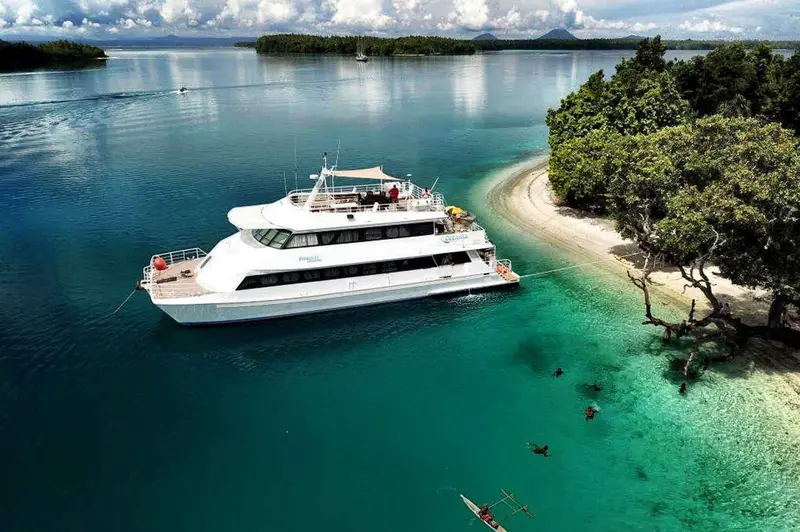
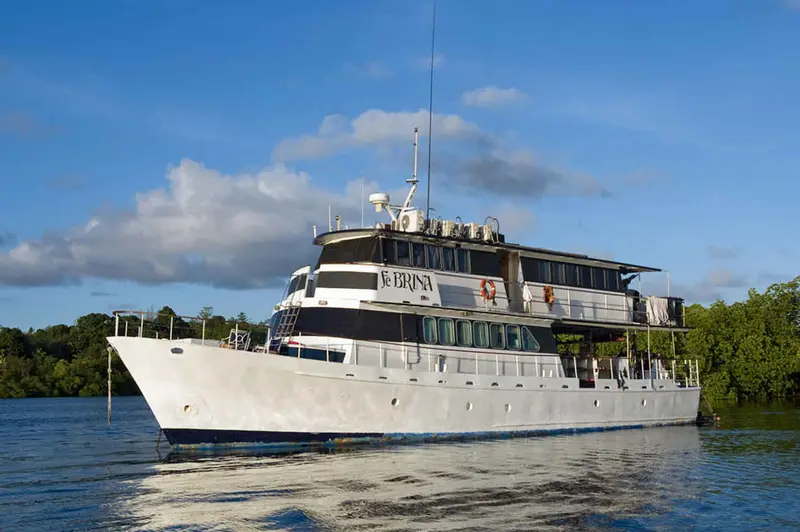
These liveaboards may visit Lissenung House Reef on selected itineraries, the exact dive sites depend on departure, weather and conditions.
Dive sites similar to Lissenung House Reef
Same character, same waters, six more sites divers love for the exact same reasons.Compare seasons, access and liveaboard routes, then pick the site that fits your trip best.
Abila is a notable dive site located within the Alor Islands Marine Park, an area celebrated for its rich marine biodiversity due to its position in the Coral Triangle.
- Suitable for
- Beginner
- Current
- Mild
- Access
- Liveaboard only
- Depth
- —
- Theme
- Reef
© EsriMaxar, Earthstar, GIS
Agnay Fish Sanctuary
Philippines
Agnay Fish Sanctuary is nestled in a sheltered bay near the village of Agnay in Romblon, a province celebrated for its rich marine biodiversity.
- Suitable for
- Beginner
- Current
- Mild
- Access
- Dayboat
- Depth
- 9–18 m
- Theme
- Reef
© EsriMaxar, Earthstar, GIS
Ai Island Reef
Banda Sea
Ai Island Reef, nestled within the Banda Sea, offers a remarkable diving experience characterized by its rich marine biodiversity and varied underwater topography.
- Suitable for
- Beginner
- Current
- Strong
- Access
- Liveaboard only
- Depth
- 3–30 m
- Theme
- Reef / Seamount
Aljui Bay, located in Raja Ampat's remote northern reaches, was discovered as a premier snorkeling and diving destination by chance in 2011. This bay, situated within the broader…
- Suitable for
- Beginner
- Current
- Mild
- Access
- Liveaboard only
- Depth
- ≤ 20 m
- Theme
- Reef
Ambon Bay, located in Indonesia's Maluku Archipelago, is a premier muck diving destination, often compared to the famous Lembeh Strait.
- Suitable for
- Beginner
- Current
- No current
- Access
- Shore / dayboat
- Depth
- 5–25 m
- Theme
- Reef
© EsriMaxar, Earthstar, GIS
Angol Point
Philippines
Angol Point is a prominent dive site located on Boracay Island, known for its tranquil conditions and rich biodiversity.
- Suitable for
- Beginner
- Current
- No current
- Access
- Shore / dayboat
- Depth
- 5–18 m
- Theme
- Reef