About Cayo Blanco
Cayo Blanco, located in the vicinity of Cuba's Zapata Swamp, presents a truly distinctive dive experience with its remarkable underwater topography. The dive site is characterized by a vertical wall that commences at a surprisingly shallow depth of just 7 meters, descending steeply past 40 meters. This dramatic drop-off features a notable rupture or crack in the wall, which itself extends to considerable depths. The wall's impressive structure is adorned with a profusion of sponges of various forms, especially concentrated to the north of this significant crack. Stony corals and gorgonians also contribute to the rich benthic landscape. Marine life at Cayo Blanco is active, with schools of jacks and barracudas frequently observed. Inside the barrel-like rupture, schools of permit often take shelter, adding to the dynamic environment. Divers can also encounter colonial anemones harboring small shrimp, and rays are occasionally spotted. The site consistently offers great visibility, enhancing the exploration of its unique features and diverse inhabitants. Accessibility to Cayo Blanco is straightforward, and the site is often included in itineraries exploring the Zapata Swamp's dive offerings. Divers typically navigate along the impressive wall, exploring its many ledges and crevices while observing the rich coral and sponge growth. The consistently clear waters make for an immersive and rewarding experience, suitable for various skill levels given the shallow start of the wall.
Highlights
Vertical wall at 7 metersDeep rupture exceeding 40 metersAbundant sponges and gorgoniansSchools of jacks and permitGreat visibilityColonial anemones with shrimp
Season calendar
Best months to dive here
Jan
Feb
Mar
Apr
May
Jun
Jul
Aug
Sep
Oct
Nov
Dec
Good
Dive site facts: Cayo Blanco
- Depth
- 7–40+ m
- Current
- Moderate
- Visibility
- Great
- Water temperature
- 24–29°C
- Entry
- Boat
- Level
- Open Water Diver recommended
- Dive type
- Wall, coral
- Night dive
- Possible (behind reef crest)
- Region / port
- Zapata Swamp, Cuba
- Coordinates
- 23.1250° N, 81.0850° W
Conditions & Currents
Currents at Cayo Blanco are generally moderate, typical of the region. While specific current strength can vary, it is advisable to consider the prevailing current direction to avoid strenuous swimming. Visibility is consistently great, often ranging between 30 and 40 meters in the surrounding Cuban waters, enhancing the clarity of the vertical wall and marine life. Water temperatures remain comfortably warm, typically between 24°C and 29°C throughout the year, allowing for dives with minimal thermal protection. Entry into the water is generally calm, often facilitated by liveaboard tenders. Divers should anticipate a multi-level dive along the wall, carefully monitoring depth and no-decompression limits due to the deep drop-off.
Marine life & sighting chances
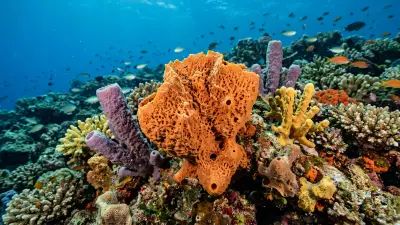
Sponges
common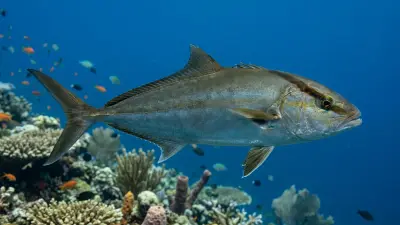
Jacks
common
Barracudas
occasional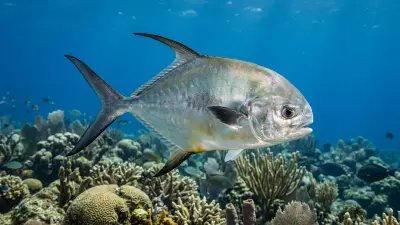
Permit
occasional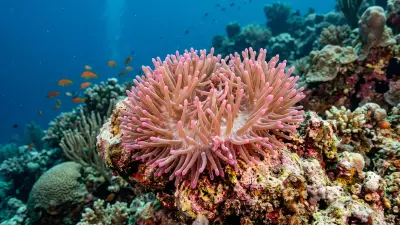
Colonial anemones
commonShrimp (in anemones)
common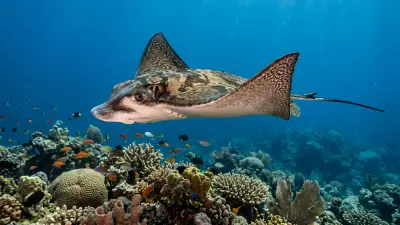
Rays
occasional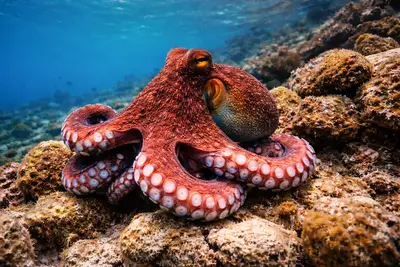
Octopus
occasional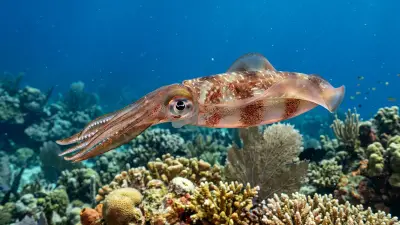
Squid
occasional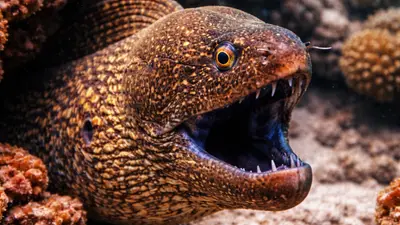
Moray eels
occasionalBalloon fish
occasional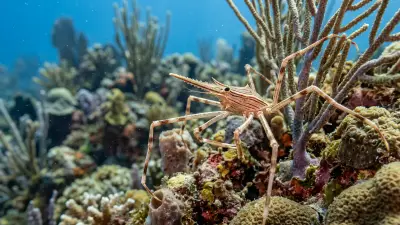
Crabs
occasional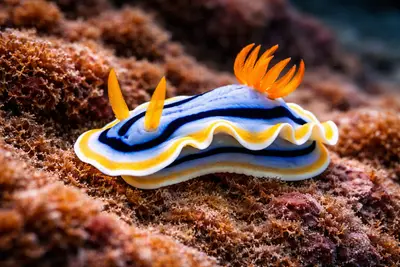
Nudibranchs
occasionalDive profile & how the dive runs
Diving at Cayo Blanco typically begins with a boat entry to the reef crest, where the vertical wall dramatically starts at 7 meters. Divers descend along this impressive wall, which plunges past 40 meters, allowing for exploration of a significant rupture or crack in the rock face. The route often involves navigating parallel to the wall, observing the dense sponge growth, particularly concentrated north of the main crack, along with stony corals and gorgonians. Keep an eye out for schools of jacks and barracudas, and permit schooling inside the wall's crevices. The dive progresses along the wall, with careful monitoring of depth due to the sheer drop-off. Turnaround is usually dictated by air consumption and no-decompression limits, ascending gradually along the wall to shallower sections. The safety stop is typically conducted along the reef crest between 5-7 meters, offering opportunities for observing colonial anemones and various small invertebrates. Night dives are also possible behind the reef crest in 1-3 meters of water, revealing nocturnal species like octopus and moray eels.
Underwater photography
Cayo Blanco, with its dramatic vertical wall and excellent visibility, offers fantastic opportunities for wide-angle photography. A wide-angle lens is ideal for capturing the expansive wall structure, the deep rupture, and schools of fish like jacks and permit. For macro enthusiasts, the colonial anemones and their resident shrimp, as well as nudibranchs found during night dives, present excellent subjects; a macro lens will be beneficial here. Utilize strobes to bring out the vibrant colors of the sponges and corals that adorn the wall at various depths. Maintain excellent buoyancy control to avoid contact with the delicate coral and sponge formations and to remain stable for clear shots, especially when focusing on smaller creatures. The consistently great visibility makes focusing easier, but internal light sources are still crucial for color accuracy and detail.
Combine with nearby dive sites
- Pared de Cayo Blanco
Adjacent to Cayo Blanco Canyon, featuring a vertical wall from 6m with abundant sponges, stony corals, and gorgonians.
- Cañón de Sigua
Near Key Sigua, a seagrass bed dropping to 15m, then a sandy slope to 24m before a vertical wall, with black coral and goliath grouper.
- Cayo Sigua
A sandy area at 12m leading to a ridge before a wall drop, notable for purple tunicates and round anemones.
- Blue Hole - Sigua
A unique blue hole with an entrance at 4m and vertical walls plunging to 83m, housing lobsters, nudibranchs, and snappers.
- Corona de Cayo Cobo
A 30m wide coral bar with drops on both sides forming vertical walls, rich in sponges, corals, and schools of grunts and spadefish.
Getting there & logistics
Cayo Blanco is typically accessed via liveaboard yachts or dive excursions from the Zapata Swamp region, an area recognized by UNESCO. Dive trips generally embark from local ports that serve the Zapata Swamp. While specific trip durations vary, dive operators often combine Cayo Blanco with other sites in the area, such as those around Cayo Sigua, into multi-day itineraries. Travelers usually fly into Havana or other major Cuban airports and arrange transfers to the departure point. There are no specific individual park fees mentioned for Cayo Blanco itself, but overall dive package costs usually cover permits and operational expenses. It's advisable to confirm entry requirements and dive center affiliations well in advance of travel.
Safety & environment
For diving in Cuba, including at Cayo Blanco, it is essential to carry comprehensive dive insurance that covers recompression chamber treatment and medical evacuation. Cuba boasts a national network of hyperbaric chambers in key locations like Havana, Matanzas, and Santiago de Cuba, with specialized medical services for subaquatic medicine available 24 hours a day. While Cayo Blanco itself is a wall dive, divers should be mindful of its deep drop-off beyond 40 meters, ensuring careful depth and no-decompression limit management. Moderate currents can be present, requiring attention to dive planning and boat entry/exit procedures. Always dive with a reputable operator, follow dive guide instructions, and avoid venturing into overhead environments unless specifically trained and equipped for cavern or cave diving.
Who it suits — and who it doesn't
Suited for
- Experienced wall divers
- Photographers seeking wide-angle opportunities
- Divers interested in diverse sponge and coral formations
- Those looking for schooling fish encounters
- Divers who appreciate excellent visibility
Less suited for
- Absolute beginner divers (due to depth potential)
- Divers uncomfortable with moderate currents
- Individuals prone to vertigo on deep drop-offs
- Those exclusively seeking large pelagic shark encounters
FAQ
Cayo Blanco FAQ
What kind of marine life can I expect at Cayo Blanco?
Cayo Blanco is abundant with marine life typical of Caribbean wall dives. You can frequently observe schools of jacks and barracudas, with permit often found sheltering in the wall's cracks. The site is also home to numerous sponges, colonial anemones with their resident shrimp, and occasional sightings of rays, octopus, and moray eels, especially during night dives.
How deep is Cayo Blanco and is it suitable for all divers?
The vertical wall at Cayo Blanco starts at a shallow 7 meters but plunges dramatically beyond 40 meters. While the shallow reef crest is accessible, the deep sections require good buoyancy control and dive planning. It is generally suitable for Open Water Divers, but Advanced Open Water certification is recommended for exploring deeper parts of the wall comfortably and safely.
What are the typical diving conditions like at Cayo Blanco?
Cayo Blanco consistently offers great visibility, often exceeding 30 meters, providing clear views of the extensive wall and its inhabitants. Water temperatures are comfortably warm, ranging from 24°C to 29°C year-round. While currents are generally moderate, divers should be prepared for varying conditions and listen to their dive guide's instructions regarding entry and exit strategies.
Can I do a night dive at Cayo Blanco?
Yes, night diving is possible at Cayo Blanco, particularly behind the reef crest in shallower waters between 1 and 3 meters. These conditions are ideal for spotting nocturnal creatures. Night dives reveal different species such as octopus, squid, moray eels, and balloon fish, offering a unique perspective on the reef's ecosystem after dark.
How is Cayo Blanco typically accessed for diving?
Cayo Blanco is usually accessed as part of liveaboard dive trips exploring the Zapata Swamp region of Cuba. Divers embark from local ports, and the site is often combined with other nearby dive locations, like those around Cayo Sigua, into multi-day itineraries. Transportation from major Cuban airports to the liveaboard departure points is typically arranged by tour operators.
Why dive Cayo Blanco from a liveaboard?
Cayo Blanco is one of Cuba's signature dive sites. A liveaboard sleeps you on the water and puts you in the water for three to four guided dives per day, including dawn and night dives that day-boat operators rarely offer. You skip the daily commute back to port and reach quieter, less-crowded sites in the same region on a single trip.
Below are the liveaboards that include Cayo Blanco on their Cuba itineraries.
Liveaboards diving Cayo Blanco
These liveaboards may visit Cayo Blanco on selected itineraries — the exact dive sites depend on departure, weather and conditions.
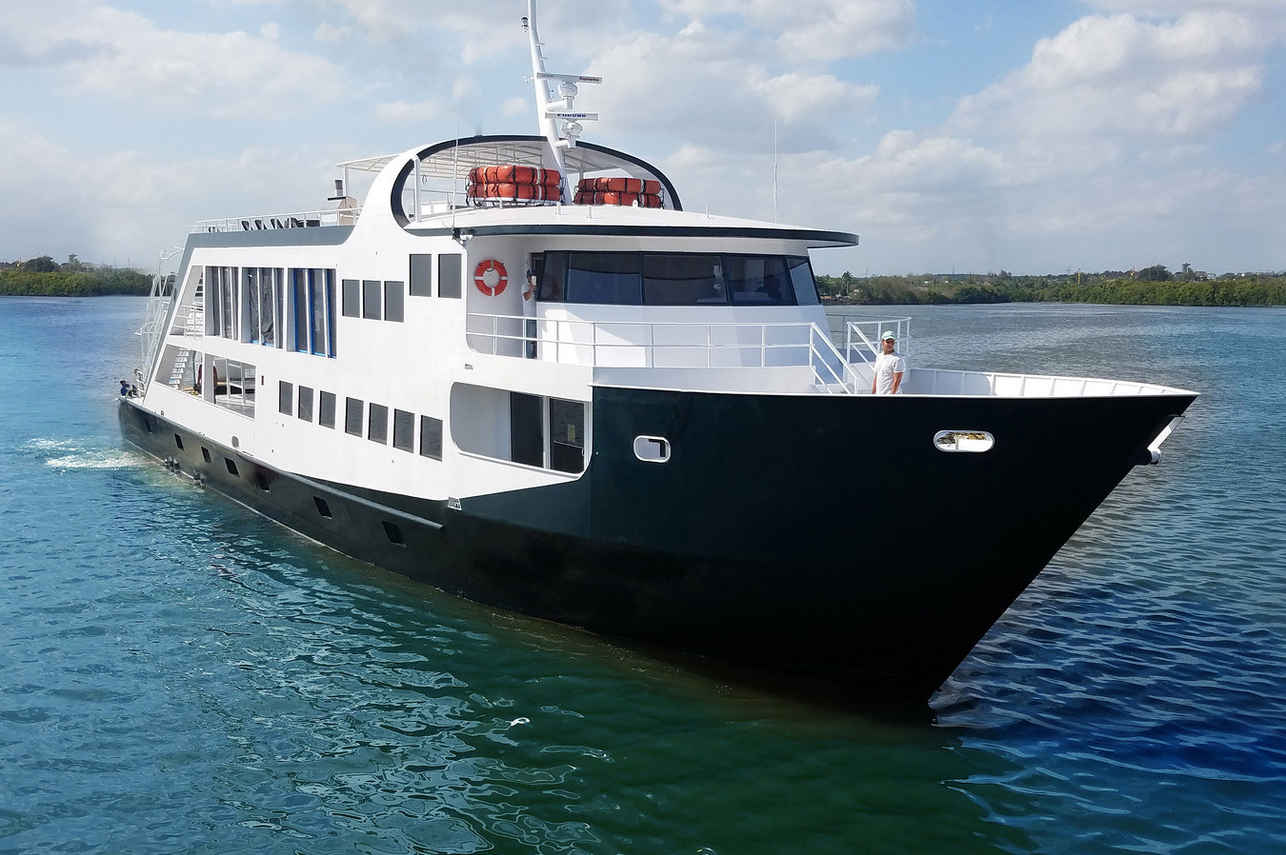
Jardines Avalon Fleet
Cuba
20 guests35.05 m
$494/day
Dive sites similar to Cayo Blanco
Same character, same waters — six more sites divers love for the exact same reasons.Compare seasons, access and liveaboard routes — then pick the site that fits your trip best.
El Almirante
Cuba
El Almirante is an advanced dive site located off the shores of Maria la Gorda, on Cuba's Guanahacabibes Peninsula.
- Suitable for
- Advanced
- Current
- Moderate
- Access
- Dayboat
- Depth
- 27–30 m
- Theme
- Wall / Reef
La Patana
Cuba
La Patana is a prominent dive site within the protected marine park of Jardines de la Reina, a vast archipelago stretching 150 kilometers off Cuba's southern coast.
- Suitable for
- Intermediate
- Current
- Mild
- Access
- Liveaboard only
- Depth
- 15–30 m
- Theme
- Reef / Wall
Arrecife Somero
Cuba
Arrecife Somero, located near Key Sigua within the UNESCO-recognized Zapata Swamp biosphere reserve, presents a unique reef crest forming a horseshoe shape.
- Suitable for
- Beginner
- Current
- Mild
- Access
- Liveaboard only
- Depth
- 2–5 m
- Theme
- Reef
Puente Escondido
Cuba
Puente Escondido is a notable dive site nestled within the Jardines de la Reina marine park, an expansive and highly protected area off Cuba's southern coast.
- Suitable for
- Beginner
- Current
- Mild
- Access
- Liveaboard only
- Depth
- ≤ 18 m
- Theme
- Reef
La Corona
Cuba
La Corona is a captivating dive site situated within the expansive 35-kilometer barrier reef off Playa Santa Lucía in Cuba's Camagüey province.
- Suitable for
- Beginner
- Current
- Mild
- Access
- Dayboat
- Depth
- 5–40 m
- Theme
- Reef / Wall
Cueva del Negro
Cuba
Cueva del Negro is a notable dive site located near Cayo Largo, an island off Cuba's southern coast, known for its extensive underwater features.
- Suitable for
- Intermediate
- Current
- No current
- Access
- Liveaboard or dayboat
- Depth
- 8–8 m
- Theme
- Reef