About Bonegi I & II
Bonegi I (Hirokawa Maru) and Bonegi II (Kinugawa Maru) are two Japanese transport ships resting off Guadalcanal's northwestern coast, approximately 12 kilometers west of Honiara. Sunk during Allied air attacks in 1942, these vessels are significant historical sites, forming part of the famous "Iron Bottom Sound." They offer a unique blend of World War II history and vibrant marine ecosystems. The wrecks are notable for their accessibility, allowing for direct shore entry from a black-sand beach. Bonegi I slopes from a shallow 3 meters at the bow down to 55 meters at the stern, while Bonegi II is generally shallower, extending to about 25 meters, with parts of its superstructure breaking the surface. Both wrecks are heavily encrusted with diverse hard and soft corals, transforming the steel structures into thriving artificial reefs. The conditions are typically calm, making them ideal for extended bottom times and photography. Marine life is abundant, with sightings of lionfish, scorpionfish, and schools of anthias common. Hawksbill turtles are often seen resting on deck structures, and batfish school around the masts. Clownfish and parrotfish are frequently observed, alongside occasional nudibranchs, flamboyant cuttlefish, and reef sharks. The optimal diving period is from April to November, offering the best visibility and calm seas. Entry to both sites is a wade-in from the beach. Novice divers can explore the shallow sections, while the deeper parts of Bonegi I require advanced certification. The sites are generally relaxed, though surface chop can occur, and careful buoyancy is essential inside the wrecks to prevent silting.
Highlights
WWII Japanese transport wrecksCoral-encrusted hullsResident hawksbill turtlesLionfish and scorpionfishSchools of batfish and anthiasAccessible shore divingHistorical artifact exploration
Season calendar
Best months to dive here
Jan
Feb
Mar
Apr
May
Jun
Jul
Aug
Sep
Oct
Nov
Dec
Excellent
Good
Dive site facts: Bonegi I & II
- Depth
- 3–55 m
- Typical dive
- 12–25 m, 50–60 min (variable by wreck section)
- Current
- Mild, occasional surge and surface chop
- Visibility
- 15–30 m
- Water temperature
- 27–30 °C
- Entry
- Shore entry / wade-in
- Level
- Open Water for shallow sections, Advanced / Deep for deeper sterns
- Dive type
- Wreck, coral gardens, macro, historical
- Night dive
- Possible
- Region / port
- Guadalcanal / Honiara
- Coordinates
- -9.4167, 159.8833
Conditions & Currents
Currents at Bonegi I & II are typically mild, making these sites suitable for a wide range of certified divers. However, divers should be aware of occasional surge and surface chop, particularly in the afternoons. Entry is a straightforward wade-in from the black-sand beach, providing easy access to the wrecks without requiring boat transfers. Visibility generally ranges from 15 to 30 meters, with water temperatures consistently between 27 to 30°C. While the conditions are generally relaxed, Open Water divers can enjoy the shallow sections, but exploring the deeper stern of Bonegi I down to 55 meters necessitates Advanced or Deep Diver certification. Careful buoyancy control is paramount, especially when considering wreck penetration, to avoid stirring up silt and maintain pristine conditions.
Marine life & sighting chances
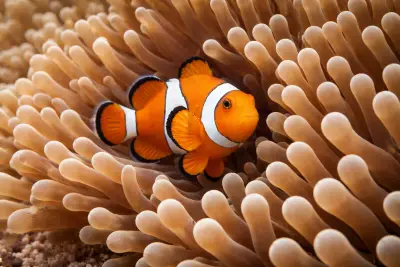
Clownfish
common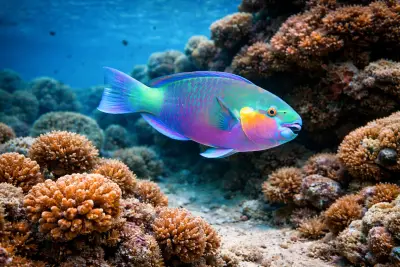
Parrotfish
common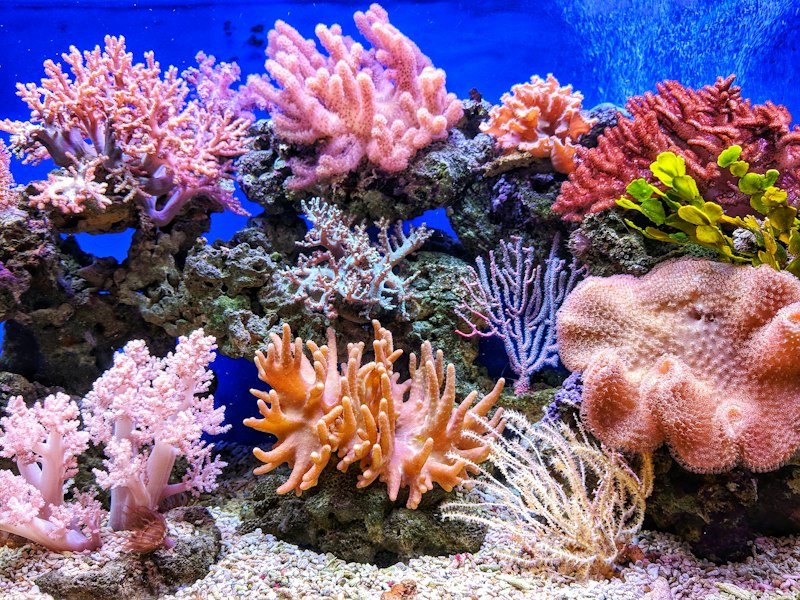
Soft coral
common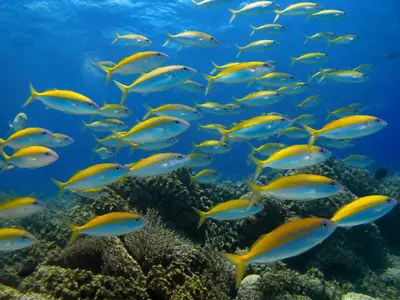
Fusiliers
common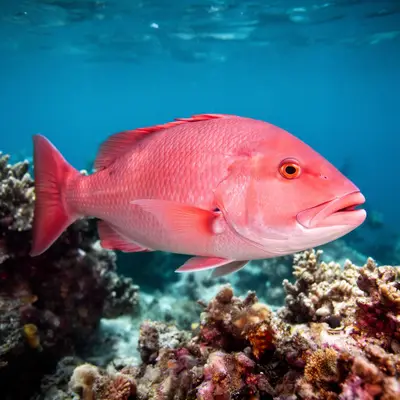
Snappers
common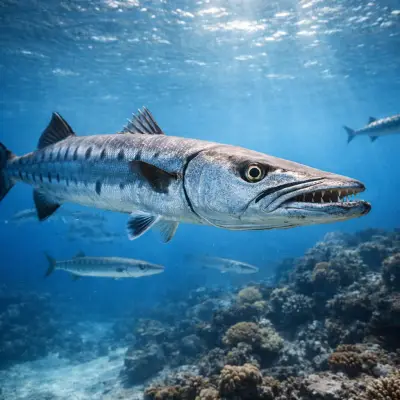
Barracuda
common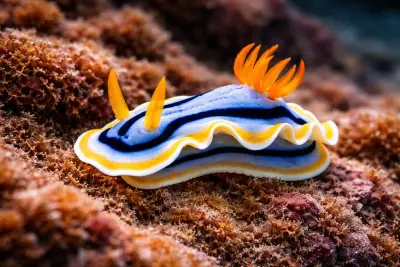
Nudibranchs
occasional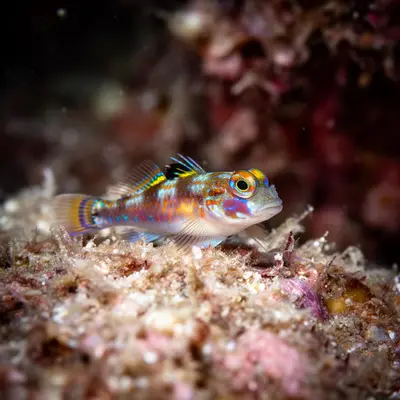
Gobies
occasional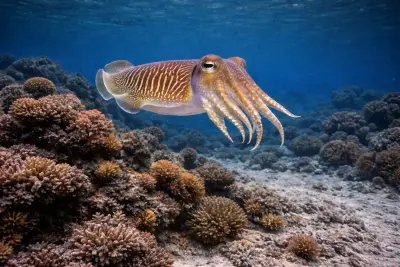
Flamboyant cuttlefish
occasional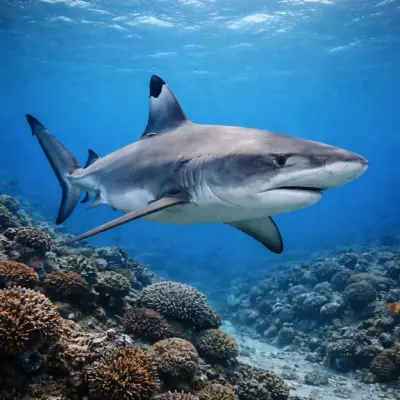
Reef sharks
occasionalDive profile & how the dive runs
Bonegi I (Hirokawa Maru) and Bonegi II (Kinugawa Maru) are shore dives accessed from a black-sand beach. For Bonegi I, entry is a wade-in, leading to the bow of the Hirokawa Maru which starts in just a few meters of water. Novices can explore this shallow bow and superstructure, which is rich with coral and fish. More experienced divers can follow the hull as it slopes down to a maximum depth of 55 meters at the stern. Careful buoyancy is essential to avoid silting out the interior. Bonegi II (Kinugawa Maru) is shallower, with sections of the superstructure breaking the surface. Entry is also from the beach, and the wreck extends down to approximately 25 meters, offering long bottom times and good light for photography. Both sites typically feature mild currents, but surface chop can occur.
Underwater photography
Bonegi I and II are outstanding sites for underwater photography due to their accessible wrecks, abundant marine life, and good light conditions. For the shallower sections, especially Bonegi II, a wide-angle or fisheye lens is ideal to capture the scale of the wrecks, schools of fish, and the vibrant coral growth. The natural light penetration in the 5–15 meter range allows for excellent color rendition without excessive artificial lighting. For macro subjects like nudibranchs, gobies, and flamboyant cuttlefish found amidst the coral-encrusted steel, a 60mm or 100mm macro lens is recommended. Dual strobes will help bring out the colors and details on the wrecks and marine life. Be mindful of buoyancy, especially near the wrecks, to avoid disturbing fragile corals or silting out the environment. Given the potential for long bottom times, photographers can take their time composing shots.
Combine with nearby dive sites
- Honiara - Iron Bottom Sound
General area for numerous WWII wrecks, many at technical depths.
- P-39 Airacobra Wreck
Another accessible WWII aircraft wreck in the Honiara region.
- Tulagi - Twin Tunnels
Spectacular volcanic shafts with abundant marine life.
- Toa Maru
Massive Japanese transport ship wreck in the Gizo area.
Getting there & logistics
The primary gateway to the Solomon Islands is Honiara International Airport (HIR) on Guadalcanal, with international connections from Australia, Fiji, Papua New Guinea, and New Zealand. Bonegi I & II are easily accessible as day trips from Honiara, located about a 15-minute drive west of the city. While liveaboards are common in the Solomon Islands, they typically focus on other regions like the Russell Islands, Florida Islands, or Western Province. Bonegi is primarily a shore-based dive. Expect to pay a small local fee to access the beach and dive sites. The local currency is the Solomon Islands dollar (SBD), though USD may be accepted at major hotels. Travelers should carry smaller local notes for village interactions. A 3mm wetsuit is generally sufficient given the warm water temperatures.
Safety & environment
While Bonegi I & II are considered accessible shore dives, divers should be aware of specific safety considerations. Ensure you dive with a reputable local operator who understands the sites. Always respect depth limits, especially on Bonegi I where the stern extends to 55 meters, requiring Advanced or Deep Diver certification and careful planning. Buoyancy control is critical, particularly inside the wrecks to prevent silting and potential disorientation. Malaria is present on Guadalcanal, so consult a doctor about prophylaxis. Decompression chambers are extremely limited in the Solomon Islands, making comprehensive remote-evacuation dive insurance an absolute necessity for all divers. Maintain awareness of your surroundings for occasional surge and surface chop, particularly during entry and exit.
Who it suits — and who it doesn't
Suited for
- WWII history enthusiasts
- Wreck divers seeking accessible sites
- Beginner divers comfortable with shore entries (for shallow sections)
- Underwater photographers due to good light and rich subjects
- Snorkelers interested in shallow wreck exploration
Less suited for
- Divers expecting polished resort-managed sites
- Individuals sensitive to basic facilities and potential local fees
- Divers unwilling to respect local customs and land access rules
- Those uninterested in historical sites or artificial reefs
FAQ
Bonegi I & II FAQ
What kind of wrecks are Bonegi I and II?
Bonegi I and II are two Japanese transport ships, the Hirokawa Maru and Kinugawa Maru, respectively, sunk during World War II in November 1942. They were part of the 'Tokyo Express' supply runs attempting to reinforce Guadalcanal and were targeted by American aircraft. Today, they serve as unique artificial reefs.
Are Bonegi I and II suitable for beginner divers?
Yes, Bonegi I and II offer sections suitable for beginner divers, particularly the shallow bow of Bonegi I and much of Bonegi II, where parts of the wreck are accessible in very shallow water, even breaking the surface. These areas are ideal for Open Water divers and even snorkelers to explore the coral-encrusted structures and abundant marine life.
What is the maximum depth at these dive sites?
Bonegi I (Hirokawa Maru) has a bow that starts in just a few meters of water, but its stern descends to approximately 55 meters, making the deeper sections suitable only for Advanced or Deep certified divers. Bonegi II (Kinugawa Maru) is generally shallower, reaching a maximum depth of about 25 meters, which makes it more universally accessible.
Can you snorkel on Bonegi I and II?
Absolutely. Both Bonegi I and II are excellent for snorkeling. The bows of these WWII wrecks sit in very shallow water, allowing snorkelers to easily view rusted gun mounts, peer into cargo holds, and observe the vibrant marine life and coral growth covering the structures right from the surface.
How do I get to Bonegi I and II?
Bonegi I and II are easily accessible from Honiara, the capital of Guadalcanal. They are located approximately 12 kilometers west of the city, typically a 15-minute drive. Dive operators based in Honiara can arrange transport and guided dives directly to these shore-entry sites.
Is there a fee to dive at Bonegi I and II?
Yes, as these sites are located on local land, visitors should expect to pay a small local fee to access the beach and dive sites. This is a common practice in the Solomon Islands and helps support the local community.
Why dive Bonegi I & II from a liveaboard?
Bonegi I & II is one of Solomon Islands's signature dive sites. A liveaboard sleeps you on the water and puts you in the water for three to four guided dives per day, including dawn and night dives that day-boat operators rarely offer. You skip the daily commute back to port and reach quieter, less-crowded sites in the same region on a single trip.
Below are the liveaboards that include Bonegi I & II on their Solomon Islands itineraries.
Liveaboards diving Bonegi I & II
These liveaboards may visit Bonegi I & II on selected itineraries — the exact dive sites depend on departure, weather and conditions.
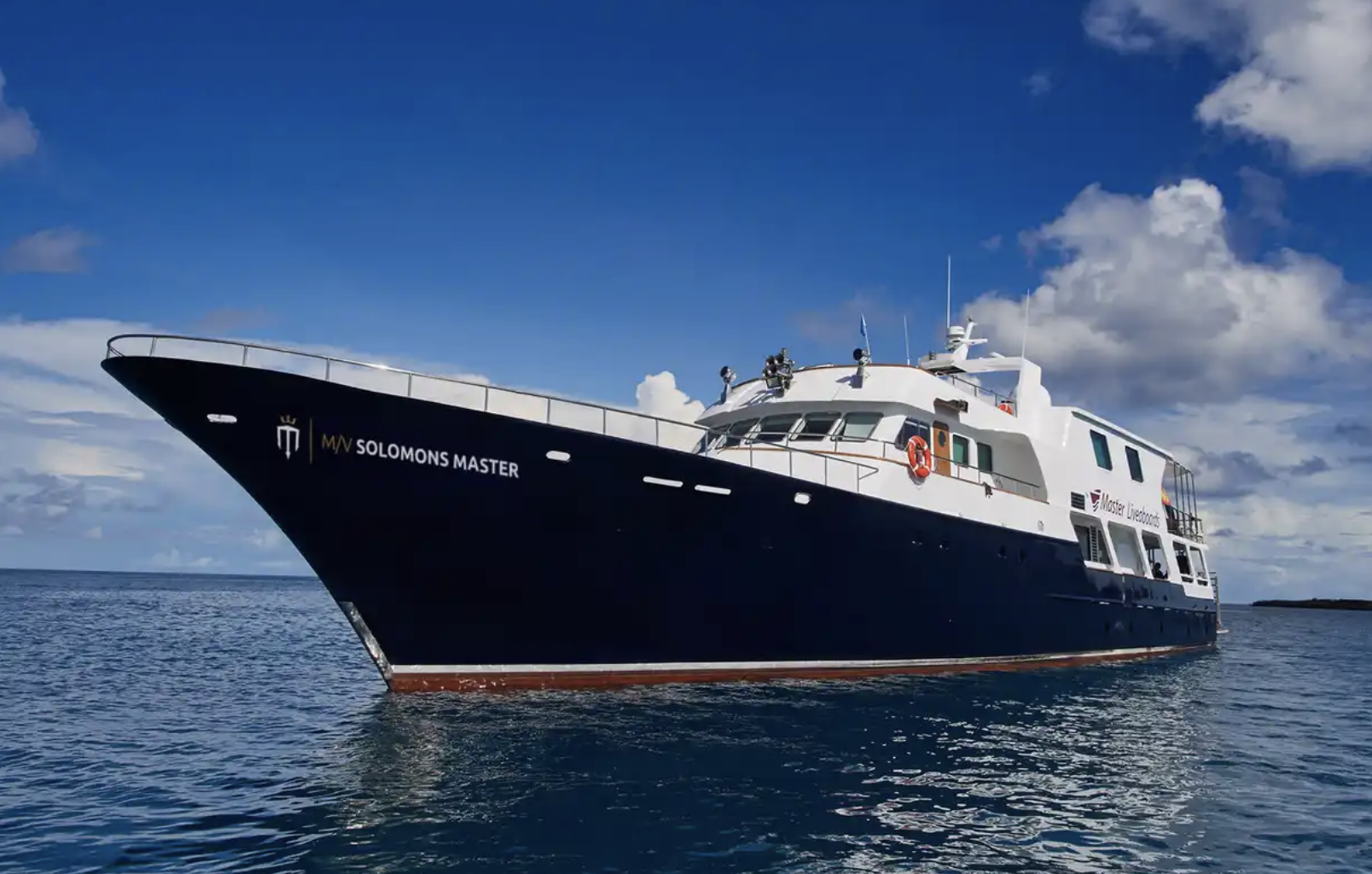
Solomons Master
Solomon Islands
16 guests
$401/day
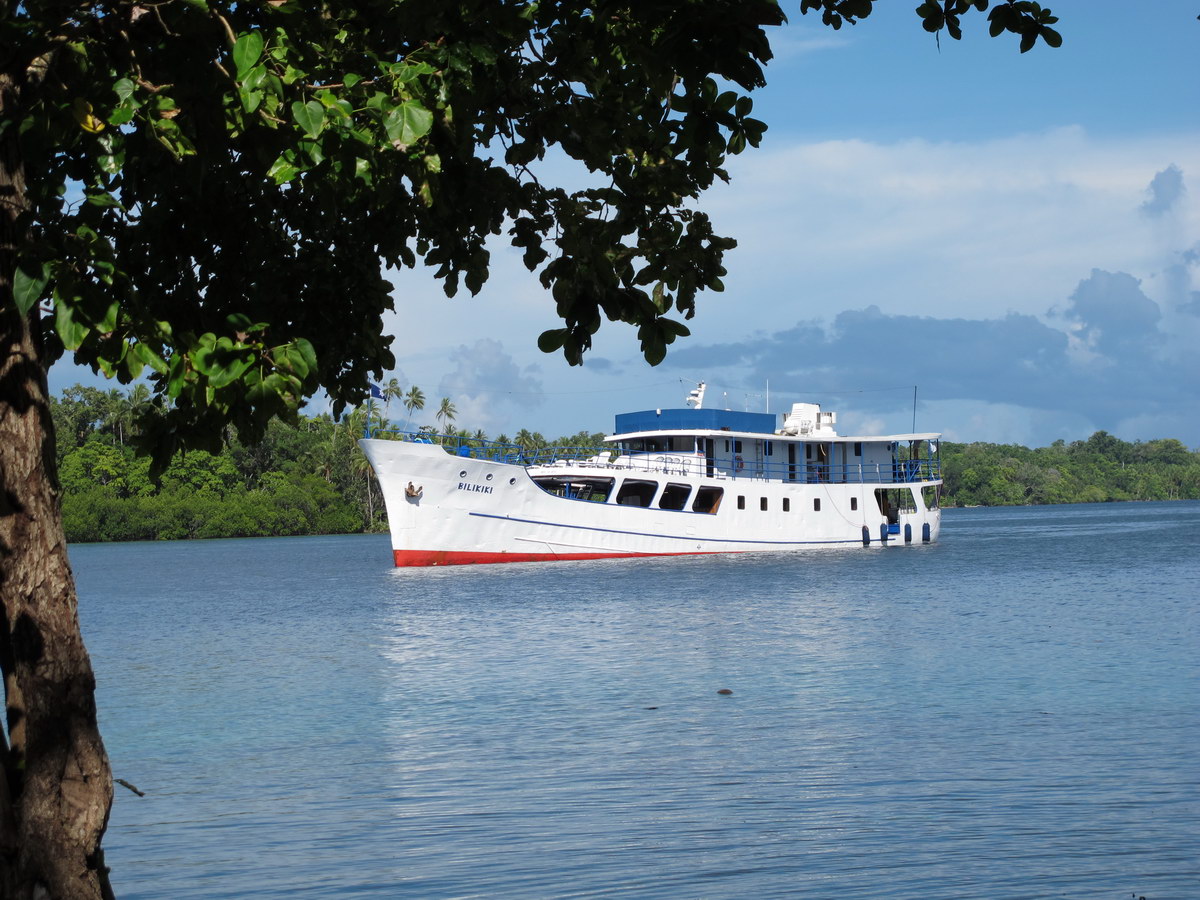
Emperor Bilikiki
Solomon Islands
20 guests38 m
$569/day
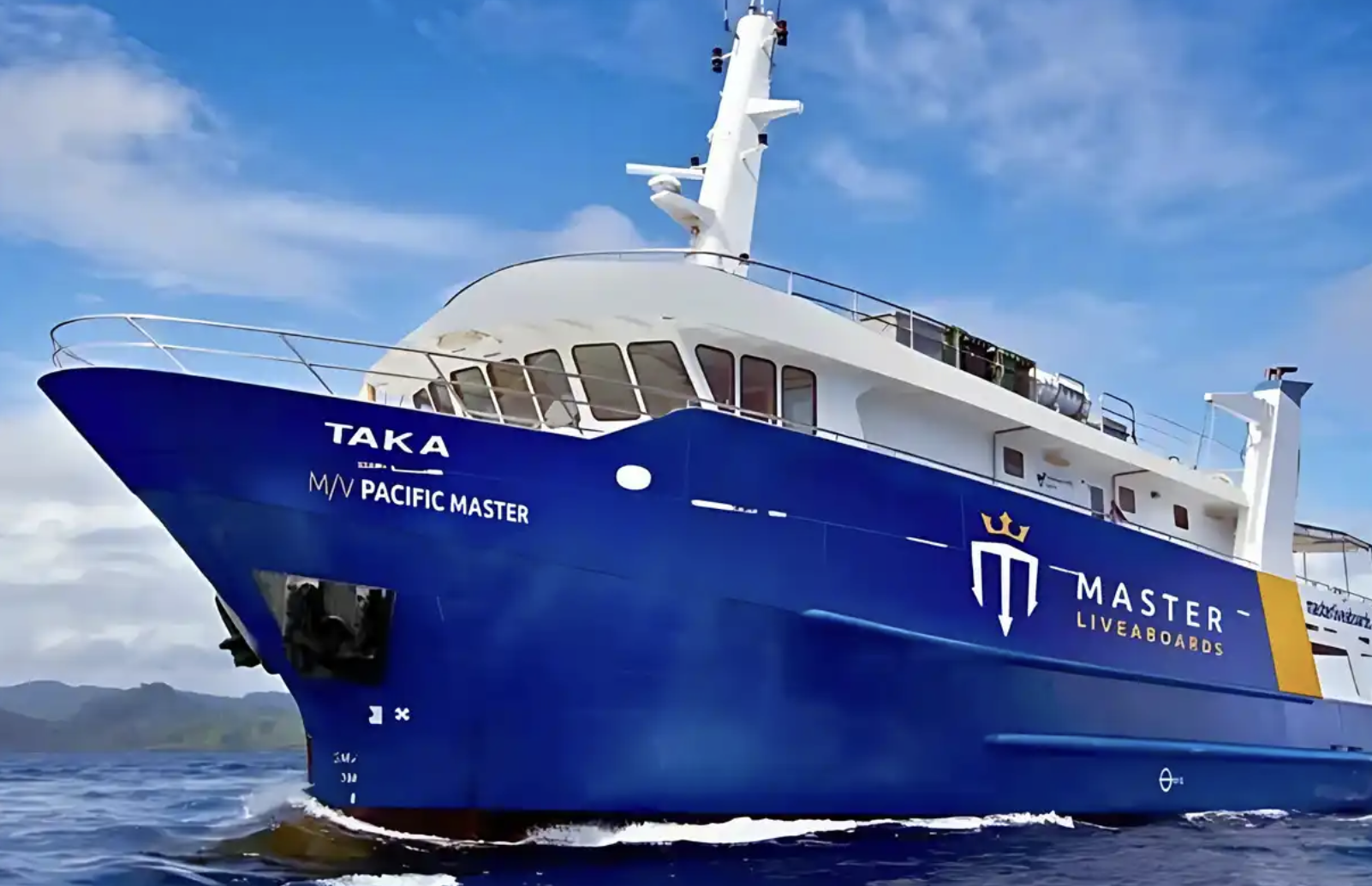
Pacific Master
Solomon Islands
20 guests30 m
$268/day
Dive sites similar to Bonegi I & II
Same character, same waters — six more sites divers love for the exact same reasons.Compare seasons, access and liveaboard routes — then pick the site that fits your trip best.
© Esri — Maxar, Earthstar, GIS
Grumman Hellcat Wreck
Solomon Islands
The Grumman Hellcat Wreck offers a fascinating and easily accessible glimpse into World War II history beneath the waves of the Solomon Islands.
- Suitable for
- Beginner
- Current
- Mild
- Access
- Dayboat
- Depth
- 9–10 m
- Theme
- Wreck
© Esri — Maxar, Earthstar, GIS
Honiara - Iron Bottom Sound
Solomon Islands
Iron Bottom Sound, located between Guadalcanal, Tulagi, and the Florida Islands, is a legendary dive destination named for the vast amount of World War II wreckage that sank during the 1942-43 Guadalcanal Campaign.
- Suitable for
- Advanced
- Current
- Strong
- Access
- Shore / dayboat
- Depth
- 15–40 m
- Theme
- Wreck
© Esri — Maxar, Earthstar, GIS
P-39 Airacobra Wreck
Solomon Islands
The P-39 Airacobra Wreck offers a unique connection to the Pacific War, providing a poignant and historically significant dive experience in the Solomon Islands.
- Suitable for
- Advanced
- Current
- Mild
- Access
- Liveaboard only
- Depth
- 20–30 m
- Theme
- Wreck
The Toa Maru is a prominent Japanese transport ship sunk during WWII off Gizo in the Solomon Islands' Western Province.
- Suitable for
- Advanced
- Current
- Mild
- Access
- Liveaboard only
- Depth
- 15–35 m
- Theme
- Wreck
© Esri — Maxar, Earthstar, GIS
White Beach WWII Dump Site
Solomon Islands
White Beach in the Solomon Islands offers a unique dive experience, serving as both a historical monument and a thriving artificial reef.
- Suitable for
- Beginner
- Current
- Mild
- Access
- Liveaboard only
- Depth
- 12–37 m
- Theme
- Wreck
© Esri — Maxar, Earthstar, GIS
White Beach
Solomon Islands
White Beach is located off Hanasivi Island, Russell Islands, Solomon Islands, and was an American military base during WWII where troops pushed equipment into the sea upon departure.
- Suitable for
- Intermediate
- Current
- Mild
- Access
- Liveaboard or dayboat
- Depth
- 5–29 m
- Theme
- Muck diving / Reef