Bahamas Liveaboard Diving
Divers Alert Network (DAN) logoFree dive insuranceincluded with every booking

Liveaboards in the Bahamas

from $156 / day

5 of 5 · Bahamas liveaboard routes, seasons & prices

Bahamas Aggressor II

Experience the colorful Bahamas coral reefs with unparalleled elegance and ease.

  • Sunbathing Deck
  • Personalized Air Conditioning
  • In-room Media Player
20 guestsfrom $328/day
All Star Aqua Cat

Seven-day scuba excursions launching from the center of Nassau.

  • En-Suite bathrooms
  • Air-Conditioned Cabins
  • Warm Water Showers
30 guestsfrom $312/day
All Star Cat Ppalu

Explore the Bahamian Exuma Cays with comprehensive diving, ecological journeys, and convenient Saturday check-ins.

  • Aircon in cabins
  • Sink in cabins
  • Mirror in cabins
12 guestsfrom $237/day
Blue Marlin

Experience the ultimate shark diving adventure in the Bahamas aboard a luxurious, purpose-built liveaboard.

  • Air-conditioned salon
  • Panoramic views
  • Sundeck
26 guestsfrom $318/day

Diving in the Caribbean: wrecks, walls and great hammerheads

A Bahamas liveaboard is the key to unlocking the secrets of this vast 700-island archipelago, offering an unparalleled variety of underwater experiences. From the legendary shark encounters of the north to the pristine, current-swept walls of the remote outer cays, this is where divers come for reliable, world-class pelagic action in crystal-clear water. The sheer scale of the region makes land-based operations limiting; a dedicated vessel is your ticket to the most exclusive sites and the true wildness of the islands.

The conversation about Bahamas diving inevitably turns to sharks. The world-renowned Tiger Beach delivers consistent, intimate encounters with its namesake tiger sharks, plus lemon and Caribbean reef sharks. Further south, a journey through the Exuma Cays Land and Sea Park reveals vibrant reefs, exhilarating drift dives like the 'Washing Machine,' and walls plunging into the abyss. Depending on the itinerary and season, you might also see majestic great hammerheads off Bimini or elusive oceanic whitetips in the deep blue. These are consistently ranked among the best dive sites Bahamas has to offer.

Diving is excellent year-round, with water temperatures ranging from 24°C (75°F) in winter to a balmy 31°C (88°F) in summer, and visibility often exceeding 30 meters. While many species are present all year, specific encounters are seasonal. The prime time for great hammerheads in Bimini is from December to April, while oceanic whitetips are most reliably seen near Cat Island from April to June. The main Atlantic hurricane season runs from June to November, a factor to consider when planning.

A Bahamas liveaboard trip is surprisingly accessible, catering to certified divers of most levels. The iconic shark dives are often conducted in relatively shallow, calm water, prioritizing good buoyancy and a calm demeanor over advanced certifications

Why dive a liveaboard in the Bahamas

From legendary wrecks and thriving reefs to close-up encounters with iconic marine life, this destination offers the experiences divers dream about. Warm, clear waters and well-organized liveaboard routes make it easy to explore the best sites. These are the highlights that keep divers coming back year after year.

Shark capital

Tiger, hammerhead, and reef sharks in abundance

Blue holes

Mystical underwater sinkholes and cave systems

700 islands

Endless variety across pristine archipelago

Year-round diving

Warm waters and visibility up to 60 metres

Who a liveaboard in the Caribbean suits — and who it doesn't

Warm, clear and shark-focused: the Bahamas is the most accessible place to dive with big sharks in easy conditions.

Beginners

Open Water, from about 20 dives

Shallow reefs and coral gardens around Nassau and Grand Bahama sit in 10 to 20 metres with mild current and excellent visibility.

Matching areas:New ProvidenceGrand BahamaBimini

Advanced divers

Advanced, shark protocols and briefings

Baited Caribbean reef-shark dives at Shark Junction and tiger sharks at Tiger Beach demand disciplined buoyancy and strict position keeping.

Matching areas:Tiger BeachShark JunctionBimini

Deep and technical

Deep, Nitrox, cave and blue-hole diving

The Tongue of the Ocean wall drops into abyssal depth, and Andros holds famous inland and ocean blue holes — cave-certified territory, not recreational.

Matching areas:Tongue of the OceanAndros blue holesExuma

Photo and video

Wide-angle, shallow strong light

Tiger Beach shoots in roughly 5 to 10 metres of white sand and gin-clear water; wrecks around Nassau were used as film sets.

Matching areas:Tiger BeachNassau wrecksExuma Cays

Best time to dive in the Bahamas

Diving in the Bahamas is excellent all year, but conditions and marine life change with the seasons. The peak season from November to May offers calm seas, 30-meter visibility, and the best big shark action, with water temperatures around 24°C. Summer brings warmer water up to 31°C and lower prices but coincides with the Atlantic hurricane season from June to November.

👆 Click any month for detailed conditions
Excellent
Good
Off-Season

Nov – May (Peak)

Tiger sharks at Tiger Beach, hammerheads off Cat Island, best visibility up to 40m, calm seas.

Jun & Oct (Shoulder)

Reef sharks, nurse sharks, dolphins. Slightly rougher seas but still diveable.

Jul – Sep (Hurricane)

Many operators pause. If open, expect reduced visibility and unpredictable weather.

Underwater visibility

47m
(154ft)
30m
(98ft)
13m
(43ft)
Jan
Feb
Mar
Apr
May
Jun
Jul
Aug
Sep
Oct
Nov
Dec

Air & water temperature

35°C 29°C 22°C
24°
25°
24°
26°
25°
27°
26°
28°
27°
30°
28°
32°
29°
33°
29°
33°
29°
32°
28°
29°
26°
27°
25°
25°
Jan
Feb
Mar
Apr
May
Jun
Jul
Aug
Sep
Oct
Nov
Dec
Water
Air (Day)

Recommended wetsuit

5mm
5mm
5mm
5mm
3mm
3mm
3mm
3mm
3mm
3mm
5mm
5mm
Jan
Feb
Mar
Apr
May
Jun
Jul
Aug
Sep
Oct
Nov
Dec
3mm (warm)
5mm (moderate)
Wetsuit Guide

What you'll see diving in the Caribbean

The Bahamas is synonymous with sharks, offering divers consistent encounters with Caribbean reef, lemon, and nurse sharks year-round. Specific seasons bring bucket-list predators, including tiger sharks at Tiger Beach from October to January and great hammerheads at Bimini between December and April. From April to June, liveaboards head to Cat Island for a chance to see rare oceanic whitetip sharks, while dolphins and turtles are common sightings.

When to See What

Use this calendar as a guide: the highlighted months show when your chances are usually best. Wildlife follows its own rhythm, so sightings are never guaranteed — but we hope this makes planning a little easier. The big animal calendar is driven by distinct seasons, with winter from December to April being prime time for great hammerheads at Bimini. Spring, from April to June, offers the best chance to see oceanic whitetips near Cat Island, while tiger shark action at Tiger Beach peaks between October and January.

Species
Jan
Feb
Mar
Apr
May
Jun
Jul
Aug
Sep
Oct
Nov
Dec
Sennet
Sennet
Bottlenose Dolphin
Bottlenose Dolphin
★
★
★
★
★
Stingray
Stingray
★
★
★
★
★
★
★
★
★
★
★
★
French Grunt
French Grunt
Sea Hare
Sea Hare
Sea Slug
Sea Slug
Sharpnose Puffer
Sharpnose Puffer
Shy Hamlet
Shy Hamlet
Great Hammerhead
Great Hammerhead
★
★
★
★
★
★
Scorpionfish
Scorpionfish
Green Turtle
Green Turtle
★
★
★
★
Hawksbill Turtle
Hawksbill Turtle
★
★
★
★
★
★
★
★
★
★
★
★
Pufferfish
Pufferfish
Barracuda
Barracuda
★
★
★
★
Caribbean Spiny Lobster
★
★
★
★
★
★
★
★
★
★
★
★
★
Peak Season
Present
Rare/Absent

Tiger Beach and Shark Junction: the best dive sites in the Bahamas

A liveaboard is essential to access the Bahamas’ premier dive sites, which are spread across remote islands and open-ocean banks. Boats reach legendary spots like Tiger Beach, a shallow sand flat off Grand Bahama famous for its reliable tiger shark encounters. Other itineraries explore the vast Exuma Cays Land and Sea Park, home to thrilling drift dives like 'The Washing Machine' and pristine walls that are otherwise inaccessible.

© Esri — Source: Esri, Maxar, Earthstar, GIS Community · Labels © Esri — HERE, Garmin, FAO, NOAA, USGS
1

Ray of Hope

Intermediate
12–18m / 39–59ftBest: November–May, December–March25.0637°, -77.2141°

The Ray of Hope is one of Nassau's premier wreck dives, an intentionally sunk 120-foot oil tanker resting on a sandy bottom. Submerged over 30 years ago, its deck lies at approximately 40 feet (12 meters) with the seafloor at around 60 feet (18 meters), making it accessible for certified divers. This site has transformed into a thriving artificial reef, adorned with vibrant coral growth and schools of tropical fish. Its unique location near the famous Shark Arena contributes to frequent shark encounters, even on non-feeding dives, providing a thrilling experience. Divers often encounter Caribbean reef sharks and nurse sharks here, along with other large marine life such as goliath groupers. The wreck's structure includes several easy swim-throughs, adding an element of exploration suitable for various skill levels. Nassau's waters, known for their consistent clarity, generally offer excellent visibility at this site. The proximity to the Tongue of the Ocean ensures nutrient-rich waters, fostering a diverse ecosystem. Diving here combines the excitement of wreck exploration with abundant marine encounters in a generally calm environment, though currents can sometimes be noticeable. The site is a favorite for underwater photography due to its well-established marine life and clear conditions. The Ray of Hope provides a compelling dive experience, blending historical interest with ecological richness. It stands as a testament to successful artificial reef creation, offering a captivating underwater landscape for all who visit.

120-foot oil tanker wreckEasy wreck swim-throughsCaribbean reef shark encountersNurse shark sightingsGoliath grouper homeVibrant coral growthArtificial reef ecosystemUnderwater photography opportunities
2

Split Coral Head

ReefBeginner
14–17m / 46–56ftBest: November–May25.1000°, -76.3300°

Split Coral Head is a notable dive site located in Eleuthera, Bahamas, celebrated for its impressive coral formations and the distinctive split in a massive coral head from which it derives its name. This site offers divers a visual spectacle, particularly on sunny days when the light illuminates the crystal-clear Bahamian waters and unique topography. The site is characterized by large, complex coral structures that are home to a variety of reef inhabitants. One central feature is a substantial coral head with a prominent split or channel running through it, large enough for divers to swim through. This geological feature, combined with the surrounding vibrant coral gardens, creates an engaging underwater landscape. Marine life sightings at Split Coral Head frequently include various shark species, great barracuda, and schools of jacks. Groupers, such as tiger grouper and Nassau grouper, are also commonly observed taking refuge within the formations. The site is part of the Eleuthera diving experience, which is known for its walls, healthy reef systems, and diverse species. Diving here typically involves exploring the impressive coral formations, navigating through the signature split, and observing the resident marine fauna. With excellent visibility often exceeding 30 meters (100 feet), divers can fully appreciate the scale and beauty of this unique Bahamian site, often as part of a liveaboard itinerary exploring both the Exumas and Eleuthera.

Dramatic split coral headShark encountersCrystal-clear Bahamian waterGiant coral formationsGreat barracuda sightingsSchools of jacksTiger and Nassau groupers
3

Metropolis

Intermediate
Best: November–May25.1267°, -77.3111°

Metropolis is a standout dive site in the Bahamas, renowned for its consistent and diverse shark encounters, making it a thrilling destination for divers seeking pelagic action. This site regularly hosts young tiger sharks, various reef sharks, and nurse sharks, providing dynamic and captivating underwater scenes. On subsequent visits, divers often encounter schools of lemon sharks, adding to the excitement. The dive site benefits from the clear Bahamian waters, ensuring excellent visibility that allows for comprehensive observation of the marine life and surroundings. While specific topographical details of Metropolis itself are not extensively described, its frequent inclusion in liveaboard itineraries alongside sites known for coral structures suggests a rich reef environment supporting its vibrant ecosystem. The presence of such a diverse shark population indicates a healthy and active environment. Diving Metropolis typically involves boat-based entry, often from liveaboards that frequent the region. The conditions generally support comfortable exploration, allowing divers ample time to appreciate the abundance of marine life. Its reputation for shark interactions positions Metropolis as a key attraction for divers looking for high-adrenaline, wildlife-focused dives in the Bahamas. The site is part of a larger diving circuit that includes other renowned locations like Shark Paradise and Sugar Wreck, highlighting its significance within the prime Bahamian diving landscape. The consistent presence of large predators makes every dive at Metropolis an extraordinary and memorable experience.

Frequent tiger shark sightingsDiverse reef shark encountersAbundant lemon and nurse sharksExcellent visibilityVibrant pelagic action
4

The Bimini Barge

WreckIntermediate
30–30m / 98–98ftBest: November–May25.6979°, -79.3170°

The Bimini Barge is a prominent wreck dive located on the extreme northwestern edge of the Great Bahama Bank, just a short distance from the deep wall and the powerful Gulf Stream currents. Sunk in the late 1980s during a hurricane, this substantial 120-foot vessel now rests upright on a sandy bottom, providing an expansive habitat for a diverse ecosystem. Its bow offers significant relief, rising approximately 40 feet from the seabed. Over the decades, the barge has become completely encrusted with a rich tapestry of corals and sponges, transforming into a beautiful artificial reef. This vibrant structure attracts large schools of fish, as well as pelagic species and local bottom dwellers. Divers can navigate through the wreck, exploring its interior and observing the abundant marine life that has made it home. The site is characterized by excellent visibility, often exceeding 24 meters, but divers should be prepared for potentially strong currents due to its proximity to the Gulf Stream. The mixed environment created by these conditions supports both reef fish and swiftly passing pelagics, along with nurse sharks and southern stingrays. This combination makes for an exhilarating and dynamic dive, requiring intermediate to advanced skills. The Bimini Barge offers a unique experience, blending historical exploration with rich biodiversity. Its depth and the presence of currents make it a rewarding challenge for those seeking a more advanced wreck dive in the Bimini area.

120-foot upright wreckArtificial reef, encrusted coralsStrong Gulf Stream currentsLarge grouper, jacks, barracudaNurse sharks, southern stingraysExcellent visibilityNear continental shelf edge

Bucket-list dives worth booking early

A Bahamas liveaboard trip is defined by its iconic big animal encounters, which are some of the best in the world. The key experience is diving cage-free with tiger sharks in the crystal-clear shallows of Tiger Beach or witnessing the great hammerhead migration off Bimini from December to March. Many itineraries, particularly in the Exuma Cays, also include a unique topside visit to swim with the famous pigs of Big Major Cay.

Underwater view of the dive site Tiger Shark Encounters in the Bahamas
1
October – January

Tiger Beach, Grand Bahama

Experience heart-pounding encounters with majestic tiger sharks at Tiger Beach, one of the world's premier shark diving destinations with crystal-clear visibility.

Read more
Underwater view of the dive site Swimming with Oceanic Whitetips in the Bahamas
2
March – June

Cat Island

Encounter the legendary oceanic whitetip sharks in the deep blue waters of Cat Island – once the most abundant large predator on Earth, now a rare and humbling sight.

Read more
Underwater view of the dive site Blue Hole Diving in the Bahamas
3
Year-round

Long Island

Descend into the mysterious Dean's Blue Hole and underwater cave systems of the Bahamas, exploring ancient stalactite formations created during the Ice Age.

Read more
Underwater view of the dive site Hammerhead Migration in the Bahamas
4
December – March

Bimini

Witness schools of great hammerhead sharks congregating in the shallow waters of Bimini during their annual winter migration – an electrifying spectacle.

Read more

Above water: climate, shore trips and extra costs

Beyond the dive deck, a Bahamas liveaboard often includes unique topside excursions that highlight the beauty of the 700 islands. Trips through the Exuma Cays famously stop for a swim with the friendly pigs on Big Major Cay, a memorable photo opportunity. For those extending their stay, it's possible to explore the stunning pink sand beaches of Harbour Island or see the dramatic Glass Window Bridge on Eleuthera.

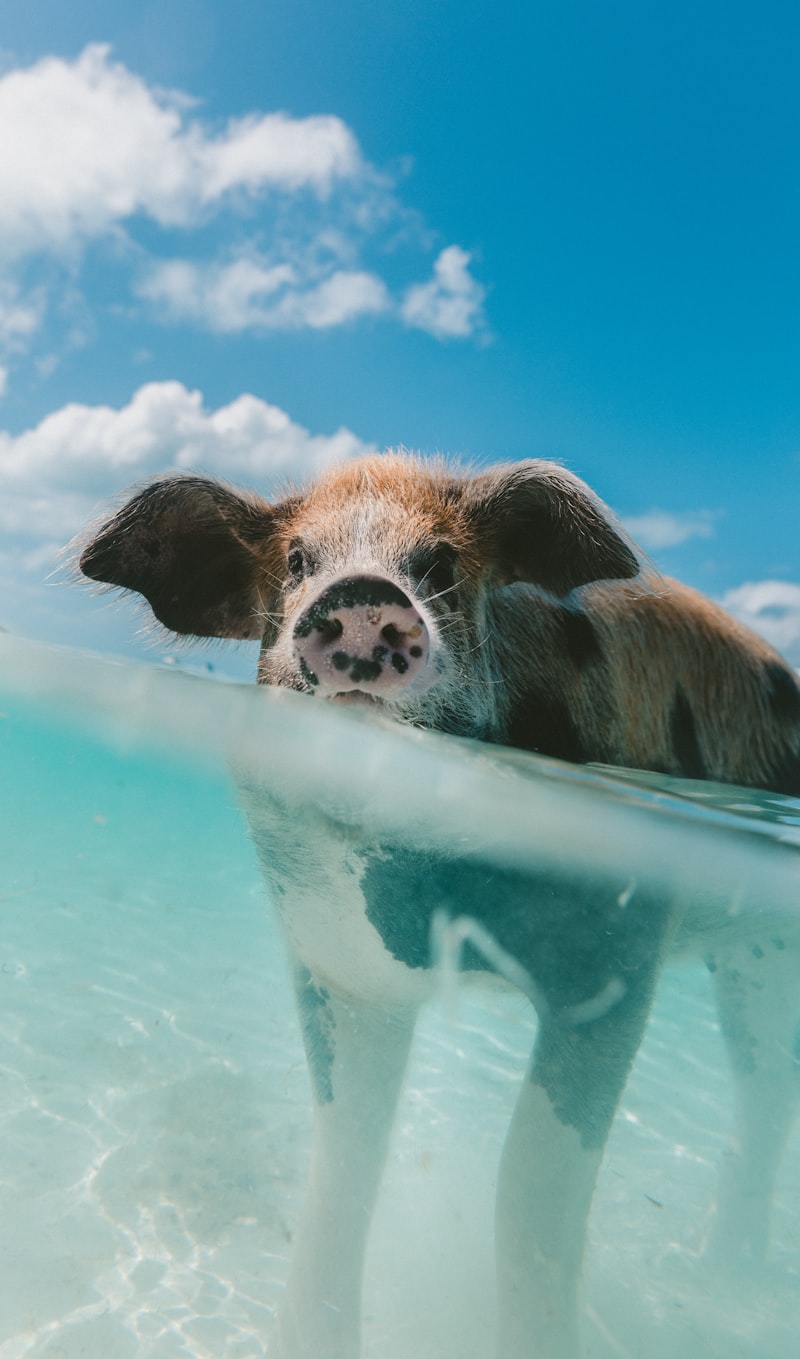
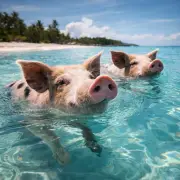
Swimming Pigs of Big Major Cay

Swimming Pigs of Big Major Cay

The world-famous swimming pigs of Exuma have become a Bahamian icon. Wade into the turquoise shallows as friendly pigs paddle up to greet you—a surreal and unforgettable experience that perfectly captures the islands' laid-back charm.

Thunderball Grotto

Thunderball Grotto

This underwater sea cave near Staniel Cay gained fame in two James Bond films. Snorkel through the entrance at low tide and emerge into a cathedral of light where sunbeams pierce through rock openings, illuminating schools of tropical fish.

Pink Sand Beaches of Harbour Island

Pink Sand Beaches of Harbour Island

Stretching three miles along Harbour Island's eastern shore, this beach owes its rosy hue to microscopic coral fragments mixed with white sand. Consistently ranked among the world's most beautiful beaches, it's a photographer's paradise.

Glass Window Bridge

Glass Window Bridge

A narrow land bridge on Eleuthera where the dark blue Atlantic crashes against rocks on one side while the calm, turquoise Caribbean Sea laps gently on the other—nature's most dramatic contrast captured in a single breathtaking view.

What a liveaboard in the Bahamas costs

The calendar below shows how liveaboard prices shift month by month, so you can see exactly when your money goes furthest. We want every diver to get the best possible value, which is why we highlight the seasons that balance great conditions with the fairest rates.

The Bahamas is a premium liveaboard destination, generally more expensive than Caribbean or Red Sea alternatives. Prices fluctuate with the season, with the summer months from May to October offering lower rates, while peak shark-encounter months are priced higher. Your final cost will also depend on the vessel, with options ranging from authentic budget sailing yachts to premium catamarans.

$156–$328

per day liveaboard

$150–$250

per 2-tank dive trip

$200–$400

hotel per night

Prices reflect typical costs for mid-range to premium options. Budget alternatives may be available.

Getting to Nassau and Freeport: flights and transfers

Getting to your Bahamas liveaboard is straightforward, with two main gateways: Nassau (NAS) for Exuma trips and Freeport (FPO) for Tiger Beach. Lynden Pindling International Airport (NAS) receives direct flights from Miami, New York, London, and Toronto, while Freeport is easily reached from Fort Lauderdale. Citizens of the US, Canada, UK, and EU typically do not need a visa for tourist stays, and airport-to-marina transfers are short.

Insider tips

🚢

Book early for peak season – Liveaboards fill up 6-12 months ahead

🍽️

September offers best deals – Lowest prices but monitor weather forecasts

🚢

Consider land-based diving – Day trips from Nassau are more affordable than liveaboards

✈️

Fly midweek – Tuesday & Wednesday flights often 15-25% cheaper

🤿

Compare Nassau vs. outer islands – Better rates but more limited dive options

🎒

Bring your own gear – Rental equipment fees add up quickly over a multi-day trip

Getting there

Lynden Pindling International Airport

Nassau • NAS

Main gateway with direct flights from Miami, New York, Atlanta, Toronto, London

Grand Bahama International Airport

Freeport • FPO

Gateway for Grand Bahama diving, flights from Miami and Fort Lauderdale

Entry requirements

Citizens of the US, Canada, UK, EU, and many other countries do not require a visa for stays up to 90 days. A valid passport with at least 6 months validity is required. All visitors must complete the Bahamas Health Travel Visa online before arrival.

This information is provided without guarantee. Please visit the official website for the latest entry requirements.

Official Immigration Information →

Frequently asked questions about liveaboards in the Bahamas

How much does a Bahamas liveaboard cost in 2026?
While 2026 trip prices vary by boat and itinerary, you should also budget for on-board expenses. It's customary to tip the crew around 15% of your trip price in cash USD. Also, plan for extras like nitrox, which can be $80-120 per week, and any alcoholic drinks you might enjoy.
When is the best time for a Bahamas liveaboard trip?
The Bahamas offers great diving year-round, but the best time depends on what you want to see. The high season from November to May offers calmer seas and peak visibility, while the warmer months from June to October are ideal for spotting oceanic whitetips. The shoulder months of April-May and October-November often provide the best balance.
What sharks can I see on a Bahamas liveaboard?
The Bahamas is world-famous for its reliable and diverse shark encounters. On a liveaboard, you can expect to see legendary tiger sharks at Tiger Beach, great hammerhead aggregations off Bimini, oceanic whitetips at Cat Island, and numerous Caribbean reef sharks.
Is it safe to dive with so many sharks in the Bahamas?
Yes, Bahamian shark encounters are very well-managed and have an excellent safety record. Dives are heavily regulated and led by experienced shark handlers, with divers typically observing passively from a kneeling position. These strict protocols ensure a safe and respectful interaction for both divers and sharks.
What should I pack for a Bahamas liveaboard?
For your dives, pack a 3mm full wetsuit for the cooler months (Nov-Apr), while a skin or shorty is fine for summer. Don't forget to bring enough cash USD for crew tips and port fees. For photographers, a wide-angle lens is essential to capture the amazing shark action.
Why is a liveaboard the best way to dive the Bahamas?
The Bahamas' best dive sites are spread across a vast 800-kilometer archipelago. A liveaboard is the only practical way to reach and combine these far-flung locations, like Tiger Beach, the Exumas, and Cat Island, in a single trip. You'll wake up at a new world-class dive site each day without wasting time on daily boat transfers.
What's the best time to see great hammerheads in the Bahamas?
To maximize your chances of seeing the famous great hammerhead aggregations off Bimini, you should plan your trip for the winter months. The season runs from December to March, with encounters typically peaking in February. This is a truly legendary wildlife experience.

The Bahamas compared with other liveaboard destinations

Honest, in-depth comparisons to help you decide between destinations, certifications, equipment and dive styles.

Liveaboard vs Land-Based Diving: Which Trip Is Right for You?

Choosing between a liveaboard and a land-based dive trip is the most fundamental decision divers face when planning a serious diving holiday. The right answer depends on your priorities: maximum dive count and access to remote sites favor liveaboards; beach time, family flexibility and lower cost favor land-based resorts. Both formats have evolved significantly in the last decade, and the line between them has blurred — luxury dive resorts now offer multi-day expedition trips, while many liveaboards include topside excursions and even spa days. This guide compares the two formats across every meaningful dimension: cost per day, dives per day, marine life access, comfort, social dynamics, family-friendliness, and travel logistics. We'll also cover the hybrid models (resort + day-charter, or 'safari boat' itineraries) that try to capture the best of both worlds. If you're certified, in love with diving and want to maximize bottom time, a liveaboard is almost always the better choice — you can clock 25+ dives in a week and reach sites no day boat can. If you're traveling with non-divers, prefer land-based comfort, or want flexibility to take days off, a resort wins. We'll get into all the nuances below.

Read comparison

Cuba vs. Bahamas: Which Liveaboard Adventure is Right for You?

Choosing your next liveaboard destination can be a delightful dilemma, especially when faced with two Caribbean gems like Cuba and the Bahamas. Both offer unparalleled underwater experiences, but cater to different preferences and diving styles. Cuba, with its rich history and relatively untouched Jardines de la Reina, promises pristine coral reefs and a dense population of sharks, harking back to a bygone era of marine conservation. On the other hand, the Bahamas is renowned for its crystal-clear waters, iconic shark diving encounters, and a more established tourism infrastructure. While Cuba offers a journey into a unique cultural landscape alongside its diving, the Bahamas provides a more accessible, often luxurious, dive vacation. This comparison will help you navigate the nuances, from marine encounters and dive conditions to logistics and budget, ensuring you pick the liveaboard that perfectly matches your dive dreams.

Read comparison

Beyond the Limits: Recreational vs. Technical Diving Explained

Scuba diving opens up a breathtaking world hidden just beneath the surface, an activity enjoyed by millions globally. For the vast majority, this means recreational diving. Governed by agencies like PADI and SSI, recreational diving is defined by its limits: no deeper than 40 meters (130 feet), always having a direct path to the surface, and staying within no-decompression limits. This framework allows divers to explore vibrant coral reefs, shipwrecks, and kelp forests with relatively simple equipment and training, focusing on enjoyment and safety within a well-established comfort zone. On the other end of the spectrum lies technical (or tec) diving. Often seen as the 'extreme sport' of the scuba world, tec diving is explicitly about going beyond recreational limits. This means diving deeper than 40 meters, planning for mandatory decompression stops on ascent, or penetrating far into overhead environments like caves or complex wrecks. Agencies such as Technical Diving International (TDI), Global Underwater Explorers (GUE), and PADI's TecRec arm provide the highly specialized training required for these demanding dives. The fundamental difference is one of philosophy. Recreational diving prioritizes risk avoidance by staying within strict, pre-defined boundaries. Technical diving, in contrast, is about risk mitigation. Tec divers intentionally plan to enter situations that would be emergencies for recreational divers, but they do so with extensive training, meticulous planning, redundant equipment systems, and specialized breathing gases. It's a calculated approach to exploring environments that are otherwise inaccessible. This distinction isn't just about numbers and gear; it’s about mindset and motivation. While a recreational diver might be thrilled by the colorful reefs of the Red Sea, a technical diver might be drawn to the challenge of exploring a deep, historic wreck like the Britannic off the coast of Greece. Understanding the differences in limits, equipment, training, and risk is crucial for any diver considering where their underwater journey might lead next.

Read comparison
Plan your trip

Ready to dive?

Explore our expedition vessels and find your perfect trip to Bahamas

4.8724 Reviews